
How to Lose Weight with Diabetes Safely: Doctor-Backed Strategies That Work
Just last week, a long-term patient named Robert asked me how to lose weight with diabetes safely without triggering dangerous blood sugar swings. He had been managing type 2 diabetes for five years and wanted to lose 30 pounds, but every diet he tried left him exhausted or caused his glucose levels to drop too…

Reviewed by
Dr Jack Reynolds
Written by
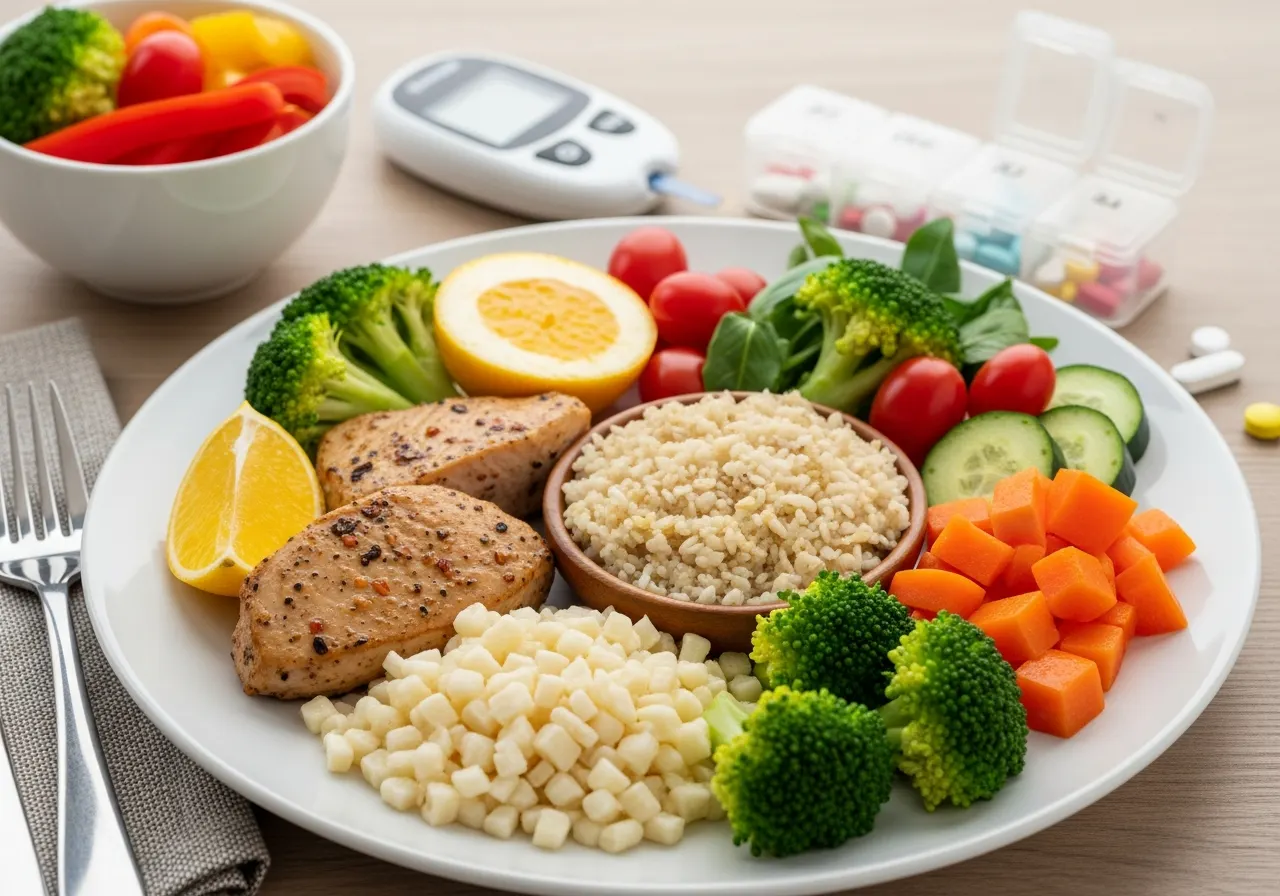
Quick Overview
Just last week, a long-term patient named Robert asked me how to lose weight with diabetes safely without triggering dangerous blood sugar swings. He had been managing type 2 diabetes for five years and wanted to lose 30 pounds, but every diet he tried left him exhausted or caused his glucose levels to drop too low.
His frustration is very common among patients trying to balance weight loss with stable blood sugar.
I explained that losing excess weight is absolutely possible, but extreme “starvation” diets can be risky for people using insulin or glucose-lowering medications. When diabetes is involved, metabolism must be managed more carefully, with attention to meal timing, portion balance, and medication adjustments.
In this guide, I’ll walk through the same strategies I use in my clinical practice. We’ll cover how to structure meals, manage medications responsibly, and protect blood sugar levels while working toward steady, sustainable weight loss.
Key Takeaways
- Sustainability is safe: Weight loss is highly beneficial for diabetes, but slow and steady progress (1-2 lbs/week) is the only safe way to do it.
- Medication matters: You must coordinate your weight loss efforts with your doctor to adjust medications like insulin as you lose weight.
- The “Magic” Duo: A balanced, low-glycemic diet combined with regular strength and aerobic exercise is the most effective way to improve insulin sensitivity.
- Listen to your body: Unexplained or rapid weight loss is a medical emergency, not a diet success.
Can People with Diabetes Lose Weight Safely?
Yes, people with diabetes can lose weight safely, but gradual, steady weight loss is strongly recommended to avoid severe blood sugar complications.
When you have diabetes, extreme calorie restriction can quickly lead to hypoglycemia (dangerously low blood sugar), especially if you are on glucose-lowering medications. Safe weight loss for diabetics requires a calculated approach.
You must balance your food intake with your medication doses to keep your glucose stable while still maintaining a slight caloric deficit.
Why Weight Loss Matters in Diabetes
Losing weight is not just about fitting into old clothes; it is a profound medical intervention. For a higher-weight person, fat accumulation directly drives the severity of the disease.
First, shedding excess fat drastically improves your insulin sensitivity. Visceral fat (belly fat) releases inflammatory chemicals that block your body’s cells from using insulin properly. When you lose that fat, your cells “wake up” and begin absorbing glucose naturally again.
Second, weight loss directly helps lower your A1C levels. A lower A1C means a significantly reduced risk of long-term complications like nerve damage and heart disease.
Finally, consistent weight loss in type 2 diabetes often allows doctors to safely reduce a patient’s medication needs, sometimes eliminating the need for insulin altogether.
Is It Harder to Lose Weight with Diabetes?
Patients frequently feel defeated, asking if their body is working against them. Is it harder to lose weight with type 2 diabetes? The honest, medical answer is yes.
There are significant hormonal and metabolic factors at play. Insulin resistance means your body naturally wants to store calories rather than burn them. Your cells are essentially locked, making fat breakdown a slower, more difficult biological process.
Furthermore, it is hard to lose weight with type 1 and type 2 diabetes because of medication effects. Many life-saving treatments, particularly injected insulin and sulfonylureas, are anabolic (storage) hormones. They actively encourage weight gain if your carbohydrate intake is not strictly controlled.
What Is the Easiest Way for a Diabetic to Lose Weight?
The easiest way for a diabetic to lose weight is by combining a balanced, portion-controlled diet with regular physical activity and consistent blood sugar monitoring.
There are no shortcuts, but the “easiest” method is the one that prevents intense hunger and blood sugar crashes. This relies on strict calorie control without eliminating essential nutrients.
Building your meals around whole foods—like lean proteins, fibrous vegetables, and healthy fats—keeps you full and stabilizes your glucose. When paired with consistent, daily activity like walking, your body naturally shifts into a fat-burning state safely.
Safe Weight Loss Guidelines for Diabetes
When setting your goals, pacing is everything. The medical standard for safe weight loss is 1 to 2 pounds per week. Trying to lose weight faster than this usually backfires.
Why does slow weight loss matter so much for diabetic patients? Primarily, it prevents severe hypoglycemia. Drastically cutting calories can cause your blood sugar to crash, forcing you to consume extra sugar to recover, which immediately ruins your diet.
Additionally, slow weight loss ensures you maintain vital muscle mass. Muscle is a metabolically active tissue; it acts like a sponge that naturally soaks up excess blood glucose. Losing muscle through crash dieting makes your diabetes permanently harder to control.
Diet Strategies for Weight Loss with Diabetes
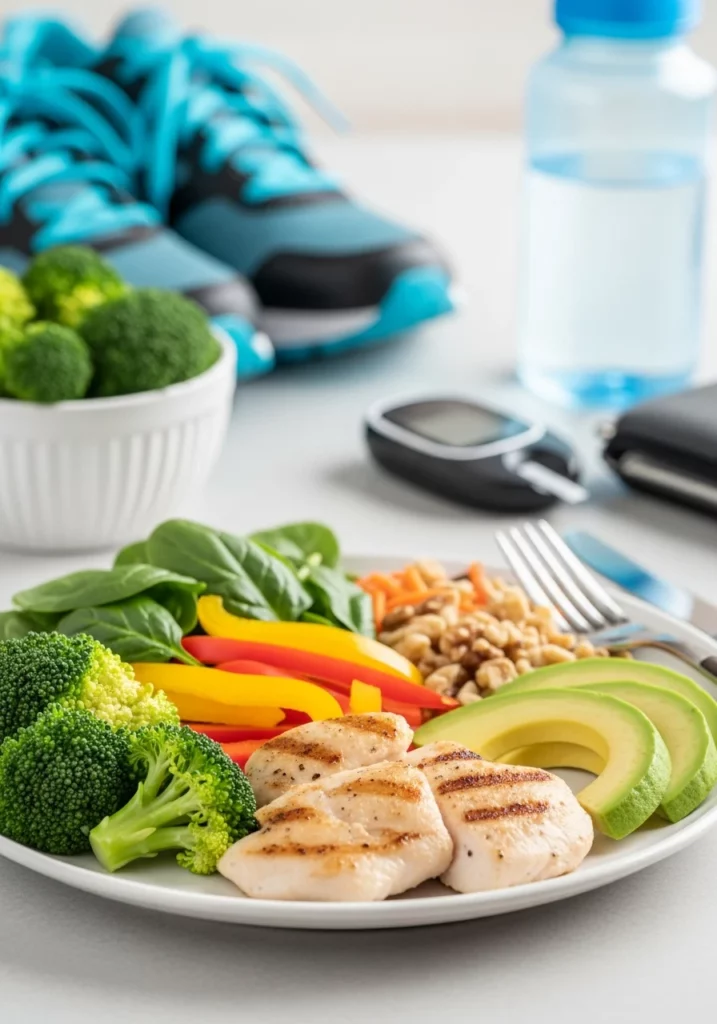
Nutrition is the cornerstone of metabolic health. Because this is the most critical factor, we need to detail exactly how your daily meals should be structured to promote fat loss without spiking your blood sugar.
Balanced Plate Method
The simplest and most effective dietary tool I teach my patients is the “Plate Method.” You do not necessarily have to count every single calorie or weigh your food if you correctly visually portion your plate.
Fill exactly one-half of your plate with non-starchy vegetables. Think spinach, broccoli, green beans, or peppers. These provide massive volume and fiber with almost zero impact on your blood sugar.
Fill one-quarter of your plate with lean protein, such as grilled chicken, baked fish, tofu, or eggs. Protein stabilizes your hunger hormones. Finally, fill the last quarter with healthy, complex carbohydrates like quinoa, sweet potatoes, or beans.
Carbohydrate Control
You do not have to eliminate carbs, but you must aggressively control the type of carbohydrates you consume. Focus entirely on low glycemic index (GI) foods.
High GI foods (like white bread, sugary sodas, and pastries) digest instantly, flooding your blood with sugar and triggering a massive insulin release that promotes fat storage. Low GI foods (like oats and lentils) digest slowly, providing a steady trickle of energy that keeps your glucose flat and prevents fat accumulation.
Meal Timing
Many patients ask, “What is the 3-hour rule in diabetes?” This is a dietary strategy designed to prevent drastic blood sugar fluctuations and the severe hunger pangs that lead to indulgent eating.
The rule suggests eating a small, balanced meal or snack every 3 to 4 hours. By eating smaller, more frequent portions containing protein and fiber, you prevent your blood sugar from dropping too low between meals. This constant stability prevents the “starvation response” that makes weight loss so incredibly difficult.
Exercise for Safe Weight Loss
Physical activity is the second pillar of your weight loss strategy. When I worked with Robert, we focused on “exercise as medicine.” Moving your body doesn’t just burn calories; it physically changes how your cells respond to insulin.
For losing weight and type 2 diabetes, I recommend a minimum of 150 minutes of moderate-intensity aerobic activity per week. This can be as simple as a brisk 30-minute walk five days a week. Walking after meals is particularly effective, as it helps clear glucose from your blood when it’s at its peak.
Furthermore, losing weight with type 2 diabetes is significantly easier when you include strength training at least two to three times per week. Muscle tissue burns more calories at rest than fat tissue. More importantly, muscles act as a “glucose sink,” soaking up blood sugar and reducing your overall insulin requirements.
Losing Weight While Taking Insulin
This is perhaps the most challenging aspect of diabetic weight management. As we discussed earlier, insulin is an anabolic hormone, which can make losing weight while taking insulin feel like an uphill battle.
If you are injecting insulin, you must be extremely careful with calorie restriction. If you cut your food intake but keep your insulin dose the same, you will experience severe hypoglycemia. This often leads to “eating back” the calories you just cut to bring your sugar back up.
To succeed, you must work closely with your healthcare provider to adjust your doses. As you lose weight and become more active, your body will naturally need less insulin. Proactively lowering your dose under medical supervision is the only way to break the cycle of insulin-driven weight gain.
How to Lose Weight with Type 1 Diabetes
Weight management in Type 1 diabetes requires a high level of precision. Because your body produces no insulin, every carbohydrate you eat and every minute you exercise must be balanced against your insulin pump or injections.
When patients ask how to lose weight with type 1 diabetes, I emphasize the importance of preventing “defensive eating.” This occurs when you over-treat a low blood sugar with too many calories. Using precise glucose tabs instead of snacks can help keep your calorie count in check during a low.
Focus on careful insulin adjustment and frequent monitoring. Using a Continuous Glucose Monitor (CGM) is a game-changer here. It allows you to see exactly how different exercises and foods affect your levels, allowing for micro-adjustments that prevent weight-gaining “lows.”
Quick Weight Loss for Diabetics: Is It Safe?
In a world of “miracle” 10-day detoxes, many patients ask, “Can diabetics lose weight quickly?” My clinical advice is almost always a firm “no.” Quick weight loss for diabetics is generally unsafe and highly unsustainable.
Rapid weight loss often leads to severe blood sugar instability. When you lose weight too fast, you risk ketoacidosis or extreme hypoglycemia. Furthermore, rapid weight loss is usually mostly water and muscle weight, not the fat loss you are actually looking for.
Muscle loss is particularly dangerous because it slows your metabolism and makes your blood sugar harder to manage in the long run. Stick to the 1–2 pounds per week rule to ensure that the weight you lose is fat and that your metabolic health remains stable.
How to Lose 50 Pounds Safely with Diabetes
If you have a significant amount of weight to lose, you need a long-term mindset. To lose 50 pounds safely with diabetes, you should look at a timeline of 6 to 12 months. This is a marathon, not a sprint.
I recommend breaking this large goal into smaller, manageable milestones of 5 to 10 pounds. Celebrating these small wins keeps you motivated. Focusing on sustainability is the only way to ensure the weight doesn’t come rushing back once the “diet” is over.
The most successful patients I see are those who focus on habit formation rather than just the number on the scale. When you focus on hitting your fiber goals and your daily step counts, the 50-pound weight loss becomes a natural byproduct of your new lifestyle.
What Is the 3-3-3 Rule for Weight Loss?
You may have seen the 3-3-3 rule for weight loss trending on social media. While not an official medical protocol, the concept can be a helpful framework if used correctly for diabetes management.
This rule typically suggests consuming 3 balanced meals, engaging in 30 minutes of movement, and drinking 3 liters of water daily. For a diabetic, this structure is beneficial because it promotes consistency, which is the “secret sauce” of blood sugar regulation.
However, I always tell my patients to prioritize the “balanced meal” part of this rule above all else. Ensure those three meals are high in protein and fiber to avoid the glucose spikes that can occur if you go too long without eating.
Medication Options and Alternatives
While lifestyle changes are the foundation, sometimes your biology needs extra help. In the last few years, we have seen a revolution in diabetes medications that actually support weight loss.
GLP-1 Receptor Agonists
Medications like Ozempic, Wegovy, and Mounjaro have changed the game for Type 2 diabetes. These drugs mimic a natural hormone that slows digestion and tells your brain you are full. They are often far more effective for weight loss than traditional insulin-based treatments.
Metformin
Metformin remains the first-line defense for Type 2 diabetes. While its weight loss effects are modest compared to newer drugs, it helps by improving insulin sensitivity and slightly reducing appetite without the risk of hypoglycemia.
What is an alternative to Ozempic?
If you cannot tolerate GLP-1 meds, there are other options. SGLT2 inhibitors (like Jardiance or Farxiga) help you lose weight by prompting your kidneys to flush excess glucose out through your urine. This can lead to a steady, modest weight loss over time.
Unexplained or Sudden Weight Loss in Diabetes

It is vital to distinguish between intentional weight loss and a medical emergency. Unexplained weight loss with diabetes is often a red flag that your blood sugar is dangerously out of control.
If you are losing weight without trying, it usually means your body cannot get glucose into your cells. Instead, it starts burning your own muscle and fat for fuel. This is often accompanied by extreme fatigue, constant thirst, and blurred vision.
Sudden weight loss in type 2 diabetes or rapid weight loss in type 1 diabetes requires an immediate visit to your doctor. It may indicate that your current treatment plan is failing or that you are at risk for a life-threatening condition called DKA (diabetic ketoacidosis).
How to Stop Unhealthy Weight Loss in Diabetes
If your weight loss has become unhealthy or unintentional, we must take immediate action to stabilize your body. The first step in how to stop weight loss in diabetes is a full medication review with your physician.
We may need to increase your insulin dose or adjust your oral medications to ensure your body can actually use the energy you consume. Increasing your intake of healthy fats—like avocados, olive oil, and nuts—can also help add calories without spiking your blood sugar.
If you are struggling to maintain your weight despite eating, it’s a sign that your metabolism is in a catabolic state. This requires medical intervention to shift your body back into a healthy, anabolic state where it can maintain its lean muscle mass.
Sample Diabetes Weight Loss Plan
This table provides a simple 2-day snapshot of how to structure your meals and activity for safe weight loss.
| Day | Breakfast | Lunch | Dinner | Activity |
| Monday | Scrambled eggs with spinach and peppers | Grilled chicken salad with olive oil dressing | Baked salmon with roasted broccoli and 1/2 cup quinoa | Brisk 30-minute walk after dinner |
| Tuesday | Steel-cut oats with walnuts and cinnamon | Turkey and avocado wrap in a low-carb tortilla | Lean beef stir-fry with plenty of mixed vegetables | 20 minutes of light strength training |
Action Plan: Start Losing Weight Safely
- Set realistic goals: Aim for a 5% reduction in body weight to start seeing massive health benefits.
- Track your intake: Use an app or journal to monitor carbs and calories to find your “sweet spot.”
- Exercise regularly: Start with walking and gradually add resistance training to build glucose-burning muscle.
- Monitor your blood sugar: Check your levels more frequently when starting a new diet or exercise routine.
- Consult your doctor: Never make significant changes to your carbohydrate intake or exercise without a professional medical consultation.
Frequently Asked Questions
Can diabetics lose weight quickly?
While possible, it is not recommended. Rapid weight loss can cause dangerous blood sugar fluctuations and muscle loss. Aiming for 1–2 pounds per week is the safest and most sustainable way to protect your health.
Is it harder to lose weight with diabetes?
Yes, it can be. Insulin resistance and certain medications like insulin can promote fat storage. However, by focusing on insulin sensitivity through exercise and a low-glycemic diet, you can overcome these hurdles.
What is the safest way to lose weight with diabetes?
The safest way is a combination of a balanced, portion-controlled diet (like the Plate Method), regular physical activity, and close medical supervision to adjust your medications as needed.
Why am I losing weight without trying?
This is often a sign of uncontrolled high blood sugar. When your body can’t use glucose for energy, it burns fat and muscle instead. If you experience unintentional weight loss, contact your doctor immediately.
What is an alternative to Ozempic for weight loss?
Other options include Mounjaro (a dual agonist) or SGLT2 inhibitors like Jardiance. Additionally, a strict “lifestyle-first” approach focusing on high protein and fiber can be a powerful alternative for those who prefer not to use newer injectables.
Conclusion
Navigating weight loss while managing diabetes can feel like walking a metabolic tightrope. As I tell my patients every day, you are not just fighting the scale; you are actively managing a complex hormonal condition.
The frustration you feel when progress is slow is completely valid. However, you must remember that in the context of diabetes, slow and steady is not just a cliché—it is a strict medical necessity to protect your brain and body from dangerous blood sugar crashes.
By focusing on sustainable habits like the Plate Method, consistent daily movement, and close communication with your healthcare team, you take back control of your health. You do not need extreme starvation diets or punishing exercise routines.
You simply need consistency and a willingness to work with your body’s biology rather than against it. Celebrate every single pound lost, as each one represents a profound victory for your long-term metabolic health and a step toward a longer, more vibrant life.
Authoritative Medical References:
- PubMed (National Library of Medicine) – Primary care-led weight management for remission of type 2 diabetes
- PubMed (National Library of Medicine) – Cardiovascular Effects of Intensive Lifestyle Intervention in Type 2 Diabetes
- American Diabetes Association (ADA) – Weight Management & Diabetes
- Centers for Disease Control and Prevention (CDC) – Healthy Weight and Diabetes
- National Institute of Diabetes and Digestive and Kidney Diseases (NIDDK) – Diabetes Diet, Eating, & Physical Activity

SOURCES
Related articles


Diabetic-Friendly Weight Loss Meals: 1500-Calorie Plans, Easy Recipes & 7-Day Guide


Online Counseling for Chronic Illness: Therapists, Platforms & Coping Strategies

Therapy for Diabetes Depression: Treatments, Mental Health Workbooks & Best Support Resources (2026)