
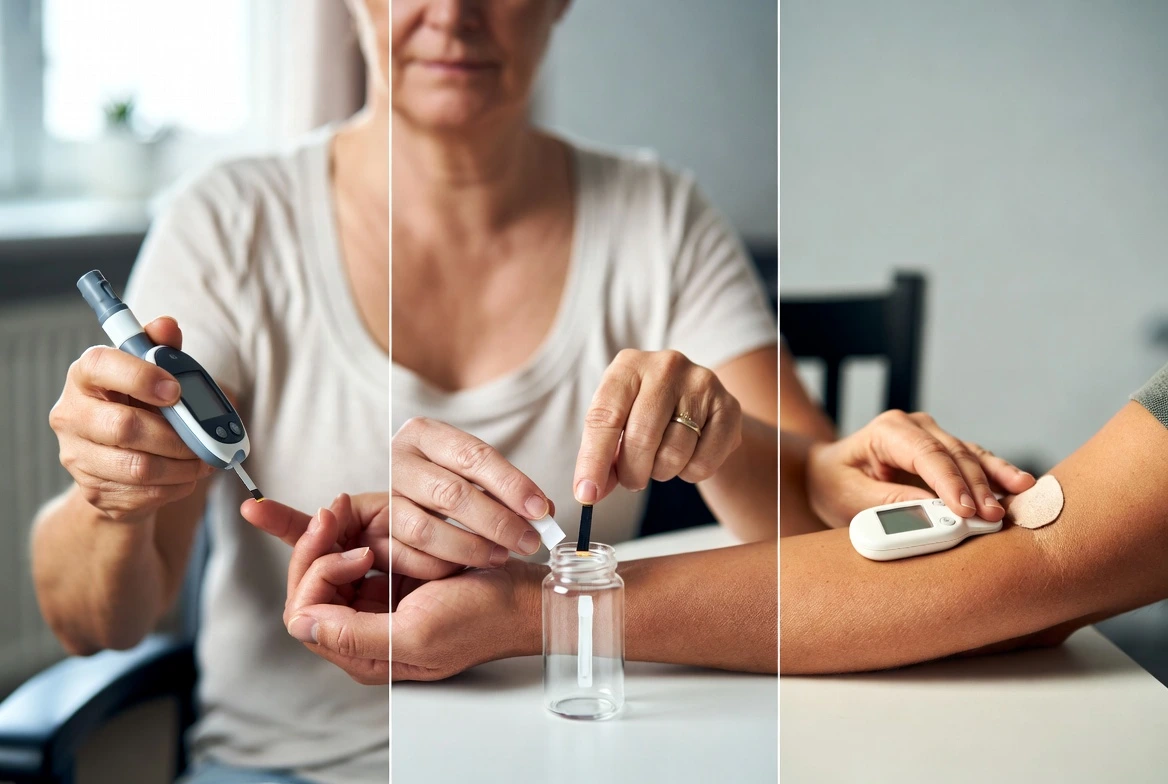
Are you constantly thirsty or running to the bathroom? Millions of people live with undiagnosed blood sugar issues. You might wonder how to test for diabetes quickly and safely. As a doctor, I see many patients ignore early warning signs. They wait until severe complications happen. Early testing prevents serious damage to your heart and nerves. You can start screening yourself right in your living room. A simple do-it-yourself diabetes test gives you vital clues.
Later, a doctor confirms the results through specific laboratory blood tests. Recently, my colleague interviewed a patient who felt totally overwhelmed by his symptoms. He didn’t know how to check if you have diabetes without expensive clinic visits. We helped him navigate the testing process step-by-step. Let’s break down your options so you can take control of your health today.
TL;DR Summary Box
First of all, pay attention to extreme thirst, frequent bathroom trips, and constant hunger. Therefore, if you notice these signs, you should get tested immediately. You can easily check your blood sugar at home using a standard glucometer or simple urine strips.
However, you must always see a doctor for an official diagnosis. Medical clinics rely on four main tests to confirm your health status. These include the A1C, fasting blood sugar, oral glucose tolerance test, and random blood sugar test. Consequently, an A1C level of 6.5% or higher officially confirms diabetes. Early testing truly saves lives!
What Are the Big Three Signs of Diabetes?
First of all, your body usually drops major hints before your blood sugar reaches dangerous levels. Doctors call these clues the “classic triad.” If you notice what the big three signs of diabetes are, you need to take immediate action.
- Excessive Thirst (Polydipsia): You drink gallons of water but still feel severely parched. High glucose pulls fluids out from your body’s tissues.
- Frequent Urination (Polyuria): Because you drink much more water, you urinate more often. Your kidneys work overtime to flush out the extra sugar.
- Extreme Hunger (Polyphagia): Your cells starve because they cannot access the glucose floating in your blood. Therefore, you feel constantly famished.
What Are 10 Warning Signs of Diabetes?
Beyond the big three, other subtle clues point to metabolic trouble. Knowing what are 10 warning signs of diabetes helps you catch the disease early. Look out for these very common physical symptoms.
- Frequent urination, especially at night.
- Unquenchable thirst.
- Sudden, unexplained weight loss.
- Extreme fatigue and low daily energy.
- Blurred vision or trouble focusing your eyes.
- Slow-healing cuts, blisters, and sores.
- Constant, insatiable hunger pangs.
- Tingling or numbness in your hands and feet.
- Frequent yeast or persistent urinary tract infections.
- Dark, velvety skin patches on your neck or armpits.
4 Top Tests for Diabetes
When you visit a medical clinic, we rely on specific, highly accurate diagnostic tools. The 4 top tests for diabetes give us a clear, undeniable picture of your metabolic health. A standard blood test for diabetes type 2 or type 1 will usually fall into one of these specific categories.
Fasting Blood Sugar Test
This routine test measures your blood glucose after you fast overnight. You cannot eat or drink anything but water for eight to twelve hours. Then, a nurse draws your blood first thing in the morning. This gives us your perfect baseline sugar level. It is highly reliable and very common globally.
Hemoglobin A1C Test
The A1C test is the gold standard for clinical diagnosis. It measures your average blood sugar over the past two to three months. Sugar slowly attaches to a protein in your red blood cells called hemoglobin. Because red blood cells live for about three months, this test shows your long-term glucose control. You do not need to fast for an A1C test.
Oral Glucose Tolerance Test
This specific test shows how your body processes sugar in real time. First, we take a standard fasting blood sample. Next, you drink a very sweet, syrupy glucose liquid. We then check your blood sugar levels every single hour for two to three hours. If your levels stay elevated, your body struggles to produce or use insulin.
Random Blood Sugar Test
Sometimes you desperately need an immediate medical answer. A random blood sugar test happens at any time of day, regardless of when you last ate a meal. We use this if you show severe, classic symptoms like extreme thirst or sudden weight loss. A very high result instantly points to a formal diabetes diagnosis.
Normal Blood Sugar Levels Chart
Understanding your laboratory test results is crucial. A normal blood sugar level chart helps you see exactly where you stand health-wise. The diabetes test normal range varies slightly depending on the exact test type. Here is a simple guide to help you interpret your personal numbers.
| Test Type | Normal Range | Prediabetes | Diabetes |
| Fasting Blood Sugar | Under 100 mg/dL | 100 to 125 mg/dL | 126 mg/dL or higher |
| A1C Test | Under 5.7% | 5.7% to 6.4% | 6.5% or higher |
| Glucose Tolerance | Under 140 mg/dL | 140 to 199 mg/dL | 200 mg/dL or higher |
| Random Blood Sugar | Under 140 mg/dL | N/A | 200 mg/dL or higher |
How to Test for Diabetes at Home
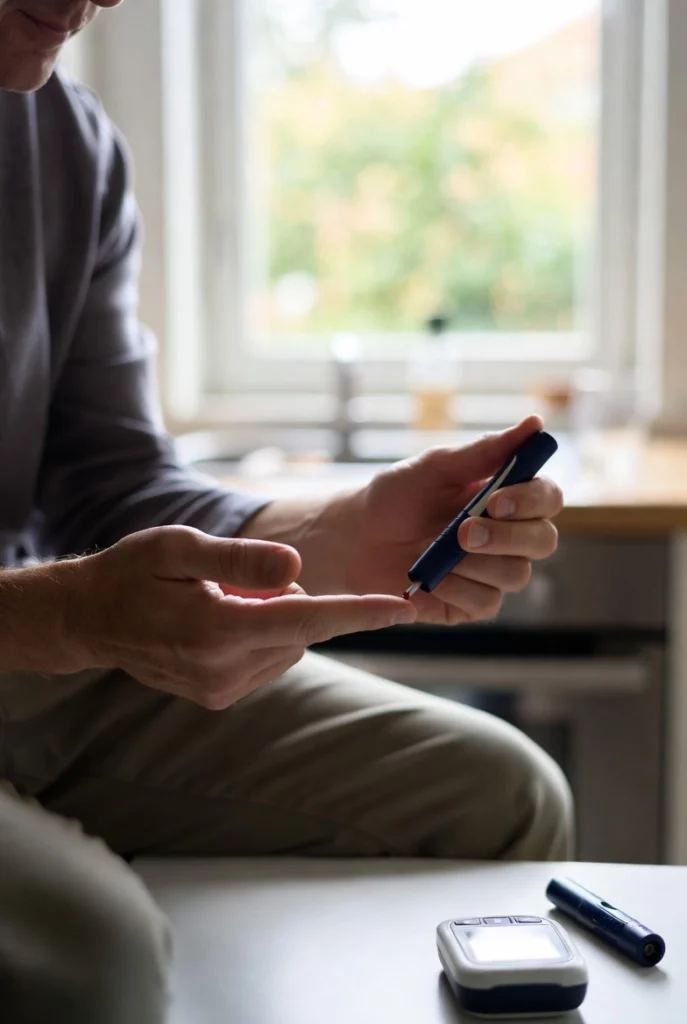
You don’t always have to wait weeks for a doctor’s appointment to start investigating. Many worried patients ask me how to test for diabetes at home. The general process is simple, affordable, and highly accessible. You can easily buy an at-home diabetes test at your local corner pharmacy.
First of all, you can use a standard electronic glucometer. You prick your finger with a tiny, spring-loaded needle called a lancet. You place a small drop of blood on a disposable test strip. The digital meter reads the strip and displays your current blood sugar in mere seconds. This simple finger-stick method is the most common way to check for diabetes at home.
Furthermore, home A1C kits are now widely available over the counter. You collect a few drops of blood and mail the sample to a certified lab. They send you your three-month average a few days later. A do-it-yourself diabetes test is an excellent screening tool. However, you must always confirm the home results with your primary care doctor.
At-Home Diabetes Test Options
When exploring how to test for diabetes at home, you have several highly reliable choices. Medical technology makes tracking your daily glucose incredibly simple today.
- Glucose Meters: These small, portable devices are the gold standard for daily home testing. They require a tiny finger prick. They give you immediate, real-time feedback on your current sugar levels.
- Continuous Glucose Monitors (CGMs): These are advanced sensors you wear on your arm or stomach. They measure your interstitial fluid sugar every few minutes automatically. They send the data directly to your smartphone via Bluetooth.
- Urine Strips: These basic dipsticks check for excess glucose or ketones in your urine. They are significantly cheaper but less precise than blood tests. They usually only show a positive result if your sugar is already extremely high.
How to Test for Diabetes With Urine
Many patients ask how to test for diabetes in urine safely. First of all, you can buy simple dipsticks at any local pharmacy. You just hold the strip in your urine stream. Wait a few seconds for the color to change. Therefore, it is a very cheap screening method. However, doctors do not use this to officially diagnose you. It only shows positive if your blood sugar is extremely high.
The kidneys start spilling sugar into urine around 180 mg/dL. If you want to know how to test for diabetes at home with urine, check for ketones too. Ketones appear when your body burns fat instead of sugar. This usually happens in type 1 emergencies. Always call your doctor if you see ketones.
How to Test for Diabetes Without a Kit
Can you figure out how to test for diabetes at home without a kit safely? Technically, you cannot officially test without medical tools. However, you can monitor your body very closely. Your physical symptoms are your earliest warning signs. First, track your daily water intake. Note how many times you wake up to urinate. Furthermore, monitor your energy levels after eating heavy meals.
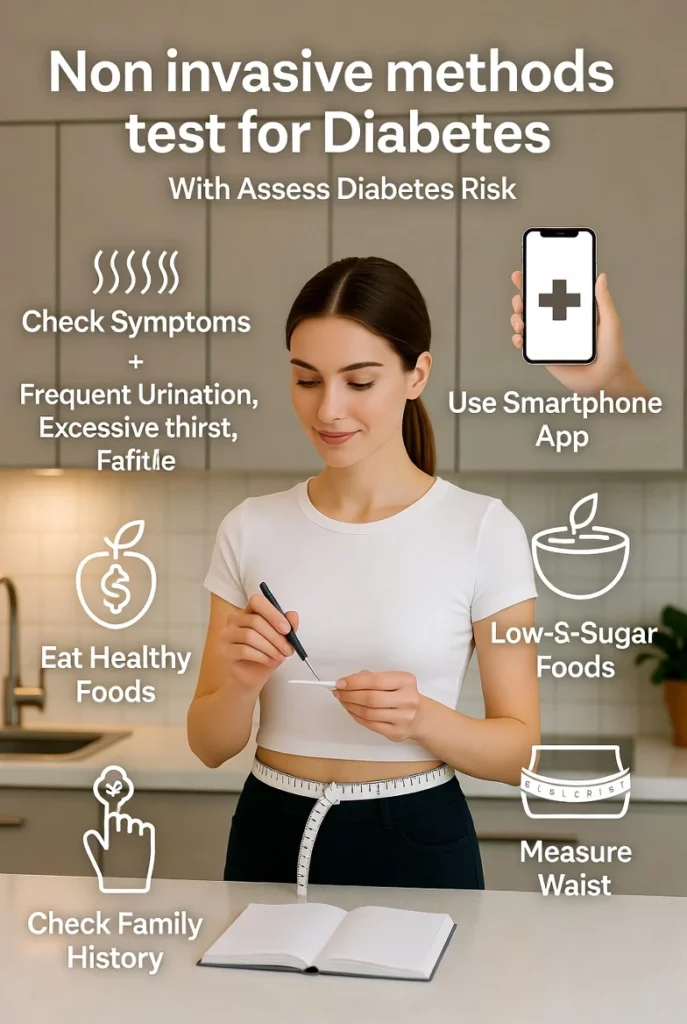
Do you crash immediately after lunch? If so, this points to high blood sugar. Therefore, symptom tracking is your best initial step. Write down everything in a simple daily log. Take this detailed log to your primary care physician. They will then perform a proper blood test to confirm.
How to Test for Type 2 Diabetes
Most adults develop insulin resistance over time. Consequently, they need to know how to test for type 2 diabetes early. Doctors rely on three main laboratory tests here. The A1C test is our absolute favorite tool for this. The A1C shows your three-month average glucose. Therefore, it gives us a big-picture view of your health.
A blood test for diabetes type 2 usually starts with this simple lab draw. A result over 6.5% confirms the diagnosis completely. Alternatively, we might use a fasting glucose test. You must fast overnight for this one. A result over 126 mg/dL indicates type 2. If you ask how to test for diabetes 2 accurately, always trust your doctor’s lab work.
How to Test for Type 1 Diabetes
Type 1 is an autoimmune condition. Therefore, learning how to test for type 1 diabetes involves looking at your immune system. We do not just look at your blood sugar levels. We look for specific immune markers too. First of all, doctors run autoantibody tests. These tests check if your body is attacking its own pancreas.
If these antibodies are present, it strongly points to type 1. This helps us separate type 1 from type 2 easily. Furthermore, we usually run a C-peptide test. This specific test shows exactly how much insulin your pancreas still makes. Very low C-peptide levels confirm the diagnosis. So, testing for diabetes type 1 requires these highly specialized labs.
How to Test for Diabetes in Children
Parents often worry about their little ones. They constantly ask how to test for diabetes in children safely. Kids usually develop type 1, which happens very fast. Look for sudden bedwetting in potty-trained kids. Furthermore, watch for extreme thirst and rapid weight loss. If you notice these, take them to a pediatrician immediately.
The doctor will do a quick finger-prick test first. This is exactly how to test for type 1 diabetes in kids initially. Do not wait if your toddler seems unusually tired. If you wonder how to test for diabetes in toddlers, rely on professional help. A simple urine test in the clinic can save their life quickly.
How to Test for Gestational Diabetes
You must know how to test for gestational diabetes to protect your baby. Doctors usually screen mothers between 24 and 28 weeks of pregnancy. We use the oral glucose tolerance test. You will drink a very sweet glucose liquid. Then, we draw your blood one hour later. If your sugar is high, you take a longer three-hour test. This confirms if you have gestational diabetes.
Preparing for the Gestational Test
Many mothers ask how to prepare for a gestational diabetes test properly. Usually, you do not need to fast for the first one-hour test. However, you must fast overnight for the three-hour confirmation test. Your doctor will explain how to prep for a gestational diabetes test clearly.
How to Test for Diabetes in Dogs
Our furry friends can also get metabolic issues. Many pet owners ask how to test for diabetes in dogs at home. Watch your dog for excessive drinking and frequent urination. These are huge warning signs. If you see these signs, visit your local veterinarian. They know exactly how to test a dog for diabetes using blood and urine tests.
They will check your dog’s fructosamine levels. This is basically a pet A1C test. So, how to test a dog for diabetes starts with keen observation. Write down their bathroom habits and take that info to the vet clinic. Early treatment helps your dog live a long, happy life.
How to Test for Diabetes in Cats
Felines face similar health struggles, especially older males. If you wonder how to test for diabetes in cats, look for sticky urine in the litter box. They might also lose weight despite eating constantly.
Your vet will explain how to test a cat for diabetes using safe clinic methods. Cats are prone to stress hyperglycemia. This means stress temporarily raises their sugar. Therefore, the vet will check fructosamine to get an accurate long-term reading.
How to Test for Diabetes Insipidus
This is a very rare, entirely different condition. It has nothing to do with blood sugar. If you need to know how to test for diabetes insipidus, see an endocrinologist. It involves your kidneys and salt balance. Doctors perform a specialized water deprivation test.
We safely restrict your fluid intake in a clinic setting. Then, we measure your blood sodium and urine concentration over several hours. This condition also affects pets. Vets know how to test for diabetes insipidus in dogs using similar water restriction methods. Always rely on a professional for this diagnosis.
What Are 5 Signs Your Blood Sugar Is Too High?
Sometimes your glucose spikes very quickly. You might ask, what are 5 signs your blood sugar is too high right now? First, you will feel an unquenchable thirst. Second, you will experience sudden, overwhelming fatigue. Third, a throbbing headache might start. Fourth, your vision could become suddenly blurry. Finally, you will need to urinate constantly.
When to See a Doctor for Diabetes Testing
Never ignore your body’s clear warning signs. If you experience excessive thirst or fatigue, see a doctor. Do not rely solely on an at-home diabetes test. You need professional medical confirmation.
Early diagnosis prevents severe complications like nerve damage. Your primary care physician will guide you through the process. They will ensure you get the exact right treatment plan quickly.
Frequently Asked Questions
Accuracy of Home Glucose Meters
Home meters are highly accurate for daily tracking. However, they are not meant for an official medical diagnosis.
Fasting Requirements for Blood Tests
You generally need to fast for 8 to 12 hours. This is required for a standard fasting blood glucose test.
Can Blood Tests Detect Prediabetes?
Yes, an A1C test easily catches prediabetes. This allows you to reverse the condition before it worsens.
Normal A1C Level Targets
A normal, healthy A1C level is below 5.7%. Anything above 6.5% indicates full-blown diabetes.
Frequency of Testing for Diabetics
Most type 2 patients test once or twice daily. Type 1 patients usually test four to ten times daily, depending on insulin needs.
Conclusion
In conclusion, understanding your blood sugar is vital. Early detection truly saves lives and prevents massive organ damage. You have many amazing tools available today to protect your health. Whether you use a home glucometer or visit a clinic, testing is easy. Never ignore the big three signs of extreme thirst, hunger, and urination.
Always partner with a certified doctor to confirm any strange symptoms. Ultimately, knowing exactly how to test for diabetes gives you massive power. You can take immediate control of your metabolic health today. Start tracking your symptoms and schedule a simple blood test soon.