
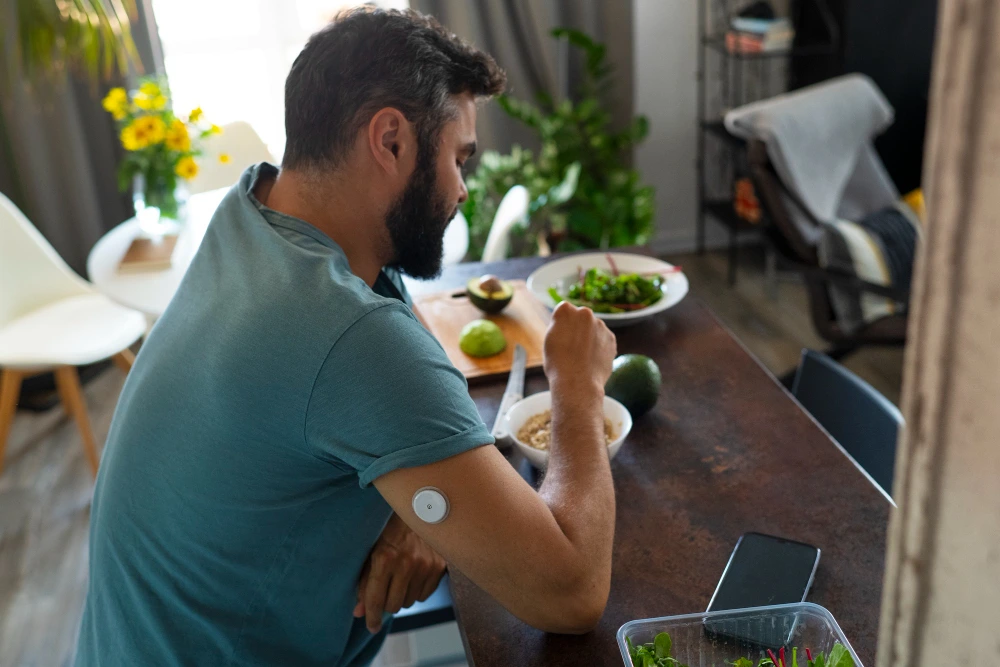
Taking control of your health starts with smart lifestyle changes for diabetes control. You do not need extreme diets or exhausting workouts. Small, consistent habits create real improvements in blood sugar and energy.
I have seen patients transform their daily lives with simple, sustainable shifts. You will learn exactly which strategies work best for type 1 and type 2 diabetes.
We will cover nutrition, movement, sleep, and stress management with clear, actionable steps. Stick with me to build a personalized plan that fits your routine. Your healthier future begins with one smart choice today.
Key Takeaways
Lifestyle changes form the foundation of effective diabetes control. Small, consistent habits create meaningful improvements in blood sugar and overall health. Personalization ensures strategies fit your unique needs and preferences.
Progress matters more than perfection. Celebrate non-scale victories like better energy, improved sleep, or reduced medication needs. These wins motivate continued effort.
Work closely with your healthcare team. They provide guidance, monitor progress, and adjust treatments safely. You deserve support on this journey.
What Are Lifestyle Changes for Diabetes Control?
Direct Answer: Lifestyle changes for diabetes control include healthy eating, regular physical activity, weight management, stress reduction, and proper sleep to help regulate blood sugar levels.
These modifications work alongside medications, not against them. They improve how your body uses insulin and processes glucose. You gain more stable energy and fewer dangerous spikes or crashes.
I recently worked with a patient named Linda. She felt overwhelmed after her type 2 diagnosis. We started with one change: swapping sugary breakfast cereal for Greek yogurt with berries. Her morning glucose dropped 30 points within two weeks. That win motivated her to add daily walks. Small steps created big momentum.
Why Lifestyle Modifications Matter in Diabetes
Lifestyle changes directly improve insulin sensitivity. Your cells respond better to the insulin your body produces or that you inject. This means lower doses may work more effectively over time.
These habits also reduce complication risks. Better glucose control protects your eyes, kidneys, nerves, and heart. Studies show lifestyle interventions can lower A1C by 0.5–1.5% on average.
Consistency matters more than perfection. Missing one workout or eating one treat will not derail your progress. Focus on long-term patterns, not single moments.
What Lifestyle Changes Can Help Manage Diabetes?
Five core pillars support effective diabetes management. Nutrition forms the foundation of daily glucose control. Physical activity improves insulin sensitivity and cardiovascular health.
Weight management reduces visceral fat, which worsens resistance. Quality sleep regulates hunger hormones and stress responses. Finally, stress management lowers cortisol, which spikes blood sugar.
You do not need to master all five at once. Pick one pillar to focus on this week. Build momentum before adding the next habit.
Healthy Eating for Diabetes Control
Best Diet Approach
Use the balanced plate method for simple meal planning. Fill half your plate with non-starchy vegetables. Add lean protein to one quarter. Reserve the final quarter for high-fiber carbs.
Choose low glycemic foods that digest slowly. Legumes, berries, and steel-cut oats keep glucose steady. Pair carbs with protein or healthy fats to blunt spikes further.
Foods to Limit
Sugary drinks rank as the #1 worst offender for blood sugar control. Soda, sweet tea, and juice deliver empty calories that trigger rapid spikes. Swap these for water or unsweetened tea immediately.
Refined carbs like white bread and pastries also cause sharp rises. These foods lack fiber to slow digestion. Choose whole-grain alternatives whenever possible.
Diabetes Food Chart
| Food Type | Examples | Effect on Blood Sugar |
|---|---|---|
| Low GI | Leafy greens, lentils, apples | Stable, slow rise |
| Medium GI | Brown rice, whole wheat bread | Moderate increase |
| High GI | White bread, soda, candy | Rapid spike |
What Foods Lower Blood Sugar Immediately?
No food acts as an instant “cure” for high glucose. However, certain choices help stabilize levels faster than others. Fiber-rich vegetables slow carbohydrate absorption significantly.
Protein foods like eggs or Greek yogurt blunt post-meal spikes. Healthy fats from avocado or nuts also delay gastric emptying. Combine these with carbs for balanced glucose responses.
Hydration supports kidney function, which helps excrete excess glucose. Drink water consistently throughout the day. Avoid waiting until you feel thirsty.
What to Drink to Lower Blood Sugar Immediately
Water remains your best beverage choice. It contains zero calories and supports metabolic processes. Aim for half your body weight in ounces daily.
Unsweetened green or black tea offers antioxidants without spiking glucose. Some studies suggest green tea may slightly improve insulin sensitivity. Avoid adding sugar or creamy syrups.
Eliminate sugary beverages completely. These deliver fast carbs with no nutritional value. Your pancreas must work overtime to manage the surge.
Physical Activity and Diabetes Control

Aim for 150 minutes weekly of moderate aerobic exercise. Brisk walking, cycling, or swimming all count toward this goal. Break sessions into 30-minute chunks five days per week.
Add strength training two to three times weekly. Muscle tissue burns glucose more efficiently than fat. Bodyweight exercises, resistance bands, or weights all work effectively.
Check glucose before and after activity when starting out. Learn your personal patterns to prevent lows or highs. Always carry fast-acting carbs during exercise.
Weight Management and Diabetes
Losing just 5–10% of body weight significantly improves glucose control. This modest loss reduces visceral fat around your organs. Insulin sensitivity improves as inflammation decreases.
Focus on sustainable habits rather than rapid loss. Aim for one to two pounds weekly through diet and movement. Quick fixes often trigger muscle loss and metabolic slowdown.
Track progress beyond the scale. Measure waist circumference monthly. Note energy levels, sleep quality, and medication needs. These metrics often improve before weight changes dramatically.
Lifestyle Changes for Type 2 Diabetes
Target insulin resistance as your primary goal. Combine low-glycemic eating with regular movement for synergistic effects. Monitor glucose patterns to refine your approach.
Medication timing matters during lifestyle changes. Some drugs increase hypoglycemia risk with exercise or carb reduction. Coordinate adjustments with your prescriber proactively.
Stress management supports your metabolic efforts. Chronic tension raises cortisol, which encourages abdominal fat storage. Practice deep breathing or meditation daily for the best results.
Lifestyle Changes for Type 1 Diabetes
Insulin management becomes your central focus. Work with your endocrinologist to fine-tune basal and bolus doses. Small adjustments prevent both highs and lows during habit changes.
Meal planning ensures consistent carb intake that matches insulin action. Avoid skipping meals when taking rapid-acting insulin. Carry emergency glucose during unexpected delays.
Physical activity requires extra planning. Check glucose before, during, and after exercise. Adjust insulin or carb intake based on your patterns and provider guidance.
Living with Diabetes: Daily Habits That Matter
Routine monitoring builds awareness of your body’s responses. Check glucose at consistent times to identify patterns. Use this data to refine food and activity choices.
Meal consistency prevents unexpected spikes or crashes. Eat at regular intervals with balanced macros. This rhythm supports stable energy and medication effectiveness.
Hydration and sleep form invisible foundations of control. Dehydration concentrates blood glucose. Poor sleep disrupts hunger hormones and insulin sensitivity.
How to Control Diabetes Without Medication
Some individuals manage early type 2 diabetes or prediabetes through lifestyle alone. This requires strict adherence to nutrition, movement, and weight goals. Medical supervision remains essential throughout.
Never stop or adjust medications without provider approval. Lifestyle changes can reduce medication needs over time. Your care team will monitor labs and symptoms to guide safe transitions.
Focus on sustainable habits you can maintain forever. Extreme restrictions often lead to burnout. Progress, not perfection, drives long-term success.
What Is the 10-10-10 Rule for Diabetes?
This trending concept suggests checking glucose 10 minutes before eating, 10 minutes after starting a meal, and 10 minutes after finishing. However, major diabetes organizations do not officially endorse this specific timing.
Standard guidelines recommend checking fasting, pre-meal, and 1–2 hours post-meal. These windows provide clinically useful data for medication and food adjustments.
Discuss monitoring frequency with your provider. Personalize timing based on your treatment plan, goals, and daily routine. Consistency matters more than rigid rules.
Lifestyle Modification for Diabetes and Hypertension
Shared strategies benefit both conditions effectively. Reducing sodium intake lowers blood pressure and supports kidney health. Aim for under 2,300 mg daily, or 1,500 mg if advised.
Weight loss improves insulin sensitivity and reduces vascular strain. Even modest loss lowers both glucose and blood pressure readings. Combine diet and exercise for compounded benefits.
Regular physical activity strengthens your heart and improves glucose uptake. Aerobic and strength training both contribute to cardiovascular protection. Start slowly and build consistency over time.
Diabetes Lifestyle Advice: NHS vs US Guidelines

Both UK and US guidelines emphasize similar core principles. Prioritize whole foods, regular movement, and weight management. Limit processed carbs, added sugars, and excessive sodium.
US recommendations often emphasize carb counting for medication dosing. NHS guidance may focus more on plate methods for simplicity. Choose the approach that fits your lifestyle and treatment plan.
Adapt evidence-based principles to your cultural preferences and food access. Work with a registered dietitian for personalized meal planning that honors your traditions.
Common Mistakes in Diabetes Lifestyle Management
Skipping meals often triggers overeating and glucose swings later. Aim for consistent timing with balanced macros at each eating occasion. This rhythm supports stable energy and medication effectiveness.
Over-restricting carbs can lead to indulgence cycles or nutrient gaps. Focus on carb quality and portion control rather than elimination. Include fiber-rich options that support gut health.
Inconsistent exercise makes glucose patterns harder to predict. Aim for regular movement you actually enjoy. Even short walks after meals provide meaningful benefits.
Action Plan: Start Controlling Diabetes Today
- Swap one sugary drink for water at your next meal
- Schedule three 20-minute walks this week
- Check glucose before and after one meal to learn your patterns
- Practice five minutes of deep breathing daily for stress management
- Consult your provider before making major changes to your routine
Frequently Asked Questions
What Lifestyle Changes Help Diabetes the Most?
Healthy eating, regular exercise, and weight management deliver the strongest evidence for glucose control. Prioritize low-glycemic foods, consistent movement, and modest weight loss. Add quality sleep and stress reduction for compounded benefits.
Can Diabetes Be Controlled Without Medication?
Sometimes, especially in early type 2 diabetes or prediabetes. Strict lifestyle adherence under medical supervision may reduce or delay medication needs. Never adjust prescriptions without provider approval.
What Is the Worst Food for Blood Sugar?
Sugary drinks rank among the worst offenders. Soda, sweet tea, and juice deliver fast carbs with no fiber to slow absorption. These trigger rapid spikes and increased insulin demand.
What Should Diabetics Drink?
Water remains the optimal choice. Unsweetened tea or black coffee also work well. Avoid sugary beverages, excessive alcohol, and creamy coffee drinks that add hidden carbs.
How Quickly Will Lifestyle Changes Show Results?
Many people see glucose improvements within days to weeks. A1C reflects three-month averages, so allow 8–12 weeks for full lab changes. Consistency drives sustainable progress.
Conclusion
Mastering lifestyle changes for diabetes control does not require perfection or extreme measures. You now understand the powerful impact of smart nutrition, regular movement, quality sleep, and stress management. Small, consistent habits create meaningful improvements in your blood sugar and overall health.
Focus on one change at a time. Swap a sugary drink for water. Add a 15-minute walk after dinner. Prioritize seven hours of sleep tonight. These simple steps compound into lasting results.
Remember, progress matters more than perfection. You do not need to overhaul your life overnight. Sustainable habits beat quick fixes every single time.
Take action today. Pick one strategy from this guide and implement it now. Track how you feel and monitor your glucose patterns. Celebrate every win along the way.
Work closely with your healthcare team. They provide personalized guidance, monitor your progress, and adjust treatments safely. You deserve compassionate support on this journey.
Your healthier, stronger self is absolutely within reach. Start with one smart choice today, and let science-backed lifestyle changes guide you forward. You’ve got this.
Authoritative Medical References:
- American Diabetes Association (ADA) – Lifestyle Management: Standards of Care in Diabetes
- National Institute of Diabetes and Digestive and Kidney Diseases (NIDDK) – Healthy Living with Diabetes
- World Health Organization (WHO) – Healthy diet for diabetes prevention and management
- National Center for Biotechnology Information (NCBI) – Diabetes Prevention Program