
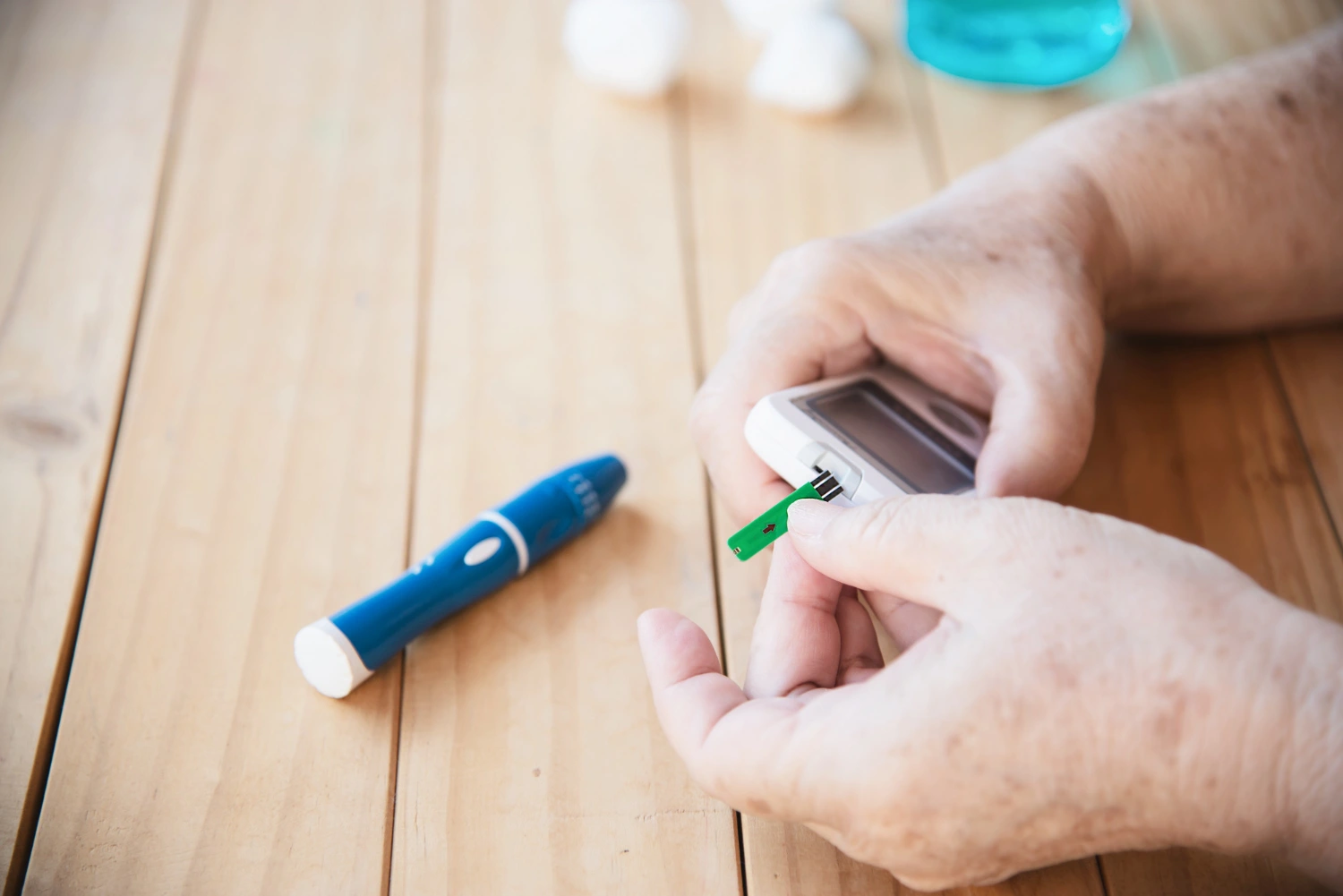
Hello, I am Dr. David T. Broome, MD. Just last week, I sat down with a patient named Sarah who felt completely overwhelmed by her recent diagnosis. She stared at her new prescriptions and asked me, “Where do I even start?”
Therefore, I walked her through the current diabetes treatment guidelines to build a clear, manageable path forward. Navigating blood sugar management can feel intimidating at first. However, by understanding the latest medical standards, you can take complete control of your health journey.
TL;DR Summary
- Diabetes treatment primarily focuses on blood sugar control and cardiovascular risk reduction.
- First-line therapy for Type 2 usually includes lifestyle changes and metformin.
- Newer medications like GLP-1 and SGLT2 inhibitors assist with weight loss and heart protection.
- Insulin remains absolutely essential for Type 1 and advanced Type 2 diabetes.
- Diet, exercise, and stress management are non-negotiable pillars of daily care.
What Are Diabetes Treatment Guidelines?

Diabetes treatment guidelines are official, evidence-based recommendations developed by top medical organizations. Groups like the American Diabetes Association (ADA) and the World Health Organization (WHO) create these rules. They do this specifically to standardize safe and highly effective care for everyone.
Doctors rely heavily on these guidelines to choose the right medications and daily lifestyle interventions. The latest diabetes treatment guidelines actually change every single year. Scientists constantly discover new clinical evidence, so the medical community must adapt quickly.
Furthermore, you must understand the difference between general guidelines and specific algorithms. Guidelines provide the overall big picture of safe medical care. Meanwhile, an ADA diabetes treatment algorithm gives your doctor a step-by-step flowchart for prescribing specific drugs.
Latest Diabetes Treatment Guidelines
Medical science moves incredibly fast right now. Consequently, the current diabetes treatment guidelines ADA 2026 updates bring some massive shifts in patient care. Doctors are moving away from simply lowering A1C numbers. Today, we treat the whole patient.
Key Changes for 2025 and 2026
First of all, doctors now use GLP-1 receptor agonists much earlier in the treatment process. These medications provide powerful weight-loss benefits alongside glucose control. Additionally, doctors prescribe SGLT2 inhibitors sooner to offer fantastic heart and kidney protection.
Your doctor will also set highly personalized A1C targets for you. They base this target specifically on your age, cardiovascular risks, and overall health status. Finally, weight management now stands as a primary medical treatment goal rather than an afterthought.
| Year | Major Guideline Update |
| 2021 | Focused heavily on reducing cardiovascular risk |
| 2023 | Expanded the widespread use of GLP-1 medications |
| 2025 | Shifted to a highly weight-centric clinical approach |
Type 2 Diabetes Treatment Guidelines
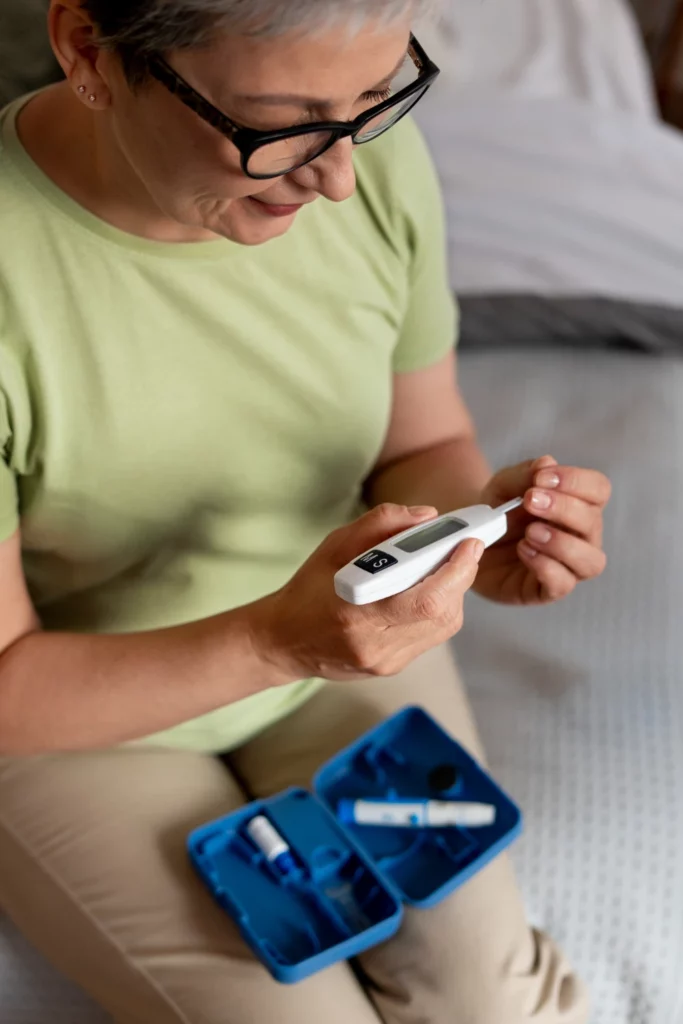
Because Type 2 diabetes affects millions of Americans, the type 2 diabetes treatment guidelines are extremely detailed. The medical community uses a precise, step-by-step approach. Doctors carefully evaluate your unique health profile to customize this exact plan for you.
First-Line Treatment Strategies
First, you must immediately implement clinical lifestyle changes. A nutrient-dense diet and daily physical exercise form the absolute foundation of your treatment plan. Without these habits, your medications simply cannot do their job properly.
Next, doctors almost always prescribe metformin as the first medication. Metformin remains the global gold standard for early treatment. It safely lowers the glucose your liver produces and significantly improves your body’s overall insulin sensitivity.
Second-Line Options
Sometimes, Metformin and daily lifestyle changes are not quite enough. Therefore, your doctor will likely add a second medication to your routine. They choose this specific drug based on what your organs need most.
Doctors prescribe GLP-1 agonists primarily for robust weight loss and strong cardiovascular benefits. Alternatively, they use SGLT2 inhibitors because they provide excellent protection for your heart and kidneys. Both options represent the cutting edge of modern diabetes care.
If cost is a major concern, doctors might use DPP-4 inhibitors or sulfonylureas. DPP-4 inhibitors help maintain steady blood sugar control with a very low risk of sudden drops. Sulfonylureas are very cost-effective, but they carry a higher risk of hypoglycemia (low blood sugar).
When Insulin Is Needed
Many patients eventually need insulin therapy. You should never view this medical transition as a personal failure. Diabetes is a naturally progressive condition, and your pancreas simply tires out over time.
Doctors highly recommend insulin if your A1C suddenly jumps above 10%. Likewise, you will need it if you experience severe symptoms like extreme thirst and rapid, unexplained weight loss. Finally, if multiple oral therapies fail to keep your numbers safe, insulin becomes the absolute best choice.
Type 1 Diabetes Treatment Guidelines
The type 1 diabetes treatment guidelines look entirely different from type 2 protocols. Because the body produces zero insulin on its own, lifelong external insulin therapy is an absolute requirement.
Patients must use a careful combination of basal (background) and bolus (mealtime) insulin every single day. Recently, modern technology has completely revolutionized this daily care. Continuous glucose monitoring (CGM) devices now replace those painful, frustrating finger pricks.
Additionally, advanced tools like insulin pumps and hybrid closed-loop systems act almost like an artificial pancreas. They constantly communicate with your CGM and adjust your insulin delivery automatically in real-time.
Gestational Diabetes Treatment Guidelines
Pregnancy drastically changes how your body handles dietary sugar. Therefore, gestational diabetes treatment guidelines strongly prioritize the immediate safety of both the mother and the baby.
Dietary adjustments and strict daily glucose monitoring always come first. Most pregnant people can successfully manage their numbers through clean food and light exercise alone. However, if blood sugars remain stubbornly high, doctors prefer to use injectable insulin.
Insulin does not cross the placenta, making it extremely safe for your growing baby. Conversely, doctors tell you to avoid most oral diabetes pills during pregnancy. We simply lack enough long-term safety data for these newer medications in pregnant people.
Prediabetes Treatment Guidelines
If you recently received a prediabetes diagnosis, you have a golden opportunity right now. The prediabetes treatment guidelines focus entirely on preventing the progression to full-blown Type 2 diabetes.
First of all, aim for a sustainable weight loss of 5–10% of your total body weight. This small physical reduction drastically improves your cellular insulin sensitivity. You also must commit to 150 minutes of moderate cardiovascular exercise every single week.
In some specific cases, doctors prescribe metformin for high-risk individuals. They usually do this if you have a BMI over 35 or a past history of gestational diabetes. They also use it if your fasting numbers keep rising despite your best dietary efforts.
Diabetes Treatment Algorithm
During a typical clinic visit, doctors use a highly specific medical workflow to guide your care. Here is a simplified step-by-step look at the standard ADA diabetes treatment algorithm. This practical flow helps clinicians make safe, effective decisions quickly.
- Diagnose the condition using a fasting glucose or A1C blood test.
- Start immediate lifestyle changes, focusing heavily on diet and exercise.
- Begin metformin therapy assuming the patient has healthy kidney function.
- Assess the A1C levels again after exactly three months of treatment.
- Add a second medication, like a GLP-1 or SGLT2 inhibitor, if A1C remains elevated.
- Add basal insulin therapy if oral medications eventually stop working.
Lifestyle Treatment Guidelines
Prescription medications simply cannot replace a solid, healthy daily routine. Therefore, aggressive lifestyle interventions remain the absolute foundation of the latest diabetes treatment guidelines. You must build good habits to make your medications work effectively.
Medical Nutrition Therapy
As a physician, I always remind my patients that food acts as powerful medicine. First of all, you must heavily restrict refined carbohydrates and added sugars. Instead, you should prioritize high-fiber foods like vegetables and legumes. Finally, always include a lean source of protein with every single meal to keep your blood sugar perfectly steady all day long.
Exercise Requirements
Daily physical movement profoundly improves your body’s natural insulin sensitivity. The current guidelines strongly recommend getting at least 150 minutes of moderate cardiovascular activity every single week.
In addition, you absolutely must include resistance training two to three times per week. Building lean muscle directly helps your body process circulating glucose much more efficiently.
Sleep and Stress Management
Patients frequently overlook their sleep habits when trying to manage their metabolic health. However, poor sleep aggressively worsens insulin resistance overnight.
Furthermore, chronic daily stress causes your body to release cortisol, which forces your liver to dump extra sugar into your bloodstream. Therefore, prioritizing deep rest is completely non-negotiable for long-term success.
What Foods Should Diabetics Avoid?
To maintain stable blood sugars, you must actively limit certain troublesome foods. I consistently tell my patients to aggressively avoid sugary drinks like soda, sweet tea, and concentrated fruit juices.
Furthermore, you should eliminate refined carbs, including white bread, traditional pasta, and baked pastries. These foods spike your glucose almost instantly. You also need to avoid heavily processed snack foods and dangerous trans fats found in deep-fried items.
Which Fruits Are Good for Diabetes?
Many newly diagnosed patients mistakenly believe they must give up all fruit immediately. On the contrary, whole fruits provide essential dietary fiber and vital antioxidants. You simply need to choose the right kinds.
The absolute best options include fresh berries, such as strawberries, blueberries, and raspberries. Crisp apples and citrus fruits also have a relatively low glycemic index. Pro Tip: Always pair your fruit with a healthy protein, like a handful of almonds, to significantly reduce sudden sugar spikes.
Powerful Habits That Improve Glycemic Control
While we cannot medically claim to “reverse” diabetes permanently, you can absolutely achieve clinical remission. Many patients drastically improve their glycemic control by adopting a few cornerstone habits.
First, try taking a brisk 15-minute walk immediately after your largest meals. This simple habit pushes sugar directly into your muscles. Additionally, achieving a sustainable weight loss of just 5–10% completely transforms your metabolic health. Finally, maintaining highly consistent meal timing helps your body regulate its natural insulin production.
Medication Overview and Mechanisms
Understanding exactly how your prescribed pills work gives you massive power over your condition. Because pharmacology is complex, let us dive deeply into the most common diabetes management guidelines for medications.
Metformin (The First-Line Defender):
Metformin remains the undisputed first choice for newly diagnosed patients. It works primarily by stopping your liver from dumping excess stored glucose into your bloodstream. It also makes your muscle cells slightly more sensitive to the insulin your body already produces. While it is incredibly safe and effective, some patients experience mild stomach upset during the first few weeks.
GLP-1 Receptor Agonists (The Weight-Loss Powerhouses):
These weekly injectable medications have completely revolutionized modern endocrinology. They work by mimicking a natural gut hormone that tells your pancreas to release insulin when you eat. Simultaneously, they slow down your digestion and send strong fullness signals to your brain.
Consequently, patients experience massive, sustainable weight loss, which drastically lowers systemic insulin resistance. The most common side effect is temporary nausea.
SGLT2 Inhibitors (The Organ Protectors):
Doctors increasingly prescribe these daily pills for their incredible protective benefits. Instead of working through the pancreas or liver, SGLT2 inhibitors target your kidneys. They force your kidneys to excrete excess blood glucose directly into your urine.
Because you are literally flushing sugar away, they provide excellent heart and kidney protection. However, you must stay aggressively hydrated to prevent urinary tract infections.
Hypoglycemia and Hyperglycemia Management Guidelines
Even with the absolute best treatment plans, sudden blood sugar swings will occasionally happen. Therefore, you must know exactly how to react safely and quickly.
If you experience hypoglycemia (low blood sugar), you must treat it immediately with 15 grams of fast-acting carbohydrates. Drink four ounces of apple juice or take three glucose tablets. Then, you must recheck your levels in exactly 15 minutes to ensure they have stabilized.
Conversely, if you experience hyperglycemia (dangerously high blood sugar), you need to drink plenty of plain water immediately. You may also need to adjust your medications as previously directed by your doctor. If your numbers remain dangerously high for hours, always check your urine for ketones.
Diabetic Ketoacidosis (DKA) Guidelines
Diabetic Ketoacidosis is an absolute, life-threatening medical emergency. It primarily happens when your body severely lacks insulin, forcing it to burn fat too rapidly. Consequently, your blood becomes highly acidic and toxic.
The diabetic ketoacidosis guidelines strictly require immediate, intensive hospital care. Emergency room doctors will rapidly administer intravenous (IV) insulin to halt the acid production. Simultaneously, they will provide aggressive IV fluids and carefully balance your depleted electrolytes. You should never attempt to treat DKA at home.
Diabetic Foot Management Guidelines
Chronically high blood sugar rapidly damages the tiny sensory nerves and fragile blood vessels in your feet. Therefore, strict daily foot management is absolutely crucial for preventing severe bacterial infections or tragic amputations.
First, you must perform daily foot checks using a small hand mirror to look for hidden cuts. Second, you should always wear proper, highly supportive footwear, even when walking inside your house. Finally, seek early wound care from a licensed podiatrist the exact moment you notice a blister or sore.
Candidates for Weekly Injectable Medications
Weekly injectable medications have completely transformed our modern clinical approach. In my practice, I constantly evaluate who will benefit the absolute most from these powerful drugs.
First of all, significantly higher weight patients see massive, life-changing improvements in their daily mobility and glucose control. Likewise, individuals struggling with stubbornly high A1C numbers benefit greatly. Most importantly, patients with a documented history of heart disease absolutely need these medications to protect their cardiovascular system.
Accuracy of Non-Lancet Glucose Monitors
Continuous Glucose Monitors (CGMs) are incredibly accurate today. Indeed, these small wearable sensors effectively eliminate the constant need for painful daily finger pricks.
The latest clinical guidelines highly recommend CGMs for all Type 1 patients. Furthermore, any Type 2 patient currently utilizing insulin therapy should absolutely wear one. They provide invaluable, real-time data to both the patient and the physician.
WHO vs ADA Diabetes Guidelines
While both major organizations desperately want to keep you healthy, their underlying clinical approaches differ slightly based on their target audiences.
| Guideline Feature | ADA Recommendations | WHO Recommendations |
| Primary Focus | Highly personalized, individualized patient care | Broad, equitable global healthcare access |
| Medication Strategy | Frequently recommends newer, advanced therapies | Focuses heavily on essential, affordable generic drugs |
When to See a Clinician
You should never try to manage this highly complex condition completely alone. You must see your doctor immediately if you experience persistently high fasting glucose readings.
Similarly, frequent episodes of hypoglycemia require an urgent medication adjustment from your provider. Finally, consult your doctor immediately if you become pregnant, develop blurry vision, or notice tingling nerve pain in your extremities.
Safety, Side Effects, and Interactions
Every single prescription medication carries some level of clinical risk. For example, you must use Metformin with extreme caution if you suffer from advanced kidney disease.
Meanwhile, SGLT2 inhibitors create a very strong dehydration risk, especially during hot summer months. Insulin therapy always carries a baseline risk of severe hypoglycemia. Always discuss potential drug interactions with your local pharmacist before starting any new supplement.
Frequently Asked Questions
How often do the diabetes treatment guidelines change?
Major medical organizations update their clinical recommendations every single year. They do this strictly to ensure practicing doctors use the absolute safest, most recent scientific evidence available worldwide.
Can I manage my blood sugar naturally without medication?
Yes, many highly motivated patients successfully control their early glucose numbers through a strict diet and aggressive daily exercise. However, most people eventually need safe medication because the condition naturally progresses over the decades.
Why is weight loss so important for diabetes care?
Recent clinical studies clearly prove that losing visceral body fat directly reduces systemic cellular insulin resistance. Consequently, shedding even five to ten pounds makes all your prescribed medications work significantly better.
What are the early signs of diabetic nerve damage?
Neuropathy usually begins as a mild tingling or burning sensation right in your toes. If you experience any sudden numbness in your feet, you must report it to your primary care physician immediately to prevent permanent damage.
Is it safe to combine dietary supplements with diabetes medications?
You should always approach dietary supplements with extreme caution. Many over-the-counter herbs interact dangerously with prescribed glucose-lowering drugs. Always consult your endocrinologist before taking any new unregulated pills.
Conclusion
In conclusion, navigating the latest diabetes treatment guidelines might feel a bit intimidating at first glance. However, by working closely with your dedicated healthcare team, eating exceptionally well, and understanding your medications, you can absolutely live a long, vibrant life.
Remember, your personal treatment plan should always fit your unique body, budget, and lifestyle. Take it one single day at a time.