
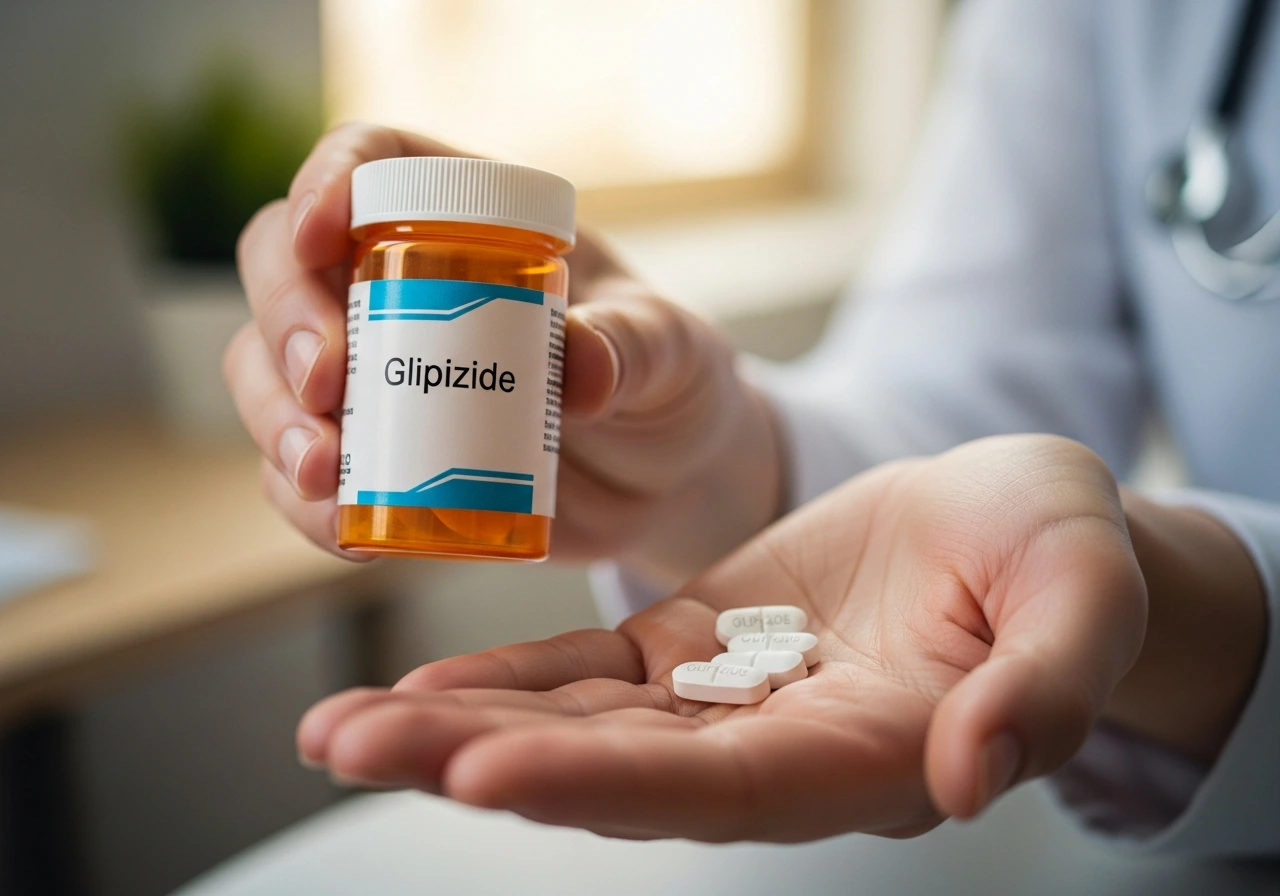
Just last Tuesday, I had a lengthy consultation with a new patient, Mark. He came into my office holding two different pill bottles, looking completely overwhelmed.
He asked me directly, “Doc, how much of this should I actually be taking?” Understanding your exact glipizide dosage is absolutely vital for managing your type 2 diabetes safely and effectively.
If you take too little, your blood sugar remains dangerously high. Conversely, if you take too much, you risk a terrifying hypoglycemic crash. Therefore, I want to provide you with a clear, medically accurate guide to help you navigate your daily medication regimen with absolute confidence.
Quick Glance:
- Typical Starting Dose: Most patients begin with 2.5 to 5 mg daily, taken right before breakfast.
- Maximum Dose: The absolute limit is usually 40 mg/day for immediate-release and 20 mg/day for extended-release.
- Combination Therapy: Doctors frequently prescribe it alongside metformin to maximize glucose control.
- Core Risk: Taking a high dose without eating a meal drastically increases your risk of severe hypoglycemia.
- Action Step: Never change your dosage without speaking directly to your prescribing clinician first.
What Is Glipizide?
Before we discuss the numbers, we need to understand the medication itself. What exactly is this glipizide medication you are taking every day?
First, let us look at the glipizide class. It belongs to an older, highly reliable family of drugs called sulfonylureas. These oral medications are specifically designed to treat type 2 diabetes.
Furthermore, you need to understand its primary glipizide indications. It is indicated strictly for adults with type 2 diabetes to help improve their glycemic control. The mechanism is quite simple but incredibly powerful: the drug acts like a chemical whip, stimulating your pancreas to release a surge of its own stored insulin.
What Is the Typical Glipizide Dosage?
Patients frequently ask me, “What is the dosage for glipizide that most people take?” There is no single answer because we tailor the prescription to your specific metabolic needs. However, there is a very standard clinical starting point.
Starting Dose
When we first start a patient on this medication, we almost always use a low normal glipizide dosage. Typically, I prescribe 2.5 to 5 mg once daily. You must take this pill roughly 30 minutes before your first main meal of the day.
Dose Adjustments
We never leave a patient on the starting dose permanently without checking their blood work. After you start the medication, I will closely monitor your fasting glucose levels over the next few weeks. If your blood sugar remains too high, I will slowly increase your dose in small 2.5 to 5 mg increments until we find your perfect balance.
Glipizide Dosage Range and Strengths
When you look at your pharmacy bottle, you will notice specific numbers. Understanding the glipizide dosage range and the available glipizide dosage strengths helps you manage your daily routine better.
We use different tablet sizes for different clinical scenarios. Here is how I typically utilize the various strengths in my practice:
| Strength | Typical Clinical Use |
| 2.5 mg | Used for elderly patients, those with mild kidney issues, or patients highly sensitive to insulin drops. |
| 5 mg | The standard starting dose for most healthy adults beginning their diabetes treatment. |
| 10 mg | Used for patients requiring moderate to aggressive glycemic control after failing lower doses. |
Maximum Glipizide Dosage (Safety Limits)
One of the most dangerous things a patient can do is accidentally double their pills. Therefore, you must know the absolute maximum glipizide dosage allowed by clinical guidelines.
Exceeding the glipizide max dose pushes your pancreas too hard and causes massive, dangerous insulin spikes. The ceiling depends entirely on the specific formula you take:
- Immediate-Release (IR): The absolute maximum is up to 40 mg/day.
- Extended-Release (ER): The strict maximum is up to 20 mg/day.
The absolute maximum daily limit is 40 mg per day for the immediate-release (IR) version, and 20 mg per day for the extended-release (ER) version.
Glipizide Dosage Forms (IR vs ER)
Not all pills are created equal. Pharmaceutical companies manufacture two distinct glipizide dosage forms. You must know which one you are taking, as they behave very differently inside your body.
Immediate-Release (IR)
The IR tablets dissolve quickly in your stomach, flooding your system with the drug rapidly. This creates a fast, sharp insulin spike. Because it acts fast and fades quickly, patients often take it 1 to 2 times daily right before meals.
Extended-Release (ER)
Conversely, the glipizide ER dose utilizes a special coating that slowly leaks the medication into your bloodstream over 24 hours. This creates much smoother, steadier glucose control. Because it lasts all day, you only take it once daily with your morning meal.
Glipizide Dosage and Frequency

How often should you swallow a pill? The glipizide dosage and frequency depend heavily on your total daily requirement.
If you require a low dose (under 15 mg total), I will usually prescribe it as a single, once-daily pill before breakfast. However, if your blood sugar is stubborn and you need a higher dose, taking it all at once causes too much stomach upset and risks a sudden crash.
Therefore, we use glipizide twice daily dosing. If you need 20 mg a day, I will have you take a 10 mg pill before breakfast and another 10 mg pill before dinner. This splits the workload perfectly.
When to Take Glipizide (Timing Matters)
Taking your pill at the wrong time completely ruins its effectiveness. The timing of your glipizide dosage before meals is the single most critical habit you must learn.
You must take the immediate-release pill exactly 30 minutes before you eat. Why? Because the drug needs 30 minutes to travel through your stomach and command your pancreas to release insulin. By the time the food hits your bloodstream, the insulin is already waiting there to handle the incoming sugar spike.
Most importantly, you must never take this medication and then skip your meal. If you trigger the insulin release without providing food, your blood sugar will plummet, causing a dangerous hypoglycemic emergency.
Glipizide Dosage With Metformin
In my daily medical practice, I rarely see patients taking only one diabetes medication forever. Because type 2 diabetes is a progressive disease, we often need multiple tools. Therefore, understanding your glipizide dosage with metformin is absolutely critical.
These two medications form a phenomenal, highly effective dual therapy. They tackle your high blood sugar from two entirely different biological angles. Metformin works primarily in the liver, powerfully reducing the amount of excess glucose your body produces overnight.
Simultaneously, glipizide acts directly on your pancreas, forcing it to increase active insulin secretion during meals. By combining them, we create a powerful synergistic effect without requiring massive, dangerous doses of either drug.
When discussing a metformin and glipizide dosage plan, I usually stagger the intake. A standard, highly effective combination regimen might look like this: you take Metformin 500 to 1000 mg twice daily with breakfast and dinner to prevent stomach upset.
Then, you add a moderate metformin glipizide dosage of 5 to 10 mg of glipizide taken exactly 30 minutes before your largest meal. This dual approach beautifully flattens out those dangerous post-meal blood sugar spikes. However, combining them does increase your overall risk of sudden low blood sugar, requiring careful daily monitoring.
Glipizide Dose Per Day (Quick Chart)
To help you visualize the clinical guidelines, I have created a simplified reference table. This glipizide dose per day chart outlines the absolute safety parameters we use in the clinic.
| Clinical Scenario | Standard Daily Dose |
| Starting Treatment | 2.5–5 mg daily |
| Typical Maintenance | 5–20 mg/day (often split into two doses) |
| Maximum IR Limit | 40 mg/day (Immediate-Release) |
| Maximum ER Limit | 20 mg/day (Extended-Release) |
Glipizide Side Effects and Risks

Every powerful medication carries potential risks, and this drug is no exception. Understanding glipizide side effects is not about creating fear; it is about keeping you safe. The most common and dangerous side effect is hypoglycemia, or severely low blood sugar.
Because this drug forces your pancreas to pump out insulin regardless of what you eat, skipping a meal is incredibly dangerous. If you take your pill and forget to eat, your blood sugar will crash rapidly. You might feel sudden dizziness, extreme sweating, uncontrollable shaking, and intense anxiety.
Furthermore, weight gain is a highly common frustration for my patients. When your body suddenly has more insulin, it becomes much more efficient at storing calories as fat. I always warn my patients to stick strictly to their diet plans to counteract this initial weight gain.
Finally, some patients experience severe allergic reactions. While rare, you must monitor for sudden hives, severe facial swelling, or difficulty breathing. If any of these severe reactions occur, you must seek emergency medical care immediately and stop taking the pill.
Pros and Cons of Glipizide
When you and your doctor build a treatment plan, you must weigh the realities of the drug. Let us clearly evaluate the primary pros and cons of glipizide.
The Pros
The absolute biggest advantage is its undeniable effectiveness. It rapidly and aggressively lowers blood sugar, providing excellent, immediate glycemic control. Furthermore, because it is an older, generic medication, it is incredibly affordable and accessible for almost all patients.
The Cons
Conversely, the primary disadvantage is the ever-present risk of severe hypoglycemia. It requires strict meal timing and constant vigilance. Additionally, the associated weight gain often frustrates patients who are actively trying to lose excess body fat to manage their diabetes.
Special Populations and Dose Adjustments
Medical dosing is never a one-size-fits-all scenario. Your age and organ health heavily dictate how your body processes this powerful chemical.
Older Adults
For my older patients, I am incredibly cautious. Because older bodies clear medications more slowly, we always start extremely low, usually at just 2.5 mg daily. A hypoglycemic crash in an older patient easily leads to dangerous falls and severe fractures.
Kidney and Liver Disease
Your liver metabolizes this drug, and your kidneys excrete it. If either organ is failing, the medication dangerously builds up in your bloodstream. Therefore, patients with chronic kidney or liver disease require highly conservative dosing and frequent blood tests to ensure their ultimate safety.
Glipizide Dosage Guidelines (Clinical Best Practices)
To ensure long-term success, doctors adhere to strict glipizide dosage guidelines. First, we must individualize your care entirely based on your current A1C levels and lifestyle habits.
Second, we demand regular, diligent blood glucose monitoring at home. You cannot safely take this medication if you refuse to check your blood sugar levels.
Finally, we strictly avoid aggressive dose titration. We increase your dose slowly over several weeks, allowing your body to adapt safely. Rushing the process only leads to severe side effects and patient burnout.
Veterinary Use (Cats and Dogs Caution Section)
Occasionally, pet owners ask me about giving human diabetes drugs to their animals. While veterinarians sometimes use a specific glipizide dosage for cats to manage feline diabetes, it is incredibly rare today.
Furthermore, a glipizide dosage for dogs is almost never recommended as a first-line treatment. A dog’s pancreas simply does not respond to the medication the way a human’s does. You must never give your personal prescription to your pets without strict, direct veterinary supervision, as it can be rapidly fatal.
Frequently Asked Questions
What is the lowest dosage of glipizide?
The absolute lowest clinical starting dose is typically 2.5 mg taken once daily. Doctors use this ultra-low dose for older patients or those with mild kidney impairment to prevent sudden blood sugar drops.
What is the highest dosage of glipizide?
The absolute maximum safety limit depends on the formula. It is 40 mg per day for immediate-release (IR) tablets and 20 mg per day for extended-release (ER) tablets.
Can you take glipizide twice daily?
Yes, doctors frequently prescribe twice-daily dosing. When a patient requires more than 15 mg per day, we split the dose between breakfast and dinner to provide smoother glucose control and minimize stomach upset.
What happens if I miss a dose before a meal?
If you forget to take your pill 30 minutes before your meal, simply take it right before you eat. However, if you have already finished your meal, completely skip the missed dose to avoid a delayed, dangerous low blood sugar crash.
Does this medication damage your kidneys?
No, the medication itself does not directly damage healthy kidneys. However, if you already have advanced kidney disease, the drug can build up in your system, requiring your doctor to lower your daily dose significantly.
Conclusion
Managing type 2 diabetes and keeping track of your exact medication dosages can feel incredibly overwhelming at first. However, understanding your specific daily requirements is the ultimate key to living a healthy, active life without constant anxiety.
Whether you are starting on a low 2.5 mg dose or combining a higher regimen with metformin, consistency and strict meal timing are your absolute best tools. You must always remember to take your medication right before you eat to prevent dangerous blood sugar crashes.
Most importantly, never attempt to adjust your daily regimen on your own based on how you feel on a given day. Talk to your doctor about adjusting your dose safely, and consider asking your clinic for a printable dosage chart to keep on your refrigerator for daily reference.
By working closely with your dedicated healthcare team and monitoring your glucose diligently, you can absolutely master your diabetes management. You have the tools, the medical options, and the knowledge to take full control of your health today.
Medical References:
- National Center for Biotechnology Information (NCBI / StatPearls) – Glipizide Clinical Overview
- Mayo Clinic – Glipizide (Oral Route)
- American Diabetes Association (ADA) – Pharmacologic Approaches to Glycemic Treatment
- National Institute of Diabetes and Digestive and Kidney Diseases (NIDDK) – Insulin & Medicines for Diabetes