
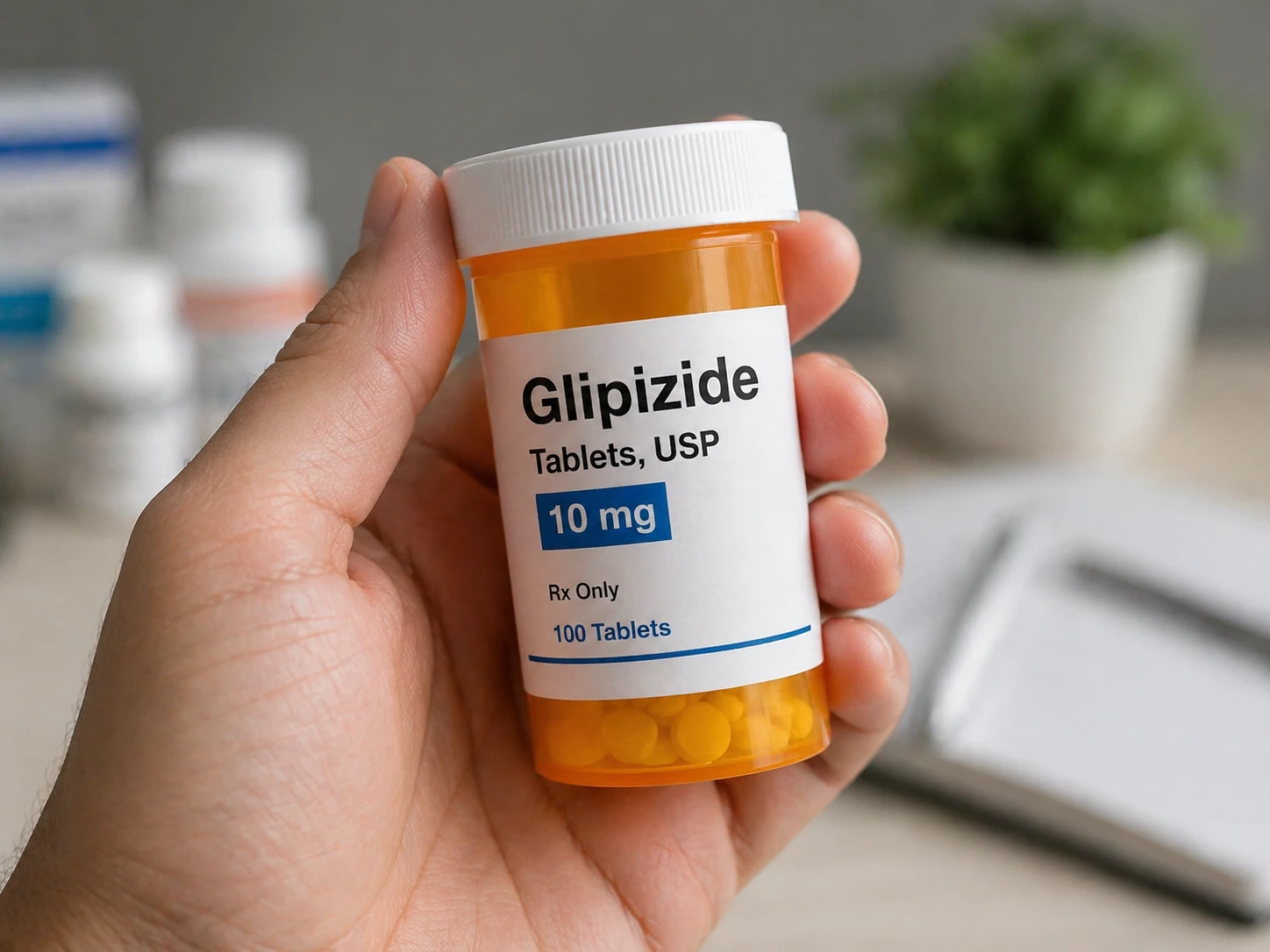
When patients first receive a new prescription for managing their type 2 diabetes, a sense of anxiety is completely normal. In my practice, one of the most frequent conversations I have revolves around glipizide side effects. Patients often ask me directly, “Is glipizide bad for you, or is it going to make me feel worse?”
Glipizide belongs to an older, highly effective class of diabetes medications known as sulfonylureas. It does an excellent job of lowering blood glucose levels, but it is not without its risks.
Understanding what the side effects of glipizide are is crucial for your safety. Side effects vary significantly depending on your prescribed dose, your age, your kidney function, and the other medications you currently take.
In this comprehensive guide, we will break down everything you need to know about this medication. From common gastrointestinal issues to the critical dangers of low blood sugar, I want you to feel fully prepared and confident in managing your diabetes treatment safely.
Key Takeaways
- Hypoglycemia is the primary risk: You must know the signs of low blood sugar and carry fast-acting glucose at all times.
- Meal timing is critical: Never skip meals after taking an immediate-release tablet.
- Older people need extra care: Lower doses and closer monitoring are mandatory to prevent dangerous falls.
- Weight changes are common: Expect potential weight gain and counteract it with diet and exercise.
- Always consult your doctor: Never stop or adjust your diabetes medication without professional clinical guidance.
What Is Glipizide and How Does It Work?
Before we dive into the potential adverse reactions, we must clarify what glipizide is used for and the side effects related to its specific mechanism of action.
Glipizide is an oral prescription medication exclusively used to treat type 2 diabetes. It is completely ineffective for type 1 diabetes because of how it functions in the body.
Mechanism of Action
Glipizide works by actively stimulating the beta cells in your pancreas to release more of your own natural insulin. By increasing the circulating insulin in your bloodstream, your body can push excess glucose out of your blood and into your cells for energy.
Available Forms
The medication is available in two primary forms: immediate-release tablets and extended-release (ER) tablets. The immediate-release version causes a rapid spike in insulin, which is why it is typically taken 30 minutes before a meal. The ER version provides a slow, steady release of medication throughout the entire day.
Common Glipizide Side Effects
Whenever you force the pancreas to secrete more insulin, your body has to adjust to the chemical change. What are the common side effects of glipizide? While many patients tolerate it beautifully, others experience a rocky transition period.
Based on clinical trials and my own patient observations, the most frequently reported issues include:
- Hypoglycemia (Low blood sugar)
- Dizziness or lightheadedness
- Nausea and upset stomach
- Glipizide side effects diarrhea
- Does glipizide cause fatigue? Yes, mild lethargy is common.
- Headaches
These mild side effects often occur during the first few weeks of therapy. As your body adjusts to the new insulin levels, gastrointestinal issues like nausea and diarrhea typically resolve on their own. However, if fatigue or dizziness persists and impacts your daily life, you must notify your physician.
Hypoglycemia: The Most Important Side Effect
I cannot overstate this point: the single most critical issue you must monitor for is glipizide side effects, hypoglycemia. Because glipizide forces insulin secretion regardless of what you have eaten, it can easily drive your blood sugar dangerously low.
Hypoglycemia is clinically defined as a blood glucose reading below 70 mg/dL. If you skip a meal, exercise far more intensely than usual, or accidentally take a double dose, your blood sugar can plummet rapidly.
What Are the Symptoms of Diabetic Shock?
You must learn to recognize the early warning signs of low blood sugar before it progresses to a severe state. Early symptoms include sudden sweating, intense hunger, confusion, shaky hands (tremors), and a rapid heartbeat.
If ignored, severe hypoglycemia can lead to diabetic shock. This presents as blurred vision, slurred speech, loss of consciousness, and potentially fatal seizures. You must always carry a fast-acting carbohydrate—like glucose tablets or fruit juice—to treat sudden drops in blood sugar immediately.
Dosage-Specific Side Effects
The intensity of adverse reactions is directly tied to the amount of medication you take. Patients frequently ask about the differences between specific dosages.
Lower Dosages (Glipizide 2.5 mg to 5 mg)
When asking what the side effects of glipizide 5 mg or a starting dose of glipizide 2.5 mg are, the risks are generally milder. Doctors usually start patients at these lower doses specifically to gauge their tolerance and minimize the initial risk of severe hypoglycemia.
Higher Dosages (Glipizide 10 mg and Above)
Conversely, what are the side effects of glipizide 10 mg? At higher dosages, the pancreas is stimulated much more aggressively.
This significantly amplifies the risk of a severe hypoglycemic event. At these higher doses, strict adherence to a consistent meal schedule is absolutely mandatory to prevent sudden glucose crashes.
Glipizide ER (Extended-Release) Side Effects
If you are struggling with the immediate-release tablets, your doctor might switch your prescription. What are the side effects of glipizide ER?
The side effect profile is fundamentally the same, but the delivery method alters how you experience them. Because the extended-release tablet slowly dissolves over 24 hours, it avoids the sharp, sudden spikes in insulin secretion.
As a result, glipizide ER typically carries a slightly lower risk of sudden, severe hypoglycemia compared to the immediate-release version. However, because the medication sits in the digestive tract longer, some patients report slightly higher instances of mild GI upset.
Weight Changes With Glipizide

Weight management is a constant struggle for many type 2 diabetics. Therefore, understanding the metabolic impacts of this drug is vital.
Glipizide Side Effects: Weight Gain
Unfortunately, weight gain is a very common reality. Insulin is a fat-storage hormone. By increasing your body’s insulin production, glipizide makes it easier for your body to store excess calories as fat. I regularly advise my patients to counteract this by tightening up their dietary habits and increasing daily activity when starting this medication.
Glipizide Side Effects: Weight Loss
Conversely, patients sometimes search for glipizide side effects, such as weight loss. While uncommon, weight loss can occur if the medication effectively lowers extremely high blood sugars, reducing the constant, excessive hunger associated with uncontrolled diabetes.
Glipizide Side Effects in Special Populations
Medications do not affect everyone equally. Age, gender, and overall biological health play massive roles in how your body metabolizes sulfonylureas.
Older people
When assessing glipizide side effects in older people, physicians must exercise extreme caution. As we age, our kidney function naturally declines, meaning the drug stays active in the bloodstream for much longer.
This creates a terrifyingly high risk for severe, prolonged hypoglycemia. Furthermore, a sudden drop in blood sugar can cause dizziness, leading to devastating falls and bone fractures. For this reason, older people require much lower starting doses and vigilant monitoring.
Women vs. Men
Patients occasionally ask about glipizide side effects in women versus glipizide side effects in men. From a clinical standpoint, there is no major biological difference in how the drug functions based on sex.
However, hormonal fluctuations in women (such as during menopause) can independently cause unpredictable swings in insulin resistance. This means women may occasionally need more frequent dose adjustments to maintain stable blood sugar levels compared to men.
Organ-Specific Side Effects
When taking any long-term medication, you must consider how it impacts your vital organs. Patients frequently express concerns about glipizide side effects on the heart, kidney, and liver.
Liver Function
Your liver helps metabolize this medication. Glipizide side effects, liver issues are exceedingly rare, but possible. In very isolated cases, the drug can cause elevated liver enzymes or jaundice (yellowing of the skin). Therefore, your doctor will periodically check your liver panels.
Kidney Function
Similarly, glipizide side effects, including kidney problems, are a major clinical focus. Your kidneys filter the broken-down drug out of your body. If you have chronic kidney disease, the medication can accumulate dangerously in your bloodstream. Consequently, this drastically increases your risk of severe hypoglycemia.
Heart Health
Regarding cardiovascular health, older generations of sulfonylureas carried controversial warnings about increased cardiovascular mortality. However, modern clinical data suggest that glipizide is generally safe for the heart. Regardless, if you have a history of heart failure, you must discuss these specific risks with your cardiologist.
Neurological & Sensory Side Effects
Fluctuating blood sugar levels deeply affect your nervous system and sensory organs. This often leads to surprising symptoms that confuse many patients.
Vision Changes
One of the most alarming complaints I hear is glipizide side effects, blurred vision. Specifically, glipizide side effects in the eyes are usually not caused by the drug itself. Instead, rapid changes in blood glucose levels cause the lenses in your eyes to swell or shrink, temporarily blurring your vision.
Muscle Aches
Furthermore, some patients ask about glipizide side effects, such as muscle pain. While statins (cholesterol drugs) are famous for causing muscle aches, muscle weakness from glipizide is quite rare. If you experience sudden, severe muscle cramping, it is more likely related to dehydration or a severe hypoglycemic episode.
Less Common Side Effects
Beyond the typical gastrointestinal and blood sugar issues, there are a few rare reactions you should monitor.
First, patients occasionally search for glipizide side effects, such as hair loss. True hair thinning from this specific medication is extremely rare. Usually, hair loss in diabetics is a direct result of poor circulation or thyroid dysfunction, rather than the drug itself.
Additionally, does glipizide cause swelling? Sometimes. Specifically, does glipizide cause leg swelling? Mild edema (fluid retention) in the lower legs is possible but uncommon. If you develop sudden, severe swelling, seek medical attention immediately to rule out heart or kidney complications.
Glipizide + Alcohol Interactions
You must be extremely careful when mixing diabetes medications with alcoholic beverages. Glipizide side effects with alcohol can be sudden and severe.
Specifically, alcohol stops your liver from releasing stored glucose into your bloodstream. When combined with glipizide’s insulin-boosting effect, this creates a perfect storm for severe, life-threatening hypoglycemia.
In addition, some patients experience a “disulfiram-like reaction” when drinking on this medication. This causes intense facial flushing, nausea, vomiting, and a rapid heart rate. Therefore, I strongly advise limiting your alcohol intake to occasional, moderate amounts consumed only with a full meal.
Metformin and Glipizide Side Effects
Often, a single medication is not enough to control type 2 diabetes. Consequently, doctors frequently prescribe a combination therapy. Understanding metformin and glipizide side effects together is vital.
Metformin works by stopping the liver from making excess sugar, while glipizide forces the pancreas to make more insulin. Together, they lower blood sugar incredibly well.
However, taking both significantly increases your risk of gastrointestinal upset. You may experience overlapping nausea and diarrhea. More importantly, adding glipizide to your metformin regimen introduces a high risk of hypoglycemia, which metformin alone rarely causes.
Glipizide Contraindications
This medication is strictly unsafe for certain individuals. Glipizide contraindications are medical deal-breakers.
You absolutely must not take this medication if you:
- Have Type 1 Diabetes: Your pancreas does not make insulin, so the drug will not work.
- Are in Diabetic Ketoacidosis (DKA): This is a medical emergency requiring intravenous insulin.
- Have Severe Liver or Kidney Disease: Your body cannot safely clear the drug.
- Have a Sulfa Allergy: Glipizide is a sulfonylurea, meaning it can trigger a severe allergic reaction in those with sulfa allergies.
What to Avoid While Taking Glipizide

To stay safe, you must actively manage your daily habits. What to avoid while taking glipizide revolves heavily around meal timing and substance use.
First of all, never skip meals. If you take your pill and do not eat, your blood sugar will crash. Furthermore, avoid intense, unplanned exercise without eating a carbohydrate snack first.
Are there foods to avoid while taking glipizide? You should avoid massive amounts of simple sugars. Spiking your blood sugar with soda or candy forces the medication to work harder, leading to a dangerous “rebound” crash later. Also, avoid certain medications like beta-blockers, which can mask the warning signs of low blood sugar.
How Long Do Side Effects Last?
When patients feel unwell, they naturally want to know how long glipizide side effects last.
Mild gastrointestinal effects, like nausea or diarrhea, usually resolve within the first one to two weeks. Your body simply needs time to adjust to the new insulin dynamics.
In contrast, hypoglycemia is an immediate, acute side effect. It lasts until you physically consume fast-acting carbohydrates to raise your blood sugar. Chronic side effects, like weight gain, will persist as long as you take the medication and do not adjust your lifestyle habits.
Is Glipizide Bad for You?
Let us address the most pressing question head-on. Is glipizide bad for you? What are the true dangers of glipizide?
As a medical professional, I can assure you that glipizide is not “bad.” It is a highly effective, deeply researched medication that has saved millions of people from the devastating complications of uncontrolled diabetes.
However, it demands respect. The dangers lie almost entirely in poor management. If you skip meals, ignore blood sugar monitoring, or drink heavily, the drug becomes dangerous. Used correctly under clinical supervision, it is a powerful tool for your health.
Animal Use (Veterinary Applications)
Interestingly, this human medication crosses over into veterinary medicine. Glipizide side effects in cats and glipizide side effects in dogs are remarkably similar to human reactions.
Veterinarians sometimes prescribe it for feline diabetes. Just like in humans, the main risk is severe hypoglycemia. If your pet acts lethargic, weak, or confused after a dose, you must contact your vet immediately.
Frequently Asked Questions
What are the most common side effects of glipizide?
The most frequently reported side effects include low blood sugar (hypoglycemia), dizziness, mild nausea, and diarrhea. Most gastrointestinal issues fade after a few weeks of consistent use.
Does glipizide cause fatigue or swelling?
Yes, mild fatigue is common as your body adjusts to new blood sugar levels. Swelling in the lower legs (edema) is possible but quite rare. Report severe swelling to your doctor immediately.
What foods should I avoid while taking glipizide?
You should avoid consuming large amounts of sugary, processed foods. Furthermore, avoid drinking excessive alcohol on an empty stomach, as this drastically increases your risk of a severe hypoglycemic crash.
Is glipizide safe for older people?
It can be safe, but it requires extreme caution. Older people have slower kidney function, meaning the drug stays in their system longer. This creates a much higher risk for dangerous low blood sugar and falls.
How long do side effects last?
Mild stomach upset usually goes away within a week or two. However, the risk of hypoglycemia will last as long as you take the medication, requiring you to eat meals on a consistent schedule.
Conclusion
In conclusion, managing type 2 diabetes should never feel like a terrifying guessing game. I know reading through a list of potential adverse reactions feels completely overwhelming. However, you are taking a powerful step toward protecting your long-term health.
Therefore, your most crucial job is simply listening to your body. By eating consistent meals and regularly monitoring your blood sugar, you drastically reduce your risks. Furthermore, open communication with your healthcare team is your absolute best defense.
Please never hesitate to ask your doctor about any unusual symptoms. Ultimately, understanding glipizide side effects allows you to use this highly effective medication safely and reclaim control of your daily life.