

If your feet constantly burn, tingle, or ache—especially late at night—you might be facing a highly frustrating condition.
Just last month, I sat with a patient named Robert who asked me, with exhaustion in his eyes, “What is the best treatment for diabetic neuropathy in the feet?” He, like millions of others, was desperate for relief from the relentless nerve pain disrupting his sleep and daily life.
TL;DR
The absolute best treatment combines rigorous blood sugar control, targeted prescription medications, and practical lifestyle strategies. While there is no instant cure for this condition, your symptoms can absolutely be managed. By taking the right steps, you can significantly reduce your daily pain and successfully slow the disease’s progression.
What Is Diabetic Neuropathy? (Simple Medical Explanation)
Before we dive into solutions, you must understand exactly what is happening inside your body. The nerve damage caused by diabetes occurs directly due to prolonged, uncontrolled high blood sugar levels.
When excess glucose circulates in your blood for years, it severely injures the tiny, fragile blood vessels that supply oxygen to your nerves. Without proper oxygen and nutrients, the nerve fibers begin to misfire and eventually die.
If you are wondering what you should know about diabetes & peripheral neuropathy, know that it most commonly affects your longest nerve fibers first. This means your toes, feet, and lower legs bear the brunt of the damage. Occasionally, it also affects the hands, creating a classic “glove-and-stocking” pattern of numbness and pain.
Symptoms of Diabetic Neuropathy in Feet
Recognizing the warning signs early can literally save your limbs. The symptoms vary widely from person to person, but they generally follow a predictable, progressive pattern.
Most commonly, patients report a severe, relentless burning pain. Others describe intense tingling, an annoying “pins and needles” sensation, or sudden, sharp stabbing pains that seem to come out of nowhere. As the damage progresses, this pain often morphs into complete numbness.
Furthermore, the timing of these symptoms is a major clue. Why is it that diabetic feet hurt at night so much more intensely? When you lie down to sleep, there are fewer external physical distractions, making your brain hyper-focus on the damaged nerve signals. This leads to severe diabetic leg pain at night, which frequently causes chronic insomnia.
How Is Diabetic Neuropathy Diagnosed?
If you suspect you have nerve damage, your doctor will perform a thorough clinical evaluation. During a standard physical exam, we utilize several specific techniques to assess your nerve function.
If you want to know how to test for diabetic neuropathy in feet, it usually starts with a simple sensory test. I use a soft nylon tool called a monofilament to poke the bottom of your foot gently. If you cannot feel this light pressure, it indicates significant sensory loss.
Additionally, doctors use a tuning fork to conduct a vibration test on your toes and ankles. Finally, we perform reflex testing on your knees and ankles to see if your body’s automatic nerve responses are still firing correctly.
What Is the Best Treatment for Diabetic Neuropathy in Feet? (Core Section)
When my patient Robert asked me how to fix his feet, I gave him a comprehensive, multi-step plan. Treating this condition requires a serious, multi-layered approach. Here is a detailed breakdown of the most effective medical interventions currently available.
Blood Sugar Control (The Absolute Foundation)
You cannot out-medicate a bad diet or wildly fluctuating glucose levels. The absolute foundation of treating what is the best treatment for diabetic neuropathy in feet is getting your blood sugar under strict control.
For most patients, we target an A1C level of less than 7%, though this is highly individualized. Keeping your glucose completely stable is the only proven way to protect remaining healthy nerves and slow the progression of further damage.
Evidence-Based Prescription Medications
Once your glucose is stable, we look at pharmaceutical options to quiet the misfiring nerves. People frequently ask, “what is the best medication for diabetic neuropathy?” We rely on a specific class of drugs that alter how your central nervous system processes pain signals.
| Medication | Mechanism Class | Clinical Notes |
| Duloxetine | SNRI (Serotonin-norepinephrine reuptake inhibitor) | FDA-approved specifically for this type of nerve pain. |
| Pregabalin | Nerve stabilizer (Anticonvulsant) | Considered a powerful first-line therapy for sharp pains. |
| Gabapentin | Similar to pregabalin | Often prescribed off-label; highly effective for many. |
| Amitriptyline | TCA (Tricyclic antidepressant) | Very effective for nighttime pain, but carries more side effects. |
So, which pain treatment is best for diabetic peripheral neuropathy? Duloxetine and Pregabalin currently hold the strongest FDA backing and clinical evidence. However, it often takes careful trial and error to find the exact medication and dosage that your unique body tolerates best.
Topical Treatments for Direct Relief
Sometimes, oral medications cause too much grogginess or interact with other drugs. In these cases, we utilize powerful topical treatments applied directly to the skin.
Capsaicin cream, derived from chili peppers, works by depleting the pain chemicals locally in the nerve endings over time. Additionally, prescription lidocaine patches can successfully numb specific, highly painful areas on the tops of your feet or ankles for up to 12 hours.
New and Emerging Medical Therapies
Medicine is constantly advancing, and hope is absolutely on the horizon. Many patients ask me, “what is the new drug for diabetic neuropathy?”
While several pharmaceutical pipeline therapies are currently in advanced clinical trials, non-drug interventions are making huge waves. High-frequency spinal cord stimulation is a groundbreaking surgical option for patients who fail to find relief from standard medications.
This tiny implanted device essentially blocks pain signals from reaching your brain, providing massive relief.
Diabetic Neuropathy Treatment at Home

Beyond the clinic walls, your daily habits heavily dictate your level of comfort. Many of my patients ask for an effective diabetic neuropathy treatment at home to supplement their prescriptions.
Fortunately, there are several highly effective home remedies for diabetic neuropathy that you can start utilizing tonight. First and foremost, you must perform daily foot checks. Because your feet lack proper sensation, a tiny blister can silently turn into a massive, limb-threatening infection.
For a soothing diabetic leg pain home remedy, try a daily warm (never hot) foot bath. Use your elbow to test the water temperature first to prevent accidental scalding. Additionally, gentle daily massages using a basic lotion stimulate blood flow to the damaged nerves while keeping your skin from cracking.
Always wear supportive, proper footwear inside your house. Never walk barefoot, even on plush carpets, because a hidden thumbtack or splinter can cause disastrous complications for a numb foot.
Natural Treatment for Diabetic Neuropathy in Feet
Many patients want to minimize their reliance on heavy pharmaceuticals. They frequently ask me about finding a reliable natural treatment for diabetic neuropathy in feet.
While natural remedies cannot replace proper blood sugar control, specific supplements boast moderate clinical evidence for relieving pain. Alpha-lipoic acid (ALA) is a powerful antioxidant that has shown remarkable ability in clinical trials to reduce burning pain and protect nerve fibers.
Additionally, patients frequently ask, “What are the 7 vitamins that repair nerve damage?” While “repair” is a strong word, the nervous system heavily relies on Vitamin B1, B6, B12, Vitamin D, Vitamin E, Alpha-lipoic acid, and Folate to function correctly.
Vitamin B12 is particularly crucial. Metformin, a common diabetes drug, can actually deplete your B12 levels over time. If a simple blood test reveals a B12 deficiency, taking a high-quality supplement can dramatically improve your nerve regeneration and lessen the tingling sensations.
How to Stop or Slow Diabetic Neuropathy
Patients often come to me in a panic, desperate to know how to stop diabetic neuropathy from ruining their mobility entirely.
First, let me address a common internet myth regarding how to cure diabetic neuropathy. Currently, there is no absolute “cure” that magically restores dead nerves. However, you can absolutely stop the active progression of the disease through aggressive lifestyle interventions.
You must focus heavily on weight management and cardiovascular exercise. Engaging in just 30 minutes of daily aerobic activity radically improves blood circulation to your extremities. Furthermore, if you smoke, you must stop immediately. Smoking actively chokes off the tiny blood vessels that feed your already starving nerves.
Should You Walk a Lot with Neuropathy?
This is a brilliant and highly common question: should you walk a lot with neuropathy? Yes, you absolutely should, but you must do it safely.
Walking forces oxygen-rich blood down into your legs and feet, which is exactly what your struggling nerves desperately need. However, you must wear specialized, well-cushioned diabetic shoes to protect your feet from hidden pressure points. Always inspect your feet immediately after a long walk to ensure no new blisters have formed.
Diabetic Neuropathy in Hands and Fingertips
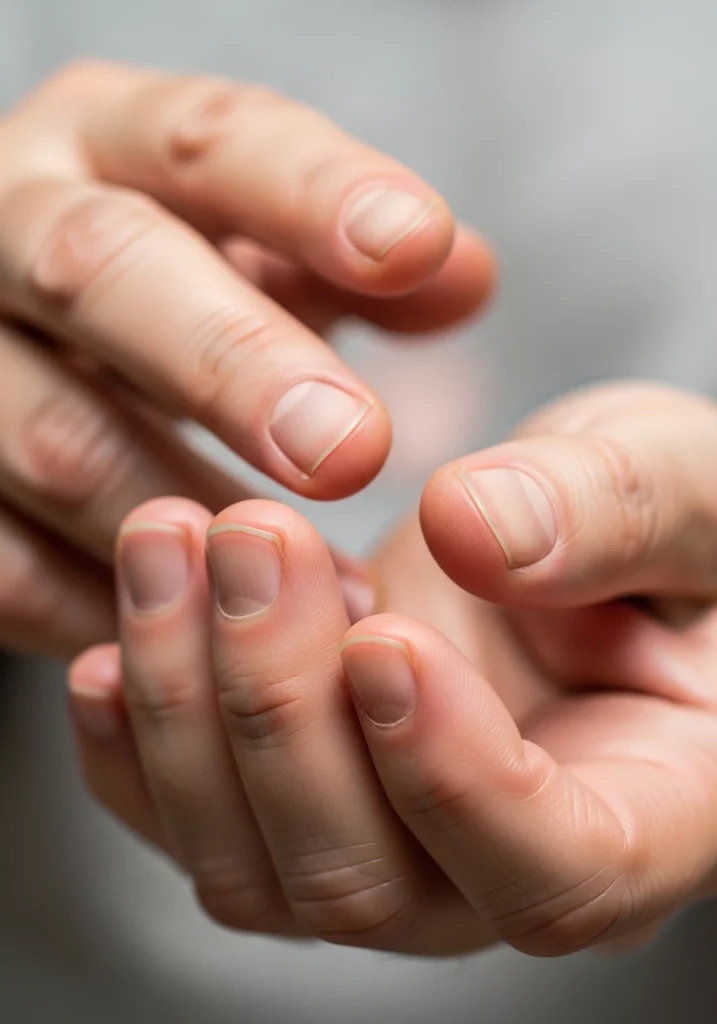
While we heavily focus on the lower extremities, the upper body is not immune. Experiencing diabetic neuropathy in the fingertips is less common, but it certainly happens as the disease advances.
The underlying mechanism destroying the nerves in your hands is identical to the process in your feet. Therefore, when patients ask what the best treatment for diabetic neuropathy in the hands is, the answer remains the same.
We utilize the exact same blood sugar targets, oral medications, and nutritional support to quiet the burning sensations in your fingers.
Can Diabetic Neuropathy Be Reversed?
The internet is flooded with claims from people stating, “I reversed my diabetic neuropathy.” As a medical professional, I must help you manage your expectations with evidence-based framing.
In the very early stages of the disease, when you first notice mild tingling, getting your blood sugar strictly controlled can sometimes partially reverse the symptoms.
However, once the nerve fibers have entirely died off and severe numbness sets in, true reversal is biologically impossible. At that advanced stage, our primary focus shifts entirely to symptom management and preventing amputations.
When to See a Specialist
Your primary care doctor can manage early symptoms easily. However, you might wonder, should diabetic neuropathy be treated by a neurologist?
I typically refer my patients to a specialized neurologist if their pain becomes entirely unmanageable with standard first-line medications. Additionally, if the numbness is progressing rapidly up your leg, or if you develop profound muscle weakness that causes you to trip, you require immediate specialist intervention.
Risks of Untreated Neuropathy
Ignoring your nerve pain is a recipe for absolute disaster. Untreated neuropathy directly leads to the most devastating complications of diabetes.
Because you cannot feel pain, tiny cuts on your feet easily go unnoticed. These minor injuries quickly develop into massive, deep foot ulcers. Without proper blood flow, these ulcers become deeply infected, eventually reaching the bone and requiring surgical amputation to save your life.
Frequently Asked Questions (FAQs)
How can diabetic neuropathy be treated?
It is treated comprehensively through strict glucose control, prescription pain medications, necessary lifestyle changes, and daily supportive therapies to prevent injuries.
What is the best home treatment for diabetic neuropathy in feet?
The best daily home treatment involves meticulous foot care, wearing proper supportive shoes at all times, and taking evidence-based supplements like alpha-lipoic acid.
What are the 7 vitamins that repair nerve damage?
The nervous system relies heavily on B1, B6, B12, Vitamin D, Vitamin E, alpha-lipoic acid, and folate to maintain nerve health and support regeneration.
What is the best medication for diabetic neuropathy?
Currently, duloxetine and pregabalin remain the most effective, FDA-approved first-line medications for managing the sharp, burning nerve pain.
Does walking help diabetic neuropathy?
Yes. Walking daily drastically improves blood circulation to the damaged nerves in your feet. You must, however, wear well-cushioned, supportive diabetic shoes to prevent hidden injuries.
Conclusion
In my clinical experience, the absolute best treatment for diabetic neuropathy in feet is a multimodal approach. You cannot rely on a single pill to fix the problem. Instead, you must combine medical therapy, proactive lifestyle intervention, and relentless preventive foot care.
The patients who benefit the most are those who catch the symptoms in the early stages and aggressively optimize their blood sugar levels. They are the ones who successfully retain their mobility and their quality of life.
If you are experiencing unexplained nerve pain, tingling, or numbness, please consult your healthcare provider immediately. Timely, aggressive treatment can literally save your feet and prevent irreversible nerve damage.
Medical References:
- National Center for Biotechnology Information (NCBI / StatPearls) – Diabetic Neuropathy Clinical Overview
- National Library of Medicine (PMC) – Pharmacological Management of Painful Diabetic Neuropathy (Peer-Reviewed Review)
- National Institute of Diabetes and Digestive and Kidney Diseases (NIDDK) – Peripheral Nerve Damage and Diabetic Neuropathies
- Mayo Clinic – Diabetic Neuropathy