
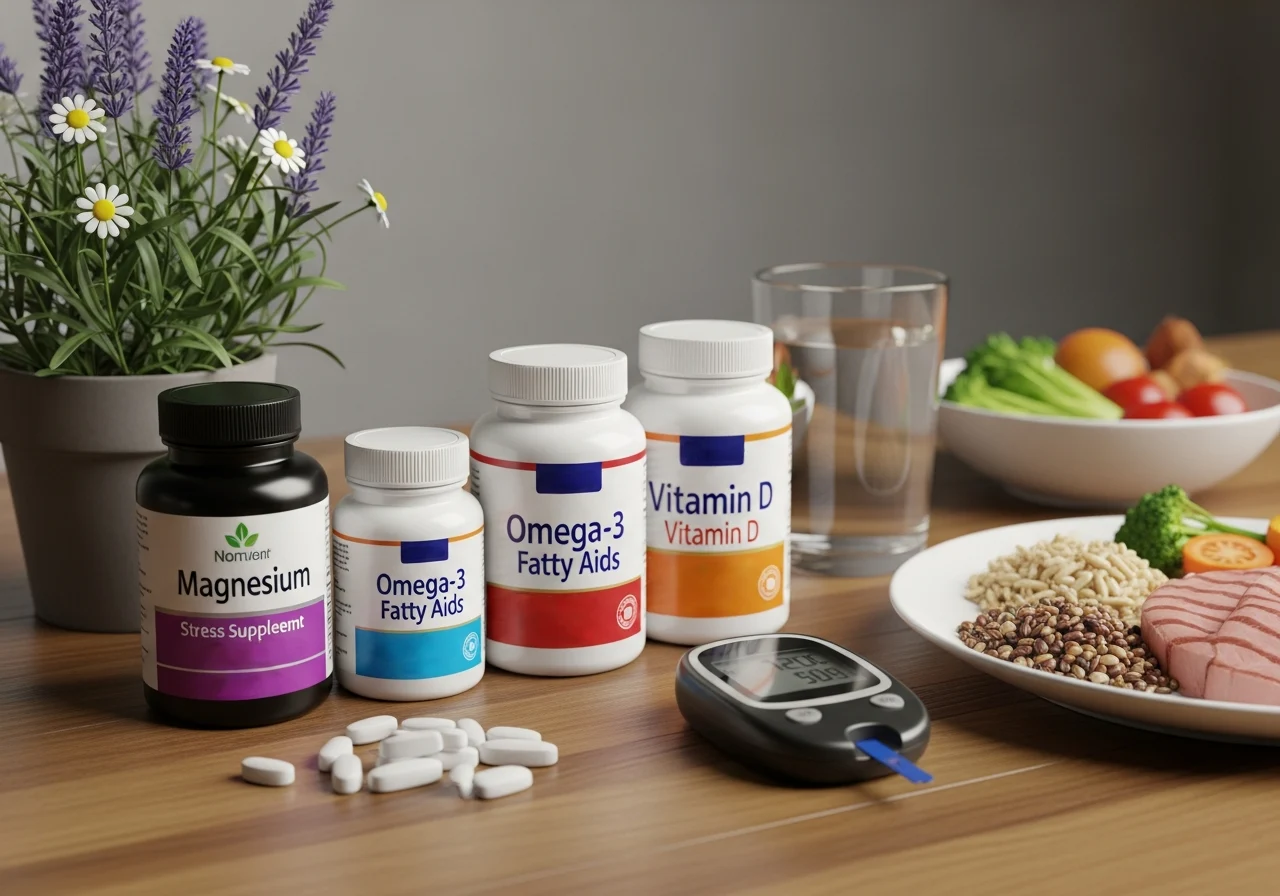
In my clinical practice, many patients tell me they feel overwhelmed trying to balance blood sugar management with everyday stress. That’s exactly why understanding the best supplements for stress and diabetes has become such an important topic for many adults managing metabolic health.
Just last week, a patient named Sarah told me, “Dr. Broome, my diet is on track, I take my medications correctly, but my blood sugar keeps spiking—and I feel constantly stressed.”
After reviewing her routine, it became clear that chronic stress was playing a major role. Elevated cortisol levels can interfere with insulin sensitivity, increase blood sugar fluctuations, and leave patients feeling mentally and physically drained.
I explained that no supplement can replace proper nutrition, medication adherence, sleep, exercise, or stress management habits. However, certain nutrients may help support the body during periods of chronic stress.
Some patients may benefit from supplements that support magnesium levels, improve sleep quality, reduce inflammation, or help regulate stress responses—but these should always be discussed with a healthcare provider first.
In this guide, I’ll break down the science behind stress-related blood sugar spikes, review commonly discussed supplements, and explain which options may support your overall metabolic health safely and effectively.
TL;DR: Key Takeaways
- Some supplements may support your blood sugar and stress response simultaneously.
- Magnesium, omega-3 fatty acids, and vitamin D currently have the strongest clinical evidence.
- Supplements are not a replacement for prescribed diabetes medication or lifestyle interventions.
- Quality, dosage, and safety matter immensely, as some over-the-counter pills can interact with your medications.
- Always consult a healthcare provider before adding any new supplement to your routine.
How Stress Affects Blood Sugar in Diabetes
To understand why certain vitamins are effective, we first need to look at the physiological chaos tension creates in the body. When you experience anxiety, your brain immediately signals your adrenal glands to release stress hormones, according to the American Diabetes Association.
These hormones are designed for a primal “fight or flight” response. They flood your bloodstream with glucose to give your muscles immediate energy. This biological response is disastrous if your body already struggles with severe insulin resistance.
Stress and Blood Sugar Elevation
Yes, tension directly and rapidly raises your glucose levels. When cortisol and adrenaline surge, they stimulate the liver to produce even more glucose. At the exact same time, these hormones actively reduce your body’s overall insulin sensitivity.
This means that even if you haven’t eaten a single carbohydrate, your glucose monitor might show a severe, unexplained spike. For individuals with type 2 diabetes, this creates a frustrating cycle of high readings that seem impossible to control. Understanding what is normal blood sugar helps patients recognize stress-related patterns.
A1C Increases Due to Chronic Tension
Your A1C is a three-month average of your blood glucose levels. While a single stressful day won’t drastically alter this number, chronic, unmanaged stress certainly will. Sustained glucose elevation due to constant cortisol exposure keeps your baseline numbers incredibly high, says the Centers for Disease Control and Prevention.
Over time, this continuous chemical barrage makes it incredibly difficult to achieve your target A1C. Managing your daily mental load is truly just as important as managing your carbohydrate intake.
High Cortisol and Prediabetes Link
Can high cortisol cause prediabetes? The clinical evidence strongly suggests a direct connection. Chronically elevated cortisol promotes rapid fat storage, particularly visceral fat packed around the abdomen.
This specific type of visceral fat is highly inflammatory and directly drives insulin resistance. Over time, the pancreas struggles to keep up with the demand, eventually pushing a healthy individual right into the prediabetic range. Learning about understanding prediabetes enables early intervention.
How to Reduce Stress in Diabetes
Before reaching for any vitamin bottle, you must establish a solid foundation of lifestyle interventions. Supplements work best when they amplify healthy habits, not when they are used as a band-aid for chronic exhaustion.
Exercise remains one of the most powerful tools available to patients. Physical activity naturally lowers insulin resistance while simultaneously burning off excess adrenaline in the bloodstream. Even a brisk 20-minute walk after meals can blunt a glucose spike and clear your mind.
Sleep optimization and mindfulness are equally critical for metabolic health. Poor sleep drastically increases cortisol the following day. By combining breathing exercises, adequate rest, and the right nutrients, you can build a resilient metabolic shield. Exploring can diabetes be managed naturally provides additional lifestyle strategies.
Best Supplements for Stress and Diabetes
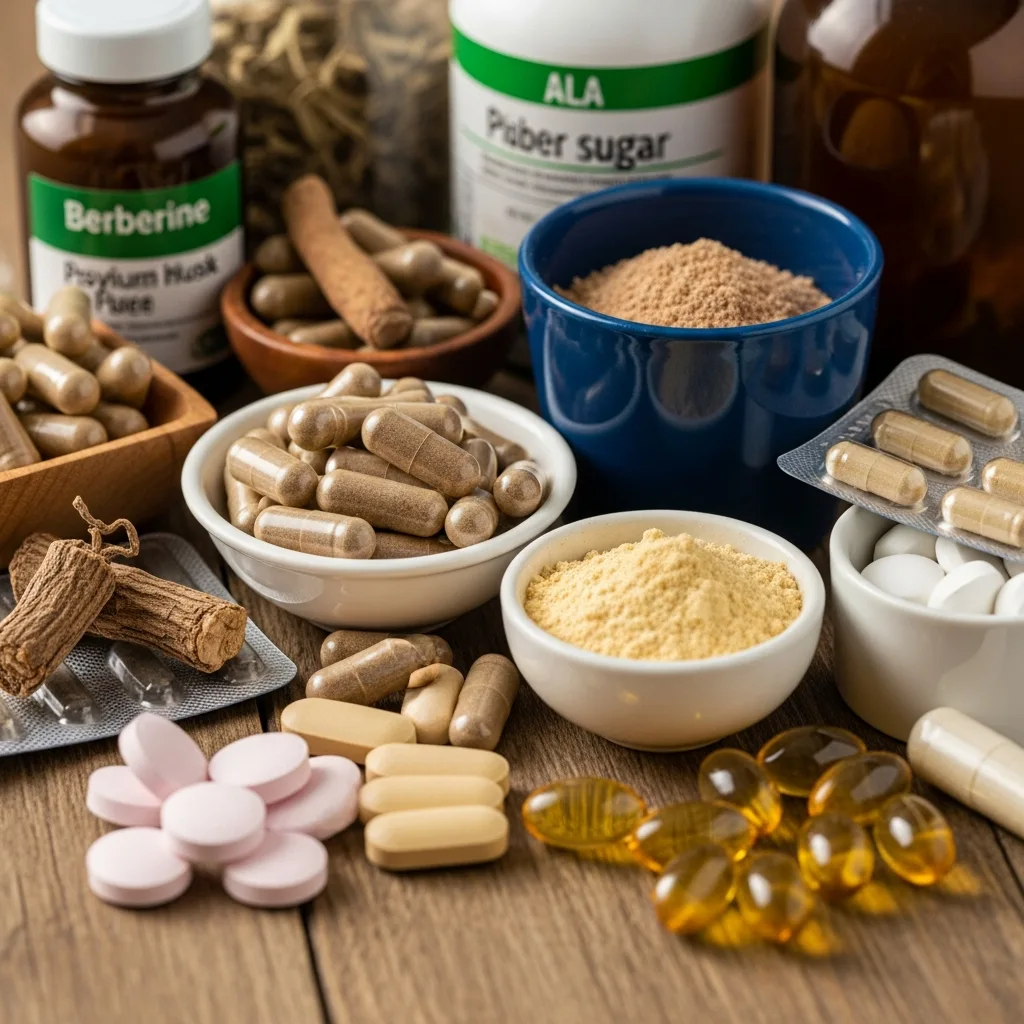
Finding the right balance of nutrients can feel overwhelming when browsing pharmacy aisles. Below is a detailed breakdown of the most thoroughly researched supplements that support both emotional well-being and glucose metabolism per NIDDK.
Evidence-Based Supplement Table
| Supplement | Primary Benefit | Evidence Level | Clinical Notes |
|---|---|---|---|
| Magnesium | Supports insulin sensitivity, reduces anxiety | High | Most diabetics are deficient; glycinate form is best |
| Omega-3s | Anti-inflammatory, mental health support | High | Look for high EPA/DHA ratios |
| Vitamin D | Improves glucose metabolism | High | Essential for immune and hormone balance |
| Chromium | May improve insulin action | Moderate | Best used if a deficiency is suspected |
| Alpha-Lipoic Acid | Antioxidant, nerve support | Moderate to High | Excellent for diabetic neuropathy prevention |
| Ashwagandha | Adaptogen that lowers cortisol | Moderate | Helps blunt the physical response to tension |
Source: Endocrine Society.
Magnesium Integration
Magnesium is often considered the master mineral for deep metabolic health. It plays a crucial role in over 300 enzymatic reactions, including exactly how your cells utilize insulin. Unfortunately, high blood sugar causes the kidneys to excrete magnesium at an accelerated rate.
This creates a vicious cycle: low magnesium worsens insulin resistance, which raises blood sugar, which depletes magnesium even further. Supplementing with magnesium glycinate can break this cycle while naturally calming the nervous system. Patients interested in gluco6 reviews often seek magnesium-containing formulations.
Omega-3 Fatty Acids
Omega-3s are incredibly powerful anti-inflammatory agents. Chronic cellular inflammation is a root cause of both mood disorders and metabolic dysfunction. By reducing this inflammation, omega-3s help insulin receptors function much more efficiently.
Furthermore, high-quality fish oil supports optimal brain health, helping to regulate mood and lower daily anxiety. This makes it a top-tier choice for those battling the heavy emotional toll of chronic illness.
Vitamin D Optimization
Vitamin D functions much more like a hormone than a traditional daily vitamin. Receptors for vitamin D are found heavily throughout the brain and the pancreas. Adequate blood levels are strongly linked to improved glucose metabolism and a much lower risk of clinical depression.
Because most people spend their days indoors, systemic deficiency is rampant. A simple routine blood test can determine your exact levels, allowing your doctor to recommend a precise, therapeutic daily dose.
Chromium for Insulin Action
Chromium is a vital trace mineral that actively enhances the action of insulin in the body. It helps move floating glucose from the bloodstream directly into the cells where it belongs. While it won’t cure diabetes, it can offer modest, reliable improvements in glycemic control.
It is particularly useful for patients who experience intense, daily carbohydrate cravings. However, it is most effective in individuals who are already clinically deficient in this specific mineral.
Alpha-Lipoic Acid and Nerve Health
Alpha-Lipoic Acid (ALA) is a uniquely potent antioxidant that operates in both water and fat-soluble cellular environments. It is highly regarded in the medical community for its ability to neutralize free radicals caused by chronically high blood sugar.
ALA is widely prescribed in Europe to successfully treat diabetic neuropathy and nerve pain. By drastically reducing oxidative stress, it protects the nervous system and supports overall cellular energy production.
Ashwagandha for Cortisol Control
Ashwagandha is a popular adaptogenic herb that has been heavily utilized in Ayurvedic medicine for centuries. Modern clinical research shows it actively lowers circulating cortisol levels in the blood. Blunting the cortisol response, it helps prevent stress-induced glucose spikes, according to Harvard Health Publishing.
For exhausted patients who feel constantly “wired and tired,” ashwagandha can promote a deep sense of calm without causing daytime drowsiness. It is a powerful botanical tool for properly balancing an overworked adrenal system. Those exploring mitolyn reviews often consider adaptogenic blends.
Best Supplements to Lower Blood Sugar Naturally
When patients ask for supplements to lower blood sugar naturally, I always emphasize safety above all else. Berberine is incredibly popular right now and is frequently compared to the prescription medication Metformin in its mechanism of action.
Berberine effectively reduces glucose production in the liver and improves insulin sensitivity. However, because it is so potent, it can cause severe lows if taken alongside prescription medications without strict medical supervision.
Fiber supplements, such as psyllium husk, are a much safer, highly effective alternative. Soluble fiber physically slows the absorption of carbohydrates in the gut, preventing sharp post-meal glucose spikes. It remains a foundational supplement for daily metabolic control, says the World Health Organization.
Best Supplements to Lower A1C
Lowering your A1C requires sustained, rigorous, long-term glucose control. There is no magic quick fix, but consistent use of targeted nutrients can gradually shift your average down over a standard three-month period.
The best supplements to lower A1C are those that directly address the root cause of insulin resistance. Magnesium and Vitamin D are the heavy hitters here, alongside a robust daily intake of omega-3 fatty acids to cool systemic inflammation. Understanding how to lower A1C provides complementary strategies.
Best Supplements for Diabetes Type 2
Type 2 diabetes is primarily an escalating disease of insulin resistance and lifestyle factors. Therefore, the best supplements for type 2 diabetes focus strictly on making the body’s existing insulin work significantly better.
Nutrients that enhance receptor sensitivity, like Inositol and Alpha-Lipoic Acid, are excellent daily choices. However, these absolutely must be paired with dietary changes; you cannot out-supplement a diet high in heavily processed sugars. Reviewing sugar defender reviews helps patients evaluate glucose-support formulations.
Best Supplements for Diabetes Type 1
Type 1 diabetes is an autoimmune condition where the pancreas produces little to absolutely no insulin. Supplements can never replace the absolute daily need for exogenous insulin injections. The focus here is entirely on holistic support and preventing long-term diabetic complications.
The best supplements for type 1 diabetes include robust, high-quality antioxidants like Vitamin C and ALA to protect fragile blood vessels. Omega-3s are also vital for protecting cardiovascular and renal health over the patient’s entire lifespan.
Best Vitamins for Diabetics
If you are looking to build a solid daily foundation, focusing on the best vitamins for diabetics is a smart, safe start. As mentioned, optimal Vitamin D is non-negotiable for most patients due to widespread deficiency and its vital role in cellular immunity.
The B-complex vitamins are also highly critical, particularly B12. If you take Metformin daily, you are at a very high risk for drug-induced B12 deficiency, which can mimic or dramatically worsen nerve damage. A daily B-complex ensures your nervous system remains fully nourished, per Diabetes Care.
Best Multivitamins for Diabetics Type 2
Walking down the supplement aisle can be daunting and confusing for most patients. The best multivitamins for diabetics type 2 diabetes are carefully formulated without any added sugars, artificial colors, or unnecessary chemical fillers.
Look for a clinical-grade multivitamin that specifically includes methylated B vitamins for much better absorption, alongside adequate chromium and magnesium. Avoid generic gummy vitamins entirely, as they almost always contain hidden syrups that defeat the purpose of taking them. Those considering primebiome reviews should verify ingredient transparency.
Supplements for Low Blood Sugar (Hypoglycemia Support)
It is absolutely critical to understand that supplements do not treat acute, dangerous hypoglycemia. If your blood sugar crashes suddenly, you need fast-acting glucose, like juice or glucose tabs, immediately to prevent an emergency.
However, certain supplements can help prevent the steep, reactive drops that usually follow a massive glucose spike. Soluble fiber and healthy fats help perfectly stabilize digestion, ensuring a slow, steady release of energy rather than a dangerous roller-coaster of highs and lows.
Natural Supplements for Diabetes: What the Evidence Says
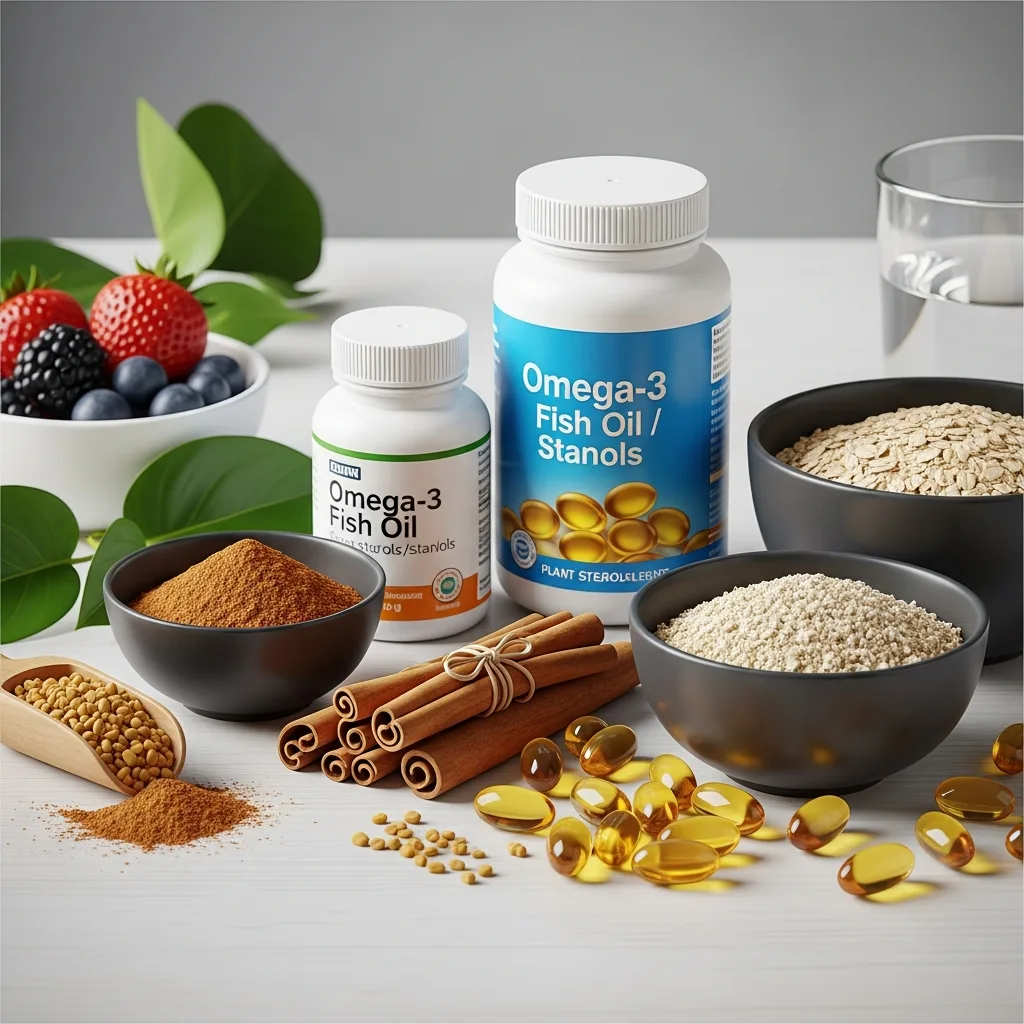
The modern wellness industry is full of extreme hype regarding natural supplements for diabetes. You will frequently see wild claims of “miracle cures” and instant “pancreas resets” online. It is crucial to strictly distinguish between evidence-based botanical support and predatory marketing scams.
Herbs like cinnamon and fenugreek do have modest, clinically proven benefits for basic glucose metabolism. However, per strict FDA guidelines, no supplement can legally claim to cure or prevent a disease. Always view natural remedies as a helpful addition to, not a replacement for, standard medical care.
Best Supplements to Lower Blood Sugar and Cholesterol
Metabolic syndrome rarely occurs in complete isolation; high blood sugar is almost always accompanied by heavily skewed lipid profiles. The absolute best supplements to lower blood sugar and cholesterol tackle both of these critical issues simultaneously.
High-dose Omega-3 fish oil lowers dangerous triglycerides highly effectively. Plant sterols and stanols actively block the absorption of bad cholesterol in the digestive tract. Soluble fiber acts as an internal broom, safely sweeping both excess glucose and cholesterol completely out of the body.
Vitamins for Diabetic Prevention
For those newly diagnosed with prediabetes, the ultimate goal is aggressive, immediate prevention. The right vitamins for diabetic prevention focus intensely on stopping the progression of beta-cell damage inside the pancreas.
Maintaining optimal Vitamin D levels is strongly associated with a significantly lower risk of developing full-blown type 2 diabetes. Combined with routine weight training and a low-glycemic diet, the right nutritional support can completely reverse the prediabetic trajectory. Understanding what causes diabetes informs prevention strategies.
Mechanism of Action: How Supplements Affect Blood Sugar and Stress
As a practicing endocrinologist, I look very closely at the complex molecular mechanisms of these supplements. They generally work efficiently through three primary pathways: improving insulin sensitivity, reducing systemic inflammation, and naturally modulating cortisol.
When you take an adaptogen like Ashwagandha, it directly interacts with the hypothalamic-pituitary-adrenal (HPA) axis to gracefully dial down cortisol production. When you take Magnesium, it physically acts as a vital cofactor at the insulin receptor site, allowing the “key” of insulin to easily open the “door” of the cell.
Dosage, Timing, and Bioavailability
Taking the right supplement at the exact wrong time is a complete waste of your money. Bioavailability—how well your body actually absorbs the nutrient—is heavily and strictly dependent on precise timing.
Fat-soluble vitamins (like Vitamin D and Omega-3s) must always be taken with a solid meal containing healthy fats for proper absorption. Magnesium glycinate is definitely best taken right before bed to maximize its strong, nervous system-calming effects.
Safety, Side Effects, and Drug Interactions
This is arguably the most critical section of this entire clinical guide. “Natural” does not always mean it is entirely safe for you. Many highly potent herbs can interact dangerously with your prescription medications, leading to a high risk of severe hypoglycemia.
For example, combining Berberine or Alpha-Lipoic Acid with injected insulin or oral sulfonylureas can cause your glucose levels to quickly drop to fatal levels. Pregnant people and individuals with kidney disease must strictly avoid certain herbal blends entirely. Always prioritize your safety first.
Who Should and Shouldn’t Use Supplements
Supplements are mostly appropriate for individuals who already have their baseline diet and medication routines stabilized but are looking for small, incremental improvements. They are especially great for addressing specific, clinically tested nutritional deficiencies.
They are absolutely not appropriate for individuals in active diabetic ketoacidosis (DKA), those with severely uncontrolled blood sugars, or those simply looking for an excuse to avoid a prescribed diet. High-risk patient groups should always defer to their primary care physician.
When to Talk to Your Doctor
You should never hide your daily supplement use from your endocrinologist or primary care provider. You should always schedule a brief consultation before starting any new metabolic pill, herb, or powder.
You must contact your doctor immediately if you suddenly notice your A1C rising despite your best efforts, if you experience sudden dizzy spells, or if your neuropathy symptoms suddenly worsen. Complete transparency with your medical team is the true key to longevity.
Frequently Asked Questions
What is the best supplement for diabetes?
There’s no single “best” supplement for everyone. However, research consistently supports magnesium and vitamin D for metabolic support. These nutrients help address common deficiencies linked to insulin resistance. Always discuss supplementation with your provider first. Personalized testing ensures you’re addressing your actual needs—not just following trends. Quality, dosage, and timing matter deeply for safe, effective results.
Can supplements replace diabetes medication?
No—supplements cannot replace prescribed diabetes medication. They’re designed to support, not substitute, proven therapies like insulin or metformin. Stopping medication without medical guidance can lead to dangerous glucose spikes or complications. Think of supplements as potential teammates in your care plan, not starters. Always coordinate with your endocrinologist before adding anything new to your routine.
Do supplements lower A1C?
Some supplements may modestly support A1C reduction when paired with diet, movement, and medication. Ingredients like berberine, cinnamon, or omega-3s show promise in studies. But effects are typically small and vary by person. Supplements work best as part of a comprehensive plan—not standalone fixes. Track progress with your care team to ensure safety and meaningful results over time.
Are natural supplements safe?
“Natural” doesn’t automatically mean safe. Supplement quality varies widely, and some ingredients can interact with diabetes medications or affect liver/kidney function. Third-party testing (look for USP or NSF seals) helps verify purity. Always share your full supplement list with your provider. Transparency protects you from hidden risks and ensures your regimen supports—not undermines—your health goals.
How long does it take for supplements to work?
Most metabolic supplements need consistent daily use for 8–12 weeks before showing measurable effects. Nutrients like vitamin D or omega-3s work gradually at the cellular level. Patience and consistency matter. Keep tracking your glucose and A1C with your care team. If you don’t see benefits after three months, reevaluate dosage, formulation, or whether the supplement aligns with your specific health needs.
Conclusion: Taking Control of Your Metabolic Health
As we have discussed, managing diabetes is not just about strictly counting carbohydrates; it is equally about managing your body’s physiological stress response. High cortisol directly fuels insulin resistance, making your daily glucose goals feel completely out of reach even when your diet is perfect.
The best supplements for stress and diabetes, such as magnesium glycinate, vitamin D, and high-quality omega-3s, offer a scientifically backed safety net. While they will never replace your prescribed medications or a healthy lifestyle, they can significantly bridge the gap between a good diet and optimal metabolic function.
Remember, your journey to better health is deeply personal and requires medical supervision. Always consult with your endocrinologist or primary care provider before introducing new vitamins, herbs, or adaptogens into your daily routine to avoid dangerous interactions.
By strategically pairing the right evidence-based nutritional support with active stress-reduction techniques, you can finally take control of both your A1C and your daily peace of mind.
Evidence-Based References:
- American Diabetes Association. Supplements and Diabetes Management. https://diabetes.org
- Centers for Disease Control and Prevention. Diabetes and Supplements. https://www.cdc.gov/diabetes
- National Institute of Diabetes and Digestive and Kidney Diseases. Vitamins and Minerals for Diabetes. https://www.niddk.nih.gov
- Mayo Clinic. Diabetes Supplements: What Works. https://www.mayoclinic.org
- Harvard Health Publishing. Stress, Cortisol, and Blood Sugar. https://www.health.harvard.edu
- World Health Organization. Traditional Medicine and Diabetes. https://www.who.int
- Endocrine Society. Clinical Guidelines for Supplement Use. https://www.endocrine.org
- American Psychological Association. Stress Management Research. https://www.apa.org
- Polonsky WH, et al. Supplement Interventions in Diabetes Care. Diabetes Care. 2022. https://diabetesjournals.org/care
- Fisher L, et al. Integrated Nutrition and Mental Health for Diabetes. JAMA Network Open. 2023. https://jamanetwork.com