
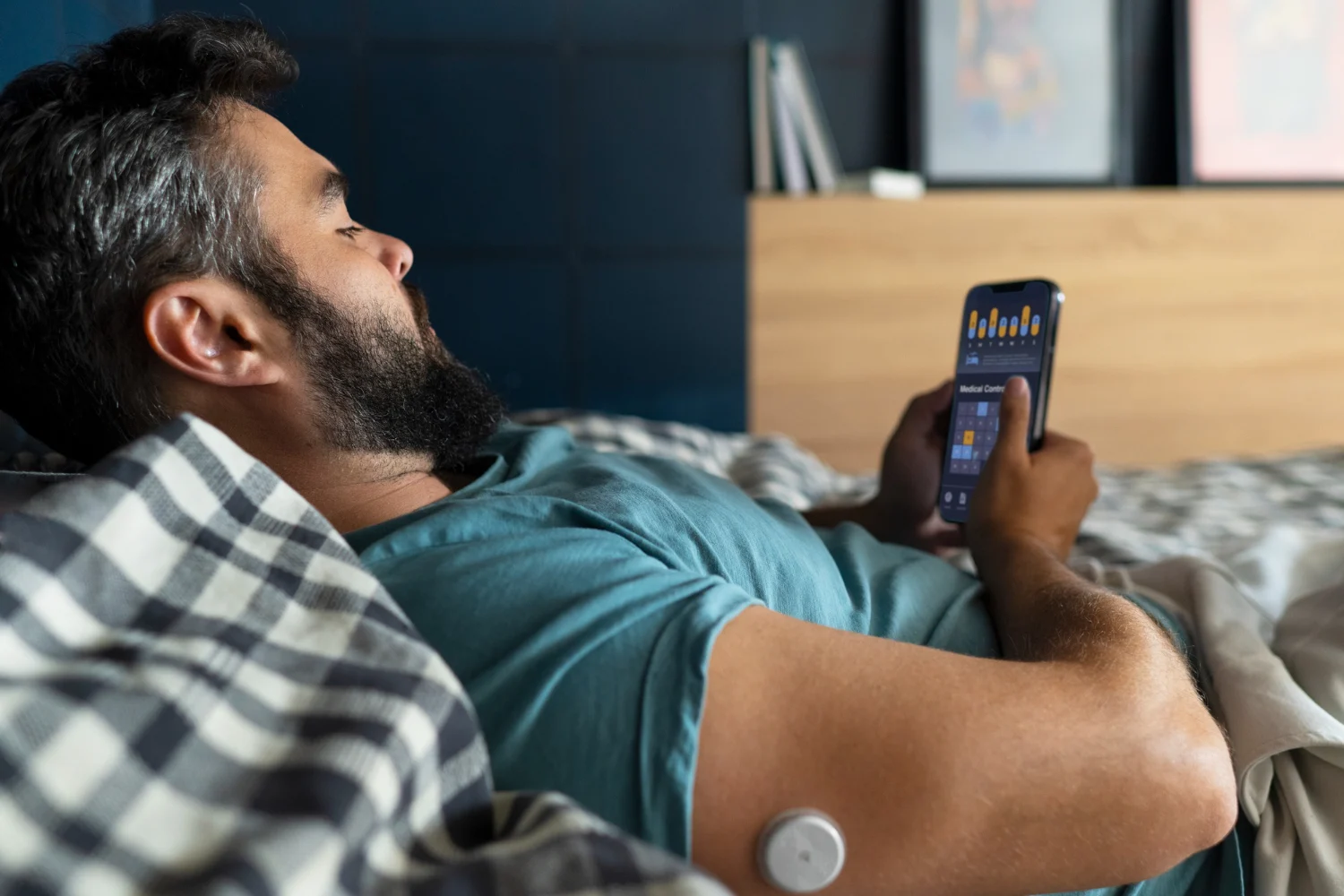
As Dr. David T. Broome, MD, specializing in endocrinology and public health, I often remind patients that diabetes management is not just physical—it’s deeply emotional. Many people feel overwhelmed by constant glucose checks, medications, and lifestyle changes, which is why exploring mental health apps for diabetics can be incredibly helpful.
Not long ago, I worked with a patient named Michael who felt crushed by the emotional burden of his Type 2 diabetes diagnosis. He wasn’t struggling because of poor diet choices—he was struggling with anxiety and burnout.
Michael admitted that constantly tracking his blood sugar made him feel stressed and discouraged, which eventually caused him to avoid monitoring altogether.
That’s when we introduced digital tools designed to support both his mental health and diabetes management. Using the right app helped him track his mood, manage stress, and feel more in control of his daily routine.
In this guide, I’ll explain the connection between emotional health and diabetes management while reviewing helpful apps that can reduce burnout, ease anxiety, and support long-term wellness.
TL;DR: Quick Summary
- Diabetes significantly increases the risk of chronic stress, severe anxiety, and clinical depression.
- Mental health apps can effectively help with daily mood tracking, stress reduction, and blood sugar monitoring.
- The most effective apps seamlessly combine glucose tracking with evidence-based mental wellness tools.
- Numerous high-quality, free options are readily available for both Type 1 and Type 2 diabetes management.
Why Mental Health Matters in Diabetes Management
When we discuss metabolic conditions, the focus is almost exclusively on physical metrics like A1C and fasting glucose. However, treating mental health for diabetics is just as critical as managing their physical symptoms.
According to CDC data, living with diabetes literally doubles a person’s risk of developing clinical depression. The unrelenting, 24/7 demands of counting carbohydrates, calculating dosages, and fearing complications create a massive psychological burden.
Furthermore, blood sugar fluctuations directly dictate your daily energy, your cognitive function, and your emotional resilience. When emotional stress spikes, your body releases cortisol, which actively causes poor glucose control, creating a vicious, exhausting cycle. Understanding what is type 2 diabetes provides crucial context for this connection.
How Diabetes Affects Mental Health
The biological and psychological toll of a chronic metabolic condition manifests in several distinct, highly challenging ways. Understanding these specific emotional profiles helps patients realize that their feelings are a valid, medically recognized part of the disease, according to the American Psychological Association.
Clinical Depression and Anxiety Disorders
The chronic illness burden of diabetes forces patients into a state of hyper-vigilance regarding their daily health. This constant, heavy pressure frequently triggers generalized anxiety and deep depressive episodes.
Patients often live with a profound, lingering fear of long-term complications, such as neuropathy or vision loss. This fear can become paralyzing, preventing them from enjoying their daily lives or adhering to their prescribed medical routines.
Chronic Diabetes Distress
Unlike clinical depression, diabetes distress is a very specific emotional response directly tied to the burden of disease management. It is the deep burnout that comes from feeling like diabetes is entirely controlling your life.
Patients experiencing this distress often feel deeply frustrated, angry, or entirely overwhelmed by their daily medical tasks. This burnout frequently leads to skipped medications or ignored dietary guidelines, further worsening their metabolic control.
The Reality of Diabetic Rage
“Diabetic rage” is a common, informal term used to describe the sudden, intense irritability triggered directly by glucose swings. When blood sugar drops rapidly, the brain panics and releases massive amounts of adrenaline to survive, per Mayo Clinic.
This adrenaline dump causes a sudden, uncharacteristic burst of anger, confusion, or severe emotional volatility. Conversely, chronically high blood sugar causes severe physical fatigue and systemic inflammation, heavily depleting a patient’s patience and emotional bandwidth. Recognizing low blood sugar symptoms helps patients respond appropriately.
How to Deal With Diabetic Rage

Experiencing sudden, intense irritability can be deeply frightening for both the patient and their loved ones. However, learning how to deal with diabetic rage is entirely possible with the right clinical strategies.
First and foremost, you must prioritize immediate blood sugar stabilization by testing your levels and correcting them as advised by your doctor. You cannot reason your way out of a biological adrenaline dump; you must fix the physical trigger first.
Once your glucose is stable, utilize deep breathing techniques to actively lower your lingering heart rate and cortisol levels. Finally, employing cognitive behavioral strategies and app-based mood tracking tools can help you identify emotional triggers before they escalate into full rage.
What Are Mental Health Apps for Diabetics?
Mental health apps for diabetics are highly specialized digital tools designed to help you manage chronic stress, track your daily mood, and support emotional well-being. These platforms frequently integrate directly with blood sugar tracking and lifestyle management features, providing a holistic view of your health.
By combining psychological support with metabolic data, these apps help you connect the dots between how you feel and what your numbers say.
Types of Diabetes Apps
The digital health marketplace is vast, offering a variety of specific tools tailored to different aspects of chronic disease management. Understanding the different categories of my diabetes app options helps you build a customized digital support system.
- Mental Health and Mindfulness Apps: Focused entirely on stress reduction, guided meditation, and cognitive behavioral therapy.
- Glucose Monitoring Apps: Designed to log blood sugar readings, track insulin doses, and identify dangerous metabolic trends.
- Food Tracking Apps: Built to accurately calculate carbohydrates, scan barcodes, and manage overall dietary intake.
- All-in-One Management Apps: Comprehensive platforms that combine glucose logging, meal tracking, and basic emotional check-ins.
Exploring diabetes care resources helps patients select appropriate tools.
Best Mental Health Apps for Diabetics
Finding the best app for diabetes type 2 or type 1 requires understanding your specific daily struggles. “We have categorized the most effective, evidence-based tools currently available to help you manage both your mind and your metabolism,” says the ACOG Guidelines.
Diabetes Management and Mental Health Integration
The most effective tools recognize that your numbers and your emotions are deeply intertwined. MySugr is widely considered one of the best platforms because it allows you to log your mood right next to your glucose reading. This helps you visually see how a high blood sugar day directly correlates to feelings of fatigue or sadness.
Glucose Buddy offers excellent, straightforward tracking that reduces the cognitive load of managing the disease. It provides simple graphs that prevent the data overwhelm that often leads to severe diabetes burnout.
One Drop takes a highly advanced approach, utilizing AI insights and offering access to certified coaching. Having a digital coach available provides an immense emotional safety net for patients struggling with daily adherence.
Dedicated Mental Wellness Applications
Sometimes, you need an app entirely disconnected from your blood sugar numbers to simply focus on your nervous system. Headspace is a fantastic tool that provides short, guided meditations perfect for lowering cortisol during a stressful workday.
Calm excels at sleep improvement, which is critical since poor sleep directly causes morning insulin resistance. Listening to their sleep stories can help quiet the mind of a patient lying awake, worrying about midnight lows.
Sanvello utilizes core principles of cognitive behavioral therapy to directly combat severe health anxiety. It allows patients to track their daily anxiety levels and provides actionable coping mechanisms to reframe catastrophic thinking.
Food Tracking and Carb Counting Tools
The sheer mental math of counting carbohydrates is a massive driver of daily diabetes distress. A high-quality app for diabetics to scan food can instantly relieve this heavy psychological burden.
MyFitnessPal remains a powerhouse in this space, offering a massive, user-generated food database and an easy-to-use barcode scanner. This completely removes the stressful guesswork when eating at restaurants or trying new packaged foods.
Carb Manager is specifically designed for low-carb and ketogenic lifestyles, which many diabetics utilize for stability. It focuses heavily on macro tracking, ensuring you have the precise data needed to confidently dose your medication without fear. Choosing the best foods for diabetics complements these tracking tools.
Accessible Free Apps for Diabetics
A common question in my clinic is, “Are there any free apps for diabetics that actually work?” The answer is a resounding yes, as financial stress should never prevent you from accessing vital health tools.
Most premium apps, including mySugr and MyFitnessPal, offer incredibly robust free tiers that cover all the basic necessities. These free versions allow for unlimited glucose tracking, basic trend analytics, and access to essential food databases. Furthermore, many free apps offer built-in community support forums, deeply reducing the isolating loneliness of the disease, per NIH Research.
App Feature Comparison Table
| App Name | Best For | Free Version Available | Key Feature |
|---|---|---|---|
| mySugr | All-in-one tracking | Yes | Mood + glucose tracking |
| One Drop | Professional coaching | Yes | AI predictive insights |
| MyFitnessPal | Diet and carb tracking | Yes | Easy barcode food scanner |
| Headspace | Mental wellness & stress | No (Free Trial) | Guided anxiety meditations |
How These Apps Improve Mental Health
Using digital tools for mental health and diabetes management creates a highly structured environment that significantly reduces daily anxiety. When your data is securely stored and analyzed by an app, your brain no longer has to remember every single detail.
This directly improves medical adherence, as patients are more likely to test their sugar when the process feels gamified and organized. Furthermore, these apps provide instant, real-time feedback, proving that your hard work is actively paying off. By encouraging positive daily habit formation, these tools slowly rebuild a patient’s lost medical confidence.
Mental Health Services for Diabetics

While apps are incredible support tools, they should never replace comprehensive mental health services for diabetics. Managing a chronic illness often requires a highly coordinated, multidisciplinary clinical team, according to the Cleveland Clinic.
Your endocrinologist should work directly alongside a licensed clinical psychologist who specializes in chronic disease management. Certified diabetes educators are also phenomenal resources, as they teach you how to manage the disease without sacrificing your sanity. Today, excellent telehealth services make accessing these specialized mental health providers easier and more private than ever before.
Mental Health Education for Diabetics
Education is the absolute strongest defense against chronic health anxiety and deep medical burnout. Proper mental health and diabetes education empowers patients to understand exactly why their body reacts the way it does.
Learning the deep, biological link between glucose volatility and severe mood swings removes the personal shame often associated with emotional outbursts. Education programs focus heavily on practical coping strategies and actionable stress management techniques.
When a patient understands their disease, they transition from a place of deep fear to a place of confident control. Reviewing early warning signs of diabetes supports this educational foundation.
How to Choose the Best Diabetes App
With thousands of options available, selecting the right digital tool requires a careful, highly strategic approach. Use this quick clinical checklist to evaluate any app before committing your time and personal data to it.
- HIPAA Compliance: Ensure the app legally protects your private medical data and does not sell it to third parties.
- Device Integration: The best apps seamlessly sync with your continuous glucose monitor (CGM) or smart meter.
- Ease of Use: If the app is cluttered and frustrating to navigate, it will only add to your daily diabetes distress.
- Cost Structure: Carefully weigh the benefits of a paid subscription versus the robust features often found in free tiers.
The 10-10-10 Rule for Diabetes
Patients frequently ask me, “What is the 10 10 10 rule for diabetes?” in relation to managing their daily stress. This concept can actually refer to two entirely different, yet highly effective, management strategies.
In a dietary context, it often refers to aiming for a highly balanced meal containing roughly 10 grams of healthy fats, 10 grams of protein, and a controlled portion of complex carbs. In a behavioral context, it is a powerful psychological tool: before stressing over a single bad blood sugar reading, ask yourself how this will affect you in 10 minutes, 10 months, and 10 years to instantly regain emotional perspective.
Additional Mental Health Advice for Diabetics
Beyond downloading an app, you must build a highly resilient, physical lifestyle to protect your emotional well-being. The best mental health advice for diabetics always starts with maintaining a deeply consistent daily routine.
Practice daily stress reduction through gentle physical exercise, deep stretching, or engaging in hobbies entirely unrelated to your disease. Actively build strong support systems by joining local or online diabetic communities that truly understand your specific struggles, according to a PubMed study.
Most importantly, never let pride prevent you from seeking professional psychiatric help when the burden simply becomes too heavy to carry alone.
Frequently Asked Questions
Are there any completely free apps for diabetics?
Yes—several high-quality apps offer robust free tiers. mySugr, MyFitnessPal, and Glucose Buddy help track glucose, carbs, and meds without cost. While premium features exist, the free versions often cover core needs. Try a few to see what fits your routine. Just remember: apps support care but don’t replace professional medical guidance or personalized treatment plans.
Does type 2 diabetes actually cause clinical depression?
Type 2 diabetes doesn’t directly “cause” depression, but it significantly raises risk. Chronic inflammation, blood sugar swings, and the emotional weight of daily management all contribute. If you notice persistent sadness, loss of interest, or hopelessness, please talk with your provider. Mental health is part of diabetes care—and effective support is available. You deserve compassionate, whole-person treatment.
What is considered the best app for type 2 diabetes?
The “best” app depends on your goals. For all-in-one tracking, One Drop and mySugr earn high marks from clinicians. Prefer food logging? Try MyFitnessPal. Need CGM integration? Check the Dexcom or Libre apps. Look for ease of use, data sharing, and privacy features. Test a few free options first. The right tool should simplify—not complicate—your daily routine.
How should a patient handle sudden diabetic rage?
Sudden irritability can signal low blood sugar. First, check your glucose and treat if needed. Once stable, pause. Step away from the trigger. Try slow, deep breaths to reset your nervous system. Later, log the episode—pattern tracking helps your care team adjust your plan. Remember: this isn’t a character flaw. It’s biology. Compassion—for yourself and others—matters most.
Can mental health apps directly improve my A1C levels?
Mental health apps won’t lower blood sugar directly. But by reducing stress, anxiety, or burnout, they can support better self-care habits. Less cortisol means fewer glucose spikes. A better mood often improves medication adherence and food choices. Over time, this indirect effect may help stabilize A1C. Think of these tools as part of a holistic, sustainable diabetes management strategy.
Conclusion
As a physician, I want you to remember that your A1C does not define your worth, and your emotional struggles with diabetes are completely valid. Managing a chronic metabolic condition is a relentless marathon that requires immense mental fortitude, and you absolutely do not have to run it alone.
Mental health apps for diabetics are not a magical cure, but they are incredibly powerful tools to help you reclaim control over your daily routine. By actively tracking your mood alongside your blood sugar, you transition from simply surviving your diagnosis to truly understanding your body’s unique signals.
Never underestimate the profound medical impact of reducing your daily stress and lowering the cognitive load of carbohydrate counting. I highly encourage you to download one of the free apps mentioned today, start logging your feelings, and practice deep self-compassion on the harder days.
Always remember to lean heavily on your clinical healthcare team when you feel overwhelmed. By utilizing these digital tools and prioritizing your mental peace just as aggressively as your physical health, you can build a resilient, joyful life with diabetes.
Evidence-Based References:
- American Diabetes Association. Mental Health and Diabetes. https://diabetes.org
- Centers for Disease Control and Prevention. Diabetes and Emotional Health. https://www.cdc.gov/diabetes/living-with/mental-health.html
- National Institute of Diabetes and Digestive and Kidney Diseases. Diabetes and Mental Health. https://www.niddk.nih.gov
- Mayo Clinic. Diabetes Management: Stress and Mental Wellness. https://www.mayoclinic.org
- Harvard Health Publishing. The Mind-Body Connection in Diabetes. https://www.health.harvard.edu
- World Health Organization. Mental Health in Chronic Disease. https://www.who.int
- Endocrine Society. Clinical Guidelines for Diabetes Care. https://www.endocrine.org
- American Psychological Association. Chronic Illness and Psychological Well-being. https://www.apa.org
- Polonsky WH, et al. Diabetes Distress and Digital Tools. Diabetes Care. 2021. https://diabetesjournals.org/care
- Fisher L, et al. Integrated Care for Diabetes Mental Health. JAMA Network Open. 2022. https://jamanetwork.com/journals/jamanetworkopen