

While stress typically raises glucose, it can definitely trigger low blood sugar. This usually happens because intense stress disrupts your regular eating and medication schedules. Additionally, your body might react unpredictably to hormonal shifts during high-pressure moments. Therefore, you must monitor your levels closely during stressful times to prevent dangerous hypoglycemia episodes.
Experiencing a sudden energy drop during a tense situation is terrifying. In my clinic, patients frequently ask the following: “Can stress cause low blood sugar, or is this just an anxiety attack masking itself as a physical crash?” As a physician, I have spent years untangling the complex web between psychological distress and metabolic health to help patients find clarity.
When panic strikes, your adrenal glands flood the bloodstream with cortisol. This biological response demands fast fuel, consuming circulating glucose at an accelerated rate. This rapid depletion leaves you feeling weak and shaky, mirroring a metabolic crash. Your brain and endocrine system share a powerful connection, meaning chronic worry dictates how your body manages your vital energy reserves.
Understanding this internal reaction is the first step toward regaining balance. In this guide, we will explore the exact science behind these confusing physiological fluctuations. We will break down why severe anxiety mimics a hypoglycemic episode and provide actionable clinical steps to stabilize your mind and metabolism safely today.
TL;DR
Stress usually raises blood sugar through the sudden release of specific hormones like cortisol and adrenaline. However, in certain specific situations—especially for people with diabetes or those who are fasting—stress can indirectly contribute to low blood sugar episodes.
Anxiety and hypoglycemia share remarkably similar physical symptoms, including shaking, sweating, and a rapid heartbeat, making them incredibly easy to confuse during an episode.
Can Stress Cause Low Blood Sugar?
Just last week, a distressed patient sat in my clinical office asking, “Can stress cause low blood sugar?” She was convinced her workplace anxiety was triggering severe hypoglycemic crashes, despite having no prior history of diabetes. According to the National Institute of Diabetes and Digestive and Kidney Diseases — Low Blood Glucose (Hypoglycemia), low blood glucose is one of the most common and serious complications linked to glucose regulation disorders.
I explained that while pure psychological stress primarily raises your blood sugar, the behavioral side effects of intense anxiety can absolutely lead to a severe crash. Stress activates your sympathetic nervous system, triggering cortisol and adrenaline release.
These hormones signal your liver to dump stored glucose into your blood, creating a sudden energy spike. Therefore, the direct physiological answer to whether emotional stress causes hypoglycemia is generally no—but the indirect consequences of a highly stressed lifestyle tell a very different story.
People under immense stress frequently skip meals or burn through massive energy, and if you severely restrict calories due to anxiety-induced nausea, blood glucose will inevitably drop. For diabetic patients, severe stress can also trigger erratic insulin dosing, producing a dangerous low.
How Stress Actually Lowers Blood Sugar
While rare as a direct physiological mechanism, stress-related hypoglycemia can absolutely occur due to a combination of behavioral neglect and metabolic exhaustion. When a patient is experiencing chronic, prolonged stress, their adrenal glands are constantly working overtime to pump out cortisol.
Eventually, if the body’s glycogen stores in the liver are completely depleted from constant adrenaline surges and poor nutrition, a crash is imminent. According to NIH / StatPearls — Hypoglycemia, the brain relies entirely on a steady arterial glucose supply, and any interruption can trigger a cascading protective response.
I frequently see this in college students or overworked professionals who rely entirely on caffeine instead of food. They experience an intense sympathetic nervous system response, but because they have consumed no actual carbohydrates, their body has no glucose to mobilize.
Once the initial adrenaline surge wears off, their blood sugar plummets rapidly, leaving them shaking, sweating, and feeling faint. Understanding the full spectrum of low blood sugar symptoms is essential for catching these crashes early.
Furthermore, many people consume alcohol as a coping mechanism for severe stress, which effectively paralyzes the liver’s ability to release emergency glucose, directly causing profound hypoglycemia. According to NIH / StatPearls — Non-Diabetic Hypoglycemia, alcohol-induced hypoglycemia is a well-recognized clinical pattern that frequently goes undetected until symptoms become severe. Treating the blood sugar crash is only the first step; treating the underlying behavioral neglect caused by the stress is the long-term cure.
The Mechanism of Stress Raising Blood Sugar
It is far more common for stress to trigger a dramatic spike in your glucose readings. When your brain perceives a threat — whether a physical danger or an impending work deadline — it triggers an immediate hormonal cascade designed for survival. The American Diabetes Association — Blood Glucose Testing and Management confirms that illness, stress, and pain all cause the body to release hormones that rapidly raise blood sugar levels.
Your adrenal glands release massive amounts of adrenaline and cortisol almost instantly, commanding your liver to break down stored glycogen into free glucose. Can stress raise blood sugar immediately? Yes, your glucose levels can surge significantly within minutes of a sudden stressful event. Simultaneously, these stress hormones make your body’s cells temporarily resistant to insulin, ensuring that extra glucose stays available for your brain and muscles.
For those with type 2 diabetes, this is a massive clinical hurdle, as they already suffer from severe insulin resistance. When stress hormones are added to the mix, their baseline insulin is entirely overpowered, leading to stubborn, prolonged hyperglycemia.
Research published in AJMC — Cortisol Associated With Increased Blood Sugar in Type 2 Diabetes found that flatter cortisol profiles throughout the day were directly linked to higher circulating glucose. These dramatic mood-disrupting swings are well-documented across clinical endocrinology literature and our own patient case reviews.
Anxiety vs Low Blood Sugar — Why They Feel the Same

One of the most confusing clinical scenarios for patients is distinguishing between anxiety vs low blood sugar. The physical sensations are nearly identical, and your body relies on the exact same chemical messenger for both: adrenaline. The American Diabetes Association — Hypoglycemia Symptoms and Treatment confirms it is precisely the release of adrenaline that causes the thumping heart, sweating, tingling, and anxiety characteristic of both states.
When your blood sugar drops dangerously low, your brain interprets this lack of fuel as a life-threatening emergency. It signals the adrenal glands to flood your system with adrenaline, producing a pounding heartbeat, uncontrollable trembling, cold sweats, and a sense of impending doom.
Because anxiety attacks run on the exact same hormone, you cannot separate the two based on physical feelings alone. Our guide on Anxiety Symptoms in Diabetics covers this biological overlap in comprehensive clinical detail.
Can low blood sugar cause anxiety on a chronic level? Absolutely. Patients who experience frequent severe crashes often develop a profound clinical fear of hypoglycemia, living in a constant state of hyper-vigilance.
The primary difference lies in the resolution: a hypoglycemic episode only resolves when simple carbohydrates are consumed, while an anxiety attack subsides on its own. Learning to test your glucose instead of guessing is the only definitive way to tell them apart.
The Link Between Low Blood Sugar and Panic Attacks
Many patients come to the emergency room convinced they are having a heart attack, only to discover their glucose is merely 50 mg/dL. Can hypoglycemia cause a panic attack? It frequently mimics one so perfectly that even trained medical professionals must rely on a glucometer to confirm the diagnosis.
According to PMC / NIH — The Consequences of Hypoglycaemia, acute hypoglycemia stimulates a stress response that can push the body into a full panic-like crisis, making accurate diagnosis challenging without a blood glucose reading.
The adrenaline release triggered by a severe blood glucose crash forces your body into an intense fight-or-flight state. Your pupils dilate, your breathing becomes shallow and rapid, and your chest feels incredibly tight. The critical distinction is that treating this hypoglycemia-induced panic with standard anti-anxiety medications will fail entirely.
The brain is starving for sugar, not serotonin. Once the patient consumes 15 grams of fast-acting carbohydrates, the “panic attack” dissipates within fifteen minutes as the brain receives its necessary fuel. For a broader understanding of how these psychological effects develop over time, see our guide on Psychological Effects of Diabetes.
Low Blood Sugar Anxiety in the Morning
Waking up with a racing heart and shaking hands is a terrifying way to start the day. Low blood sugar anxiety in the morning is incredibly common and usually points to a significant overnight metabolic disturbance. When you sleep, you are essentially fasting for eight to ten hours, relying entirely on your liver to trickle out enough glucose to keep your brain alive.
If you skipped dinner the night before, or if you drank heavily, your liver may fail to maintain this steady trickle. Your blood sugar drops dangerously low in the early hours of the morning, and to prevent you from slipping into a coma, your body releases a massive surge of cortisol and adrenaline right before you wake. According to PubMed Central / Cureus — Cortisol as a Predictor of Nocturnal Hypoglycemia, lower fasting cortisol levels are independently associated with a significantly higher risk of nighttime glucose crashes.
This hormonal rescue mission saves your life but leaves you waking up in a state of absolute panic — profound shakiness, heavy sweating, and severe mental confusion. Understanding What Does Low Blood Sugar Feel Like helps you correctly identify this frightening morning experience. Eating a balanced evening snack containing complex carbohydrates and protein is the best clinical defense against it.
Why Stress and Blood Sugar Are So Closely Connected
The human body is built primarily for survival, and the connection between stress and blood sugar is the cornerstone of that design. Cortisol steadily increases glucose production in the liver during prolonged stressful periods. Adrenaline acts as the immediate, rapid-response trigger for sudden bursts of sugar.
Glucagon works in tandem with these stress signals to unlock stored energy resources. Because modern stressors — like financial worries or work deadlines — do not require physical exertion to resolve, this extra blood sugar goes entirely unused, leaving the body swimming in excess glucose and agitated hormones.
The Stress Management Techniques for Diabetics guide explains how to practically interrupt this hormonal cycle before it damages your glucose control, providing evidence-based daily strategies for keeping cortisol in a stable, healthy range.
When Blood Sugar Fluctuations Become Dangerous
While minor fluctuations are a normal part of human metabolism, extreme swings driven by severe stress can become life-threatening. The medical threshold for clinical hypoglycemia is any reading below 70 mg/dL. According to PubMed Central — Glycaemic Thresholds for Counterregulatory Hormone Responses to Hypoglycaemia, counterregulatory hormones are activated precisely at this glucose level, and repeated episodes can blunt these protective responses over time.
If your numbers drop below 54 mg/dL, you are entering severe territory where brain function begins to shut down. Warning signs include extreme confusion, inability to formulate sentences, visual disturbances, and extreme lethargy.
If left untreated, these episodes can lead to fainting, physical seizures, or a hypoglycemic coma. You need to know exactly When Should You Go to the ER for Low Blood Sugar to avoid a life-threatening outcome. If a patient cannot safely swallow glucose tablets, emergency medical services must be called immediately for intravenous treatment.
How to Tell Anxiety From Low Blood Sugar
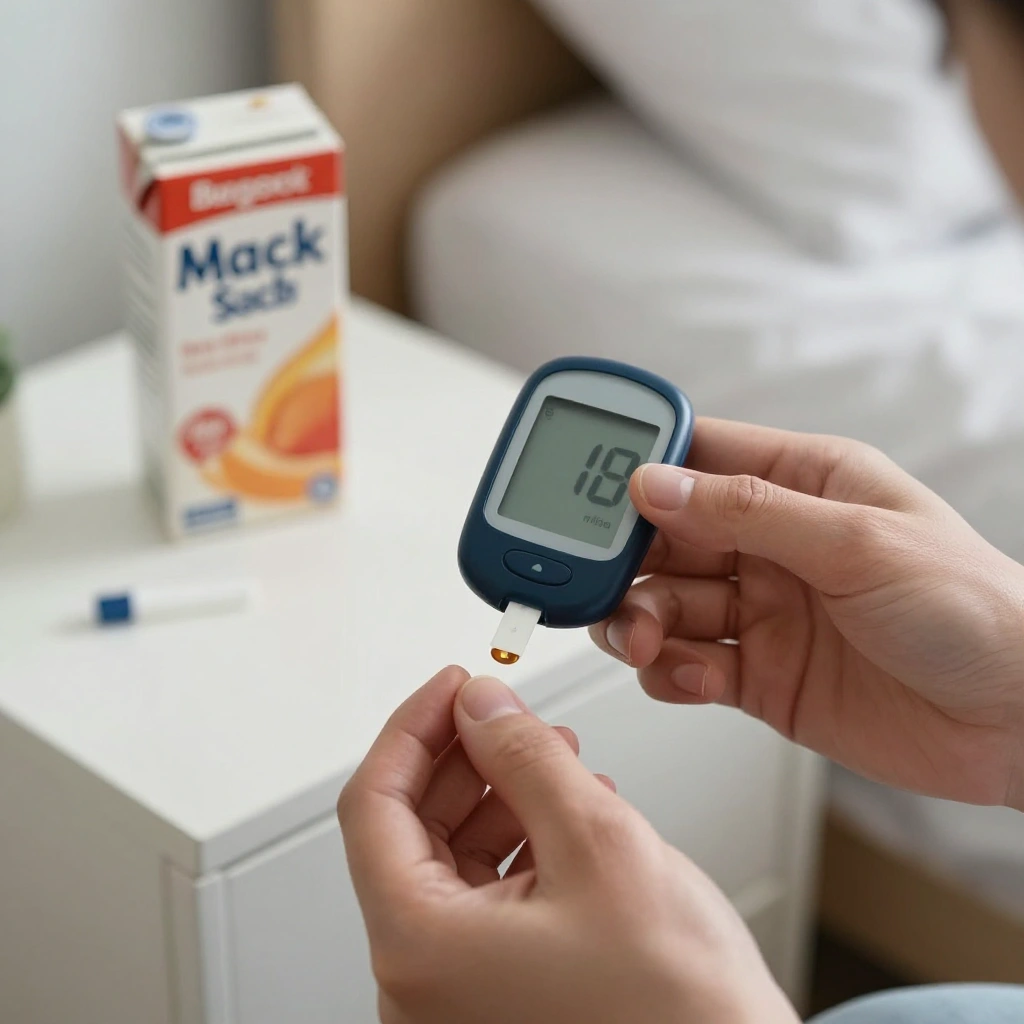
Telling the difference between these two identical-feeling conditions requires a calm, systematic approach. The absolute best step is to immediately check your blood glucose using a home meter or a continuous glucose monitor. The NIDDK — Managing Diabetes states that for most people, a blood glucose level below 70 mg/dL defines hypoglycemia and requires immediate treatment with fast-acting carbohydrates.
If you do not have a meter available, the safest clinical advice is to treat the episode as if it were low blood sugar. Consume exactly 15 grams of simple sugar, such as a half cup of fruit juice, and wait fifteen minutes.
If your symptoms drastically improve, it was likely a blood sugar crash; if your panic remains unchanged, you are likely experiencing an acute anxiety attack. Our article on Can Diabetes Cause Depression and Anxiety outlines how repeated misidentification of these episodes contributes to long-term psychological distress.
How to Prevent Stress-Related Blood Sugar Issues
Preventing these chaotic swings requires managing both your metabolic health and your psychological triggers. Establish a strict routine of eating balanced meals at regular intervals to prevent your liver from running empty.
Ensure every meal contains complex carbohydrates, lean protein, and healthy fats to stabilize absorption. According to the NIDDK — Type 1 Diabetes, the stress of managing chronic disease itself can increase the risk of sleep problems and anxiety, making lifestyle structure even more critical.
Implement daily stress management techniques, such as deep breathing exercises, to keep your baseline cortisol levels from remaining chronically elevated. The Diabetes Distress Symptoms guide outlines the early warning signs that chronic stress has begun to overwhelm your ability to manage your metabolic health. Protect your sleep schedule fiercely, as severe sleep deprivation causes massive spikes in morning cortisol and subsequent insulin resistance.
Frequently Asked Questions
Can stress cause low blood sugar directly?
Psychological stress does not directly lower your blood sugar. In fact, it typically raises your glucose levels by releasing hormones like cortisol and adrenaline. However, the behavioral effects of severe stress can indirectly trigger a crash. For instance, if you skip meals or burn through mental energy quickly, hypoglycemia often follows.
Can anxiety feel exactly like hypoglycemia?
Yes, severe anxiety and hypoglycemia often feel virtually identical to patients. Both conditions trigger a massive release of adrenaline throughout your body, producing a racing heartbeat, uncontrollable physical shaking, sudden sweating, and feelings of intense dread. You cannot tell them apart based on physical feelings alone.
Can low blood sugar cause severe panic attacks?
Yes, a severe drop in blood glucose absolutely causes intense physiological panic. When your brain starves for vital fuel, it triggers an overwhelming adrenaline dump in your system. This flawlessly mimics a clinical panic attack, causing shortness of breath and extreme fear.
Does sudden stress raise your blood sugar immediately?
Yes, an acute stressful event can easily cause your blood sugar to spike within mere minutes. Your brain instantly signals your adrenal glands to release adrenaline, which forces your liver to dump stored glycogen directly into your bloodstream to provide immediate survival energy.
How do I definitively know if it is anxiety or low blood sugar?
The only medically accurate way to distinguish between these two conditions involves testing your blood with a glucose meter. However, if a home meter is currently unavailable, try consuming 15 grams of fast-acting sugar instead. If your severe physical symptoms disappear within 15 minutes, you most likely experienced a hypoglycemic crash.
Conclusion
Navigating the complex, intertwined relationship between severe emotional stress and erratic blood sugar is one of the most frustrating challenges patients face. As a medical professional, I constantly remind my patients that their brain and their metabolism are not separate entities; they are deeply connected systems that constantly influence one another.
While intense psychological stress is highly unlikely to directly crash your glucose levels, the chaotic behaviors and exhaustion that stress produces will absolutely drain your metabolic reserves.
When you feel your heart racing and your hands trembling, it is incredibly difficult to pause and analyze whether you need a deep breath or a glass of juice. This is why testing your glucose, rather than guessing, is the cornerstone of safe management. Never ignore the profound impact that chronic anxiety has on your physical body.
By prioritizing regular, balanced meals, strictly adhering to your prescribed medical routines, and actively utilizing proven stress-reduction techniques, you can stabilize both your mind and your metabolism. Taking proactive control of your daily routine is the single most powerful step you can take to prevent anxiety from hijacking your physical health.
References
- National Institute of Diabetes and Digestive and Kidney Diseases (NIDDK) — Low Blood Glucose (Hypoglycemia) https://www.niddk.nih.gov/health-information/diabetes/overview/preventing-problems/low-blood-glucose-hypoglycemia
- NIH / StatPearls — Hypoglycemia https://www.ncbi.nlm.nih.gov/books/NBK534841/
- NIH / StatPearls — Non-Diabetic Hypoglycemia https://www.ncbi.nlm.nih.gov/books/NBK573079/
- American Diabetes Association (ADA) — Blood Glucose Testing and Management https://diabetes.org/healthy-living/medication-treatments/blood-glucose-testing-and-control
- American Diabetes Association (ADA) — Hypoglycemia (Low Blood Glucose) https://diabetes.org/living-with-diabetes/hypoglycemia-low-blood-glucose
- AJMC — Cortisol Associated With Increased Blood Sugar in Type 2 Diabetes Population https://www.ajmc.com/view/stress-hormone-cortisol-associated-with-increased-blood-sugar-in-t2d-population
- PMC / NIH — The Consequences of Hypoglycaemia https://pmc.ncbi.nlm.nih.gov/articles/PMC8012317/
- PubMed Central / Cureus — Cortisol as a Predictor of Nocturnal Hypoglycemia in Insulin-Treated Diabetes https://www.ncbi.nlm.nih.gov/pmc/articles/PMC12417556/
- PubMed Central — Glycaemic Thresholds for Counterregulatory Hormone Responses to Hypoglycaemia https://www.ncbi.nlm.nih.gov/pmc/articles/PMC9477942/
- National Institute of Diabetes and Digestive and Kidney Diseases (NIDDK) — Managing Diabetes https://www.niddk.nih.gov/health-information/diabetes/overview/managing-diabetes
- National Institute of Diabetes and Digestive and Kidney Diseases (NIDDK) — Type 1 Diabetes https://www.niddk.nih.gov/health-information/diabetes/overview/what-is-diabetes/type-1-diabetes