

Navigating a sudden glucose crash can be a terrifying experience, often leaving you wondering exactly when should you go to the ER for low blood sugar. As a physician, I have spent countless hours in emergency departments treating patients who either waited dangerously long or felt completely overwhelmed by the panic of a dropping number. Understanding these vital medical thresholds can literally save your life or the life of a loved one during a metabolic crisis.
Many patients panic when they see an abnormal reading, but the numbers only tell half the story. Your specific physical symptoms and your ability to safely swallow fast-acting carbs dictate whether a hospital visit is necessary. In clinical practice, I have seen how quickly a mild crash can evolve into a severe neurological event, as the brain relies entirely on a steady stream of glucose to function properly.
This comprehensive medical guide clarifies the confusion surrounding emergency glucose levels and specific hospital protocols. We will break down which symptoms require immediate intervention and how ER doctors stabilize these life-threatening crises efficiently. Let us delve into this essential, life-saving knowledge so you can handle any future metabolic emergency with absolute confidence and professional clarity.
TL;DR
You should seek emergency medical care for low blood sugar if symptoms include severe confusion, physical seizures, a loss of consciousness, or a total inability to swallow food safely. Extremely high blood sugar levels, especially those above 300 to 400 mg/dL accompanied by nausea or altered mental status, also require urgent medical evaluation.
If a patient’s blood glucose levels do not improve after consuming fast-acting carbohydrates, or if they continue to drop despite treatment, call 911 immediately. Never attempt to force food or liquid into the mouth of someone who is unconscious or actively seizing, as they could easily choke.
What Is Considered a Blood Sugar Emergency?
Defining a true medical crisis requires looking at both the glucose level and the patient’s physical presentation. A hypoglycemia emergency typically occurs when blood sugar drops below 54 mg/dL and causes severe cognitive or physical impairment.
Conversely, understanding what is high blood sugar is equally important, as a hyperglycemia emergency happens when blood sugar spikes excessively—usually above 300 mg/dL—triggering toxic chemical reactions in the blood, as detailed by the Mayo Clinic’s Hyperglycemia in Diabetes.
Emergency room blood sugar levels are closely monitored because extreme highs and lows both threaten vital organ function. However, in emergency medicine, we often say that symptoms matter far more than the number alone. A patient sitting comfortably with a reading of 60 mg/dL may just need a juice box, while a patient at 70 mg/dL who is violently confused requires immediate clinical intervention.
Emergency Blood Sugar Levels Chart
Understanding an emergency blood sugar chart is crucial for making fast, informed decisions during a crisis. Below is the clinical low and high blood sugar guide we reference in medical settings. For a more complete breakdown of ranges across different times of day, our full blood sugar chart provides detailed reference values.
| Blood Sugar Level | Clinical Meaning | Recommended Action |
|---|---|---|
| Below 70 mg/dL | Low blood sugar | Treat immediately with fast carbs |
| Below 54 mg/dL | Severe hypoglycemia | Urgent medical attention required |
| 180–250 mg/dL | Elevated blood sugar | Monitor closely and hydrate |
| Over 300 mg/dL | Dangerous hyperglycemia | Contact healthcare provider |
| Over 400 mg/dL | Possible emergency | Seek urgent care or ER |
This chart is a foundational tool, but it must be applied with common sense and an understanding of the patient’s baseline health. The American Diabetes Association’s Hyperglycemia (High Blood Glucose) advises always erring on the side of caution when numbers fall into the dangerous or severe categories.
When Should You Go to the ER for Low Blood Sugar?
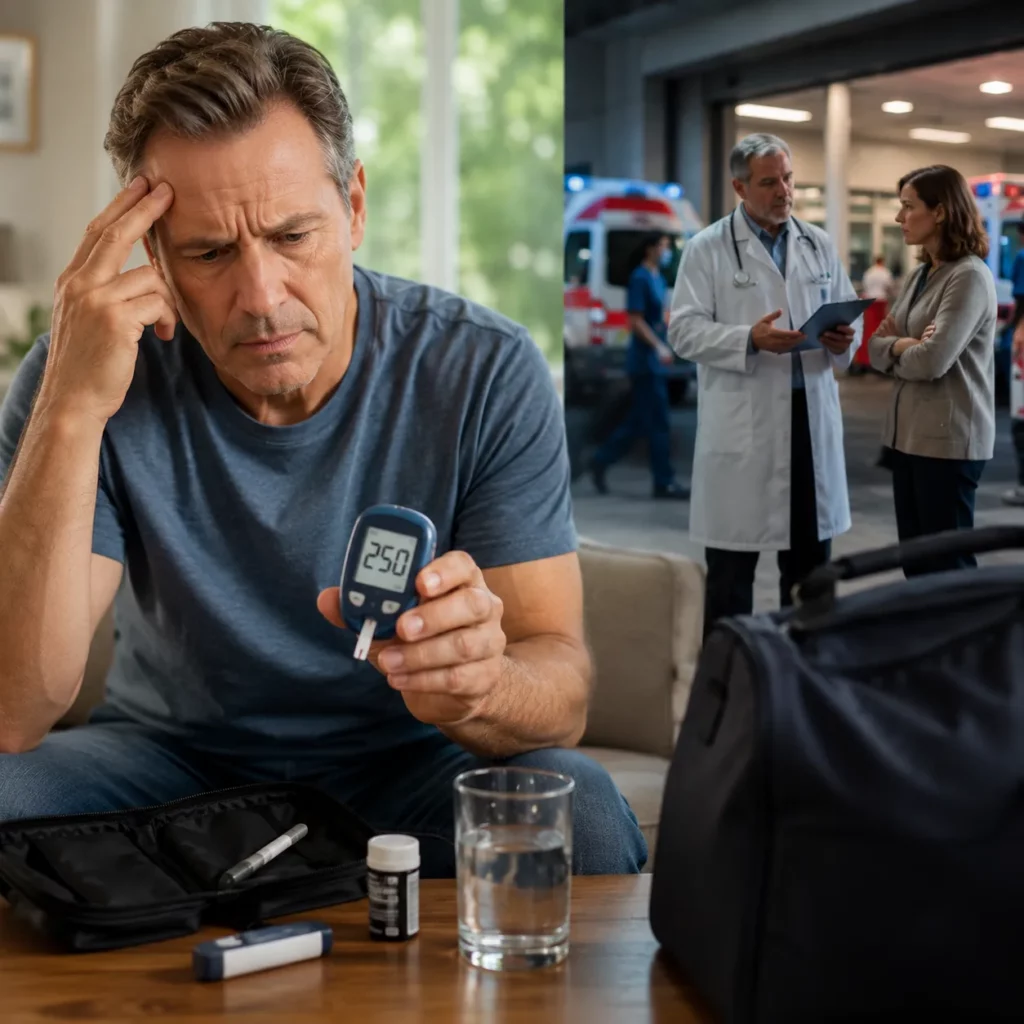
The question of when to go to the ER for low blood sugar revolves entirely around the severity of symptoms. You must go to the ER immediately if the person experiencing the crash loses consciousness or becomes entirely unresponsive. Recognizing low blood sugar symptoms early is your single most important tool for preventing a crisis from escalating to this level.
Any reading that triggers physical seizures is a profound medical emergency. You should also head to the hospital if the person is too confused to follow simple instructions or safely chew and swallow glucose tablets. The NIDDK—Low Blood Glucose (Hypoglycemia)—confirms that ER intervention is vital when home treatments fail to stabilize the central nervous system.
Furthermore, if you have treated a mild low with the standard 15 grams of carbohydrates and the numbers continue to plummet, you need professional help immediately.
Low Blood Sugar Death Level Explained
Medical science does not recognize one single, universal fatal number for low blood sugar. However, extremely low glucose—particularly readings consistently below 40 mg/dL—creates an environment where brain death can occur. The CDC—Low Blood Sugar (Hypoglycemia) notes that severe low blood sugar below 54 mg/dL can already cause fainting and require outside help to treat it.
When your brain is entirely starved of its primary fuel source, it begins to shut down non-essential functions, leading to a diabetic coma. Prolonged periods in this state can cause irreversible neurological injury or massive organ failure. While death from hypoglycemia is relatively rare, it is almost always the result of a severe crash that went entirely untreated for hours, making rapid intervention the absolute best defense against life-threatening metabolic complications.
Can You Die From Low Blood Sugar in Your Sleep?
Severe nighttime hypoglycemia is a known risk, particularly for those taking aggressive doses of nighttime insulin. During sleep, your normal physical warning signs — like shaking and sweating — may not be enough to wake you up. This is closely linked to a phenomenon called “hypoglycemia unawareness,” which the NIDDK—Understanding Fear of Hypoglycemia describes as a condition where people can no longer feel the warning signs of a dropping glucose level.
Knowing exactly what causes low blood sugar at night — including missing an evening meal, heavy alcohol consumption before bed, or having a history of severe unpredictable nighttime crashes — is critical for reducing this risk. Fatal nighttime events, sometimes referred to as “dead in bed syndrome,” are exceedingly rare, but taking prevention seriously is non-negotiable for at-risk patients.
Blood Sugar Over 400 — Is It an Emergency?
Seeing a blood sugar level over 400 on a meter is alarming. If your blood sugar 400 emergency room visit involves symptoms like vomiting or deep, labored breathing, you are in immediate danger. For type 1 diabetics especially, this reading heavily signals diabetic ketoacidosis (DKA)—Mayo Clinic, a life-threatening condition where your blood becomes highly acidic due to a severe lack of insulin.
Even in type 2 diabetics, a reading this high can indicate a Hyperosmolar Hyperglycemic State (HHS), which causes severe, rapid dehydration and mental confusion. Understanding the full range of high blood sugar symptoms helps you identify whether an emergency room visit is immediately necessary or whether a call to your physician is the right first step. Both DKA and HHS require immediate, aggressive intravenous treatment to prevent coma or death.
Should You Go to the Hospital if Blood Sugar Is Over 300?
Whether to go to the hospital when blood sugar is over 300 depends largely on the presence of toxic ketones in your urine or blood. If your reading is over 300 mg/dL and you are experiencing severe symptoms like uncontrollable nausea, abdominal pain, or fruity-smelling breath, you must go to the ER.
The Cleveland Clinic’s High Blood Sugar (Hyperglycemia) explains that these are classic warning signs that your body is breaking down fat too rapidly, creating acidic ketone byproducts.
However, if you feel perfectly fine and simply forgot a dose of medication, a single reading of 300 might just require a corrective insulin dose and water. Persistent high readings that refuse to drop after several hours of home treatment always warrant medical evaluation. The CDC explains how your brain and diabetes are closely connected — prolonged high glucose damages blood vessels in the brain, making timely treatment critical.
Should You Go to the Hospital if Blood Sugar Is Over 200?
A reading of 200 mg/dL is elevated but is rarely considered an acute medical emergency. Unless you are experiencing sudden, severe signs of dehydration, overwhelming fatigue, or a concurrent infection, the ER is likely unnecessary. Context always matters—a reading of 200 right after a massive carbohydrate-heavy meal is expected, while consistently failing to maintain normal blood sugar levels during fasting requires clinical adjustment.
It is far more appropriate to manage this elevation by drinking plenty of water, taking prescribed medications, and calling your primary care doctor for guidance.
When to Call 911 for High Blood Sugar
Knowing when to call 911 can prevent a high blood sugar event from becoming fatal. You must dial emergency services if the patient is experiencing extreme difficulty breathing, which may sound like deep, rapid gasping (Kussmaul breathing). You should also seek an ambulance if the patient cannot keep fluids down due to relentless vomiting, leading to severe dehydration.
Unexplained chest pain, profound physical weakness, or a rapidly altering mental state are massive red flags. When deciding whether to go to the hospital for hyperglycemia, remember that acute mental confusion or an inability to stay awake are signs of brain swelling or severe toxicity, as outlined by the Mayo Clinic’s Diabetic Coma. Never let a patient in this state sleep it off; they need emergency medical fluids immediately.
What Glucose Level Requires Hospitalization?
There is no strict, singular rule for what glucose level requires hospitalization, as ER physicians treat the patient, not just the monitor. Hospitalization heavily depends on how long the blood sugar has been uncontrolled and the severity of the resulting symptoms. Understanding where your levels fall on the full spectrum of blood sugar levels is essential context for making this decision.
If a patient comes in with a blood sugar of 45 mg/dL but recovers perfectly after one IV dose of dextrose, they usually go home. However, if their crash was caused by a long-acting oral medication, they must be hospitalized because the low will inevitably return. For high blood sugar, hospitalization is mandatory if blood tests reveal severe electrolyte imbalances, deep metabolic acidosis, or significant kidney stress.
What Causes Low Blood Sugar Without Diabetes?
Non-diabetic hypoglycemia is often triggered by skipped meals combined with intense physical exertion, which entirely depletes the liver’s glycogen stores. Another major cause is heavy alcohol consumption, which effectively paralyzes the liver from releasing stored glucose into the bloodstream. Underlying hormonal disorders, such as adrenal insufficiency or severe liver disease, can also precipitate dangerous drops.
We also see this condition in patients who accidentally ingest someone else’s oral diabetes medications. Additionally, reactive hypoglycemia, as documented by the Mayo Clinic — Reactive Hypoglycemia — can cause severe crashes a few hours after a non-diabetic consumes a massively high-sugar meal. For a broader look at this topic, our guide on high blood sugar in non-diabetics also explores the full range of glucose dysfunction outside of diabetes.
How ER Doctors Treat Severe Low Blood Sugar
When a patient arrives in the ER actively seizing or unconscious from a crash, our treatment protocols are incredibly fast. If the patient is awake and can swallow, we start with highly concentrated oral glucose gels. If they are unconscious, we immediately establish an IV line and push a concentrated solution called “Dextrose 50%” directly into the vein. This acts almost instantaneously, often waking a comatose patient up within minutes.
If IV access is impossible, we administer glucagon injections into the muscle, which forces the liver to dump all its emergency sugar stores. After the patient is awake, we mandate rigorous monitoring for several hours to ensure glucose levels remain stable. Understanding what low blood sugar feels like stage by stage helps patients and caregivers recognize when professional treatment has become necessary.
How Hospitals Treat Severe High Blood Sugar
Treating a severe high blood sugar emergency is a much slower, more delicate process than treating a low one. Rushing the treatment of DKA or HHS can cause fluid to shift too rapidly, leading to fatal brain swelling.
The primary, immediate treatment is massive amounts of intravenous saline fluids to correct profound dehydration and flush out ketones. We then introduce a slow, carefully monitored, continuous drip of regular IV insulin to bring the numbers down safely.
Simultaneously, we must perform frequent blood draws to monitor and carefully correct severe electrolyte imbalances, particularly critical potassium levels. This is why patients with a blood sugar over 400 accompanied by symptoms should never attempt to manage the situation at home, regardless of how they feel in the moment.
How to Prevent Blood Sugar Emergencies
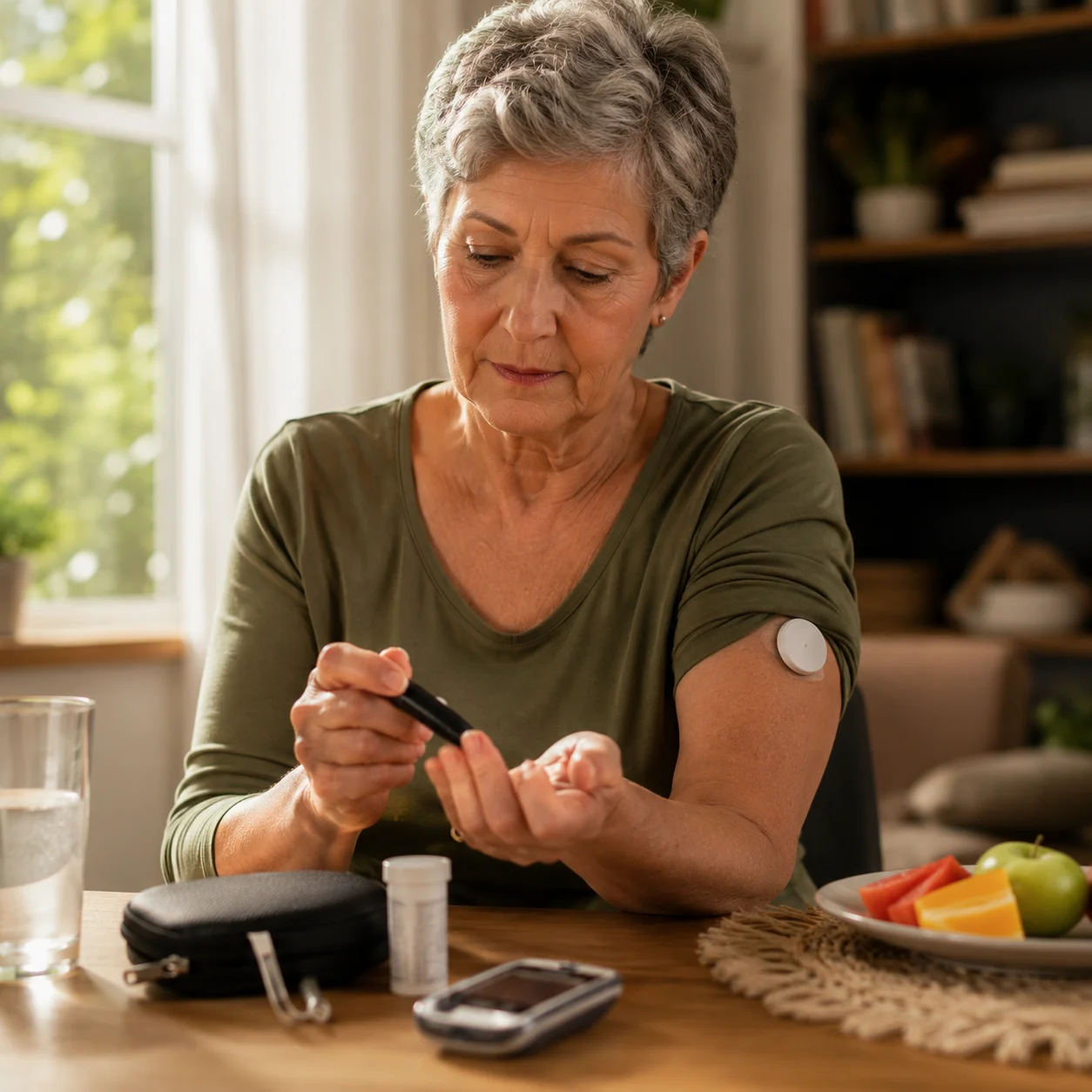
The most effective ER visit is the one you completely avoid through careful, daily management. Regular monitoring with a continuous glucose monitor (CGM) is the absolute best way to catch a dangerous trend before it becomes an emergency, allowing real-time alerts before glucose drops or spikes to critical levels.
Strict medication adherence — including taking the right dose of insulin at the correct time — is non-negotiable for prevention. Always carry fast-acting glucose tablets in your car, purse, and nightstand so treatment is always seconds away. Furthermore, having a concrete sick-day plan is vital, as illnesses and infections drastically alter how your body processes sugar.
When to Call Your Doctor Instead of Going to the ER
Not every abnormal number warrants a chaotic trip to the emergency room. You should call your primary care doctor for non-emergency situations, such as mild, nagging symptoms of fatigue or increased thirst. Temporary elevations that happen after a single large meal or during a minor stressful event usually just need monitoring. If your readings improve quickly after simple home interventions, an ER visit is highly unnecessary.
Always consult your doctor to adjust your baseline medications if you notice a slow, creeping trend in your fasting numbers over several weeks.
Special Risk Groups
Certain populations are at a significantly higher risk for metabolic emergencies and require much closer monitoring. Older adults often suffer from hypoglycemia unawareness and may mistake a severe glucose crash for standard fatigue or dementia. Young children with type 1 diabetes are extremely vulnerable because they cannot always articulate their physical symptoms before a severe crash occurs.
Pregnant individuals managing gestational diabetes face wildly fluctuating hormone levels that make glucose regulation incredibly difficult. Finally, people using intensive insulin therapies or long-acting sulfonylureas are at the highest statistical risk for accidental, severe hypoglycemia.
FAQs
Is blood sugar over 400 always an emergency?
While highly concerning, a reading over 400 mg/dL is not always an immediate emergency. In clinical experience, many patients tolerate this temporarily. However, it absolutely becomes a critical, life-threatening situation if you experience frequent vomiting, deep confusion, or high ketones. Always contact your healthcare provider immediately if these severe symptoms accompany high numbers.
What blood sugar level causes coma?
There is no single universal threshold for everyone. However, blood sugar dropping consistently below 40 mg/dL starves your brain of energy, easily causing a hypoglycemic coma. Conversely, extreme highs pushing above 600 mg/dL can trigger a dangerous hyperosmolar coma. Due to severe cellular dehydration, your brain simply shuts down to protect itself during these extremes.
Can non-diabetics get dangerous low blood sugar?
Yes, non-diabetics can absolutely experience severe, dangerous low blood sugar, although it remains relatively uncommon. Generally, this critical drop happens due to extreme fasting, binge drinking, or severe liver disease. Furthermore, specific underlying hormonal disorders or rare pancreatic tumors can rapidly deplete your circulating glucose, creating an unexpected and dangerous medical emergency.
How fast should low blood sugar improve after treatment?
If you treat the crash properly with 15 grams of fast-acting carbohydrates, your glucose levels should visibly improve within exactly 15 minutes. Always recheck your numbers immediately after this brief waiting period. If your severe symptoms persist after trying a second dose of simple sugars, you must seek emergency medical help right away.
What are the red flags of a high blood sugar emergency?
Extreme thirst and frequent urination often signal rising glucose levels in the body. However, you must watch for critical red flags like fruity-smelling breath, severe abdominal pain, and rapid breathing. These symptoms often indicate diabetic ketoacidosis (DKA), which is a life-threatening medical crisis. If these signs appear with high readings, seek emergency care immediately.
Conclusion
Understanding when a fluctuating glucose level crosses the line into a genuine medical emergency is vital for your long-term health and safety. As a practicing physician, I cannot overstate the importance of knowing your body’s specific warning signs and respecting the extreme dangers of severe highs and lows.
Your brain and vital organs rely entirely on a stable metabolic environment, and ignoring the early symptoms of a crash or a spike is a gamble you cannot afford to take. Always remember that physical symptoms like confusion, vomiting, or loss of consciousness supersede any number on a screen and mandate an immediate trip to the emergency room.
Do not live in fear of your numbers, but rather empower yourself with the knowledge to manage them effectively. Keep your fast-acting carbohydrates readily accessible, strictly adhere to your prescribed medical routines, and never hesitate to contact emergency services if you feel severely unwell.
If you are constantly struggling with dangerous fluctuations, schedule a comprehensive review with your primary care provider immediately. By combining proactive daily management with a solid understanding of emergency protocols, you can navigate your metabolic health safely, avoiding the emergency room and living a confident, stable life.
Evidence-Based References:
- Mayo Clinic — Diabetic hypoglycemia – Symptoms & causes https://www.mayoclinic.org/diseases-conditions/diabetic-hypoglycemia/symptoms-causes/syc-20371525
- Mayo Clinic — Diabetic hypoglycemia—Diagnosis & treatment https://www.mayoclinic.org/diseases-conditions/diabetic-hypoglycemia/diagnosis-treatment/drc-20371529
- Mayo Clinic — Type 1 diabetes – Diagnosis and treatment https://www.mayoclinic.org/diseases-conditions/type-1-diabetes/diagnosis-treatment/drc-20353017
- MedlinePlus—Hypoglycemia https://medlineplus.gov/hypoglycemia.html
- MedlinePlus — Low blood sugar: MedlinePlus Medical Encyclopedia https://medlineplus.gov/ency/article/000386.htm
- Centers for Disease Control and Prevention — Treatment of Low Blood Sugar (Hypoglycemia) https://www.cdc.gov/diabetes/treatment/treatment-low-blood-sugar-hypoglycemia.html
- Centers for Disease Control and Prevention — Low Blood Sugar (Hypoglycemia) https://www.cdc.gov/diabetes/about/low-blood-sugar-hypoglycemia.html
- National Institute of Diabetes and Digestive and Kidney Diseases — Low Blood Glucose (Hypoglycemia) https://www.niddk.nih.gov/health-information/diabetes/overview/preventing-problems/low-blood-glucose-hypoglycemia
- National Institute of Diabetes and Digestive and Kidney Diseases — Healthy Living with Diabetes https://www.niddk.nih.gov/health-information/diabetes/overview/healthy-living-with-diabetes
- National Library of Medicine — Association of Real-time Continuous Glucose Monitoring With Glycemic Control and Acute Metabolic Events Among Patients With Insulin-Treated Diabetes https://pubmed.ncbi.nlm.nih.gov/34077502/
- National Library of Medicine—An evaluation of recurrent hypoglycemia across Chicago, Illinois https://pubmed.ncbi.nlm.nih.gov/32732137/
- National Library of Medicine — Hypoglycemia Incidence in Older Adults by Estimated GFR https://pubmed.ncbi.nlm.nih.gov/28139395/