
Actually, dehydration typically causes high blood sugar, not low. When your body loses significant water, the glucose in your bloodstream becomes much more concentrated. In my clinical experience, patients often see elevated readings during extreme heat. Therefore, maintaining optimal hydration is absolutely vital for stability. However, always consult your physician to discuss your specific metabolic symptoms.
Experiencing a sudden, heavy energy drop during a hot afternoon is a terrifying and disorienting event. Patients in my clinic frequently ask me, “Can dehydration cause low blood sugar, or is it just a temporary fluid imbalance masking itself as a severe metabolic crash?” When you forget to drink water, your brain signals that something is wrong immediately, leaving you feeling incredibly weak and shaky.
The human body relies on a precise balance of water and glucose to keep its vital organs functioning. When internal fluid levels drop, your overall blood volume decreases significantly. This depletion triggers extreme fatigue, a rapid heart rate, and muscle tremors. These physical warning signs mirror a dangerous crash, making it difficult to tell what your body truly needs to recover its strength.
True medical hypoglycemia is rarely triggered by a lack of water alone. However, many people rush to eat sugary snacks when they simply need a tall glass of water. Understanding the subtle difference between needing carbohydrates and needing proper hydration is crucial. Let us explore the exact science behind these fluctuations and separate simple thirst from what causes a true medical emergency.
TL;DR: Quick Overview
Dehydration does not directly cause your blood glucose levels to drop into a dangerous clinical range. Severe fluid loss perfectly mimics low blood sugar symptoms, including intense dizziness, shakiness, and profound fatigue.
A lack of water can actually concentrate your blood, temporarily raising your glucose readings on a home meter. True non-diabetic hypoglycemia is usually caused by skipped meals, underlying hormonal imbalances, or reactive insulin spikes.
If your severe symptoms do not improve rapidly after drinking water and resting, you must evaluate your blood sugar immediately.
Can Dehydration Cause Low Blood Sugar?
Just last month, a young recreational runner rushed into my examination room convinced she was experiencing a severe hypoglycemic crash. She was trembling, profoundly dizzy, and struggling to formulate coherent sentences after a long run in the summer heat.
However, when we tested her glucose levels, her blood sugar was perfectly normal. She was not suffering from a metabolic crash; she was experiencing severe clinical dehydration.
Fluid loss deeply affects your blood volume and circulation, but it does not directly shut down your liver’s glucose production. Glucose regulation is tightly controlled by complex hormones, primarily insulin and glucagon. To understand this fully, it helps to first grasp what causes low blood sugar in the first place.
While severe physical stress can influence these hormones, simply failing to drink enough water will not force your blood sugar to plummet. Instead, the severe drop in blood volume caused by dehydration reduces oxygen flow to your brain. This triggers a massive release of adrenaline to keep you awake, which produces the exact same shaking and sweating you feel during a glucose crash.
This overlap makes understanding the causes of hypoglycemia critical for proper diagnosis. According to the Centers for Disease Control and Prevention — Low Blood Sugar (Hypoglycemia), low blood sugar is one of the most common and serious complications linked to glucose regulation disorders.
How Hydration Affects Blood Sugar Levels
Does Hydration Affect Blood Sugar?
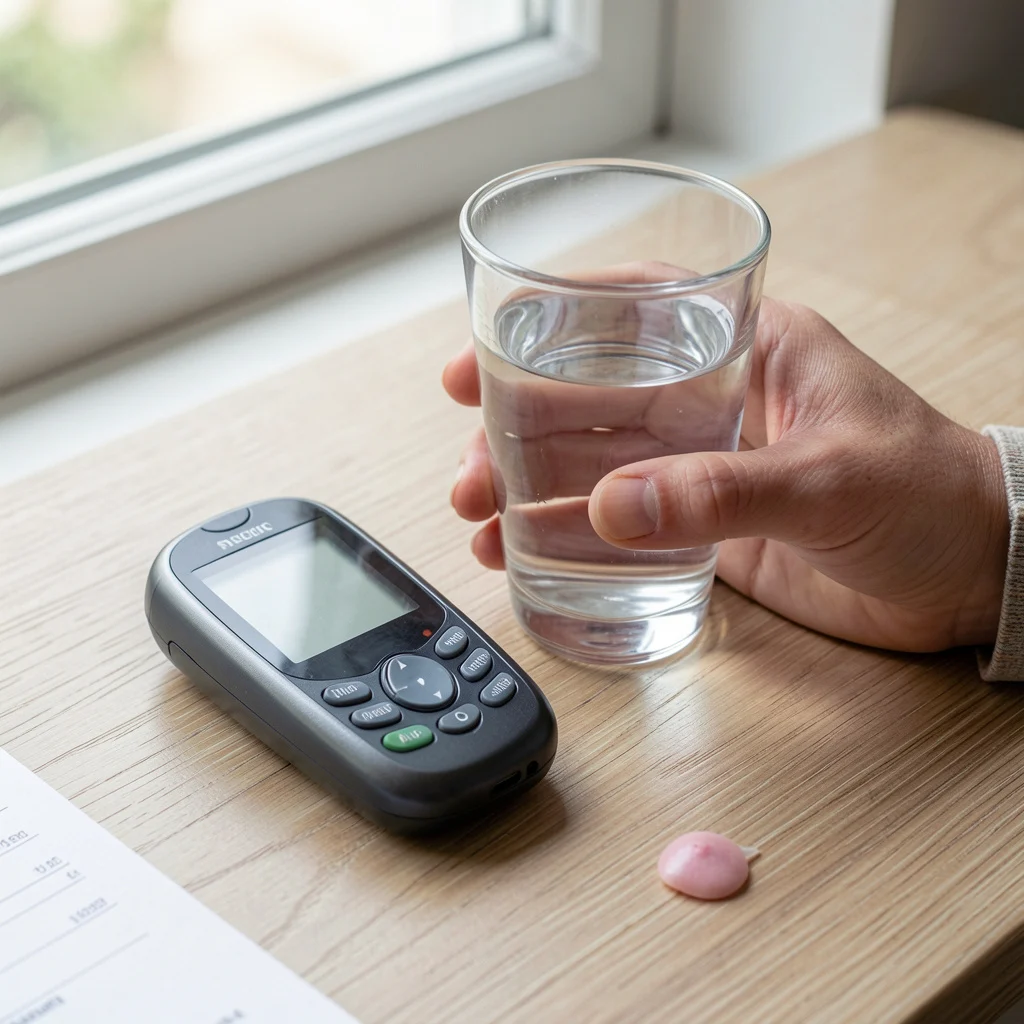
Hydration plays a massive role in how your body concentrates and transports glucose through your bloodstream. When you are properly hydrated, your blood volume is optimal, allowing sugar to be easily distributed to your cells for immediate energy.
When you are clinically dehydrated, the amount of water in your bloodstream drops significantly. Because there is less fluid diluting the sugar, your blood glucose readings can actually appear artificially elevated.
Patients often wonder what is high blood sugar and how to manage it when these dehydration-driven spikes occur. The Cleveland Clinic — Hyperglycemia (High Blood Sugar) notes that dehydration is one of the most overlooked triggers of temporary glucose elevation in otherwise healthy adults.
Furthermore, mild dehydration acts as a physical stressor on the human body. This stress prompts your adrenal glands to release hormones that slightly raise your glucose levels to prepare your body for a perceived emergency.
Can dehydration affect glucose levels?
Beyond simply concentrating the blood, profound fluid loss can temporarily reduce your overall kidney function. Your kidneys play a vital role in filtering excess glucose out of your bloodstream and excreting it through your urine.
When you are dehydrated, your body aggressively holds onto every drop of water it can, effectively halting this filtration process. Consequently, glucose remains trapped in your blood, further contributing to elevated, rather than lowered, blood sugar levels. Patients curious about these patterns should also review our detailed guide on high blood sugar in non-diabetics for broader clinical context.
Therefore, if a patient asks if dehydration can cause a dangerous low, the physiological evidence points in the exact opposite direction. Lack of water makes existing high blood sugar worse, rather than triggering a sudden drop. As explained by MedlinePlus — Fluid and Electrolyte Balance, maintaining proper fluid levels is essential for the kidneys to excrete excess glucose efficiently.
Can Electrolytes Raise Blood Sugar?
Electrolytes, such as pure sodium, potassium, and magnesium, do not contain any carbohydrates or glucose whatsoever. Consuming a raw, unflavored electrolyte supplement will have zero direct impact on your circulating blood sugar levels.
However, the vast majority of commercial sports drinks and hydration powders are heavily sweetened with high-fructose corn syrup or cane sugar. Consuming these specific electrolyte beverages will absolutely cause a rapid, significant spike in your blood sugar. The Mayo Clinic’s Diabetic Hypoglycemia highlights that sweetened electrolyte drinks, while useful for correcting a crash, must be chosen carefully to avoid overshooting glucose targets.
Proper sodium balance is vital because it dictates how effectively your body absorbs water and maintains energy. Correcting an electrolyte imbalance often eliminates the dizziness and fatigue that patients mistakenly attribute to a crash.
Can Dehydration Cause Hypoglycemia?
While we have established that dehydration does not directly cause your numbers to drop, it can indirectly worsen the situation. Dehydration alone does not typically cause true hypoglycemia, but it acts as a severe compounding factor during physical distress.
For example, if you are engaging in heavy endurance sports without replacing fluids, you are also likely burning massive amounts of glycogen. The combination of profound dehydration and entirely depleted liver stores creates a catastrophic physical crash.
Similarly, excessive alcohol consumption acts as a powerful diuretic, forcing your body to lose massive amounts of water. Alcohol also temporarily paralyzes the liver’s ability to release emergency glucose, creating a scenario where dehydration and true hypoglycemia occur simultaneously.
Patients who drink regularly should consult our full breakdown of how alcohol affects diabetics to understand this combined risk more clearly. The Mayo Clinic’s Reactive Hypoglycemia also confirms that alcohol-induced dehydration combined with fasting is one of the most dangerous triggers for nondiabetic glucose crashes.
Symptoms of Dehydration vs Low Blood Sugar
| Symptom | Dehydration | Low Blood Sugar |
|---|---|---|
| Dizziness | Extremely Common | Extremely Common |
| Fatigue | Gradual and Heavy | Sudden and Overwhelming |
| Shaking | Occurs in Severe Cases | Very Common Early Sign |
| Sweating | Rare (Skin is usually dry) | Profuse, Cold Sweats |
| Confusion | Common in Heatstroke | Common as Brain Starves |
Understanding this clinical overlap is vital for proper emergency management. While both conditions cause profound dizziness and fatigue, examining the patient’s skin often reveals the true culprit. If you are curious about what low blood sugar feel like, a patient suffering from a severe hypoglycemic crash will almost always be drenched in cold, clammy sweat.
Conversely, a dehydrated patient typically has hot, dry skin because their body has stopped sweating to conserve remaining fluids. The Cleveland Clinic’s Hypoglycemia (Low Blood Sugar) describes this skin difference as one of the most reliable bedside clues for distinguishing between the two conditions without a glucose meter.
What Mimics Hypoglycemic Symptoms?
In my medical practice, I frequently evaluate patients who are convinced their blood sugar is crashing daily. Yet, extensive blood panels and continuous glucose monitoring reveal absolutely flawless metabolic function.
Severe anxiety and panic attacks are the most common culprits that flawlessly mimic a blood sugar crash. Both conditions trigger a massive dump of adrenaline into the bloodstream, causing a racing heart, trembling hands, and intense dread.
Caffeine withdrawal and severe sleep deprivation also simulate these exact physiological low blood sugar symptoms. When your central nervous system is entirely exhausted, it misfires, sending distress signals that feel identical to a starving brain.
Finally, underlying clinical conditions like iron-deficiency anemia can cause profound dizziness, weakness, and an inability to concentrate. Without adequate red blood cells to carry oxygen, your brain reacts similarly to how it does when deprived of glucose. The NIDDK—Adrenal Insufficiency & Addison’s Disease explains that hormonal deficiencies from adrenal dysfunction are a frequently missed cause of recurrent hypoglycemia-like episodes in nondiabetic patients.
What Causes Low Blood Sugar Without Diabetes?
Reactive Hypoglycemia
Reactive hypoglycemia occurs when a non-diabetic individual experiences a severe glucose crash a few hours after eating. This is almost always triggered by consuming a meal excessively high in simple, refined carbohydrates.
The massive influx of sugar causes the pancreas to panic and overshoot its insulin production. This excessive wave of insulin aggressively pulls too much glucose out of the blood, resulting in a sudden, symptomatic crash.
Fasting Hypoglycemia
Fasting hypoglycemia is less common but occurs when the body’s emergency glucose reserves are entirely depleted. This frequently happens to individuals who skip multiple meals while engaging in heavy, demanding physical labor.
It can also occur in patients suffering from underlying liver dysfunction. Because the liver is responsible for storing and releasing emergency glycogen, any damage to this organ compromises your fasting stability. Reviewing our full guide on blood sugar levels can help you understand where your fasting readings fall on the clinical spectrum and when to be concerned.
Hormonal Causes
Your body relies on a delicate symphony of hormones to keep your energy levels perfectly stable throughout the day. Conditions like adrenal insufficiency severely limit your body’s ability to produce cortisol, a vital stress hormone.
Without adequate cortisol to signal the liver to release sugar during periods of fasting, your blood glucose can drop dangerously low. Pituitary gland disorders can also disrupt this hormonal communication, leading to chronic, unexplained hypoglycemia in otherwise healthy adults.
The NIMH—Anxiety Disorders further notes that the hormonal chaos of untreated anxiety disorders can closely replicate the physiological signature of a true glucose crash, complicating diagnosis significantly.
Low Blood Sugar in the Morning (Non-Diabetic)
Waking up feeling shaky, nauseous, and incredibly anxious is a terrifying morning routine for some non-diabetic patients. Overnight, your body is effectively undergoing an eight-hour fast, relying entirely on your liver to trickle out enough fuel to survive.
If you went to bed severely dehydrated or skipped dinner entirely, your liver’s glycogen stores may run completely dry before sunrise. Your brain senses this impending energy crisis and floods your system with morning adrenaline to wake you up.
Furthermore, waking up severely dehydrated makes the dizziness and confusion of this mild morning low feel ten times worse. Drinking a large glass of water and consuming healthy snacks for diabetics or a protein-rich breakfast immediately resolves this terrifying morning phenomenon.
The American Psychological Association—Stress Effects on the Body also confirms that overnight cortisol fluctuations can amplify these morning symptoms, making hydration and a balanced breakfast the first line of defence.
Can Stress Cause Low Blood Sugar?
Pure psychological stress typically forces your blood sugar to spike, as cortisol and adrenaline command the release of stored energy. The body is effectively preparing you to either fight a threat or run away from it.
However, intense clinical stress frequently destroys a patient’s appetite and severely disrupts their normal digestive routine. When patients are highly anxious, they often go entirely without food or water for twelve to fourteen hours.
Therefore, stress itself does not directly pull glucose out of your blood, but the resulting starvation behavior absolutely does. The combination of high adrenaline and zero incoming nutrition creates a profound physical crash that mimics clinical hypoglycemia perfectly.
According to the Mayo Clinic — Panic Attacks and Panic Disorder—the adrenaline surge during a panic attack is physiologically indistinguishable from the hormonal alarm response your body produces during a genuine hypoglycemic crash.
Is Non-Diabetic Hypoglycemia Dangerous?
For the vast majority of non-diabetic individuals, an occasional mild drop in blood sugar is uncomfortable but not medically dangerous. The body’s defense mechanisms, like releasing adrenaline, usually force the person to seek out food before organ damage occurs.
However, severe or highly recurrent episodes of non-diabetic hypoglycemia demand immediate clinical investigation. If your blood sugar frequently drops below 54 mg/dL without medication, it heavily signals an underlying endocrine tumor or profound organ dysfunction.
What Level of Low Blood Sugar Is Dangerous?
| Blood Sugar Level | Clinical Meaning |
|---|---|
| Below 70 mg/dL | Low blood sugar (Requires immediate snack) |
| Below 54 mg/dL | Clinically significant (Requires urgent treatment) |
| Below 40 mg/dL | Severe emergency (High risk for coma or seizures) |
Understanding these thresholds helps prevent unnecessary panic while ensuring you seek help when it is genuinely required. Our blood sugar chart provides a complete visual reference for all critical glucose thresholds by age and condition. The Mayo Clinic’s Blood Glucose Testing recommends that anyone experiencing repeated readings below 70 mg/dL should invest in a reliable home glucose meter and begin tracking patterns before their next clinical appointment.
What to Eat When Blood Sugar Is Low

When treating a genuine hypoglycemic crash, speed is the absolute most critical factor. You must immediately learn what to eat when blood sugar is low to prevent the situation from escalating. Consume 15 grams of fast-acting, simple carbohydrates, such as four glucose tablets, half a cup of juice, or a tablespoon of raw honey.
Avoid reaching for chocolate, cookies, or peanut butter during the initial emergency treatment phase. The high fat content in these foods severely delays stomach emptying, preventing the necessary sugar from reaching your bloodstream quickly.
Once your numbers have successfully risen above 70 mg/dL and your severe symptoms vanish, you must stabilize your system. Eat a small snack combining complex carbohydrates and lean protein, such as turkey on whole-wheat bread, to prevent a secondary crash. If you are unsure of your numbers, learning how to check blood sugar at home naturally and accurately is a vital long-term skill.
Emergency Warning Signs
While mild dizziness can usually be treated at home with water and a snack, certain red flags demand an emergency room visit. If a patient experiences physical seizures or a total loss of consciousness, you must dial 911 immediately.
Profound, uncharacteristic mental confusion or an utter inability to formulate a coherent sentence are massive neurological warning signs. Never attempt to force liquids or solid food into the mouth of a highly confused or unconscious patient, as they could easily choke to death.
If you have consumed fast-acting carbohydrates twice and your symptoms are actively worsening after thirty minutes, your home treatment has failed. Immediate intravenous glucose intervention from trained medical professionals is required to protect your brain.
Frequently Asked Questions
Can dehydration feel exactly like hypoglycemia?
Yes, severe fluid loss dramatically reduces vital blood flow to your brain. Consequently, your body triggers a massive release of adrenaline to compensate. This sudden adrenaline surge causes the exact same trembling, rapid heartbeat, and extreme dizziness associated with a dangerous blood sugar crash. Therefore, many patients easily confuse the two conditions.
Should I drink electrolytes for low blood sugar?
Pure electrolyte powders containing only sodium and potassium will not raise your blood sugar at all. They simply hydrate your cells. However, if you drink a commercial sports beverage heavily loaded with refined sugar, it will rapidly correct a hypoglycemic crash. Always read the nutrition label carefully before emergencies.
Can drinking water fix low blood sugar symptoms?
If your symptoms are purely caused by clinical dehydration, drinking plain water will completely resolve your sudden dizziness and fatigue. However, if your blood glucose actually drops below 70 mg/dL, water does absolutely nothing. It simply cannot restore your starving brain’s depleted energy during a true metabolic emergency.
How fast do hypoglycemia symptoms appear?
Unlike dehydration, which usually builds slowly over several hours, a true metabolic crash happens incredibly fast. Hypoglycemia symptoms frequently escalate from mild hunger to profound confusion and severe physical shaking in a mere fifteen to twenty minutes. You must act immediately when you notice the signs.
Is dizziness always a sign of low blood sugar?
No, dizziness remains an incredibly broad clinical symptom associated with dozens of different medical conditions. In fact, this dizzy feeling is far more frequently caused by simple dehydration, underlying anxiety, standing up too quickly, or an inner ear imbalance than a true glucose crash. You should not immediately assume your glucose is dropping.
Conclusion
Untangling the confusing physical symptoms of a metabolic crash requires a calm mind and a basic understanding of your body’s physiology. As we have established, simply forgetting to drink your daily water will not directly drain the glucose out of your bloodstream.
However, because dehydration severely compromises your blood volume and triggers emergency adrenaline responses, it perfectly mimics the terrifying sensations of true hypoglycemia. Relying on physical feelings alone is a dangerous guessing game when your neurological health is on the line.
If you find yourself constantly battling severe dizziness, inexplicable shaking, and profound fatigue, you must stop self-diagnosing. Begin tracking your daily water intake meticulously and ask your primary care physician for a standard blood glucose monitor to test your levels during an episode.
Finding out that your “severe blood sugar drops” are actually just chronic dehydration or untreated anxiety is a massive clinical relief. By maintaining a balanced diet, aggressively prioritizing your daily hydration, and seeking professional medical guidance for recurring symptoms, you can reclaim your daily energy and peace of mind.
Evidence-Based References
- Johns Hopkins Medicine – Hypoglycemia Nocturnal: https://www.hopkinsmedicine.org/health/conditions-and-diseases/diabetes/hypoglycemia-nocturnal
- National Institute of Diabetes and Digestive and Kidney Diseases – Low Blood Sugar (Hypoglycemia): https://www.niddk.nih.gov/health-information/diabetes/overview/preventing-problems/low-blood-glucose-hypoglycemia
- American Diabetes Association – Hypoglycemia (Low Blood Glucose): https://diabetes.org/healthy-living/medication-treatments/blood-glucose-testing-and-control/hypoglycemia
- Mayo Clinic – Hypoglycemia – Symptoms and Causes: https://www.mayoclinic.org/diseases-conditions/hypoglycemia/symptoms-causes/syc-20373685
- Mayo Clinic – Dehydration – Symptoms and Causes: https://www.mayoclinic.org/diseases-conditions/dehydration/symptoms-causes/syc-20354086
- National Institute of Diabetes and Digestive and Kidney Diseases – Adrenal Insufficiency & Addison’s Disease: https://www.niddk.nih.gov/health-information/endocrine-diseases/adrenal-insufficiency-addisons-disease
- Centers for Disease Control and Prevention – Water and Healthier Drinks: https://www.cdc.gov/healthy-weight-growth/water-healthy-drinks/index.html
- Johns Hopkins Medicine – Dehydration and Heat Stroke: https://www.hopkinsmedicine.org/health/conditions-and-diseases/dehydration-and-heat-stroke
- National Heart, Lung, and Blood Institute – Anemia: https://www.nhlbi.nih.gov/health/anemia
- American Diabetes Association – Eating Well: https://diabetes.org/healthy-living/recipes-nutrition/eating-well
- Mayo Clinic – Reactive Hypoglycemia: What Causes It?: https://www.mayoclinic.org/diseases-conditions/diabetes/expert-answers/reactive-hypoglycemia/faq-20057778
- Centers for Disease Control and Prevention – Manage Blood Sugar: https://www.cdc.gov/diabetes/treatment/index.html