
Understanding your blood sugar levels is essential for staying energized and healthy every day. Glucose, the sugar in your blood, is your body’s primary fuel—it powers your brain, muscles, and organs. When your levels are balanced, you feel alert, strong, and focused.
But when they fluctuate too much, it can leave you tired, irritable, or even at risk for long-term health issues like diabetes. In my clinical practice, I often see patients who are unaware of their own numbers. They might feel fine, yet their blood sugar may be creeping outside the normal range.
That’s why knowing what is normal—and how to keep it in check—is so important. In this guide, we’ll explore the normal ranges, charts for adults and different age groups, and practical ways to manage your glucose.
By understanding and monitoring your blood sugar levels, you can take control of your health and protect your body for years to come.
TL;DR: Summary
Are you short on time today? Here is a quick summary about your blood sugar levels. Basically, glucose fuels your entire body. Furthermore, insulin helps your cells absorb this vital energy daily.
First of all, what are the normal targets? Fasting levels should stay safely between 70 and 99 mg/dL. Then, two hours after eating, they must drop below 140 mg/dL. Consequently, tracking these numbers prevents long-term organ damage.
Sometimes, numbers fall entirely out of range. High levels cause extreme thirst and deep daily fatigue. In contrast, low levels cause severe shaking and immediate danger. Therefore, always seek emergency medical help for extreme readings.
What Are Blood Sugar Levels?

What exactly are blood sugar levels? Basically, they measure the glucose flowing in your bloodstream. You get this glucose directly from the food you eat. Specifically, carbohydrates break down into this simple sugar in your gut.
Then, your blood carries it to all your cells. Consequently, your cells use it for instant energy. However, they need help getting it inside. Insulin is a hormone from your pancreas. It acts just like a key. First of all, it unlocks your cells. Then, it lets the glucose enter. If this system fails, glucose builds up in your blood.
What Are Normal Blood Sugar Levels?
People often ask, what is normal blood sugar? This is a very common question in my practice. Recently, my patient John asked this exact thing. He was worried about his annual lab results. I told him that numbers fluctuate naturally throughout the day.
However, a healthy body keeps them in a tight, safe range. Usually, your levels stay relatively low before a meal. Afterward, they naturally rise a bit. Still, your body should quickly bring them back down.
Normal Blood Sugar Levels Chart
Here is a simple normal blood sugar levels chart. It shows general targets for healthy adults without diabetes.
| Time | Normal Range |
| Fasting (before breakfast) | 70–99 mg/dL |
| Two hours after a meal | Less than 140 mg/dL |
Blood Sugar Levels Normal Range
The blood sugar levels normal range is essentially a baseline. Every person is slightly different. So, what is the normal range of blood sugar for you? It depends heavily on a few factors. For example, your age and overall health matter greatly. If you fall slightly outside this range, do not panic immediately.
Occasional small spikes happen to everyone. However, constant high numbers are a clear warning sign. Therefore, tracking your numbers is a very smart habit. It helps you spot dangerous trends early.
Normal Blood Sugar Levels by Age
Does your age change your target numbers? Yes, it certainly can. A normal glucose levels chart by age looks different for children. It also changes slightly for elders. As we get older, our bodies change significantly.
For instance, insulin resistance can slowly increase over time. Therefore, doctors sometimes adjust targets for older adults. If we look at a glucose levels chart by age 60, targets might be slightly higher. This carefully prevents dangerous low drops in elders.
Normal Blood Sugar Levels for Adults
Let’s focus strictly on adults right now. Normal glucose levels for adults are pretty standard across the board. The American Diabetes Association sets very clear guidelines. They provide a specific normal glucose levels chart for adults.
For a healthy adult, fasting numbers stay under 100 mg/dL. In addition, post-meal numbers should stay firmly under 140 mg/dL. Maintaining these exact numbers protects your delicate blood vessels. Furthermore, it protects your heart, eyes, and nerves from damage.
Fasting vs After Eating Blood Sugar Levels
Your numbers change drastically based on your meals. Fasting glucose levels are your true baseline. You test these first thing in the morning. You should not eat for at least eight hours beforehand.
In contrast, you check glucose levels after eating to see your body’s response. We formally call this a postprandial test. Normal glucose levels after eating peak at about one hour. Then, they should drop back to normal by two hours.
Fasting Blood Sugar Levels Chart
Here is a quick fasting blood sugar levels chart. It helps you understand your morning numbers perfectly.
| Fasting Level | Health Status |
| 70–99 mg/dL | Normal |
| 100–125 mg/dL | Prediabetes |
| 126 mg/dL or higher | Diabetes |
Non-Fasting Blood Sugar Levels Chart
Now, let’s look at a non fasting blood sugar levels chart. This strictly measures levels two hours after a healthy breakfast for diabetics or a regular meal.
| Non-Fasting Level | Health Status |
| Under 140 mg/dL | Normal |
| 140–199 mg/dL | Prediabetes |
| 200 mg/dL or higher | Diabetes |
High Blood Sugar Levels (Hyperglycemia)
Sometimes, glucose builds up way too much. We call this medical condition hyperglycemia. High blood sugar levels can silently damage your body over time. Why does high blood sugar happen in non-diabetics? Most often, your body lacks enough insulin.
Alternatively, your cells simply stop responding to it. I see this frequently in my primary care clinic. People often ignore the subtle early signs. They just feel a little tired. However, chronic high levels are toxic to your nerves. Consequently, early detection is absolutely vital for your future health.
5 Signs Blood Sugar Is Too High
Are you worried about your daily numbers? Recognizing the symptoms of high blood sugar is essential. Let’s break down 5 clear signs right now.
- Excessive Thirst: You constantly crave large amounts of water.
- Frequent Urination: You visit the bathroom a lot, especially at night.
- Blurry Vision: High glucose actually swells your eye lenses.
- Deep Fatigue: Your cells are literally starving for usable energy.
- Unexplained Weight Loss: Your body burns muscle because it cannot use glucose.
Low Blood Sugar Levels (Hypoglycemia)
On the flip side, numbers can drop very rapidly. We clinically call this hypoglycemia. So, what are low blood sugar levels exactly, and what are the causes of hypoglycemia? It happens when your glucose falls below 70 mg/dL. This is a very urgent medical situation. Your brain relies almost entirely on glucose.
When supplies run suddenly low, you will experience symptoms of low blood sugar. If you are wondering what does low blood sugar feel like, you might feel severely shaky, sweaty, or extremely hungry. In severe cases, people can easily pass out. Always treat low numbers immediately with fast-acting carbohydrates.
Low Blood Sugar Levels Chart
Here is a simple low blood sugar levels chart. It helps you recognize the specific danger zones.
| Glucose Level | Condition | Immediate Action Needed |
| 55–69 mg/dL | Mild Hypoglycemia | Eat 15g of fast-acting carbs (like juice). |
| Under 55 mg/dL | Severe Hypoglycemia | Seek immediate emergency medical help. |
Dangerous Blood Sugar Levels

Just last week, I treated a patient named Sarah. She was terrified and asked, what is an alarming level of blood sugar? I told her anything over 250 mg/dL is highly risky. Furthermore, numbers below 55 mg/dL are equally frightening.
So, what level of glucose is dangerous exactly?Consistently high numbers cause severe organ damage over time. Simultaneously, severely low numbers can cause an immediate coma. Therefore, you must seek urgent medical care for extreme readings. Always consult a doctor if your numbers stay abnormal.
Blood Sugar Levels in Diabetes
People with diabetes face a completely different daily reality. Usually, diabetic glucose levels require medication or daily insulin. Specifically, type 2 diabetes glucose levels need constant monitoring. Doctors set personalized goals for each unique patient.
Generally, fasting diabetes glucose levels stay between 80 and 130 mg/dL. Also, post-meal numbers should stay firmly under 180 mg/dL. Consequently, strict daily management prevents long-term nerve and kidney damage. You must work closely with your endocrinologist.
Blood Sugar Levels in Pregnancy
Pregnancy completely changes how your body handles insulin. In fact, many healthy women develop temporary gestational diabetes. Doctors monitor blood sugar levels during pregnancy very closely. Usually, fasting targets are much lower, around 95 mg/dL.
Post-meal targets are also strictly capped at 120 mg/dL. Truly, protecting the growing baby requires very tight glucose control. Fortunately, these numbers usually normalize shortly after giving birth.
Blood Sugar Units Explained (mg/dL vs mmol/L)
You might see different numbers depending on your location. The US uses mg/dL entirely. In contrast, glucose levels UK use a different metric. They measure glucose levels mmol l instead.
Are you confused by these completely different systems? To illustrate, simply multiply mmol/L by 18 to get mg/dL. Hence, a 5.0 mmol/L reading equals exactly 90 mg/dL. Knowing this simple formula makes reading international charts easy.
How to Check Blood Sugar Levels
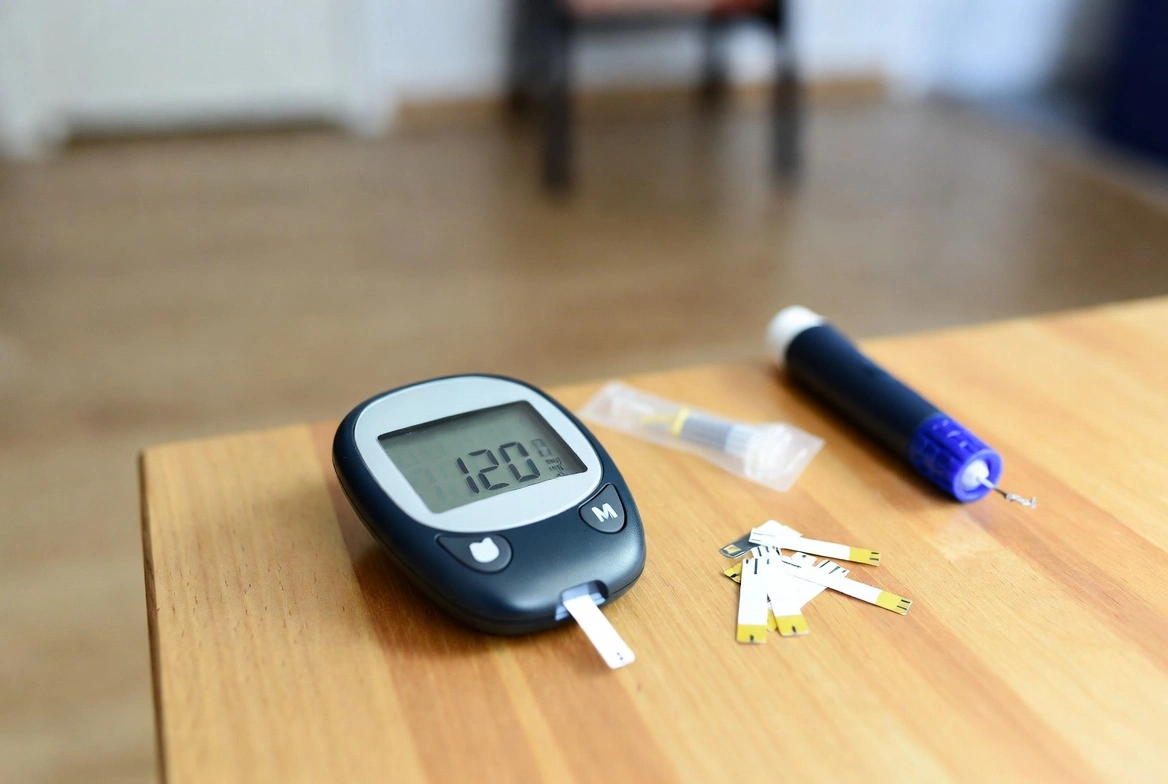
Tracking your daily numbers at home is incredibly easy today. First of all, you need a reliable blood sugar monitor. How to check glucose levels at home safely?
First, wash your hands thoroughly with warm soapy water. Next, prick your finger gently with a sterile lancet. Finally, place the tiny blood drop on the test strip. The machine does the rest of the work.
How to Read Blood Sugar Levels
Your digital meter will display your number almost instantly. Knowing how to read blood sugar levels empowers you daily. Specifically, compare your result to your doctor’s custom target range. Record the number, time, and your recent meal carefully.
How to Lower Blood Sugar Levels
Sometimes, your numbers spike unexpectedly after a heavy meal. How do I lower glucose levels quickly? First, drink a large glass of plain water immediately. This helps your kidneys flush out extra glucose quickly.
Also, taking a brisk 15-minute walk works absolute wonders. How to lower glucose levellevels naturally over time? Regular daily exercise makes your cells highly sensitive to insulin. Furthermore, building muscle mass gives glucose a place to go.
How to Raise Blood Sugar Levels
Conversely, you might experience a sudden, scary glucose drop. How to raise blood sugar levels safely and quickly? You must act fast to protect your brain. Specifically, consume 15 grams of fast-acting carbohydrates immediately.
For example, drink half a cup of sweet apple juice. Alternatively, chew a few sugary hard candies. Wait exactly 15 minutes, then check your levels again. If they remain low, repeat this exact process immediately.
How to Control and Manage Blood Sugar
Long-term success requires building simple, sustainable daily health habits. How to manage glucose levels effectively every single day? You must focus heavily on your sleep and stress. Lack of sleep directly drives up your insulin resistance.
Furthermore, chronic daily stress releases a hormone called cortisol. Consequently, this stress hormone spikes your blood glucose rapidly. How to control glucose levels long-term without stress? Build a highly consistent and predictable daily routine.
Eat your meals at the exact same times daily. Additionally, take your prescribed medications completely without fail. How to balance glucose levels seamlessly at every meal? Pair your carbohydrates with healthy fats and lean proteins. This strategy significantly slows down digestion and prevents rapid spikes.
Foods That Affect Blood Sugar
Your daily diet dictates your glucose response almost entirely. What lowers blood sugar levels naturally over time? High-fiber foods like broccoli, chia seeds, and beans are fantastic. They digest very slowly inside your stomach.
In contrast, sugary sodas and white bread cause massive spikes. People often ask, what does chicken do to blood sugar levels? Chicken is a pure, high-quality lean protein source. Therefore, it has almost zero impact on your glucose.
In fact, eating protein first helps stabilize your post-meal numbers. Furthermore, healthy fats like olive oil and avocados prevent spikes. To get the best metabolic results, always prioritize the best foods for diabetics, like whole, unprocessed options.
Frequently Asked Questions
What are normal blood sugar levels?
Normal numbers stay strictly between 70 and 99 mg/dL fasting. Furthermore, they stay below 140 mg/dL two hours after eating.
What level of blood sugar is dangerous?
Levels consistently above 250 mg/dL are highly toxic and dangerous. Simultaneously, anything dropping below 55 mg/dL requires immediate emergency treatment.
How to check blood sugar at home?
You simply use a sterile lancet to prick your finger. Then, apply the blood drop to a digital glucose monitor.
What lowers blood sugar levels?
Drinking plain water and walking briskly lower your numbers quickly. Additionally, eating a high-fiber diet stabilizes your levels long-term.
Does stress affect your glucose?
Yes, intense physical or emotional stress raises your numbers significantly. Your body releases cortisol, which aggressively dumps glucose into your blood.
Conclusion
In conclusion, understanding your body is absolutely vital for longevity. You now know exactly how to manage your daily numbers. Therefore, you can confidently take charge of your metabolic health today. What are you going to do differently starting tomorrow?
First of all, tracking your numbers provides incredible daily peace of mind. Moreover, this simple habit prevents serious chronic diseases entirely. Finally, building simple habits like walking and eating protein works wonders. As a result, you naturally protect your heart and delicate nerves.
However, always partner closely with your primary doctor first. Do not let unpredictable spikes dictate your daily mood and energy. To sum up, minor lifestyle tweaks create massive long-term benefits. Keep monitoring those glucose levels to thrive every single day.
Medical Disclaimer: This content is for informational and educational purposes only and is not intended as a substitute for professional medical advice, diagnosis, or treatment. Always consult with your healthcare provider or physician before making any changes to your diet or diabetes management plan.