
What Foods Lower Blood Sugar Immediately? 10 Fast-Acting Options
No food instantly lowers blood sugar the way insulin does, but the following zero-carb options can stop a spike from climbing further and support faster stabilization. leafy greens, almonds, walnuts, hard-boiled eggs, avocado, plain Greek yogurt, fatty fish, beans, low-GI berries, and apples with skin. Pair any of these with water and light movement for…

Reviewed by
David T. Broome, MD, MS
Written by
Quick Overview
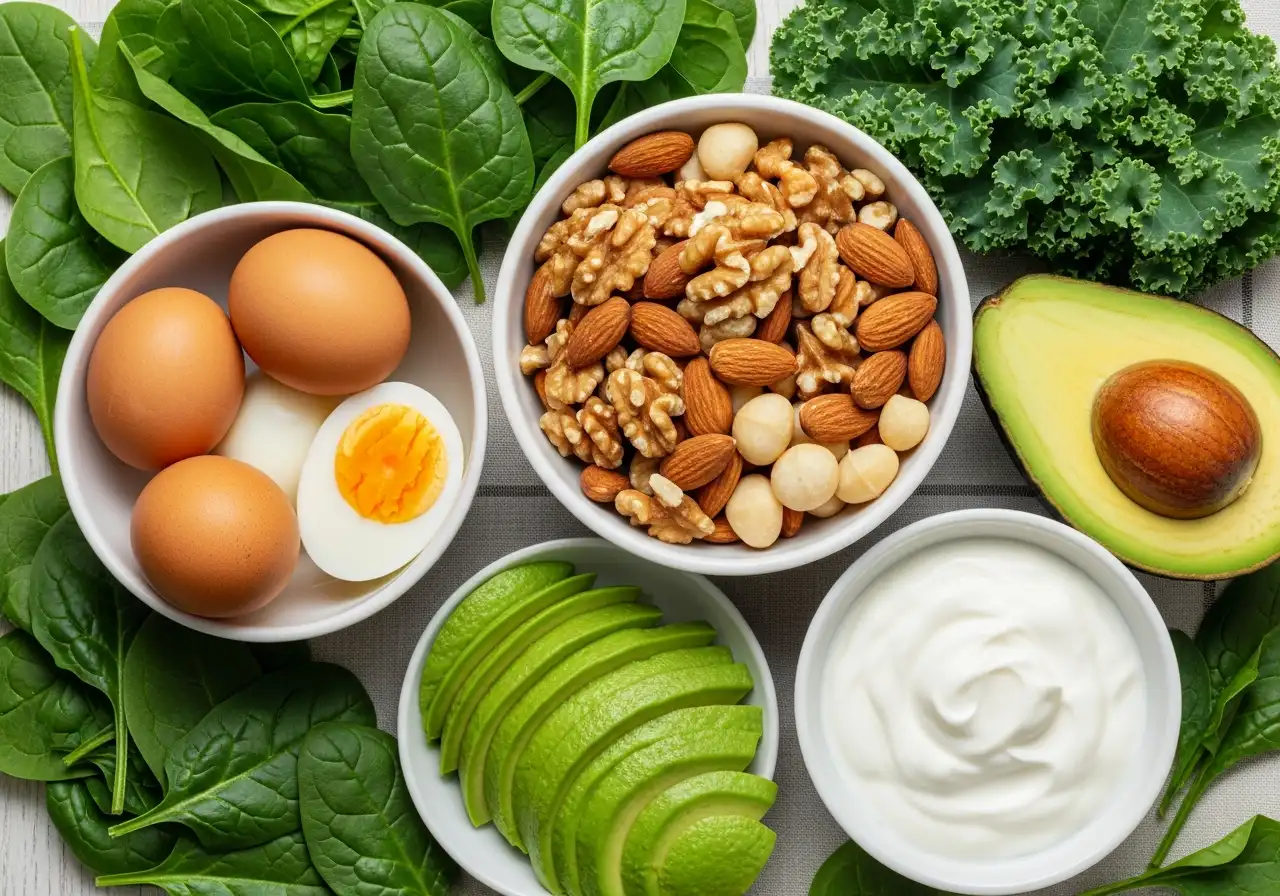
No food instantly lowers blood sugar the way insulin does, but the following zero-carb options can stop a spike from climbing further and support faster stabilization. leafy greens, almonds, walnuts, hard-boiled eggs, avocado, plain Greek yogurt, fatty fish, beans, low-GI berries, and apples with skin. Pair any of these with water and light movement for the fastest natural response.
When blood sugar spikes after a heavy meal or a stressful event, the immediate question on most people’s minds is, “What foods lower blood sugar immediately?” It feels urgent, and the instinct to search for a quick dietary fix is completely understandable—especially when conflicting advice online makes it harder, not easier, to know what actually works.
The honest clinical answer is that no food works like a medication to instantly erase glucose from your bloodstream. What certain foods can do, however, is genuinely meaningful: they slow digestion and improve insulin sensitivity. That is a powerful and practical form of “immediate” help, even if it is not the instant cure many people hope for.
As a health writer specializing in metabolic nutrition, Christina Ross has spoken with registered dietitians, endocrinologists, and patients living with type 2 diabetes who all share a common frustration — the internet is full of dramatic claims about food “curing” glucose spikes instantly, while real, evidence-based strategies get buried under the noise.
What Is the Relationship Between Food and Blood Sugar?
Understanding how food affects blood glucose is the foundation of effective self-management. When you eat carbohydrates, your digestive system breaks them down into glucose, which enters the bloodstream and triggers the pancreas to release insulin. The speed and magnitude of that glucose entry determine whether you experience a dangerous spike or a gentle, manageable rise.
According to Harvard T.H. Chan School of Public Health’s guide on carbohydrates and blood sugar, the type of carbohydrate matters enormously. Refined carbs release glucose rapidly, while fiber-rich, complex carbohydrates produce a slow, sustained release that is far easier for the body to manage.
Foods rich in protein, healthy fats, and dietary fiber do not cause glucose spikes themselves. Instead, they slow gastric emptying—the rate at which your stomach passes food into the intestines—which is the primary mechanism through which these foods help stabilize blood sugar. Learning about what high blood sugar does to your body helps explain why slowing this process matters so much during a spike.
Why Is Choosing the Right Foods Important for Blood Sugar?
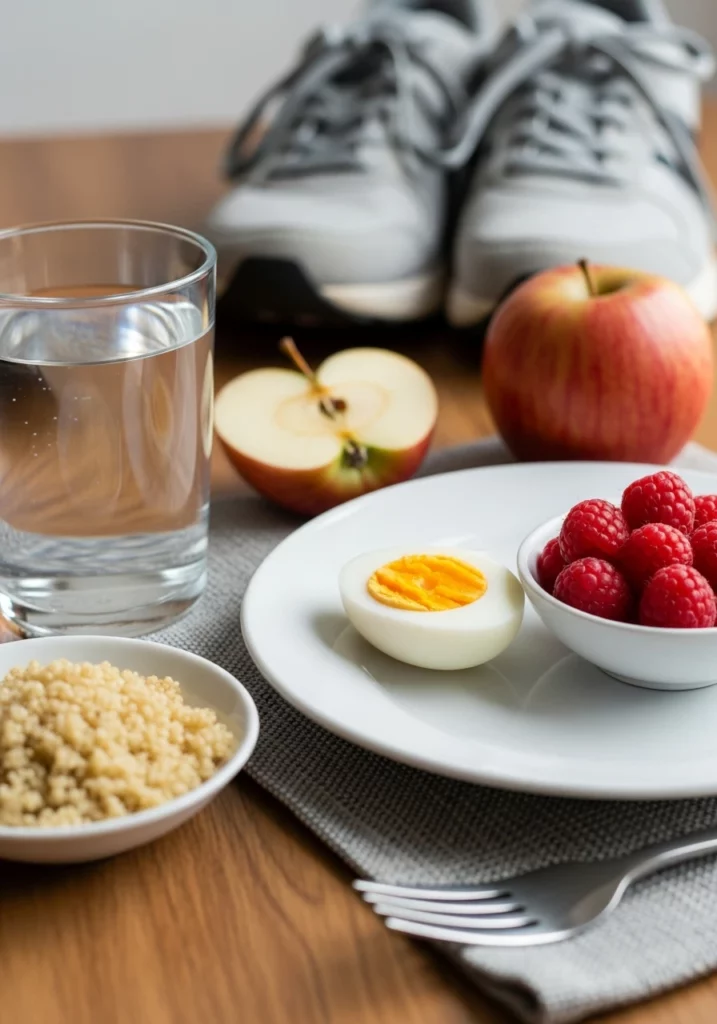
Every meal is a metabolic decision. Choosing the wrong foods when blood sugar is already elevated can push a manageable spike into dangerous territory. Choosing the right ones can stop the climb and give your body the insulin sensitivity it needs to clear the glucose more efficiently.
The CDC’s diabetes prevention resources on healthy eating consistently emphasize that a diet centered on non-starchy vegetables, lean proteins, and healthy fats is the single most powerful non-pharmacological tool for long-term glucose management. The same principles that govern long-term control also apply to short-term stabilization during a spike.
Understanding the best foods for diabetics gives you a reliable daily framework — not just an emergency plan. When you build your meals consistently around these principles, spikes become less frequent and less severe over time.
Food choice also affects insulin sensitivity at the cellular level. Pectin fiber slows sugar absorption and feeds beneficial gut bacteria.
Leafy Greens—Magnesium and Near-Zero Carbs
Spinach, kale, Swiss chard, and collard greens are metabolic powerhouses for blood sugar management. They are extraordinarily low in digestible carbohydrates — meaning they contribute virtually nothing to your glucose load — while being rich in magnesium, a mineral that plays a critical role in insulin receptor function.
Multiple peer-reviewed studies have shown that magnesium deficiency is strongly associated with insulin resistance and poor glucose control. By consuming magnesium-rich greens during or after a meal, you are actively supporting the cellular machinery your body uses to clear blood sugar. According to Healthline’s comprehensive guide on leafy green vegetables, these foods also provide essential vitamins K and C, along with anti-inflammatory compounds that protect blood vessels from glucose-related damage.
Practical use: Toss a large handful of raw spinach with extra virgin olive oil, lemon juice, and a pinch of sea salt for an immediate, zero-spike stabilization snack that takes under three minutes to prepare.
Avocado — Healthy Fats That Slow Gastric Emptying
Avocados are uniquely suited for blood sugar control because of their exceptionally high content of monounsaturated fatty acids and soluble dietary fiber. This combination creates a powerful buffer in the digestive system that measurably slows gastric emptying — the rate at which food leaves the stomach and enters the small intestine, where glucose absorption occurs.
When you eat avocado alongside or immediately after a high-carb meal, the healthy fats delay the absorption of those carbohydrates, converting what would be a sharp glucose spike into a slower, more manageable rise. Medical News Today’s clinical review of avocados highlights research showing regular avocado consumption is associated with improved metabolic markers, including fasting insulin levels.
Practical use: Half an avocado with a pinch of sea salt and a squeeze of lime is one of the most effective two-minute blood sugar-stabilizing snacks available in any kitchen.
Almonds and Walnuts — Fiber, Protein, and Anti-Inflammatory Fats
Tree nuts are among the most evidence-backed snack foods for metabolic health. A one-ounce (28g) handful of almonds provides 6 grams of protein, 3.5 grams of fiber, and 14 grams of mostly unsaturated fat — a combination that produces minimal glycemic impact while supporting both satiety and insulin sensitivity.
Walnuts specifically provide alpha-linolenic acid (ALA), a plant-based omega-3 fatty acid associated with reduced systemic inflammation—a key driver of insulin resistance. WebMD’s analysis of nuts and diabetes management confirms that regular nut consumption is linked to lower A1C levels and reduced post-meal glucose spikes in people with type 2 diabetes.
Practical use: Keep a sealed, pre-portioned bag of mixed almonds and walnuts at your desk, in your car, or in your bag for immediate access during any spike situation.
Plain, Unsweetened Greek Yogurt — Protein and Probiotics
The high protein content slows digestion and supports stable glucose levels, while the live probiotic cultures promote a diverse, healthy gut microbiome. Emerging research increasingly links gut microbiome health to improved insulin sensitivity and reduced metabolic inflammation. For those also managing their weight alongside blood sugar, our guide on the best foods for diabetics covers how Greek yogurt fits into a comprehensive diabetic eating plan.
Practical use: Always read labels carefully — many flavored Greek yogurts contain 15–25g of added sugar, which completely negates the metabolic benefits. Buy plain, unsweetened, and add cinnamon for natural flavor.
Fatty Fish — Omega-3s for Insulin Sensitivity
Salmon, sardines, mackerel, and herring are rich in EPA and DHA — the long-chain omega-3 fatty acids that have been shown in clinical research to reduce chronic systemic inflammation, improve the sensitivity of insulin receptors, and lower triglyceride levels (which are closely linked to insulin resistance).
While you may not cook a salmon fillet in the middle of a glucose emergency, keeping canned sardines, salmon pouches, or pre-cooked fish in the refrigerator provides a rapid, zero-carbohydrate protein source. NIH-published research on omega-3 fatty acids and insulin resistance demonstrates meaningful improvements in insulin sensitivity with regular fatty fish consumption.
Practical use: A tin of sardines in olive oil or a pouch of wild-caught salmon provides an immediate, no-prep blood sugar-stabilizing option with no cooking required.
Beans and Lentils — Soluble Fiber That Slows Glucose Absorption
The soluble fiber they contain forms a thick, gel-like substance in the intestines that physically slows glucose absorption—converting what would be a rapid spike into a slow, manageable trickle.
Black beans, chickpeas, and red lentils consistently score among the lowest on the glycemic index scale of any carbohydrate-containing foods. For people with diabetes who need carbohydrates for energy, legumes are one of the safest choices available. Understanding which foods belong on a comprehensive diabetic diet food list helps you make confident, daily meal decisions.
Berries—Low Glycemic Index with Anthocyanins
Berries are the safest fruit category for blood sugar management. Raspberries, blackberries, strawberries, and blueberries have a significantly lower glycemic index than tropical fruits like mango or pineapple, due to their high fiber content and dense antioxidant profile.
The anthocyanins — the pigments that give berries their deep red, purple, and blue colors — have been shown in research to inhibit digestive enzymes involved in carbohydrate breakdown, which slows glucose absorption at the intestinal level. Medical News Today’s review of berries and blood sugar highlights blueberry consumption specifically as being associated with improved insulin sensitivity in people with metabolic syndrome.
Apples with Skin — Pectin Fiber and Gut Support
The skin contains a specific type of soluble fiber called pectin, which forms a gel in the intestines that slows sugar absorption and feeds beneficial gut bacteria that produce short-chain fatty acids linked to improved insulin sensitivity.
However, apples should never be consumed alone during a blood sugar spike. Always pair an apple with a protein or fat source — a tablespoon of natural almond butter or a small handful of walnuts — to slow digestion further and blunt any residual glycemic impact of the fruit’s natural sugars. This pairing strategy is explored in depth in our article on whether apples are good for diabetics.
Practical use: One medium apple (with skin) plus one tablespoon of natural, unsweetened almond butter is an ideal, blood sugar-friendly snack that provides fiber, healthy fat, and protein together.
- Stop all carbohydrate intake immediately. Do not eat anything with sugar, refined grains, or starchy vegetables. This is the single most important first step — you must stop adding fuel to the fire.
- Drink two large glasses of plain water. Hydration supports kidney filtration and dilutes glucose concentration. Do this immediately and continue sipping throughout the next hour.
- Eat a zero-carb stabilizing snack. Reach for hard-boiled eggs, a handful of almonds, sliced avocado, or plain Greek yogurt.
- Recheck your glucose every 15–30 minutes. Monitor the trend to confirm numbers are falling. If they are not dropping after one hour of these combined interventions, contact your healthcare provider.
What Foods Lower Blood Sugar Overnight
The “dawn phenomenon”—an early-morning blood sugar spike caused by overnight hormonal activity—affects a significant proportion of people with diabetes. Managing your nighttime nutrition is one of the most effective ways to prevent waking up with high fasting readings. Our complete guide on how to lower fasting blood sugar covers the full evening routine in clinical detail.
| Nighttime Snack Option | Why It Helps | Portion Size |
|---|---|---|
| Plain Greek yogurt (unsweetened) | High protein slows overnight glucose fluctuations | ½ cup |
| Walnuts | Omega-3s + fiber prevent overnight liver glucose dumps | 1 small handful (1 oz) |
| Apple slices + almond butter | Pectin fiber + fat slows carb absorption through the night | ½ apple + 1 tbsp |
| Hard-boiled egg | Lowers cortisol, which triggers liver glucose release | 1–2 eggs |
| Chamomile tea (unsweetened) | Lowers cortisol that triggers liver glucose release | 1 cup |
Avoid heavy carbohydrate meals within three hours of bedtime. Your digestive system slows significantly during sleep, meaning late-night carbohydrates linger in the bloodstream much longer than they would during waking hours, virtually guaranteeing a high morning reading.
What Is the One Fruit That Lowers Blood Sugar?
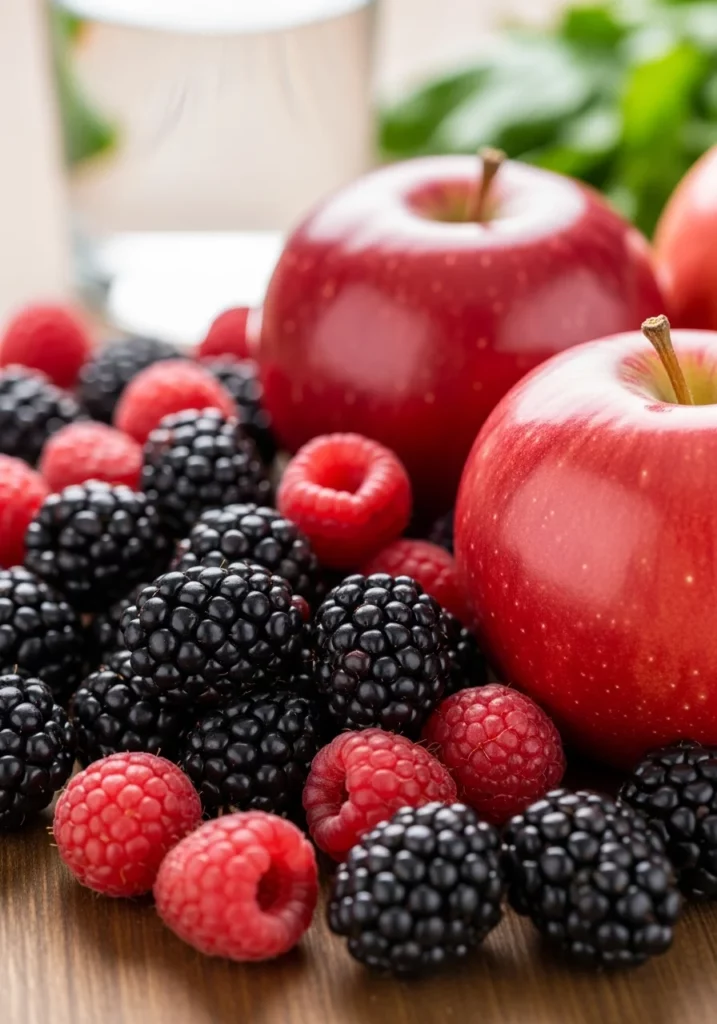
No single fruit actively and immediately lowers blood sugar, but some fruits are dramatically better than others at preventing spikes and supporting stable glucose levels. Among all fruits, raspberries and blackberries consistently score at the top of the list for people with diabetes.
They have a very low glycemic index (around 25), extremely high fiber content relative to their sugar content, and are packed with anthocyanins that inhibit digestive enzymes involved in carbohydrate breakdown. Apples with skin rank as a close second, thanks to their high pectin content.
In contrast, tropical fruits like mangoes, pineapple, and large portions of grapes carry high sugar loads that can produce significant post-meal spikes. For a thorough breakdown of which fruits are safe for daily consumption, see our guide on what fruits are good for diabetics and our dedicated article on the best fruits for diabetics.
What NOT to Eat During a Blood Sugar Spike
Knowing what to avoid is equally as important as knowing what to reach for. The following foods will worsen a glucose spike rapidly and should be eliminated entirely during any high blood sugar episode. Mayo Clinic’s hyperglycemia management guidelines consistently highlight carbohydrate quality as the primary dietary driver of glucose escalation.
- White bread, white rice, regular pasta: These refined grains digest as rapidly as pure glucose and will immediately compound an existing spike.
- Sugary snacks, candy, and baked goods: Deliver a direct, immediate payload of simple glucose with no fiber or protein to slow absorption.
- Regular soda and sweetened teas: Liquid carbohydrates bypass mechanical digestion entirely and spike blood sugar within minutes — faster than any solid food.
- Commercial fruit juices: Even “100% natural” juice has the protective fiber removed, leaving only concentrated fructose that enters the bloodstream rapidly.
- Sports drinks and energy drinks: Loaded with fast-digesting simple sugars and caffeine that can trigger cortisol release, worsening glucose levels further.
- Alcoholic beverages: Impair the liver’s ability to regulate blood sugar by forcing it to prioritize clearing alcohol toxins—leading to unpredictable, potentially dangerous glucose swings.
For more on what healthy diabetic snacks look like in practice, that guide offers 20+ safe options organized by blood sugar impact and nutritional profile.
How to Lower Blood Sugar Naturally — Long-Term Strategies
Emergency food choices are valuable, but sustainable blood sugar control is built on daily habits. The NHS’s food and activity guidance for type 2 diabetes emphasizes that consistent dietary patterns, regular physical activity, and sleep quality collectively determine long-term metabolic outcomes far more than any single food choice.
- Eat low-GI foods at every meal — prioritize foods that digest slowly and release glucose gradually.
- Exercise regularly — even 20 minutes of walking per day significantly increases muscle glucose uptake capacity.
- Stay hydrated — chronic dehydration concentrates blood sugar and impairs kidney filtration.
- Manage stress actively — cortisol directly raises blood glucose; practices like deep breathing and meditation have measurable metabolic benefits.
- Prioritize sleep quality—poor sleep reduces insulin sensitivity the next day by up to 30% in some studies.
- Maintain a healthy weight — even a 5–10% reduction in body weight can dramatically improve insulin function in people with type 2 diabetes.
- Eat more dietary fiber — aim for 25–35 grams daily from vegetables, legumes, nuts, and whole grains.
- Monitor blood sugar consistently — you cannot manage what you do not measure. Use a reliable glucose monitor and track trends over time.
For those looking to make meaningful lifestyle changes alongside dietary improvements, our comprehensive guide on lifestyle changes for diabetes control provides a doctor-backed framework for sustainable metabolic improvement.
How These Foods Work — The Biology Explained
Understanding the mechanism helps you make smarter, more confident food decisions. Stabilizing foods work primarily through three overlapping biological pathways. The American Diabetes Association’s hyperglycemia management guidelines support all three of these mechanisms as valid dietary strategies for blood sugar management.
Pathway 1 — Slowing Gastric Emptying: Healthy fats and dietary fiber physically slow the rate at which the stomach passes its contents into the small intestine. A slower transit rate means glucose from any remaining carbohydrates enters the bloodstream more gradually, reducing the height and speed of a glucose spike.
Pathway 2—Improving Insulin Sensitivity: Omega-3 fatty acids, magnesium, and certain antioxidants improve how efficiently insulin receptors on cell surfaces recognize and respond to insulin. Better insulin sensitivity means your body can clear circulating glucose more effectively with less insulin required.
Frequently Asked Questions
What foods lower blood sugar immediately?
Pair any of these with water and a 15-minute walk for the fastest, safest natural response. Always follow your personalized care plan. Learn more about how to lower blood sugar fast.
What brings blood sugar down quickly?
For fast, non-medication support: drink two large glasses of water immediately, stop all carbohydrate intake, and — if no ketones are present — take a 15-minute brisk walk. Hydration dilutes blood glucose. These three steps together are more effective than any single intervention. If levels remain high after one hour, contact your healthcare provider. See our guide on reducing blood sugar levels immediately.
What is the best drink to lower blood sugar?
Plain water is always the top choice — it dilutes blood glucose concentration and supports kidney excretion of excess sugar. Diluted apple cider vinegar can slow digestion and blunt post-meal glucose rises. Strictly avoid juice, soda, and sweetened drinks during any glucose spike. For the complete breakdown, see our article on what to drink to lower blood sugar immediately.
How to lower blood sugar quickly in type 2 diabetes:
Start by drinking water and stopping all carbohydrate intake immediately. If your glucose is below 250 mg/dL and ketones are absent, a 10–15 minute walk is the fastest non-pharmacological method to lower levels, as muscle contractions directly pull glucose from the bloodstream. Explore our guide on managing type 2 diabetes.
What foods lower blood sugar overnight?
A small, high-protein, low-carb snack before bed helps prevent the dawn phenomenon and morning glucose spikes. Avoid all heavy carbohydrates, fruit juice, or alcohol within three hours of sleep. These choices digest slowly and prevent overnight liver glucose dumps. See our guide on how to lower fasting blood sugar.
Conclusion
When blood sugar rises unexpectedly, the right food choices can make a meaningful difference — not by acting as instant medications, but by stopping the spike from climbing further and giving your body the metabolic support it needs to recover efficiently.
The ten foods covered in this guide—leafy greens, avocado, eggs, nuts, Greek yogurt, fatty fish, beans, berries, whole grains, and apples with skin—all work through proven biological mechanisms: slowing gastric emptying, improving insulin sensitivity, and inhibiting carbohydrate-digesting enzymes. Combined with adequate hydration and gentle physical movement, they form the most effective natural, non-pharmacological response available for mild to moderate glucose elevations.
However, these strategies are supportive tools — not replacements for prescribed medication, regular monitoring, or medical care when blood sugar climbs into genuinely dangerous territory. Always follow your personalized care plan and consult your healthcare team for any persistent or severe glucose management challenges.
For a complete daily framework that integrates food, movement, hydration, and medication into a structured routine, explore our guide on building a complete daily routine for diabetes patients.
Authoritative References
- World Health Organization. (2025). Diabetes Fact Sheet. https://www.who.int/news-room/fact-sheets/detail/diabetes
- Centers for Disease Control and Prevention. (2025). Preventing Diabetic Ketoacidosis. https://www.cdc.gov/diabetes/about/diabetic-ketoacidosis.html
- American Diabetes Association. (2025). Hyperglycemia (High Blood Glucose). https://diabetes.org/living-with-diabetes/treatment-care/hyperglycemia
- American Diabetes Association. (2025). Low Blood Glucose (Hypoglycemia). https://diabetes.org/living-with-diabetes/treatment-care/hypoglycemia
- Mayo Clinic. (2025). Hyperglycemia in Diabetes. https://www.mayoclinic.org/diseases-conditions/hyperglycemia/symptoms-causes/syc-20373631
- Mayo Clinic. (2025). Diabetic Ketoacidosis. https://www.mayoclinic.org/diseases-conditions/diabetic-ketoacidosis/symptoms-causes/syc-20371551
- Cleveland Clinic. (2025). Hyperglycemia (High Blood Sugar). https://my.clevelandclinic.org/health/diseases/9815-hyperglycemia-high-blood-sugar
- Cleveland Clinic. (2025). Hypoglycemia (Low Blood Sugar). https://my.clevelandclinic.org/health/diseases/11647-hypoglycemia-low-blood-sugar
- Harvard T.H. Chan School of Public Health. (2025). Carbohydrates and Blood Sugar. https://nutritionsource.hsph.harvard.edu/carbohydrates/carbohydrates-and-blood-sugar/
- MedlinePlus. (2025). Diabetic Hyperglycemic Hyperosmolar Syndrome. https://medlineplus.gov/ency/article/000304.htm

SOURCES
Related articles


Diabetic-Friendly Weight Loss Meals: 1500-Calorie Plans, Easy Recipes & 7-Day Guide


Online Counseling for Chronic Illness: Therapists, Platforms & Coping Strategies

Therapy for Diabetes Depression: Treatments, Mental Health Workbooks & Best Support Resources (2026)