
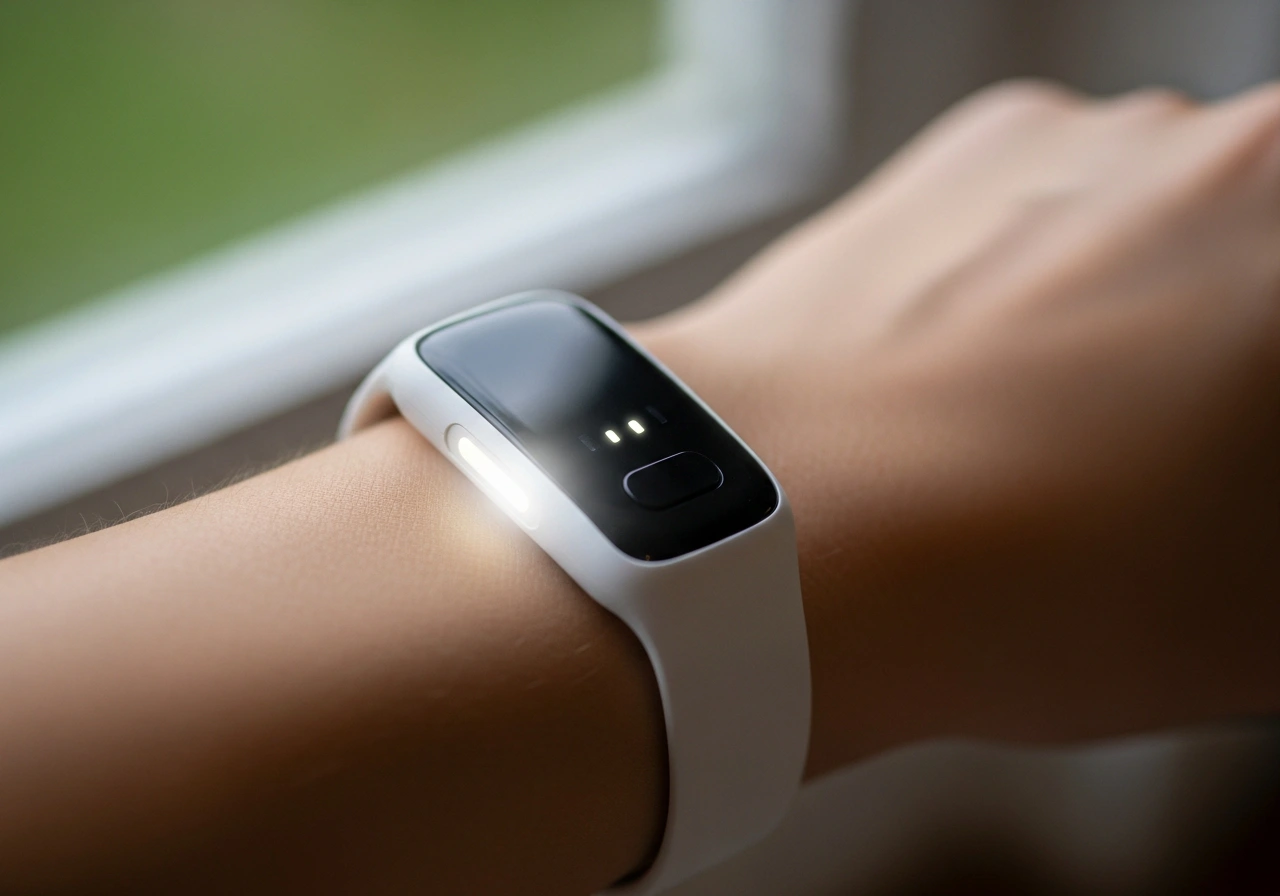
As a board-certified specialist in endocrinology and metabolic health, I frequently hear patients ask about finding a reliable non invasive blood glucose monitor. For many individuals managing diabetes, frequent finger-prick testing can become physically uncomfortable and emotionally exhausting over time.
Recently, I spoke with Thomas, a 60-year-old patient who had developed heavily callused fingers after years of daily glucose testing. He wanted to know whether emerging technologies like smartwatches and needle-free devices could safely replace his traditional glucometer.
During our consultation, we reviewed the current reality of non-invasive glucose monitoring technology, including accuracy concerns, FDA approvals, and limitations of newer devices.
In this guide, I’ll break down what these technologies can realistically offer today, how they compare to traditional monitoring tools, and what patients should know before investing in newer glucose tracking devices.
TL;DR Summary
- Most devices marketed as “non-invasive glucose monitors” are still in experimental phases or serve only as wellness trackers.
- Only a highly select few wearable devices offer reasonably continuous glucose estimation without skin penetration.
- Finger-prick testing or true continuous glucose monitors (CGMs) remain the absolute gold standard for clinical accuracy.
- Patients must strictly verify the FDA approval status of any device before using it to make medication dosing decisions.
What Is a Non Invasive Blood Glucose Monitor?
A non invasive blood glucose monitor device is a piece of technology designed to estimate your blood sugar levels without requiring a finger prick or a physical sensor inserted under the skin.
These devices typically rely on advanced optical sensors, infrared light, or wearable sweat analysis to measure physiological markers. The primary appeal is the complete elimination of pain and the reduction of biohazard waste associated with traditional testing.
However, there is a massive difference between an emerging consumer wellness gadget and an FDA-approved medical diagnostic tool. Most non-invasive devices currently on the market are classified as the former, meaning they cannot legally or safely direct insulin therapy.
How Does a Non Invasive Blood Glucose Monitor Work?
Understanding how does non invasive blood glucose monitor works requires looking at the complex physics and biology integrated into modern wearables. Because these devices cannot directly sample your blood, they must infer glucose concentrations through indirect, external measurements.
The most common technology utilized is optical sensing, specifically near-infrared (NIR) spectroscopy. In this method, the device emits a specific wavelength of light directly into the user’s skin. Because glucose molecules absorb specific light frequencies, the sensor measures the light that bounces back.
By analyzing the difference between the emitted light and the reflected light, an AI non-invasive blood glucose monitor calculates an estimated glucose value. This process requires massive computational power and advanced machine-learning algorithms to filter out physiological “noise”.
Another emerging mechanism involves analysing interstitial fluid through the sweat glands. Some wearable patches use microscopic electrochemical sensors to detect minute traces of glucose excreted onto the surface of the skin.
However, clinical experts heavily caution that accuracy varies wildly based on individual patient anatomy. Skin thickness, melanin concentration, ambient temperature, and even daily hydration levels can severely distort the optical or electrochemical signals.
Furthermore, glucose levels in sweat or skin tissues lag significantly behind actual venous blood glucose. This biological delay makes real-time insulin dosing extremely dangerous when relying solely on non-invasive estimations.
Do Non-Invasive Glucose Monitors Actually Work?
When patients ask, “Do non-invasive glucose monitors actually work?”, the medical consensus is highly nuanced. Yes, some devices have demonstrated a reliable ability to track broader glycaemic trends throughout the day.
For instance, they can successfully alert a user that their glucose is generally trending upward after a heavy meal. However, regarding absolute non invasive blood glucose monitor accuracy, they fall alarmingly short of clinical standards.
Very few, if any, non-invasive gadgets can match the precision of traditional finger-stick glucometers or minimally invasive CGMs (like the Dexcom or Freestyle Libre). Therefore, they are useful for general wellness monitoring but highly unreliable for strict medical management.
FDA Approved Non Invasive Blood Glucose Monitor Status
The regulatory landscape is a critical factor for patient safety. Currently, the FDA approved non invasive blood glucose monitor list for completely painless, wearable diagnostic devices is virtually non-existent for insulin-dosing purposes.
The FDA maintains a very strict stance: devices that dictate medication dosing must prove exceptional accuracy. Because non-invasive optical and sweat sensors suffer from high error margins, they rarely pass these rigorous medical clearances.
Most products found online market themselves as a non invasive blood glucose monitors; FDA-approved devices are actually registered as “consumer wellness devices”. This loophole means they do not have to prove clinical accuracy to be legally sold.
Best Non Invasive Blood Glucose Monitor (2026 Review List)
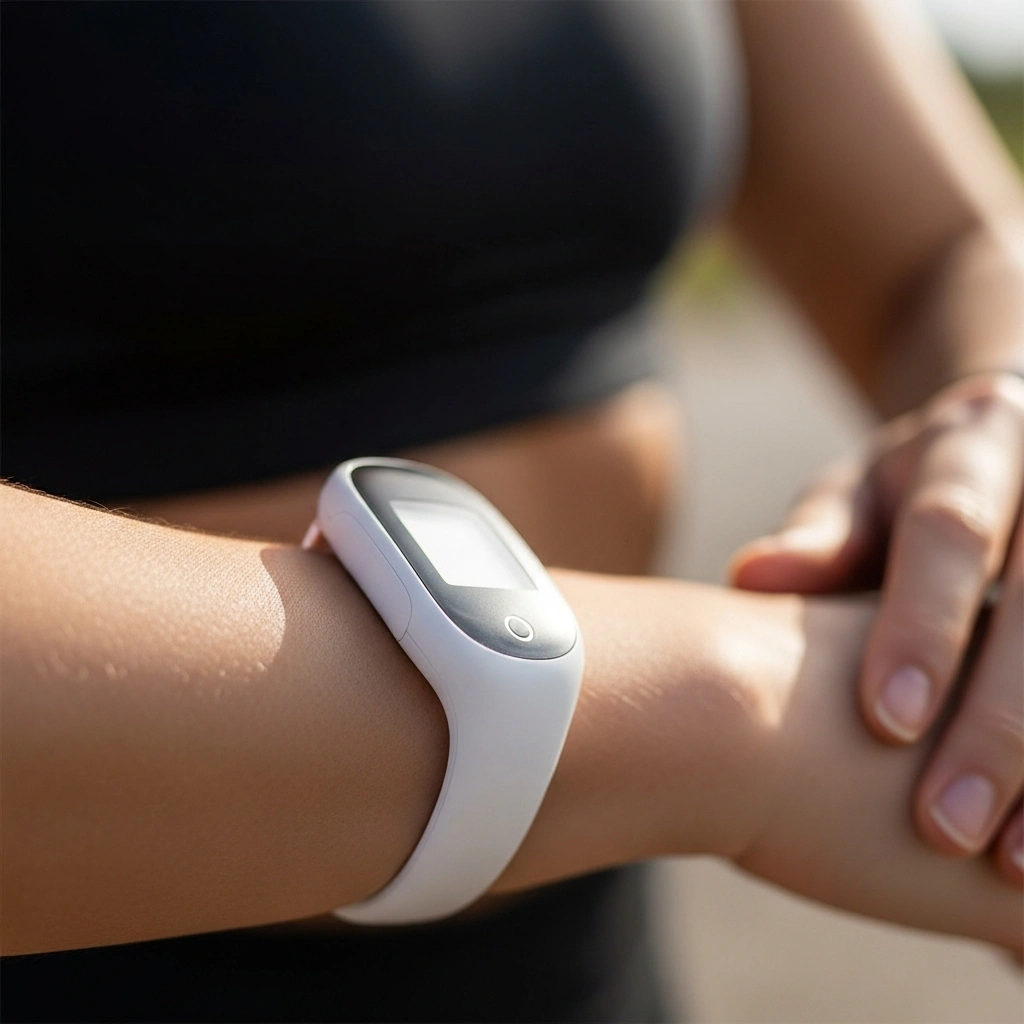
Finding the best non invasive blood glucose monitor requires separating aggressive marketing from scientific reality. We categorise these devices based on their utility and current technological limits.
Below is a breakdown of how the best non invasive glucose monitors currently stack up in the 2026 market landscape.
| Device Type | Clinical Accuracy | FDA Status | Best Use Case |
| Traditional CGMs (Minimally Invasive) | Very High | Approved | Daily management & insulin dosing |
| Smartwatch Optical Sensors | Low to Moderate | Unapproved (Wellness) | Broad trend tracking only |
| AI Smartphone Camera Apps | Low | Unapproved (Wellness) | General lifestyle awareness |
| Breath-Based Glucose Sensors | Experimental | Pending Trials | Clinical research settings |
It is vital to reiterate that the best non invasive glucose meter for a type 1 diabetic who requires insulin simply does not exist yet. Minimally invasive CGMs remain the absolute best choice for safety.
Non Invasive Blood Glucose Monitor Watch Devices
The tech industry has heavily invested in the non invasive blood glucose monitor watch. Major tech conglomerates are racing to integrate optical glucose sensors into their flagship smartwatches.
These devices use the same LEDs that track heart rate to attempt to read interstitial glucose. However, a non invasive blood glucose monitor, a finger stick, is still required by doctors because wrist skin is thick, and constant arm motion creates massive data errors.
While smartwatch integration is the ultimate goal, current iterations are best used as complementary tools. They should be used alongside—never instead of—proven medical hardware.
Omron Non Invasive Blood Glucose Monitor
Omron is a globally trusted brand in home medical equipment, particularly for blood pressure. Consequently, many patients search for an omron non invasive blood glucose monitor, assuming a high level of clinical reliability.
However, patients must be acutely aware of their regional availability and current product lines. As of early 2026, finding a completely non-invasive, medically approved Omron glucose watch for insulin dosing remains highly unlikely.
When looking for an omron non invasive blood glucose monitor price or searching for an omron non invasive blood glucose monitor for sale, beware of counterfeit listings. Scammers frequently use trusted medical brand names to sell cheap, inaccurate fitness bands on third-party marketplaces.
Bayer Non Invasive Blood Glucose Monitor
Similar confusion surrounds the bayer non invasive blood glucose monitor. Bayer (now Ascensia Diabetes Care for its Contour line) produces some of the most accurate traditional glucometers in the world.
Online forums frequently feature bayer non invasive blood glucose monitor reviews or questions about a mythical “bayer non invasive blood glucose monitor 8-in-1” device. This is largely a product of internet misinformation and deceptive online marketing.
While they manufacture the best invasive blood glucose monitor systems, they do not currently offer a completely non-invasive, needle-free wearable that acts as a standalone diagnostic tool. Always verify product existence directly on the manufacturer’s official website.
Where to Buy Non Invasive Blood Glucose Monitors
Procurement of medical technology requires caution. When wondering where to buy non invasive blood glucose monitor devices, start with your local, trusted pharmacy.
A cvs non invasive blood glucose monitor search will likely yield traditional finger-stick kits and FDA-approved minimally invasive CGMs. True non-invasive watches are rarely stocked in certified medical pharmacies due to their lack of diagnostic approval.
If looking for a non invasive blood glucose monitor for sale online, avoid obscure third-party sellers. A non invasive glucometer purchase online should only be completed through verified medical suppliers or direct manufacturer websites to avoid dangerous counterfeit technology.
Non Invasive Blood Glucose Monitor Reviews (Real User Feedback)
Analyzing non invasive blood glucose monitor reviews reveals a stark divide in patient experiences. On platforms like Reddit, the consensus often highlights a deep frustration with the technology’s unreliability.
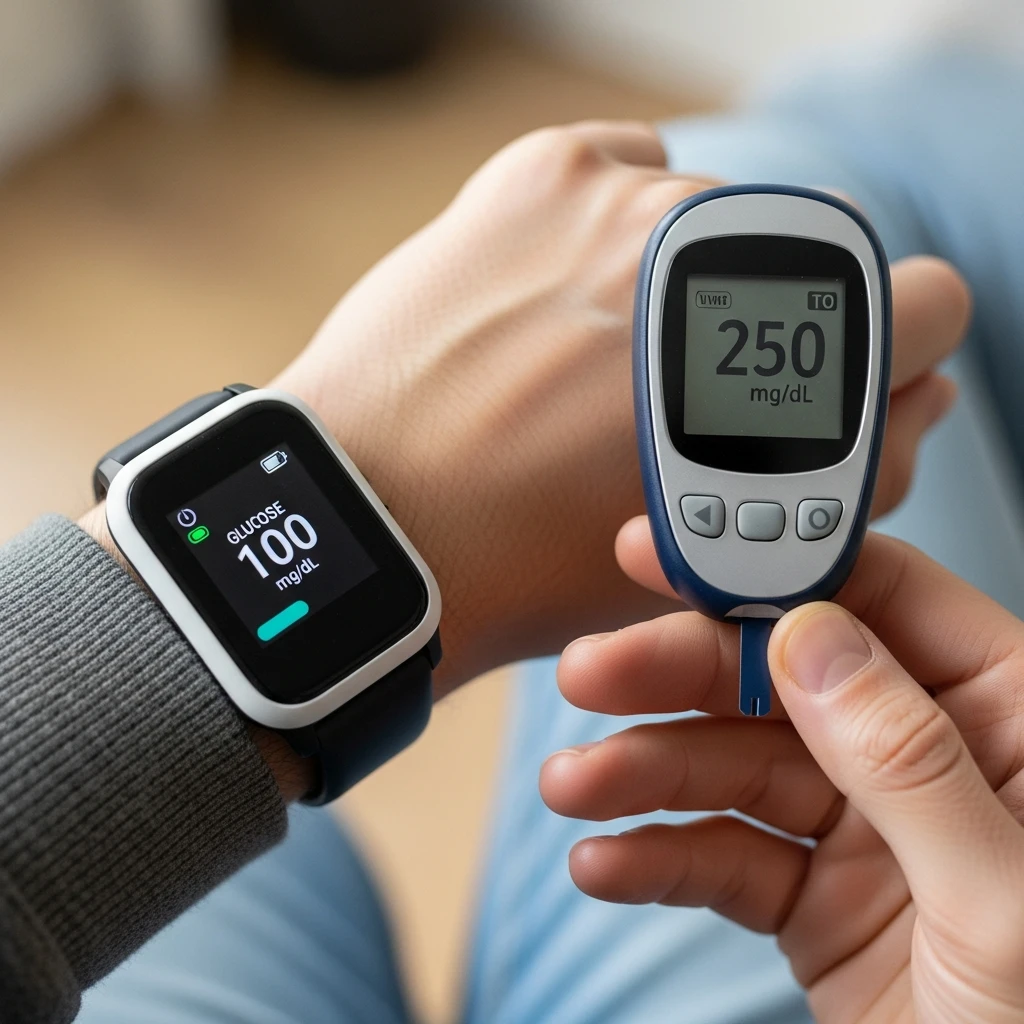
In a typical non invasive blood glucose monitor Reddit thread, users frequently complain about wild inaccuracies. Many state that their wearable device read a normal “100 mg/dL” while their actual finger-stick showed a dangerously high “250 mg/dL”.
However, non invasive blood sugar monitor reviews do highlight some positives. Patients managing prediabetes report that these devices offer great convenience and help them visualize how their dietary choices cause broad upward or downward trends.
Accuracy of Non Invasive Glucose Monitoring
The core issue blocking mainstream adoption is the accuracy of non invasive glucose monitoring under real-world conditions. Laboratory settings are controlled, but human life is chaotic.
Optical sensors are easily fooled by physiological variables. A patient with a high fever, localized skin swelling, or mild dehydration will receive vastly different readings than a patient in a rested, hydrated state.
When comparing a CGM versus a non-invasive device, the CGM actually measures fluid directly beneath the skin. The non-invasive optical sensor is merely guessing based on light reflection, making it fundamentally less reliable as a primary diagnostic tool.
Limitations & Risks of Non-Invasive Glucose Monitors
The medical community is highly vocal about the severe limitations of these devices. The absolute greatest risk is using a wellness wearable to calculate an insulin dose.
Because non-invasive monitors can lag significantly behind actual blood sugar or provide false negatives, an insulin-dependent patient might administer a fatal dose of insulin based on an inaccurate reading.
Furthermore, these devices offer a false sense of reassurance. A patient might ignore physical symptoms of hyperglycemia because their uncalibrated, non-approved smart watch falsely assures them that their glucose levels are perfectly normal.
AI Non Invasive Blood Glucose Monitoring
The future of this technology heavily relies on artificial intelligence. An ai non invasive blood glucose monitor does not just read light; it learns the specific user’s metabolic patterns over time.
By feeding machine-learning models thousands of data points regarding a user’s heart rate, sleep quality, skin temperature, and diet, the AI attempts to accurately predict where glucose levels are heading.
While this wearable ecosystem integration represents the exciting future of digital diabetes care, algorithms are currently not a substitute for physical blood analysis in acute medical situations.
Best Alternatives to Non-Invasive Devices
Until true non-invasive technology catches up to clinical standards, patients must rely on the best available alternatives to manage their metabolic health safely.
Continuous Glucose Monitors (CGMs) like the Dexcom G7 or Freestyle Libre 3 are the closest option. While technically “minimally invasive” (using a microscopic filament under the skin), they eliminate daily finger pricks and offer unparalleled accuracy.
Traditional finger-stick glucometers remain the cheapest and most reliable fallback method. For patients prioritizing safety and tight A1C control, hybrid systems utilizing both a CGM and a smart insulin pen are the current gold standard of care.
What Fruit Lowers A1C?
Patients exploring non-invasive tracking are usually highly focused on dietary interventions. A common query is determining what fruit lowers A1C effectively without causing glucose spikes.
While no fruit directly “lowers” A1C on its own, high-fibre options can drastically improve overall metabolic profiles. Berries, particularly blackberries and raspberries, are phenomenal due to their high fibre-to-sugar ratios.
Apples (eaten with the skin) and pears are also heavily recommended by dietitians. The focus must remain on the glycaemic load; eating high-fiber fruits slows digestion, preventing the massive blood sugar spikes that ultimately raise long-term A1C levels.
Frequently Asked Questions
Can you check blood sugar without needles?
While fully non-invasive devices are still experimental and often lack medical-grade accuracy, minimally invasive Continuous Glucose Monitors (CGMs) can eliminate the need for frequent finger-prick testing.
What is the best non-invasive blood glucose monitor available today?
Currently, no fully non-invasive wearable device is considered clinically superior or FDA-approved for insulin dosing. Most endocrinologists still recommend CGMs as the safest and most reliable option.
Are non-invasive glucose trackers accurate?
They may help track general wellness trends and show broad glucose patterns, but they are typically less accurate than traditional finger-stick tests and should not guide medical decisions.
Are glucose smartwatches FDA-approved?
Most fully non-invasive glucose watches are marketed as consumer wellness devices and are not FDA-approved for diagnostic glucose monitoring or medication management.
Can you rely on a smartwatch to manage diabetes?
Smartwatches can help monitor activity levels, heart health, and general wellness trends, but they should never replace medically approved glucose monitoring devices for diabetes care.
Conclusion
As an endocrinologist, I share the immense excitement and hope that surrounds the development of completely painless, non-invasive glucose monitoring.
The prospect of managing metabolic health without needles is a medical milestone we are all eagerly anticipating, and the rapid advancements in AI and optical sensors are undeniably impressive.
However, my primary duty will always be patient safety. The hard clinical reality of 2026 is that while consumer smartwatches and experimental wearables offer fascinating glimpses into our daily metabolic trends, they simply lack the rigorous, life-saving accuracy required for pharmaceutical management.
If you are managing prediabetes or simply want to optimise your dietary habits, exploring a non-invasive wellness wearable can be a fantastic, motivating tool.
But if you rely on insulin or specific oral hypoglycaemic medications, you must continue to trust fully FDA-approved Continuous Glucose Monitors (CGMs) or traditional finger-stick glucometers.
Always discuss any new diabetes management device with your certified diabetes educator or endocrinologist before spending your money or changing your routine.
The technology will inevitably catch up to our expectations, but until that day arrives, we must prioritise clinical accuracy over absolute convenience.
Medical References:
- U.S. Food and Drug Administration (FDA) – Do Not Use Smartwatches or Smart Rings to Measure Blood Glucose Levels: FDA Safety Communication
- National Institute of Diabetes and Digestive and Kidney Diseases (NIDDK) – Continuous Glucose Monitoring
- American Diabetes Association (ADA) – Devices & Technology
- Centers for Disease Control and Prevention (CDC) – Manage Blood Sugar