
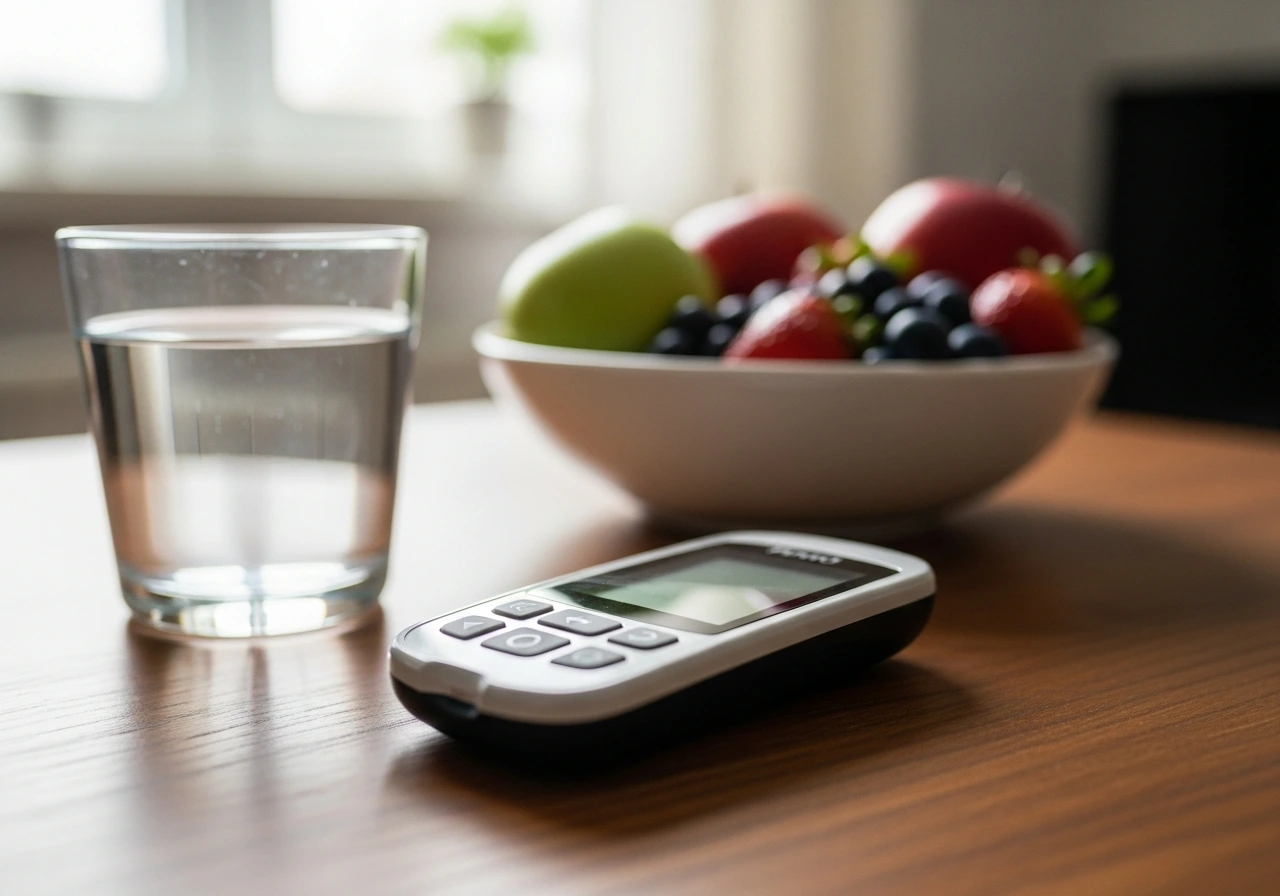
Just last week, a newly diagnosed patient named Sarah came into my endocrinology clinic holding a pharmacy catalog, completely overwhelmed. She looked at the dozens of options and asked me directly to help her find the best blood sugar testing device for her lifestyle.
Finding the right tool is the absolute cornerstone of successful diabetes management, but the technology has evolved rapidly. What worked for a patient ten years ago might not be the most effective choice today.
TL;DR: Quick Clinical Overview
- The best blood sugar testing device depends entirely on your medical needs and budget.
- CGMs (continuous glucose monitors) offer real-time tracking without constant finger pricks.
- Traditional glucometers remain highly accurate, affordable, and excellent for spot-checking.
- Top 2026 options include advanced CGMs for type 2 diabetes and simple glucometers for prediabetes.
- Accuracy, ease of use, and ongoing supply costs are your most important deciding factors.
What Is a Blood Sugar Testing Device?
A blood sugar testing device, commonly known as a glucometer, is a portable medical tool designed to measure the concentration of glucose in your blood. These devices are the daily compass for anyone navigating metabolic conditions like diabetes.
By providing immediate, real-time data, these machines tell you exactly how your body is responding to food, medication, and exercise. This self-monitoring process is absolutely vital for preventing dangerous metabolic emergencies.
Without a reliable device, managing diabetes is like driving a car blindfolded. Regular testing allows you to adjust your daily insulin doses, verify if your dietary choices are working, and maintain long-term vascular health.
Types of Blood Sugar Testing Devices
When choosing a monitoring machine, you must understand the different technological categories available on the market today. As an endocrinologist, I categorize these devices into three distinct groups. Each type serves a specific medical purpose and fits a different patient lifestyle.
Traditional Finger-Prick Glucometers
Traditional self-monitoring blood glucose meters are the foundational tools of diabetes care. These devices require a tiny drop of capillary blood, usually obtained by pricking the side of your fingertip with a small lancet.
You place this drop of blood onto a chemically treated test strip inserted into the machine. The meter then calculates your glucose level based on an electrical current generated by the blood’s reaction with the strip’s enzymes.
Despite the discomfort of daily pricking, these remain the global gold standard for point-in-time accuracy. They are highly reliable, exceptionally durable, and incredibly cost-effective for patients without comprehensive health insurance. If you only need to check your levels once or twice a day, this is likely the most practical option.
Continuous Glucose Monitors (CGMs)
Continuous Glucose Monitors, or CGMs, have revolutionized how my patients handle their daily care. Instead of using a needle multiple times a day, you insert a tiny, flexible sensor just beneath your skin.
This sensor typically sits on the back of your arm or your abdomen and remains there for 10 to 14 days. It continuously measures the glucose levels in your interstitial fluid (the fluid surrounding your cells) every few minutes.
The sensor sends this real-time data directly to a smartphone app or a dedicated receiver via Bluetooth. CGMs are incredible because they provide a complete, 24/7 metabolic picture, including trend arrows that warn you if your sugar is rapidly dropping or spiking.
Non-Invasive Glucose Monitors (Emerging Tech)
The most common question I get in my clinic today is about checking sugar without any needles or sensors penetrating the skin. Non-invasive glucose monitors are the “holy grail” of diabetes technology.
These devices aim to use optical light sensors, radio frequency waves, or sweat analysis to read glucose levels entirely from the outside of the body. Many smartwatches currently claim to offer this feature in 2026.
However, patients must proceed with extreme caution here. While the technology is rapidly developing, fully non-invasive devices are still not widely FDA-approved as standalone replacements for medical treatment. They are best used as secondary wellness trackers rather than primary medical diagnostic tools.
Best Blood Sugar Testing Devices in 2026
To help my patients make informed decisions, I break down the market into actionable categories. Here is a clear comparison of the primary device types you will encounter.
Table: Top Devices Comparison
| Device Type | Best For | Pros | Cons |
| Continuous Glucose Monitor (CGM) | Intensive, real-time tracking | No finger pricks; trend alerts | Higher ongoing cost; sensor adhesion issues |
| Traditional Glucometer | Budget-conscious users | Highly accurate; low cost | Requires blood; no trend data |
| Non-Invasive Monitor | General wellness & comfort | Completely needle-free | Limited FDA approval; less accurate |
What Is the Most Accurate Blood Sugar Test Device?
Patients always want to know which glucometer is best and gives the most accurate results. The undeniable truth is that laboratory venous blood tests ordered by your doctor are always the most accurate.
However, for home use, modern technology has closed the gap significantly. Among FDA-approved home devices, high-quality traditional glucometers are incredibly precise for immediate, real-time readings.
CGMs are also highly accurate, but they measure interstitial fluid, which has a 5-to-15-minute delay compared to capillary blood. Therefore, if your CGM shows a rapidly dropping number, I always advise verifying it with a traditional finger-prick device before making a major medical decision.
Best Blood Sugar Monitor Without Finger Pricks
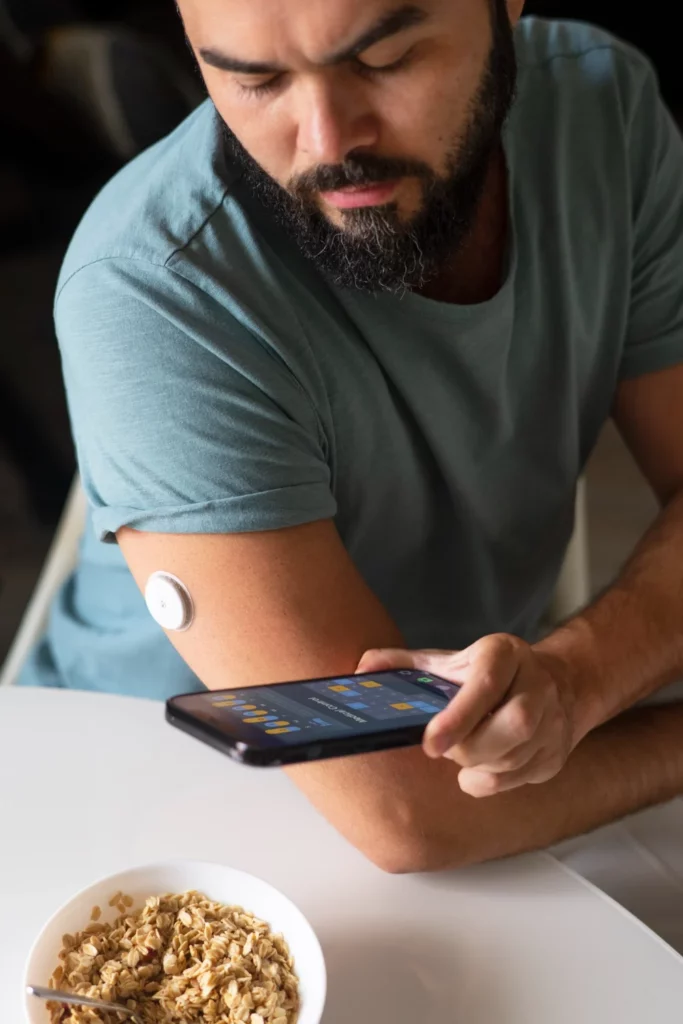
The demand for a blood glucose meter without pricking is higher than ever. In 2026, CGM devices will absolutely dominate this specific category, offering a minimally invasive solution.
While you do have to insert a tiny filament under the skin once every two weeks, it completely eliminates the need for daily fingersticks. Brands like Dexcom and FreeStyle Libre are the clinical frontrunners in this space.
The primary benefits go far beyond comfort. Continuous monitoring allows you to set customized alarms that will physically wake you up at night if your blood sugar drops to a dangerous level, providing unparalleled peace of mind.
Best Blood Sugar Monitor With Finger Pricks
Despite the rise of sensors, the traditional self-monitoring blood glucose meter remains a vital tool. They are incredibly affordable, and you can buy them over the counter at any local pharmacy without a prescription.
Devices from brands like Accu-Chek, OneTouch, and Contour are widely available and trusted by medical professionals worldwide. They require tiny sample sizes and provide results in under five seconds.
For patients who manage their type 2 diabetes entirely through diet and exercise, a traditional monitor is often all you need. It is the gold standard for quick spot checks before meals or after a workout.
Can You Test Blood Sugar Without Needles?
The short clinical answer is yes, but with a slight caveat regarding terminology. When patients ask me about a blood glucose meter without pricking, they are usually referring to Continuous Glucose Monitors (CGMs). These incredible devices eliminate the need for daily, painful fingersticks.
However, they are not entirely “needle-free.” Applying a CGM requires a one-time insertion using a specialized applicator that contains a small, spring-loaded needle. This needle quickly guides a tiny, flexible sensor filament just beneath your skin and retracts instantly. You only feel a brief pinch once every 10 to 14 days.
If you are looking for a device that sits purely on top of the skin without penetrating it at all, you are looking for true non-invasive technology. As of 2026, while tech giants are developing optical smartwatches for this exact purpose, they lack the rigorous FDA approval required to safely dose insulin.
Best Glucose Meter for Type 2 Diabetes
Type 2 diabetes is a highly progressive condition, meaning your technology needs might change over time. If your treatment plan includes mealtime insulin injections, a CGM is absolutely the best glucose monitor for type 2 diabetes. The continuous data stream prevents you from accidentally “stacking” insulin doses.
Conversely, if you manage your condition strictly through metformin, dietary changes, and regular exercise, your needs are different. A high-quality traditional glucometer from a reputable brand like Accu-Chek or OneTouch is perfectly adequate.
In my practice, I frequently transition patients between these devices. We might use a CGM for three months to identify hidden dietary spikes, and then transition back to a traditional meter once their A1C stabilizes. Always consult your endocrinologist to match the device to your current metabolic state.
Best Glucose Monitor for Prediabetes
When a patient is diagnosed with prediabetes, the primary goal shifts entirely to behavior modification and trend tracking. You are not at immediate risk for severe hypoglycemia, so complex alarms and continuous data might cause unnecessary anxiety.
For these patients, I recommend a simple, affordable traditional glucometer. You do not need to check your sugar four times a day. Checking a few mornings a week, or occasionally two hours after a heavy carbohydrate meal, provides excellent feedback.
This strategic testing helps you learn exactly how a bowl of pasta or a sugary coffee impacts your unique system. The best device here is one with inexpensive test strips, allowing you to learn your body’s limits without breaking the bank.
Key Features to Look for in a Blood Sugar Monitor
Selecting a device from a crowded pharmacy shelf is overwhelming. To make the process easier, I tell my patients to evaluate every machine against a strict clinical checklist.
- FDA-Approved Accuracy: This is non-negotiable. Ensure the device meets international ISO accuracy standards (usually stated on the box). It should be accurate within 15% of laboratory values.
- Test Strip Costs: The monitor itself is often cheap or even free. The true financial burden lies in the daily test strips. Always calculate the monthly cost of consumables before committing to a brand.
- Ease of Use: If you have neuropathy or arthritis in your hands, handling tiny test strips is incredibly frustrating. Look for devices with larger strips, bright backlit screens, and simple interfaces.
- App Integration and Data Tracking: The best modern devices automatically sync your readings to a smartphone app via Bluetooth. This generates clean, readable charts that you can easily email to your doctor before an appointment.
Blood Sugar Monitor Without Finger Pricks (Amazon & Retail Options)
The internet is currently flooded with advertisements for “pain-free” and “laser-based” testing devices. Many patients eagerly search for a blood sugar monitor without finger pricks on Amazon, hoping for a miracle product.
As a medical professional, I must issue a strong warning here. Many cheap, unbranded smartwatches claiming to read glucose non-invasively are medically inaccurate and highly dangerous. Relying on an unverified gadget can lead to catastrophic medical emergencies.
If you are buying online, stick exclusively to verified brand storefronts. Look for established CGM brands like Dexcom or Abbott (FreeStyle Libre). Better yet, process the order directly through your local pharmacy to ensure you are receiving a legitimate, clinically validated medical device.
How to Choose the Best Blood Sugar Testing Device
Finding your perfect match requires a systematic approach. Do not buy a device simply because a friend recommended it; their metabolic condition might be vastly different from yours.
First, determine your specific medical dependence. If you are at high risk for dangerous overnight lows, a CGM with loud, customizable alarms is mandatory. If you are simply monitoring lifestyle changes, a basic finger-prick model is the smarter financial choice.
Second, evaluate your daily lifestyle and physical limitations. If you work a physically demanding job with dirty hands, stopping to wash up and prick a finger is highly inconvenient. A quick scan of a CGM sensor with your phone is much more hygienic and discreet.
Finally, call your health insurance provider. Coverage heavily dictates your choices in this landscape. Ask them exactly which CGM systems and test strip brands are on their preferred formulary list to avoid massive out-of-pocket expenses.
Which Glucometer Is Best and Gives Accurate Results?
Patients frequently ask me to name a single “most accurate” brand. The reality is that all major, FDA-approved brands (like Contour Next, Accu-Chek Guide, and FreeStyle) are incredibly precise when manufactured.
However, the accuracy of your results depends heavily on you, the user. Even the most expensive medical machine on earth will yield inaccurate, frustrating results if used improperly.
Using expired test strips, leaving your supplies in a hot car, or testing with wet fingers will drastically alter the chemical reaction on the strip. The “best” glucometer is simply a high-quality device that you use correctly and consistently.
How Often Should You Check Blood Sugar?
There is no universal schedule; testing frequency is a highly personalized medical prescription. A Type 1 diabetic using an insulin pump might check their levels (via CGM or meter) 10 to 15 times a day to maintain tight control.
For a stable Type 2 patient taking oral medications, I typically recommend checking once in the morning (fasting) and occasionally two hours after the largest meal of the day.
If you are sick with a virus, adjusting to a new medication, or experiencing sudden dizziness, you must increase your testing frequency immediately. Always let your data guide your daily clinical decisions.
Which Organ Is Most Affected by Diabetes?
While diabetes is a systemic disease, it aggressively attacks specific vascular networks. The primary organ responsible for the disease is the pancreas, specifically the beta cells that fail to produce adequate insulin.
However, chronic high blood sugar acts like sandpaper inside your blood vessels. The kidneys are massively affected; diabetic nephropathy is a leading cause of kidney failure globally. The delicate vessels in your eyes are also highly vulnerable, leading to diabetic retinopathy.
Furthermore, high glucose damages the protective coating on your nerve endings. This causes severe neuropathy, usually presenting as a burning or tingling sensation in your toes and feet.
Managing Low Blood Sugar: Is a Peanut Butter Sandwich Helpful?

This is a classic question that requires a nuanced clinical answer. If your monitor flashes a dangerous low (below 70 mg/dL), you need rapid-acting carbohydrates immediately. Pure sugar, like juice, regular soda, or glucose tablets, is required to save your brain from starvation.
A peanut butter sandwich is terrible for an immediate emergency. The heavy fat and complex proteins in the peanut butter actively slow down digestion, trapping the bread’s carbohydrates in your stomach when your blood needs them instantly.
However, once you have treated the severe low with juice and your sugar has stabilized, a peanut butter sandwich is an excellent follow-up snack. The slow-digesting fat and protein will prevent your levels from crashing again an hour later.
Best Practices for Accurate Blood Sugar Testing
To ensure your traditional device gives you trustworthy data, you must treat your testing routine like a sterile laboratory procedure. Small behavioral changes make a massive difference in accuracy.
First, always wash your hands with warm water and soap. Alcohol swabs dry out your skin and can actually interfere with the chemical strip if not completely dry. Warm water also increases blood flow to the fingertips.
Second, never forcefully “milk” or squeeze your finger to extract a stubborn drop of blood. Squeezing forces interstitial fluid into the blood sample, which artificially dilutes the reading. If you cannot get enough blood, adjust your lancet depth or run your hands under warmer water.
Frequently Asked Questions
What is the best device to check blood sugar levels?
The best device depends entirely on your treatment plan. For real-time data, alarms, and convenience, Continuous Glucose Monitors (CGMs) like the Dexcom G7 or FreeStyle Libre 3 are the gold standard. For affordability and basic spot-checking, traditional FDA-approved finger-prick glucometers remain highly effective.
Are no-needle glucose monitors accurate?
Minimally invasive CGMs (which require one small initial prick to insert a sensor) are highly accurate and trusted by doctors globally. However, fully non-invasive devices (like optical smartwatches that do not pierce the skin at all) are still evolving and should not currently replace standard medical testing.
Which glucometer is most accurate?
All top-tier, FDA-approved devices, such as the Contour Next One and Accu-Chek Guide, offer excellent clinical accuracy. The precision of the reading ultimately relies on proper user technique, including using unexpired strips and washing hands thoroughly before testing.
Can I monitor blood sugar without pricking?
Yes, by using a Continuous Glucose Monitor (CGM). Once the tiny sensor is applied to your arm or abdomen, you can scan it with your smartphone or rely on Bluetooth to send continuous readings to an app, eliminating the need for routine daily fingersticks.
How do I choose the best monitor for prediabetes?
For prediabetes, expensive continuous monitoring is rarely necessary. Look for a basic, highly rated traditional glucometer with inexpensive replacement test strips. The goal is to affordably track how specific meals and exercise routines impact your morning fasting levels.
The Expert Conclusion
Choosing the right technology for your metabolic health isn’t just about following the latest trend; it’s about finding a tool that fits into the messy, beautiful reality of your daily life.
When Sarah, the patient I mentioned earlier, finally settled on a Continuous Glucose Monitor (CGM), her entire outlook changed. She wasn’t just looking at random numbers anymore; she was seeing a movie of her metabolic health in real-time.
For her, the “best” device was the one that removed the fear of the unknown. For you, it might be a reliable, low-cost finger-prick meter that provides the honest, accurate data you need to stay on track with your budget.
There is no “wrong” choice among FDA-approved devices, provided the data you gather leads to actionable changes in your diet and lifestyle.
The most advanced medical machine in the world is useless if it sits in a drawer. Whether you choose the cutting-edge convenience of a sensor or the tried-and-true accuracy of a traditional meter, the goal remains the same: steady numbers, a healthy vascular system, and peace of mind. Let’s stop guessing and start measuring.
Medical References:
- American Diabetes Association (ADA) – 7. Diabetes Technology: Standards of Care in Diabetes—2026
- Mayo Clinic – Blood glucose meter: How to choose
- PubMed – Continuous glucose monitoring in non-diabetic populations: a systematic review (2026)
- CDC – Manage Blood Sugar: Monitoring Your Blood Sugar
- PubMed – Systematic Review of Continuous Glucose Monitor Accuracy in the Hypoglycemia Range (2026)