
When your blood sugar spikes after a heavy meal or a stressful event, panic often sets in, and many people wonder what foods lower blood sugar immediately. With so much conflicting advice online, it can be difficult to know what truly works—some sources promise quick fixes, while others may offer guidance that could actually make things worse.
As a registered dietitian specializing in metabolic health, I often see patients searching for a “magic fix” for high glucose. While you can’t undo what you’ve eaten, you can use specific foods strategically to help slow glucose absorption and stabilize your blood sugar more effectively.
Quick Answer: Fast-Acting Foods
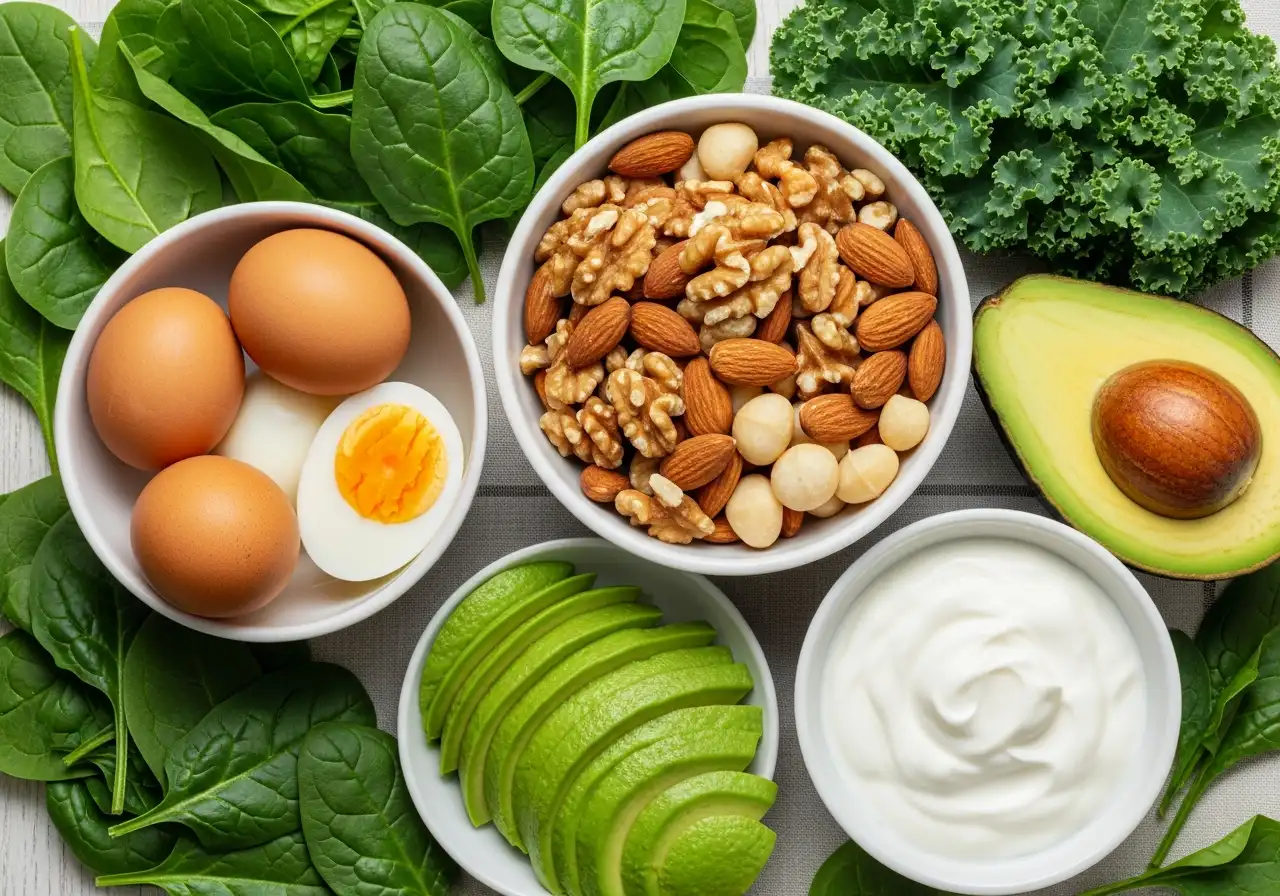
If you are in a rush and need to know what foods lower blood sugar immediately, focus on these zero-spike options:
- Leafy greens (spinach, kale, Swiss chard)
- Nuts (almonds, walnuts, macadamias)
- Eggs (boiled or scrambled)
- Avocado (sliced or mashed)
- Greek yogurt (plain and unsweetened)
These foods contain virtually no carbohydrates to spike your blood sugar further. Instead, they provide the necessary fat, protein, and fiber to help bring your current levels down faster by optimizing your body’s insulin response.
Can Foods Lower Blood Sugar Immediately?
It is crucial to understand that food works indirectly on your blood sugar, not instantly. When you eat a low-carb, high-fiber food, it does not act like a medication that forces glucose out of your bloodstream.
Instead, these specific foods help by slowing down the absorption of any remaining glucose in your digestive tract. They also improve your cellular insulin sensitivity, allowing your body to naturally clear the sugar from your blood more efficiently.
Furthermore, eating the right foods prevents further post-meal spikes, creating a stable environment for your body to recover.
Medical Warning: If you are experiencing dangerously high blood sugar (hyperglycemia) with symptoms like extreme thirst, confusion, or blurred vision, medical treatment is required. Food is not a substitute for emergency medical care or prescribed insulin.
Top 10 Foods That Help Lower Blood Sugar Quickly
To effectively manage a glucose spike, you need foods that are rich in fiber, healthy fats, and protein. Here is a detailed breakdown of the top ten fast-acting options.
Leafy Greens for Magnesium
Leafy greens like spinach, kale, and collard greens are nutritional powerhouses for blood sugar management. They are incredibly low in digestible carbohydrates, meaning they will not contribute to your glucose load.
More importantly, they are exceptionally high in magnesium, a crucial mineral for metabolic health. Magnesium has been scientifically shown to improve insulin sensitivity, allowing your cells to utilize circulating sugar more effectively.
Toss a handful of raw spinach with a light olive oil dressing for a quick, blood-sugar-stabilizing snack.
Avocado for Healthy Fats
Avocados are uniquely suited for blood sugar control because they are packed with monounsaturated fats and dietary fiber. This combination acts as a powerful buffer in your digestive system.
When you consume avocado, the healthy fats significantly slow down gastric emptying. This delays the absorption of any lingering sugars in your stomach, preventing subsequent spikes.
Eating half an avocado with a pinch of sea salt is an excellent, fast-acting option when your numbers are running high.
Eggs for Zero-Carb Protein
Eggs are one of the most accessible and effective foods for stabilizing blood sugar. A large egg contains roughly 6 to 7 grams of high-quality protein and almost zero carbohydrates.
Protein takes longer to digest than carbohydrates, which helps keep your blood sugar perfectly stable while keeping you full.
Having hard-boiled eggs on hand in your fridge is a smart strategy for a quick, emergency snack to halt a glucose spike.
Nuts (Almonds and Walnuts)
Tree nuts, specifically almonds and walnuts, are an ideal snack for metabolic stability. They offer a potent combination of plant-based protein, dietary fiber, and healthy fats.
Research shows that consuming tree nuts can significantly reduce post-meal glucose spikes. Walnuts, in particular, provide omega-3 fatty acids that help reduce systemic inflammation linked to insulin resistance.
Keep your portion to about a handful (one ounce) to get the benefits without overloading on calories.
Unsweetened Greek Yogurt
Plain, unsweetened Greek yogurt is a fantastic tool for blood sugar management. Unlike regular yogurt, the straining process removes most of the whey and lactose, leaving a high-protein, low-carb food.
The high protein content supports stable glucose levels, while the probiotics promote a healthy gut microbiome, which is increasingly linked to better insulin regulation.
Make sure to double-check the label to ensure absolutely no added sugars or fruit purees are included.
Fatty Fish for Omega-3s
While you might not cook a salmon fillet in a moment of panic, fatty fish is incredible for quick metabolic recovery. Salmon, sardines, and mackerel are rich in EPA and DHA omega-3 fatty acids.
These specific fats are known to reduce inflammation and improve the way your cells respond to insulin.
Keeping canned sardines or wild-caught salmon pouches in your pantry provides a rapid, zero-carb protein source to steady your numbers.
Beans and Lentils
Beans and lentils are carbohydrates, but they are incredibly complex and packed with soluble fiber. This type of fiber forms a gel-like substance in your gut, severely slowing down digestion.
Because of this slow digestion rate, the glucose from legumes enters your bloodstream at a slow, steady trickle rather than a flood.
A small portion of black beans or lentil soup can actually help stabilize a volatile blood sugar reading.
Antioxidant-Rich Berries
If you are craving something sweet but need to manage your blood sugar, berries are your safest bet. Blueberries, strawberries, and raspberries have a very low glycemic index compared to other fruits.
They are rich in fiber and packed with antioxidants called anthocyanins. These compounds have been shown to inhibit certain digestive enzymes, slowing down carbohydrate breakdown.
A half-cup of raspberries offers a safe way to satisfy a craving without a massive insulin spike.
Whole Grains (Oats and Quinoa)
Like beans, whole grains like steel-cut oats and quinoa contain slow-release carbohydrates. They have not been stripped of their bran and germ, meaning the fiber is intact.
This intact fiber prevents the sharp glucose spikes associated with refined grains like white bread or white rice.
If you must eat carbs while your sugar is high, a small portion of quinoa is vastly superior to highly processed alternatives.
Apples with Skin
Apples are an excellent fruit choice for blood sugar management, provided you leave the skin on. The skin contains a specific type of soluble fiber called pectin.
Pectin slows down the absorption of sugar in your digestive tract and feeds beneficial gut bacteria.
To make an apple even more blood-sugar-friendly, pair it with a tablespoon of natural peanut butter to add stabilizing fat and protein.
What Brings Blood Sugar Down Immediately?
If you are looking for the absolute fastest combination to bring your numbers down, food alone is not enough. You need a multi-pronged approach.
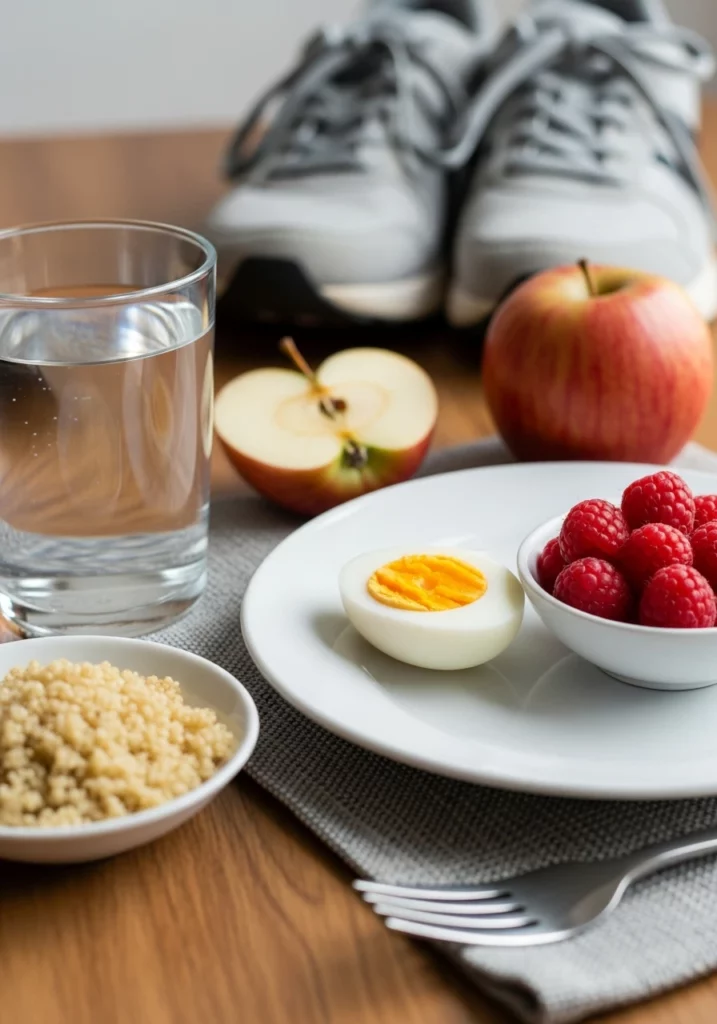
The fastest natural combination is water + a low-carb food + light movement. First, hydrate aggressively to help your kidneys flush out excess sugar. Second, eat a zero-carb snack like a hard-boiled egg to stabilize hunger. Finally, take a brisk 15-minute walk to force your muscles to use the circulating glucose for immediate energy.
What to Drink to Lower Blood Sugar Immediately
Beverages can actually impact your blood sugar faster than solid foods because they bypass the mechanical digestion process in the stomach.
- Water: This is the ultimate blood sugar reducer. When glucose is high, your body tries to flush it out via urine. Drinking plenty of water supports your kidneys in this process and prevents dehydration.
- Green Tea: Unsweetened green tea contains polyphenols and antioxidants like EGCG, which have been shown to temporarily improve insulin sensitivity.
- Apple Cider Vinegar (Diluted): Taking 1-2 tablespoons of ACV diluted in a large glass of water can slow stomach emptying and improve muscle glucose uptake. Never drink it undiluted, as it can damage tooth enamel.
How to Lower Blood Sugar Quickly With Foods
If you are experiencing a spike, you need a tactical plan. Follow this step-by-step method to lower your blood sugar quickly using dietary choices.
First, immediately halt the intake of all carbohydrates and simple sugars. This stops the problem from escalating.
Second, consume a snack consisting purely of protein and fiber, such as a handful of almonds or a slice of turkey breast.
Third, drink two large glasses of water. Finally, engage in 10 to 15 minutes of light physical activity, like pacing around your house or doing light chores, to activate your muscles.
What Foods Lower Blood Sugar Immediately at Home
You do not need fancy superfoods to manage a spike; your kitchen likely holds the answers. Quick home options are often the most effective because they are immediately accessible.
Reach for boiled eggs, which you should ideally keep pre-prepared in the fridge. A handful of mixed nuts from the pantry is another instant, no-prep option.
If you want something larger, make a quick green salad with spinach, cucumbers, and olive oil, strictly avoiding any sugary, store-bought dressings. Plain yogurt with a dash of cinnamon is also a highly effective home remedy.
Realistic Approach: Lowering Blood Sugar in Minutes
It is vital to set realistic expectations when trying to lower blood sugar naturally. While the internet is full of “instant cure” claims, human biology does not work that way.
Foods and hydration help stabilize and lower numbers within a 30 to 90-minute window. They are not truly “instant.”
Only fast-acting insulin can drop blood sugar in a matter of minutes. Be patient with your body, monitor your levels with a glucometer, and give your natural interventions an hour to take effect.
What Foods Lower Blood Sugar Overnight
Managing blood sugar while you sleep is crucial, especially for those who experience the “Dawn Phenomenon” (high morning blood sugar). Eating the right snack before bed can keep levels stable until morning.
The best nighttime foods are high in protein and healthy fats, with almost no carbs. A small serving of Greek yogurt or a handful of walnuts are perfect choices.
Alternatively, a few slices of an apple paired with natural, unsweetened peanut butter provide enough slow-digesting fiber and fat to prevent nighttime liver-glucose dumps.
What Is the One Fruit That Lowers Blood Sugar?
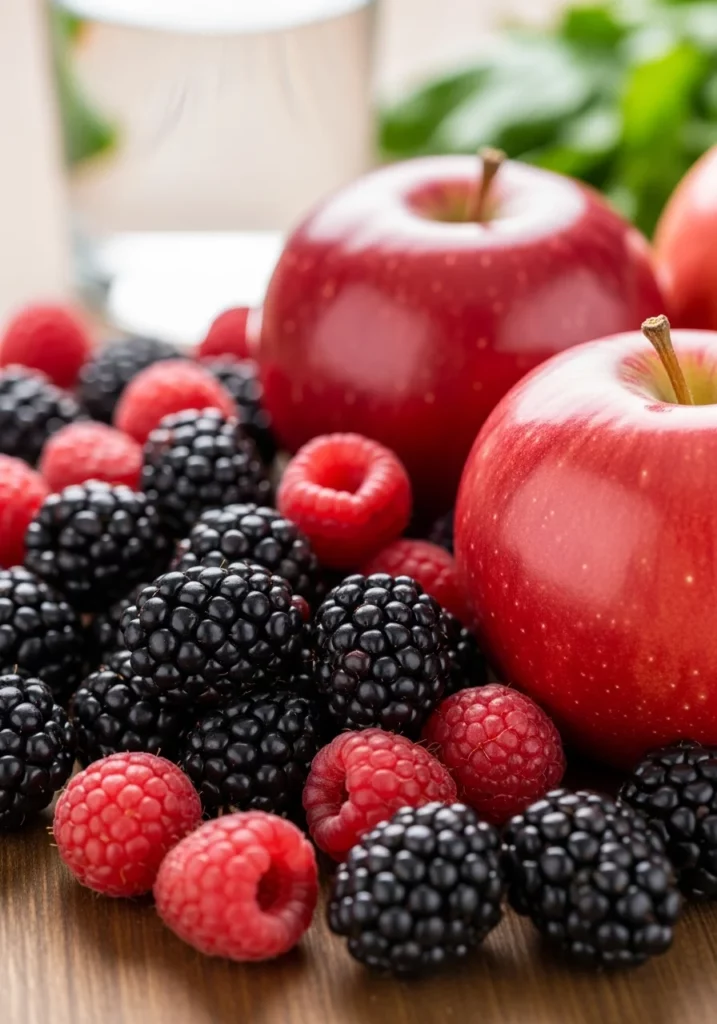
While no single fruit actively “lowers” blood sugar, the best fruits for maintaining stable levels are berries.
Berries, especially blackberries and raspberries, are incredibly high in fiber and low in total sugar content. Apples are a close second due to their high pectin content.
However, you must actively avoid high-sugar tropical fruits like mangoes, pineapples, or large quantities of grapes, as these will cause a rapid spike, regardless of their natural vitamin content.
How to Lower Blood Sugar Quickly in emergency
If your blood sugar levels are alarmingly high, you must treat the situation as a potential medical emergency.
First, drink at least 16 to 24 ounces of water immediately to assist your kidneys. Absolutely avoid consuming any additional carbohydrates or calories.
If you have been prescribed fast-acting insulin or other glucose-lowering medications by a doctor, take them exactly as directed. Sit down, monitor your levels every 15 minutes, and if they continue to climb or you feel ill, go to the nearest emergency room.
How to Lower Blood Sugar Naturally (Long-Term)
While emergency fixes are helpful, long-term stability should be the ultimate goal. Here are 15 evidence-based ways to lower blood sugar naturally over time.
- Eat low-GI foods: Focus on the glycemic index and choose foods that digest slowly.
- Exercise regularly: Building muscle increases your body’s natural glucose sink.
- Stay hydrated: Chronic dehydration concentrates blood sugar.
- Manage stress: Cortisol (the stress hormone) directly raises blood sugar levels.
- Get enough sleep: Poor sleep drastically reduces insulin sensitivity the next day.
- Lose excess weight: Even a 5% weight loss can dramatically improve insulin function.
- Eat more fiber: Aim for 30-40 grams of dietary fiber daily.
- Limit processed foods: Packaged foods are often loaded with hidden sugars.
- Avoid sugary drinks: Liquid sugar is the fastest way to spike glucose.
- Monitor blood sugar: You cannot manage what you do not measure.
- Eat smaller meals: Prevent massive post-meal spikes by eating less more often.
- Include protein: Never eat a naked carbohydrate; always pair it with protein.
- Reduce refined carbs: Swap white flour and white rice for whole alternatives.
- Add healthy fats: Olive oil, avocados, and nuts should be daily staples.
- Stay consistent: Metabolic health is built on daily habits, not weekend detoxes.
What NOT to Eat
When trying to lower blood sugar, knowing what to avoid is just as important as knowing what to eat.
You must strictly avoid sugary snacks, candies, and baked goods, as these provide an immediate payload of glucose to your bloodstream. White bread, white rice, and traditional pasta should also be avoided, as they digest almost as quickly as pure table sugar.
Most importantly, eliminate soda, sweetened teas, and commercial fruit juices; liquid carbohydrates bypass digestion and spike blood sugar violently and rapidly.
How These Foods Work
Understanding the mechanics of these foods helps you make better dietary choices. Fast-acting, stabilizing foods work primarily by improving insulin sensitivity at the cellular level.
When you consume healthy fats and dense proteins, they physically slow down the rate at which your stomach empties its contents into the intestines.
This slow digestion reduces the severity of glucose spikes, turning what would be a massive blood sugar mountain into a gentle, rolling hill that your body can easily manage.
Frequently Asked Questions
What foods lower blood sugar immediately?
No food lowers blood sugar instantly, but low-carb, high-fiber foods like leafy greens, almonds, and hard-boiled eggs can rapidly stabilize your levels by slowing digestion.
What brings blood sugar down quickly?
The fastest non-medical way to bring blood sugar down is a combination of drinking a large glass of water, eating a zero-carb snack, and taking a 15-minute brisk walk.
What is the best drink to lower blood sugar?
Plain water is the safest and fastest option, as it helps your kidneys flush out excess glucose. Unsweetened green tea and diluted apple cider vinegar are also highly effective.
How to lower blood sugar quickly in type 2 diabetes?
For individuals with Type 2 diabetes, the fastest approach involves strict hydration, immediately halting carbohydrate intake, light physical exercise, and administering prescribed medication if necessary.
What foods lower blood sugar overnight?
To maintain stable blood sugar while sleeping, opt for protein-rich, low-carb snacks before bed, such as a handful of walnuts, a scoop of unsweetened Greek yogurt, or an apple slice with peanut butter.
The Expert Conclusion
If your blood sugar is running high, it is easy to feel overwhelmed. However, you have powerful tools at your disposal in your kitchen.
By focusing on low-carb, high-protein foods, staying aggressively hydrated, and moving your body, you can naturally and effectively bring your numbers back into a safe range.
Remember food is an incredible tool for supporting blood sugar control and preventing spikes, but it is not a cure for acute diabetic emergencies. Medical treatment is always essential for dangerously high levels.
Medical Disclaimer: This content is for informational and educational purposes only and does not replace professional medical advice, diagnosis, or treatment. Always consult your healthcare provider or endocrinologist before making sudden changes to your diet or diabetes management plan.
Authoritative Medical References:
- Magnesium and Type 2 Diabetes (Peer-Reviewed Study)
- The Improvement Effect of Apple Cider Vinegar on Blood Glucose (Peer-Reviewed Clinical Trial)
- Diabetes Diet: Create Your Healthy-Eating Plan (Mayo Clinic)
- Prediabetes Diet Guidelines (Johns Hopkins Medicine)
- Diabetes Basics & Healthy Eating (Centers for Disease Control and Prevention – CDC)