To reduce blood sugar levels immediately, drink water to stay hydrated and help flush excess glucose from the body. If prescribed, take your correctional insulin dose exactly as directed. A short walk after checking for ketones may also help lower glucose naturally. Avoid sugary foods and monitor your levels closely. Seek medical help if readings stay above 300 mg/dL.
Learning how to reduce blood sugar levels immediately can feel stressful when your glucose monitor suddenly displays a high reading. Whether you live with Type 1 diabetes, Type 2 diabetes, or prediabetes, rapid spikes can trigger anxiety and confusion about what to do next. According to the World Health Organization, more than 422 million people worldwide are affected by diabetes, making safe glucose management an essential part of daily health care.
The good news is that several evidence-based strategies may help lower blood sugar levels quickly and safely. Simple actions such as drinking water, stopping additional carbohydrate intake, taking prescribed insulin correctly, and engaging in light physical activity can help bring glucose levels down faster. However, the right approach depends on how high your reading is and whether symptoms like dizziness, nausea, or ketones are present.
As a health writer, Christina Ross recently shared the story of Robert, a patient whose blood sugar climbed to 280 mg/dL after a large family dinner. By hydrating, walking briefly, and monitoring his levels closely, he was able to safely lower his glucose within the hour.
What Is High Blood Sugar (Hyperglycemia)?
High blood sugar, medically known as hyperglycemia, occurs when glucose builds up in your bloodstream faster than your body can process it. This happens when your cells resist insulin, your pancreas produces too little of it, or you consume too many carbohydrates at once.
Understanding what high blood sugar is is the first step toward managing it. A fasting reading above 130 mg/dL or a post-meal reading above 180 mg/dL is generally considered elevated for people with diabetes. According to the Mayo Clinic, untreated hyperglycemia damages blood vessels, nerves, and organs over time.
Common triggers include stress, illness, missed medications, carbohydrate-heavy meals, and lack of physical activity. Recognizing these patterns puts the control firmly back in your hands.
Why Is Reducing Blood Sugar Immediately Important?
Acting fast when blood sugar climbs protects your body from immediate and long-term damage. The American Diabetes Association confirms that prolonged hyperglycemia directly damages your kidneys, nerves, eyes, and cardiovascular system.
Even a single severe spike can disrupt your body’s metabolic balance for hours. That is why high blood sugar symptoms — such as extreme thirst, blurry vision, or fatigue — should never be dismissed. Learning to act immediately reduces your risk of serious complications like diabetic ketoacidosis (DKA) and hyperosmolar hyperglycemic state (HHS).
Beyond physical harm, uncontrolled spikes create dangerous emotional anxiety. Taking swift, effective action restores your confidence and well-being.
How Can I Bring My Blood Sugar Down Right Now?
When your glucose monitor flashes a high number, the first instinct may be to panic. However, stress hormones like cortisol actually force your liver to dump more sugar into your blood, making the situation worse.
The fastest approach combines immediate hydration, light physical movement, and carbohydrate restriction. According to the Cleveland Clinic, drinking water and walking are among the most effective first-line responses to a mild-to-moderate spike.
Here is your immediate action checklist:
- Drink 16–20 oz of pure water—dilutes blood glucose and triggers kidney flushing
- Take a brisk 15-minute walk—forces muscles to burn circulating glucose
- Stop all carbohydrate intake—switch to lean protein and leafy greens immediately
- Take prescribed rapid-acting insulin—only if your doctor has approved a correction dose
- Practice 5 minutes of deep breathing — lowers cortisol and stops liver glucose release
Fastest Ways to Lower Blood Sugar Immediately
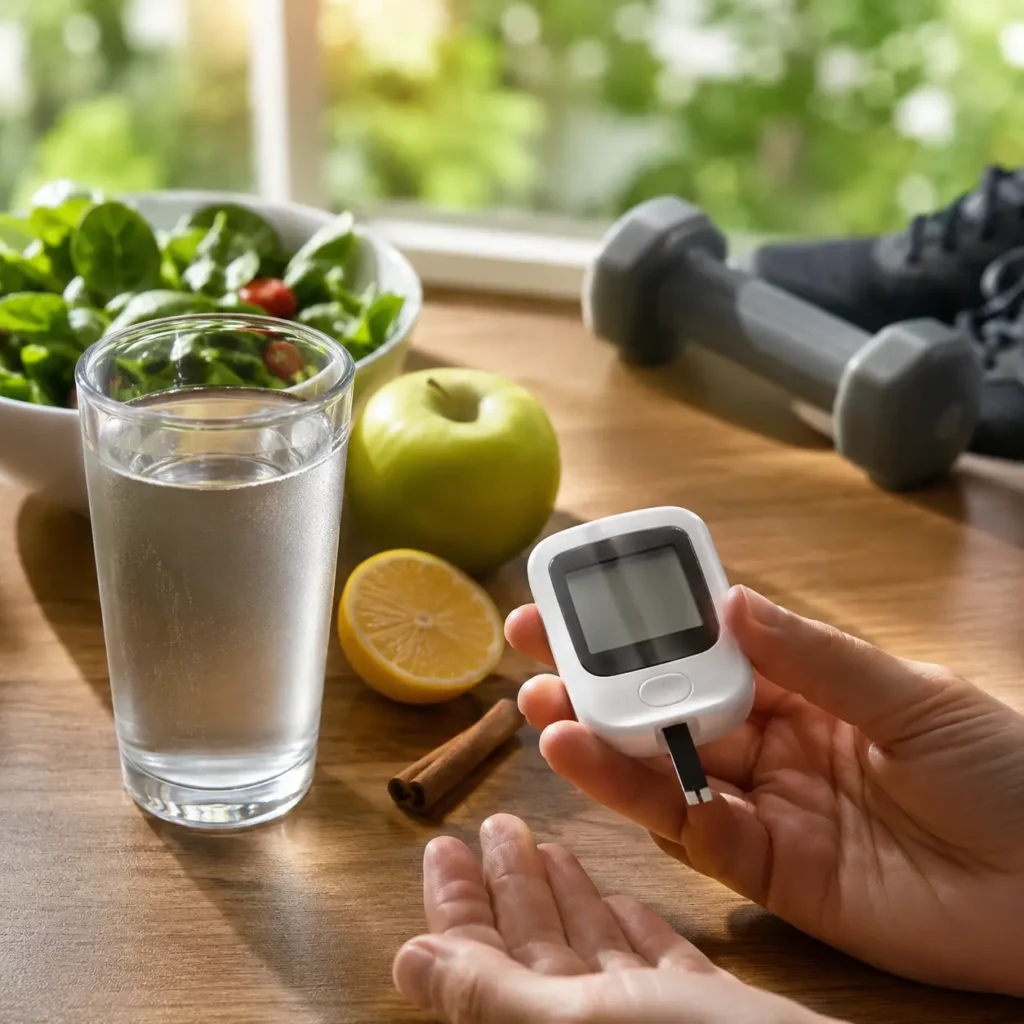
If you want to know how to reduce your blood sugar level immediately, the key is triggering your body’s own metabolic responses strategically.
Drink Water Immediately
Drinking two large glasses of water is the single fastest passive step you can take. Water dilutes the sugar concentration in your blood and signals your kidneys to excrete excess glucose through urine. The National Health Service recommends staying well-hydrated as a cornerstone of daily glucose management.
Aim for plain, filtered water. Avoid fruit juices, sports drinks, or sodas — these all spike glucose further.
Exercise and Physical Movement
Exercise is the most powerful natural tool available. When your muscles contract during a brisk walk, light jog, or bodyweight exercise, they pull circulating glucose inside their cells for fuel — completely bypassing insulin resistance.
A 15–20 minute walk has been shown to reduce blood sugar by 20–40 mg/dL in many individuals. To learn more about building this habit, explore the best exercises for diabetes as a long-term strategy.
Stop Eating Carbohydrates
Every gram of carbohydrate you consume raises your blood sugar. When levels are already elevated, continuing to eat starchy foods, fruit, or sugary beverages pours fuel on the fire.
Switch immediately to foods with a near-zero glycemic impact: hard-boiled eggs, grilled chicken, raw nuts, or leafy green vegetables. Understanding what foods lower blood sugar immediately is critical knowledge for these urgent moments.
How to Reduce Blood Sugar Level Immediately Without Insulin
For those with prediabetes or Type 2 diabetes managed through diet and lifestyle alone, insulin is not an available option. That makes behavioral tools even more important.
The MedlinePlus guidelines emphasize that hydration, stress reduction, and physical activity are effective non-pharmacological interventions for mild hyperglycemia.
Key strategies include the following:
- Deep breathing exercises — activate the parasympathetic nervous system, lowering cortisol
- Cold water on wrists or neck — a mild stress-reduction technique that calms the nervous system response
- Cinnamon tea — contains compounds that loosely mimic insulin activity in cells
- Apple cider vinegar water—one tablespoon in a large glass of water slows gastric emptying
If you are exploring natural remedies for prediabetes, these same tools form the foundation of a powerful daily routine.
How to Reduce Blood Sugar Level Immediately for Type 2 Diabetes
Type 2 diabetes operates differently from Type 1. Your pancreas still produces insulin, but your cells stubbornly resist its effects. The goal, therefore, is to break that insulin resistance quickly.
Exercise is uniquely powerful here. Muscle contractions open a separate cellular pathway—independent of insulin—that pulls glucose inside. This is why a 20-minute walk produces measurable results even when medications feel insufficient.
According to the Harvard T.H. Chan School of Public Health, the quality and timing of carbohydrate intake profoundly affect post-meal glucose spikes in people with type 2 diabetes. Choosing a low-carb diet for diabetics as your baseline eating pattern dramatically reduces the frequency of these emergencies.
Foods That Lower Blood Sugar Quickly
No food directly “erases” glucose from your bloodstream, but certain foods slow digestion, reduce further absorption, and stabilize your metabolic response. When your numbers are elevated, your next meal choice is critical.
Best Foods to Eat When Blood Sugar Is High
When patients ask how to reduce their blood sugar level immediately with food, Christina Ross provides this evidence-backed clinical list:
Leafy Green Vegetables — Spinach, kale, and broccoli are fiber-dense and have a nearly zero glycemic index. They physically slow your stomach’s emptying process. Pairing these with foods to include in a diabetic diet helps build a protective eating pattern.
Raw Nuts and Seeds — Almonds, walnuts, and chia seeds are rich in healthy fats and protein. They produce virtually no glucose response and keep you satiated without adding to your spike.
Lean Protein Foods — Hard-boiled eggs, grilled chicken, or baked tofu stabilize your metabolic system and prevent post-meal glucose crashes. The American Diabetes Association highlights lean protein as a cornerstone of every glucose-stabilizing meal.
Avocados — Loaded with monounsaturated fats, half an avocado can measurably improve insulin sensitivity within hours of consumption.
Cinnamon contains bioactive compounds, including cinnamaldehyde, which may mimic insulin’s cellular effects. Add it to warm water or plain Greek yogurt.
Whenever blood sugar runs high, completely avoid rice, potatoes, white bread, pasta, and tropical fruits. Build a small, emergency meal using only the low-carb proteins and vegetables above.
Best Drinks to Lower Blood Sugar Quickly
Hydration is a massively underrated tool in glucose management. When blood sugar spikes, your blood becomes thick and viscous—increasing the burden on every organ in your body.
Plain Water — Always the best first choice. Drinking 16–20 oz immediately dilutes blood sugar and forces kidney excretion. Learn more about what to drink to lower blood sugar immediately for an expanded breakdown.
Unsweetened Green Tea—Contains powerful antioxidant compounds called EGCG catechins. These naturally improve cellular insulin sensitivity. The Cleveland Clinic acknowledges antioxidant-rich beverages as a supportive component of glucose management.
Apple Cider Vinegar Water—One tablespoon of raw, unfiltered ACV in a large glass of water drastically slows gastric emptying after meals. This blunts the glucose spike from any food you have already consumed.
Cinnamon Tea — Steep one cinnamon stick in hot water for 10 minutes. Drink it unsweetened. The bioactive compounds support cellular glucose uptake.
Always avoid: fruit juice, sweetened teas, energy drinks, regular soda, and sports drinks. These dramatically worsen spikes, even in small amounts.
Home Remedies to Reduce Blood Sugar Immediately
Beyond diet and exercise, several traditional remedies provide excellent supportive care during a spike. When exploring how to control high blood sugar at home, always remember these methods complement — never replace — prescribed medications.
Deep Breathing Practice — Sitting quietly and practicing slow, diaphragmatic breathing for 10 minutes lowers circulating cortisol. This directly stops your liver from releasing emergency glucose stores. Techniques like this are explored in detail in stress management techniques for diabetics.
Cinnamon Tea — As noted above, cinnamon’s bioactive compounds mildly improve insulin sensitivity. A warm, unsweetened cup during a spike offers gentle metabolic support.
Bitter Melon Juice — A traditional remedy in Asian and Caribbean medicine, small amounts of bitter melon juice have shown modest blood sugar-lowering effects in preliminary research from the National Institutes of Health.
Fenugreek Seed Water — Soaking fenugreek seeds overnight and drinking the water in the morning may help slow glucose absorption due to its high soluble fiber content.
Cold Water Splash—Splashing cold water on your face or wrists briefly activates your body’s calming response, helping reduce the stress hormone surge that worsens spikes.
High Blood Sugar Emergency: What to Do
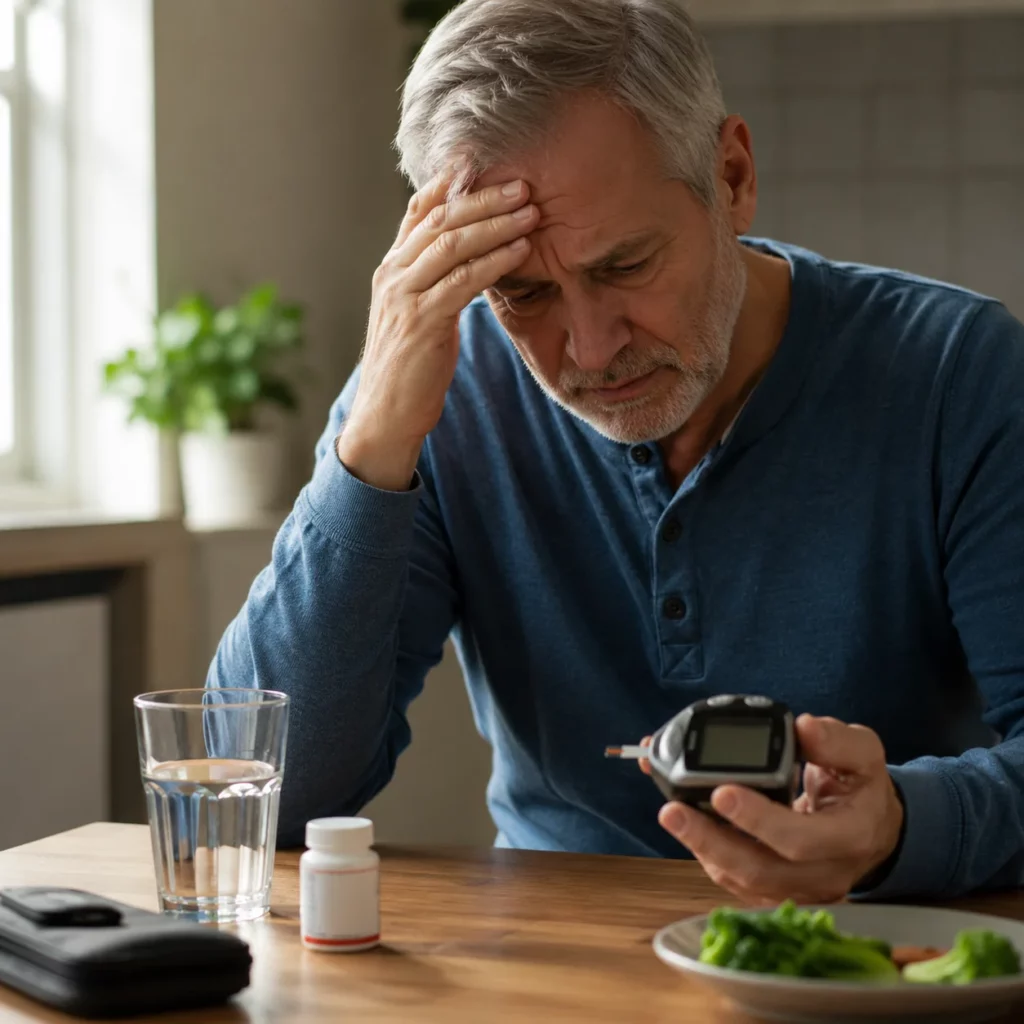
Sometimes numbers climb too high for lifestyle steps alone. You must know exactly when home remedies are insufficient and professional care is urgently required.
Above 250 mg/dL: Check your urine for ketones immediately using an over-the-counter test strip. If ketones are moderate to high, do not exercise — physical activity with ketones can drive glucose dangerously higher. Drink large amounts of water and administer prescribed rapid-acting insulin if available.
Above 300 mg/dL: This is a severe warning sign. Organs begin experiencing acute metabolic stress. Contact your healthcare provider immediately. Learn more about what level of blood sugar is dangerous for a complete clinical breakdown.
Above 600 mg/dL: This represents a potential Hyperosmolar Hyperglycemic State (HHS)—a life-threatening emergency. Call emergency services immediately. Symptoms include extreme confusion, severe dehydration, rapid shallow breathing, and a fruity odor on the breath. According to MedlinePlus, HHS carries a significant mortality risk without prompt hospital treatment.
The Centers for Disease Control and Prevention also warns that untreated diabetic ketoacidosis (DKA)—signaled by moderate-to-high ketones alongside elevated blood sugar—requires immediate emergency care.
Normal Blood Sugar Levels Chart
Tracking your daily numbers ensures you stay within a safe, healthy range. Below is a standard reference chart for typical adults.
| Time of Test | Normal (Without Diabetes) | Target (With Diabetes) |
|---|---|---|
| Fasting (Before Meals) | Under 100 mg/dL | 80–130 mg/dL |
| 2 Hours After Eating | Under 140 mg/dL | Under 180 mg/dL |
| Bedtime | 100–140 mg/dL | 100–140 mg/dL |
For a detailed breakdown with age-specific targets, consult the blood sugar levels guide.
High Blood Sugar Treatment Options
When lifestyle changes are not enough, medical treatment becomes essential. Because diabetes is a progressive condition, combining professional care with daily habits produces the best long-term outcomes.
Oral Medications — Metformin remains the globally preferred first-line drug. It prevents the liver from releasing excess glucose and improves cellular insulin sensitivity. It is safe, affordable, and widely prescribed. To understand more about diabetes medications, review the comprehensive treatment guide.
Insulin Therapy — When the pancreas cannot produce enough insulin, injections become necessary. Modern pens are precise and relatively painless. Long-acting basal insulin controls morning fasting numbers, while rapid-acting doses handle post-meal spikes.
GLP-1 Receptor Agonists — Medications like Ozempic (semaglutide) slow digestion, reduce appetite, and protect cardiovascular health. Understanding how Ozempic works helps patients make informed decisions with their doctors.
SGLT-2 Inhibitors—Drugs like Farxiga cause the kidneys to excrete excess glucose directly through urine. They also reduce blood pressure and protect kidney function. Learn more about Farxiga for diabetes.
Always follow your doctor’s prescribed treatment plan. Natural strategies amplify — but never replace — medically indicated therapies.
Vitamins and Supplements That Support Blood Sugar Control
Many patients want to optimize metabolic health through targeted supplementation. These nutrients do not cure diabetes, but they support the cellular functions that regulate glucose.
Vitamin D deficiency impairs pancreatic beta-cell function and insulin secretion. Supplementing normal levels visibly improves insulin production in many people with prediabetes.
Magnesium — This essential mineral acts as a cofactor in over 300 enzymatic reactions, including insulin receptor signaling. Low magnesium is strongly associated with insulin resistance.
Chromium — A trace mineral that enhances insulin’s binding capacity at the cellular receptor level. Reduces carbohydrate cravings significantly.
Vitamin B12 — Critical for nerve health. Metformin blocks B12 absorption, so supplementation is often necessary for long-term users.
Alpha-Lipoic Acid (ALA) — A potent antioxidant that reduces oxidative stress in blood vessels and significantly reduces diabetic neuropathy pain. Explore diabetic neuropathy treatment for a fuller picture of nerve health management.
Berberine — A plant-derived compound with published research showing glucose-lowering effects comparable to low-dose metformin in some studies.
Frequently Asked Questions
How can I bring my blood sugar down right now?
Drink 16–20 oz of plain water immediately to dilute blood glucose and prompt kidney excretion. Then take a brisk 15-minute walk, which forces your leg muscles to burn circulating glucose directly for energy. Stop all carbohydrate intake and, if your doctor has prescribed a correction dose of rapid-acting insulin, take it as directed. These four combined steps produce measurable results within 30–60 minutes.
What foods lower blood sugar immediately?
No single food “erases” glucose instantly, but leafy greens, raw almonds, hard-boiled eggs, and avocado are the best choices when blood sugar is elevated. These foods are very low on the glycemic index, high in fiber and protein, and slow your digestion to prevent further glucose absorption. Avoid all starchy foods, fruit, bread, and sugary items until your numbers stabilize safely.
What is the best drink to lower blood sugar?
Plain filtered water is always your safest and most effective first-line drink. Drinking two large glasses immediately dilutes blood glucose and stimulates kidney flushing. Unsweetened green tea and apple cider vinegar water (one tablespoon in a large glass) are strong secondary options. Always avoid juice, soda, sports drinks, and sweetened tea, as these worsen spikes dramatically.
What is a dangerous blood sugar level?
Any reading consistently above 250 mg/dL requires your immediate attention and action. Levels crossing 300 mg/dL represent a severe medical warning sign, as organs begin experiencing stress. A reading above 600 mg/dL signals a potentially fatal Hyperosmolar Hyperglycemic State (HHS) and requires emergency hospital care. If you feel confused, severely dehydrated, or smell a fruity odor on your breath, call emergency services without delay.
Are there safe home remedies to reduce blood sugar?
Yes—several evidence-backed home strategies help during a mild-to-moderate spike. Deep breathing exercises lower cortisol, stopping your liver from releasing additional glucose. Warm, unsweetened cinnamon tea provides mild insulin-mimicking compounds. Staying well-hydrated and doing light physical movement amplifies your body’s natural glucose clearance. However, home remedies are always supportive—never a substitute for prescribed medical treatment.
Conclusion
Experiencing a sudden blood sugar spike is frightening, but you are never powerless. By learning exactly how to reduce blood sugar level immediately — through hydration, movement, dietary adjustment, and smart stress management—you protect your body from serious short- and long-term damage.
Always remember: natural and immediate strategies are powerful first responders, but they never replace your prescribed medical care. If your numbers remain dangerously elevated or you experience confusion, nausea, or severe dehydration, seek emergency care without hesitation.
The most lasting protection comes from prevention. Building sustainable daily habits—the best breakfast for diabetics, regular movement, and close collaboration with your doctor—keeps emergencies rare and your health firmly in your control.
Authoritative References
- Centers for Disease Control and Prevention. (2025). Preventing Diabetic Ketoacidosis. https://www.cdc.gov/diabetes/about/diabetic-ketoacidosis.html
- American Diabetes Association. (2025). Low Blood Glucose (Hypoglycemia). https://diabetes.org/living-with-diabetes/treatment-care/hypoglycemia
- Mayo Clinic. (2025). Hyperglycemia in Diabetes. https://www.mayoclinic.org/diseases-conditions/hyperglycemia/symptoms-causes/syc-20373631
- Mayo Clinic. (2025). Diabetic Ketoacidosis. https://www.mayoclinic.org/diseases-conditions/diabetic-ketoacidosis/symptoms-causes/syc-20371551
- Cleveland Clinic. (2025). Hyperglycemia (High Blood Sugar). https://my.clevelandclinic.org/health/diseases/9815-hyperglycemia-high-blood-sugar
- Cleveland Clinic. (2025). Hypoglycemia (Low Blood Sugar). https://my.clevelandclinic.org/health/diseases/11647-hypoglycemia-low-blood-sugar
- Harvard T.H. Chan School of Public Health. (2025). Carbohydrates and Blood Sugar. https://nutritionsource.hsph.harvard.edu/carbohydrates/carbohydrates-and-blood-sugar
- World Health Organization. (2025). Diabetes. https://www.who.int/news-room/fact-sheets/detail/diabetes
- MedlinePlus. (2025). Diabetic Hyperglycemic Hyperosmolar Syndrome. https://medlineplus.gov/ency/article/000304.htm
- National Health Service. (2025). Hyperglycemia (High Blood Sugar). https://www.nhs.uk/conditions/high-blood-sugar-hyperglycaemia/