

Receiving a metabolic diagnosis changes how you view your everyday schedule. Establishing a reliable daily routine for diabetes patients is one of the most effective ways to reclaim your health. Many newly diagnosed individuals feel completely overwhelmed by the sudden need to monitor their habits so closely.
However, structure is your greatest clinical ally when fighting cellular insulin resistance. By truly understanding what is diabetes, you realize you no longer have the luxury of living on autopilot, but this newfound vigilance directly protects your long-term vitality.
By building predictable habits around your meals, exercise, and sleep, you give your pancreas a predictable environment. This guide will help you construct a science-backed schedule that minimizes dangerous glucose spikes.
We will explore everything from morning monitoring protocols to a full weekly meal plan. Let us dive into the actionable steps you can take to master your metabolic health today.
TL;DR: Quick Overview
- A daily routine for diabetes patients requires consistent blood sugar monitoring and structured meal timing.
- Regular physical activity and medication adherence are essential pillars of daily metabolic control.
- Following a structured 7-day diabetic meal plan prevents unexpected post-meal glucose spikes.
- Proper sleep hygiene and active stress management significantly improve your baseline insulin sensitivity.
What Is a Daily Routine for Diabetes Patients?
A diabetic patient daily routine is a highly structured schedule that integrates critical health behaviors into your everyday life. It removes the chaotic guesswork from your diet, your physical activity, and your medication timing.
Instead of reacting to high or low blood sugar, this routine helps you proactively manage your metabolic state. It involves eating at similar times each day to match your body’s natural insulin release.
Furthermore, diabetes and diabetes management require you to treat your sleep and stress reduction as medical necessities. This intentional framework ensures your body always knows what to expect.
Why Routine Matters for Blood Sugar Control

The Centers for Disease Control and Prevention emphasizes that consistency directly stabilizes your internal glucose levels. When you eat and exercise at erratic times, your endocrine system struggles to keep up with the changing demands.
This constant physiological confusion leads to dangerous spikes and rapid crashes in your bloodstream. Over time, these massive metabolic fluctuations cause severe damage to your delicate blood vessels and nerve endings.
A strict routine prevents this cardiovascular damage by helping you maintain normal blood sugar levels throughout the day. Predictability allows your prescription medications and natural insulin to work at peak efficiency.
Diabetic Morning-to-Night Routine
Creating a successful diabetic morning-to-night routine requires intentional planning from the moment you wake up. This diabetic day-to-night routine ensures continuous protection for your organs.
Morning Routine
Your morning sets the metabolic tone for the rest of the day. You should always start by checking your fasting blood sugar using a reliable blood sugar monitor immediately after waking up.
If your doctor has prescribed oral medications or insulin, take them exactly as directed based on your morning reading. After managing your medical needs, consume a balanced breakfast rich in lean protein and complex fiber.
A high-protein breakfast prevents mid-morning energy crashes and sets a steady glucose baseline. Drink a large glass of water to hydrate your kidneys and flush out overnight toxins.
Afternoon Routine
Your midday schedule must prioritize sustained energy without heavy carbohydrate loads. Enjoy a healthy, low-glycemic lunch that focuses on leafy greens and lean meats.
Avoid heavy, processed carbohydrates that will induce a massive afternoon energy slump. Following your meal, try to incorporate a brisk ten to twenty-minute walk.
This short burst of physical activity physically pulls glucose from your bloodstream into your leg muscles. It is a highly effective way to blunt the glycemic impact of your lunch.
Evening Routine
As your day winds down, your metabolism naturally begins to slow. Your dinner should utilize strict portion control, focusing heavily on fibrous vegetables and healthy fats.
Engage in some light activity after eating, such as gentle stretching or household chores, to keep your blood flowing. You should also perform your evening blood sugar check to see how your body handled the day’s food. Documenting this evening number helps you and your doctor spot problematic dietary trends over time.
Night Routine
A proper nighttime routine prepares your body for deep, restorative healing. If required by your healthcare provider, perform a final glucose check before getting into bed.
Take a few minutes to prepare your meals and medical supplies for the following day. This proactive step eliminates morning stress, which can artificially raise your waking cortisol levels. Finally, ensure your bedroom is cool and dark to promote optimal, uninterrupted sleep.
7-Day Diet Plan for Diabetic Patients
To achieve lasting control, you must execute a proper 7-day diet plan for diabetic patients. This detailed diabetic meal plan provides the necessary structure to keep your carbohydrates perfectly balanced.
Day 1: Establishing the Baseline
Start your week with a half-cup of steel-cut oats topped with walnuts and cinnamon for breakfast. For lunch, enjoy a grilled chicken salad with a light olive oil vinaigrette to stabilize your digestion. Dinner should feature baked salmon, a rich source of omega-3s, paired with steamed asparagus and a small portion of quinoa.
Plant-Forward Nutrition
Begin with two scrambled eggs and a slice of high-fiber whole-grain toast. Lunch can be a hearty bowl of lentil soup, which provides excellent slow-digesting complex carbohydrates. For your evening meal, prepare a turkey stir-fry using zucchini noodles instead of traditional pasta to lower the glycemic load.
Lean Proteins and Greens
Breakfast features plain Greek yogurt mixed with a handful of fresh blueberries and chia seeds. Midday, enjoy a tuna salad lettuce wrap with a side of crunchy celery sticks. Dinner consists of grilled lean flank steak paired with heavily roasted broccoli and a half-cup of brown rice.
Omega and Fiber Focus
Start with a spinach and feta cheese omelet cooked in a small amount of avocado oil. For lunch, a grilled chicken breast over mixed greens provides excellent satiety. Dinner includes baked cod with a side of roasted Brussels sprouts and a small baked sweet potato.
Low-Glycemic Comfort
Have a breakfast smoothie made with unsweetened almond milk, a scoop of clean protein powder, and spinach. Lunch is a portion of leftover baked cod and vegetables from the previous night. For dinner, make a ground turkey chili packed with kidney beans and diced tomatoes.
Weekend Stability
Enjoy a slightly larger breakfast of two poached eggs over a bed of sautéed spinach and mushrooms. Lunch features a quinoa salad mixed with cucumbers, cherry tomatoes, and chickpeas. Dinner is a grilled chicken kebab with bell peppers and onions, served with a side of cauliflower rice.
Preparation and Balance
Finish the week with a slice of whole-grain toast topped with mashed avocado and a sprinkle of hemp seeds. Lunch is a comforting bowl of vegetable minestrone soup with a side salad. For dinner, bake a lean pork tenderloin and serve it with steamed green beans and a small portion of wild rice.
Diabetic Diet Chart
Having a visual reference helps you make rapid decisions at the grocery store. This simple how to control diabetes food chart outlines what to prioritize and what to avoid.
| Food Category | Highly Recommended | Strictly Avoid |
| Carbohydrates | Steel-cut oats, quinoa, lentils | White bread, sugary cereals, pastries |
| Proteins | Skinless chicken, wild fish, tofu | Processed deli meats, deep-fried meats |
| Fats | Extra virgin olive oil, avocados, almonds | Trans fats, margarine, heavy cream |
| Vegetables | Broccoli, spinach, kale, bell peppers | Canned vegetables with heavy sodium |
| Beverages | Water, black coffee, unsweetened tea | Soda, fruit juices, sweet tea |
What to Drink to Lower Blood Sugar Immediately
When you see a high reading on your monitor, you might panic and wonder what to drink to lower blood sugar immediately. The absolute best and safest beverage is plain, filtered water.
When your glucose is high, your body attempts to flush the excess sugar through your urine. Drinking large amounts of water hydrates your kidneys and speeds up this natural excretion process.
Unsweetened green tea is another excellent option, as it contains zero carbohydrates and provides mild metabolic support. Some patients use diluted apple cider vinegar, though clinical evidence for immediate reduction remains limited. You must remember that beverages are never a safe substitute for prescribed fast-acting insulin.
What Foods Lower Blood Sugar Immediately
Patients frequently search for what foods lower blood sugar immediately after making a dietary mistake. The medical reality is that no food acts instantly to drop your glucose levels.
However, consuming specific foods can prevent the spike from getting any worse. Leafy greens and raw nuts contain massive amounts of fiber and healthy fats.
If you eat these foods during a spike, they physically slow down any remaining digestion in your stomach. This blunts the glycemic impact of whatever carbohydrates you previously consumed. For a rapid reduction, you must rely on light physical exercise rather than eating more food.
Lifestyle Changes for Type 2 Diabetes
Reversing cellular insulin resistance requires profound lifestyle changes for diabetes type 2. The most critical intervention, which forms the foundation of proper type 2 diabetes treatment, is achieving a sustained weight loss of five to ten percent of your total body mass.
Shedding visceral belly fat unburdens your liver and allows your pancreas to function efficiently again. You must also commit to daily cardiovascular exercise to keep your muscle tissues highly sensitive to insulin.
Furthermore, permanently reducing your intake of refined sugars and liquid calories is absolutely mandatory. These behavioral shifts address the root cause of the disease rather than just masking the symptoms.
Diabetic Lifestyle and Blood Sugar Control
Your overall diabetic lifestyle and blood sugar are intricately connected through your nervous system. Poor sleep quality drastically increases your cellular insulin resistance the very next morning.
When you are exhausted, your body produces excess cortisol, which signals your liver to dump stored glucose. Similarly, chronic emotional stress keeps your fight-or-flight hormones elevated, keeping your blood sugar artificially high.
Therefore, active stress management and strict sleep hygiene are just as important as your daily diet. A truly holistic lifestyle approach addresses your mental health alongside your physical metrics.
Health Education for Diabetes Patients
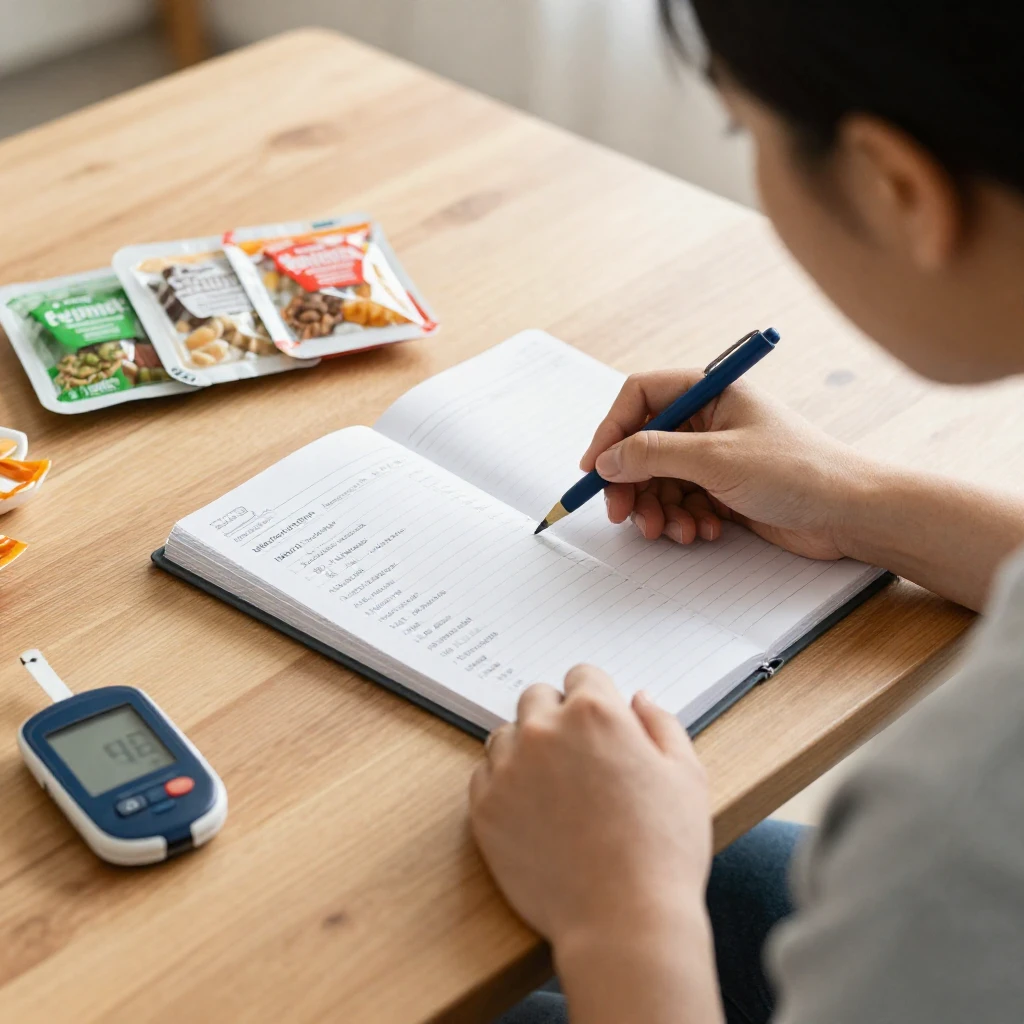
Knowledge is your strongest defense against progressive metabolic decline. Proper health education for diabetes patient programs teaches you how to decipher complex nutritional labels.
You learn how to spot hidden sugars and calculate net carbohydrates accurately. Education also empowers you to monitor your own glucose trends, utilize a proper blood sugar chart, and recognize the subtle low blood sugar symptoms.
Understanding the why behind your doctor’s orders drastically improves your daily medication adherence. Educated patients always achieve far better clinical outcomes than those who remain passive.
Examples of Diabetes Management
Looking at examples of diabetes management helps illustrate how these principles work in practice. Board-Certified MD David T. Broome notes in his clinical practice that patients who rigidly document their meals achieve stability much faster.
During a recent clinical interview, Dr. Broome reviewed a patient’s case where transitioning from sporadic, chaotic eating to a strict timeline lowered their HbA1c by over a full point. This patient utilized a combination of a low-glycemic diet, daily walking, and a low dose of Metformin.
Another scenario involves a newly diagnosed prediabetic patient who achieved full remission. By solely implementing a rigorous 7-day meal plan and resistance training, they avoided medication entirely. According to Dr. Broome’s clinical experience, success always depends on the patient’s willingness to build a sustainable daily routine.
Common Mistakes in Daily Diabetes Routine
Even highly motivated patients fall into traps that ruin their daily metabolic progress. Skipping breakfast is a massive mistake that usually leads to severe overeating later in the afternoon.
Another common error is living a highly sedentary lifestyle despite eating a clean, healthy diet. Your muscles must move daily to burn off the glucose floating in your bloodstream. Finally, relying on unproven herbal supplements as quick fixes instead of doing the hard behavioral work always leads to clinical failure.
Warning Signs Your Routine Needs Adjustment
Your body will constantly communicate with you if your current daily plan is failing. Consistently high fasting glucose levels in the morning indicate your liver is dumping sugar overnight.
If you experience profound, heavy fatigue every afternoon, your carbohydrate intake is likely too high. Furthermore, a sudden increase in daily thirst or frequent urination means your kidneys are struggling with excess sugar. Do not ignore these subtle physiological red flags; they mean you must pivot your strategy.
When to See a Doctor
While lifestyle routines are powerful, you must know when to escalate your care to a medical professional. Seek immediate help if your blood sugar remains consistently elevated despite strict dietary adherence.
If your daily physical symptoms worsen or you develop numbness in your feet, your nerves are taking damage. Additionally, if your prescribed medications cause severe low blood sugar episodes, your dosage needs an immediate adjustment. Never alter your pharmaceutical regimen without directly consulting your primary physician first.
Frequently Asked Questions
What is the best daily routine for diabetes patients?
A successful protocol heavily involves consistent diet, daily physical exercise, accurate monitoring, and strict medication adherence. Consistency is the primary mechanism that stabilizes your metabolic hormones.
What foods lower blood sugar quickly?
High-fiber and low-carbohydrate foods help stabilize your internal levels over time, rather than acting instantly. Raw almonds and spinach can slow down digestion, preventing further spikes.
What should a diabetic eat daily?
You should consume heavily balanced meals loaded with whole grains, lean proteins, and fibrous vegetables. Avoiding highly processed foods protects your delicate pancreatic beta cells.
Can a daily routine alone control diabetes?
A strong routine helps significantly and can sometimes induce remission in early-stage Type 2 patients. However, it may not safely replace prescribed insulin or medication for everyone.
What is the fastest way to lower blood sugar naturally?
The absolute fastest natural way to lower your reading is engaging in light physical activity like walking. Deep hydration with plain water also helps your kidneys excrete excess glucose.
Conclusion
Managing a chronic condition requires immense patience, but establishing a solid daily framework makes the journey significantly easier. As outlined in this guide, proper metabolic control relies heavily on consistency rather than perfection. You do not need to execute every single day flawlessly to see long-term clinical improvements.
Instead, focus on building sustainable habits that support your body’s natural insulin function over time. From your morning fasting checks to your evening meals, each small decision compounds into massive health benefits. By adhering to a structured diet plan and staying physically active, you actively protect your organs from the destructive effects of chronic hyperglycemia.
Remember that you do not have to navigate this overwhelming process alone. Lean on your primary healthcare providers, certified dietitians, and behavioral health specialists for ongoing support. Medical science continues to advance rapidly, offering better tools and monitoring devices to assist your daily efforts.
Stay educated, monitor your internal data closely, and adjust your lifestyle as your unique physiology demands. Your commitment to a structured schedule today will secure a much healthier, more vibrant tomorrow. Take control of your daily habits, and you will effectively take control of your entire metabolic future.
Evidence-Based References:
- Mayo Clinic — Diabetes management: How lifestyle, daily routine affect blood sugar
- National Institute of Diabetes and Digestive and Kidney Diseases — 4 Steps to Manage Your Diabetes for Life
- National Institute of Diabetes and Digestive and Kidney Diseases — Diabetes Diet, Eating, & Physical Activity
- National Institute of Diabetes and Digestive and Kidney Diseases — Know Your Blood Sugar Numbers: Use Them to Manage Your Diabetes
- Centers for Disease Control and Prevention — Manage Blood Sugar
- National Institute of Diabetes and Digestive and Kidney Diseases — Diabetes and Foot Problems
- MedlinePlus — Diabetes type 2 – meal planning
- MedlinePlus — Diabetes and exercise
- MedlinePlus — Diabetes foot care
- National Library of Medicine — Exercise and Type 2 Diabetes: The American College of Sports Medicine and the American Diabetes Association: joint position statement