
If your blood sugar suddenly spikes, it can feel overwhelming and frightening, leaving you wondering what to drink to lower blood sugar immediately. Many people rush to find quick fixes or “miracle” drinks online, but not all remedies are safe or effective—and some may even do more harm than good.
I, David T. Broome, a board-certified endocrinologist with over 15 years of experience, often see patients in this exact situation. I explain that while severe spikes need medical attention, mild elevations can often be managed at home.
Understanding how your body processes glucose is essential for handling these situations safely. The right hydration choices can play a key role in helping your body stabilize blood sugar more efficiently.
The Summary (TL;DR)
When faced with a sudden glucose spike, pure water is the absolute fastest and safest drink to help lower blood sugar immediately. It works by actively diluting the sugar in your bloodstream and helping your kidneys flush it out.
Certain other drinks, like unsweetened green tea or diluted apple cider vinegar, may support a gradual reduction over time. They are excellent tools for daily maintenance and long-term metabolic health.
However, I warn that no drink, food, or natural remedy can replace prescribed medical treatment. If you are experiencing severe hyperglycemia, you must rely on your prescribed insulin or emergency medical care.
Quick Answer: Drinks to Lower Blood Sugar Immediately?
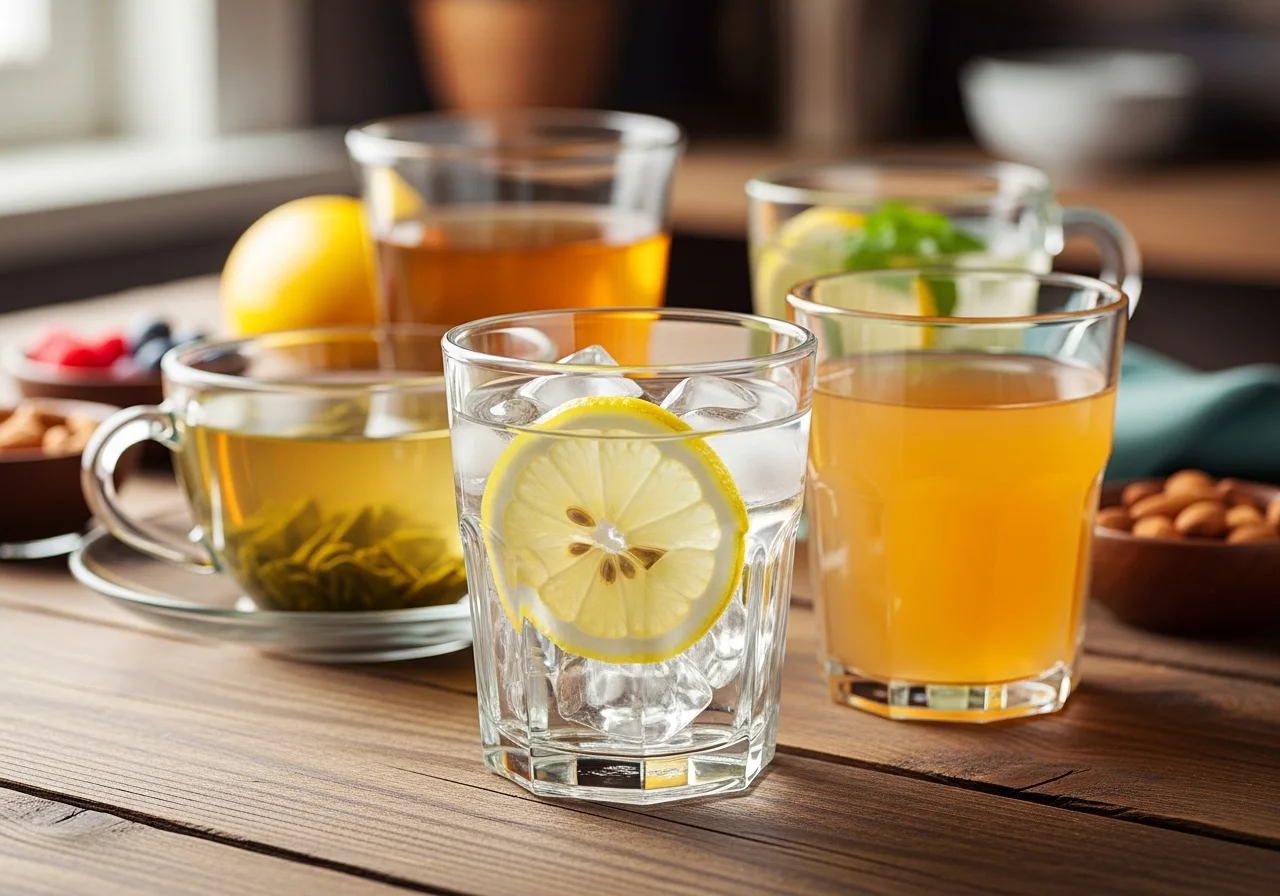
If you are looking for the most effective, science-backed options to lower your blood sugar quickly, stick to this list. These beverages are free of carbohydrates and actively support your body’s natural glucose-clearing mechanisms:
- Water: The absolute best and most immediate option for dilution.
- Unsweetened green tea: Contains beneficial antioxidants that support insulin function.
- Apple cider vinegar (diluted): Can help slow digestion and improve insulin response.
- Cinnamon water: A gentle, natural way to support fasting glucose levels.
- Black coffee (unsweetened): May improve short-term insulin sensitivity for some individuals.
Important Reminder: These drinks may help support healthy glucose control during mild elevations. However, fast-acting insulin or emergency medication is absolutely required for dangerously high, life-threatening levels.
Top Drinks That Lower Blood Sugar Quickly
When your blood sugar monitor flashes a high number, reaching for the right beverage is crucial. Let’s break down the science behind the most effective drinks and exactly how they interact with your metabolism.
Water (Fastest & Most Effective)
When people ask if drinking water can lower blood sugar, the clinical answer is an absolute yes. Water is the undisputed champion of immediate, at-home blood sugar management.
Why it works: When your blood sugar is elevated, your blood physically becomes thicker and more concentrated with glucose. Drinking large amounts of pure water immediately begins to dilute this dangerous concentration.
Furthermore, your kidneys go into overdrive trying to filter out the excess sugar through your urine. Staying heavily hydrated provides your kidneys with the fluid they desperately need to safely excrete that glucose.
How much water to drink to lower blood sugar immediately: I recommend drinking one to two large glasses of water immediately upon noticing a mild spike. After the initial intake, continue to sip water consistently throughout the day to maintain kidney function.
Green Tea (Unsweetened)
If you want a beverage that offers metabolic benefits beyond simple hydration, unsweetened green tea is a phenomenal choice. It is heavily studied for its positive effects on long-term metabolic health.
Benefits for Glucose Control: Green tea is packed with powerful antioxidants called catechins, specifically epigallocatechin gallate (EGCG). These compounds have been shown in clinical trials to actively improve cellular insulin sensitivity.
By making your cells more sensitive to insulin, green tea helps your body move glucose out of the blood more efficiently. Regular consumption may also significantly reduce fasting glucose levels over time.
Best Use: To reap the benefits without causing further spikes, you must drink it warm or iced with absolutely no added sugar. Avoid bottled green teas from the grocery store, as they are often secretly packed with high-fructose corn syrup.
Apple Cider Vinegar Drink
Apple cider vinegar (ACV) has gained massive popularity in the wellness community, and for once, the science actually backs it up. It is a highly effective tool for flattening the glucose curve after a meal.
The Biological Mechanism: The acetic acid found in apple cider vinegar actively slows down the rate at which your stomach empties. This means carbohydrates from your meal enter your bloodstream at a much slower, more manageable pace.
Additionally, ACV has been shown to improve the immediate cellular response to insulin. This makes it a fantastic drink to consume right before a heavy, carbohydrate-rich meal.
How to safely use ACV: Mix exactly one to two tablespoons of raw apple cider vinegar into a tall glass of water. Always dilute it! Drinking pure vinegar can cause severe burns to your esophagus and permanently destroy your tooth enamel.
Black Coffee (No Sugar)
For many adults, coffee is a daily necessity, but it also has surprising interactions with blood glucose. When consumed black, without any added milk or sugar, it is an entirely carbohydrate-free beverage.
Metabolic Benefits: Some studies suggest that the chlorogenic acid found in black coffee may help improve short-term insulin sensitivity. Because it contains zero carbs, it will not cause a direct glucose spike when consumed.
Important Warnings: However, I warn that caffeine affects every individual’s endocrine system differently. For some highly sensitive people, a massive dose of caffeine triggers an adrenaline release, which can actually cause blood sugar to rise temporarily.
Cinnamon Water
Cinnamon is much more than just a baking spice; it is a potent, natural medicinal bark. Brewing cinnamon into a warm tea or infused water provides a gentle, hydrating way to support your metabolism.
The Clinical Evidence: Multiple peer-reviewed studies have demonstrated that daily cinnamon consumption may successfully reduce fasting blood glucose levels. It appears to mimic the effects of insulin, helping shuttle sugar directly into your muscle cells.
Realistic Expectations: While highly beneficial for long-term health, cinnamon water works gradually over weeks, not instantly in minutes. It should be used as a supportive daily habit rather than a frantic emergency treatment for a sudden, severe spike.
Immediate Actions for Blood Sugar Reduction
When you realize your glucose levels have spiked unexpectedly, taking the correct immediate action is critical. While drinking water is a fantastic supportive measure, it is not a standalone medical cure for severe hyperglycemia.
The absolute fastest way to bring your numbers down safely involves a combination of hydration, prescribed medication, and safe physical movement. I consistently reminds my diabetic patients that insulin is the only substance that directly forces glucose into starved cells.
If your endocrinologist has prescribed a rapid-acting correction dose of insulin, taking it immediately is your first line of defense. Once your medication is administered, you must actively support your body’s metabolic clearing process through hydration and movement.
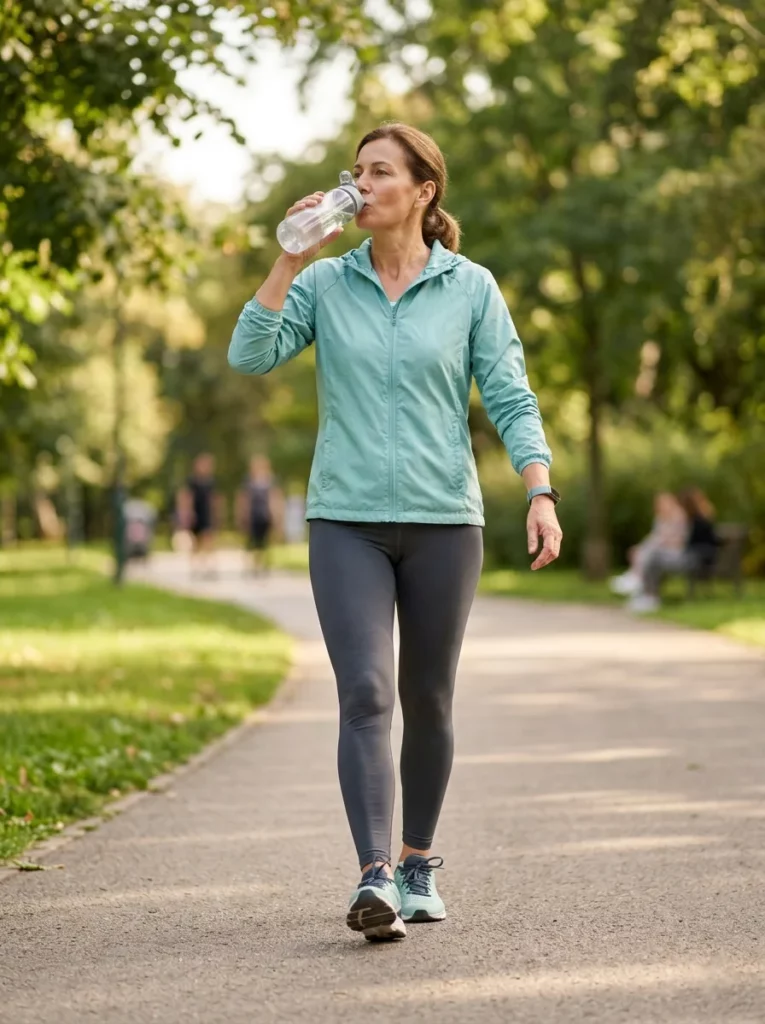
Engaging in light, gentle physical activity, such as a brisk 15-minute walk around your neighborhood, can yield rapid results. When your muscles contract during exercise, they actually pull glucose directly out of your bloodstream for energy without requiring insulin.
However, I strictly warn against exercise if your blood sugar is excessively high and you test positive for ketones. Exercising with ketones present can perversely force your liver to dump even more sugar into your blood, worsening the crisis.
Emergency Protocols for High Blood Sugar at Home
Managing a high glucose reading at home requires a calm, disciplined, step-by-step approach to prevent panic. If your glucometer shows a high reading (typically anything consistently over 250 mg/dL), you must immediately initiate your emergency protocol.
First, stop consuming all carbohydrates immediately; eating more food will only add fuel to an already raging metabolic fire. Second, drink two large glasses of pure water to heavily dilute the toxic concentration of sugar circulating in your veins.
After hydrating and taking any prescribed correction insulin, you must aggressively monitor your numbers to track the downward trend. Check your blood glucose every 15 to 30 minutes to ensure the medication and water are actively working.
Do not blindly guess or assume your levels are dropping simply because you drank water or took a short walk. If your numbers stubbornly refuse to drop after an hour of active home treatment, your condition is escalating.
You must immediately seek professional emergency medical care if your blood sugar crosses the highly dangerous 300 to 400 mg/dL threshold. If you begin vomiting, experience severe abdominal pain, or struggle to stay conscious, call emergency services without hesitation.
Dietary Support for Immediate Glucose Control
While beverages are excellent for rapid hydration, many patients frantically search for foods that lower blood sugar instantly. The harsh clinical reality is that absolutely no food can instantly erase a massive carbohydrate spike.
However, consuming specific macronutrients alongside your water can dramatically help stabilize your levels and prevent further erratic spikes. High-fiber foods and lean proteins physically slow down the rate at which your stomach empties its contents into your intestines.
By slowing digestion, these foods ensure that any remaining carbohydrates enter your bloodstream as a slow, manageable trickle. The absolute best options for stabilizing a highly volatile glucose reading include dark leafy greens, raw nuts, and fresh avocados.
These foods are incredibly rich in healthy fats and dietary fiber, which act as biological speed bumps for your metabolism. I often advise patients to pair a large glass of water with a handful of almonds to halt a spike.
Boiled Eggs and Glucose Stabilization
Patients frequently ask endocrinologists if simple, accessible foods like boiled eggs can actively lower their blood sugar. While eggs do not contain a magical compound that destroys glucose, they are a perfect stabilization tool.
A standard boiled egg is almost entirely composed of high-quality protein and healthy fats, containing virtually zero carbohydrates. Because they lack carbs, eating an egg will absolutely not cause your blood sugar to rise any further.
More importantly, the dense protein in a boiled egg requires significant digestive effort and time for your body to process. This prolonged digestion keeps you feeling full and effectively prevents the rapid, dangerous glucose swings associated with high-carb snacks.
Optimal Fruits for Blood Sugar Management
Fruit is often a massive point of confusion for newly diagnosed diabetics due to its natural fructose content. If you are searching for the one fruit that lowers blood sugar, you must adjust your clinical expectations.
No fruit instantly lowers blood sugar, but choosing fruits with a remarkably low glycemic index can prevent dangerous post-meal spikes. Berries—specifically raspberries, blackberries, and strawberries—are the absolute gold standard for diabetic-friendly fruit options.
They are packed with dense dietary fiber and powerful antioxidants that support long-term vascular health without overwhelming your pancreas. Crisp apples, when eaten with their fiber-rich skin intact, are another excellent, slow-digesting choice for safe energy.
Night-time Strategies for Blood Sugar Maintenance
Maintaining stable glucose levels while you sleep is often the most difficult challenge for individuals managing severe metabolic dysfunction. Many patients suffer from the “dawn phenomenon,” where the liver randomly dumps stored glucose into the blood early in the morning.
To combat this frustrating morning spike, establishing a strict, targeted nighttime hydration routine is absolutely essential. The best bedside beverages focus on soothing the digestive tract and supporting overnight metabolic stability without adding any late-night carbohydrates.
I highly recommend drinking a small glass of diluted apple cider vinegar and water approximately 30 minutes before bed. Clinical studies suggest that nighttime ACV consumption can significantly lower fasting morning glucose levels by subtly altering overnight liver function.
If vinegar is too harsh for your stomach, brewing a warm, comforting cup of unsweetened chamomile tea is a phenomenal alternative. Chamomile naturally lowers stress hormones like cortisol, which are notorious for driving up blood sugar levels during restless sleep.
You must strictly avoid consuming any sugary drinks, commercial fruit juices, or heavy milk right before going to sleep. These beverages will flood your system with simple sugars that your resting body cannot burn off, guaranteeing a morning spike.
How Much Water to Drink to Lower Blood Sugar
Understanding that water is the best immediate solution is only half the battle; knowing exactly how much to consume is equally important. Overhydrating too quickly can lead to water intoxication (hyponatremia), while under-hydrating will fail to flush the excess glucose from your system.
I advises my patients to dose their water intake based on the severity of their current blood sugar reading. This prevents panic-drinking while ensuring the kidneys receive adequate support to filter the blood safely.
| Situation (Glucose Level) | Recommended Immediate Water Intake | Follow-Up Action |
| Mild High (180–250 mg/dL) | 1 to 2 large glasses (16–24 oz) | Sip an additional 8 oz every hour until normal. |
| Moderate High (250–300 mg/dL) | 2 to 4 glasses slowly over 60 minutes | Administer prescribed correction insulin; rest. |
| Severe High (>300 mg/dL) | Sip water continuously if conscious | Seek immediate emergency medical care. |
When hydrating to lower a spike, always use plain, room-temperature, or slightly chilled water. Chugging massive amounts of ice-cold water can shock your digestive system and cause severe stomach cramps when your body is already in a state of metabolic distress.
What NOT to Drink When Blood Sugar Spikes
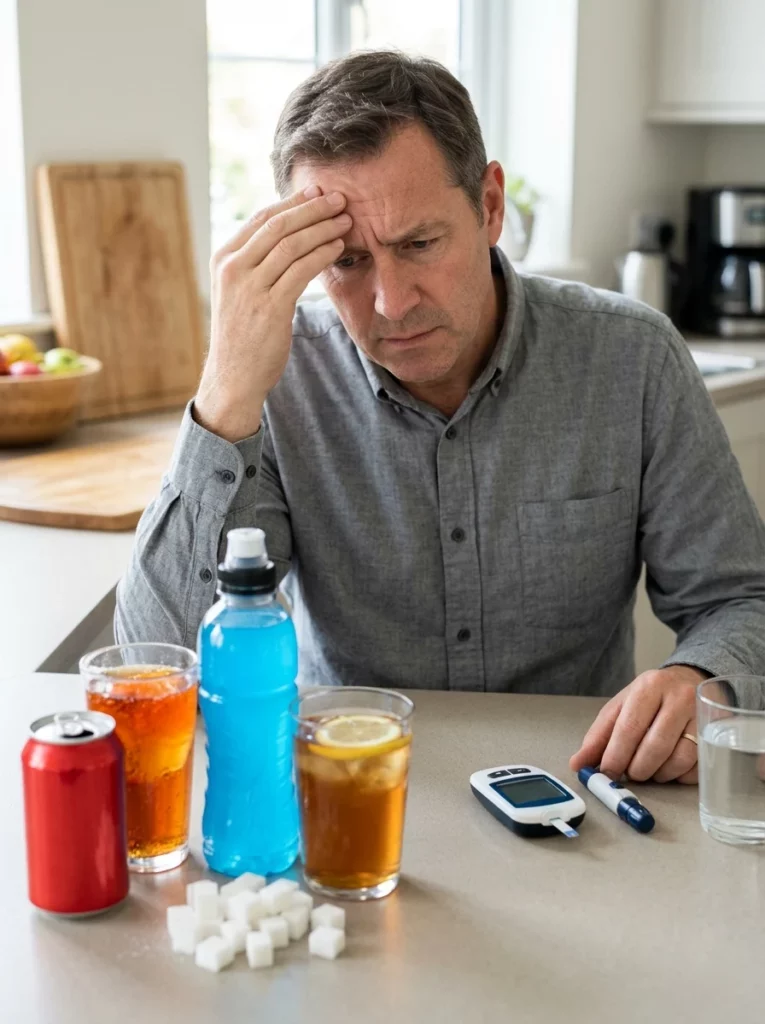
Just as important as knowing what to consume is knowing exactly what to avoid when your endocrine system is failing to keep up. Consuming the wrong beverage during a hyperglycemic episode is like throwing gasoline onto a raging fire, guaranteeing a severe escalation of symptoms.
Regular Soda and Sweetened Teas: A single 12-ounce can of standard cola contains nearly 40 grams of liquid, refined sugar, which requires absolutely no digestion. It hits your bloodstream instantly, causing a violent, uncontrollable spike that can push a mild high directly into a dangerous emergency zone.
100% Fruit Juices: Many people mistakenly believe that because fruit juice is “natural,” it is a safe, healthy option for managing their diabetes. However, commercial fruit juices have all the protective, blood-sugar-stabilizing fiber stripped away, leaving behind a highly concentrated dose of rapid-acting liquid fructose.
Energy Drinks and Pre-Workouts: Most commercial energy drinks are loaded with massive amounts of synthetic caffeine, artificial sweeteners, and hidden carbohydrate syrups. The intense caffeine blast triggers a massive release of adrenaline and cortisol, which signals your liver to aggressively dump more stored sugar into your already overloaded bloodstream.
Alcoholic Beverages: Drinking alcohol, especially sweet cocktails or heavy beers, during a glucose spike is incredibly dangerous for your liver function. Your liver will completely stop managing your blood sugar to prioritize filtering the alcoholic toxins, leading to profound, unpredictable metabolic swings.
The Biology: Why Drinks Help Lower Blood Sugar
To truly master your daily diabetes management, it is incredibly helpful to understand the underlying biology of hydration and glucose. When you consume water, it enters your digestive tract and is rapidly absorbed directly into your bloodstream.
Once in the blood, the sheer volume of water physically expands your plasma levels, reducing the overall concentration of glucose per drop of blood. More importantly, this sudden influx of hydration signals your kidneys to drastically increase their filtration rate.
Your kidneys act as the ultimate biological safety valve for excess sugar. When your glucose crosses a certain threshold (usually around 180 mg/dL), the kidneys begin pulling sugar out of the blood and dumping it directly into your bladder to be excreted as urine.
If you are chronically dehydrated, your kidneys simply cannot produce enough urine to safely expel this toxic sugar buildup. By drinking copious amounts of water, you are manually giving your renal system the exact tools it needs to cleanse your bloodstream.
Recognizing the Signs Blood Sugar Is Too High
If you do not have immediate access to your home glucose monitor, you must rely on your body’s biological warning signs. I train her patients to never ignore these four primary symptoms of dangerous hyperglycemia.
Excessive, Unquenchable Thirst: Because your body is desperately trying to dilute the toxic, thick blood, it pulls fluid from your cells, triggering an intense, dry-mouth thirst. No matter how much water you drink, your brain will continue to demand more hydration until the sugar concentration drops.
Frequent, High-Volume Urination: As your kidneys work in overdrive to flush the sugar, your bladder fills up at an abnormally rapid pace. If you are waking up three or four times in the middle of the night to urinate, your blood sugar is likely running dangerously high.
Profound, Heavy Fatigue: Glucose is meant to be burned inside your cells for energetic fuel, but without insulin, it remains locked outside in the blood. Because your muscle cells are literally starving for fuel, you will experience crushing, whole-body exhaustion and heavy limbs.
Sudden Blurred Vision: The high concentration of sugar in your blood physically pulls vital fluids directly out of the delicate lenses of your eyes. This rapid fluid shift causes the lens to swell and change shape, resulting in sudden, terrifying blurry vision and an inability to focus.
The Reality of Lowering Blood Sugar in Minutes
The internet is flooded with dangerous, deceptive marketing promising secret teas or powders that permanently cure diabetes in minutes. As a medical professional, I stress that understanding how to lower blood sugar in minutes requires a strict reality check.
No natural drink, herbal supplement, or holistic food item can instantly “fix” a severe, life-threatening high blood sugar reading. Water and herbal teas take significant time to pass through the digestive system and influence your complex cellular metabolism.
The only substance on earth capable of rapidly pulling glucose out of your blood within minutes is medical-grade, injected insulin. Relying on a cup of cinnamon tea to save you from a 400 mg/dL reading is not just ineffective; it is deadly.
Natural drinks are phenomenal, scientifically valid tools for daily, long-term maintenance and managing minor, everyday dietary fluctuations. However, they are biological support systems, not emergency rescue medications for a failing endocrine system.
Frequently Asked Questions
What should I drink if I have high blood sugar?
Pure, plain water is the absolute safest and fastest beverage to drink, as it dilutes blood sugar concentration and actively supports kidney excretion.
Can drinking water lower blood sugar immediately?
Yes, drinking large amounts of water immediately expands your blood plasma volume, actively diluting the glucose while helping your body flush it through urine.
What is the quickest home remedy to lower blood sugar?
The fastest scientifically proven at-home combination is aggressively drinking water, taking your prescribed corrective insulin, and engaging in light walking if you are ketone-free.
What to drink before bed to lower blood sugar?
Drinking a glass of water mixed with one tablespoon of raw apple cider vinegar, or brewing unsweetened chamomile tea, can help stabilize overnight glucose levels.
How do you reduce your blood sugar level immediately?
You must halt all carbohydrate intake, hydrate heavily with water, administer rapid-acting insulin if prescribed, and seek emergency care if numbers exceed 300 mg/dL.
Conclusion
When navigating the sudden panic of a high glucose reading, simplicity and speed are your absolute best tools. I emphasizes that while the internet is full of unfamiliar herbal remedies, you should always return to the biological basics of hydration.
Drinking plain water is the most effective, immediate, and scientifically sound method for supporting your body during a hyperglycemic spike. However, it is vital to remember that hydration is a supportive measure, not a miraculous cure for a failing endocrine system.
Natural drinks like green tea, cinnamon water, and diluted apple cider vinegar are phenomenal additions to a long-term, daily management routine. But when the numbers climb into dangerous, emergency territory, nothing replaces the life-saving necessity of prescribed medical insulin.