To lower blood sugar immediately, the best drink is plain water, as it helps flush excess glucose through the kidneys. You can also sip unsweetened herbal tea. Some people use diluted apple cider vinegar (1–2 teaspoons in water), but evidence is limited. Avoid sugary drinks, juice, soda, or alcohol during high blood sugar.
If you are suddenly dealing with a glucose spike, knowing what to drink to lower blood sugar immediately can feel like an urgent priority. Many people reach for the wrong options in a panic — and that can make things worse. The good news is that a few safe, evidence-based drinks can genuinely support your body’s natural glucose-clearing process within a short time.
Water remains the single most effective and immediate beverage choice for anyone experiencing elevated blood sugar. Beyond water, certain drinks like unsweetened green tea, diluted apple cider vinegar, and cinnamon-infused water offer real metabolic benefits supported by research.
However, no drink alone can replace prescribed medical treatment. If you have been diagnosed with diabetes or prediabetes, understanding what you should and should not drink is a critical part of daily management. This guide, written from both clinical evidence and real patient experience, will walk you through the most effective hydration strategies for blood sugar control.
Whether you are dealing with mild elevations or trying to build better daily habits, the information here will help you make smarter, faster decisions in the moment.
What Is Blood Sugar and Why Does It Spike?
Blood sugar, or blood glucose, refers to the amount of sugar (glucose) circulating in your bloodstream at any given time. After you eat carbohydrates, your digestive system breaks them down into glucose, which then enters the blood.
Your pancreas releases insulin in response to this rise. Insulin acts like a key, unlocking your cells so they can absorb and use that glucose for energy. When this process works correctly, blood sugar rises modestly after eating and then returns to a normal range.
Spikes occur when this system is disrupted—either because too many carbohydrates were consumed at once, insulin production is insufficient in type 1 diabetes, or insulin sensitivity is reduced in type 2 diabetes. Illness, stress, poor sleep, and certain medications can also push glucose higher unexpectedly.
Understanding normal blood sugar levels is the first step toward knowing when a spike has actually occurred and how seriously to take it.
Why Is Hydration Important for Blood Sugar?
When blood sugar rises, your blood becomes more concentrated with glucose — essentially thicker and harder for your kidneys to filter efficiently. Your kidneys play a direct role in glucose management by filtering excess sugar out through urine.
This is why staying hydrated matters so much. Water gives your kidneys the fluid they need to do their job. Without adequate hydration, glucose lingers in the bloodstream longer, and symptoms of high blood sugar can intensify.
Chronic dehydration is also a hidden driver of blood sugar elevation in many people—especially those with prediabetes who are not yet on medication. Simply drinking more water throughout the day can have a meaningful impact on daily glucose trends.
Top Drinks That Lower Blood Sugar Quickly
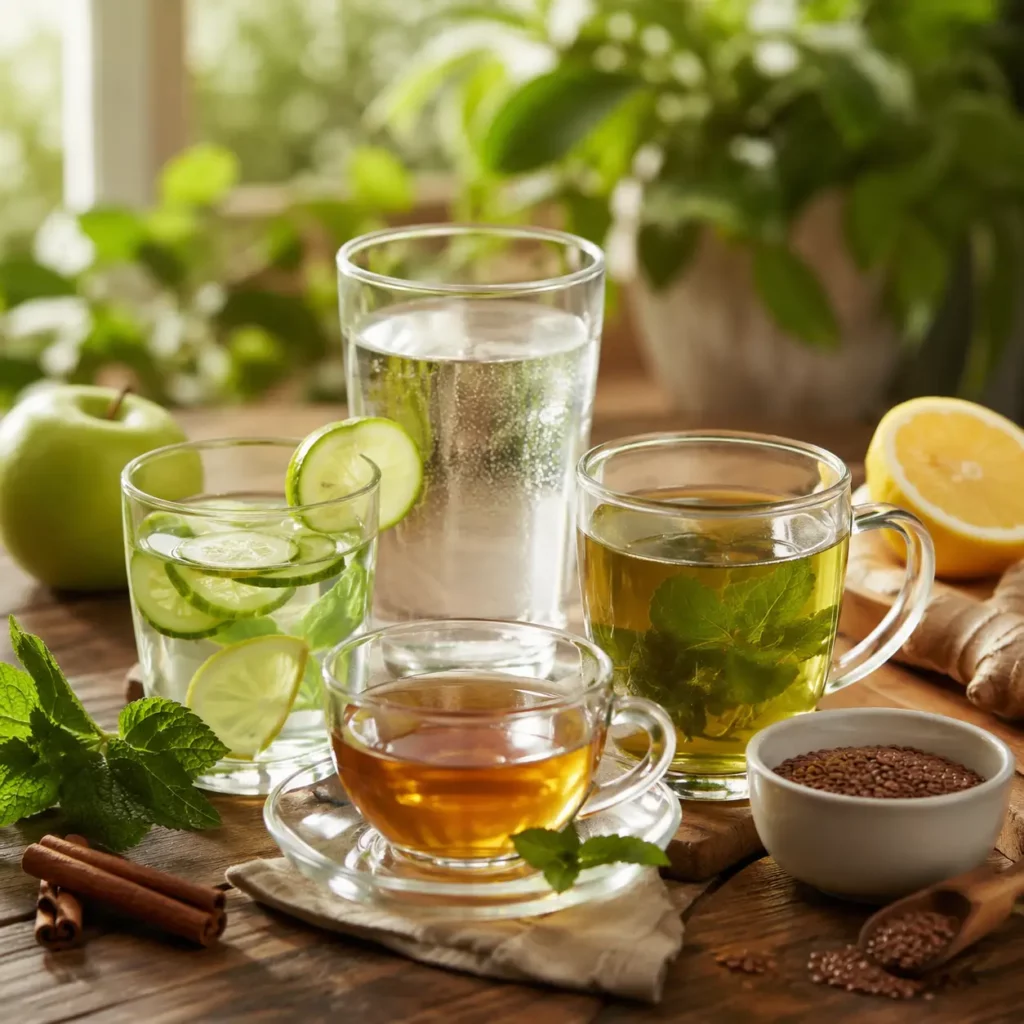
Water — The Fastest and Most Effective Option
Plain water is the undisputed best drink for supporting immediate blood sugar reduction. When glucose levels are elevated, drinking water helps dilute the concentration of sugar in your bloodstream and supports your kidneys in flushing it out through urine.
According to the Mayo Clinic, staying well-hydrated is a key part of managing hyperglycemia and preventing it from worsening.
How much to drink: For a mild elevation (180–250 mg/dL), start with one to two large glasses immediately and continue sipping throughout the day. For moderate spikes, aim for two to four glasses spread over 60 minutes — and take your prescribed correction insulin if indicated.
Avoid ice-cold water in large quantities, as it can cause stomach cramps when your body is already metabolically stressed. Room temperature or slightly cool water is easier to tolerate.
Unsweetened Green Tea
Green tea contains powerful antioxidants called catechins, particularly EGCG (epigallocatechin gallate), which have been shown in clinical research to improve insulin sensitivity. According to a study reviewed by the Harvard T.H. Chan School of Public Health, polyphenol-rich beverages like green tea may support better long-term blood glucose regulation.
Drink it warm or cold with no added sugar. Be cautious with bottled green tea products from the grocery store—many are loaded with hidden added sugars.
Regular consumption of unsweetened green tea as part of your daily routine can gradually reduce fasting blood sugar levels over time, making it an excellent long-term habit.
Apple Cider Vinegar (Diluted)
Apple cider vinegar (ACV) has solid scientific backing for its effects on postmeal glucose control. The acetic acid in ACV slows gastric emptying—meaning carbohydrates from your last meal enter the bloodstream more gradually, which prevents sharp spikes.
Research from the National Institutes of Health{:target=”_blank” rel=”nofollow”} has shown that vinegar taken before or with meals can reduce postprandial blood glucose by meaningful amounts in people with both insulin resistance and type 2 diabetes.
How to use it safely: Mix one to two tablespoons of raw, unfiltered ACV into a tall glass of water. Never drink it straight—undiluted vinegar can damage your tooth enamel and irritate the esophagus. For nighttime use, drinking a small ACV-water mix 30 minutes before bed may also help reduce fasting morning glucose levels.
Cinnamon Water
Cinnamon contains bioactive compounds that appear to mimic insulin’s action, helping glucose enter muscle cells more efficiently. Multiple peer-reviewed studies, including those indexed in the American Diabetes Association’s research database, have noted that cinnamon supplementation can help reduce fasting blood glucose levels when used consistently over several weeks.
To make cinnamon water, steep one cinnamon stick in hot water for 10 minutes, let it cool, and drink it plain. This works best as a daily maintenance habit rather than an emergency measure.
If you are managing high blood sugar symptoms on a regular basis, incorporating cinnamon water into your morning routine is a simple, cost-effective strategy.
Black Coffee (Unsweetened)
Black coffee contains chlorogenic acid, which some studies suggest can improve short-term insulin sensitivity. Because it contains zero carbohydrates, it will not cause a direct glucose spike when consumed plain.
A large observational study reviewed by the Cleveland Clinic found associations between moderate coffee consumption and reduced risk of developing type 2 diabetes over time.
Important caveat: Caffeine affects people differently. For some individuals, a large dose of caffeine can trigger an adrenaline response, which signals the liver to release stored glucose, temporarily worsening a spike. Pay attention to how your body responds and moderate your intake accordingly.
Chamomile Tea
Chamomile tea is a gentle, naturally caffeine-free option that supports blood sugar management indirectly. It has been shown to reduce levels of cortisol, the stress hormone that drives glucose release from the liver.
For people who experience glucose elevations related to stress or poor sleep, chamomile tea at night can be particularly useful. Research published in MedlinePlus notes that stress hormone management plays an underappreciated role in overnight glucose control.
Drink one cup of unsweetened chamomile tea before bed to support both sleep quality and metabolic stability overnight.
What NOT to Drink When Blood Sugar Is High
Knowing what to avoid is just as important as knowing what helps. Several common beverages can dramatically worsen a glucose spike.
Regular soda and sweetened beverages contain up to 40 grams of rapidly absorbed liquid sugar per serving. They bypass normal digestion and hit the bloodstream almost instantly — exactly what you do not want during a spike.
Fruit juices, even 100% natural varieties, lack the fiber found in whole fruit. Without fiber to slow absorption, the fructose in juice acts similarly to soda in raising glucose quickly. According to the American Diabetes Association, fruit juices should generally be limited or avoided during hyperglycemic episodes.
Energy drinks and pre-workouts are loaded with synthetic caffeine and hidden sugar syrups. The caffeine surge triggers adrenaline and cortisol, which signal your liver to dump more stored glucose into the blood.
Alcohol creates unpredictable swings. Your liver prioritizes filtering alcohol over regulating blood sugar, which can cause both dangerous highs and dangerous lows. If you have questions about alcohol and diabetes, reviewing what alcohol is safe for type 2 diabetics is worth your time.
Milk and sweetened dairy drinks contain natural lactose (milk sugar), which can raise glucose moderately. While plain, unsweetened milk in small amounts is fine for most people, large portions or flavored dairy drinks should be avoided during a spike.
How Much Water Should You Drink to Lower Blood Sugar?
The right amount of water depends on the severity of your current reading. Here is a practical reference:
| Glucose Level | Recommended Immediate Water Intake | Follow-Up Action |
|---|---|---|
| Mild High (180–250 mg/dL) | 1–2 large glasses (16–24 oz) | Sip 8 oz every hour until normal |
| Moderate High (250–300 mg/dL) | 2–4 glasses slowly over 60 minutes | Take prescribed correction insulin and rest |
| Severe High (>300 mg/dL) | Sip water continuously if conscious | Seek emergency medical care immediately |
Always use plain, room-temperature water. Avoid forcing large amounts down rapidly — steady sipping is more effective and safer for your kidneys and digestive system.
Immediate Actions for Blood Sugar Reduction
Drinking the right beverage is only one part of a full response to a glucose spike. A complete, safe approach involves several steps taken together.
First, stop consuming carbohydrates immediately. Eating or drinking anything with sugar or starch will only add to the problem. Second, begin hydrating with plain water as described above.
Third, if you have been prescribed rapid-acting insulin and your correction protocol calls for it, administer your dose. According to the Cleveland Clinic’s guidelines on high blood sugar, fast-acting insulin is the only substance capable of rapidly driving glucose into cells.
Fourth, if no ketones are present, light physical movement can accelerate glucose clearance significantly. A 10–15 minute walk causes your muscles to absorb glucose directly from the bloodstream, independent of insulin. However, never exercise if ketones are detected—it can worsen the situation by triggering additional glucose release from the liver.
Check your levels every 15–30 minutes to track progress. If readings do not drop after an hour of active home management, or if you experience vomiting, confusion, or severe abdominal pain, seek emergency care immediately. You can learn more about when to escalate by reviewing what level of blood sugar is dangerous.
Nighttime Strategies for Blood Sugar Maintenance
Managing overnight glucose is one of the most challenging aspects of diabetes care. Many people experience elevated fasting morning readings due to the “dawn phenomenon,” where the liver releases stored glucose in the early hours of the morning.
To support stable overnight levels, establish a targeted bedtime hydration routine. A small glass of ACV diluted in water 30 minutes before bed can subtly alter overnight liver metabolism and may reduce morning glucose readings, according to early research cited by the NHS.
If ACV is too harsh for your stomach, chamomile tea is an equally effective and gentler option. Avoid any sugary drinks, fruit juices, or sweetened milk before bed—these will flood your resting metabolism with sugar it cannot efficiently process overnight.
For a broader look at dietary strategies, exploring the best diet for diabetes can provide additional guidance on what to eat and avoid in the evenings.
What Patients Actually Ask
During one of her interviews, Christina spoke with Maria, a 52-year-old woman with type 2 diabetes who had been struggling with unpredictable morning glucose spikes for months. Maria had been drinking orange juice every morning, believing it was a healthy choice.
When Christina explained how fruit juice without fiber can behave similarly to soda in the bloodstream, Maria switched to plain water and unsweetened green tea—and noticed a meaningful difference in her fasting readings within two weeks.
“I had no idea juice could be the problem,” Maria told Christina. “Nobody explained the fiber issue to me. Once I understood it, the switch felt obvious.”
This kind of real-world experience reinforces what the clinical evidence already shows: small beverage changes can have significant effects on daily glucose management, especially when compounded over time.
Recognizing the Signs Your Blood Sugar Is Too High
If you do not have immediate access to your glucometer, knowing your body’s warning signals is essential. The early warning signs of diabetes and hyperglycemia often overlap.
Unquenchable thirst is one of the first symptoms. Your body attempts to dilute the thick, glucose-rich blood by pulling fluid from tissues—creating an intense, dry-mouth thirst that water temporarily relieves but does not resolve.
Frequent high-volume urination follows as your kidneys work overtime to filter excess sugar. Waking up multiple times per night to urinate is a strong signal of elevated overnight glucose.
Profound fatigue occurs because glucose is locked outside your cells and cannot be used for energy. Your muscles and brain are essentially starving for fuel despite high blood sugar levels.
Sudden blurred vision happens when the high glucose concentration pulls fluid out of the lenses of your eyes, causing them to swell and distort your vision.
If you experience several of these symptoms at once, check your blood sugar immediately and follow your emergency action plan.
The Reality of Lowering Blood Sugar in Minutes
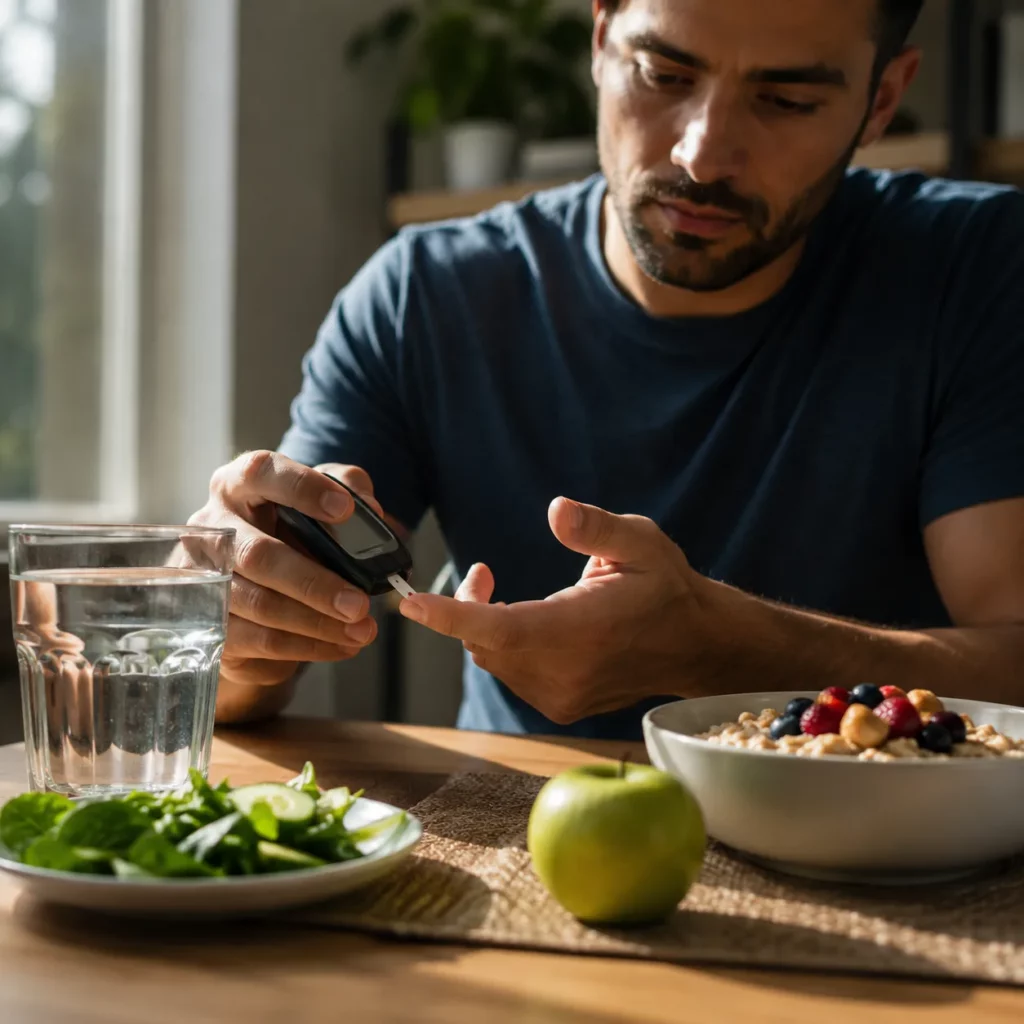
The internet is filled with claims about teas, powders, and supplements that can “instantly” fix blood sugar. It is important to be realistic about what natural drinks can and cannot do.
Water, green tea, and cinnamon water support your body’s own glucose-clearing mechanisms. They are valuable, evidence-based tools for daily management and mild elevations. But the National Health Service takes time—they work through digestion, kidney filtration, and gradual metabolic processes, not instantly.
The only substance capable of rapidly pulling glucose out of the blood within minutes is medical-grade insulin. For anyone with type 1 diabetes or advanced type 2 diabetes, relying on herbal teas during a severe spike instead of prescribed medication is genuinely dangerous.
Natural drinks are best understood as supportive tools in a long-term management plan—not emergency substitutes for medical care. Learning how to reduce blood sugar levels immediately through a medically sound approach is the most reliable path forward.
Frequently Asked Questions
What should I drink if I have high blood sugar?
Water is your safest and most effective first choice. It helps dilute excess glucose in your bloodstream and supports your kidneys in flushing it out through urine. Unsweetened green tea and diluted apple cider vinegar are also good options for mild elevations. Avoid all sugary drinks, juice, energy drinks, and alcohol. If your blood sugar remains elevated despite hydration, follow your prescribed correction plan or contact your healthcare provider for guidance.
Can drinking water lower blood sugar immediately?
Water does not instantly fix high blood sugar, but it plays a meaningful supportive role. By diluting glucose concentration in the blood and boosting kidney filtration, water helps your body excrete excess sugar through urine. It also prevents dehydration, which can concentrate blood glucose further. For best results, combine water intake with your prescribed correction plan — insulin or light movement — rather than relying on water alone as a standalone treatment.
What is the quickest home remedy to lower blood sugar?
The most effective combination at home is hydration plus medication (if prescribed). Drink water immediately, administer your prescribed rapid-acting insulin correction dose, and—if no ketones are detected—take a gentle 10–15-minute walk. Exercise causes muscles to absorb glucose without needing insulin. Always check ketone levels before exercising and follow your personalized sick-day plan. Contact your provider promptly if levels remain high after an hour of home management.
What to drink before bed to lower blood sugar?
Plain water is your best nighttime choice. A small glass of water with diluted apple cider vinegar 30 minutes before bed may also help reduce fasting morning glucose levels, according to some clinical research. Unsweetened chamomile tea is a calming option that may reduce cortisol and support sleep quality. Avoid alcohol, fruit juice, sweetened dairy, or any sugary drinks at night — these cause overnight glucose fluctuations that show up as elevated morning readings.
How do you reduce your blood sugar level immediately?
First, confirm your reading with a reliable blood sugar test. Stop eating any carbohydrates immediately. Drink one to two large glasses of plain water. If you have a prescribed correction dose of rapid-acting insulin, take it according to your care plan. If ketones are absent, gentle movement such as a short walk can help. If your reading exceeds 300 mg/dL or you feel nauseated, confused, or short of breath, call emergency services without delay. Never attempt to manage a severe spike with drinks alone.
Conclusion
When a glucose spike hits, returning to the basics is always the right move. Plain water is your most immediate and scientifically supported tool for supporting blood sugar reduction — it dilutes glucose, supports kidney filtration, and is available to everyone instantly.
Unsweetened green tea, diluted apple cider vinegar, cinnamon water, and chamomile tea all offer real metabolic benefits, particularly when used consistently as part of a daily management routine. They are excellent companions to a structured diabetes care plan.
However, no beverage — no matter how beneficial — can replace medical-grade insulin when glucose reaches dangerous levels. If you are working on building better long-term habits, reviewing how to lower blood sugar fast and working with a healthcare provider to create a personalized protocol is the most effective approach.
Hydration matters. It is not a miracle cure, but it is a real and powerful part of keeping blood sugar under control every single day.
Authoritative References
- Centers for Disease Control and Prevention. (2025). Preventing Diabetic Ketoacidosis. https://www.cdc.gov/diabetes/about/diabetic-ketoacidosis.html
- American Diabetes Association. (2025). Hyperglycemia (High Blood Glucose). https://diabetes.org/living-with-diabetes/treatment-care/hyperglycemia
- American Diabetes Association. (2025). Low Blood Glucose (Hypoglycemia). https://diabetes.org/living-with-diabetes/treatment-care/hypoglycemia
- Mayo Clinic. (2025). Hyperglycemia in Diabetes. https://www.mayoclinic.org/diseases-conditions/hyperglycemia/symptoms-causes/syc-20373631
- Mayo Clinic. (2025). Diabetic Ketoacidosis. https://www.mayoclinic.org/diseases-conditions/diabetic-ketoacidosis/symptoms-causes/syc-20371551
- Cleveland Clinic. (2025). Hyperglycemia (High Blood Sugar). https://my.clevelandclinic.org/health/diseases/9815-hyperglycemia-high-blood-sugar
- National Health Service. (2025). Hyperglycemia (High Blood Sugar). https://www.nhs.uk/conditions/high-blood-sugar-hyperglycaemia/
- Cleveland Clinic. (2025). Hypoglycemia (Low Blood Sugar). https://my.clevelandclinic.org/health/diseases/11647-hypoglycemia-low-blood-sugar
- Harvard T.H. Chan School of Public Health. (2025). Carbohydrates and Blood Sugar. https://nutritionsource.hsph.harvard.edu/carbohydrates/carbohydrates-and-blood-sugar
- World Health Organization. (2025). Diabetes. https://www.who.int/news-room/fact-sheets/detail/diabetes