

In my years practicing endocrinology, I have reviewed countless dietary fads with my patients. Many are overly restrictive, miserable to follow, and ultimately fail. However, transitioning a patient to a Mediterranean diet for diabetics consistently yields the most profound, long-lasting clinical improvements in both their blood work and their quality of life.
I recently treated a 52-year-old patient named Sarah who was struggling with steadily climbing A1c levels and high cholesterol. She was exhausted from trying strict, low-carb crash diets that left her feeling deprived.
Instead of another restrictive list, we pivoted her approach toward the Mediterranean philosophy—focusing on the quality of fats and carbohydrates rather than just cutting them out entirely.
Within four months, without feeling starved, her lipid panel normalized, and her fasting glucose dropped into a much safer range. This guide will explore the precise medical benefits and practical application of this renowned eating pattern.
TL;DR
The Mediterranean diet emphasizes whole foods, healthy fats, and low-glycemic carbohydrates, making it ideal for metabolic health. Research consistently shows it may significantly improve blood sugar control, support heart health, and aid in sustainable weight management.
When combined with proper portion control, it is universally recognized as one of the most effective and highly recommended dietary patterns for managing type 2 diabetes.
What Is a Mediterranean Diet for Diabetics?
A Mediterranean diet for diabetics is a flexible eating pattern that focuses on plant-based foods, lean proteins, abundant healthy fats (like extra virgin olive oil), and low-glycemic carbohydrates to support stable, long-term blood sugar control.
This is not a “diet” in the modern, restrictive sense of the word. It is a traditional lifestyle inspired by the culinary habits of countries bordering the Mediterranean Sea, such as Greece, Southern Italy, and Spain. It does not require calorie-counting apps or perfectly weighed macronutrients.
Instead, the core philosophy revolves around ingredient quality. It prioritizes foods as close to their natural state as possible, completely avoiding the highly processed, refined sugars that drive modern metabolic dysfunction.
For a diabetic patient, this means consuming foods that the body can process slowly and efficiently, preventing sharp spikes in blood glucose.
Is the Mediterranean Diet Good for Diabetics?
This is perhaps the most common question I receive in my clinic. The answer, backed by decades of peer-reviewed clinical research, is an unequivocal yes. It is not just “good”; it is considered the gold standard by major medical organizations globally.
The power of this diet lies in its unique macronutrient profile. It is naturally high in monounsaturated fats (primarily from olive oil and nuts) and dietary fiber, while being relatively low in saturated fats and entirely devoid of refined carbohydrates.
This combination acts as a biological shield against rapid glucose absorption. When carbohydrates are consumed alongside high-quality fats and dense fiber, the stomach empties much more slowly.
This ensures a gentle, manageable trickle of glucose into the bloodstream, which an impaired pancreas can handle without requiring massive surges of insulin.
Mediterranean Diet for Type 2 Diabetes
When specifically applying the Mediterranean diet for diabetics type 2 diabetes, the clinical focus is on reversing or managing insulin resistance. Type 2 diabetes is characterized by the body’s inability to effectively use the insulin it produces.
The high concentration of antioxidants and anti-inflammatory compounds found in this diet—derived from abundant leafy greens, tomatoes, and olive oil—directly combats the systemic inflammation that worsens insulin resistance at the cellular level.
Furthermore, the emphasis on Omega-3 fatty acids from frequent fish consumption improves the fluidity of cell membranes. This makes the cells more receptive to insulin, allowing glucose to enter the cells for energy rather than remaining trapped in the bloodstream.
Benefits of the Mediterranean Diet for Diabetes
The physiological benefits extend far beyond simple blood sugar management. In endocrinology, we treat the whole patient, and this diet addresses multiple interconnected metabolic issues simultaneously.
Superior Glycemic Control and A1c Reduction
Clinical trials consistently demonstrate that adherence to this eating pattern lowers Hemoglobin A1c levels more effectively than standard low-fat diets. The sustained, slow digestion of its fibrous components prevents the extreme highs and lows that exhaust pancreatic function.
Profound Cardiovascular Protection
Diabetes and heart disease are intimately linked; most diabetic complications are cardiovascular in nature. The Mediterranean diet’s heavy reliance on extra virgin olive oil significantly reduces LDL (“bad”) cholesterol oxidation while preserving HDL (“good”) cholesterol, dramatically lowering the risk of heart attacks and strokes.
Sustainable Weight Management
Unlike extreme caloric restriction diets, this approach is highly satiating. The combination of protein, healthy fats, and fiber keeps patients feeling full and satisfied. This natural satiety curtails overeating and makes long-term weight loss—a crucial factor in diabetes management—highly achievable without feelings of deprivation.
Mediterranean Diet vs Mayo Clinic Diet
Patients often ask me to compare popular, evidence-based diets. Both the Mediterranean approach and the Mayo Clinic Diet are excellent, but they have distinct philosophical differences.
| Feature | Mediterranean Diet | Mayo Clinic Diet |
| Primary Focus | Quality of fats and whole, unprocessed ingredients. | Structured behavioral changes and the Mayo Food Pyramid. |
| Flexibility | Very High (a lifestyle pattern, not strict rules). | Moderate (requires moving through specific phases). |
| Fat Allowance | High (abundant olive oil, nuts, avocados). | Moderate (fat is more restricted in early phases). |
| Tracking Required | Minimal (focuses on intuitive eating). | Moderate (often involves tracking servings and habits). |
Diabetic Mediterranean Diet Food List
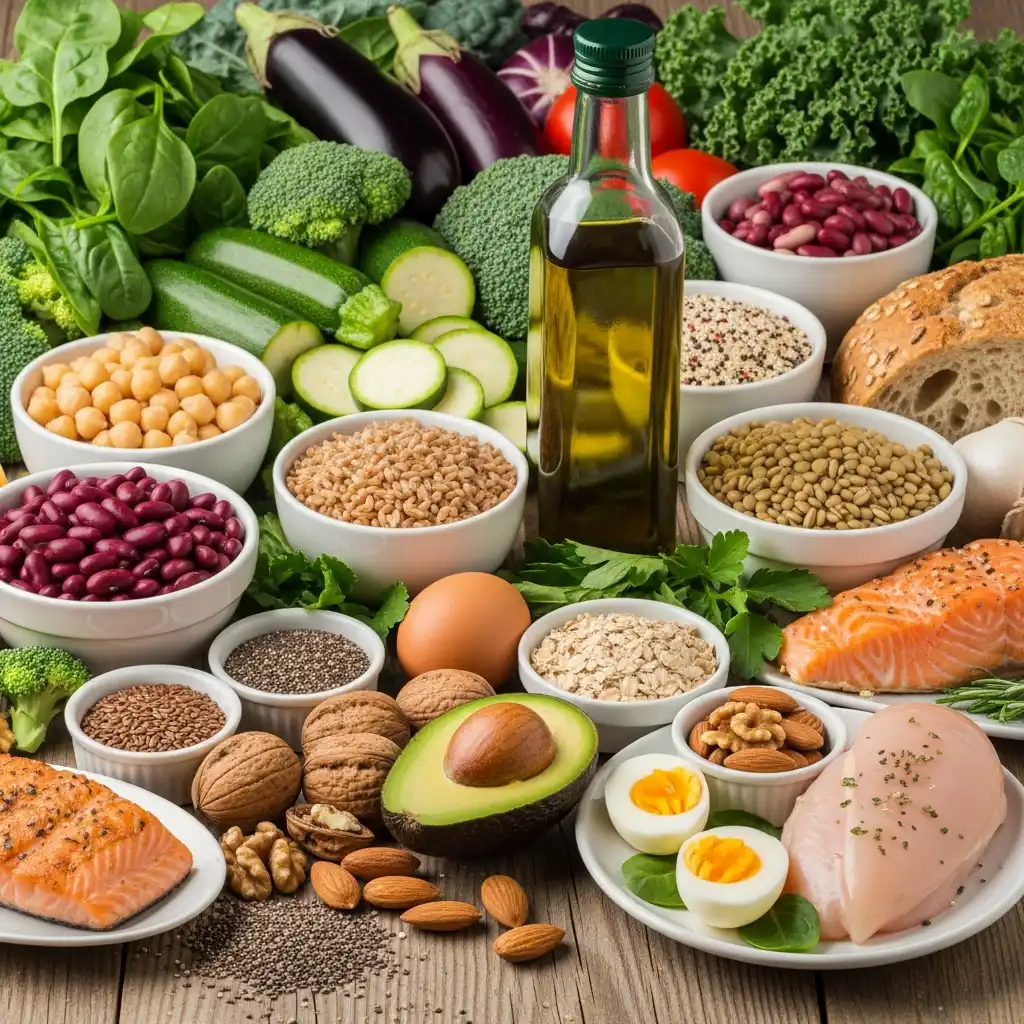
Success begins at the grocery store. A proper diabetic Mediterranean diet food list ensures you are building meals around ingredients that stabilize, rather than disrupt, your metabolic system.
The Foundation: Vegetables and Legumes
These should make up the bulk of your plate. Focus on non-starchy vegetables like spinach, kale, broccoli, zucchini, and eggplant. Legumes, such as chickpeas, lentils, and kidney beans, are crucial as they provide a massive dose of fiber and plant-based protein with a very low glycemic impact.
The Energy Source: Whole Grains
Refined white flour is eliminated. Instead, choose whole, intact grains. Excellent choices include quinoa, farro, barley, and steel-cut oats. If choosing bread, it must be true whole-grain or authentic sourdough, which has a naturally lower glycemic index due to the fermentation process.
The Primary Fat: Extra Virgin Olive Oil
This is the cornerstone of the diet. Use high-quality extra virgin olive oil generously for cooking, dressing salads, and finishing dishes. Nuts (walnuts, almonds), seeds (chia, flax), and avocados are also daily staples for healthy fat intake.
The Proteins: Fish and Lean Poultry
Red meat is consumed very sparingly, perhaps once a month. The primary protein sources are fatty fish like salmon, sardines, and mackerel (eaten at least twice a week), along with moderate amounts of skinless chicken, turkey, and eggs.
What Is Not Allowed on a Mediterranean Diet?
While it is a flexible lifestyle, strict boundaries exist regarding modern, industrialized foods. To protect your blood sugar, you must completely avoid highly refined carbohydrates, such as white bread, white pasta, pastries, and instant cereals.
Added sugars in any form—including sodas, commercial fruit juices, sweetened yogurts, and baked goods—are strictly prohibited. Processed meats like hot dogs, bacon, and deli meats, which are high in harmful saturated fats and sodium, should also be eliminated from your routine.
Mediterranean Diet Breakfast Ideas for Diabetics
Breakfast is often the most challenging meal for newly diagnosed patients because traditional Western breakfasts are notoriously high in refined sugars and starches. The goal here is to establish stable blood sugar right from the morning.
In my practice, I constantly remind patients that breakfast does not have to mean pancakes or sugary cereals. A proper Mediterranean morning focuses on protein, fiber, and healthy fats to prevent mid-morning energy crashes.
Greek Yogurt and Berries: A staple in my own morning routine. Choose full-fat, unsweetened plain Greek yogurt. It contains double the protein of regular yogurt with a fraction of the carbohydrates. Top it with a handful of raspberries and a spoonful of chia seeds for a massive fiber boost.
Whole Grain Toast with Avocado: This is a perfect example of combining complex carbs with healthy fats. Use true, dense whole-grain sourdough. Top it with half a mashed avocado, a drizzle of extra virgin olive oil, and a poached egg. The fat and protein completely blunt the glycemic impact of the bread.
Mediterranean Diet Recipes for Diabetics
When patients tell me they find healthy eating bland, I immediately point them to Mediterranean culinary traditions. This approach relies heavily on fresh herbs, garlic, citrus, and spices rather than salt and butter to build complex flavor profiles. Preparing your own meals is the most effective way to control hidden sugars.
Herb-Crusted Grilled Salmon
Salmon is the cornerstone protein of this lifestyle, rich in inflammation-fighting Omega-3s. Take a fresh salmon fillet and coat it generously in extra virgin olive oil. Create a rub using minced garlic, dried oregano, fresh dill, black pepper, and a squeeze of fresh lemon juice.
Grill or bake at 400°F (200°C) for 12–15 minutes until it flakes easily. Serve this alongside a massive portion of roasted asparagus. The high-fat content in the fish pairs perfectly with the fibrous vegetables, creating a zero-spike meal.
Mediterranean Chickpea and Cucumber Salad
This is a phenomenal, no-cook lunch option that holds up perfectly in the fridge for days. Combine one can of rinsed chickpeas (a potent source of low-GI complex carbohydrates) with diced cucumbers, cherry tomatoes, red onion, and Kalamata olives.
Dress it simply with a high-quality olive oil, red wine vinegar, and a sprinkle of feta cheese. The vinegar actually helps slow gastric emptying further, providing an additional layer of blood sugar control.
Hearty Vegetable and White Bean Stew
For dinners, stews are incredibly satiating. Sauté onions, garlic, carrots, and celery in olive oil until soft. Add a can of crushed tomatoes, vegetable broth, and two cans of cannellini beans. Stir in several generous handfuls of fresh spinach or kale at the very end.
The beans provide a slow-digesting, steady stream of energy, while the cooked tomatoes offer a massive dose of lycopene, a powerful antioxidant that supports cardiovascular health.
Easy Mediterranean Diet Recipes (Beginner-Friendly)
Not everyone has the time or energy to cook elaborate meals, especially after a long workday. Fortunately, the Mediterranean philosophy embraces simplicity. Some of the most clinically effective meals take less than twenty minutes to prepare using minimal ingredients.
A perfect beginner meal is a simple sheet-pan chicken dinner. Toss diced chicken breast, bell peppers, and zucchini in olive oil, oregano, and garlic powder. Roast at 425°F for 20 minutes. It requires one pan, offers practically zero cleanup, and perfectly aligns with your metabolic goals.
Another incredibly fast option is a Mediterranean tuna bowl. Mix canned tuna (packed in olive oil, not water) with white beans, a squeeze of lemon, and serve it over a bed of mixed greens. It requires zero cooking, costs very little, and provides a massive dose of protein and fiber in under five minutes.
Mediterranean Diet Meal Plan for Diabetics (7-Day Example)
Transitioning to a new eating pattern requires structure. I often provide my patients with a blueprint to remove the daily stress of decision-making. Here is a balanced, clinically appropriate 7-day snapshot.
First Day
- Breakfast: Spinach and feta omelet cooked in olive oil.
- Lunch: Quinoa salad with cherry tomatoes, cucumbers, and grilled chicken.
- Dinner: Baked cod with a side of roasted Brussels sprouts.
Second Day
- Breakfast: Greek yogurt with walnuts and a dusting of cinnamon.
- Lunch: Leftover cod served over mixed greens with a lemon-oil vinaigrette.
- Dinner: Lentil soup with a small slice of whole-grain sourdough.
Third Day
- Breakfast: Avocado toast on whole-grain bread with a soft-boiled egg.
- Lunch: Mediterranean tuna bowl with white beans and arugula.
- Dinner: Grilled chicken skewers with a side of roasted eggplant.
Fourth Day
- Breakfast: Oatmeal (steel-cut) topped with sliced almonds and blueberries.
- Lunch: Turkey and hummus wrap using a whole-wheat, low-carb tortilla.
- Dinner: Shrimp stir-fry with broccoli and bell peppers (no sweet sauces).
Fifth Day
- Breakfast: Cottage cheese topped with fresh sliced peaches and chia seeds.
- Lunch: Chickpea and cucumber salad with feta cheese.
- Dinner: Grilled salmon with a side of steamed green beans.
Sixth Day
- Breakfast: Two scrambled eggs with diced tomatoes and basil.
- Lunch: Sliced grilled chicken over a large Greek salad (olives, feta, cucumbers).
- Dinner: Turkey meatballs (no breadcrumbs) in marinara over zucchini noodles.
Seventh Day
- Breakfast: Smoothie: spinach, unsweetened almond milk, protein powder, and half a green banana.
- Lunch: Leftover turkey meatballs and zucchini noodles.
- Dinner: Baked chicken thighs with a side of roasted cauliflower drizzled with tahini.
4-Week Mediterranean Diet Menu Plan
For long-term success, I recommend expanding the 7-day model into a rotating 4-week Mediterranean diet menu plan. The goal across a full month is to ensure nutritional variety, which prevents palate fatigue and guarantees a wide spectrum of micronutrients.
During week one, focus entirely on mastering simple fish and poultry dishes. In week two, introduce more plant-based dinners, such as hearty bean stews or lentil-based meals, to boost your fiber intake and give your digestive system a different rhythm.
By weeks three and four, you should confidently understand portion sizes and flavor profiles, allowing you to experiment with batch cooking. Rotating your protein sources and vegetables weekly ensures you build a sustainable, lifelong habit rather than just completing a temporary diet challenge.
Low-Carb Mediterranean Diet for Diabetics
Many of my patients have previously found success with keto but struggled to maintain it due to its restrictive nature regarding fruits and vegetables. The low-carb Mediterranean diet for diabetics offers the perfect middle ground, blending the clinical efficacy of carb restriction with the heart-health benefits of Mediterranean fats.
In this variation, you eliminate all grains—even the whole ones—and starchy vegetables like potatoes. Your carbohydrate intake comes almost exclusively from leafy greens, cruciferous vegetables, and small portions of berries.
Simultaneously, you dramatically increase your intake of extra virgin olive oil, olives, avocados, and fatty fish. This approach is exceptionally effective for patients with severe, stubborn insulin resistance who need immediate glycemic control without compromising their cardiovascular health.
Mediterranean Diet for Diabetics and High Cholesterol
Because diabetes inherently damages blood vessels, managing lipid profiles is a top priority in endocrinology. The Mediterranean diet for diabetics and high cholesterol is uniquely powerful because it addresses both conditions through the same mechanism: high-quality dietary fat.
Standard medical advice used to suggest avoiding all fats to lower cholesterol. We now know that replacing saturated fats (like butter and fatty meats) with monounsaturated fats (like olive oil) is vastly more effective.
Furthermore, the massive soluble fiber content from daily legume and vegetable consumption physically binds to cholesterol in the digestive tract, dragging it out of the body before it can enter the bloodstream. It is a natural, dietary form of lipid management.
What Is the Fastest Diet to Lower A1c?

Patients frequently arrive at my clinic highly anxious after a bad blood test, asking for the “fastest” way to fix it. While severe calorie restriction or strict keto will drop blood sugar rapidly, they are rarely sustainable. The metabolic rebound when the diet inevitably fails is often worse than the starting point.
The Mediterranean diet may not provide the overnight crash of a fasting regimen, but it is undeniably the most effective sustainable diet for lowering A1c. It works quickly enough to see measurable changes in a standard three-month blood panel.
More importantly, because it is an enjoyable lifestyle rather than a punitive restriction, patients actually stick to it. Consistency always beats intensity when it comes to long-term endocrinology.
Can the Mediterranean Diet Reverse Diabetes?
This is a nuanced clinical question. We prefer the term “remission” rather than “cure.” Can this dietary pattern bring your A1c down to non-diabetic levels, allowing you to potentially discontinue medications? Yes, absolutely. I have seen it happen many times in my practice.
However, the underlying genetic and metabolic tendency toward insulin resistance remains. If a patient achieves remission through the Mediterranean diet and then returns to eating fast food and refined sugars, their diabetes will immediately return.
It is a lifelong management tool, not a temporary fix. It reverses the symptoms and the dangerous progression of the disease, provided the patient commits to the lifestyle permanently.
American Diabetes Association & Mediterranean Diet
It is important to align dietary choices with established medical consensus. The American Diabetes Association (ADA) officially recognizes and highly recommends the Mediterranean eating pattern as a primary nutritional therapy for diabetes management.
The ADA specifically highlights the diet’s proven ability to reduce cardiovascular risk factors, which are the leading cause of mortality in diabetic patients. They encourage focusing on the quality of fats and the high fiber content over strict, traditional carbohydrate counting.
Mediterranean Diet Cookbook & Books
Education is your best defense against metabolic disease. I strongly encourage my patients to invest in a dedicated Mediterranean diet for diabetics cookbook. Having structured, professionally tested recipes prevents the temptation to order takeout when you are tired.
Look for books that specifically mention “diabetes” or “low-glycemic” in the title, as standard Mediterranean cookbooks sometimes include excessive amounts of pasta or honey-heavy desserts. Focus on resources that prioritize beginner-friendly, weeknight meals to ensure practical daily use.
Common Mistakes on the Mediterranean Diet
The most frequent error I observe clinically is overeating healthy fats. Olive oil and nuts are incredibly healthy, but they are also incredibly calorie-dense. Pouring half a cup of olive oil over a salad will lead to weight gain, which worsens insulin resistance.
Another major mistake is misunderstanding portion sizes for whole grains. A cup of quinoa is still a significant carbohydrate load. It must be balanced with adequate protein and a large volume of non-starchy vegetables.
Finally, relying on “Mediterranean-flavored” processed foods is a trap. Store-bought hummus packed with soybean oil or pre-packaged Greek salads with sugary dressings completely defeat the biochemical purpose of the diet. Always prioritize whole, raw ingredients.
Who Should Follow This Diet?
While I am writing this specifically for diabetic management, the reality is that almost everyone benefits from this eating pattern. It is the absolute first-line recommendation for anyone diagnosed with Type 2 diabetes or prediabetes.
It is equally critical for individuals with a family history of cardiovascular disease, high blood pressure, or hyperlipidemia (high cholesterol).
Even for those simply looking for sustainable, non-restrictive weight management or improved daily energy levels, transitioning to a plant-forward, healthy-fat lifestyle provides remarkable, evidence-based results.
Frequently Asked Questions
What foods can diabetics eat on the Mediterranean diet?
Focus on whole foods like non-starchy vegetables, legumes, extra virgin olive oil, nuts, avocados, fatty fish, poultry, eggs, and Greek yogurt.
Is it better than a low-carb diet?
It depends. Low-carb diets may lower blood sugar faster initially, but the Mediterranean diet is often easier to maintain long-term and offers stronger heart health benefits.
Can it lower A1c?
Yes. Its fiber-rich foods and healthy fats help reduce blood sugar spikes, and many patients see A1c improvements within 3–6 months.
Is it safe long-term?
Yes. It’s a balanced, sustainable eating pattern often recommended as a lifelong lifestyle.
Can it help with high cholesterol?
Yes. It may help lower LDL cholesterol and triglycerides by replacing unhealthy fats with healthier options.
Conclusion
Adopting a Mediterranean diet for diabetics is perhaps the most powerful clinical intervention you can make outside of the pharmacy. As we have discussed, its efficacy lies not in deprivation, but in the strategic selection of high-quality, nutrient-dense whole foods that work in harmony with your body’s insulin response.
In my practice, I have found that patients who treat this transition as a permanent lifestyle change—rather than a temporary fix—see the most significant long-term results.
By focusing on healthy monounsaturated fats, abundant fiber, and lean proteins, you aren’t just managing a number on a glucose monitor; you are fundamentally protecting your cardiovascular system and improving your longevity.
Remember that metabolic health is a marathon, not a sprint. Do not be discouraged by a single high reading or a meal that didn’t perfectly follow the guidelines. What matters most is the cumulative effect of your daily choices.
By prioritizing the Mediterranean philosophy, you are providing your body with the biological tools it needs to thrive despite a diagnosis of diabetes.
Authoritative Medical References:
- Mayo Clinic – Mediterranean diet: A heart-healthy eating plan
- National Institutes of Health (NIH) / PubMed – Mediterranean Diet and Type 2 Diabetes: A Systematic Review
- Harvard Health Publishing – Mediterranean-style: the healthy fats and healthy carbs diet
- Cleveland Clinic – Mediterranean Diet: Benefits & Food List