

Are you feeling completely overwhelmed by what to eat after a recent diagnosis? Figuring out the right foods can certainly feel confusing and frustrating. First of all, let me assure you that managing your blood sugar does not mean giving up delicious meals.
As a doctor, I see patients struggle with this daily in my clinic. Specifically, many folks wonder if they have to eat bland food forever. You absolutely do not! Therefore, finding a solid diabetes nutrition diet is truly your best tool for long-term health.
A proper eating plan gives you back control over your energy and your life. Consequently, you can still enjoy eating with family and friends. Are you ready to learn exactly how to build your plate? Let us break down the exact foods and steps you need.
Key Takeaways
Daily nutrition remains the absolute cornerstone of proper diabetes management. Eating perfectly balanced meals actively prevents dangerous, long-term glucose spikes. Moreover, extreme daily consistency yields the absolute best medical results over time.
What Is a Diabetes Nutrition Diet?
A diabetes nutrition diet is a structured eating pattern designed to help regulate blood sugar levels, improve insulin sensitivity, and reduce complications. Specifically, it focuses on balancing macronutrients to prevent glucose spikes. You simply choose foods that nourish your body without overloading your bloodstream with sugar.
Just last week, I sat down with a patient named Robert. He felt terrified of eating carbs. I showed him how a balanced approach works. After just three months of following a simple diabetes nutrition diet, he lowered his A1C significantly without feeling deprived.
What Is the Best Diet for a Diabetic Patient?
Many patients ask me, “What is the best diet for a diabetic patient?” The truth is, no single eating plan works flawlessly for everyone. However, several evidence-based diets consistently show incredible results for blood sugar control.
First, the Mediterranean diet remains a top choice. This plan emphasizes healthy fats like olive oil, plenty of vegetables, and lean proteins. Because it includes abundant fiber, it naturally slows down digestion and prevents sugar spikes.
Another excellent option is the DASH diet. Originally created for high blood pressure, this plan works wonders for diabetes management. It focuses heavily on whole grains, fruits, vegetables, and low-fat dairy.
Finally, a moderate low-carb diet helps many people. By limiting processed carbohydrates, you actively reduce the amount of glucose entering your blood. Consequently, your body requires less insulin to manage your energy levels.
What Is a Type 2 Diabetes Care Plan?
You might be wondering, what is a type 2 diabetes care plan? This is a comprehensive roadmap you build with your healthcare team. Nutrition forms the absolute core of this strategy.
A successful type 2 diabetes care plan involves four main pillars. First of all, you need a personalized diet strategy. Second, you must incorporate regular physical activity. Daily movement actively pulls glucose out of your blood and into your muscles.
Furthermore, your plan may include prescribed medication. Never skip your meds without consulting your physician. Finally, consistent blood glucose monitoring is crucial. Tracking your numbers shows you exactly how different foods impact your body.
Diabetes Diet Plan (Step-by-Step)
Creating a diabetes diet plan does not have to be complicated. You just need to master a few core principles. First, always balance your carbohydrates. Pair carbs with protein or fat to slow down absorption.
Second, drastically increase your fiber intake. Fiber acts like a sponge in your gut, soaking up sugar and slowing digestion. Specifically, aim for at least 25 to 30 grams of fiber every single day.
Next, actively limit added sugars. Read nutrition labels carefully, because food manufacturers hide sugar in everything from pasta sauce to yogurt. Therefore, checking labels is a mandatory daily habit.
Finally, control your portions. Even healthy foods can cause weight gain and blood sugar spikes if you eat too much. Using smaller plates usually solves this problem quickly and efficiently.
Diabetic Diet Food List
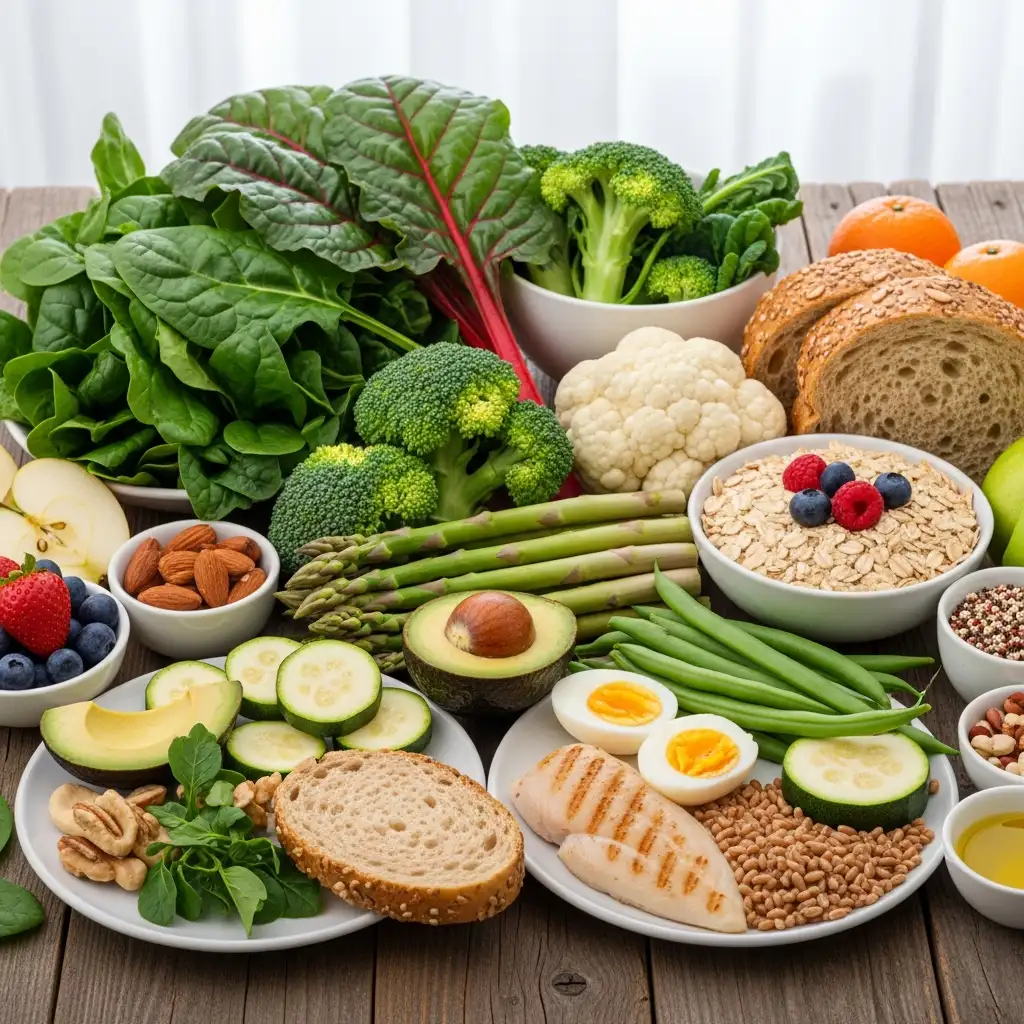
Building a comprehensive diabetic diet food list is the most important step in your journey. When you stock your kitchen correctly, healthy eating becomes effortless. Let us dive deeply into the absolute best foods you can eat.
Non-Starchy Vegetables
These are your superfoods. You can eat non-starchy vegetables in massive quantities because they contain very few calories and carbs. Furthermore, they provide essential vitamins and minerals. Fill half your plate with these greens.
Specifically, load up on spinach, kale, and Swiss chard. Broccoli and cauliflower also offer massive nutritional benefits. In addition, asparagus, green beans, and zucchini make excellent, blood-sugar-friendly side dishes.
Whole Grains
Refined grains spike your blood sugar, but whole grains do the exact opposite. Because they retain their outer bran layer, they pack a massive fiber punch. Hence, they provide steady, slow-burning energy throughout the day.
For instance, choose rolled or steel-cut oats for breakfast instead of sugary cereals. Quinoa serves as a fantastic substitute for white rice. Also, look for 100% whole wheat bread, barley, and farro to round out your meals.
Lean Proteins
Protein is crucial because it keeps you full and does not raise your blood sugar. Incorporating lean protein into every meal stabilizes your energy. It also helps preserve your muscle mass as you age.
Skinless chicken and turkey breast are fantastic daily staples. Furthermore, fish rich in omega-3s, like salmon and sardines, actively protect your heart. For plant-based options, rely heavily on tofu, tempeh, and eggs.
Healthy Fats
Many people fear fat, but healthy fats are your best friend. They digest very slowly, which keeps your blood glucose remarkably stable. Moreover, they protect your cardiovascular system, which is vital for diabetic patients.
Extra virgin olive oil should be your primary cooking fat. Avocados make a creamy, delicious addition to salads or eggs. Finally, grab a handful of almonds, walnuts, or chia seeds for a perfect, crunchy snack.
Foods to Limit or Avoid
Just as important as what you eat is what you avoid. Certain foods aggressively sabotage your blood sugar management. First of all, completely eliminate sugary beverages. Sodas, sweet teas, and fruit juices dump pure sugar directly into your bloodstream.
Also, avoid refined grains like white bread, white rice, and traditional pasta. These foods digest far too quickly. Consequently, they cause massive insulin spikes followed by exhausting energy crashes.
Finally, ditch ultra-processed snacks. Packaged cookies, chips, and crackers offer zero nutritional value. Instead, they promote widespread inflammation and weight gain. Hence, you must stick to whole, natural foods as much as possible.
Which Fruits Are Good for Diabetes?
Many patients fear fruit because of its natural sugar. However, as Dr. David T. Broome, I constantly remind my patients that fruit is completely safe. You simply need to choose low-glycemic options carefully.
First of all, berries are an absolute nutritional powerhouse. Strawberries, blueberries, and raspberries contain massive amounts of dietary fiber. Therefore, they satisfy your sweet tooth without spiking your blood glucose.
Next, apples provide excellent crunch and daily hydration. They contain pectin, a specific fiber that slows digestion dramatically. Always eat the skin, because that is exactly where the nutrients live.
Finally, citrus fruits offer incredible metabolic benefits. Oranges and grapefruits provide ample vitamin C and folate. Furthermore, their high water content keeps you full and hydrated throughout the entire day.
7-Day Diet Plan for Diabetic Patients
A structured 7-day diet plan for diabetic patients removes the daily stress of cooking. Specifically, planning ahead is your absolute greatest weapon. Let us look at a practical, real-world daily template.
For breakfast, enjoy a warm bowl of oatmeal topped with fresh berries and walnuts. This combination provides complex fiber and healthy fats. Consequently, you will stay comfortably full until lunch.
During lunch, build a massive grilled chicken salad. Use plenty of leafy greens, cucumbers, and extra virgin olive oil dressing. This meal directly delivers lean protein without any unnecessary carbohydrates.
Finally, dinner should consist of baked fish, roasted asparagus, and a small scoop of quinoa. This balanced plate perfectly supports your nighttime blood sugar levels.
NHS Diabetes Diet Sheet Overview
The Type 2 diabetes diet sheet from the NHS provides a fantastic visual guide for beginners. Specifically, it heavily utilizes the highly effective plate method. This ensures perfect portion control without ever weighing your food.
First, fill exactly half your plate with colorful, non-starchy vegetables. Next, designate one-quarter of the space for your lean protein. Finally, keep your complex carbohydrates strictly confined to the last quarter.
This simple NHS diabetes diet strategy actively prevents dangerous overeating. Furthermore, it guarantees you get a healthy mix of macronutrients. As a result, managing your daily meals becomes incredibly simple and stress-free.
How to Get Blood Sugar Down in a Hurry (Safely)
Occasionally, you might experience an unexpected, rapid glucose spike. Knowing how to get blood sugar down in a hurry without insulin is incredibly crucial. However, always treat true medical emergencies with utmost seriousness.
First, drink a large glass of water immediately. Hydration physically dilutes the concentrated sugar circulating in your blood. Furthermore, it helps your kidneys efficiently flush out excess glucose through urine.
Next, engage in light physical activity right away. A brisk 15-minute walk works absolute wonders for your metabolism. Active muscle movement actively burns circulating blood glucose for quick, accessible energy.
Safety Disclaimer: These tips are strictly for mild, non-emergency spikes. Always seek immediate emergency medical advice for dangerously high blood sugar. Do not substitute these lifestyle steps for prescribed medical treatments.
Meal Timing & Blood Sugar Control
Eating at regular intervals significantly stabilizes your delicate metabolism. Conversely, skipping meals causes extreme, dangerous blood sugar drops. Consequently, you might overeat later due to intense, uncontrollable hunger.
Therefore, try to eat your main meals at the exact same times daily. Consistency helps your body perfectly regulate its natural insulin production. Thus, you successfully avoid those exhausting, frustrating afternoon energy crashes.
Key Nutrients in a Diabetes Diet
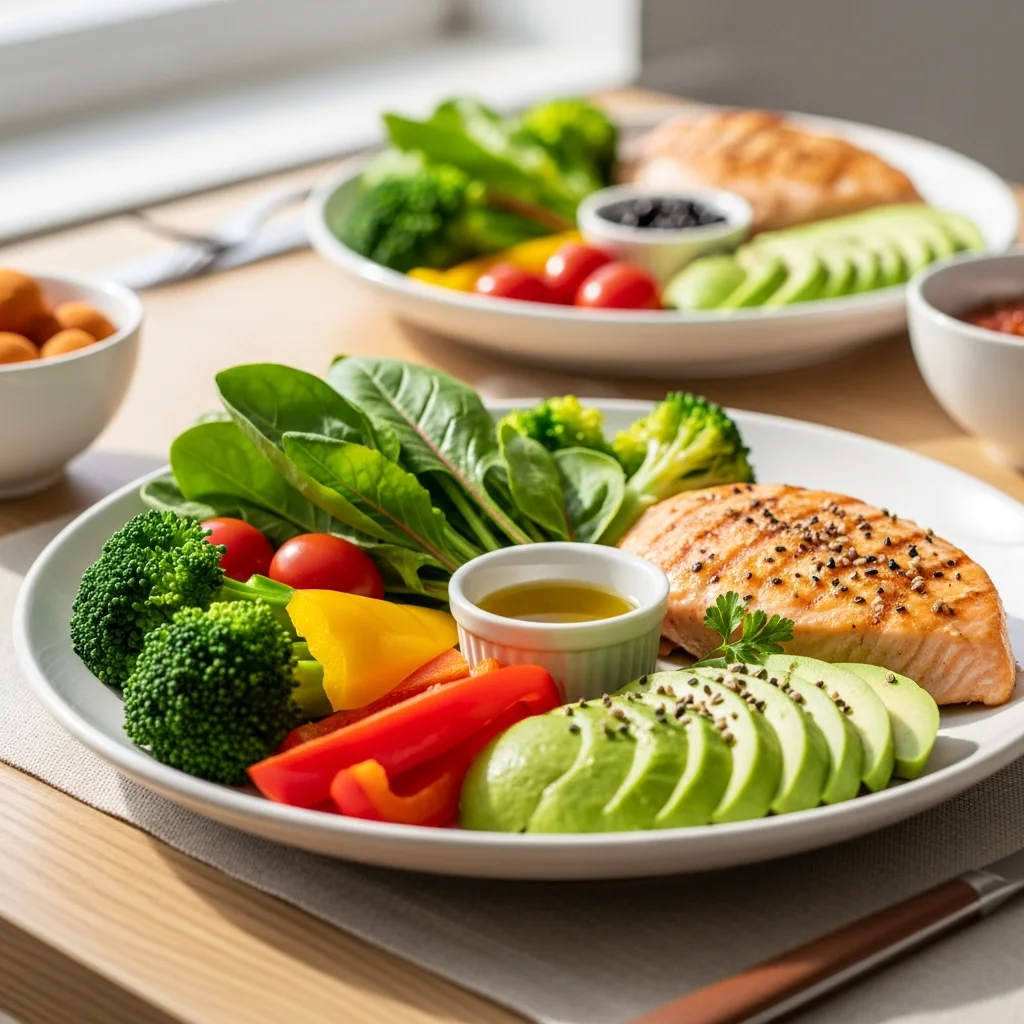
You must actively prioritize fiber above all else. Specifically, fiber slows carbohydrate absorption remarkably well in your gut. Additionally, lean protein and healthy fats form the ultimate foundation of your meals.
Together, these three key nutrients keep your blood glucose perfectly steady. Therefore, try to include all three in every single meal you eat. This simple, daily habit changes your long-term health entirely.
Common Mistakes to Avoid
Many well-meaning people accidentally overeat “healthy” carbohydrates like brown rice or fruit. Also, ignoring strict portion sizes completely sabotages your hard work. Always measure your food initially until you learn visual cues.
Another huge mistake involves aggressively drinking your calories. Smoothies and fruit juices digest far too quickly in your stomach. As a result, they flood your system with pure sugar instantly.
Action Plan
First of all, plan your meals weekly to avoid impulsive, unhealthy eating. Next, track your daily carbohydrate intake meticulously in a journal. Also, monitor your blood sugar frequently to see real-time, actionable results.
Frequently Asked Questions
What exactly is the best diet for a diabetic patient?
A balanced diet rich in complex fiber, lean proteins, and healthy fats works absolute wonders. Furthermore, eating patterns like the Mediterranean diet heavily support excellent long-term blood sugar control. Therefore, focusing entirely on whole, unprocessed foods remains your absolute best daily strategy.
Which fruits are completely safe to eat if I have diabetes?
Low-glycemic fruits like fresh berries, crisp apples, and citrus fruits are incredibly safe daily choices. Because they pack a massive amount of natural fiber, they actively prevent sharp, dangerous sugar spikes. Always remember to eat the apple skin for maximum nutritional benefits.
How can I lower my blood sugar quickly and safely?
First of all, drinking a large glass of water helps dilute circulating blood glucose almost immediately. Next, engaging in light physical activity, like a brisk 15-minute walk, actively burns that excess sugar. However, you must always seek emergency medical care for dangerously high glucose levels.
What does a typical diabetes diet plan actually look like?
It is a structured, daily eating roadmap explicitly designed to flawlessly manage your blood glucose levels. Specifically, it focuses heavily on strict portion control and highly precise carbohydrate balancing. Consequently, this simple daily plan helps you maintain steady, reliable energy all day long.
Does my daily meal timing actually affect my blood sugar levels?
Yes, eating at consistently spaced intervals actively prevents unpredictable, dangerous metabolic fluctuations. Skipping meals frequently causes extreme blood sugar drops followed by intense, uncontrollable hunger. Thus, eating three perfectly balanced meals daily keeps your natural insulin production incredibly stable.
Conclusion
In conclusion, taking charge of your metabolic health starts right in your kitchen. As Dr. David T. Broome, I promise you that building these new habits gets much easier every single day. Start small, stay incredibly consistent, and confidently commit to your diabetes nutrition diet for a healthier, vibrant life.
Authoritative Medical References:
- Diabetes Care — Nutrition Therapy for Adults With Diabetes or Prediabetes: A Consensus Report
- Diabetes Care — 3. Prevention or Delay of Diabetes and Associated Comorbidities: Standards of Care in Diabetes—2024
- Preventing Chronic Disease (CDC) — Breaking Barriers: CDC and American Diabetes Association Unite to Combat Diabetes
- Diabetes Care — Management of Hyperglycemia in Type 2 Diabetes, 2022. A Consensus Report by the American Diabetes Association (ADA) and the European Association for the Study of Diabetes (EASD).