
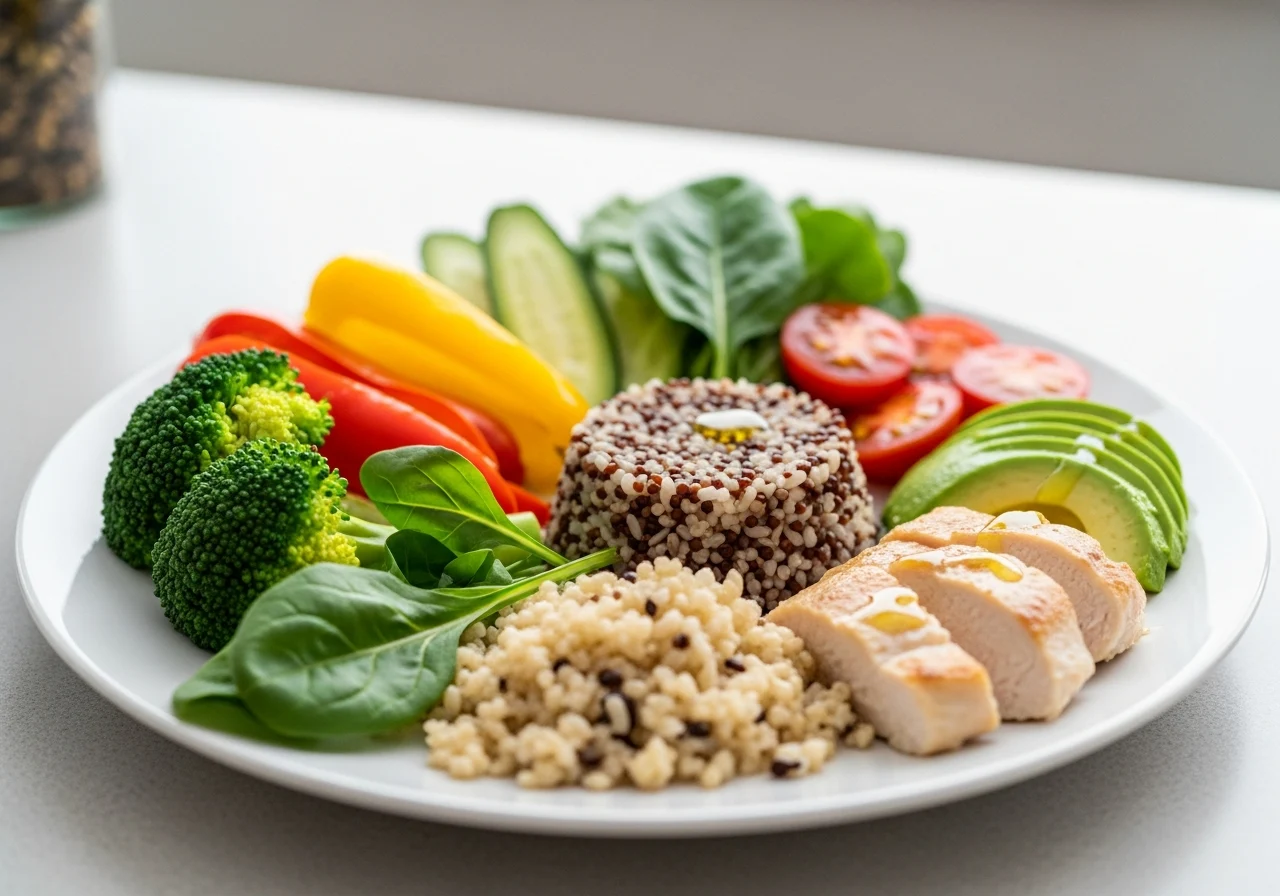
Navigating blood sugar changes can feel overwhelming. As a doctor, I see this daily. Patients often sit in my office, worried about giving up their favorite meals. But here is the good news. A proper type 2 diabetes diet is not about starvation. Instead, it is about making smart, delicious choices that stabilize your glucose levels.
First of all, managing nutrition is the most powerful tool you have. Due to the right dietary shifts, many patients dramatically improve their energy and A1C numbers. Therefore, let’s break down exactly what to eat.
This guide will help you build a sustainable meal plan. Ultimately, you can take control of your health today without losing the joy of eating. Let’s get started on your wellness journey.
What Is a Type 2 Diabetes Diet?
A type 2 diabetes diet is a structured eating plan. It focuses on nutrient-dense foods that prevent blood sugar spikes. You do not need to buy special, expensive foods.
In fact, it is just a healthy eating plan that anyone can follow. You prioritize vegetables, lean proteins, and healthy fats. Furthermore, you limit processed sugars and refined carbohydrates.
Insulin resistance plays a huge role here. Your body produces insulin, but your cells ignore it. Consequently, sugar builds up in your bloodstream.
The right diet improves insulin sensitivity. When you eat fewer simple sugars, your pancreas works less. As a result, your blood glucose numbers naturally drop into a healthier range.
Type 2 Diabetes Causes & Why Diet Matters
Genetics and family history definitely play a role in diabetes. However, lifestyle choices strongly influence your actual risk. Sedentary habits and poor diet are major culprits.
I am Dr. David T. Broome, and I see the power of diet firsthand. Recently, I treated a patient named Robert. He was exhausted and struggling with high daily glucose readings.
We did not just increase his medications. Instead, we completely overhauled his daily plate. He swapped processed snacks for whole foods. Within three months, his A1C dropped significantly.
Obesity is a primary driver of insulin resistance. Extra visceral fat around your organs blocks insulin from working properly. Therefore, shedding even 5% of your body weight makes a massive difference.
Diet matters because it directly targets this root cause. You cannot out-medicate a poor diet. Nutrition is the foundation of genuine metabolic healing.
Best Type 2 Diabetes Diet (Evidence-Based)
Many diets claim to be the absolute best. However, clinical evidence points to a few specific dietary patterns. Let’s look at the most effective, research-backed options available today.
First, the Mediterranean diet remains a top choice. It focuses heavily on healthy fats like olive oil. Additionally, it features abundant leafy greens and lean fish.
Another great option is a low-carb diet. Reducing carbohydrate intake directly lowers blood sugar. Many patients see rapid glucose reduction using this method.
Furthermore, plant-based diets offer incredible benefits. They are naturally high in fiber. Consequently, they promote weight loss and boost overall insulin sensitivity.
Finally, the DASH diet is excellent for heart health. Doctors originally designed it to lower blood pressure. Yet, it also provides strong glucose control for diabetic patients.
| Diet Type | Core Benefits | Clinical Evidence |
| Mediterranean | Heart health, steady glucose control | Strong |
| Low-Carb | Rapid glucose reduction, weight loss | Moderate–Strong |
| Plant-Based | Weight loss, improved insulin sensitivity | Moderate |
| DASH | Blood pressure lowering, glucose control | Strong |
Type 2 Diabetes Diet Food List (What to Eat)
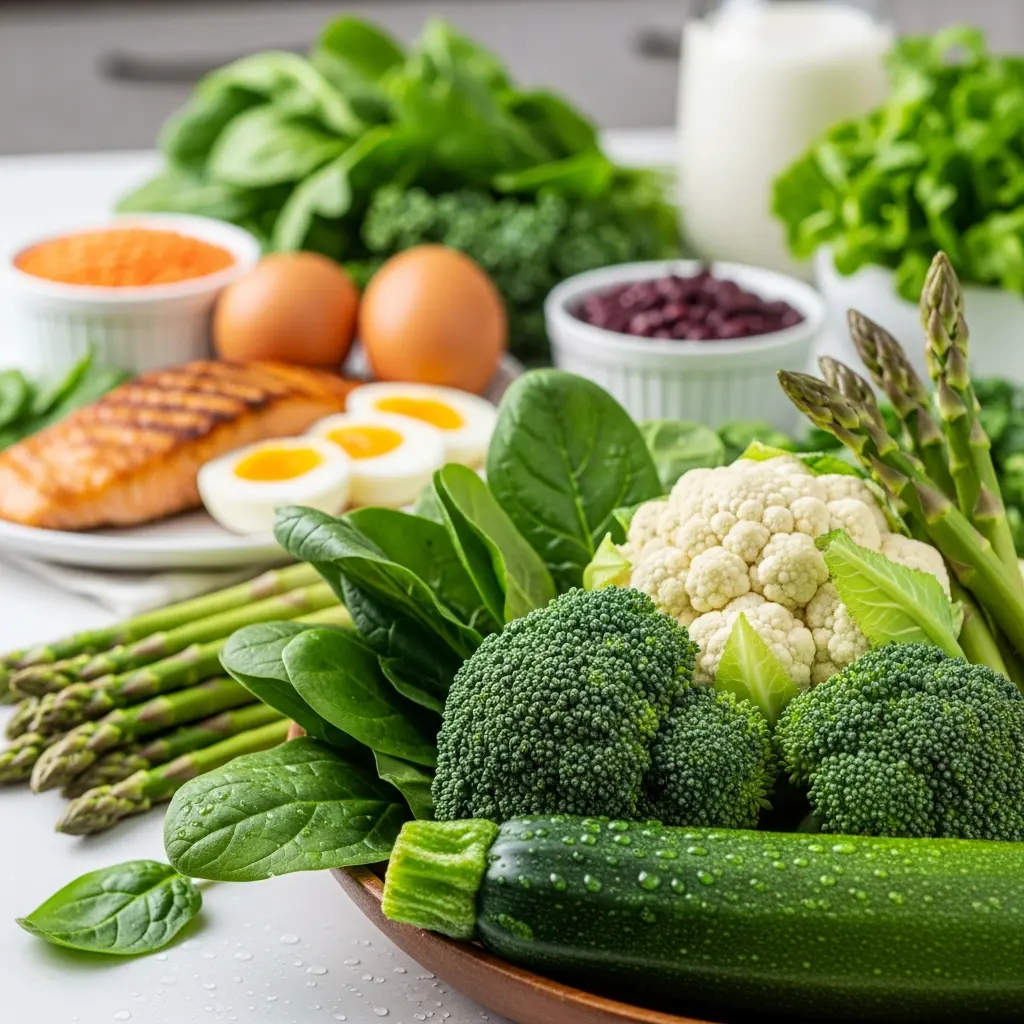
Building a reliable type 2 diabetes diet food list is crucial. You want to fill your kitchen with foods that heal. Focus on these powerful, nutrient-dense categories.
Non-Starchy Vegetables
These are your best friends. You can eat them almost freely. They are packed with vitamins and essential fiber.
- Spinach and kale
- Broccoli and cauliflower
- Zucchini and asparagus
Lean Proteins
Protein keeps you full and stabilizes your blood sugar. It does not cause insulin spikes. Therefore, include protein in every meal.
- Skinless chicken breast
- Turkey
- Eggs
- Tofu and tempeh
Healthy Fats
Fats slow down the absorption of carbohydrates. This prevents sudden sugar rushes. Choose anti-inflammatory fat sources.
- Avocados
- Extra virgin olive oil
- Almonds and walnuts
- Chia seeds
Low GI Whole Grains
You can still eat grains. However, you must choose complex, high-fiber options. These digest slowly over time.
- Quinoa
- Steel-cut oats
- Brown rice
Type 2 Diabetes Food List to Avoid
Just as important as what you eat is what you skip. Certain foods trigger massive blood sugar spikes. You must avoid these to protect your pancreas.
Sugary Drinks
Soda and sweet tea are incredibly dangerous. They dump liquid sugar straight into your blood. Consequently, they cause immediate, harmful glucose spikes.
Refined Carbohydrates
White bread and white rice strip away helpful fiber. Your body treats them just like table sugar. Therefore, always swap them for whole-grain alternatives.
Highly Processed Foods
Packaged snacks contain hidden sugars and bad fats. Furthermore, they drive inflammation in your body. Always check labels for sneaky, hidden syrups.
What Are Good Carbohydrates for Type 2 Diabetes?
Carbohydrates are not your enemy. However, you must choose the right types. Good carbohydrates digest slowly and provide steady energy.
Look for low Glycemic Index (GI) foods. These foods have a minimal impact on your blood sugar. Berries and beans are excellent examples.
Fiber-rich carbs are essential for glucose management. Fiber physically slows down digestion in your gut. As a result, sugar enters your bloodstream at a safe, controlled pace.
Carb counting is a valuable skill to learn. It helps you manage your daily intake. I always tell patients to aim for balance, not zero carbs.
Type 2 Diabetes Diet Plan (7-Day Meal Plan)
Creating a type 2 diabetes diet plan does not have to be stressful. In my clinic, I always suggest starting simple. You want a routine that fits your lifestyle.
Furthermore, a good plan balances your macronutrients perfectly. A typical day should aim for 1,500 to 1,800 calories. However, this depends entirely on your specific weight goals.
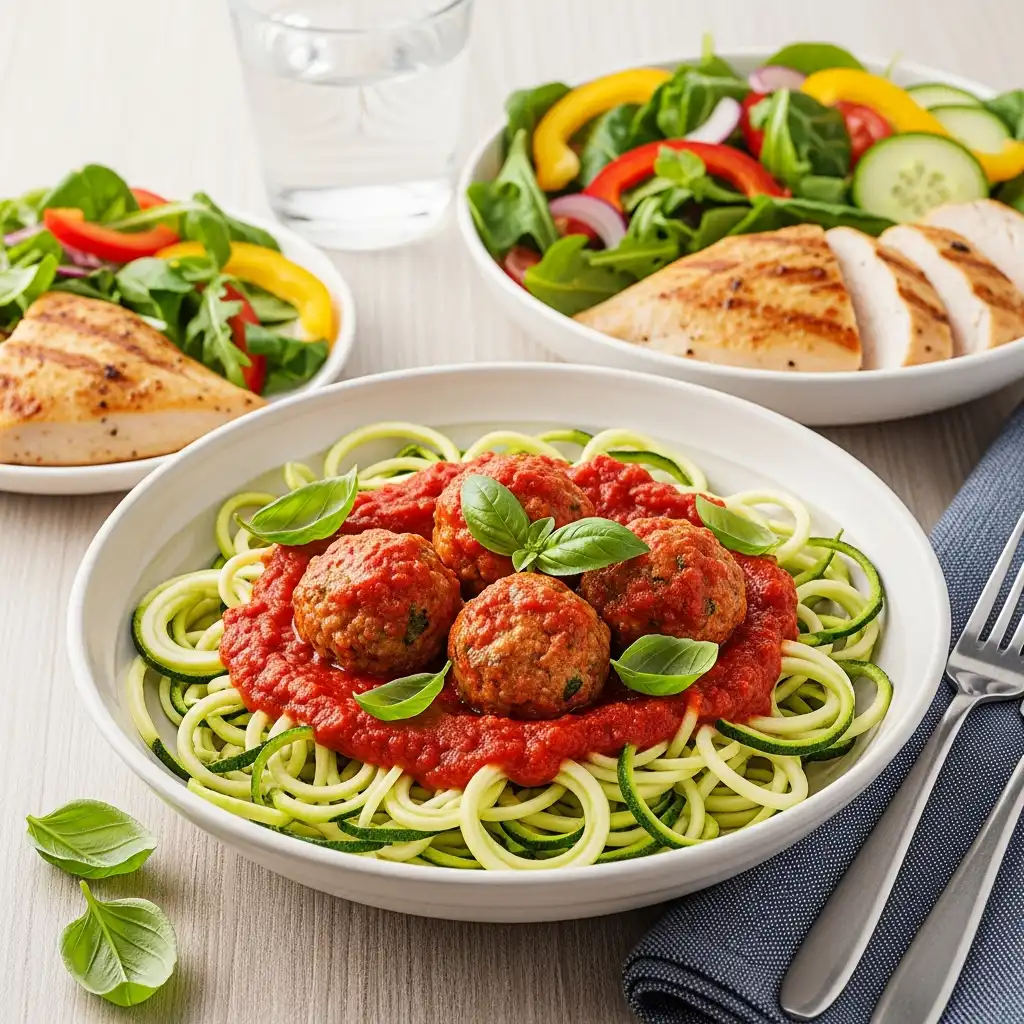
For breakfast, try scrambled eggs with spinach and feta cheese. It gives you a strong protein boost. Later, a grilled chicken salad makes a perfect low-carb lunch.
Dinner should feature a lean protein and plenty of greens. For example, baked salmon with roasted asparagus is fantastic. Finally, keep snacks like almonds or Greek yogurt handy.
Type 2 Diabetes Diet Sheet & Food Chart
Many patients ask me for a physical type 2 diabetes diet sheet. Having a visual guide makes grocery shopping much easier. Therefore, I created this simple daily chart for you.
You must focus on the correct portion sizes. A healthy plate is half vegetables and a quarter protein. The last quarter holds your complex carbohydrates.
| Food Category | Recommended Portion | Daily Target |
| Non-Starchy Veggies | 1–2 cups per meal | Unlimited |
| Lean Protein | 4–6 ounces per meal | 2–3 servings |
| Complex Carbs | 1/2 cup cooked | 2–3 servings |
| Healthy Fats | 1 tablespoon | 2–3 servings |
Type 2 Diabetes Diet Recipes
Cooking at home gives you total control over your ingredients. Therefore, you can easily avoid hidden sugars. Let me share a few quick type 2 diabetes diet recipes.
First of all, try a low-carb breakfast bowl. You simply mix cottage cheese, chia seeds, and fresh berries. It tastes sweet but keeps blood sugar stable.
For a high-protein lunch, lettuce wraps are excellent. You wrap ground turkey and shredded carrots in romaine leaves. Consequently, you skip the heavy bread completely.
A balanced dinner can be zucchini noodles with turkey meatballs. You use sugar-free marinara sauce. This meal feels like heavy pasta but digests beautifully.
Type 2 Diabetes Diet for Weight Loss
Weight management is deeply connected to your blood sugar. Specifically, losing extra fat improves your cellular insulin response. Thus, a type 2 diabetes diet plan to lose weight is vital.
You need a safe and steady calorie deficit. You burn more calories than you consume daily. As a result, your body burns stored fat for energy.
However, you must preserve your muscle mass. Muscle tissue actively burns glucose from your blood. Therefore, keep your protein intake high while dieting.
Can You Reverse Type 2 Diabetes With Diet?
Patients frequently ask if they can reverse their condition completely. The evidence-based answer is highly encouraging. Yes, a strict diet can lead to diabetes remission.
Remission means your blood sugar returns to normal levels. You achieve this without using diabetes medications. However, doctors do not call this a permanent cure.
If you return to old eating habits, the high blood sugar returns. Therefore, weight loss plays the biggest role here. Losing 10% to 15% of your body weight often triggers remission.
Clinical trials show incredible results for structured weight loss programs. I guided a patient through an intensive low-calorie protocol last year. Within six months, her A1C dropped into the prediabetic range safely.
Vegan, Low-Carb & Carnivore Diets – Which Works?
Diet trends confuse many people today. You might wonder which extreme diet actually works safely. Let us look at the facts.
A vegan diet can improve insulin sensitivity wonderfully. It relies on fiber-rich plants. However, you must carefully plan to get enough protein and vitamin B12.
The low-carb diet is my top clinical recommendation. It directly limits the sugars that cause spikes. Most importantly, it works very quickly for most patients.
Recently, the carnivore diet gained popularity online. It involves eating only meat and animal products. While it lowers blood sugar, doctors worry about long-term heart health risks.
How to Manage Type 2 Diabetes With Diet
You need daily strategies to stay on track. First, you must monitor your glucose levels regularly. This shows you exactly how different foods affect you.
Meal timing is another crucial factor. Eating at the same time every day trains your body. Specifically, it helps your pancreas release insulin more predictably.
Finally, practice strict portion control. Even healthy foods cause problems if you overeat them. Use smaller plates to trick your brain into feeling satisfied.
Latest Type 2 Diabetes Diet News & Research (2026)
Medical science constantly evolves. In 2026, we have exciting new insights into nutrition. Emerging diets now focus heavily on your gut microbiome.
Recent studies show that fermented foods improve insulin resistance. Eating kimchi and sauerkraut boosts healthy gut bacteria. Consequently, this lowers systemic inflammation in your body.
Furthermore, personalized nutrition is the new gold standard. Doctors now use continuous glucose monitors (CGMs) for tailored advice. This technology perfectly aligns your meals with your unique metabolism.
Frequently Asked Questions
Can I eat fruit on a type 2 diabetes diet?
Yes, you absolutely can enjoy fresh fruit. Berries, apples, and pears offer great fiber. This fiber slows down sugar absorption in your gut. Just watch your portion sizes carefully.
How many carbs should I eat daily?
There is no single magic number for everyone. Most patients aim for 30 to 45 grams per meal. However, you should consult your doctor for personalized daily targets.
Is intermittent fasting safe for diabetics?
Fasting can improve your insulin sensitivity effectively. Yet, it carries risks if you take certain medications. Always ask your healthcare provider before skipping your daily meals.
Do I need to stop eating sugar completely?
You do not need to banish sugar entirely. Occasional treats are fine in a balanced plan. Focus on reducing hidden sugars in highly processed foods instead.
Does drinking water help lower my blood sugar?
Yes, staying hydrated helps your kidneys flush out excess sugar. Drink plenty of water throughout the day. It is the absolute best beverage choice for managing diabetes.
Conclusion
Managing your health feels daunting at first. However, you are not alone in this journey. Making small, daily changes creates massive long-term results.
Focus on adding nutrient-dense foods to your plate. Prioritize lean proteins, healthy fats, and low-GI carbohydrates. Ultimately, consistency is your greatest weapon against insulin resistance.
Always talk to your healthcare team before changing your meals. We must monitor your medications safely during this process. Your clinical safety always comes first.
You hold the power to change your metabolic future. By adopting a smart type 2 diabetes diet, you can stabilize your blood sugar beautifully. Start your new lifestyle today and reclaim your energy.
Authoritative Medical References:
- Centers for Disease Control and Prevention (CDC) – Diabetes Meal Planning
- Harvard T.H. Chan School of Public Health – Healthy plant-based diet linked with substantially lower type 2 diabetes risk
- Centers for Disease Control and Prevention (CDC) – Carb Counting | Manage Blood Sugar
- Mayo Clinic – Diabetes diet: Create your healthy-eating plan