In my years practicing endocrinology, I have witnessed the overwhelming confusion patients face when diagnosed with metabolic conditions. Understanding the connection between a low GI diet and diabetes is often the turning point in their treatment.
It transforms nutrition from a restrictive punishment into a precise, empowering tool for managing blood glucose.
Just last month, I consulted with a patient named Elena who was on the verge of needing insulin therapy. She was eating what she thought was a “healthy” diet—lots of instant oatmeal, rice cakes, and watermelon. However, her blood sugar was constantly spiking and crashing.
By educating her on the glycemic impact of these specific foods and swapping them for slower-digesting alternatives, we completely stabilized her daily glucose readings.
Her energy returned, and we successfully avoided increasing her medication. This guide will break down the exact science and practical steps of this dietary approach.
TL;DR: The Basics of Glycemic Control
A low glycemic index (GI) diet focuses on foods that raise blood sugar slowly, helping improve glucose control in diabetes. It emphasizes whole grains, fiber-rich foods, and balanced meals. Evidence shows it may support better A1c levels, reduce insulin spikes, enhance weight management, and improve overall metabolic health.
What Is a Low GI Diet?
A low GI diet prioritizes foods with a glycemic index below 55, which cause slower, steadier increases in blood sugar. Instead of strictly counting carbohydrates, it focuses on the quality and digestion rate of the carbohydrates consumed.
Unlike traditional diets that eliminate entire food groups, this approach allows you to eat carbohydrates intelligently. The core philosophy is that not all carbs are created equal. Your body processes a slice of white bread vastly differently from a bowl of steel-cut oats.
By choosing foods that break down slowly during digestion, you prevent the rapid influx of glucose into your bloodstream. This slow release requires less insulin at any given moment, preventing the pancreatic exhaustion that drives insulin resistance.
Glycemic Index and Diabetes Explained
To effectively use this diet, you must understand how the scoring system works. The Glycemic Index is a numerical scale ranging from 0 to 100. It measures how quickly a specific food raises your blood glucose after consumption compared to pure glucose (which has a score of 100).
The GI Scale Categories:
- Low GI (55 or less): These foods digest slowly. They provide a steady trickle of energy and keep you full longer.
- Medium GI (56 to 69): These foods have a moderate impact on blood sugar and should be eaten in moderation.
- High GI (70 and above): These foods digest rapidly, causing a sharp spike and subsequent crash in blood sugar.
For someone with diabetes, a high-GI food is like pouring lighter fluid on a fire—it burns hot and fast, requiring a massive insulin response. A low-GI food is like adding a thick oak log to the fire, providing a slow, manageable, and sustained burn.
Should Diabetics Follow a Low GI Diet?
The short answer is absolutely. Major medical organizations universally recognize the clinical value of monitoring carbohydrate quality. This diet is not a fad; it is a foundational pillar of modern, evidence-based diabetes management.
When a patient’s pancreas is struggling to produce enough insulin, or their cells are highly resistant to it, bombarding the system with fast-digesting sugar leads to hyperglycemia. Consistently high blood sugar damages blood vessels, nerves, and organs over time.
Following this dietary framework significantly reduces the daily stress placed on the body’s metabolic system. While it does not replace prescribed medications, it often makes those medications far more effective and can sometimes reduce the required dosages.
Benefits of a Low GI Diet
The clinical evidence supporting this nutritional approach is extensive. For patients managing metabolic conditions, the physiological benefits extend far beyond simple blood sugar readings.
Improved Blood Sugar Control
The most immediate benefit is the reduction of postprandial (post-meal) blood sugar spikes. By smoothing out the peaks and valleys in your daily glucose profile, you directly lower your Hemoglobin A1c, the long-term marker of diabetes control.
Reduced Insulin Spikes
High levels of circulating insulin promote fat storage and increase cellular resistance over time. By eating foods that require less insulin to process, you give your pancreatic beta cells a much-needed rest and improve your body’s overall insulin sensitivity.
Better Weight Management
Low-GI foods are typically rich in dietary fiber and complex structures. They remain in the stomach longer, triggering satiety hormones that signal fullness to the brain. This naturally curtails overeating and snacking, making weight loss highly achievable without severe calorie restriction.
Glycemic Index Chart (Quick Reference)
Having a quick reference guide is essential for making rapid dietary decisions at the grocery store or in a restaurant. Here is a fundamental breakdown of common foods.
| Category | GI Range | Carbohydrate Examples |
| Low GI | 55 or less | Steel-cut oats, lentils, chickpeas, non-starchy vegetables, apples. |
| Medium GI | 56 to 69 | Brown rice, whole wheat bread, sweet potatoes, bananas. |
| High GI | 70 or above | White bread, white potatoes, sugary cereals, instant oatmeal, watermelon. |
Low Glycemic Index Foods List
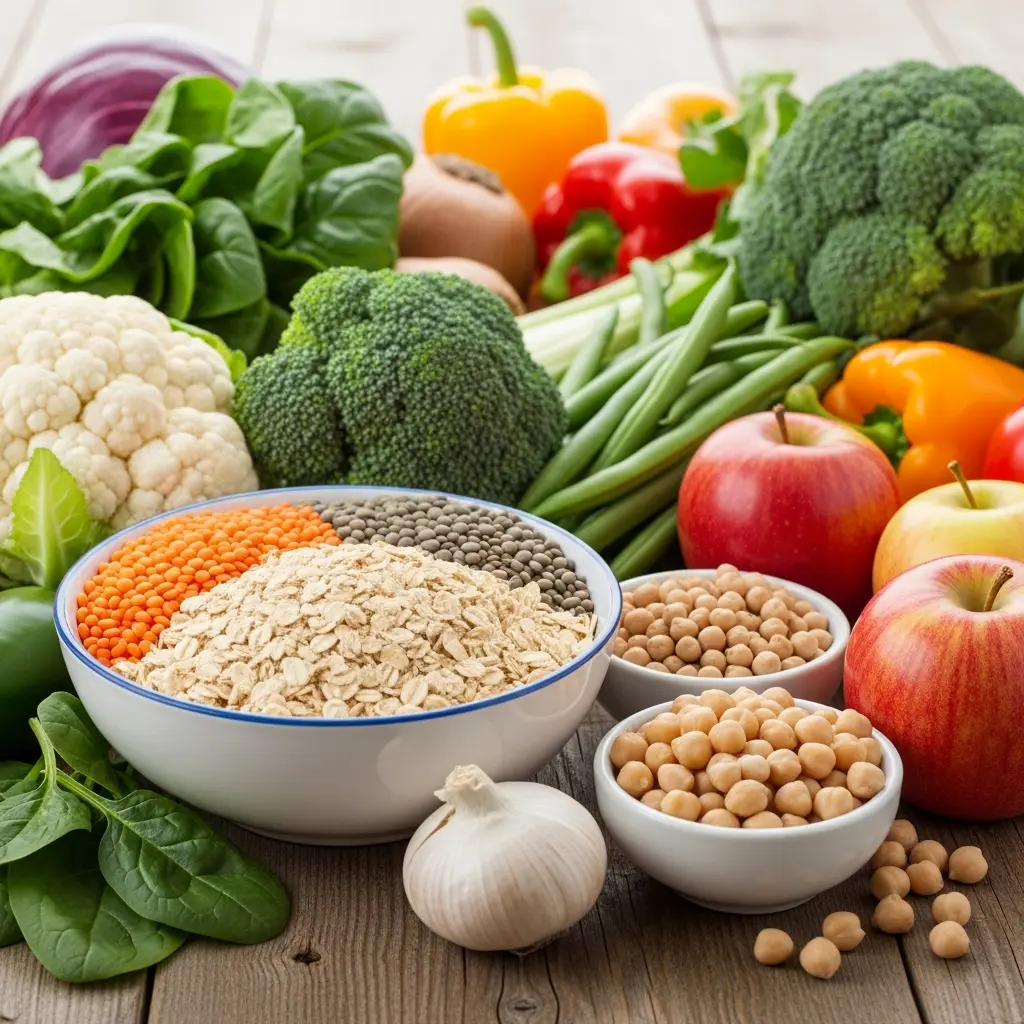
Building a sustainable diet requires a deep understanding of which foods fall into the optimal categories. A highly effective low glycemic index foods list relies on whole, minimally processed ingredients.
Whole Grains and Cereals
Processing strips away the fibrous outer layer of grains, turning them into fast-digesting starches. You must choose grains in their most intact form. Excellent options include barley, quinoa, steel-cut oats, and traditional pumpernickel or sourdough breads.
Legumes and Beans
These are the unsung heroes of diabetic nutrition. Beans and lentils have a unique cellular structure that resists rapid digestion. Kidney beans, black beans, chickpeas, and all varieties of lentils boast incredibly low GI scores, often sitting in the 20s and 30s.
Vegetables
Almost all non-starchy vegetables are exceptionally low on the index because they contain minimal carbohydrates and massive amounts of fiber. Spinach, broccoli, cauliflower, green beans, and bell peppers can be eaten in abundance without threatening your glycemic control.
Fruits
Many patients mistakenly believe they must avoid fruit entirely. In reality, many fruits are perfectly safe. The high fiber content in fruits like berries, apples, pears, and cherries slows the absorption of their natural fructose, keeping their GI scores safely in the low category.
Low GI Foods for Diabetes (US-Focused + UK Comparison)
When discussing clinical nutrition, we must acknowledge how different global health institutions approach low-GI foods, such as the Diabetes UK and US guidelines. Both regions emphasize the profound importance of carbohydrate quality for metabolic health.
In the United Kingdom, the NHS and Diabetes UK heavily promote the Glycemic Index as a primary educational tool for newly diagnosed patients. They provide extensive, standardized lists to help patients swap high-GI foods for lower alternatives immediately.
In the United States, the American Diabetes Association (ADA) often blends GI education with strict carbohydrate counting. As an endocrinologist, I find that combining the UK’s focus on carbohydrate quality with the US focus on portion control yields the absolute best clinical outcomes for my patients.
Low-Glycemic-Index Fruits
A common misconception in my clinic is that fruit must be entirely eliminated due to its natural sugar content. However, choosing low glycemic index fruits provides essential vitamins, antioxidants, and fiber without destabilizing your blood glucose.
Berries (GI 25–40): Strawberries, blueberries, and raspberries are the gold standard. Their high fiber content and tiny seeds dramatically slow down digestion. They are perfect for satisfying a sweet tooth safely.
Apples and Pears (GI 35–40): These fruits are rich in pectin, a type of soluble fiber. To get the maximum glycemic benefit, you must eat them with the skin on, as peeling them removes the protective fiber barrier.
Stone Fruits (GI 35–45): Peaches, plums, and cherries are incredibly metabolic-friendly. Their dense cellular structure takes the body significant time and energy to break down, resulting in a gentle, rolling glucose response.
Low Glycemic Index Rice Options
Rice is a dietary staple for billions of people, but standard white jasmine or sticky rice can spike blood sugar as aggressively as pure table sugar. Thankfully, there are excellent low glycemic index rice alternatives that allow you to enjoy this staple safely.
Basmati Rice (GI 50–58): Basmati is chemically different from standard white rice. It contains a higher ratio of amylose, a type of starch that resists digestion. This makes it a vastly superior choice for metabolic control.
Brown Rice (GI 55–60): Because brown rice retains its fibrous bran and nutrient-rich germ, it breaks down much more slowly in the digestive tract. It provides sustained energy and prevents sudden insulin surges.
Wild Rice (GI 45): Technically an aquatic grass rather than a true rice, wild rice is an exceptional option. It is incredibly high in protein and dietary fiber, making it the lowest-impact choice for diabetic meal planning.
Carbohydrates with Low Glycemic Index
When we talk about carbohydrates with a low glycemic index, we are essentially discussing “complex” carbohydrates. These foods maintain their natural, complex molecular structures, requiring the body to work hard to extract the glucose.
Foods high in resistant starch, like slightly green bananas or cooled cooked potatoes, act almost like dietary fiber. They bypass the small intestine and ferment in the colon, preventing a blood sugar spike while nourishing healthy gut bacteria.
As a general clinical rule, the more processed a carbohydrate is, the higher its GI score will be. Milling, grinding, and puffing grains destroy their complex structures, turning them into fast-acting sugars that flood the bloodstream.
30-Day Low-Glycemic Diet Menu (Sample Plan)
Transitioning to a new lifestyle requires actionable steps. I often start my patients on a structured 30-day low glycemic diet menu to help them build sustainable habits. Here is a foundational 3-day snapshot representing the core philosophy of the month-long plan:
The High-Fiber Start
- Breakfast: Steel-cut oatmeal topped with walnuts and fresh raspberries.
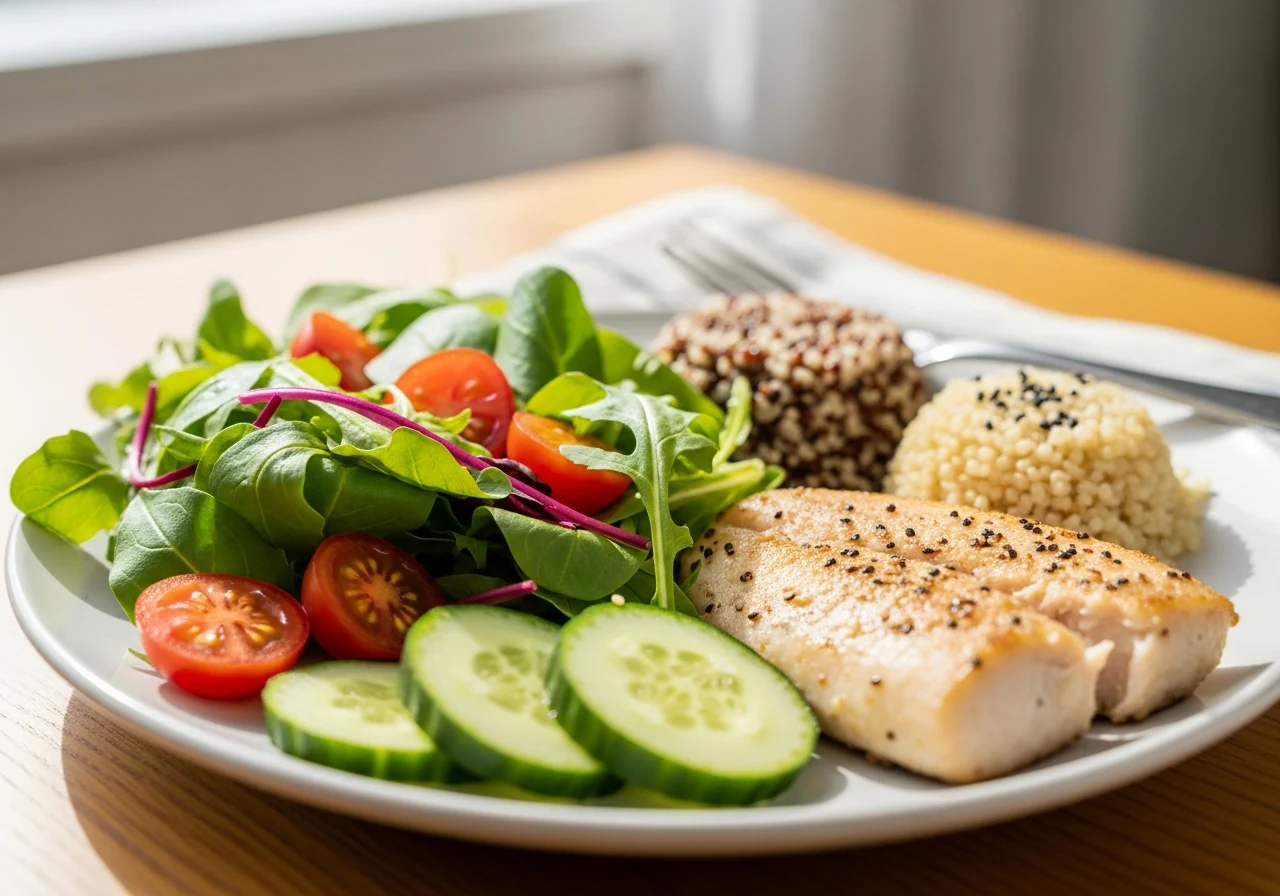
- Lunch: A large mixed greens salad with chickpeas, grilled chicken, and olive oil dressing.
- Dinner: Baked salmon served alongside steamed broccoli and a half-cup of quinoa.
Sustained Energy
- Breakfast: Two scrambled eggs with spinach and a slice of toasted pumpernickel bread.
- Lunch: Lentil soup with a side of raw bell peppers and hummus.
- Dinner: Turkey chili made with kidney beans, topped with a small slice of avocado.
Plant-Forward Balance
- Breakfast: Greek yogurt (unsweetened) topped with chia seeds and sliced almonds.
- Lunch: Turkey and cheese wrapped in a whole-grain, low-GI tortilla with a side apple.
- Dinner: Stir-fried tofu or chicken with bok choy and a small portion of basmati rice.
Low GI Diet Patient Information (Clinical Perspective)
When dispensing low gi foods patient information, I always emphasize the concept of Glycemic Load (GL). The Glycemic Index only tells you how fast a food digests; it does not account for the amount of carbohydrates in a standard serving.
For example, watermelon has a high GI score, but it is mostly water. You would have to eat an enormous amount of it to actually spike your blood sugar. Understanding portion sizes is just as critical as choosing the right foods.
I teach my patients to visualize their plates: half should be non-starchy vegetables, one-quarter lean protein, and only one-quarter low-GI carbohydrates. This visual guide prevents accidental overeating of even the healthiest carbs.
What Is the #1 Worst Food for Blood Sugar?
In endocrinology, the consensus is clear: liquid sugar is the absolute worst offender. Sugary drinks, including soda, sweetened iced tea, and commercial fruit juices, are metabolically disastrous.
Because liquids require zero mechanical breakdown in the stomach, the sugar hits the small intestine instantly. It floods the bloodstream in minutes, causing a violent spike in glucose that the pancreas struggles to manage.
I have seen patients lower their A1c by over a full point simply by eliminating sugary beverages and replacing them with water, unsweetened tea, or sparkling water. It is the single most impactful dietary change you can make.
What Is the 10-10-10 Rule for Diabetics?
The 10 10 10 rule for diabetics is a practical heuristic I occasionally discuss to simplify meal planning. It suggests aiming for at least 10 grams of protein, 10 grams of fat, and 10 grams of dietary fiber at every major meal.
This combination acts as a metabolic speed bump. Protein, fat, and fiber all slow gastric emptying. When consumed alongside carbohydrates, they physically delay the release of glucose into the bloodstream.
While it is a simplified guideline, it forces patients to look beyond just carbohydrates and focus on building balanced, complex meals that support long-term satiety and stable energy levels.
What Do Chinese Take for Diabetes? (Cultural Context)
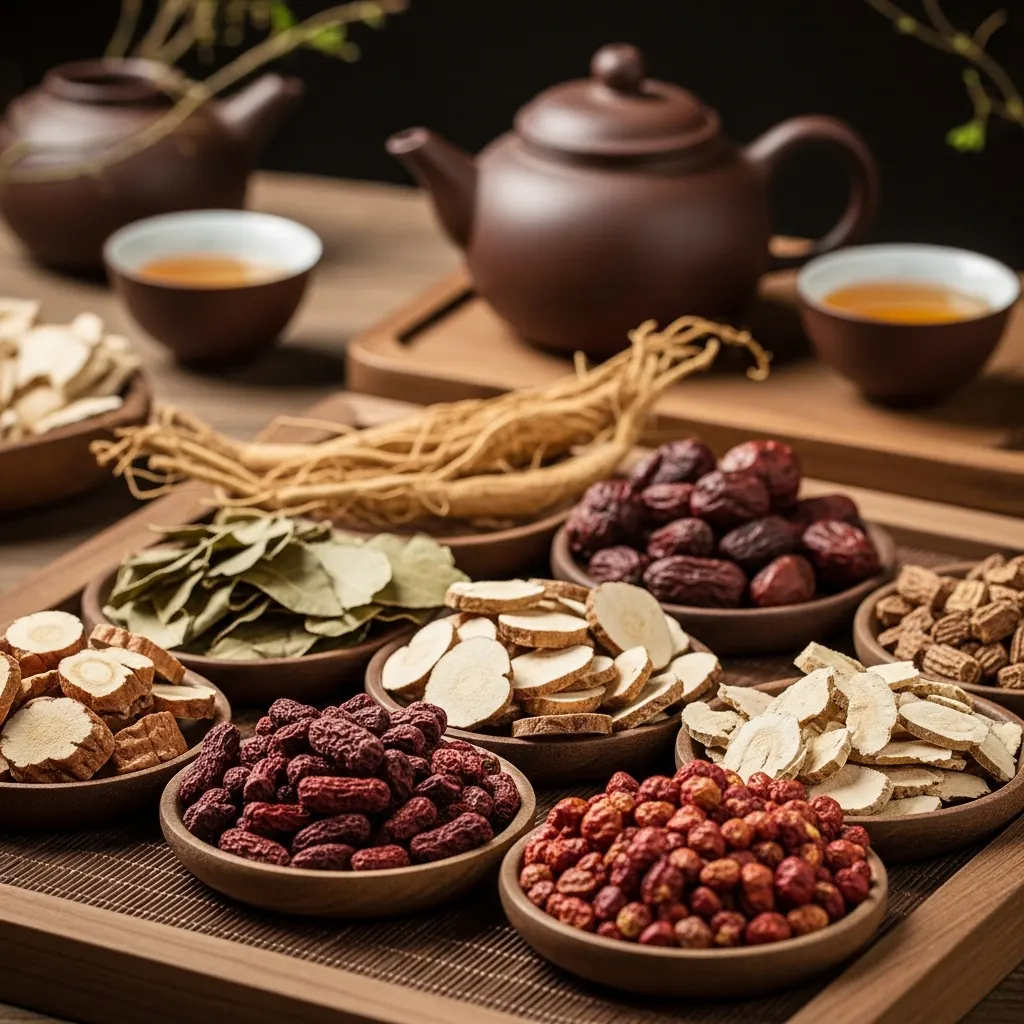
Many patients ask about traditional alternative therapies, often wondering what Chinese take for diabetes. Traditional Chinese Medicine (TCM) utilizes several herbal adjuncts, with Berberine being the most clinically significant.
Berberine is a bioactive compound extracted from several plants. Numerous modern clinical trials have shown it can improve insulin sensitivity and lower blood glucose, functioning via mechanisms somewhat similar to the pharmaceutical drug Metformin.
Bitter melon and ginseng are also heavily utilized in Asian cultures for glucose control. However, as an MD, I strictly warn my patients never to replace their prescribed medications with these herbs without direct medical supervision, as they can cause dangerous hypoglycemia if combined incorrectly.
Common Mistakes on a Low GI Diet
The most frequent mistake is ignoring portion sizes. Eating three bowls of low-GI brown rice will still overload your system with carbohydrates and spike your blood sugar. Quality does not negate the rules of quantity.
Another common error is overeating dietary fat to compensate for fewer fast carbs. While healthy fats are essential, excessive calorie intake from nuts, oils, and cheese will lead to weight gain, which worsens insulin resistance over time.
Finally, relying on commercially packaged “low GI” snacks is a trap. Many of these processed bars and cookies are highly refined and packed with artificial additives. Always prioritize whole, single-ingredient foods.
Low GI Diet vs Low Carb Diet
Patients frequently confuse these two approaches. While they share similarities, their fundamental philosophies differ significantly. Understanding the distinction helps in choosing the right path for your lifestyle.
| Feature | Low Glycemic Index (GI) Diet | Low Carbohydrate (Keto/Atkins) Diet |
| Primary Focus | The quality and digestion speed of carbohydrates. | The strict quantity and restriction of carbohydrates. |
| Carb Allowance | Moderate; allows fruits, whole grains, and legumes. | Very low; often excludes all grains, fruits, and starches. |
| Sustainability | Highly sustainable long-term for most individuals. | Can be difficult to maintain socially and physically long-term. |
| Metabolic State | Relies on steady glucose metabolism. | Forces the body into ketosis (burning fat for fuel). |
Who Should Use a Low GI Diet?
This dietary framework is universally beneficial, but it is an absolute necessity for individuals diagnosed with Type 2 diabetes or prediabetes. It directly addresses their primary metabolic dysfunction.
Women suffering from Polycystic Ovary Syndrome (PCOS) also see phenomenal results. PCOS is deeply linked to severe insulin resistance, and a low-GI approach helps regulate the hormones driving the condition.
Furthermore, anyone struggling with severe energy crashes, mid-afternoon fatigue, or stubborn weight gain will benefit from the stabilized blood sugar environment this diet creates.
When to See a Doctor
Dietary changes are powerful, but they interact directly with medical treatments. If you are currently taking insulin or sulfonylureas, transitioning to a low-GI diet without adjusting your medication can cause severe hypoglycemia (low blood sugar).
You must consult your endocrinologist or primary care physician before starting. We need to monitor your daily glucose readings closely and proactively reduce your medication dosages as your diet naturally lowers your blood sugar.
If you experience frequent dizziness, confusion, or extreme hunger while adapting to this diet, it is a medical warning sign. Contact your healthcare team immediately to recalibrate your treatment plan.
Frequently Asked Questions
What specific foods have a low glycemic index?
Foods in their natural, unprocessed state typically score the lowest. Excellent examples include leafy green vegetables, lentils, chickpeas, steel-cut oats, barley, and high-fiber fruits like apples and berries. Proteins and fats (like chicken or olive oil) do not contain carbs and therefore do not have a GI score.
Is a low GI diet inherently better than a strict low-carb diet?
It is not necessarily “better,” but it is often more sustainable. Strict low-carb diets restrict many healthy, nutrient-dense foods like legumes and certain fruits. The low-GI approach allows for a wider, more enjoyable variety of foods while still maintaining excellent clinical control over blood sugar spikes.
Can following a low GI diet permanently reverse diabetes?
While Type 2 diabetes cannot be “cured” in the traditional sense, a strict low-GI diet, combined with weight loss and exercise, can put the disease into remission. This means your blood sugar returns to non-diabetic levels without the need for daily medication, though the underlying metabolic tendency remains.
Are all fruits safe to eat on a low GI diet?
No, you still need to be selective. Tropical fruits like pineapple, watermelon, and overly ripe bananas digest very quickly and score high on the index. You should prioritize temperate fruits with thick skins or seeds, such as berries, cherries, and apples, which digest much more slowly.
Conclusion
Managing diabetes does not have to mean a lifetime of culinary deprivation. As we have explored in this guide, adopting a low GI diet and diabetes management plan is about making intelligent, scientifically backed swaps. By prioritizing whole grains, legumes, and high-fiber produce, you take direct control of your body’s insulin response.
In my clinical practice, I remind patients that perfection is not the goal; consistency is. You do not need to eliminate every high-GI food you love forever. Instead, learn to balance them with proteins, fats, and fiber to mute their metabolic impact.
Your fork is the most powerful medical instrument you possess. By choosing carbohydrates that respect your body’s biological limits, you protect your blood vessels, preserve your pancreatic function, and reclaim your daily energy. Start making these simple swaps today, and watch your metabolic health transform.
Authoritative Medical References:
- American Diabetes Association (ADA) – Understanding Carbohydrates
- Mayo Clinic – Low-glycemic index diet: What’s behind the claims
- National Institute of Diabetes and Digestive and Kidney Diseases (NIDDK) – Healthy Living with Diabetes
- Centers for Disease Control and Prevention (CDC) – Diabetes Meal Planning
- PubMed / National Institutes of Health—The effect of low glycemic index diets on glycemic control in patients with type 2 diabetes