
A1C Test at Home: How to Check Your Hemoglobin A1C, Accuracy, Kits & Where to Buy
An A1C test at home allows you to measure your average blood sugar levels over the past 2–3 months using a simple finger-prick sample. FDA-approved home A1C test kits provide convenient and fairly accurate results when used correctly, making them highly useful for daily diabetes monitoring and early prediabetes detection. Many patients ask me during…

Reviewed by
Christine Fallabel, MPH
Written by
Quick Overview
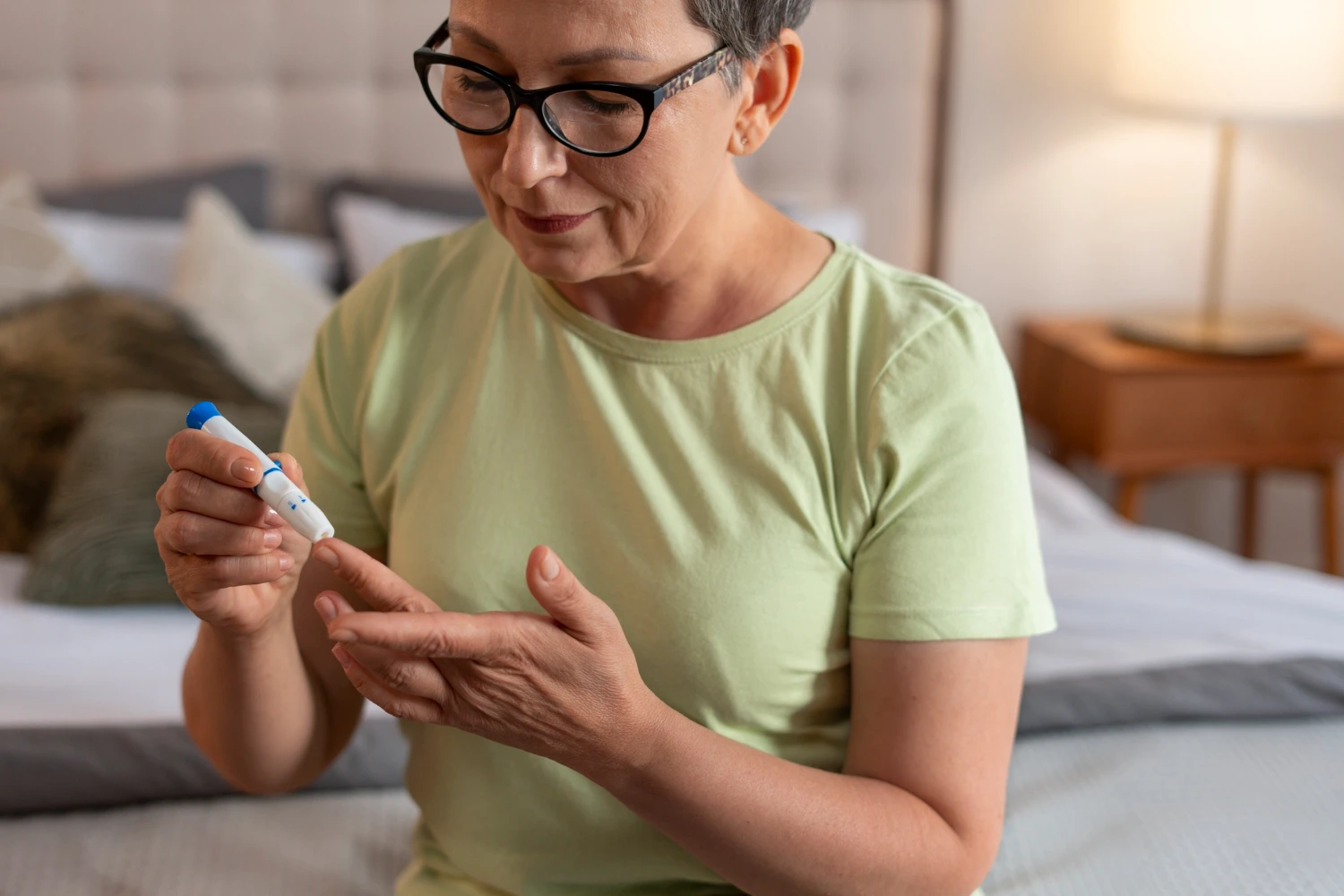
An A1C test at home allows you to measure your average blood sugar levels over the past 2–3 months using a simple finger-prick sample. FDA-approved home A1C test kits provide convenient and fairly accurate results when used correctly, making them highly useful for daily diabetes monitoring and early prediabetes detection.
Many patients ask me during clinic visits, can I test my A1C at home? Yes, the rising demand for an A1C self check kit has completely transformed modern diabetes management. People want the convenience of testing without waiting weeks for a laboratory appointment.
Last month, I interviewed a patient named Sarah who struggled to schedule lab visits during her busy workdays. She asked, can you check your A1C level at home safely? I introduced her to over-the-counter options, and it changed her health routine entirely.
Today, anyone can use an A1C test at home to take charge of their metabolic health. These kits bridge the gap between traditional lab testing and daily finger-prick glucose checks. Let us explore exactly who should consider them and how they work.
Can You Do an A1C Test at Home?
You might wonder, can you do an A1C test at home securely? Absolutely, modern medical technology makes this entirely possible. Manufacturers now design reliable, FDA-approved test kits specifically for personal, in-home use.
If you are asking, is there an at home A1C test that doctors trust? Yes, many physicians recommend them for routine monitoring between official clinic visits. You simply purchase the kit, follow the instructions, and get your results quickly.
However, you must remember that home testing does not replace a formal medical diagnosis. We use these tools to track progress, not to officially diagnose diabetes for the first time. Therefore, always share your home results with your primary care doctor.
What Is a Hemoglobin A1C Test?
Before buying a kit, you must understand what this test actually measures. A hemoglobin A1C test at home evaluates the amount of glucose attached to your red blood cells. Because red blood cells live for about three months, this test reveals your long-term blood sugar average.
Many people confuse an A1C check with daily blood glucose testing. Daily glucose meters only show your blood sugar at one exact moment in time. Conversely, the A1C gives us a broad, three-month historical picture of your overall metabolic health.
When your blood sugar runs high consistently, more glucose attaches to your hemoglobin. Therefore, a higher percentage indicates poor long-term blood sugar control. Tracking this number helps you and your doctor adjust your diet or medication effectively.
How to Test A1C at Home: Step-by-Step Guide
Learning how to test your A1C at home requires careful attention to detail. First, you must read the entire instruction manual included in your specific kit. Every manufacturer uses slightly different collection devices, so preparation remains vital.
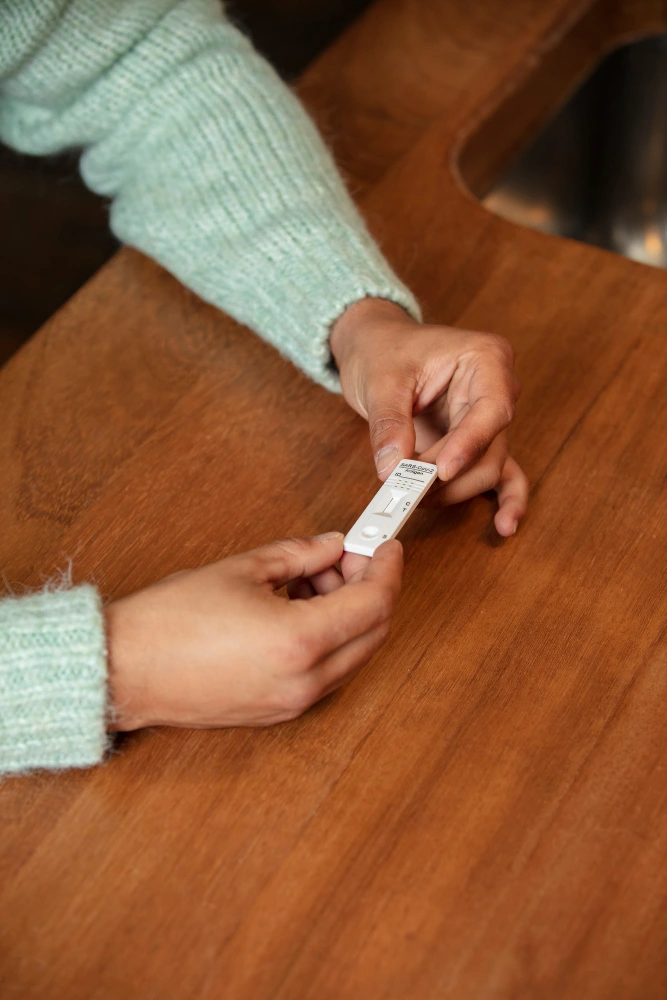
Patients frequently ask me, how to do A1C test at home without making mistakes? You must ensure your hands are completely clean and warm before starting. Warm hands promote better blood flow, making the finger prick much easier and less painful.
Also, you must never squeeze your finger too aggressively to get the blood drop. Milking the finger can mix tissue fluid with the blood, altering your final result. Let us break down the exact steps for using these devices.
How to Use an At-Home A1C Test Kit
Knowing how to use at home A1C test kit properly guarantees the most accurate reading. Follow these clinical steps carefully when you take your test.
- Wash Your Hands: Clean your hands thoroughly with warm water and soap, then dry them completely.
- Prepare the Lancet: Load the included lancet device according to the package instructions.
- Prick Your Finger: Prick the side of your fingertip, as it contains fewer nerve endings.
- Collect the Sample: Allow a large, hanging drop of blood to form naturally.
- Apply the Blood: Touch the blood drop directly to the designated spot on the test strip or collection tube.
- Read or Mail: Insert the strip into the provided monitor for instant results, or package the vial to mail to a partner laboratory.
Best A1C Test Kits for Home Use
When choosing the best A1C test at home, you must look for FDA approval. The market offers two main types of kits: mail-in lab tests and instant result monitors. A reliable in home A1C test kit empowers you to make quick dietary decisions.
The instant monitors provide results in just five minutes right on your kitchen table. Alternatively, mail-in kits require you to send your blood sample to a certified lab. Let us compare the top-rated A1C self check kits available today.
| Test Kit Brand | Type of Test | Result Time | Best Feature |
| A1CNow Self Check | Instant Monitor | 5 Minutes | Highly accurate, doctor-recommended, provides instant digital numbers. |
| Everlywell | Mail-in Lab | 3-5 Days | Uses certified CLIA labs, offers a comprehensive digital health dashboard. |
| LetsGetChecked | Mail-in Lab | 2-5 Days | Excellent customer support, fast shipping, connects you with medical staff. |
| Home Access A1C | Mail-in Lab | 3-7 Days | Extremely easy to use, highly affordable, trusted brand name. |
| ReliOn (Walmart) | Instant Monitor | 5 Minutes | Budget-friendly, easily accessible at local stores, reliable instant readings. |
Where to Buy A1C Test Kits Near You
Finding an A1C test at home nearby is easier than ever before. Most major retail pharmacies stock these kits directly in their diabetic care aisles. For example, you can easily find an A1C test at home Walgreens or a local CVS.
If you prefer grocery shopping, you can pick up an A1C test at home Target or Walmart. Walmart carries the ReliOn brand, which patients highly praise for its affordability. Always check the expiration date on the box before you purchase it from a physical store.
If you prefer online shopping, searching for an A1C test at home Amazon yields dozens of results. Amazon delivers instant kits and mail-in options directly to your doorstep. Make sure you read the reviews to ensure the seller ships unexpired, legitimate medical devices.
Can You Get Free A1C Tests?
Healthcare costs add up quickly, so many patients ask for a free A1C test kit. Unfortunately, completely free home kits are very rare to find online. However, your health insurance provider might cover the cost of a home monitor if your doctor prescribes it.
People often ask, does Walgreens do free A1C tests? Sometimes, pharmacies host free health screening days during American Diabetes Month in November. You should call your local pharmacy to ask about upcoming free screening events or available A1C test at home coupon codes.
How Accurate Are At-Home A1C Test Kits?
Patients always question the reliability of these devices. Specifically, they ask me, how accurate are at home A1C test kits compared to lab results? First of all, FDA-approved kits provide highly dependable numbers for everyday monitoring.
Are A1C home test kits accurate enough to change your diet? Yes, absolutely. Most certified home monitors have a small margin of error of about 0.5 percent. Therefore, if your home test reads 7.0%, your true lab value might sit between 6.5% and 7.5%.
During my clinical practice, I regularly compare my patients’ home readings to our official laboratory blood draws. Almost always, the A1C test at home accuracy closely matches our professional hospital equipment. However, you must follow the collection instructions perfectly to guarantee this high level of precision.
A1C Monitors vs Blood Glucose Meters
Many newly diagnosed diabetics confuse their testing equipment initially. Therefore, we must clarify the difference between standard blood glucose meters and an A1C monitor for home use. A daily blood glucose meter measures the exact sugar level in your blood at that specific second.
Conversely, an A1C test at home measures your historical average over the past 90 days. Because daily sugar spikes happen after meals, your glucose meter numbers jump up and down constantly. However, your A1C percentage remains relatively stable day to day.
You need both tools for optimal metabolic management. You use the daily glucose meter to dose insulin and manage immediate meals. Then, you use the A1C monitor every three months to evaluate your overall, long-term success.
Who Should Use an A1C Home Test?
You might wonder, can I test my A1C at home if I feel perfectly healthy? Yes, proactive health enthusiasts frequently use these kits to track their longevity metrics. However, specific groups of people benefit the absolute most from regular home testing.
First, prediabetics use these kits to catch rising blood sugar before it becomes full-blown diabetes. Also, established diabetics use them to monitor their treatment progress between official doctor visits. Furthermore, women with a history of gestational diabetes often track their numbers closely postpartum.
If you have a strong family history of metabolic syndrome, testing provides great peace of mind. Therefore, understanding how can I test my A1C at home empowers you to take preventive action immediately. Early detection always leads to vastly better medical outcomes.
Understanding Your A1C Results
Once you complete your A1C test at home, you must interpret the numbers correctly. Medical professionals categorize these percentages into three highly distinct diagnostic ranges. First, a normal, healthy reading falls strictly below 5.7 percent.
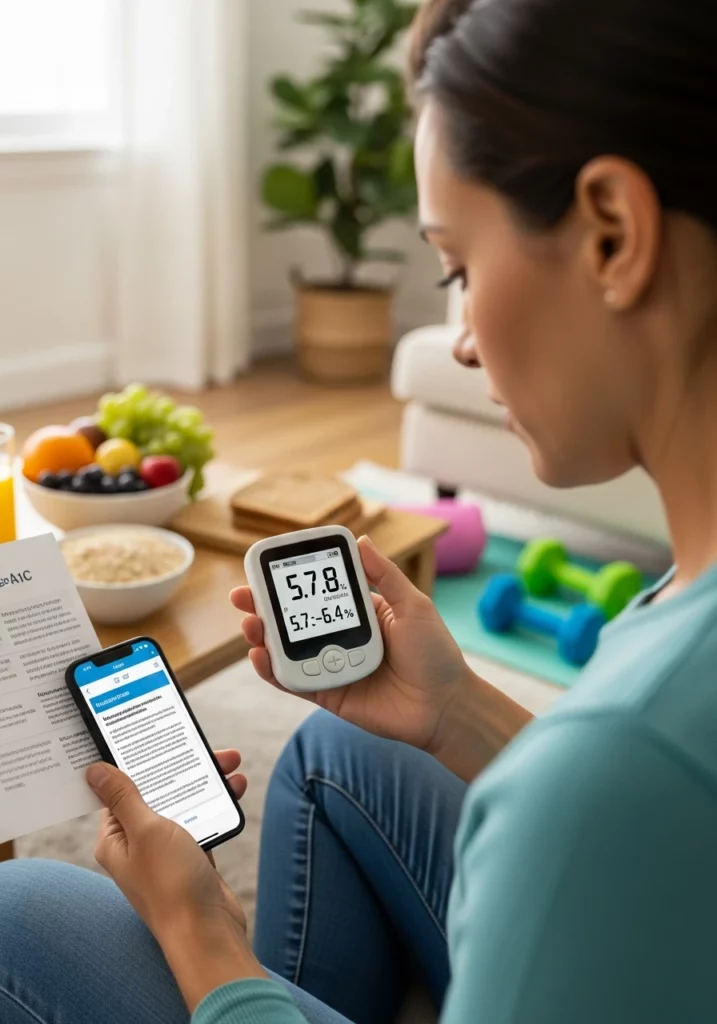
If your monitor shows a number between 5.7 and 6.4 percent, you fall into the prediabetes range. This specific warning zone means you possess a high risk of developing severe diabetes soon. Consequently, you must implement urgent lifestyle and dietary changes immediately.
Finally, any reading of 6.5 percent or higher indicates clinical diabetes. If you see this high number on your home monitor, you must schedule a doctor’s appointment right away. We need to confirm this result with a venous blood draw and start a proper treatment plan.
Tips to Lower A1C Naturally
When patients see high numbers, they immediately want solutions. One patient recently asked me, will losing 20 pounds lower my A1C? Yes, losing even a moderate amount of body weight dramatically improves your cellular insulin sensitivity.
Because fat blocks insulin from working correctly, shedding pounds helps your body process sugar efficiently. Also, you must drastically reduce your intake of processed carbohydrates and sugary beverages. Instead, you should eat lean proteins, complex whole grains, and abundant leafy greens daily.
Furthermore, engaging in daily physical exercise forces your muscles to burn excess blood glucose for energy. Even a brisk thirty-minute walk after dinner lowers your sugar levels significantly. Therefore, consistent lifestyle choices remain your best defense against metabolic disease.
Real User Experiences
Many patients search online forums to read about real-life testing experiences. If you search for A1C test at home Reddit threads, you will find thousands of personal stories. First of all, users constantly praise the immense convenience of avoiding long clinic waiting rooms.
Also, many forum users report that instant feedback motivates them to maintain their strict diets. When people see their numbers dropping in real-time, they stick to their exercise routines enthusiastically. Furthermore, users often share valuable tips on getting painless finger pricks.
However, some users occasionally complain about test strip errors resulting from poor blood collection. Because they squeezed their fingers too hard, the machine rejected the sample completely. Therefore, you must always follow the warm-water preparation steps I outlined earlier.
Frequently Asked Questions
Can you check your A1C level at-home?
Yes, you can easily check your average blood sugar levels using an FDA-approved home kit. You simply prick your finger, collect a small blood drop, and use an instant monitor or mail-in laboratory service. These kits provide extreme convenience for busy individuals.
Is the at-home A1C test accurate?
Yes, FDA-approved home testing kits provide highly accurate results when you follow the instructions correctly. They usually carry a tiny margin of error of just 0.5 percent compared to clinical labs. Always confirm alarming results with your primary care physician.
How do you test your A1C at home?
First, you wash your hands in warm water to stimulate good blood flow. Then, you use the provided lancet to prick the side of your fingertip gently. Finally, you apply the blood drop to the test strip and wait five minutes for the monitor to display your number.
Does Walgreens do free A1C tests?
Walgreens rarely offers completely free home test kits on a daily basis. However, they sometimes host free in-store health screening events during Diabetes Awareness Month. You should call your local pharmacy counter to ask about upcoming promotional screening dates.
What is the best A1C test kit?
Medical professionals highly recommend the A1CNow Self Check system for its reliable, instant five-minute results. If you prefer official laboratory verification, Everlywell offers an excellent mail-in kit with a comprehensive digital health dashboard. You should choose the one that fits your personal patience level and budget.
Conclusion
In conclusion, taking an A1C test at home gives you incredible power over your personal health journey. You no longer need to wait months between doctor appointments to know your exact metabolic status. By using these convenient kits, you can track your dietary progress easily and accurately.
Remember, an at-home kit does not replace your primary healthcare provider’s expert guidance. You must always share your home test results with your doctor to adjust your medications properly. Choose an FDA-approved kit from a reputable pharmacy like Walgreens, CVS, or Amazon today.
If you discover a high number, do not panic immediately. You can lower your levels naturally through consistent exercise, smart nutrition, and targeted weight loss. Take control of your blood sugar today, and secure a healthier, more vibrant future.
Evidence-Based References:
- American Diabetes Association (ADA): Understanding A1C
- Mayo Clinic: A1C test – How it works and what it measures
- Centers for Disease Control and Prevention (CDC): All About Your A1C
- Cleveland Clinic: Hemoglobin A1C (HbA1c) Test
- National Institute of Diabetes and Digestive and Kidney Diseases (NIDDK): The A1C Test & Diabetes

SOURCES
Related articles


Diabetic-Friendly Weight Loss Meals: 1500-Calorie Plans, Easy Recipes & 7-Day Guide


Online Counseling for Chronic Illness: Therapists, Platforms & Coping Strategies

Therapy for Diabetes Depression: Treatments, Mental Health Workbooks & Best Support Resources (2026)