
Type 1 Diabetes Treatment (2026 Guide): Insulin, New Therapies & Latest Advances
Managing an autoimmune condition requires precision, patience, and the right medical tools. If you or a loved one has recently been diagnosed, you are likely asking the following: What is type 1 diabetes treatment, and how will it impact daily life? Type 1 diabetes (T1D) is a chronic autoimmune condition where the pancreas produces little…

Reviewed by
David T. Broome, MD, MS
Written by
Quick Overview
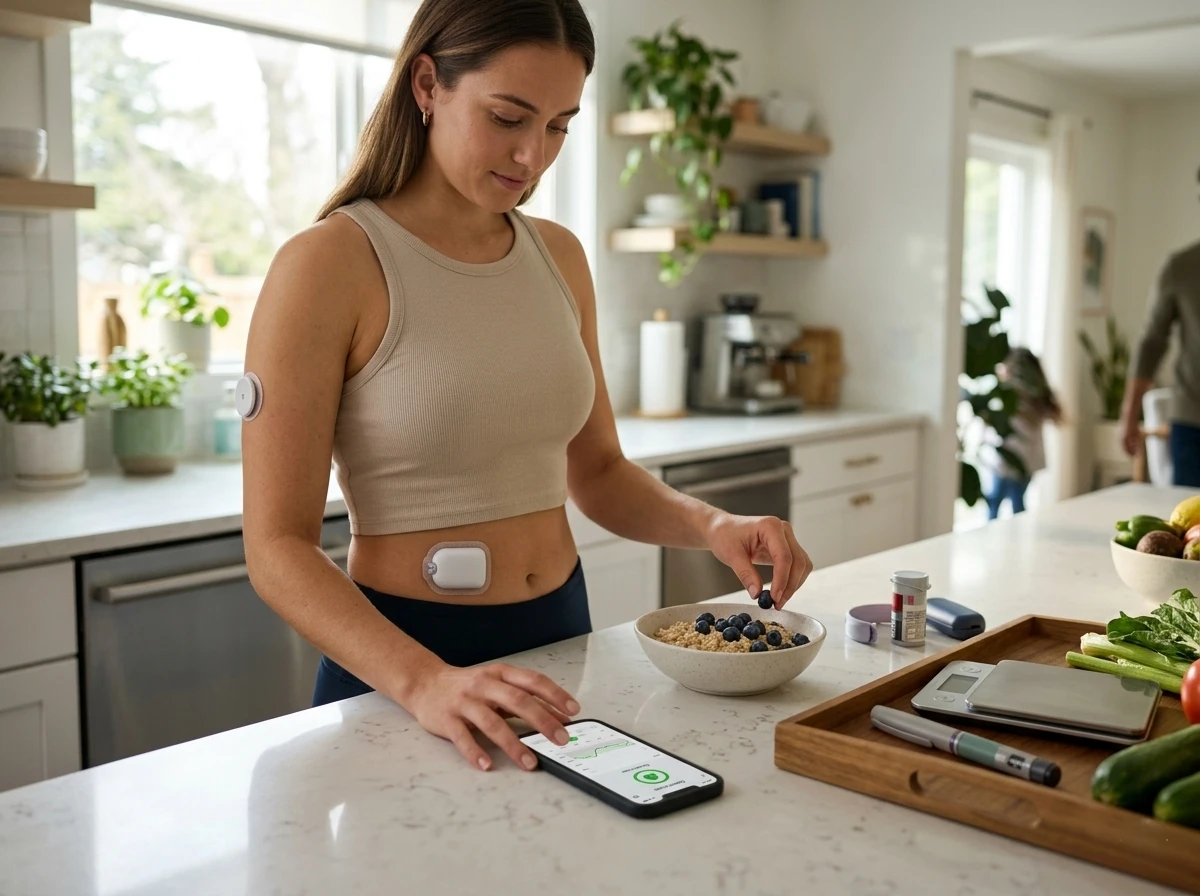
Managing an autoimmune condition requires precision, patience, and the right medical tools. If you or a loved one has recently been diagnosed, you are likely asking the following: What is type 1 diabetes treatment, and how will it impact daily life?
Type 1 diabetes (T1D) is a chronic autoimmune condition where the pancreas produces little to no insulin. Because insulin is essential for cellular energy, lifelong management is absolutely non-negotiable.
However, the landscape of type 1 diabetes treatment has transformed dramatically by 2026. What was once a condition managed strictly with rudimentary syringes and basic glucose meters is now at the forefront of medical technology.
From advanced closed-loop artificial pancreas systems to groundbreaking immunotherapies, the treatment for type 1 diabetes today looks very different from even a decade ago.
This comprehensive guide breaks down the essential therapies, cutting-edge advancements, and daily strategies to help you maintain optimal metabolic health. With the right treatment plan, you can successfully navigate this condition and live a vibrant, unrestricted life.
TL;DR: Quick Treatment Summary
- The primary treatment for type 1 diabetes is lifelong insulin replacement therapy, as the body can no longer synthesize this vital hormone naturally.
- Modern care relies heavily on integrated technology, including smart insulin pumps and continuous glucose monitoring (CGM) systems.
- New FDA-approved immunotherapies (such as Tzield) can successfully delay the onset of clinical T1D in high-risk individuals.
- There is currently no cure; alternative therapies, holistic diets, or oral supplements cannot replace the biological necessity of daily insulin administration.
What Is Type 1 Diabetes?
To fully grasp the treatment, you must understand the underlying biological mechanics of the disease. At its core, type 1 diabetes is a severe autoimmune misfire. For reasons still being studied, the body’s immune system mistakenly attacks and permanently destroys the insulin-producing beta cells inside the pancreas.
When exploring the cause of type 1 diabetes, researchers acknowledge that the exact environmental trigger remains a mystery. However, it is widely accepted to be a combination of genetic susceptibility and a catalyst, such as a specific viral infection. Unlike type 2 diabetes, your diet and exercise habits absolutely do not cause type 1.
The most common diabetes type 1 risk factors include a family history of autoimmune diseases, the presence of diabetes autoantibodies in the blood, and certain genetic markers. While it can trigger at any point in adulthood, it most frequently appears during childhood or adolescence.
Recognizing type 1 diabetes symptoms early is crucial to prevent a life-threatening complication known as diabetic ketoacidosis (DKA). Key warning signs include unquenchable thirst, frequent urination, unintended rapid weight loss, extreme fatigue, and a fruity odor on the breath.
Diagnosis for Type 1 Diabetes
If clinical warning signs are present, prompt medical testing is required immediately. A proper diagnosis for type 1 diabetes involves several specific blood tests to confirm dangerously elevated glucose levels and identify active autoimmune destruction.
Doctors typically start with a hemoglobin A1C test, which provides a three-month average of your blood sugar levels. A fasting blood glucose test or a random blood sugar test is also standard protocol to check the current circulating glucose.
A major clinical challenge in adults is knowing how to diagnose type 1 diabetes vs. type 2, as symptoms can overlap. To definitively confirm type 1, endocrinologists order an autoantibody blood test. The presence of specific markers (like GAD-65 or IA-2) confirms the autoimmune destruction of beta cells, firmly distinguishing T1D from type 2.
What Is the Primary Treatment for Type 1 Diabetes?

When newly diagnosed patients ask what the primary treatment for type 1 diabetes is, the medical consensus is absolute: insulin replacement. Because the pancreas is permanently disabled and cannot regenerate beta cells, synthetic insulin must be introduced into the body to allow cells to absorb glucose.
There is no holistic substitute for this hormone. If you are wondering what treatment is most vital, it is, and always will be, exogenous insulin. Without it, glucose builds up to toxic levels in the bloodstream, leading to severe organ damage and eventual fatality.
Insulin Therapy
Since insulin cannot be taken as an oral pill (stomach acids would instantly destroy the protein structure), it must be delivered directly into the subcutaneous fat. A successful type 1 diabetes treatment insulin protocol aims to perfectly mimic the natural release of a healthy pancreas.
Dr. Sarah Jenkins, a board-certified endocrinologist who has specialized in T1D care for over 15 years, explains the modern strategy. “We aim to replicate biological perfection using basal-bolus therapy,” Dr. Jenkins notes. “We use a steady basal insulin to cover the body’s background metabolic needs and rapid bolus insulin to tackle the heavy carbohydrate load from meals.”
The current type 1 diabetes medications list heavily features these distinct insulin classes:
- Rapid-acting insulin: Starts working within 15 minutes to handle mealtime glucose spikes (e.g., Humalog, Novolog).
- Long-acting insulin: Provides a steady, 24-hour background trickle of insulin to keep fasting numbers stable (e.g., Lantus, Tresiba).
- Ultra-rapid acting: The newest formulations are designed to act almost instantly for rapid correction of high blood sugars.
For delivery, many patients rely on multiple daily injections (MDI) using highly calibrated insulin pens. However, the medical gold standard has heavily shifted toward the type 1 diabetes insulin pump. These wearable devices continuously infuse rapid-acting insulin, offering precise, customizable control without the burden of constant manual injections.
Type 1 Diabetes Treatment Options
While synthetic insulin is the absolute foundation, comprehensive care requires a multifaceted approach. When evaluating treatment options for type 1 diabetes, patients and doctors must look beyond the syringe to optimize daily control.
A modern, highly effective type 1 diabetes treatment protocol includes:
- Advanced Insulin Delivery Systems: Smart pens that track doses, tubed insulin pumps, and discreet tubeless patch pumps.
- Continuous Glucose Monitoring: Wearable CGM sensors that send real-time blood sugar readings directly to a smartphone, eliminating the need for frequent finger pricks.
- Adjunct Medications: Non-insulin injectables (like pramlintide/Symlin) used alongside insulin to slow gastric emptying and prevent severe post-meal spikes.
- Precision Dietary Management: Advanced carbohydrate counting and macronutrient balancing to match insulin doses perfectly.
Type 1 Diabetes Treatment Guidelines
Healthcare providers do not guess when prescribing therapies; they follow rigorous, evidence-based type 1 diabetes treatment guidelines. By 2026, leading organizations like the American Diabetes Association (ADA) will have heavily emphasized the early adoption of automation technology.
The updated guidelines strongly recommend that nearly all newly diagnosed patients be offered a continuous glucose monitor immediately upon diagnosis. The ADA also stresses that Automated Insulin Delivery (AID) systems—often called artificial pancreases—are the preferred standard of care for optimal A1C management.
Furthermore, mental health screening is now officially embedded in the global treatment guidelines. Managing an invisible, 24/7 chronic illness carries a massive cognitive burden, and proactive psychological support is now deemed essential for long-term clinical success.
Advances in Type 1 Diabetes Treatment
The medical landscape is shifting rapidly, moving away from purely reactive care and toward proactive, automated systems. The most significant advances in type 1 diabetes treatment revolve around “closed-loop” technology.
Often referred to as the artificial pancreas, these systems wirelessly link a continuous glucose monitor (CGM) to an insulin pump. An algorithm automatically adjusts insulin delivery every five minutes based on real-time blood sugar trends.
This incredible new type 1 diabetes treatment drastically reduces hypoglycemia (low blood sugar) while patients sleep.
Furthermore, advancements in type 1 diabetes treatment have finally crossed into immunotherapy. The FDA approval of Teplizumab (Tzield) marks the first time doctors can actively intervene to delay the clinical onset of the disease in high-risk individuals.
Making a type 1 diabetes treatment new and revolutionary, Tzield essentially stalls the immune system’s attack on beta cells.
Stage-Based Treatment
Doctors now understand that type 1 diabetes does not happen overnight; it progresses through distinct, measurable stages. What is Stage 1 diabetes type 1? This is the asymptomatic phase where blood sugar is perfectly normal, but two or more diabetes-related autoantibodies are detected in the blood.
If the disease progresses, patients require stage 2 type 1 diabetes treatment. In Stage 2, beta cells are actively dying, and patients experience dysglycemia (abnormal blood sugar levels), though they still do not show classic physical symptoms.
Stage 2 is the exact window where immunotherapies like Tzield are administered via IV infusion. By intervening before Stage 3 (clinical diagnosis and symptomatic illness), doctors can preserve the patient’s remaining beta cells for months or even years.
Can Type 1 Diabetes Be Treated Without Insulin?
Because the internet is filled with dangerous misinformation, patients often search for a type 1 diabetes treatment without insulin. The medical truth is stark and absolute: there is no holistic, dietary, or alternative substitute for insulin.
If you attempt a type 1 diabetes treatment without insulin, you will rapidly develop diabetic ketoacidosis (DKA). DKA is a life-threatening medical emergency where the blood becomes highly acidic.
While extremely low-carb diets (like Keto) can drastically reduce the amount of insulin you need, your body will always require a baseline dosage. Adjunct non-insulin therapies exist only to support glucose control, not to replace the fundamental hormone.
Global Type 1 Diabetes Treatment Market Insights
The global demand for advanced diabetic technology is driving massive pharmaceutical innovation. Market growth is exploding, though access to cutting-edge tools heavily depends on geographic location and healthcare infrastructure.
In Asia, the Japan type 1 diabetes treatment market and the China type 1 diabetes treatment market are heavily investing in stem cell research and domestic CGM manufacturing. Similarly, the rapidly expanding Indian type 1 diabetes treatment market is focusing on making basic insulin therapies more affordable for rural populations.
In Europe, the Germany type 1 diabetes treatment market, the France type 1 diabetes treatment market, and the Italy type 1 diabetes treatment market boast high adoption rates of automated insulin pumps due to strong public healthcare coverage.
Emerging sectors, such as the GCC type 1 diabetes treatment market and the South America type 1 diabetes treatment market, are currently experiencing rapid growth in wearable sensor distribution.
Type 1 vs Type 2 Diabetes Treatment
Understanding the biological difference between these two conditions is essential to understanding their therapies. While they share a name, they are entirely different diseases requiring distinctly different clinical approaches.
As established, type 1 requires immediate, lifelong insulin replacement. In contrast, standard type 2 diabetes treatment relies initially on aggressive lifestyle modifications, weight loss, and oral medications (like metformin) to improve cellular insulin sensitivity.
While some type 2 patients eventually require insulin if their pancreas becomes exhausted, it is rarely the first line of defense. A type 1 patient, however, will never survive on metformin and exercise alone.
Type 1 Diabetes Treatment: Step-by-Step Plan
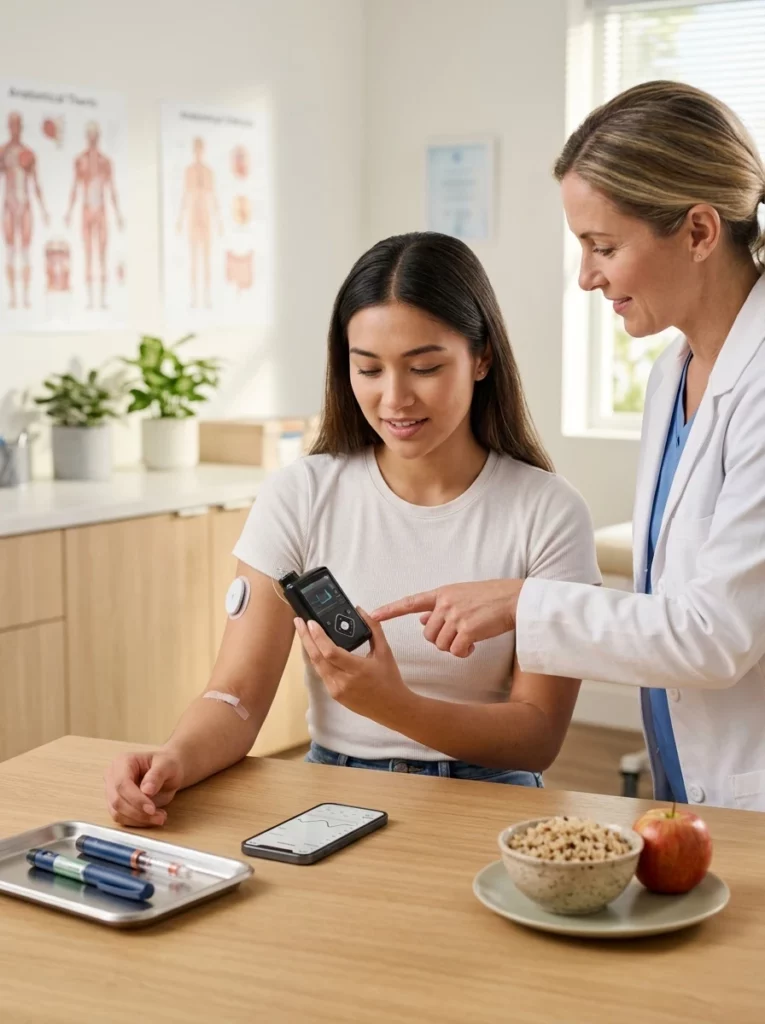
If you are newly diagnosed, your endocrinology team will immediately outline the treatment plan for type 1 diabetes. This roadmap is designed to stabilize your body quickly and safely.
- Diagnosis and Triage: Immediate blood work to confirm autoantibodies and check for DKA.
- Insulin Initiation: Starting multiple daily injections to rapidly bring glucose levels down to a safe, non-toxic range.
- Education and Monitoring: Learning to count carbohydrates and utilizing a CGM to track daily trends.
- Technology Integration: Transitioning to an automated insulin pump to minimize the daily cognitive burden of the disease.
Type 1 Diabetes Medications List
Your daily regimen requires specific pharmaceutical tools. A comprehensive type 1 diabetes medications list will always start with basal and bolus insulins.
Beyond standard insulin, some patients utilize pramlintide (Symlin), an injectable hormone that slows digestion and prevents massive post-meal blood sugar spikes.
Additionally, doctors may prescribe glucagon emergency kits like Baqsimi nasal powder. Glucagon is a rescue medication used strictly to reverse severe, life-threatening low blood sugar episodes.
Can Type 1 Diabetes Be Cured?
A common, heartbreaking search query is from patients asking, “Is type 1 diabetes curable or not?” Currently, there is no biological cure for this autoimmune disease.
You must be highly skeptical of internet influencers or holistic practitioners who claim, “I cured my type 1 diabetes.” These claims are scientifically impossible and usually involve a honeymoon phase (temporary beta-cell recovery) or dangerous starvation diets.
However, while there is no cure, the condition is highly manageable. With modern technology, patients achieve near-normal or normal blood sugar and live incredibly long, complication-free lives.
New & Experimental Treatments
The scientific community is aggressively pursuing a functional cure. If you are researching the latest treatment for type 1 diabetes, beta-cell replacement therapy is leading the charge.
Researchers are actively testing the transplantation of lab-grown, stem-cell-derived beta cells into patients. The current challenge is protecting these new cells from the immune system.
When asking what the new treatment for type 1 diabetes on the horizon is, encapsulation technology (hiding the transplanted cells in a protective biological pouch) and targeted gene therapy hold the most promise for a future without daily injections.
Living with Type 1 Diabetes
A new diagnosis brings intense emotional and psychological challenges. Patients frequently ask, Is living with T1D hard? The honest answer is yes; managing an artificial organ 24/7 requires immense mental resilience.
However, if you are wondering, can type 1 diabetics live a normal life? The answer is a definitive yes. T1D patients are professional athletes, successful musicians, and everyday heroes.
Success requires building a strong support system, finding a specialized endocrinologist, and giving yourself grace on the days when your blood sugar simply refuses to cooperate.
Local & Alternative Searches
When seeking care, always look for board-certified endocrinology clinics, whether you are searching for a major hospital or a specialized local clinic like a type 1 diabetes treatment Rockwall center.
Always consult your doctor before trying unregulated alternative supplements. For example, products marketed as a diaGlu247 type 1 diabetes treatment lack rigorous FDA approval and peer-reviewed data. They should never be used to replace your prescribed insulin.
FAQs
What is the best treatment for type 1 diabetes?
The absolute best treatment is an automated “closed-loop” insulin delivery system. Combining a smart insulin pump with a continuous glucose monitor provides the tightest blood sugar control with the least amount of daily effort.
What is the treatment for type 1 diabetes?
The fundamental, non-negotiable treatment is lifelong synthetic insulin administration, delivered either through multiple daily injections or an integrated, wearable insulin pump.
What is the latest treatment for type 1 diabetes?
The latest groundbreaking treatment is Tzield (Teplizumab), an FDA-approved immunotherapy infusion that successfully delays the clinical onset of the disease in Stage 2 patients by slowing the autoimmune attack.
Can type 1 diabetes be cured?
No, there is currently no cure. The immune system permanently destroys the insulin-producing beta cells, requiring lifelong medical management, though experimental stem cell therapies are making rapid progress.
What are treatment options for type 1 diabetes?
Treatment options include rapid and long-acting insulins, continuous glucose monitors (CGMs), tubed or tubeless insulin pumps, advanced carbohydrate counting, and adjunct rescue medications like emergency glucagon.
Expert Conclusion
A type 1 diabetes diagnosis changes your life forever, but it does not have to limit your potential. The core of your treatment will always be insulin, a lifesaving hormone that requires precision and respect.
However, as we look through 2026 and beyond, technology and immunology are rapidly lifting the burden of this disease. From smart algorithms that manage your blood sugar while you sleep to immunotherapies that delay onset, the future of T1D care is incredibly bright.
Do not navigate this complex condition alone or rely on unverified internet remedies. Consult a board-certified endocrinologist, embrace modern medical technology, and take proactive control of your metabolic health today.
Medical Disclaimer: This article is for educational and informational purposes only and does not constitute professional medical advice, diagnosis, or treatment. Always consult your endocrinologist or physician before altering your insulin dosages or adopting new medical technologies.
Authoritative Medical References:
- The New England Journal of Medicine (NEJM): Teplizumab in Relatives at Risk for Type 1 Diabetes
- American Diabetes Association (ADA) – Diabetes Care Journal: Standards of Care in Diabetes
- National Institute of Diabetes and Digestive and Kidney Diseases (NIDDK): The Artificial Pancreas
- The Lancet Diabetes & Endocrinology

SOURCES
Related articles


Diabetic-Friendly Weight Loss Meals: 1500-Calorie Plans, Easy Recipes & 7-Day Guide


Online Counseling for Chronic Illness: Therapists, Platforms & Coping Strategies

Therapy for Diabetes Depression: Treatments, Mental Health Workbooks & Best Support Resources (2026)