
Home / Diabetes / Type 2 Diabetes Treatment (2026): Best Medications, Diet, Latest Advances & Natural Ways
Type 2 Diabetes Treatment (2026): Best Medications, Diet, Latest Advances & Natural Ways
The global surge in metabolic conditions has reached unprecedented levels, making effective disease management more critical than ever. When patients sit in my endocrinology clinic and ask, “What is type 2 diabetes treatment?” I assure them it is much more than a prescription. Properly managing blood sugar is a vital lifeline that prevents severe, long-term…

Reviewed by
David T. Broome, MD, MS
Written by
Quick Overview
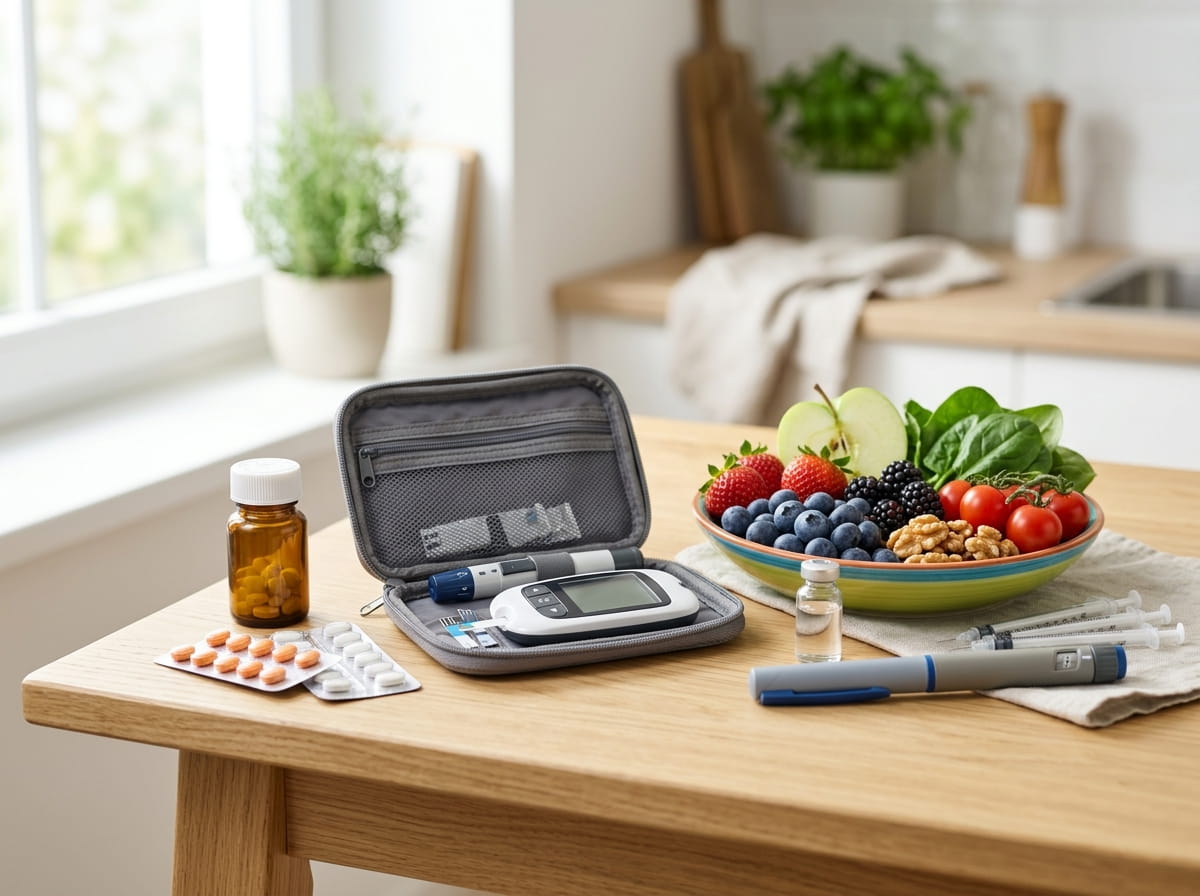
The global surge in metabolic conditions has reached unprecedented levels, making effective disease management more critical than ever. When patients sit in my endocrinology clinic and ask, “What is type 2 diabetes treatment?” I assure them it is much more than a prescription.
Properly managing blood sugar is a vital lifeline that prevents severe, long-term complications like heart disease, kidney failure, and nerve damage. If you are wondering what the treatment for type 2 diabetes is today, the landscape has completely transformed.
We are no longer limited to just one or two outdated pills. This comprehensive 2026 guide explores the most effective type 2 diabetes treatment strategies, from cutting-edge medications to foundational lifestyle changes that can restore your metabolic health.
What Is Type 2 Diabetes?
At its core, this condition is driven by a biological malfunction known as insulin resistance. Your pancreas produces insulin, a hormone that acts as a key to let blood sugar into your cells for energy.
When you have insulin resistance, your cells ignore this key, causing glucose to build up dangerously in your bloodstream. Understanding diabetes type 2 causes involves looking at a combination of genetics, excess visceral fat, and a sedentary lifestyle.
Knowing the early type 2 diabetes symptoms can save you years of metabolic damage. If you recognize the warning signs, you can consult a doctor and learn how to diagnose type 2 diabetes before severe complications arise.
Symptoms & Diagnosis
Catching the disease early is the most important step in successful management. Many people live with elevated blood sugar for years without realizing the damage occurring inside their blood vessels.
Common Symptoms
The most recognizable type 2 diabetes symptoms include frequent urination, particularly waking up multiple times at night. Patients also frequently report extreme, unquenchable thirst and chronic, debilitating fatigue.
Other subtle signs include blurred vision, slow-healing cuts, and tingling or numbness in the hands and feet. If you experience these, a clinical evaluation is urgently needed.
Diagnosis Criteria
Doctors diagnose the condition by evaluating your specific type 2 diabetes blood sugar levels through standard blood tests. The A1C test measures your average blood sugar over the past two to three months, with a result of 6.5% or higher indicating diabetes.
A fasting plasma glucose test checks your levels after fasting for eight hours; a result of 126 mg/dL or higher triggers a diagnosis. Medical professionals use a standard type 2 diabetes levels chart to determine exactly where you fall on the metabolic spectrum.
What Is the Best Treatment for Type 2 Diabetes?
As a specialist with over two decades of experience, I am often asked what the best treatment for type 2 diabetes. The reality is that there is no single, magical cure-all.
The most effective approach requires a customized, multi-pronged strategy. When determining what treatment for type 2 diabetes will work best for you, we must look at your unique biology, weight, and cardiovascular risk factors.
This leads to the formulation of a highly personalized protocol. Ultimately, what is the treatment plan for type 2 diabetes for one patient may look entirely different from another’s, combining specific dietary shifts with targeted pharmacology.
First-Line Treatment
Medical organizations do not guess when prescribing care; they follow strict, evidence-based algorithms to ensure patient safety and optimal outcomes.
Lifestyle Changes
The absolute foundation of any protocol begins with how you live. Significant weight loss, a low-glycemic diet, and daily physical exercise are non-negotiable pillars of metabolic healing.
Without addressing the dietary root cause of insulin resistance, even the most powerful medications will eventually fail. Lifestyle intervention is always the first step.
First-Line Medication
When patients ask what the first-line treatment for type 2 diabetes is, the global medical consensus remains metformin. This inexpensive, highly effective oral pill reduces the amount of sugar your liver releases into your blood.
According to the official type 2 diabetes treatment guidelines, including the updated type 2 diabetes treatment guidelines 2025 and 2026, metformin is prescribed immediately upon diagnosis alongside lifestyle counseling.
Type 2 Diabetes Medications List
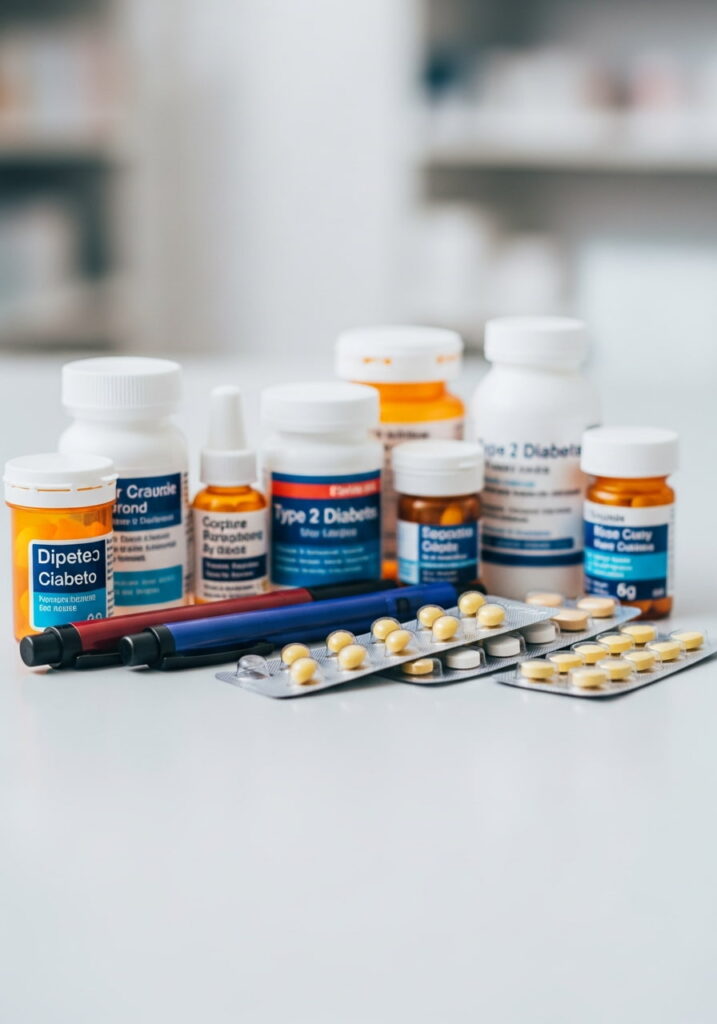
When diet, exercise, and metformin are not enough to achieve blood sugar control, doctors turn to a robust arsenal of secondary pharmaceuticals. Understanding your medicine for type 2 diabetes treatment is crucial for long-term success.
Common Medication Classes
The diabetes type 2 treatment medication landscape includes several distinct classes of drugs. Sulfonylureas force the pancreas to secrete more insulin, though they carry a risk of low blood sugar.
DPP-4 inhibitors work by helping the body continue to make insulin for a longer time after meals. SGLT2 inhibitors act on the kidneys, forcing the body to excrete excess glucose directly through urine.
The most revolutionary class, GLP-1 receptor agonists, mimic a natural hormone to boost insulin, block glucagon, and drastically slow digestion to keep you full.
Popular Drugs
The rise of GLP-1 and dual-agonist medications has changed endocrinology forever. For instance, Ozempic type 2 diabetes treatment has become a household name due to its powerful ability to lower A1C and induce significant weight loss.
Similarly, Mounjaro type 2 diabetes treatment effectiveness is currently unmatched; as a dual GIP and GLP-1 agonist, it provides unprecedented blood sugar control and fat reduction.
While Wegovy is technically branded for obesity, Wegovy’s type 2 diabetes treatment effectiveness is undeniable, as shedding 15% of body weight drastically improves insulin sensitivity.
For those who hate needles, Rybelsus, a type 2 diabetes treatment, offers the power of a GLP-1 in a daily oral pill. Finally, older injectables are still utilized, and Victoza type 2 diabetes treatment effectiveness remains a solid option for cardiovascular protection.
How These Treatments Work
Every medication targets a specific biological failure point in your metabolic system. Knowing what treatment is used for type 2 diabetes depends on where your body needs the most support.
Some drugs work primarily by improving cellular insulin sensitivity, while others directly force the pancreas to increase insulin secretion. Others reduce the liver’s natural glucose production or slow down digestion to prevent sugar spikes.
With the rise of modern telehealth platforms, patients can easily consult board-certified endocrinologists from home. It is now incredibly straightforward to learn how to start type 2 diabetes treatment online through secure, medical-grade portals.
Lifestyle Treatment for Type 2 Diabetes
While medications are powerful tools, you cannot out-medicate a poor diet or a sedentary lifestyle. True metabolic healing requires a deep commitment to daily habits. The cornerstone of effective diabetes type 2 prevention and management always comes back to how you eat, move, and maintain your weight.
Diet Plan
A clinically effective diet focuses on keeping insulin levels low and stable throughout the day. I strongly recommend a low-carbohydrate or Mediterranean-style eating plan rich in healthy fats, lean proteins, and high-fiber vegetables.
Patients frequently ask, “What food should diabetics avoid?” You must strictly eliminate refined carbohydrates, sugary sodas, baked goods, and highly processed snacks. These foods cause violent blood sugar spikes that damage your blood vessels over time.
If you are exploring a prediabetes diet plan, the principles are the same: focus on whole, unprocessed foods and practice strict portion control with complex carbohydrates like brown rice or sweet potatoes.
Exercise
Physical movement acts like an alternative key to your cells, allowing glucose to enter your muscles without needing as much insulin. The clinical goal is 150 minutes of moderate cardiovascular exercise per week.
This breaks down to just 30 minutes a day, five days a week. Adding two days of strength training builds muscle mass, which serves as a sponge to soak up excess glucose circulating in your blood.
Weight Management
Shedding just 5% to 10% of your body weight can dramatically reduce insulin resistance. This weight loss clears visceral fat from your liver and pancreas, allowing these vital organs to function normally again.
How to Lower Blood Sugar Quickly

Sometimes, despite your best efforts, your numbers may spike dangerously high after a heavy meal or a period of high stress. Knowing how to lower blood sugar quickly in type 2 is a crucial emergency skill.
First, aggressive hydration is key. If you are wondering what to drink to lower blood sugar immediately, naturally, pure water is your best defense. Water flushes the excess glucose out of your system through your kidneys and urine.
Next, engage in immediate physical activity. A brisk 15-minute walk can rapidly force your muscles to burn off the circulating sugar. If you are researching how to bring blood sugar down quickly, combining water, walking, and ensuring you have taken your prescribed medications is the safest clinical approach.
Latest Advances in Type 2 Diabetes Treatment
Endocrinology is evolving at lightning speed, and the advances in type 2 diabetes treatment available today were unimaginable a decade ago.
New Medications
The latest advances in type 2 diabetes treatment in 2025 are dominated by dual-targeted injectables. These medications act on multiple gut hormones simultaneously, providing unparalleled weight loss and glucose control.
If you follow type 2 diabetes treatment news today, you will see constant updates on triple-agonists currently in clinical trials, promising even more aggressive metabolic correction.
Technology
Advanced type 2 diabetes treatment now heavily relies on continuous glucose monitoring (CGM) systems. These wearable sensors provide real-time, minute-by-minute blood sugar data directly to your smartphone.
Furthermore, AI-based health platforms are helping patients track their meals and predict how specific foods will impact their glucose levels in advance.
Research Trends
Scientific curiosity is expanding into unexpected territories. Researchers are intensely studying the gut microbiome’s role in insulin resistance, finding that restoring healthy gut bacteria can improve blood sugar.
More unconventionally, there is even early, highly experimental research looking into parasites and type 2 diabetes treatment. While absolutely not proven or recommended yet, studies on specific helminths (parasitic worms) suggest they might alter human immune responses and improve insulin sensitivity.
Treatment Algorithm (Step-by-Step Plan)
When you are newly diagnosed, doctors follow a strict diabetes type 2 treatment algorithm to safely bring your numbers down. Think of it as a clear type 2 diabetes treatment chart guiding your recovery.
Step 1: The immediate intervention is intensive lifestyle modification paired with metformin. This combination stabilizes the liver and improves initial cellular sensitivity.
Step 2: If A1C targets are not met within three months, we add a second drug. Depending on your cardiovascular health, this is typically an SGLT2 inhibitor or a GLP-1 receptor agonist to protect the heart and kidneys.
Step 3: If the pancreas is deeply exhausted and oral medications fail, basal insulin is introduced. This gives the pancreas a rest while keeping fasting blood sugars safe.
Can Type 2 Diabetes Be Reversed?
This is the most hopeful question I answer in my practice: Is type 2 diabetes reversible? The answer is a resounding yes, particularly in the early stages of the disease.
Reversal—often termed “clinical remission”—is achieved through massive, rapid weight loss, usually via a strict low-calorie diet or bariatric surgery.
When you lose significant fat, insulin resistance collapses, and your blood sugar normalizes without medications. However, this is heavily dependent on early intervention and aggressive type 2 diabetes prevention strategies before permanent pancreatic damage occurs.
Complications If Untreated
Ignoring elevated blood sugar is a silent path to systemic organ failure. Chronic high glucose acts like crushed glass in your bloodstream, slowly destroying your microvascular system.
Severe type 2 diabetes complications include cardiovascular disease, leading to heart attacks and strokes. Diabetic nephropathy (kidney damage) frequently leads to dialysis, while diabetic neuropathy causes nerve damage and potential amputations.
Patients often ask, “What level of blood sugar is dangerous for type 2 diabetes?” Consistently running over 180 mg/dL causes active cellular damage, while numbers over 300 mg/dL require immediate medical attention.
Comparing Type 1 vs Type 2 Diabetes Treatment
Understanding the difference between the two primary forms of diabetes is vital. Here is a clear breakdown of type 1 vs. type 2 diabetes treatment:
| Feature | Type 1 Diabetes | Type 2 Diabetes |
| Cause | Autoimmune destruction of beta cells | Insulin resistance/lifestyle/genetics |
| Insulin Production | None (pancreas is disabled) | Produces insulin, but cells resist it |
| Primary Treatment | Lifelong insulin therapy is mandatory | Diet, exercise, and oral/injectable meds |
| Reversibility | Not reversible | Potentially reversible in early stages |
Regional Treatment Trends
The approach to metabolic health varies wildly depending on where you live. In the United States, type 2 diabetes treatment options are heavily skewed toward expensive GLP-1 weight-loss injectables and wearable tech.
Conversely, the massive India type 2 diabetes treatment market and China type 2 diabetes treatment market are battling an exploding prevalence of the disease, focusing on scaling affordable generic medications and public health education.
In Europe, the German type 2 diabetes treatment market and the French type 2 diabetes treatment market rely on strict, government-funded, guideline-driven care. Meanwhile, the emerging GCC type 2 diabetes treatment market and the South American type 2 diabetes treatment market are seeing rapid growth in digital health apps and specialized clinical centers.
When to Seek Medical Help
Never attempt to manage extreme blood sugar fluctuations alone. If you are experiencing vomiting, confusion, or fruity-smelling breath, go to an emergency room immediately.
What level of blood sugar is dangerous for type 2 diabetes in an acute setting? Any reading over 300 mg/dL that does not come down with medication and hydration is a medical emergency that can lead to a diabetic coma.
FAQs
What is the best treatment for type 2 diabetes?
The absolute best treatment is a personalized combination of intensive lifestyle modifications (diet and exercise) paired with targeted medications like Metformin or modern GLP-1 receptor agonists.
What is the latest treatment for type 2 diabetes?
The most advanced treatments in 2026 are dual-agonist injectables like Mounjaro, which target multiple gut hormones to provide unparalleled A1C reduction and significant weight loss.
Can you live a normal life with type 2 diabetes?
Yes, absolutely. With proper medical management, a low-glycemic diet, and regular exercise, you can live a long, healthy, and entirely normal life free from severe complications.
What is first-line treatment?
Clinical guidelines dictate that the first-line treatment upon diagnosis is to immediately begin a low-carbohydrate diet, implement daily exercise, and take the oral medication Metformin.
What foods should diabetics avoid?
You must strictly avoid liquid sugars (sodas and juices), refined carbohydrates (white bread and pasta), pastries, and highly processed snack foods that cause rapid, dangerous spikes in blood glucose.
Conclusion: Taking Control of Your Metabolic Health
Being diagnosed with type 2 diabetes can feel overwhelming, but it is absolutely not a life sentence. As we have explored in this 2026 guide, modern medicine offers an incredible array of tools to help you reclaim your metabolic health and prevent long-term complications.
From foundational lifestyle changes and trusted medications like Metformin to revolutionary dual-agonist injectables, you have more options than ever before. The key to clinical success is early intervention, consistent daily habits, and working closely with a specialized healthcare team.
Do not wait for your symptoms to worsen or severe cardiovascular complications to arise before taking action. Every single meal, every glass of water, and every daily walk is a profound opportunity to lower your A1C and protect your long-term vitality.
Are you ready to take the next crucial step in your health journey? Schedule a consultation with your endocrinologist today to build a highly personalized, modern treatment plan that fits your unique biology.
Medical Disclaimer: This article is written by clinical professionals for educational purposes only. It is not a substitute for professional medical advice, diagnosis, or treatment. Always consult your endocrinologist before changing your diet or medication regimen.
Authoritative Medical References:
- American Diabetes Association (ADA) – Diabetes Care Journal: Standards of Care in Diabetes
- The New England Journal of Medicine (NEJM): Tirzepatide versus Semaglutide Once Weekly in Patients with Type 2 Diabetes
- The Lancet: Primary Care-Led Weight Management for Remission of Type 2 Diabetes (DiRECT Trial)
- National Institute of Diabetes and Digestive and Kidney Diseases (NIDDK): Type 2 Diabetes
- Centers for Disease Control and Prevention (CDC): Type 2 Diabetes Management

SOURCES
Related articles


Diabetic-Friendly Weight Loss Meals: 1500-Calorie Plans, Easy Recipes & 7-Day Guide


Online Counseling for Chronic Illness: Therapists, Platforms & Coping Strategies

Therapy for Diabetes Depression: Treatments, Mental Health Workbooks & Best Support Resources (2026)