

Just last month, I sat down with a patient named Sarah who was entirely convinced she was developing a severe panic disorder. She described sudden episodes of intense trembling, a racing heart, and a terrifying sense of impending doom striking her every afternoon.
After reviewing her continuous glucose monitor data, the truth became incredibly clear: she was not having a panic attack; her blood sugar was rapidly crashing. This common clinical scenario perfectly highlights why recognizing anxiety symptoms in diabetics is so critical for effective care.
The physiological crossover between a metabolic crash and a psychological panic attack is remarkably high, making an accurate diagnosis essential for your safety and peace of mind.
As Dr. Julian Thorne, a specialist in behavioral medicine and public health, I constantly see how modern medicine separates the mind from the metabolic system. However, for a diabetic patient, the brain and the pancreas are in constant, intense communication. Let us deeply explore how your blood sugar dictates your mental state and how you can reclaim your peace of mind.
TL;DR Summary
- Anxiety symptoms in diabetics frequently result from severe blood sugar fluctuations, spikes in stress hormones, and the immense psychological burden of chronic disease management.
- Both dangerously low (hypoglycemia) and high (hyperglycemia) blood sugar can actively trigger symptoms like jitteriness, a rapid heartbeat, and confusion.
- Ultimately, proper glucose control combined with targeted mental health support is absolutely essential for long-term relief.
Can Blood Sugar Cause Anxiety?
Yes, blood sugar fluctuations—both high and low—can directly trigger anxiety-like symptoms due to their massive effects on the brain, stress hormones, and central nervous system. Your brain relies entirely on a steady stream of glucose to maintain emotional regulation and clear cognitive function throughout the day.
When your glucose levels rapidly crash, your body instantly releases adrenaline to force your liver to release stored sugar. This massive surge of adrenaline is the exact same chemical response your body uses to run from a physical threat. Consequently, you feel a profound, sudden wave of intense panic and physical anxiety, even when you are perfectly safe.
What Are Anxiety Symptoms in Diabetics?
To properly manage your condition, you must understand exactly how metabolic distress manifests as psychological discomfort. The overlap between blood sugar emergencies and mental health crises is substantial. Let us explore the most common symptoms in depth to help you recognize your body’s specific warning signs.
First, many patients report feeling incredibly nervous and jittery without any logical external cause. A diabetic feels nervous and jittery primarily because of the rapid release of counter-regulatory hormones like epinephrine. This biological chemical surge makes your hands tremble, and your nervous system vibrate with false, highly uncomfortable energy.
Secondly, a surprisingly rapid heartbeat frequently accompanies these dangerous metabolic shifts. When glucose drops, your heart must pump significantly faster to circulate whatever limited fuel remains in your bloodstream. This sudden chest pounding frequently mimics the exact sensation of a terrifying cardiac event or a severe panic attack.
Furthermore, profuse sweating is a classic biological indicator that your body is in deep metabolic distress. This is not normal temperature-regulation sweating; it is a cold, clammy sweat triggered entirely by an adrenaline spike. Many patients mistake this exact physiological reaction for the sudden onset of generalized clinical anxiety.
Finally, intense confusion and sudden, uncharacteristic irritability are profound markers of an energy-starved brain. Feelings of anxiety, hypoglycemia symptom manifestations often include snapping at loved ones or an inability to complete simple sentences.
Your brain simply shuts down higher-level logical processing to preserve vital energy for basic survival functions.
Hypoglycemia vs Anxiety: How to Tell the Difference
Distinguishing between a true panic attack and dangerously low blood sugar is absolutely critical for your immediate safety. While the physical sensations feel identical, the underlying biological mechanisms require completely different, immediate treatments. Here is a clear comparison to help you differentiate the two events safely.
| Symptom / Factor | Hypoglycemia (Low Blood Sugar) | Clinical Anxiety Attack |
|---|---|---|
| Physical Shaking | Yes, prominent and highly visible | Yes, often localized trembling |
| Intense Hunger | Yes, a biological drive for fuel | No, appetite usually vanishes |
| Sudden Fear/Panic | Yes, biologically induced | Yes, psychologically induced |
| Improves with Food | Yes, rapidly resolves with sugar | No, food provides no mental relief |
Hypoglycemia symptoms almost always improve within fifteen minutes after consuming fast-acting glucose, while true anxiety does not respond to food. Always check your blood sugar first before assuming your symptoms are purely psychological in nature.
Can Hyperglycemia (High Blood Sugar) Cause Anxiety?
Yes, chronic high blood sugar can lead to severe fatigue, cellular dehydration, and persistent brain fog, which heavily contribute to feelings of anxiety. While hypoglycemia acts like a sudden, violent panic attack, hyperglycemia acts like a slow, suffocating mental weight on your cognitive function.
Can hyperglycemia cause anxiety directly? It certainly creates the biological environment for it by actively increasing chronic brain inflammation. When patients ask if high glucose can cause anxiety, I explain that thick, sugar-laden blood simply cannot deliver oxygen efficiently to the brain’s emotional control centers.
Can Diabetes Cause Anxiety Attacks?

Yes, the disease absolutely triggers severe panic responses through both complex physiological and deep psychological pathways. Can diabetes cause anxiety attacks? Physiologically, rapid blood sugar swings directly force your adrenal glands to flood your nervous system with panic-inducing stress hormones.
Psychologically, a diabetes anxiety attack frequently stems from the terrifying burden of managing the demanding disease itself. Patients constantly worry about going blind, losing a limb, or falling into a sudden, irreversible diabetic coma. This relentless, grinding daily fear is more than enough to trigger severe, recurring clinical anxiety attacks.
Anxiety and Diabetes Type 1 vs Type 2
While the resulting anxiety feels incredibly similar, the root triggers differ significantly between the two primary types of diabetes. Understanding your specific disease profile actively helps tailor your mental health interventions for maximum effectiveness.
Anxiety and type 1 diabetes patients typically experience panic centered around the immediate, terrifying fear of severe hypoglycemia. Because they rely entirely on injected insulin, a single mathematical miscalculation can be instantly fatal. This constant, daily life-or-death pressure generates an immense psychological burden from a very young age.
Conversely, anxiety and type 2 diabetes usually stem from the chronic, heavy lifestyle burden and deep, unwarranted societal stigma. These patients face intense daily pressure to lose weight, exercise perfectly, and constantly avoid countless restricted foods. Consequently, their anxiety often manifests as a slow-burning, chronic mental exhaustion and deep burnout.
Can Insulin Resistance Cause Anxiety?
Yes, severe insulin resistance significantly impairs your brain’s ability to efficiently process and utilize available circulating energy. Can insulin resistance cause anxiety? Absolutely, because when your brain cells become heavily resistant to insulin, they literally starve, even when your bloodstream is flooded with sugar.
This dangerous cellular starvation directly disrupts your natural hormonal balance and severely impairs the production of mood-stabilizing neurotransmitters like serotonin. Consequently, actively improving your physical insulin sensitivity through strategic diet and exercise directly and rapidly improves your daily psychological stability.
How Does Cortisol Affect Blood Sugar?
Cortisol, your body’s primary stress hormone, drastically increases blood sugar by promoting rapid glucose release from the liver. Furthermore, chronically high cortisol physically reduces your overall cellular insulin sensitivity, making your prescribed medications far less effective.
This creates a deeply frustrating, highly destructive biological cycle for many of my anxious patients. Mental stress triggers a massive cortisol spike, which drives up glucose levels, which in turn triggers more anxiety over the high medical readings.
Breaking this exact stress-glucose loop is entirely fundamental to achieving long-term, sustainable metabolic health. For practical strategies, explore our stress management guide.
Can Stress Cause Hypoglycemia Symptoms?
This is a highly fascinating and frequently misunderstood clinical phenomenon. Can emotional stress cause hypoglycemia? While severe stress typically raises overall blood sugar, a massive panic attack can actually mimic exact hypoglycemia symptoms perfectly, completely confusing the patient.
During an intense anxiety attack, your body burns through available circulating glucose rapidly to fuel the biological fight-or-flight response. Can stress cause hypoglycemia symptoms without your blood sugar actually dropping dangerously low?
Yes, the sudden adrenaline dump creates the exact same sweating, shaking, and dizziness associated with a true metabolic crash.
The 3-Hour Rule for Diabetics Explained
The 3-hour rule suggests eating perfectly balanced meals or small, protein-rich snacks every three to four hours consistently. This proactive strategy actively helps maintain highly stable blood sugar and effectively prevents sudden, terrifying symptoms like violent shaking or clinical anxiety.
While this is not a rigid, official medical guideline for every single patient, it represents a highly effective, stabilizing behavioral pattern. By preventing massive peaks and deep valleys in your daily glucose curve, you proactively protect your highly sensitive brain from sudden adrenaline surges. For complete meal guidance, visit our diabetic meal plan resource.
Diabetes Symptoms That Overlap With Anxiety
The severe diagnostic confusion between these two conditions stems from deeply shared biological and neurological pathways. Standard diabetes symptoms frequently mask themselves perfectly as classic psychological disorders, leading to frequent misdiagnoses.
For instance, severe night sweats can indicate either a terrifying, stress-induced nightmare or a highly dangerous nocturnal blood sugar crash. Similarly, profound daytime fatigue could be a symptom of clinical depression or a clear sign of chronic, unmanaged hyperglycemia. You must always rely on your glucometer data before jumping to psychiatric conclusions.
Can Diabetes Cause Anxiety and Depression?
Yes, the relentless, daily burden of managing a chronic, highly demanding illness severely impacts your long-term psychological resilience. Can diabetes cause anxiety and depression simultaneously? Clinical evidence consistently proves that diabetic patients face double the risk of developing major depressive disorders.
This tragedy occurs due to both the heavy psychological grief of losing a carefree lifestyle and highly complex neurochemical changes in the brain.
Chronic metabolic inflammation actively damages the specific neural networks responsible for regulating your daily happiness and emotional peace. For additional emotional support resources, visit our emotional wellness hub.
How Do Diabetics Treat Anxiety?
Effectively treating anxiety in diabetic patients requires a highly specialized, unified dual-action clinical approach. You simply cannot medicate the brain while entirely ignoring the daily function of the pancreas. Let us explore the precise medical and lifestyle strategies required for true, lasting healing.
First and foremost, Cognitive Behavioral Therapy (CBT) is an incredibly powerful, proven tool for chronic illness management.
A specialized therapist actively helps you reframe the catastrophic thoughts surrounding your daily blood sugar readings. Therapy teaches you that a high glucose number is simply neutral data to act upon, not a profound moral failure.
Next, how do diabetics treat anxiety medically? Many patients successfully utilize targeted anti-anxiety medications, but this absolutely requires expert medical supervision. Doctors frequently prescribe SSRIs (Selective Serotonin Reuptake Inhibitors) because they effectively treat panic without severely disrupting your daily glucose metabolism.
However, lifestyle strategies remain your absolute strongest, most reliable line of defense against severe metabolic anxiety.
Maintaining highly stable meal timing directly prevents the sudden blood sugar crashes that trigger intense biological panic. You must actively view your daily, balanced diet as your absolute primary form of psychiatric medication.
Medication Considerations for Diabetic Patients
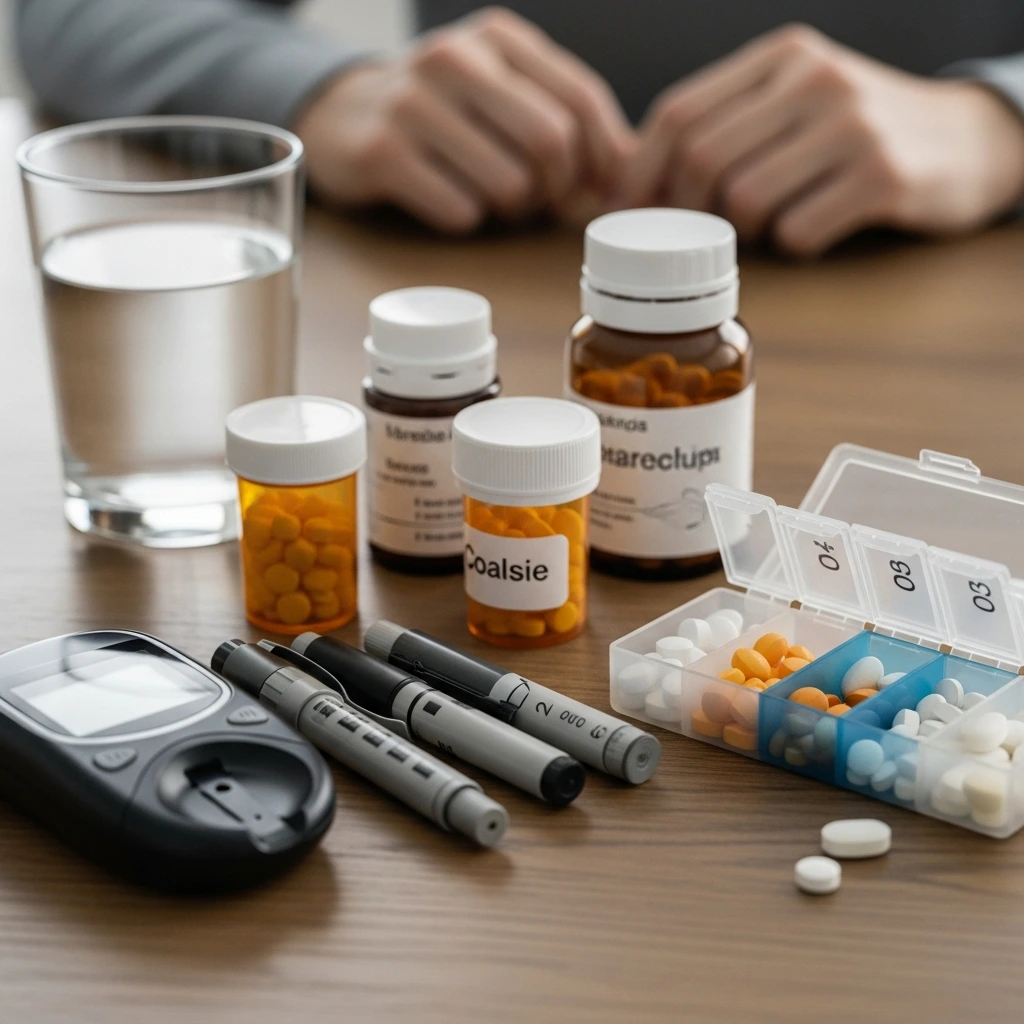
When treating complex dual conditions, profound patient safety always remains our absolute top clinical priority. Certain common psychiatric medications profoundly affect your daily glucose metabolism and can drastically alter your overall insulin sensitivity.
Furthermore, prescribing diabetes and anxiety medications requires incredible, meticulous care regarding standard beta-blockers. These specific anxiety and blood pressure drugs can actively and dangerously mask the physical symptoms of a hypoglycemic crash, like a racing heartbeat. Always consult your primary healthcare provider before altering or combining any prescription regimens.
Real-Life Confusion: Diabetes or Anxiety?
Patient communities constantly highlight the deep, terrifying daily confusion between a mental health crisis and a metabolic crash. Looking closely at diabetes anxiety Reddit threads reveals a massive, widespread problem of dangerous symptom misinterpretation among patients.
Countless patients detail harrowing stories of attempting to meditate their way through what was actually severe, life-threatening hypoglycemia. Conversely, the diabetes or anxiety Reddit discussions show patients desperately drinking sugary juice during what is actually a standard psychological panic attack.
The ultimate community consensus perfectly matches clinical advice: always test your blood sugar before assuming it is just in your head.
When to Seek Medical Help
You must never ignore glaring biological or psychological red flags when managing your complex dual diagnoses. If you experience frequent, debilitating panic attacks that actively prevent you from managing your daily life, seek immediate professional help.
Furthermore, wildly uncontrolled blood sugar despite your strict medication adherence clearly indicates severe, unmanaged biological stress that requires intervention. Finally, if you ever experience sudden, severe mental confusion or the inability to stay awake, treat it as an absolute medical emergency immediately.
Frequently Asked Questions
Can low blood sugar feel exactly like a severe panic attack?
Yes, hypoglycemia can perfectly mimic clinical anxiety symptoms like violent shaking, profuse sweating, and a rapid, pounding heartbeat. Both events trigger a massive release of adrenaline, making them feel absolutely identical to your central nervous system. Always utilize your blood glucose meter to verify your physical state before treating yourself for panic.
Does taking insulin directly cause psychological anxiety?
Insulin itself does not directly cause psychological anxiety or clinical panic disorders in diabetic patients. However, taking too much insulin causes a rapid blood sugar crash, which immediately triggers severe biological panic symptoms to keep you alive. The anxiety is a direct, biological result of the energy crash, not the medication itself.
Can severe anxiety or stress actively raise my blood sugar?
Yes, severe psychological anxiety actively and rapidly raises your circulating blood sugar levels in the body. When you panic, your body releases massive amounts of cortisol and adrenaline, forcing your liver to dump stored glucose. This biological survival mechanism prepares your body to fight a physical threat, even if the stress is purely emotional.
How do I stop waking up with intense anxiety and racing heartbeats?
Nocturnal hypoglycemia frequently causes terrifying nightmares, intense night sweats, and waking up in a state of sheer panic. If you frequently wake up feeling deeply anxious, you must test your blood sugar immediately upon waking up. Adjusting your evening snack composition or basal insulin timing often cures this specific nighttime anxiety completely. For sleep optimization strategies, see our sleep and blood sugar guide.
Are there specific foods that prevent anxiety caused by blood sugar swings?
Eating highly refined, sugary carbohydrates guarantees a rapid glucose spike followed by a severe, anxiety-inducing crash. Prioritizing lean proteins, healthy dietary fats, and high-fiber vegetables ensures a slow, steady release of essential brain energy. This stable biological fueling actively prevents the sudden adrenaline dumps that mimic clinical panic attacks.
Conclusion
Navigating the complex, heavily entwined intersection of mental health and metabolic disease is undeniably challenging, but it is entirely manageable. The severe anxiety symptoms you experience are very often biological cries for strict physical stability, not simply psychological weaknesses or character flaws.
By meticulously controlling your blood sugar, actively managing your stress hormones, and seeking compassionate medical support, you can fully reclaim your life. Ultimately, treating your physical and mental health as one unified, deeply connected system is the absolute key to thriving with diabetes.
Medical References:
- PubMed—Association of diabetes with anxiety: A systematic review and meta-analysis.
- PubMed — Associations between coping strategies and mental health in individuals with type 2 diabetes: Prospective analyses
- PubMed — Anxiety and diabetes: Innovative approaches to management in primary care.
- PubMed — The Relationship between Diabetes and Mental Health Conditions in an Aging Population
- PubMed—Diabetes and Mental Health
- PubMed — Mind Matters: Mental Health and Diabetes Management.
- PubMed—Anxiety Constitutes an Early Sign of Acute Hypoglycemia.
- PubMed — Predictive Risk Factors for Fear of Hypoglycemia and Anxiety-Related Emotional Disorders among Adolescents with Type 1 Diabetes.
- PubMed — Pituitary apoplexy associated with cortisol-induced hyperglycemia and acute delirium.
- American Diabetes Association — Psychosocial Care for People With Diabetes: A Position Statement of the American Diabetes Association
- American Diabetes Association—5. Facilitating Positive Health Behaviors and Well-being to Improve Health Outcomes: Standards of Care in Diabetes—2024
- CDC Stacks: Prevalence of Mental, Behavioral, and Developmental Disorders Among Children and Adolescents with Diabetes