
Hello, I am David T. Broome, MD, a board-certified endocrinologist. Over the years, I have handed hundreds of prescriptions to patients, but the most powerful prescription I can ever write is a solid diabetic meal plan.
Navigating your diet after a diabetes or prediabetes diagnosis can feel incredibly overwhelming, but it does not have to be a life sentence of bland, restrictive eating.
Just last month, a patient named Eleanor sat in my office in tears. She had recently been diagnosed with Type 2 diabetes and told me she felt completely paralyzed in the grocery store aisles. She was terrified that one wrong bite of an apple or a slice of bread would send her blood sugar soaring.
I worked with Eleanor to build a structured, simple roadmap for her meals. Within weeks, her fasting glucose dropped, her energy rebounded, and her fear surrounding food completely vanished.
Your diet is the primary driver of your metabolic health. In this comprehensive guide, we are going to break down exactly how to structure your eating habits, complete with practical daily schedules that you can start using right now.
Key Takeaways
A structured dietary protocol is the most effective tool you possess for long-term blood sugar control. It is not about deprivation; it is about strategic balance and consistency.
Focus entirely on replacing fast-digesting sugars with slow-burning complex carbs, high-quality proteins, and abundant vegetables. Personalization is key—if a specific food continually spikes your blood sugar, remove it from your personal plan, regardless of whether it is generally considered “healthy.”
What Is a Diabetic Meal Plan?
A diabetic meal plan is a structured, intentional way of eating designed specifically to manage your blood sugar levels. It is not a “crash diet” meant for rapid weight loss, though healthy weight management is often a positive side effect.
Instead, it is a daily strategy that balances your macronutrients—carbohydrates, proteins, and fats. Because carbohydrates are the primary macronutrient that breaks down into glucose, this plan dictates how many carbs you should eat and when you should eat them.
By following a set plan, you prevent the dangerous spikes and crashes in blood sugar that lead to fatigue, nerve damage, and other long-term diabetic complications.
What Should a Diabetic Meal Plan Look Like?
A proper dietary approach for metabolic health does not look like starvation. In fact, a well-constructed plan looks abundant, colorful, and highly satisfying.
The core principles of what your daily meals should look like include:
- Controlled carbohydrate intake: Choosing complex, slow-digesting carbs instead of simple sugars.
- High fiber foods: Foods rich in fiber slow the absorption of sugar into your bloodstream.
- Lean protein sources: Protein helps keep you full and stabilizes your blood sugar.
- Healthy fats: Fats like avocado and olive oil protect your heart and improve insulin sensitivity.
Diabetic Meal Plan Guidelines
The medical community has established clear, evidence-based guidelines for managing blood sugar through food. You do not have to reinvent the wheel.
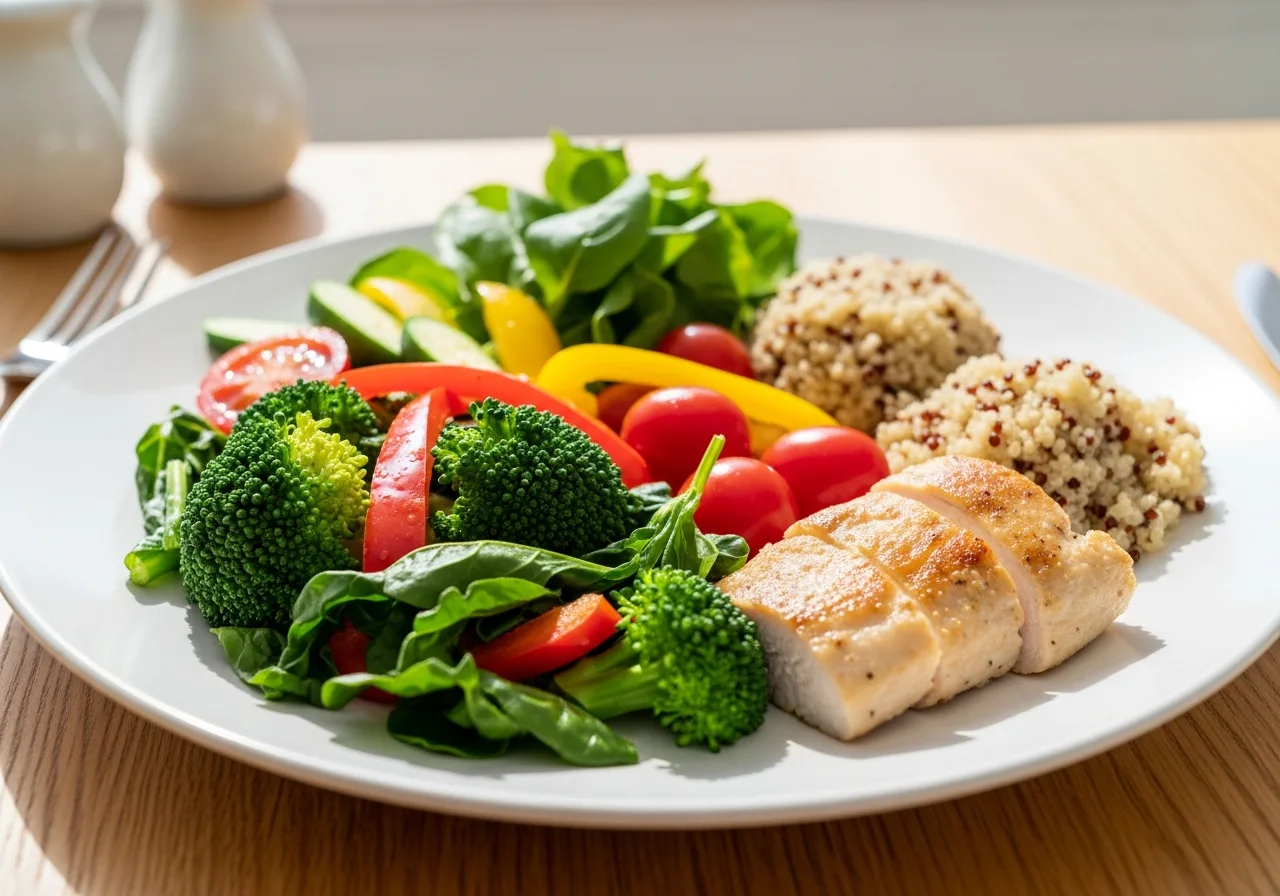
The most effective and widely recommended visual tool is the Plate Method. Using a standard 9-inch dinner plate, you fill half of the plate with non-starchy vegetables, a quarter with lean protein, and the final quarter with complex carbohydrates.
Furthermore, clinical guidelines strongly recommend limiting refined sugars and ultra-processed foods. You must also prioritize whole grains, like quinoa or brown rice, over refined white grains.
How to Make a Diabetic Meal Plan
Creating your own meal protocol is the most empowering step you can take for your health. While pre-made plans are excellent starting points, learning the mechanics of meal planning ensures you can sustain this lifestyle forever. Here is a detailed, step-by-step approach to building a protocol that works for your unique body.
Calculate Your Calorie Needs
Blood sugar control is deeply tied to weight management. Before choosing foods, you must understand your baseline caloric needs. If your goal is to lose weight to improve insulin sensitivity, you will need a moderate caloric deficit. Work with your doctor or a registered dietitian to determine the exact number of calories your body requires daily based on your age, gender, and activity level.
Distribute Your Carbs Evenly
You cannot save all your daily carbohydrates for a massive dinner. This will overwhelm your pancreas and cause a severe blood sugar spike. A critical rule of meal planning is to distribute your carbohydrate allowance evenly across three meals and one or two small snacks.
For many adult patients, a standard target is between 30 and 45 grams of complex carbohydrates per main meal.
Include Protein at Every Meal
Never eat carbohydrates in isolation. This is what I refer to as “naked carbs.” If you eat an apple by itself, the fructose hits your bloodstream rapidly.
If you pair that apple with a handful of almonds or a slice of turkey, the protein and fat dramatically slow the digestion process. Make it a hard rule to anchor every meal and snack with a high-quality source of protein.
Add Fiber-Rich Foods
Fiber is the ultimate buffer against high blood sugar. Because the human body cannot fully digest dietary fiber, it passes through your system, adding bulk to your meals without adding glucose to your blood.
When building your weekly menu, intentionally add high-fiber items like chia seeds, leafy greens, lentils, and broccoli to your daily rotation.
What Is a Good Diabetic Meal Plan?
A good meal plan is not one that requires you to eat foods you hate. The best plan is one that perfectly balances your macronutrients while remaining personalized to your lifestyle.
It must feature consistent meal timing. Eating at roughly the same times every day helps your body anticipate when it needs to produce insulin or process medication.
Ultimately, the best protocol is sustainable. If a plan is too restrictive or too expensive, you will inevitably abandon it.
7-Day Diabetic Meal Plan
To help my newly diagnosed patients, I always provide a baseline weekly structure. This sample 7-day outline is designed to keep your blood sugar incredibly stable while providing delicious, filling options.
Day 1 & Day 2: Building the Foundation
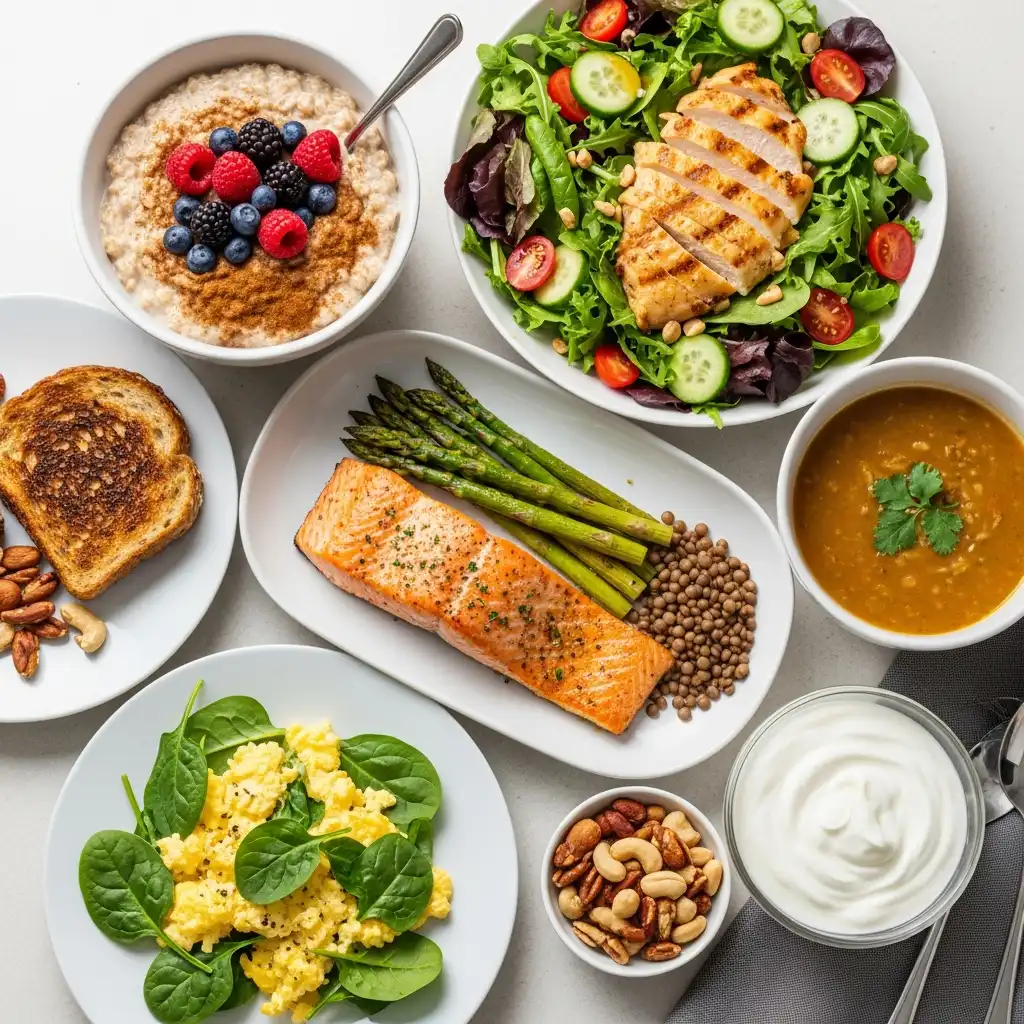
- Breakfast: Half a cup of steel-cut oatmeal topped with a handful of fresh berries and a sprinkle of cinnamon (no added sugar).
- Lunch: A large grilled chicken salad with mixed greens, cherry tomatoes, cucumbers, and an olive oil vinaigrette.
- Dinner: Baked salmon served alongside roasted asparagus and a small half-cup portion of quinoa.
- Snacks: A small handful of unsalted mixed nuts or a serving of plain Greek yogurt.
Day 3 & Day 4: Flavor and Fiber
- Breakfast: Two scrambled eggs cooked with spinach and a slice of whole-grain sprouted toast.
- Lunch: A bowl of lentil soup paired with a side salad and lean turkey slices.
- Dinner: Grilled lean steak (portion-controlled to 4 ounces) with a large serving of steamed broccoli and half a baked sweet potato.
- Snacks: Sliced bell peppers dipped in two tablespoons of hummus.
Day 5 & Day 6: Plant-Forward Options
- Breakfast: A smoothie made with unsweetened almond milk, a scoop of protein powder, spinach, and a quarter cup of frozen blueberries.
- Lunch: A whole-wheat wrap filled with tuna salad (made with Greek yogurt instead of mayo) and lots of leafy greens.
- Dinner: Chicken stir-fry made with zucchini, snap peas, and bell peppers, served over cauliflower rice.
- Snacks: A small green apple paired with one tablespoon of natural peanut butter.
Day 7: The Reset Day
- Breakfast: A vegetable and egg white omelet cooked in a light spray of olive oil.
- Lunch: Leftover chicken stir-fry from the night before, ensuring no food goes to waste.
- Dinner: Baked white fish (like cod or tilapia) with roasted Brussels sprouts and a side of black beans for added fiber.
- Snacks: A handful of roasted edamame for a high-protein crunch.
30-Day Diabetic Meal Plan
Once you master the 7-day approach, the next step is extending that success over a full month. A 30-day diabetic meal plan is crucial for breaking old habits and cementing your new metabolic lifestyle.
The structure of a monthly plan relies heavily on rotating weekly menus. You do not need 30 distinct breakfasts. You only need three or four reliable breakfast options that you rotate throughout the month.
Include a wide variety of proteins and vegetables to ensure sustainability and prevent “diet fatigue.” By the end of 30 days, your taste buds will have adapted to lower sugar levels, and these meals will feel completely natural.
Simple Diabetic Meal Plan
Sometimes, intricate recipes and exact gram measurements are too overwhelming for daily life. A simple diabetic meal plan strips away the complexity and focuses entirely on reliable, easy-to-assemble whole foods.
I often tell my busiest patients to rely on the “three-component rule.” Every plate just needs one clean protein, one high-fiber vegetable, and one small portion of complex carbs.
Easy Daily Options:
- Quick Breakfast: Two hard-boiled eggs prepared the night before, paired with one slice of sprouted whole-grain toast.
- Simple Lunch: A rotisserie chicken from the grocery store, shredded over a bag of pre-washed salad greens, tossed with olive oil.
- Effortless Dinner: A bag of frozen mixed vegetables quickly stir-fried with tofu or chicken, splashed with low-sodium soy sauce.
Pre-Diabetic Meal Plan
If your blood work shows elevated glucose but you have not yet crossed the threshold into Type 2 diabetes, you need a targeted pre-diabetic meal plan. This is your golden window of opportunity for complete metabolic reversal.
The primary focus at this stage is intensive weight management and lowering your overall carbohydrate load. By dropping just 5% of your body weight, your cells can drastically improve their insulin sensitivity.
Focus heavily on replacing starchy side dishes (like mashed potatoes or white pasta) with double portions of green vegetables. Drink only water or unsweetened tea, completely eliminating liquid calories to give your pancreas a much-needed break.
Cheapest Diabetic Meal Plan
A common misconception is that eating for metabolic health requires expensive, organic, or specialty “diet” foods. In reality, the cheapest diabetic meal plan relies on the most basic, affordable staples found in any grocery store.
I recently spoke with a patient on a strict fixed income who was worried she could not afford to manage her diabetes. We sat down and built a highly effective, low-cost grocery strategy together.
Budget-Friendly Tips:
- Buy in Bulk: Purchase dry lentils, black beans, and brown rice in large bags. These are incredibly cheap, shelf-stable, and packed with blood-sugar-stabilizing fiber.
- Use Frozen Vegetables: Frozen broccoli, spinach, and green beans are flash-frozen at peak ripeness. They are just as nutritious as fresh options, cost a fraction of the price, and never spoil in the fridge.
- Choose Affordable Proteins: You do not need expensive cuts of steak or fresh wild-caught salmon. Canned tuna, eggs, cottage cheese, and tofu are excellent, low-cost proteins that perfectly anchor a diabetic meal.
Diabetic Meal Plan Chart
Keeping a visual reference on your refrigerator can dramatically reduce decision fatigue. Use this foundational chart to mix and match your weekly meals.
| Meal | Ideal Composition | Example |
| Breakfast | High Protein + High Fiber | Scrambled eggs + whole grain toast |
| Lunch | Leafy Greens + Lean Meat | Grilled chicken salad + vinaigrette |
| Dinner | Lean Protein + Veggies + Complex Carb | Baked fish + roasted asparagus + quinoa |
| Snack | Healthy Fat + Protein | Handful of almonds + plain Greek yogurt |
Diabetic Meal Prep Tips
Success in managing your blood sugar rarely happens by accident; it happens through preparation. Mastering diabetic meal prep ensures that when you are tired or hungry, a healthy option is already waiting for you.
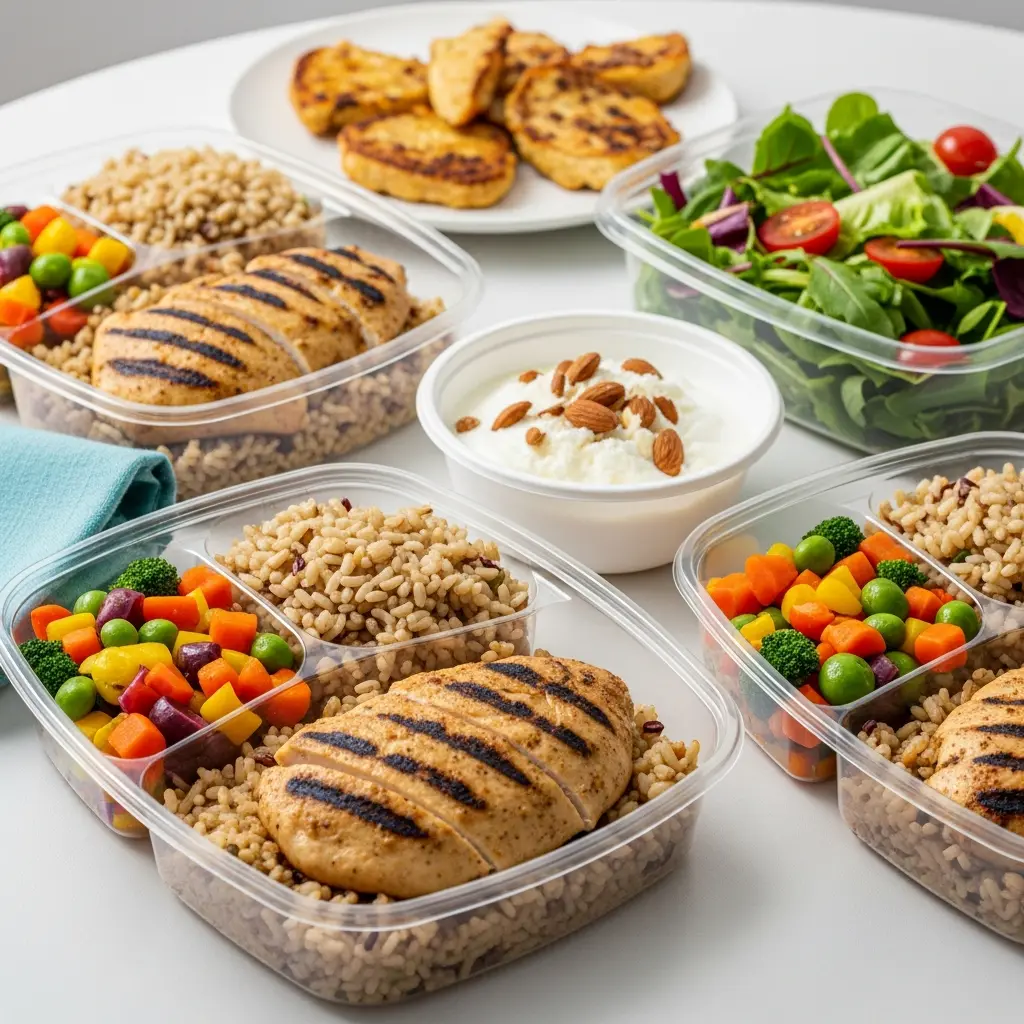
Always prepare your meals in advance. Dedicate two hours on a Sunday afternoon to chop vegetables, cook a large batch of brown rice, and grill several chicken breasts.
Invest in high-quality glass containers to store your food properly. Most importantly, practice strict portion control during your prep phase. Divide the food into individual containers immediately, so you are never tempted to overeat from a large serving bowl.
Diabetic Meal Plan Delivery Options
For patients juggling demanding careers or limited mobility, cooking every meal from scratch is not realistic. Fortunately, the market for diabetic meal plan delivery has expanded significantly in recent years.
Many subscription meal services now offer menus specifically tailored to metabolic health. They utilize the exact macronutrient ratios we recommend in the clinic, focusing on lean meats and fibrous vegetables.
You can choose between pre-portioned meal kits (where you do the cooking) or fully prepared, microwave-ready meals. While this is a more expensive route, the convenience and guaranteed blood sugar stability make it a worthwhile investment for many.
Diabetic Meal Recipes & Ideas
A sustainable diet must taste good. If your food is bland, you will eventually return to old habits. Here are highly effective meal concepts that my patients consistently enjoy.
Healthy Breakfast Ideas
Start your day with a savory approach rather than a sweet one. A simple egg omelet stuffed with mushrooms, spinach, and a sprinkle of feta cheese provides massive protein with almost zero carbohydrates. If you prefer a faster option, mix plain Greek yogurt with chia seeds and a small handful of raspberries for a high-fiber parfait.
Nutritious Dinner Ideas
Dinner should be the most vegetable-heavy meal of the day. Grilled fish, such as salmon or cod, topped with a squeeze of fresh lemon and dill, is excellent for heart health. Pair this with a massive pan of stir-fried vegetables—like bok choy, snap peas, and bell peppers—using sesame oil for rich flavor without raising glucose levels.
What Foods Should Be Avoided?
Knowing what to exclude from your diet is just as important as knowing what to include. Certain items will actively sabotage your metabolic health and damage your blood vessels.
You must completely eliminate sugary drinks, including regular soda, sweetened teas, and fruit juices. These liquids require zero digestion, meaning their sugar hits your bloodstream like a tidal wave, causing severe insulin spikes.
Furthermore, aggressively limit refined carbs (like white bread, pastries, and white rice) and heavily processed foods. These items have been stripped of their natural fiber, rendering them highly inflammatory and destabilizing to your glucose control.
Common Food Questions
Heinz Baked Beans and Diabetes
Patients often ask if baked beans are a healthy choice. While beans are an excellent source of fiber, standard canned baked beans are typically soaked in high-fructose corn syrup or brown sugar. They can be enjoyed in moderation, but you must carefully read the label and ideally choose a “no added sugar” or low-sodium variety.
Structuring a Typical Meal
A typical, metabolically safe meal should never leave you feeling deprived. It consists of a large base of fiber (like a robust salad or roasted vegetables), a solid palm-sized serving of protein to keep you satiated, and a tightly controlled, fist-sized portion of complex carbohydrates to provide steady, slow-burning energy.
NHS & International Guidelines
Metabolic care is a global priority, and the guidelines from leading institutions reflect a unified approach. The NHS diet for diabetes strongly emphasizes returning to natural, whole foods.
The NHS guidelines firmly reject “fad diets” in favor of sustainable, long-term habit changes. They advocate for strict portion control, eating at regular intervals to prevent hypoglycemia (especially if you are on insulin), and drastically reducing saturated fats to protect cardiovascular health.
Action Plan
Your Next Steps:
- Plan Meals Weekly: Pick a designated day, like Saturday morning, to write out your menu for the entire upcoming week.
- Track Carbohydrate Intake: Use a food tracking app for the next 14 days to see exactly how many carbs you are currently consuming.
- Monitor Blood Sugar: Check your glucose levels fasting in the morning and exactly two hours after your largest meal to see how your new plan is working.
Frequently Asked Questions
What is a good diabetic meal plan?
A good protocol is one that perfectly balances complex carbohydrates, lean proteins, and healthy fats to prevent glucose spikes. It must also be affordable, enjoyable, and sustainable enough for you to follow for the rest of your life.
What should a diabetic eat daily?
Every single day, you should prioritize consuming large amounts of non-starchy vegetables (like spinach and broccoli), high-quality lean protein (like chicken or eggs), healthy fats (like olive oil or nuts), and moderate portions of whole grains.
Can I follow a simple meal plan?
Yes, absolutely. Simple plans are often the most effective because they are easy to stick to. Relying on basic combinations—like grilled meat and roasted vegetables—removes the stress of cooking and ensures excellent blood sugar stability.
Is a 7-day plan enough?
A 7-day structure is the perfect starting point. Once you successfully navigate the first week, you can simply repeat those meals, swap out different proteins, and gradually expand it into a full 30-day routine.
Is skipping meals bad for diabetes?
Yes, skipping meals can be dangerous, especially if you are taking medications like sulfonylureas or insulin. It can lead to severe hypoglycemia (low blood sugar) and often causes extreme overeating at the next meal, resulting in a massive glucose spike.
Conclusion
When I think back to Eleanor, the patient I mentioned earlier, the most significant change wasn’t just in her blood sugar numbers. It was in her confidence. Once she understood how to build a diabetic meal plan, she stopped seeing food as an enemy and started seeing it as medicine.
Managing your metabolic health is a marathon, not a sprint. You do not need to be perfect every single day; you simply need to be consistent. By choosing whole, unprocessed foods and being intentional about your carbohydrate intake, you are doing more for your long-term health than any pill could ever achieve.
Start small. Choose one new recipe this week or prep just two days of lunches. These small victories accumulate quickly, leading to a life defined by vitality rather than a diagnosis. You have the tools, the plan, and the medical foundation to succeed.
Medical References:
- American Diabetes Association (ADA) – Meal Planning Resources
- Centers for Disease Control and Prevention (CDC) – Diabetes Meal Planning Guide
- PubMed – Tailored Meal-Type Food Provision for Diabetes Patients (Clinical Study)
- National Institute of Diabetes and Digestive and Kidney Diseases (NIDDK) – Healthy Living with Diabetes
- Mayo Clinic – Diabetes Diet: Create Your Healthy-Eating Plan