

Hearing a doctor say you have high blood sugar during pregnancy can instantly trigger fear and anxiety. It is completely normal to wonder what happens if you have gestational diabetes and how it will impact your growing baby.
Gestational diabetes is a temporary form of diabetes that develops exclusively during pregnancy. While the diagnosis sounds intimidating, the most important thing to remember is that it is highly manageable with the right medical guidance.
When women ask what happens if they have gestational diabetes during pregnancy, they often picture worst-case scenarios. However, with proper diet, monitoring, and lifestyle adjustments, the vast majority of mothers go on to have completely healthy pregnancies and deliveries.
This 2026 guide will explain exactly what happens if you have gestational diabetes while pregnant. We will cover the symptoms, the potential effects on your baby, and the immediate steps you must take to protect both of your futures.
Gestational Diabetes Quick Facts
If you need a rapid overview to share with family or your partner, use this quick gestational diabetes fact sheet:
- Causes: Placental hormones naturally block the mother’s insulin.
- Symptoms: Often none, but may include extreme thirst and fatigue.
- Risks: Large birth weight (macrosomia) and future Type 2 diabetes risk.
- Treatment: Carb-controlled diet, daily walking, blood sugar testing, and sometimes insulin.
What Happens If You Have Gestational Diabetes?
If you have gestational diabetes, what happens fundamentally is that your body cannot produce enough insulin to handle the increased demands of pregnancy. As a result, glucose builds up in your bloodstream instead of entering your cells for energy.
So, what happens if you do have gestational diabetes? First, your doctor will immediately put you on a specialized monitoring plan. You will need to check your blood sugar levels daily and adjust your carbohydrate intake.
In most cases, the condition is safely managed through diet and moderate exercise alone. Furthermore, this condition is usually temporary; for the overwhelming majority of women, blood sugar levels return to normal shortly after the baby is born.
What Causes Gestational Diabetes?
To understand how to fight this condition, you must understand gestational diabetes causes. It is primarily driven by the placenta, the organ that connects you to your baby and supplies them with vital nutrients and water.
As your pregnancy progresses, the placenta produces massive amounts of hormones like estrogen, cortisol, and human placental lactogen. These hormones naturally block the action of the mother’s insulin, creating a state of insulin resistance.
What causes gestational diabetes is simply your pancreas failing to keep up with this heavy hormonal resistance. But does eating sugar cause gestational diabetes? No. While eating excessive sugar can exacerbate the condition, the root cause is entirely hormonal and placental.
Signs and Symptoms of Gestational Diabetes
One of the most challenging aspects of this condition is that it is often entirely asymptomatic. Many women feel perfectly fine and only discover their diagnosis through routine blood work between weeks 24 and 28 of their pregnancy.
However, when gestational diabetes symptoms do appear, they are often easily confused with the normal discomforts of pregnancy. Recognizing the signs of gestational diabetes in pregnancy early can help you seek faster medical intervention.
If you develop severe insulin resistance later on, you might notice specific signs of gestational diabetes in the third trimester. Patients often ask, “What are the 10 warning signs of gestational diabetes?” While 10 is a high number, the most common warning signs include:
- Increased, unquenchable thirst
- Frequent urination (beyond normal pregnancy levels)
- Severe, unexplained fatigue
- Blurred vision
How Dangerous Is Gestational Diabetes?
A common question in prenatal clinics is: How dangerous is gestational diabetes? The answer depends entirely on how well the condition is managed. When blood sugar is strictly controlled, the danger is extremely low.
Mild, well-managed cases often result in standard deliveries with zero complications. In these scenarios, the danger is effectively neutralized by your daily dietary choices and glucose monitoring.
However, uncontrolled gestational diabetes is highly dangerous. If blood sugar remains chronically elevated, it severely stresses the mother’s vascular system and forces the baby to develop in a toxic, high-glucose environment, leading to severe birth complications.
How Gestational Diabetes Affects the Baby
The primary concern for any mother is understanding how gestational diabetes affects the baby. Because glucose crosses the placenta but insulin does not, your high blood sugar becomes your baby’s high blood sugar.
“When we look at gestational diabetes effects on the baby, we are primarily looking at the consequences of the baby’s pancreas working in overdrive,” explains Dr. Miriam Hayes, a board-certified Maternal-Fetal Medicine specialist.
This overproduction of fetal insulin acts as a growth hormone. The most common gestational diabetes danger to the baby is macrosomia, meaning the baby grows unusually large (often over 9 pounds). This significantly increases the risk of birth trauma, shoulder dystocia, and the need for an emergency C-section.
Furthermore, because the baby has been producing massive amounts of insulin to handle the mother’s sugar, they face severe risks immediately after birth. Once the umbilical cord is cut, their sugar supply drops, but their insulin remains high, causing dangerous postpartum hypoglycemia (low blood sugar).
Unmanaged high blood sugar can also delay lung maturation. This means that even if the baby is born full-term, they may suffer from respiratory distress syndrome and require time in the neonatal intensive care unit (NICU) to help them breathe.
Risks for the Mother: Short & Long-Term
While we focus heavily on the baby, gestational diabetes complications pose severe risks to the mother as well. In the short term, high blood sugar drastically increases the risk of developing preeclampsia, a dangerous form of pregnancy-related high blood pressure.
Because of the risk of macrosomia, birth complications from gestational diabetes are common. Mothers face higher rates of severe vaginal tearing or require major abdominal surgery (C-section) to deliver the baby safely.
Long-term, the risks continue. Having gestational diabetes means you have an underlying predisposition to insulin resistance. Up to 50% of women who experience this condition will develop permanent Type 2 diabetes later in life if they do not maintain a healthy lifestyle.
Does Gestational Diabetes Make You High Risk?
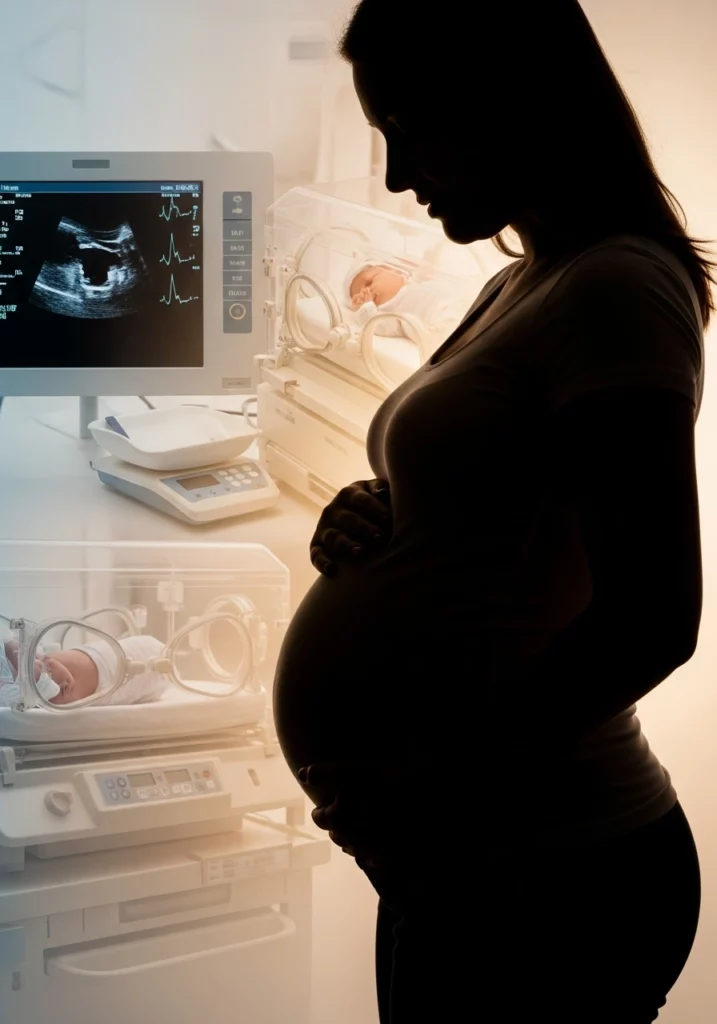
Patients frequently ask: Does gestational diabetes make you high risk? Yes, receiving this diagnosis officially moves your pregnancy into the “high-risk” category. However, this label is not meant to scare you; it is meant to protect you.
Being classified as high risk simply means your medical team will implement increased monitoring. You will likely have more frequent prenatal visits, extra fetal growth ultrasounds, and non-stress tests in your third trimester.
This high-risk status also means your doctor will closely monitor your delivery timeline. To prevent the baby from growing too large, your medical team will actively discuss possible early delivery or induction protocols.
Will You Deliver Early If You Have Gestational Diabetes?
A major source of anxiety is the question: Will I deliver early if I have gestational diabetes? The answer depends entirely on your glucose control and your baby’s growth rate.
If your blood sugar is perfectly controlled by diet and your baby is a normal size, many doctors will allow you to go to full term (39 or 40 weeks).
However, if your blood sugar is uncontrolled or if you require insulin injections to manage the condition, your doctor will likely recommend inducing labor around week 38 to prevent late-term complications and severe macrosomia.
What To Do If You Are Diagnosed With Gestational Diabetes
Receiving the diagnosis can be an emotional shock, but action is your best defense against anxiety. If you are wondering what to do if you are diagnosed with gestational diabetes, the very first step is to breathe and realize you are not alone.
What is the first step in treating gestational diabetes? Education and monitoring. Your doctor will likely prescribe a glucose meter, teaching you how to prick your finger to test your blood sugar at home.
You will need to test your blood usually four times a day: once in the morning fasting, and one or two hours after each major meal. Keeping a meticulous log of these numbers helps your doctor understand exactly how your body is reacting to different foods.
If diet and exercise are not enough to keep your numbers in range, your doctor may prescribe medication. This could be an oral medication like Metformin, or daily insulin injections, which are completely safe for your baby and highly effective.
How to Control Gestational Diabetes During Pregnancy

Understanding how to control gestational diabetes during pregnancy empowers you to take charge of your health. The approach always centers on three core pillars: nutrition, physical activity, and consistent monitoring.
How is gestational diabetes treated at its core? It is treated by balancing your carbohydrate intake with your body’s limited insulin supply. You must learn to spread your carbohydrates evenly throughout the day to avoid sudden spikes.
Daily exercise is the secret weapon in your management toolkit. A brisk 15-minute walk after every meal pushes glucose directly into your muscles for energy, bypassing the need for insulin entirely.
Gestational Diabetes Diet (What to Eat & Avoid)
Your daily menu is the most powerful medication you have. A proper gestational diabetes diet does not mean starving yourself; it means eating strategically to provide steady energy for your baby without overloading your pancreas.
Focus your meals around complex, whole-grain carbohydrates, lean proteins like chicken and fish, and massive amounts of non-starchy vegetables. Healthy fats, such as avocados and almonds, also help slow down sugar absorption in your bloodstream.
What foods should I avoid with gestational diabetes? You must strictly avoid liquid sugars like soda and fruit juices, which spike blood sugar instantly. Refined carbohydrates, including white bread, pasta, and baked goods, should also be heavily restricted or eliminated.
Gestational Diabetes Blood Sugar Levels & Range
To manage your condition effectively, you need to know your target numbers. Your medical team will provide specific gestational diabetes blood sugar levels to aim for throughout the day.
These targets are significantly stricter than standard diabetes goals because they are designed to protect a developing fetus. The following table outlines the standard gestational diabetes range used by most clinics in 2026:
| Time of Day | Target Blood Sugar Level |
| Fasting (Morning before eating) | Less than 95 mg/dL |
| 1 hour after a meal | Less than 140 mg/dL |
| 2-hours after a meal | Less than 120 mg/dL |
Note: Your specific endocrinologist or OB-GYN may adjust these numbers slightly based on your baby’s growth ultrasound results.
Can You Have a Healthy Pregnancy With Gestational Diabetes?
Mothers constantly ask, “Can I have a healthy pregnancy with gestational diabetes?” The answer is a resounding and absolute yes.
“When patients strictly adhere to their dietary guidelines and keep their glucose in range, their outcomes are virtually identical to those of mothers without the condition,” notes Rebecca Thornton, a Certified Diabetes Care and Education Specialist.
Your diagnosis is simply a warning light on your dashboard. By paying attention to that light and modifying your lifestyle, you are actively ensuring that your baby is born healthy, strong, and at a safe birth weight.
Does Gestational Diabetes Go Away After Birth?
One of the most reassuring facts about this condition is its timeline. Does gestational diabetes go away? For over 90% of women, the answer is yes.
The condition is caused by the placenta. Once you deliver the baby and pass the placenta, the massive influx of insulin-blocking hormones instantly stops. Most women see their blood sugar return to normal within hours of delivery.
However, having the condition means your body struggles with insulin under stress. You will need a follow-up glucose test at your 6-week postpartum visit to ensure the diabetes has fully cleared and has not transitioned into Type 2 diabetes.
What Is the Hardest Week of Gestational Diabetes?
Managing this condition is a marathon, not a sprint. If you are wondering which week of gestational diabetes is the hardest, most medical professionals point to weeks 32 through 36 of your pregnancy.
During this late third-trimester window, the placenta reaches its maximum size and produces its peak level of insulin-blocking hormones. Your insulin resistance will be at its absolute highest during these weeks.
Do not be discouraged if your fasting numbers suddenly spike during this time despite eating perfectly. This is a biological reality, and your doctor may need to temporarily introduce nighttime insulin to help you through this hormonal peak.
Risk Factors for Gestational Diabetes
Understanding who is most vulnerable helps doctors screen patients effectively. While anyone can develop the condition, certain traits make your pancreas work much harder during pregnancy.
What are the 5 risk factors for gestational diabetes? The most prominent medical risks include:
- Being a heavier person before pregnancy.
- Having a direct family history of Type 2 diabetes.
- Being over the age of 25 at the time of pregnancy.
- Having Polycystic Ovary Syndrome (PCOS) or prediabetes.
- Having had gestational diabetes in a previous pregnancy.
How to Prevent Gestational Diabetes
If you are planning to become pregnant, proactive steps can heavily reduce your risk. How to prevent gestational diabetes starts months before conception through focused lifestyle changes.
Achieving a healthy body weight before getting pregnant is the most effective preventative measure. Losing even 5% to 7% of your body weight can dramatically improve your baseline insulin sensitivity.
Once pregnant, staying active is crucial. Engaging in 30 minutes of moderate exercise, five days a week, and eating a diet rich in dietary fiber can help keep your blood sugar stable as placental hormones begin to rise.
Gestational Diabetes Guidelines
Medical protocols for this condition are highly standardized. Doctors worldwide rely on strict frameworks, such as the NICE guidelines for gestational diabetes protocols in the UK and the ADA guidelines in the US.
These guidelines dictate that all pregnant people without known risk factors should be screened between 24 and 28 weeks. They also establish the strict treatment thresholds, emphasizing diet therapy as the first line of defense before medications are introduced.
Frequently Asked Questions
What happens if you have gestational diabetes during pregnancy?
If diagnosed, you will need to actively manage your blood sugar through a strict diet, daily exercise, and blood glucose testing to prevent your baby from growing too large and suffering birth complications.
How does gestational diabetes affect the baby?
Excess maternal blood sugar crosses the placenta, causing the baby’s pancreas to overproduce insulin. This acts as a growth hormone, leading to an abnormally large baby, respiratory issues, and dangerously low blood sugar after birth.
What foods should I avoid with gestational diabetes?
You must avoid simple, fast-digesting carbohydrates. This includes sodas, fruit juices, white bread, white rice, sugary cereals, pastries, and highly processed junk foods that cause instant glucose spikes.
Will I deliver early if I have gestational diabetes?
Not necessarily. If your blood sugar is perfectly controlled by diet alone and the baby is measuring normally, you can go to full term. If you require insulin or the baby is large, doctors often recommend induction at 38 or 39 weeks.
What are the 10 warning signs of gestational diabetes?
While often asymptomatic, key warning signs include unquenchable thirst, frequent urination, chronic fatigue, blurred vision, frequent yeast infections, excessive weight gain, nausea, increased hunger, snoring, and sugar cravings.
Conclusion
A gestational diabetes diagnosis is a call to action, not a reason for despair. While understanding the risks and potential complications is essential, it is equally important to recognize how much power you have over the outcome.
By diligently checking your blood sugar, embracing a low-glycemic diet, and keeping your body moving, you neutralize the threats this condition poses. You are actively protecting your baby’s development with every healthy meal you choose.
Work closely with your medical team, do not hesitate to ask for dietary support, and remember that this phase is temporary. Your commitment today paves the way for a safe delivery and a healthy start for your newborn.