

HHS diabetes is a silent emergency that often catches families off guard. While many people recognize type 1 and type 2 diabetes—or even diabetic ketoacidosis—hyperosmolar hyperglycemic state (HHS) is less widely understood.
In this condition, blood sugar rises dangerously high over several days, leading to severe dehydration and mental confusion. These symptoms are often mistaken for fatigue, illness, or aging, delaying critical care.
The mechanism is straightforward but dangerous. Extremely high glucose levels pull water from body tissues, forcing the kidneys to work overtime to remove excess sugar.
Rapid fluid loss follows, along with vital electrolytes. As dehydration worsens, blood thickens, and brain function becomes impaired, causing confusion, weakness, and behavioral changes.
Symptoms often develop gradually. Increased thirst and frequent urination usually appear first, followed by dry skin, fatigue, and mental changes. Because these signs seem mild at first, they are often overlooked. However, waiting can allow the condition to progress into a life-threatening emergency.
Treatment requires urgent medical care. Most patients need hospital admission, often in intensive care. Intravenous fluids restore hydration, insulin lowers glucose safely, and electrolytes are replaced to prevent heart rhythm problems. Early detection dramatically improves outcomes.
Older adults face the highest risk, especially during infections, medication changes, or missed diabetes treatments. Daily monitoring, recognizing warning signs, and acting quickly can prevent serious complications. Understanding HHS helps families respond confidently and seek care before permanent damage occurs.
TL;DR
- HHS diabetes is a life-threatening complication of diabetes, usually type 2.
- It features extremely high blood sugar (>600 mg/dL) and severe dehydration.
- Altered consciousness occurs without significant ketosis or acidosis.
- Immediate emergency care with IV fluids and insulin is critical.
- Prevention focuses on hydration, sick-day management, and glucose monitoring.
What Is HHS Diabetes?
Hyperosmolar Hyperglycemic State defines this emergency. The HHS diabetes full form helps you remember the mechanism. “Hyperosmolar” means your blood becomes thick and concentrated. “Hyperglycemic” signals extremely high glucose levels. “State” indicates an acute, unstable condition.
This crisis occurs mainly in type 2 diabetes. Your body still produces some insulin. That small amount prevents dangerous ketone buildup. But it cannot control soaring blood sugar. The result? Severe fluid loss through excessive urination. Electrolytes wash out with that fluid. Your brain function suffers without proper hydration.
The HHS meaning of the diabetes community often involves confusion. Many mistake it for diabetic ketoacidosis. They are distinct emergencies with different treatments. HHS develops more slowly than DKA.
Symptoms worsen gradually over one to two weeks. That timeline creates a dangerous false sense of security. You must monitor high-risk individuals closely.
HHS Diabetes vs DKA
| Feature | HHS | DKA |
|---|---|---|
| Glucose | >600 mg/dL | >250 mg/dL |
| Ketones | Minimal or absent | High |
| Blood pH | Normal (>7.3) | Acidic (<7.3) |
| Typical Population | Type 2 diabetes | Type 1 diabetes |
| Onset Speed | Days to weeks | Hours to days |
| Mental Status | Confusion, coma common | Alert early, then drowsy |
Understanding the difference between HHS and DKA guides emergency response. DKA involves insulin deficiency and fat breakdown. Ketones flood the bloodstream. Blood turns acidic rapidly.
HHS follows a different pathway entirely. Relative insulin deficiency allows glucose to skyrocket. But enough insulin blocks ketone production. Dehydration becomes the primary threat.
Both conditions require ICU-level care. Treatment protocols differ significantly. DKA needs aggressive insulin and bicarbonate sometimes. HHS prioritizes massive fluid replacement first. Insulin comes later in the sequence. Getting this order wrong worsens outcomes. That is why accurate diagnosis matters immediately.
HHS Diabetes Pathophysiology
The HHS diabetes pathophysiology starts with relative insulin deficiency. Your pancreas makes some insulin. But stress hormones overwhelm its capacity. Glucose cannot enter cells efficiently. Blood levels climb steadily higher.
Extreme hyperglycemia triggers osmotic diuresis. Your kidneys try to flush excess sugar. Water follows glucose into the urine aggressively. You lose liters of fluid daily. Electrolytes like sodium and potassium deplete rapidly.
Severe dehydration thickens your blood. Serum osmolality rises above 320 mOsm/kg. That concentration impairs brain cell function. Confusion, lethargy, or coma follow. Kidney function declines without adequate perfusion. The cycle accelerates without intervention.
HHS Diabetes Causes & Risk Factors

Infection stands as the most common trigger. Pneumonia, urinary tract infections, or sepsis spike stress hormones. Those hormones raise blood glucose dramatically. Medications also play a significant role. Steroids, diuretics, or certain antipsychotics worsen control.
Poor diabetes management creates vulnerability. Missed medications or incorrect dosing allow glucose to drift. Older people face a higher risk of dehydration. Thirst mechanisms decline with age. They may not drink enough during illness.
Stroke, heart attack, or pancreatitis adds physiological stress. Those events release cortisol and adrenaline. Blood sugar responds predictably upward. Limited mobility or cognitive impairment delays help-seeking. Family caregivers must recognize early warning signs.
HHS Diabetes Symptoms
Watch for these critical warning signs:
- Extreme, unquenchable thirst
- Frequent urination that suddenly stops
- Dry mouth, skin, and mucous membranes
- Confusion, disorientation, or agitation
- Blurred or lost vision
- Weakness on one side of the body
- Seizures or loss of consciousness
What are HHS symptoms? They often start subtly. Increased thirst seems manageable initially. Fatigue gets blamed on aging or stress. Mental changes appear gradually. Family members notice personality shifts first. That observation triggers the emergency call.
Dehydration signs become obvious later. Skin loses elasticity. Eyes appear sunken. Heart rate accelerates to compensate for low volume. Blood pressure drops when standing. Those findings signal critical fluid loss.
HHS Diabetes Glucose Levels & Criteria
| Diagnostic Marker | HHS Threshold |
|---|---|
| Blood Glucose | >600 mg/dL (often >1000) |
| Serum Osmolality | >320 mOsm/kg |
| Arterial pH | >7.30 (normal) |
| Serum Ketones | Small or absent |
| Mental Status | Altered (confusion to coma) |
What are the criteria for HHS? Clinicians use this exact framework. Glucose exceeds 600 mg/dL consistently. Osmolality calculations confirm blood concentration. Acid-base balance remains relatively normal. Ketone testing shows minimal activity. Mental status changes confirm neurological impact.
These benchmarks separate HHS from other crises. Simple glucose checks are not enough. Osmolality calculation requires sodium, glucose, and BUN values. That math confirms the hyperosmolar state. Emergency teams run these labs immediately upon arrival.
Diagnosis of HHS Diabetes
How HHS is diagnosed involves a rapid laboratory assessment. Blood glucose meters provide instant screening. Serum osmolality requires comprehensive metabolic panels. Electrolyte panels reveal sodium and potassium deficits. Kidney function tests show acute injury patterns.
Urinalysis checks for ketones and infection markers. Blood cultures identify bacterial triggers. Chest X-rays screen for pneumonia. Electrocardiograms assess cardiac strain from electrolyte shifts. That comprehensive workup guides targeted treatment.
Clinical history completes the diagnostic picture. Medication lists reveal potential contributors. Recent illness timelines explain physiological stress. Family reports document mental status changes. That narrative context accelerates appropriate intervention.
HHS Diabetes Treatment
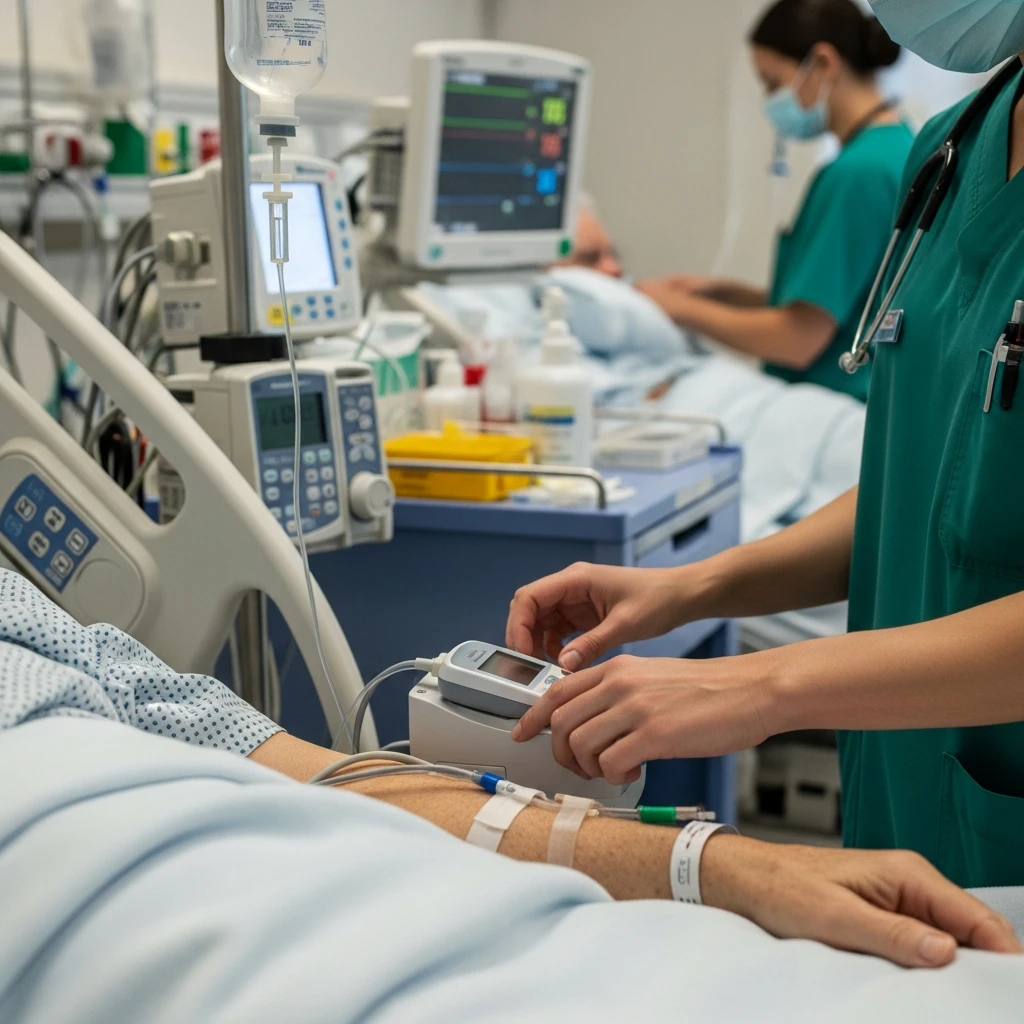
Emergency management follows a strict, life-saving sequence:
- IV Fluids First: Aggressive rehydration with normal saline restores circulation. This step corrects hypotension and improves kidney perfusion. Fluid replacement continues for 24-48 hours typically.
- Insulin Therapy: Low-dose intravenous insulin starts after initial fluids. This approach lowers glucose gradually. Rapid drops risk cerebral edema or hypokalemia. Monitoring occurs hourly during infusion.
- Electrolyte Correction: Potassium replacement begins early. Insulin drives potassium into cells. Serum levels can plummet dangerously. Magnesium and phosphate may also require supplementation.
- Treat Underlying Cause: Antibiotics target identified infections. Cardiac medications address acute events. Steroid tapers adjust if applicable. That root-cause treatment prevents recurrence.
ICU-level monitoring remains essential throughout. Vital signs, urine output, and mental status get tracked continuously. Glucose checks occur hourly until stable. That intensity prevents secondary complications.
HHS in Type 2 Diabetes vs Type 1
HHS in type 2 diabetes represents the classic presentation. Insulin resistance and relative deficiency create the perfect storm. Older adults with long-standing disease face the highest risk. Comorbidities like kidney disease amplify vulnerability.
HHS diabetes type 1 occurrences are rare but documented. Younger patients with residual beta-cell function may develop it. Severe infection or medication non-adherence can trigger the crisis. Clinicians maintain suspicion regardless of diabetes type.
Can HHS Occur in Non-Diabetics?
Yes, though uncommon. Undiagnosed diabetes often presents as HHS initially. Severe illnesses like pancreatitis or burns can induce extreme hyperglycemia temporarily. Certain medications, like high-dose steroids, may trigger it in susceptible individuals. That possibility warrants glucose screening in any confused, dehydrated patient.
HHS Diabetes ICD-10 Codes
Accurate coding ensures proper billing and tracking. Primary codes include:
- E11.00: Type 2 diabetes with hyperosmolarity without coma
- E11.01: Type 2 diabetes with hyperosmolarity with coma
- E13.00/E13.01: Other specified diabetes with hyperosmolarity
Modifiers indicate acute kidney injury or other complications. Precise documentation supports epidemiological research. It also guides quality improvement initiatives in hospital systems.
Complications of HHS Diabetes
Untreated HHS carries severe consequences. Severe dehydration can cause acute kidney failure requiring dialysis. Electrolyte imbalances trigger dangerous cardiac arrhythmias. Cerebral edema or thrombosis may occur during treatment. Seizures or permanent neurological deficits follow prolonged coma. Mortality reaches 10-20% even with optimal care.
Is HHS Diabetes Dangerous?
Yes, absolutely. Is diabetes insipidus dangerous? Queries are sometimes confused with HHS. They are distinct conditions. HHS carries a high mortality without rapid intervention. Even treated cases require weeks of recovery. Prevention through diligent diabetes management remains the best strategy.
Prevention of HHS Diabetes
Monitor blood sugar regularly, especially during illness. Stay hydrated with water throughout the day. Manage infections promptly with medical guidance. Maintain medication adherence even when feeling well. Create a sick-day plan with your healthcare team. That preparation prevents emergency escalation.
When to Seek Emergency Care
Go to the ER immediately if you observe:
- Confusion, disorientation, or unusual drowsiness
- Blood sugar readings consistently above 600 mg/dL
- Signs of severe dehydration (dry mouth, no urination for 8+ hours)
- Weakness on one side of the body or seizure activity
Frequently Asked Questions
What is the HHS in diabetes?
Hyperosmolar Hyperglycemic State represents a life-threatening complication. Extreme blood sugar and severe dehydration define this crisis. It requires immediate emergency medical intervention.
What causes HHS diabetes?
Infection stands as the most common trigger. Medications, poor diabetes control, or acute illness also contribute. Older people with type 2 diabetes face the highest risk.
What are HHS symptoms?
Extreme thirst, frequent urination, confusion, and weakness signal danger. Dry skin and vision changes often accompany these signs. Mental status alterations require immediate emergency response.
What is the difference between HHS and DKA?
HHS features higher glucose, minimal ketones, and normal blood pH. DKA involves significant ketones and acidic blood. HHS typically affects type 2 diabetes; DKA affects type 1 more commonly.
How to treat HHS diabetes?
Emergency care starts with IV fluids for rehydration. Insulin therapy is used to lower glucose gradually. Electrolyte correction and treating the underlying cause complete management.
Conclusion
HHS diabetes demands recognition as a true medical emergency. Rapid IV fluids and careful insulin therapy save lives. This crisis mostly affects older adults with type 2 diabetes.
Prevention through hydration, monitoring, and sick-day planning remains your strongest defense. When in doubt, seek emergency evaluation immediately.
Medical References:
- American Diabetes Association – Hyperglycemic Crises in Adults With Diabetes
- PubMed Peer-Reviewed Review: Comprehensive clinical overview of HHS pathophysiology, diagnosis, and management from a peer-reviewed medical journal.
- American Family Physician (AAFP) – Hyperglycemic Crises: DKA and HHS
- UpToDate – Hyperosmolar Hyperglycemic State in Adults: Clinical Features, Evaluation, and Diagnosis