
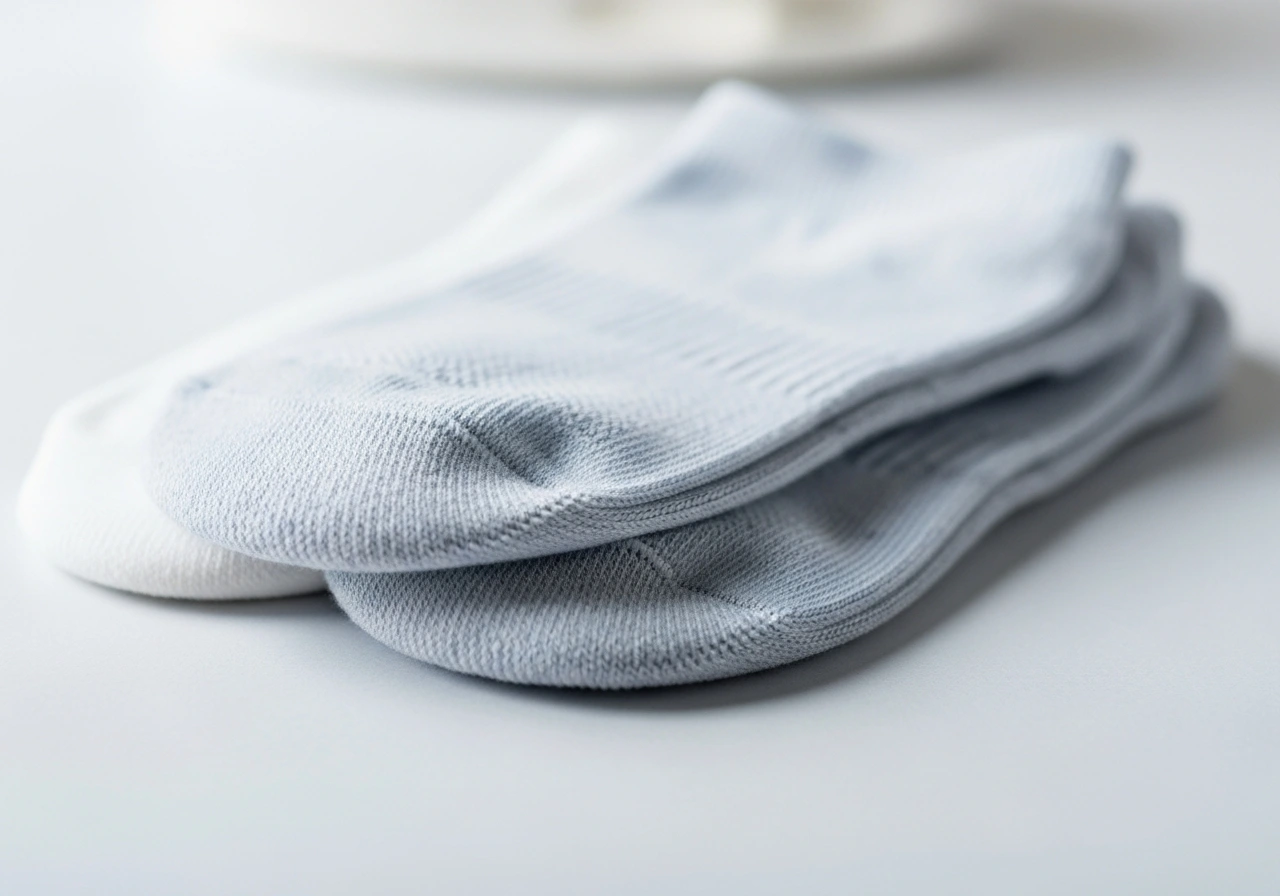
As an endocrinologist, I constantly remind my patients that daily foot care is just as critical as monitoring blood sugar. Just last week, I examined a patient who developed a dangerous foot ulcer simply from a rough seam on a standard dress sock.
This easily preventable injury perfectly illustrates why investing in properly fitted diabetic socks is a non-negotiable aspect of long-term diabetes management.
Many newly diagnosed patients overlook their footwear until a complication forces them to pay attention. Peripheral neuropathy can completely numb the nerve endings in your feet, meaning you might not feel a blister forming until it becomes a severe, life-threatening infection.
In this comprehensive medical guide, we will break down exactly how these garments protect your feet, compare top brands, and help you find the safest options for your daily life.
What Are Diabetic Socks?
When patients see footwear listed on their care plan, the first question is usually, what are diabetic socks? In simple clinical terms, they are highly specialized, non-binding garments designed specifically to protect the vulnerable skin and blood vessels of the lower extremities.
If you are wondering what diabetic socks are used for, their primary goal is risk reduction. Standard socks often feature tight elastic bands that choke off blood flow and thick seams that cause friction. Therefore, what are diabetic socks for exactly? They are engineered to remove these hazards completely.
While the name implies they are only for one condition, these garments are heavily recommended for anyone managing diabetes, suffering from peripheral neuropathy, or experiencing chronic poor circulation. They provide a vital, protective barrier between your fragile skin and your shoes.
What Do Diabetic Socks Do?
Understanding the exact purpose of diabetic socks helps patients realize why standard athletic socks are insufficient. When asked what diabetic socks do, I explain that they actively support the healing environment of the foot.
If you are asking why wear diabetic socks, consider these clinical benefits:
- Improve blood circulation by removing restrictive, tight elastic bands.
- Reduce pressure points that cause painful corns and calluses.
- Prevent blisters and ulcers by utilizing seamless, smooth construction.
- Wick moisture to prevent infections and harmful fungal growth.
- Protect sensitive skin with strategic, non-abrasive cushioning.
How Do Diabetic Socks Work?
To understand how diabetic socks work, we must look closely at their unique, highly engineered construction. Because preventing skin breakdown is the main topic of diabetic foot care, manufacturers meticulously design these garments to address specific anatomical vulnerabilities.
So, what makes diabetic socks different from the multipack you buy at a standard department store? It comes down to four fundamental design pillars: seamless construction, non-binding tops, specialized moisture management, and targeted padding.
First, standard socks have a thick, bulky seam that runs straight across the toes. In a patient with neuropathy, this seam constantly rubs against the toes inside the shoe, eventually causing a blister. True diabetic footwear features completely seamless toes, or flat-linked seams, completely eliminating this dangerous friction point.
Second, they utilize non-binding tops. A normal sock relies on strong elastic to stay up on the calf, leaving a deep, red indentation on your skin at the end of the day.
This restriction acts like a gentle tourniquet, actively fighting against your heart’s effort to pump blood back up your legs. Diabetic designs use a loose, cross-stretch knit that stays up without restricting arterial or venous blood flow.
Third, they are heavily focused on moisture-wicking fabric. High blood sugar changes the chemical makeup of your sweat, making your feet a perfect breeding ground for fungal and bacterial infections.
These specialized garments are made from advanced synthetic blends or specialized bamboo fibers that pull sweat away from the skin, keeping the foot completely dry.
Finally, they feature strategic, protective cushioning. As we age and live with diabetes, the natural fat pads on the bottom of our feet begin to thin out (fat pad atrophy). This extra padding under the heel and the ball of the foot acts as a shock absorber, protecting the delicate bones and skin from the heavy impact of daily walking.
Diabetic Socks vs Compression Socks
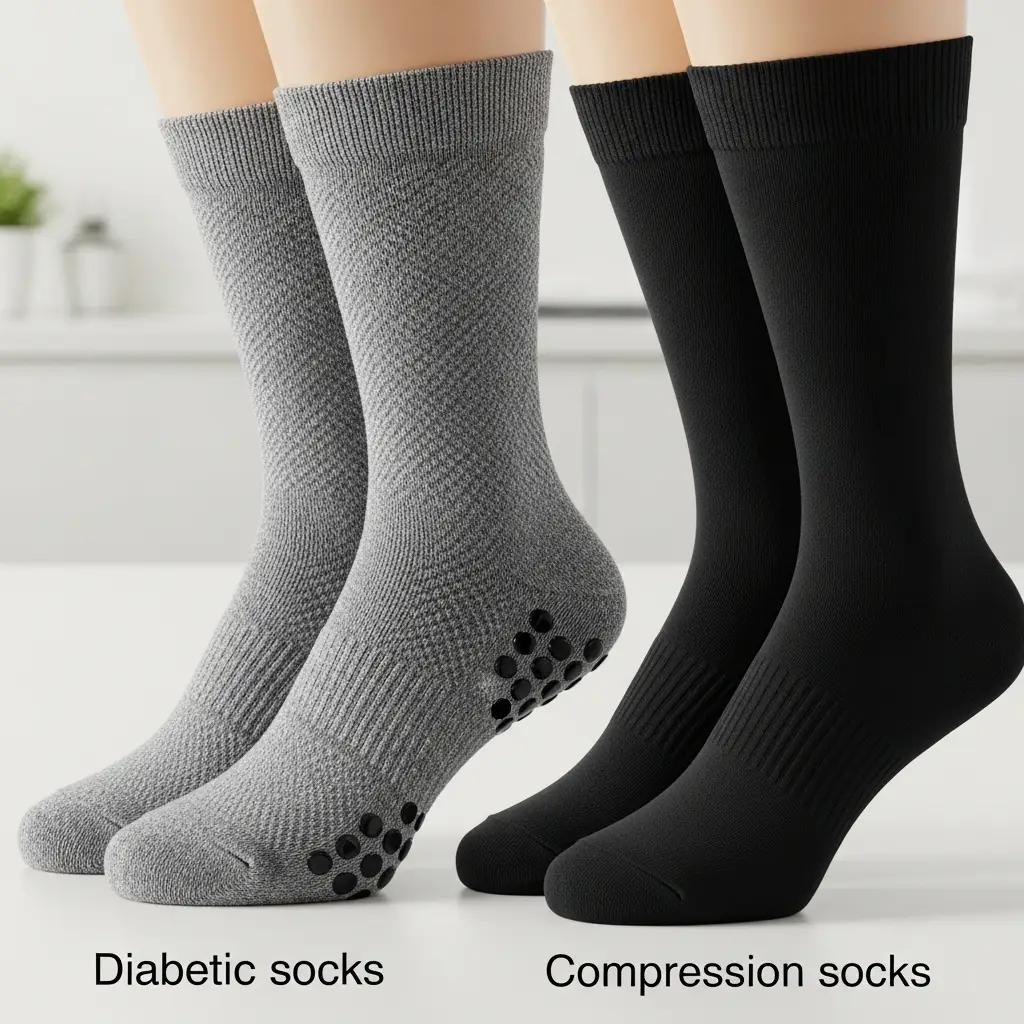
A major source of confusion in my clinic is the difference between these two therapeutic garments. Patients frequently ask, “Are diabetic socks the same as compression socks?”
No, they are not the same. In fact, confusing the two can be incredibly dangerous for certain patients. If you are wondering what the difference between diabetic socks and compression socks is, look at this clinical comparison:
| Feature | Diabetic Socks | Compression Socks |
| Pressure Level | Very Low (Non-binding) | High (Graduated pressure) |
| Primary Purpose | Protection & preventing constriction | Forcing blood up the leg (venous therapy) |
| Overall Fit | Loose, relaxed, and breathable | Very tight and restrictive |
While diabetic socks vs compression socks serve different medical purposes, some patients with severe swelling (edema) may require a specialized diabetic-friendly compression sock. However, you must consult your doctor before wearing tight compression gear.
Best Diabetic Socks for Men
Finding the right diabetic socks for men requires navigating different materials and sizing needs. Many of my male patients prefer wearing work boots or dress shoes, which require a durable yet non-constricting fabric.
When shopping for men’s diabetic socks, you must decide between cotton and synthetic blends. While cotton is comfortable, it traps moisture. The best diabetic socks for men utilize a blend of merino wool, bamboo, or specialized acrylics to keep the foot dry inside heavy shoes.
Sizing is also a massive issue in men’s diabetic socks. I frequently see patients with large feet squeezing into standard sizes, defeating the purpose of the non-binding design.
If you have larger feet, you must specifically search for men’s diabetic socks size 13 15 to ensure the heel cup and toe box sit correctly. Always verify that the diabetic socks for men size 13 15 explicitly state “non-binding” on the packaging.
Best Diabetic Socks for Women
The search for reliable diabetic socks for women often centers around finding options that are both medically effective and aesthetically pleasing. Women should not have to sacrifice style for safety.
Fortunately, the market for women’s diabetic socks has expanded dramatically. You can now find options ranging from invisible, no-show cuts for summer sneakers to warm, knee-high styles for the winter. The best diabetic socks for women focus heavily on a soft, non-abrasive interior to protect delicate skin.
When selecting women’s diabetic socks, prioritize extreme breathability. Look for materials interwoven with silver or copper fibers, which offer natural antimicrobial properties to prevent common foot infections. Always ensure the fabric feels incredibly soft against the skin to avoid any micro-abrasions throughout the day.
Best Diabetic Socks (Top Picks)
When patients ask me for specific brand recommendations, I always look for a balance of clinical effectiveness and affordability. Finding the best diabetic socks means looking beyond marketing claims and examining the actual fabric composition and seam structure.
While there is no single consumer reports best diabetic socks list that applies to everyone, a few brands consistently perform well in my clinic. Dr. Scholl’s diabetic socks are a highly accessible, reliable option that offers excellent non-binding tops and solid moisture management for everyday wear.
Another excellent brand frequently found in pharmacies is MediPeds. They specialize in targeted cushioning and often utilize highly breathable synthetic blends. Ultimately, your top picks must meet three criteria: extreme comfort, high breathability, and durability to withstand frequent hot-water washing.
Where to Buy Diabetic Socks
You do not need a specialized medical supplier to find protective footwear anymore. If you are wondering where to buy diabetic socks, the market has expanded significantly. You can find them easily at major retail stores and local pharmacies.
When patients ask me, “Where can I buy diabetic socks?” I usually point them to the pharmacy section of their local grocery store or big-box retailer. For instance, you can easily find affordable multipacks of protective footwear at Walmart or Target.
However, if you are asking where you can buy diabetic socks with specific sizes, such as size 13-15 for men, online shopping is usually best. If you are wondering who sells diabetic socks with advanced moisture-wicking technology, dedicated medical supply websites offer the widest variety.
If you need them immediately, searching for “where to buy diabetic socks near me” will typically direct you to your nearest CVS or Walgreens.
Price & Buying Tips
Managing diabetes is expensive, so finding cost-effective footwear is a priority for many of my patients. You can choose between budget multipacks and premium, single-pair options depending on your daily activity level.
If you work on your feet all day, investing in a premium pair with advanced copper or silver-infused fibers is worth the extra cost. However, for casual wear, a simple multipack provides excellent value.
Always keep an eye out for seasonal sales. Finding high-quality diabetic socks for men at clearance deals online allows you to stock up on protective wear for the entire year without breaking your healthcare budget.
Who Should Wear Diabetic Socks?
During a recent consultation, a patient’s caregiver asked a very common question: Can anyone wear diabetic socks? The short answer is yes, absolutely. While they are marketed toward individuals with endocrine disorders, their protective design is universally beneficial.
These garments are heavily recommended for diabetics, especially those who have already been diagnosed with peripheral neuropathy. However, I also strongly recommend them to older people and anyone suffering from chronic circulation issues.
Just last month, I interviewed a 65-year-old patient managing severe foot swelling. She switched to non-binding socks, and within a week, the painful red indentations on her calves disappeared. Anyone who values foot comfort and healthy blood flow can safely wear them.
How Long Should You Wear Diabetic Socks?
Establishing a proper daily routine is vital for foot health. Patients often confuse therapeutic garments and ask me, how long should a diabetic wear compression socks? Remember, compression socks are different and require specific doctor instructions.
For standard diabetic socks, daily wear is highly recommended. You should put a fresh, clean pair on every morning before putting on your shoes.
Whether you should wear them to bed depends on your specific needs. If your feet get extremely cold at night due to poor circulation, wearing a loose, breathable pair in bed is perfectly safe. However, many patients prefer to let their skin breathe freely overnight.
What Makes Diabetic Socks Different from Normal Socks?
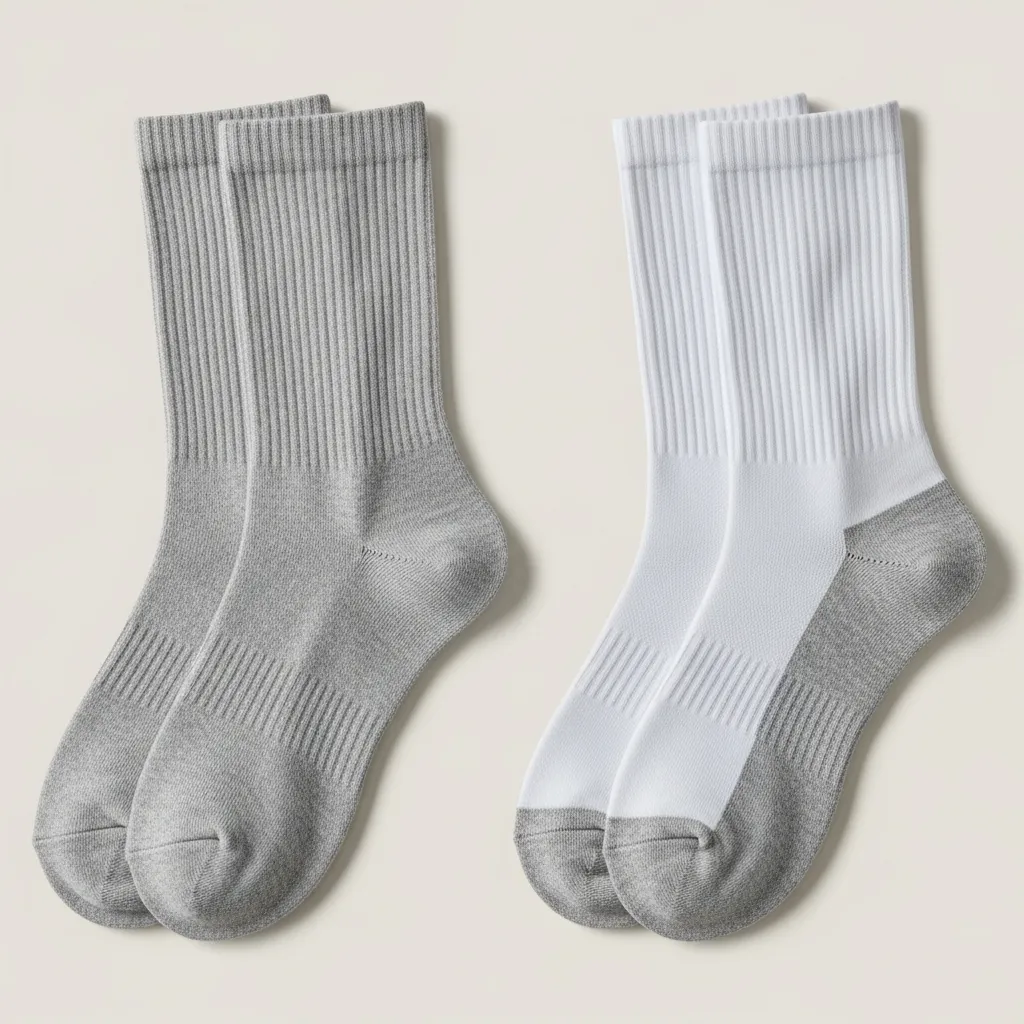
To summarize the engineering behind these garments, we need to compare them directly to standard athletic or dress wear. If you are still wondering what is special about diabetic socks, or what is the difference between diabetic socks and normal socks, this table breaks it down:
| Feature | Regular Socks | Diabetic Socks |
| Seams | Yes (Often thick and bulky) | Seamless (Flat-linked or non-existent) |
| Elastic Top | Tight and binding | Non-binding and highly stretchable |
| Moisture Control | Low (Often pure cotton) | High (Advanced synthetic or bamboo blends) |
Medical Benefits (Clinical Evidence)
As a medical professional, I rely on evidence-based outcomes to guide my recommendations. The medical benefits of wearing specialized footwear are profound and deeply documented in clinical literature.
The most critical benefit is the reduced risk of foot ulcers. Diabetic foot ulcers form when constant shear force and friction break down numb skin. Because neuropathy prevents the patient from feeling the blister, it can quickly develop into a severe, bone-deep infection. Seamless construction completely eliminates the primary friction points that cause these devastating ulcers.
Furthermore, these garments provide a massive improvement in overall circulation. When you have high blood sugar, your blood vessels become stiff and narrow.
Wearing tight, binding elastic socks acts as a tourniquet, cutting off what little blood flow remains. Non-binding tops allow unobstructed arterial flow to the toes and smooth venous return to the heart.
Finally, advanced moisture-wicking prevents dangerous fungal infections. High glucose levels weaken your immune system, making you highly susceptible to tinea pedis (athlete’s foot) and bacterial infections. By keeping the feet perfectly dry, these socks destroy the warm, damp environment that harmful microbes need to survive.
Risks & Limitations
While specialized socks are incredible tools, they are not a magical cure. A major risk is a false sense of security; patients sometimes think that wearing the sock means they no longer need to visually inspect their feet every night.
Furthermore, poor-quality or incorrectly sized socks can still cause dangerous irritation. If the sock is too large, the fabric can bunch up inside your shoe, creating a massive pressure point that leads to blistering.
Ultimately, these garments must fit properly and be used in conjunction with properly fitted, supportive footwear. They are a supplement to, not a replacement for, daily foot inspections and routine podiatry visits.
Special Conditions
CRPS & Neuropathy Relief
Patients dealing with complex regional pain syndrome (CRPS) or severe diabetic neuropathy experience extreme hypersensitivity, where even a bedsheet feels like sandpaper.
When evaluating what socks are good for people with CRPS, ultra-soft, seamless bamboo garments provide the gentle, frictionless protection needed to minimize severe nerve pain.
Diabetic Boots Integration
For patients living in cold climates or working heavy labor, standard socks are not enough. Wearing diabetic socks boots requires thicker, moisture-wicking wool blends designed specifically to prevent frostbite and friction inside heavy, rigid footwear.
Frequently Asked Questions
What are diabetic socks?
They are specialized, non-binding garments designed to protect vulnerable feet from friction, reduce pressure, and promote healthy blood circulation.
What do diabetic socks do?
They actively prevent blisters, pull moisture away from the skin to stop infections, and allow unobstructed blood flow to the lower extremities.
Are diabetic socks the same as compression socks?
No. Diabetic garments are loose and non-restrictive to protect the foot, while compression garments are tight and designed to forcefully push blood back up the leg.
What kind of socks are best for diabetic feet?
The safest options feature completely seamless toes, highly breathable, moisture-wicking fabrics, and a wide, non-binding top band.
Can anyone wear diabetic socks?
Absolutely. They are highly beneficial for older people, individuals with circulatory issues, or anyone who simply wants to prevent painful blisters and foot fatigue.
Conclusion
As an endocrinologist, I cannot stress enough how a simple wardrobe change can fundamentally alter the course of your long-term health.
Switching to specialized, non-binding footwear is one of the easiest, most cost-effective ways to protect your feet from devastating complications. It is a daily investment in your continued mobility and independence.
Remember, diabetic socks are not a magical cure for underlying neuropathy, but they act as an essential layer of daily armor. By eliminating tight elastic bands and abrasive seams, you actively prevent the microscopic skin damage that so often leads to severe, life-threatening ulcers. Combined with moisture-wicking fabrics, they keep your feet safe, dry, and healthy.
Ultimately, taking control of your diabetic foot care means taking proactive, preventative steps every single morning. I strongly encourage you to replace your restrictive athletic socks, commit to daily visual foot inspections, and partner closely with your podiatry team. Protecting your vulnerable feet today ensures you can keep moving forward safely tomorrow.
Authoritative References:
- National Institute of Diabetes and Digestive and Kidney Diseases (NIDDK) – Diabetes and Foot Problems
- American Diabetes Association (ADA) – Authoritative Health Article: Foot Care and Complications
- Centers for Disease Control and Prevention (CDC) – Authoritative Health Article: Your Feet and Diabetes
- Diabetes Care (ADA Peer-Reviewed Medical Journal) – Preventive Foot Care in Diabetes (Clinical Guidelines)
- Mayo Clinic – Diabetic Neuropathy: Symptoms, Causes, and Foot Care