
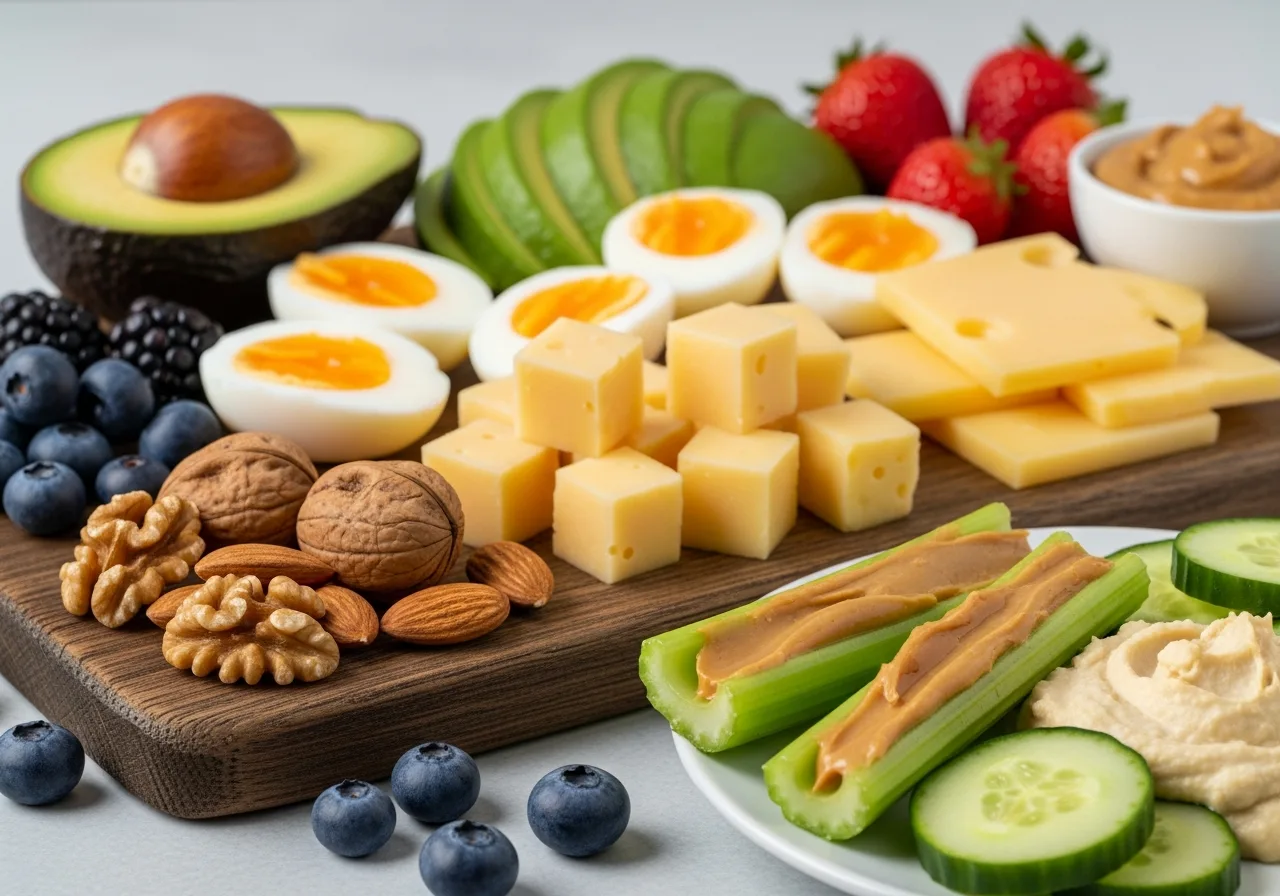
Managing daily hunger without triggering glucose fluctuations requires strategic choices. Selecting the right low-carb snacks for diabetics helps maintain steady energy throughout the day.
Clinical experience shows that pairing minimal carbohydrates with protein or healthy fats prevents dangerous postprandial spikes. This guide delivers evidence-based options tailored to your metabolic needs.
Key Takeaways
Low carb snacks help control blood sugar by minimizing rapid glucose absorption. Protein and fiber work synergistically to extend satiety and stabilize digestion. Choosing whole foods eliminates hidden sugars and inflammatory additives. Consistent implementation transforms metabolic health markers over time.
Prioritizing preparation over convenience prevents glycemic derailment during busy periods. Monitoring personal responses guides long-term nutritional adjustments. Sustainable habits yield compounding physiological benefits. Small, strategic choices create profound clinical outcomes.
What Are Low-Carb Snacks for Diabetics?
Low carb snacks for diabetics are foods that contain minimal carbohydrates and help maintain stable blood sugar levels. These options typically range between 0 and 15 grams of net carbs per serving. They prioritize macronutrients that slow digestion, particularly high-quality protein and unsaturated fats.
Clinical guidelines emphasize that net carbohydrates directly influence post-meal glucose excursions. By reducing rapidly absorbable sugars and starches, patients experience fewer energy crashes.
This approach aligns with current endocrine recommendations for glycemic management. Whole foods naturally contain lower carbohydrate density than processed alternatives.
Why Low Carb Snacks Matter for Diabetes
Strategic snacking plays a critical role in long-term metabolic health. Reducing carbohydrate load during between-meal periods directly limits glucose spikes. Consistent blood sugar stability reduces oxidative stress on pancreatic beta cells. Improved insulin sensitivity often follows sustained dietary modifications.
Supporting weight management requires sustained satiety without excess caloric intake. High-carb processed snacks trigger rapid insulin release, which promotes fat storage.
Low-carb alternatives engage different hunger pathways through protein-induced thermogenesis. Patients frequently report reduced cravings when transitioning to nutrient-dense options.
What Snacks Don’t Spike Blood Sugar?
The most reliable choices rely on macronutrients that bypass rapid carbohydrate metabolism. Nuts and seeds deliver essential fatty acids alongside minimal glucose impact.
Cheese provides calcium and casein protein, which are digested gradually over several hours. Hard-boiled eggs offer complete amino acid profiles with zero carbohydrates.
Non-starchy vegetables supply hydration, electrolytes, and soluble fiber without significant glycemic load. These foods require minimal digestive conversion before absorption.
Their natural phytonutrients further support endothelial function and vascular health. Combining these options creates balanced mini-meals that stabilize energy levels.
Best Low Carb Snacks for Diabetics
Almonds deliver monounsaturated fats and magnesium, a mineral often depleted in metabolic dysfunction. A single serving provides approximately 14 grams of fat and only 3 grams of net carbs.
Greek yogurt offers probiotic support alongside slow-digesting whey protein. Selecting plain, unsweetened varieties prevents hidden added sugars.
Boiled eggs remain a portable, nutrient-dense staple for busy schedules. Each egg contains roughly 6 grams of high-bioavailability protein with negligible carbohydrates. Cottage cheese provides casein protein that releases amino acids gradually. Pairing it with cucumber slices adds crunch and hydration without spiking glucose.
High-Protein, Low Carb Snacks for Diabetics
Muscle preservation and glycemic control both benefit from consistent protein distribution. Hard-boiled eggs deliver choline, vitamin D, and essential fatty acids in one compact package.
Tuna salad made with olive oil mayonnaise provides omega-3 fatty acids that reduce systemic inflammation. Wrapping it in lettuce leaves eliminates bread-based carbohydrates.
Protein shakes require careful selection to avoid hidden maltodextrin or artificial sweeteners that disrupt gut microbiota. Choosing isolate whey or plant-based blends under 3 grams of sugar ensures compatibility with metabolic goals.
Adding ground flax or chia seeds increases fiber content while slowing absorption. This combination supports lean mass retention during caloric restriction.
High Fiber Low Carb Snacks for Diabetics
Dietary fiber directly modulates glucose absorption rates in the small intestine. Chia pudding prepared with unsweetened almond milk forms a gel matrix that delays carbohydrate breakdown. Each tablespoon contains nearly 5 grams of soluble fiber, which binds bile acids and improves lipid profiles.
Flaxseed crackers utilize whole ground seeds rather than refined grain flours. Their lignan content supports hormonal balance and antioxidant defenses. Vegetables with hummus combine insoluble plant fiber with chickpea-derived protein. Limiting hummus to two tablespoons maintains carbohydrate counts while delivering essential minerals.
Sugar-Free Low Carb Snacks for Diabetics

Eliminating added sucrose, high-fructose corn syrup, and dextrose removes the primary drivers of acute hyperglycemia. Sugar-free yogurt must be verified for carbohydrate count, as some brands replace sugar with starch thickeners. Full-fat varieties provide superior satiety and fat-soluble vitamin absorption.
Raw almonds and walnuts deliver polyphenols that improve endothelial function without introducing glycemic stress. Cheese sticks offer pre-portioned convenience alongside calcium and phosphorus.
Always verify nutrition labels, as some “sugar-free” products contain sugar alcohols that cause digestive distress. Prioritize whole-food formats over chemically altered alternatives.
Low Carb Snacks List (50 Ideas)
Building a reliable snack repertoire requires categorizing options by macronutrient profile. Protein-focused choices include turkey roll-ups, roasted edamame, sardines in olive oil, beef jerky with no added sugar, and salmon pouches.
Dairy selections encompass string cheese, ricotta with cinnamon, kefir shots, cottage cheese cups, and parmesan crisps. Nut and seed varieties feature macadamia nuts, pumpkin seeds, pecans, Brazil nuts, and sunflower seeds.
Vegetable-based options include celery with cream cheese, bell pepper strips, olives, cherry tomatoes, and roasted zucchini coins. Legume alternatives like black soybeans and lupini beans provide fiber without starch spikes. Fat-rich selections feature guacamole portions, avocado slices, olive tapenade, and coconut flakes. These combinations deliver essential micronutrients while keeping net carbohydrates under 10 grams.
In my clinical practice, I frequently advise patients to rotate through these categories to prevent nutritional monotony. Eating the same snacks daily reduces microbiome diversity and increases food aversions over time. Preparing portions in advance eliminates impulsive vending machine decisions.
Label reading remains essential, as manufacturers frequently alter formulations. Keeping a written inventory prevents pantry shortages and supports consistent adherence to metabolic goals.
15 Diabetic-Friendly Snack Foods
Almonds provide heart-healthy fats that stabilize lipid panels. Walnuts contain alpha-linolenic acid, which supports cognitive function. Cheese delivers calcium and complete protein with minimal preparation time.
Eggs offer bioavailable nutrients that support cellular repair. Avocado supplies potassium and monounsaturated fats that improve vascular compliance.
Pork rinds serve as a zero-carb, crunchy alternative to potato chips. Sardines deliver calcium, omega-3s, and vitamin D in shelf-stable packaging. Celery offers hydration and insoluble fiber for digestive motility.
Turkey slices provide lean protein without excess sodium when sourced carefully. Olives contain polyphenols that modulate inflammatory pathways.
10g Carb Snacks for Diabetics
Strategic carbohydrate timing allows controlled glucose excursions without deprivation. Apple slices paired with peanut butter deliver soluble pectin alongside slow-digesting fat.
Selecting green varieties reduces natural fructose content by up to 30 percent. Plain yogurt combined with half a cup of raspberries provides probiotics and anthocyanins.
Berries such as blackberries and blueberries offer antioxidant density with manageable carbohydrate counts. Portion control remains critical, as natural sugars accumulate rapidly. Measuring tools ensure accuracy during initial transition periods. This balanced approach prevents reactive hypoglycemia while satisfying nutritional requirements.
Low Carb Snacks for Type 2 Diabetes
Weight control represents a foundational pillar in managing insulin resistance. Emphasizing fiber and protein increases thermic energy expenditure and prolongs fullness.
Visceral fat reduction directly correlates with improved hepatic glucose regulation. Patients following this pattern frequently observe declining hemoglobin A1C values.
Incorporating resistance-friendly snacks supports muscle glycogen replenishment without excess carbohydrate loading. Muscle tissue acts as a primary glucose sink during metabolic stress. Maintaining lean mass prevents age-related metabolic decline. Consistent adherence transforms dietary habits into sustainable physiological adaptations.
Low Carb Snacks for Type 1 Diabetes
Blood sugar stability requires precise carbohydrate accounting alongside insulin dosing protocols. Low-carb options reduce bolus variability and minimize postprandial correction requirements.
Patients report fewer nocturnal hypoglycemic episodes when evening snacks prioritize fat and protein. Adjusting basal rates becomes more predictable with consistent macronutrient intake.
Continuous glucose monitoring data frequently demonstrates flatter profiles when carbohydrate sources are minimized. Eliminating rapid-acting sugars prevents dangerous hyperglycemia-hypoglycemia cycles.
Education on insulin-to-carb ratios remains essential during transitional phases. Collaborative care with endocrinologists ensures safe medication adjustments.
Low Carb Snacks for Weight Loss
Reducing overall caloric intake becomes sustainable when hunger signals are properly managed. Increasing dietary fat and protein triggers peptide YY and GLP-1 release, which suppresses appetite. This hormonal shift prevents rebound overeating during subsequent meals. Sustained negative energy balance drives gradual adipose tissue reduction.
High-satiety snacks eliminate the psychological burden of restrictive dieting. Patients experience improved mood and cognitive clarity when glucose fluctuations stabilize. Metabolic flexibility improves as cells adapt to oxidizing fatty acids. This physiological adaptation supports long-term weight maintenance without rebound cycles.
Snacks That Will Not Raise Blood Sugar
Cheese contains lactose in minimal quantities that rarely trigger measurable glycemic responses. The casein matrix slows gastric emptying and extends nutrient absorption. Eggs provide complete nutrition without any digestible carbohydrates. Their yolk contains lecithin, which supports neural membrane integrity.
Leafy greens deliver chlorophyll, magnesium, and folate without impacting glucose pathways. Their high water content promotes cellular hydration and electrolyte balance. These foods serve as foundational building blocks for metabolic stability. Consistent inclusion creates a protective buffer against carbohydrate-heavy main meals.
What Can a Diabetic Eat with No Carbs?
Meat-based options include grilled chicken strips, roast turkey breast, and sirloin steak. Fish selections like mackerel, trout, and cod provide essential omega-3 fatty acids. Eggs remain universally accessible and nutritionally complete. Organ meats such as liver deliver concentrated B vitamins in minimal portions.
These zero-carbohydrate foods support muscle protein synthesis without introducing glycemic variables. Pairing them with non-starchy vegetables creates balanced nutritional profiles.
Hydration alongside electrolyte supplementation prevents dehydration during metabolic shifts. Proper preparation methods like baking or steaming preserve nutrient density without adding inflammatory oils.
Low Carb Bedtime Snacks for Diabetics
Nighttime nutrition requires careful macronutrient selection to prevent dawn phenomenon exacerbation. Greek yogurt provides slow-digesting protein that sustains amino acid availability overnight.
A small handful of almonds supplies magnesium, which supports parasympathetic nervous system activation. Cheese cubes deliver casein protein that releases gradually during sleep.
Consuming these options two hours before rest prevents digestive disruption. Elevated overnight glucose often stems from unbalanced evening meals rather than the snacks themselves. Monitoring morning fasting values guides portion adjustments. Consistent timing establishes predictable metabolic rhythms.
Late-Night Snacks for Diabetics

Small, protein-based options satisfy hunger without triggering insulin surges. Avoiding high sugar foods prevents reactive midnight hypoglycemia. Cottage cheese with a sprinkle of cinnamon provides flavor without carbohydrate overload. Bone broth delivers collagen, glycine, and essential minerals for cellular repair.
These choices support hepatic detoxification pathways during restorative sleep phases. Proper hydration alongside minimal sodium intake prevents nocturnal fluid retention. Tracking consumption patterns identifies personal tolerance thresholds. Strategic planning eliminates reliance on convenience store selections.
Low Carb Snack Recipes
Egg muffins combine whisked eggs, spinach, diced bell peppers, and shredded cheese. Baking them at 350°F for 20 minutes creates portable, reheatable portions. Chia pudding requires mixing two tablespoons of seeds with unsweetened coconut milk. Refrigerating overnight allows hydration and gel formation.
Avocado dip blends mashed avocado, lime juice, cilantro, and sea salt into a creamy consistency. Serving it with jicama sticks or cucumber rounds adds crunch without carbohydrates.
Preparing these recipes during weekend meal prep ensures weekday compliance. Batch cooking reduces daily decision fatigue while maintaining nutritional standards.
Where Can I Find Low Carb Snacks for Diabetics?
Grocery stores feature dedicated diabetic-friendly aisles alongside specialty health sections. Farmers’ markets offer fresh produce and artisanal cheeses with transparent sourcing.
Online retailers provide subscription boxes containing curated low-carbohydrate items. Meal delivery services cater specifically to metabolic health requirements.
Verifying third-party lab testing guarantees product accuracy and prevents misleading labels. Reading ingredient lists remains essential regardless of marketing claims.
Building relationships with local vendors ensures fresh, minimally processed options. Strategic purchasing eliminates impulse buys and supports budget management.
Low Carb Foods for Diabetics
Vegetables such as broccoli, cauliflower, asparagus, and Brussels sprouts form the nutritional foundation. Lean proteins, including poultry, fish, and plant-based isolates, preserve muscle integrity.
Healthy fats from olive oil, avocado, nuts, and seeds support hormonal synthesis. Combining these categories creates sustainable dietary frameworks.
Diversifying intake prevents micronutrient deficiencies that compromise immune function. Seasonal variations introduce novel phytonutrients that enhance metabolic resilience.
Consistent tracking through food journals identifies optimal portion sizes. Professional guidance ensures alignment with individual medication protocols.
Action Plan
- Plan snacks ahead to eliminate impulsive decisions
- Keep low carb options available at home and work
- Monitor blood sugar before and after new snack introductions
- Rotate macronutrient sources weekly for nutritional diversity
- Consult healthcare providers before adjusting medication regimens
Frequently Asked Questions
What is a good low-carb snack for a diabetic?
Nuts, hard-boiled eggs, and unsweetened yogurt with minimal sugar represent optimal choices. These options deliver balanced macronutrients without triggering rapid glucose absorption. Portion control ensures compatibility with daily carbohydrate targets. Individual tolerance varies, so tracking personal responses remains essential.
What snacks don’t spike blood sugar?
Protein-rich and fiber-rich foods like almonds and non-starchy vegetables maintain flat glucose profiles. Healthy fats further delay gastric emptying and reduce postprandial excursions. Avoiding processed ingredients eliminates hidden carbohydrate loads. Consistent selection establishes predictable metabolic rhythms.
Can diabetics eat zero-carb snacks?
Yes, foods like eggs, meat, and full-fat cheese contain negligible digestible carbohydrates. These options provide essential nutrients without influencing insulin demand. Pairing them with vegetables creates balanced nutritional profiles. Proper preparation methods preserve bioavailability and digestive comfort.
Are low carb snacks good for weight loss?
They help reduce calorie intake naturally while improving sustained satiety. Hormonal regulation prevents compensatory overeating during subsequent meals. Metabolic flexibility improves as cells adapt to oxidizing alternative fuel sources. Combined with physical activity, they support gradual adipose reduction.
How many carbs should be in a diabetic snack?
Most clinical guidelines recommend keeping snacks between 5–15 grams of net carbohydrates to minimize glucose excursions. Individual targets vary based on medication, activity level, and overall daily carbohydrate goals.
Tracking post-snack blood sugar responses helps personalize these ranges. Consulting a registered dietitian ensures alignment with your specific metabolic needs.
Conclusion
Mastering low carb snacks for diabetics transforms daily management from a challenge into an empowering routine. Consistent choices that prioritize protein, fiber, and healthy fats create a protective buffer against unpredictable glucose swings.
Small, strategic decisions compound into significant long-term metabolic improvements. Your journey toward stability begins with the next snack you choose.
Clinical evidence confirms that nutrient-dense, minimally processed options support both glycemic control and overall well-being. Pairing these dietary strategies with regular monitoring and professional guidance maximizes safety and efficacy.
Remember that individual responses vary, so personalization remains key to sustainable success. Progress, not perfection, defines meaningful health transformation.
Take action today by selecting one new snack from this guide and observing its impact on your energy and glucose levels. Share your experiences with your healthcare team to refine your approach.
With commitment and informed choices, you can enjoy satisfying snacks while advancing your metabolic health goals. Your body deserves this level of thoughtful care.