
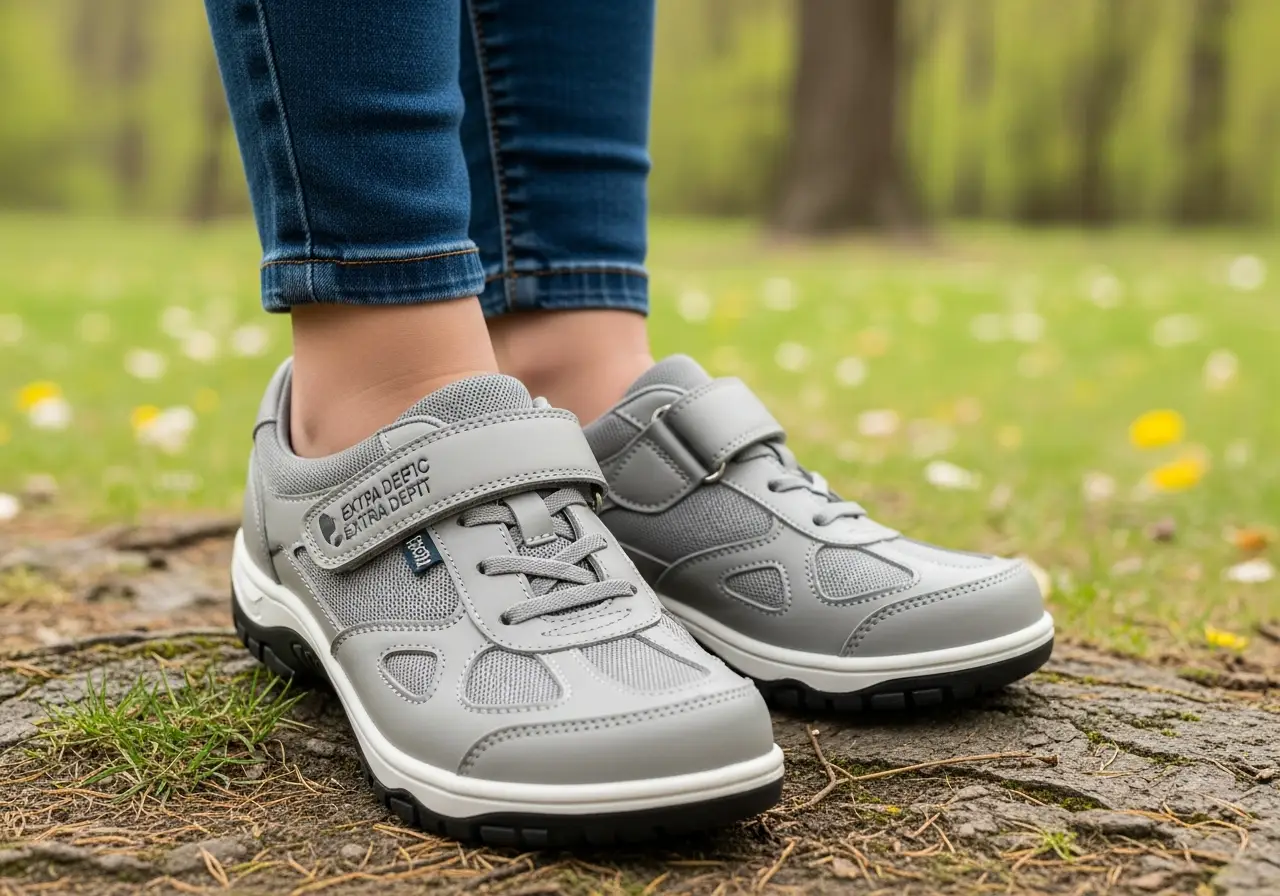
Finding the right footwear changes everything when you manage diabetes. Diabetic shoes aren’t just comfortable—they’re medically engineered to protect vulnerable feet from serious complications. Every step you take deserves support that prevents injury, reduces pressure, and promotes healing.
High blood sugar can damage nerves and restrict circulation. This makes minor blisters or pressure points potentially dangerous. Regular sneakers often have seams, narrow toe boxes, or rigid soles that increase risk. Therapeutic footwear addresses these vulnerabilities intentionally.
In my clinical practice, I’ve seen patients transform their mobility simply by upgrading to properly fitted shoes. One patient avoided a potential ulcer after switching to seamless, extra-depth footwear. The relief was physical and emotional. Confidence returned.
This MD-reviewed guide cuts through the confusion. You’ll learn what makes diabetic shoes different, which brands podiatrists recommend, and how Medicare coverage might lower your cost. We’ll walk you through fit tips, certification steps, and smart buying strategies.
Foot health connects to your overall diabetes management. Investing in protective footwear today can prevent emergency visits tomorrow. Let’s explore the science, standards, and smartest choices for your long-term well-being. Your feet carry you through life. Give them the protection they deserve.
TL;DR
- Diabetic shoes reduce foot injury risk through specialized design
- Key features include extra depth, seamless interiors, and cushioned soles
- Medicare may cover one pair annually with proper certification
- Top brands: Orthofeet, Skechers, New Balance, Dr. Comfort
- Ideal for neuropathy, ulcers, swelling, or poor circulation
What Are Diabetic Shoes?
Diabetic shoes are specially designed footwear that helps reduce pressure, prevent foot ulcers, and improve comfort for people with diabetes. They’re also called therapeutic shoes or depth shoes. Unlike regular sneakers, they address the unique foot challenges diabetes creates.
High blood sugar can damage nerves and reduce blood flow. This makes minor blisters or pressure points potentially serious. Diabetic footwear minimizes those risks through intentional engineering.
What Makes Diabetic Shoes Different?
Several design elements set therapeutic footwear apart. Extra depth accommodates custom orthotics or swollen feet without rubbing. Seamless interiors prevent friction that could cause blisters or sores. Cushioned, rocker-bottom soles distribute weight evenly during walking.
A wide toe box gives toes room to move without constriction. Soft, breathable uppers reduce moisture buildup. These features work together to protect sensitive feet throughout the day.
Do Diabetic Shoes Really Work?
Yes—when properly fitted and worn consistently. Research from the American Diabetes Association shows therapeutic footwear reduces ulcer recurrence by up to 50% in high-risk patients. A NIH-funded study found that customized diabetic shoes significantly lowered plantar pressure during walking.
The mechanism is straightforward: reduce mechanical stress on vulnerable areas. Less pressure means fewer breaks in the skin. Fewer breaks mean lower infection risk. Evidence supports their role in comprehensive foot care.
What Do Diabetic Shoes Look Like?
Gone are the days of bulky, medical-looking footwear. Today’s diabetic shoes blend therapeutic function with modern style. You’ll find athletic sneakers, casual loafers, and even dress-appropriate options. Brands use sleek materials, contemporary colors, and streamlined silhouettes.
The protective features are built in—not visibly obvious. Your shoes can support foot health while matching your personal style. Function and fashion now work together seamlessly.
Benefits of Diabetic Shoes
Therapeutic shoes deliver multiple protective advantages. First, they redistribute pressure away from high-risk areas like the ball of the foot or heels. Second, they prevent minor irritations from becoming serious wounds. Third, improved cushioning enhances comfort during extended standing or walking.
Fourth, a better fit supports proper alignment, which may aid circulation. Finally, consistent wear builds a protective routine. These benefits compound over time, supporting long-term foot health.
Best Diabetic Shoes for Men
Men need reliable support without sacrificing style. Orthofeet’s Proven Pain Relief collection offers exceptional arch support and a roomy fit. Their lightweight soles reduce joint strain. Skechers Men’s Arch Fit line provides podiatrist-certified cushioning with a sporty look.
New Balance’s 928v3 model combines stability features with a classic athletic design. All three brands offer wide and extra-wide sizing. Look for removable insoles if you use custom orthotics. Prioritize a snug heel with ample toe space.
Best Diabetic Shoes for Women
Women’s diabetic footwear balances protection with versatility. Orthofeet’s Coral Stretch Knit offers a flexible, breathable upper ideal for sensitive skin. Vionic’s Walker Classic provides built-in orthotic support in a sleek walking shoe.
Propet’s TravelActiv features a lightweight, slip-on design perfect for daily errands. Many styles now include stretchable fabrics that accommodate bunions or swelling. Choose neutral colors for maximum outfit coordination. Remember: comfort shouldn’t mean compromising on confidence.
Top Diabetic Shoe Brands

Several brands consistently earn praise from podiatrists and patients. Orthofeet specializes in therapeutic design with a 60-day wear test guarantee. Skechers integrates Arch Fit technology developed with podiatry experts. New Balance offers multiple width options and reliable cushioning.
Dr. Comfort uses medical-grade materials and offers Medicare-approved models. Anodyne focuses on seamless construction for ultra-sensitive feet. Clarks provides stylish options with removable footbeds. Each brand brings unique strengths—try several to find your best match.
Where to Buy Diabetic Shoes
You have multiple purchasing options. Specialty medical supply stores offer professional fittings and Medicare billing assistance. Brand websites often provide detailed sizing guides and home trial programs. Major retailers like Zappos and Amazon carry select therapeutic lines with easy returns.
For personalized service, visit a podiatry clinic with an on-site footwear program. Always verify return policies before buying online. Proper fit is non-negotiable for therapeutic benefit.
Diabetic Shoes Near Me
Searching “diabetic shoes near me” yields local medical suppliers, podiatry offices, and select shoe stores. Use Google Maps with filters for “medical equipment” or “orthopedic footwear.” Call ahead to confirm they carry therapeutic brands and offer fitting services.
Some pharmacies with medical supply sections also stock basic options. For Medicare-covered shoes, ensure the provider is an approved supplier. Local fittings help ensure proper sizing—critical for prevention.
How to Get Diabetic Shoes
Start with a foot evaluation from your primary care doctor or podiatrist. If you have diabetes plus one qualifying condition (neuropathy, foot deformity, history of ulcers, or poor circulation), you may qualify for therapeutic footwear. Your doctor completes a certification form.
A qualified pedorthist or orthotist then fits your shoes. Keep documentation for insurance submission. The process typically takes 2-4 weeks from evaluation to delivery.
Medicare Coverage for Diabetic Shoes
Yes, Medicare Part B may cover diabetic shoes—but with specific rules. You must have diabetes and at least one qualifying foot condition. Coverage includes one pair of extra-depth shoes and three pairs of inserts per calendar year. Or one pair of custom-molded shoes with inserts if you have severe foot deformity.
Your doctor and footwear supplier must both be Medicare-enrolled. Prior authorization isn’t required, but proper documentation is essential. Always confirm coverage details before ordering.
Cost of Diabetic Shoes
Out-of-pocket prices typically range from $100 to $300+ per pair. Basic therapeutic sneakers start around $100-$150. Premium brands with advanced features may cost $200-$350. Custom-molded options can exceed $500. Medicare-covered pairs usually require a 20% coinsurance after the Part B deductible.
Private insurance varies widely—check your plan’s durable medical equipment benefits. Some brands offer payment plans or discounts for multiple pairs. Invest in quality: prevention costs far less than ulcer treatment.
Diabetic Shoes vs Regular Shoes
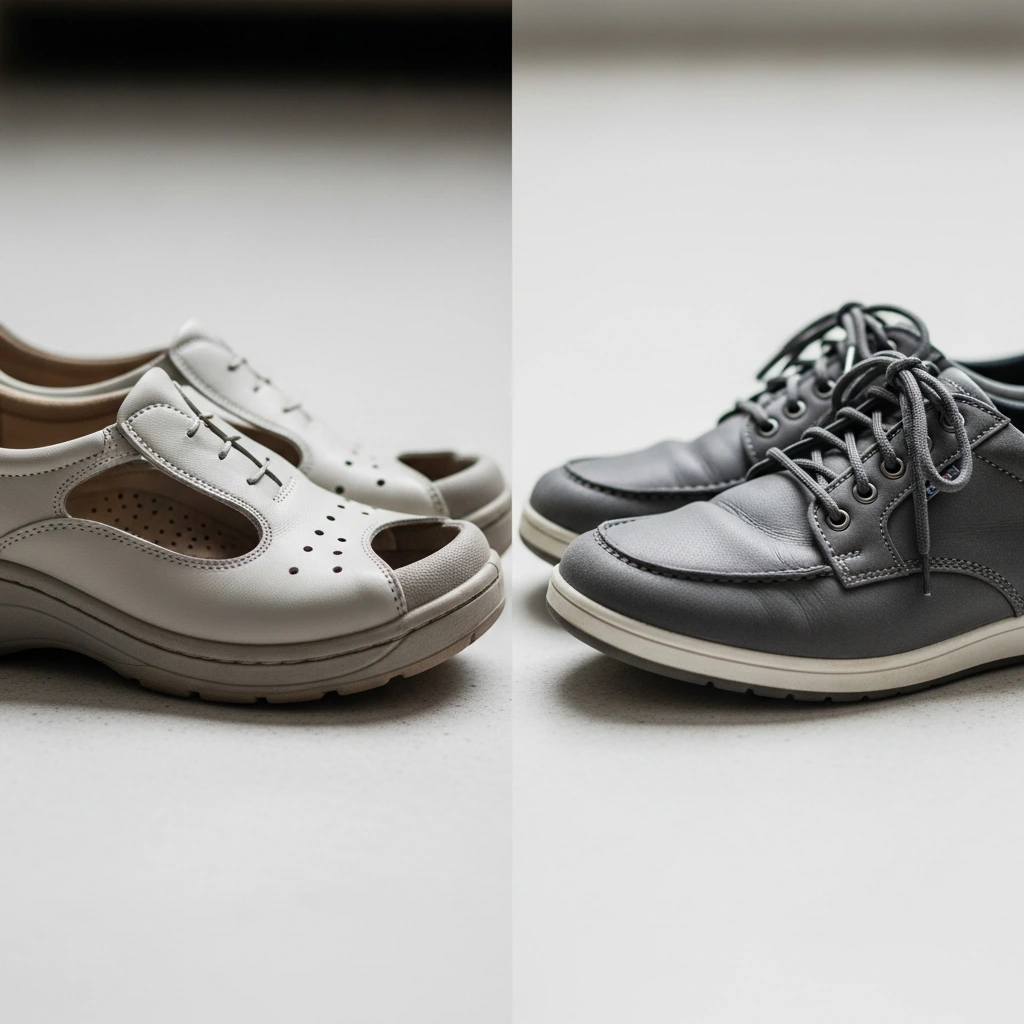
Regular shoes prioritize style or general comfort. Diabetic shoes prioritize foot protection through medical-grade design. Key differences include seamless interiors, pressure-relieving soles, and accommodation for swelling or orthotics.
Regular shoes may have internal seams, narrow toe boxes, or rigid materials that increase injury risk for sensitive feet. If you have diabetes with neuropathy or circulation issues, therapeutic footwear isn’t a luxury—it’s a preventive health tool. Safety outweighs aesthetics when foot health is at stake.
Are Diabetic Shoes Good for Other Conditions?
Absolutely. People with gout, arthritis, plantar fasciitis, or edema often benefit from diabetic shoe features. The wide toe box reduces pressure on inflamed joints. Cushioned soles absorb impact for arthritic feet. Seamless linings prevent irritation on sensitive skin.
If you experience foot pain, swelling, or numbness from any cause, therapeutic footwear may provide relief. Consult your provider to determine if these shoes align with your specific needs.
Frequently Asked Questions
What are diabetic shoes?
Diabetic shoes are therapeutic footwear designed to reduce pressure, prevent ulcers, and improve comfort for people with diabetes through features like extra depth, seamless interiors, and cushioned soles.
Why are diabetic shoes different?
They incorporate medical-grade design elements—seamless linings, rocker soles, wide toe boxes—that specifically address diabetes-related foot risks like neuropathy and poor circulation.
Does Medicare cover diabetic shoes?
Medicare Part B may cover one pair of extra-depth diabetic shoes and three insert pairs yearly if you have diabetes plus a qualifying foot condition and proper doctor certification.
What is the best shoe brand for diabetics?
Top-rated brands include Orthofeet (therapeutic specialization), Skechers (Arch Fit technology), and New Balance (width options). The best choice depends on your foot shape, activity level, and style preferences.
Do diabetic shoes really work?
Yes. Clinical evidence shows that properly fitted diabetic shoes significantly reduce plantar pressure and ulcer recurrence in high-risk patients when worn consistently as part of comprehensive foot care.
Conclusion
Choosing the right diabetic shoes is a proactive step toward protecting your foot health. These therapeutic shoes combine medical-grade features—like seamless interiors, extra depth, and pressure-relieving soles—to help prevent ulcers, reduce pain, and support daily mobility.
Whether you explore top brands like Orthofeet, Skechers, or New Balance, prioritize proper fit and consistent wear. If you have Medicare, check your eligibility for coverage to ease the cost. Remember: your feet carry you through life.
Give them the protection they deserve. Talk to your doctor or podiatrist today about whether therapeutic footwear fits into your diabetes care plan. Small changes in footwear can lead to big gains in long-term health.