
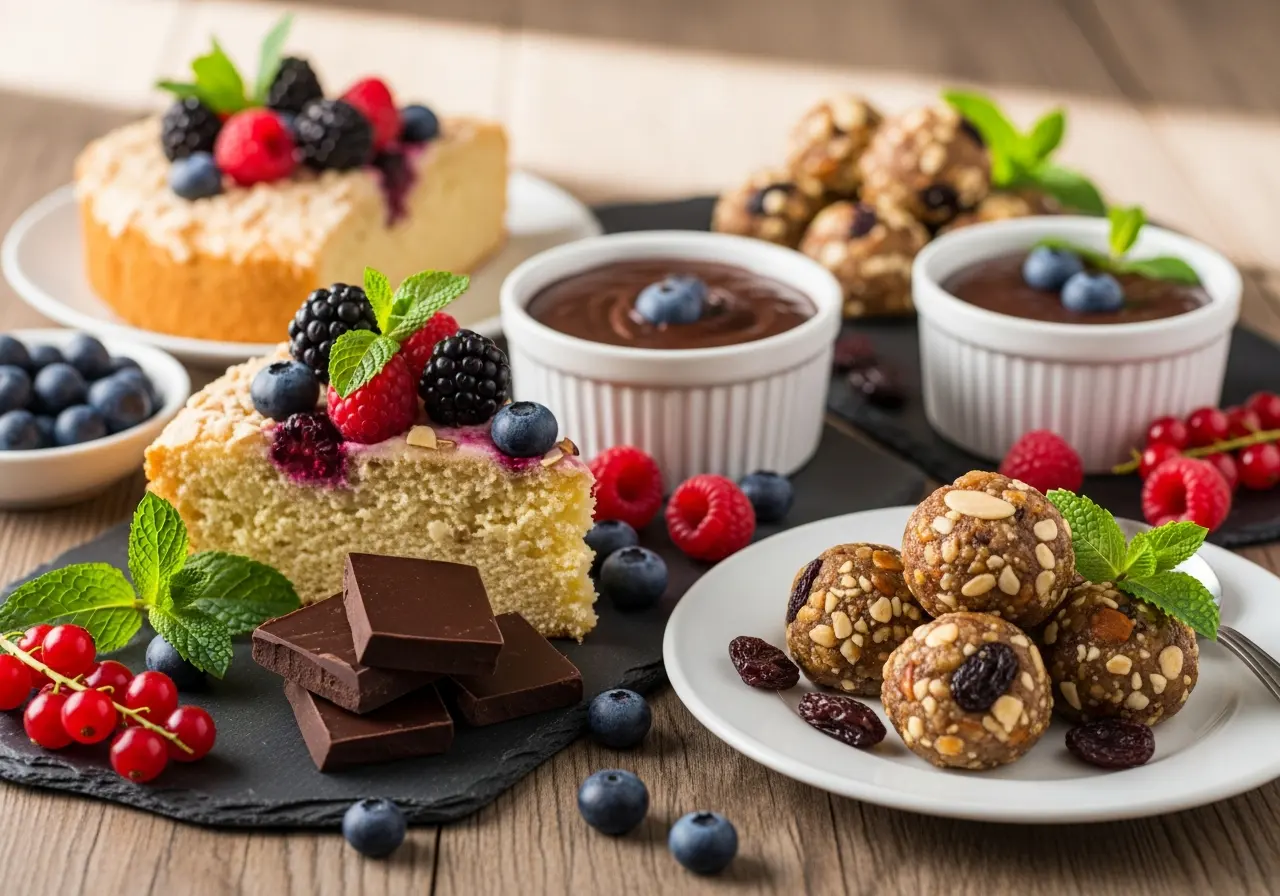
People with diabetes can safely enjoy desserts by choosing low-carb, low-glycemic, and sugar-free options. The absolute best diabetic desserts use natural sweeteners, fiber-rich ingredients, and strict portion control.
Safe options include no-bake treats, specialized cakes, puddings, and dark chocolate recipes that actively minimize dangerous blood sugar spikes.
In my endocrinology clinic, the number one question newly diagnosed patients ask is whether they have to give up sweets forever. Recently, I sat down with a patient named Maria who was highly anxious, believing her type 2 diabetes diagnosis meant a lifetime of restrictive, bland food.
I immediately reassured her that enjoying delicious diabetic desserts is entirely possible and can even be part of a balanced metabolic plan.
The secret to enjoying sweets without compromising your health lies entirely in the ingredients you choose. By understanding how certain foods interact with your blood glucose, you can make smart, science-backed substitutions. You do not have to sacrifice flavor; you simply have to optimize the nutritional profile of your treats.
What Desserts Can a Diabetic Eat?
Diabetics can safely eat desserts that are extremely low in added sugar, highly fortified with natural fiber, and made exclusively with low-glycemic ingredients that digest slowly.
The traditional concept of a dessert usually involves refined white flour, heavy syrups, and massive amounts of granulated sugar. For someone with insulin resistance, consuming these traditional sweets creates a rapid, dangerous spike in blood glucose. However, a diabetic-friendly sweet treat completely flips this nutritional script.
You can safely eat desserts that utilize alternative, nutrient-dense flours like almond or coconut flour. These alternatives provide a satisfying texture but are fundamentally much lower in total carbohydrates. Because they are higher in healthy fats and proteins, they slow down the entire digestive process.
Furthermore, you can eat desserts sweetened with natural, non-glycemic alternatives. Options like stevia, monk fruit, or erythritol pass through your body without requiring an insulin response. This allows you to experience the sensation of sweetness without the subsequent metabolic crash that damages your blood vessels.
Fruit-based desserts are also an excellent option, provided you choose the right fruits. Berries, such as raspberries and blackberries, have an incredibly low glycemic index and are packed with cellular-protective antioxidants. When paired with a fat source like heavy cream or nuts, they become a perfectly safe, highly nutritious dessert.
What Makes a Dessert Diabetic-Friendly?
To be considered truly safe for a diabetic patient, a dessert must strictly adhere to three fundamental nutritional pillars. First and foremost, it must possess a very low glycemic index (GI). This means the ingredients break down slowly, releasing glucose into the bloodstream at a manageable, steady trickle.
Secondly, the dessert must feature tightly controlled carbohydrate counts. It is not just about avoiding sugar; it is about managing total carbs.
Even “natural” sweeteners like honey or maple syrup are just pure carbohydrates to your pancreas. A diabetic-friendly recipe relies on ingredients that do not overload your body’s carbohydrate tolerance.
Finally, a truly safe dessert is always balanced with a high-quality protein or a healthy fat. Fat and protein act as metabolic buffers. If you consume a small amount of carbohydrates alongside healthy fats, it significantly blunts the inevitable glucose spike, keeping your numbers stable.
Best Diabetic Desserts (Top Picks)
When patients ask me for my top recommendations, I always point them toward recipes that feel indulgent but are metabolically protective. These are the top picks that consistently yield excellent post-meal blood sugar readings.
- Chia Seed Pudding: Chia seeds are nutritional powerhouses packed with soluble fiber. When soaked in unsweetened almond milk, they expand into a rich pudding that perfectly stabilizes blood sugar.
- Greek Yogurt Parfaits: Full-fat, unsweetened Greek yogurt offers a massive dose of protein. Layered with a handful of low-glycemic berries and crushed walnuts, it is a perfect, satisfying sweet treat.
- Dark Chocolate Almond Bites: Dark chocolate (minimum 85% cacao) is surprisingly low in sugar and high in antioxidants. Melting it over roasted almonds provides a crunchy, highly satisfying dessert.
- Sugar-Free Cheesecake: Traditional cheesecake is a disaster for blood sugar. However, replacing the graham cracker crust with almond flour and the sugar with monk fruit creates an entirely safe, keto-friendly masterpiece.
Easy Diabetic Dessert Recipes (Quick Wins)
You do not need to be a master pastry chef to create safe, metabolism-friendly treats at home. The best recipes are often the simplest, requiring minimal time and effort.
Consider a simple Berry Smash. Take half a cup of fresh raspberries, mash them slightly with a fork, and stir them into a bowl of full-fat ricotta cheese. Sprinkle a tiny bit of cinnamon on top. This takes two minutes and offers a rich, creamy, and sweet experience with virtually zero impact on your blood sugar.
Another quick win is Cinnamon Roasted Pecans. Toss a cup of raw pecans in a tablespoon of melted butter, coat them heavily in cinnamon and a pinch of erythritol, and roast them for ten minutes. The healthy fats keep you full, and the cinnamon actively helps improve your insulin sensitivity.
No-Bake Diabetic Desserts
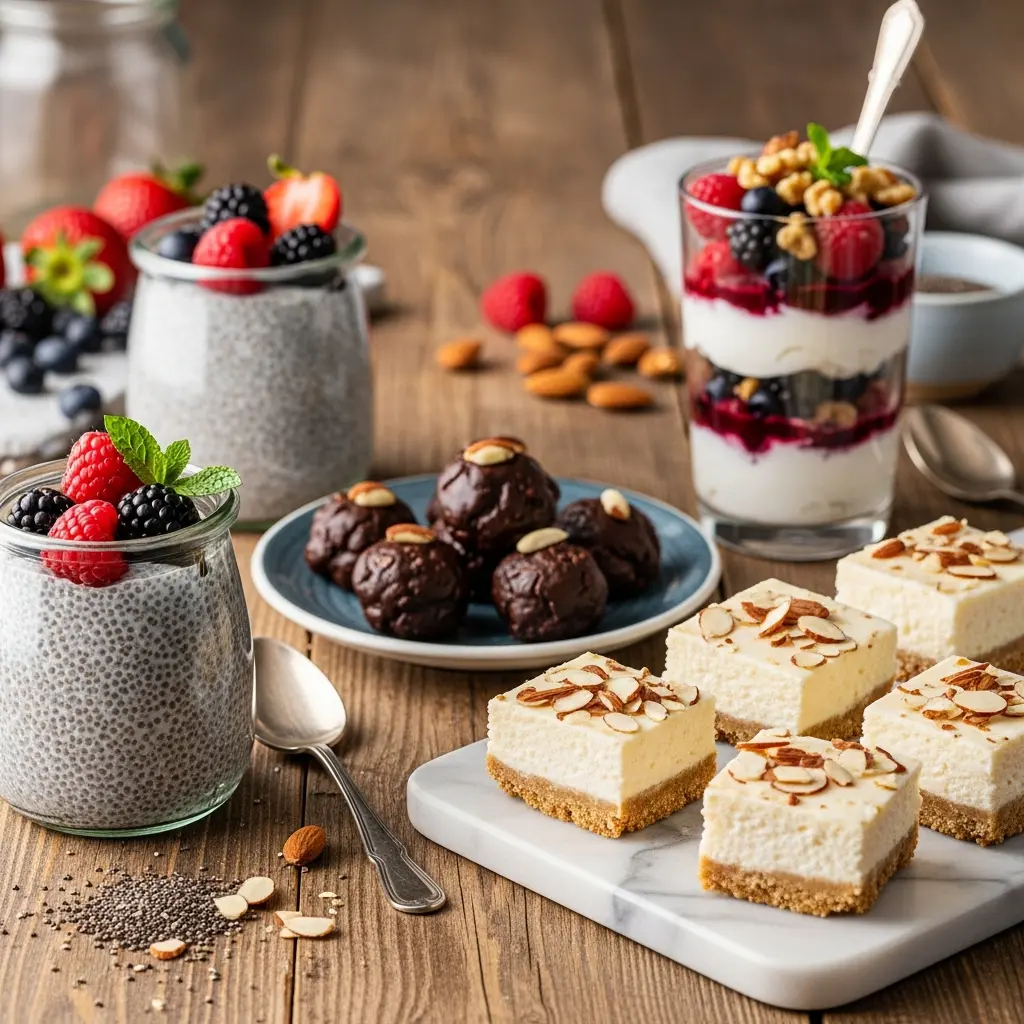
For those who want immediate gratification without turning on the oven, no-bake recipes are absolute lifesavers. They are fast, highly convenient, and perfectly suited for a diabetic lifestyle.
Peanut Butter Energy Balls: Mix natural, unsweetened peanut butter with a scoop of low-carb vanilla protein powder and a sprinkle of chia seeds. Roll them into bite-sized balls and refrigerate. They are dense, sweet, and incredibly stabilizing for your glucose levels.
Chocolate Avocado Mousse: Avocado provides a rich, creamy base full of heart-healthy monounsaturated fats. Blend one ripe avocado with unsweetened cocoa powder, a splash of almond milk, and stevia. It creates a decadent chocolate mousse that is entirely sugar-free.
No-Bake Diabetic Desserts with Few Ingredients
When simplicity is your primary goal, these three-ingredient, beginner-friendly recipes are the perfect solution to satisfy a sudden craving.
Sugar-Free Jello Whip: Take a box of sugar-free gelatin mix and prepare it according to the instructions. Right before it fully sets in the fridge, vigorously whisk in two tablespoons of heavy whipping cream. It creates a fluffy, satisfying dessert with near-zero carbohydrates.
Coconut Oil Fat Bombs: Melt a quarter cup of unrefined coconut oil and mix it with two tablespoons of unsweetened cocoa powder and a liquid stevia drop. Pour the mixture into small ice cube trays and freeze. These provide a rapid, sweet energy source without any insulin spike.
Low-Carb & Sugar-Free Diabetic Desserts
The foundation of any safe dessert is the complete removal of traditional cane sugar. In my practice, I guide patients toward keto-friendly dessert principles, which naturally eliminate high-carb ingredients.
The most critical step is choosing the right alternative sweeteners. Stevia is a fantastic plant-based option that is highly sweet but has absolutely zero impact on your insulin levels.
Monk fruit is another excellent natural sweetener that I frequently recommend to my diabetic patients. It bakes incredibly well and lacks the bitter aftertaste that some people experience with stevia extracts.
Finally, Erythritol is a sugar alcohol that provides bulk and texture to baked goods. Unlike maltitol, which can still spike blood sugar, erythritol passes through the body largely unmetabolized, making it highly safe.
Healthy Diabetic Desserts for Everyday Eating
Integrating sweets into your daily routine requires a focus on strict portion control and whole-food ingredients. You should not be eating artificial, highly processed sugar-free cookies every single day.
Instead, focus on natural options like sliced green apples with a heavy smear of natural almond butter. The pectin fiber in the apple pairs beautifully with the fats in the nuts for a stable energy release.
Cottage cheese mixed with a dash of vanilla extract and frozen blueberries is another excellent daily choice. It provides a massive protein boost while satisfying the psychological need for an evening sweet treat.
Type 2 & Prediabetes Dessert Guidelines
If you have been diagnosed with type 2 diabetes or prediabetes, your primary goal is absolute carbohydrate awareness. You must read labels meticulously to understand the total carbohydrate load of your dessert.
Avoiding refined sugar is non-negotiable, but you must also be incredibly wary of refined flours. Wheat flour, even whole wheat, will convert to glucose very rapidly once digested in the gut.
Always aim to keep your dessert carbohydrate count under 15 grams per serving. This is the clinical sweet spot that allows for enjoyment without triggering a massive insulin demand from your pancreas.
What Dessert Won’t Spike Blood Sugar?
The desserts that consistently keep blood sugar completely flat are those built on a foundation of high fiber and healthy fats. Fat severely delays gastric emptying, which is your best defense against a glucose spike.
For example, a dessert made of macadamia nuts, unsweetened coconut flakes, and a very dark chocolate drizzle is metabolically protective. The high fat content acts as a physiological brake on the digestive process.
Always remember the golden rule of diabetic nutrition: never eat carbohydrates completely naked. If your dessert has some carbs, ensure you pair them with a robust source of protein or fat.
What Kind of Cake Can a Diabetic Eat?
I recently reviewed the Continuous Glucose Monitor (CGM) data of my patient, Robert, after his birthday party. He enjoyed a large slice of almond flour cake sweetened with monk fruit, and his glucose line remained beautifully flat.
Diabetics can absolutely eat cake, provided the traditional wheat flour is completely replaced. Almond flour and coconut flour are the absolute best bases for any diabetic-friendly baking project.
Sugar-free cakes made with these alternative flours are rich, dense, and highly satisfying. However, you must still practice strict portion-controlled servings, as almond and coconut flours are highly calorically dense.
How to Make Diabetic Desserts at Home
Baking at home gives you absolute control over every single ingredient that enters your body. The first step is to aggressively replace sugar with one of the natural alternative sweeteners mentioned earlier.
Next, you must abandon traditional baking flours entirely. Start experimenting with finely milled almond flour for cakes and cookies, or use coconut flour for denser, moister recipes like fudgy brownies.
Finally, intentionally add extra fiber to your recipes. Tossing a tablespoon of ground flaxseed or psyllium husk into your batter will further slow the digestion of any residual carbohydrates in the dish.
How to Make Desserts Diabetic-Friendly
If you have a cherished family recipe, you can easily modify it to become metabolically safe. Begin by reducing the recipe’s sugar content by at least half, substituting the remainder with a safe sweetener like erythritol.
Next, add healthy fats to the recipe wherever possible. If a standard recipe calls for skim milk, use full-fat heavy cream or coconut cream instead to radically improve the metabolic profile.
The ultimate goal is to balance the macronutrients. By increasing the fat and protein content while severely dropping the total carbohydrates, you transform a dangerous dessert into a clinically safe indulgence.
Diabetic Desserts to Buy (Store Options)
While homemade is always best, our busy lives often require store-bought convenience. When browsing the aisles, look for dedicated sugar-free snacks, but approach them with extreme clinical caution.
Many commercial low-carb desserts rely heavily on cheap sugar alcohols like maltitol or xylitol. While they are marketed as “sugar-free,” maltitol can still cause mild blood sugar spikes and severe digestive distress.
Focus your purchasing power on brands that specifically advertise strict keto-friendly profiles. These products are usually much stricter about utilizing safe sweeteners and maintaining very low total carbohydrate counts.
Diabetic Desserts at Grocery Stores
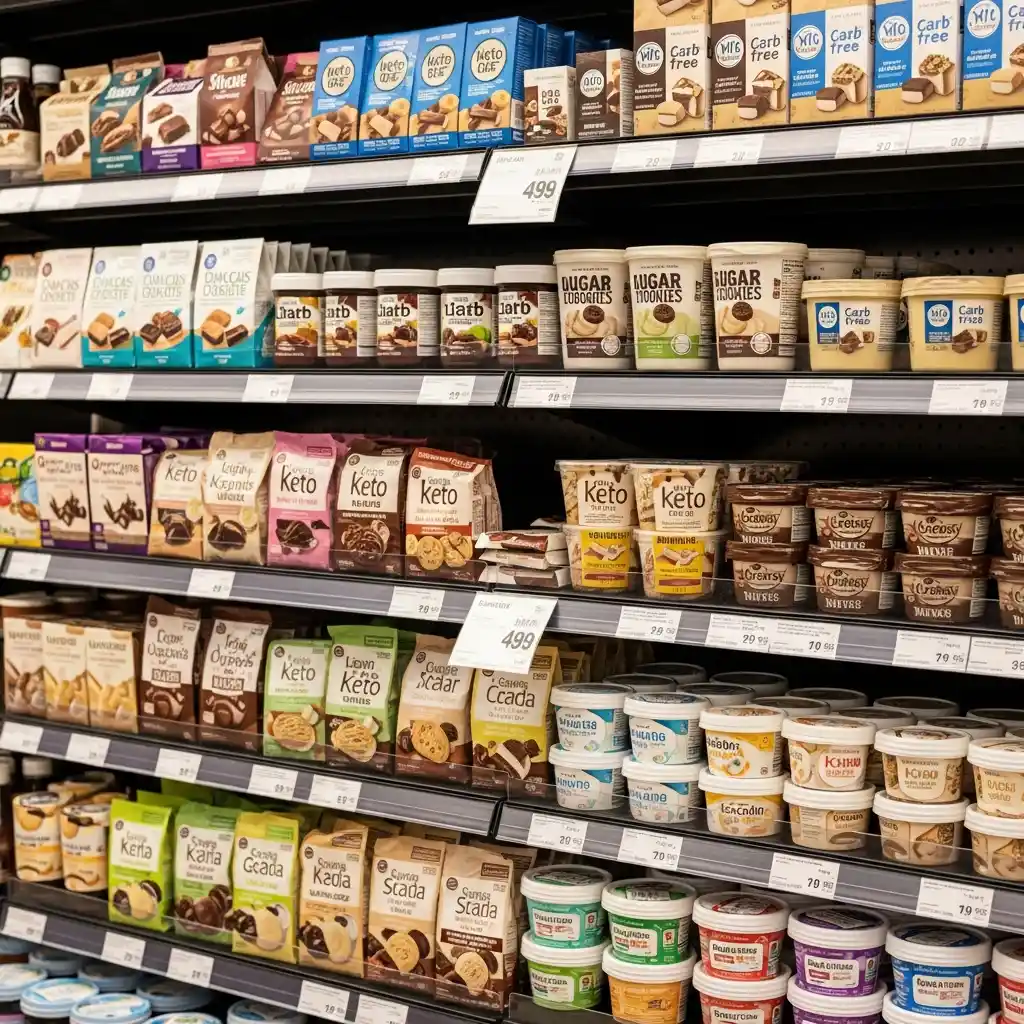
Navigating the modern grocery store requires a sharp eye for highly misleading marketing. You must look past the large “Sugar-Free” font on the front of the box and immediately read the actual nutritional label.
Always check the total carbohydrate count, not just the isolated sugar count. Many food companies replace sugar with highly processed starches that are just as detrimental to your metabolic health.
Avoid hidden sugars masquerading under different chemical names. Ingredients like maltodextrin, dextrose, and brown rice syrup are incredibly common in “health” foods but will absolutely spike your blood glucose.
Where to Buy Diabetic Desserts Near Me
Finding these specialized products is becoming much easier. Most major grocery stores now feature a dedicated health food or keto aisle heavily stocked with safe, diabetic-friendly dessert options.
For more artisanal or heavily vetted options, specialty health food stores are excellent local resources. They typically stock high-quality, small-batch brands that utilize superior, natural ingredients over cheap fillers.
If you live in an area without premium health stores, online retailers are your best option. Platforms dedicated to low-carb living offer a massive variety of diabetic-safe baking mixes and ready-to-eat sweets shipped directly to you.
Homemade vs Store-Bought Diabetic Desserts
| Type | Pros | Cons |
| Homemade | Absolute control over all ingredients and macros | Requires preparation time, baking skills, and effort |
| Store-Bought | Highly convenient, portion-controlled, and ready to eat | Often contains hidden starches, preservatives, and maltitol |
Common Mistakes When Choosing Diabetic Desserts
The most dangerous misconception I see in my clinic is the belief that “sugar-free” automatically means carb-free. A sugar-free cookie made with traditional wheat flour is still a massive, dangerous carbohydrate bomb.
Another frequent mistake is overeating portions simply because the item is labeled “healthy.” Even diabetic-friendly ingredients like almond flour will cause weight gain and metabolic stress if consumed in massive quantities.
Finally, ignoring total carbs in favor of only looking at the sugar line is a critical error. Your body will eventually convert all digestible carbohydrates into blood glucose, regardless of their original source.
Frequently Asked Questions
What are the best desserts for a diabetic diet?
The most effective options prioritize low-glycemic ingredients, high fiber, and healthy fats. Chia seed pudding, Greek yogurt with berries, and almond flour-based treats consistently provide the most stable blood sugar readings by slowing the absorption of glucose.
Can diabetics safely eat cake?
Standard cake made with white flour and sugar is not recommended. However, diabetics can enjoy cake made with almond or coconut flour and sweetened with monk fruit or stevia. These substitutions significantly lower the carbohydrate load and glycemic impact while providing essential fiber.
Which sweeteners are safest for blood sugar management?
Stevia, monk fruit, and erythritol are the safest options as they do not trigger an insulin response. Avoid “sugar-free” products containing maltodextrin or maltitol, as these ingredients can still cause significant blood sugar elevations and digestive distress.
Does a “sugar-free” label mean the dessert is healthy?
No. “Sugar-free” labels can be misleading. Many of these products contain refined starches or flours that convert rapidly into glucose. Always monitor the total carbohydrate count and maintain strict portion control to avoid metabolic stress and weight gain.
How can I prevent a glucose spike after eating sweets?
The most effective clinical strategy is to pair carbohydrates with protein or healthy fats. Adding ingredients like walnuts, heavy cream, or almond butter to your dessert slows down gastric emptying, which blunts the rate at which sugar enters the bloodstream.
Conclusion
The transition to a life with diabetes does not have to be a transition away from the foods you love. As we have explored, the science of 2026 has made it entirely possible to enjoy diabetic desserts that are both delicious and metabolically protective.
By focusing on high-quality fats, alternative flours, and natural sweeteners, you can reclaim your seat at the dessert table.
In my clinic, I always tell patients like Maria that the most powerful tool they have is knowledge. Understanding how to swap a high-glycemic ingredient for a stable one isn’t just about cooking—it’s about biology.
When you choose a treat that stabilizes your glucose, you are actively protecting your vascular health and long-term vitality.
I encourage you to start small. Try a simple no-bake recipe this week and monitor how your body responds. You might be surprised to find that these nutrient-dense options leave you feeling more satisfied and energized than the sugary treats of the past.
Your health journey is a marathon, and there is always room for a little sweetness along the way.