Losing stubborn weight is often a deeply frustrating journey for many of my patients. Consequently, they try endless fad diets that leave them feeling completely exhausted and constantly hungry. However, sustainable fat loss absolutely does not require starving yourself or eating bland meals.
Instead, utilizing a low GI diet and diabetes management strategy is a scientifically proven, highly effective approach. Recently, a patient visited my clinic feeling completely defeated by her rapidly fluctuating weight. She was eating “healthy” foods but constantly battling severe mid-afternoon sugar crashes.
Therefore, we shifted her clinical focus to understanding exactly how her body processes different carbohydrates. By simply changing the specific types of carbs she ate, she finally broke through her stubborn weight loss plateau. First of all, knowing how foods physically impact your blood sugar is incredibly empowering.
Furthermore, this method naturally reduces intense cravings without restricting essential nutrients. Let’s explore exactly how this evidence-based nutritional approach can completely transform your metabolic health today.
TL;DR: Quick Overview
- Stable Energy: Low glycemic index (GI) foods help stabilize blood sugar and significantly reduce daily hunger.
- Best Choices: Focus heavily on whole grains, fresh legumes, fibrous vegetables, and lean protein sources.
- What to Avoid: Avoid refined carbs, sugary drinks, and high-GI processed foods entirely.
- Free Resource: Download a free printable low glycemic food chart PDF to guide your grocery shopping.
- Proven Results: Medical science proves this approach directly supports long-term weight loss and metabolic health.
Glycemic index diet: What’s behind the claims – Mayo Clinic
What Are Low Glycemic Index Foods?
Low glycemic index foods are specific carbohydrates that digest slowly and cause a very gradual rise in blood sugar levels. Nutrition experts consider foods with a GI score of 55 or less as low GI.
Consequently, eating these specific foods promotes improved weight management and better cellular insulin sensitivity. Furthermore, they naturally reduce hunger by keeping your stomach full for much longer periods.
In contrast, high GI foods digest rapidly, causing dangerous spikes—which is a prime example of what is high blood sugar—and leading to immediate fat storage. Therefore, understanding this simple metric changes how you build every single meal.
The lowdown on glycemic index and glycemic load – Harvard Health
Glycemic Index and Weight Loss
Many people wonder exactly how the glycemic index connects to losing body fat. In my clinical practice, I always explain the powerful role of insulin to my patients.
Insulin is a vital hormone, but it also acts as your body’s primary fat-storage hormone. When you eat high GI foods, your blood sugar spikes rapidly, which is especially concerning for anyone researching what is diabetes and how it affects metabolism.
Consequently, your pancreas pumps out massive amounts of insulin to clear that sugar from your bloodstream. This excessive insulin immediately signals your body to store those circulating calories as visceral fat.
Insulin Resistance & Prediabetes – NIDDK
How GI Affects Fat Loss
First of all, low GI foods digest much slower, providing prolonged, stable satiety. Because you feel full longer, you naturally consume fewer total calories throughout your day.
Furthermore, slower digestion leads to significantly lower insulin spikes after your meals. Lower insulin levels allow your body to actively burn stored fat for energy instead of hoarding it.
Finally, stable blood sugar prevents the severe energy crashes that usually trigger intense junk food cravings. Thus, you naturally achieve much better calorie control without feeling deprived.
Weight Loss – American Diabetes Association
Evidence-Based Benefits
Clinical studies consistently highlight the incredible benefits of a low GI lifestyle. Most noteworthy, it drastically improves your baseline insulin sensitivity over time.
Additionally, research shows it reliably reduces overall body weight in a modest but highly consistent manner. It also helps control vital appetite hormones like ghrelin and leptin.
Therefore, you are fighting your weight with biological science, rather than just relying on sheer willpower.
Complete Low Glycemic Index Foods List
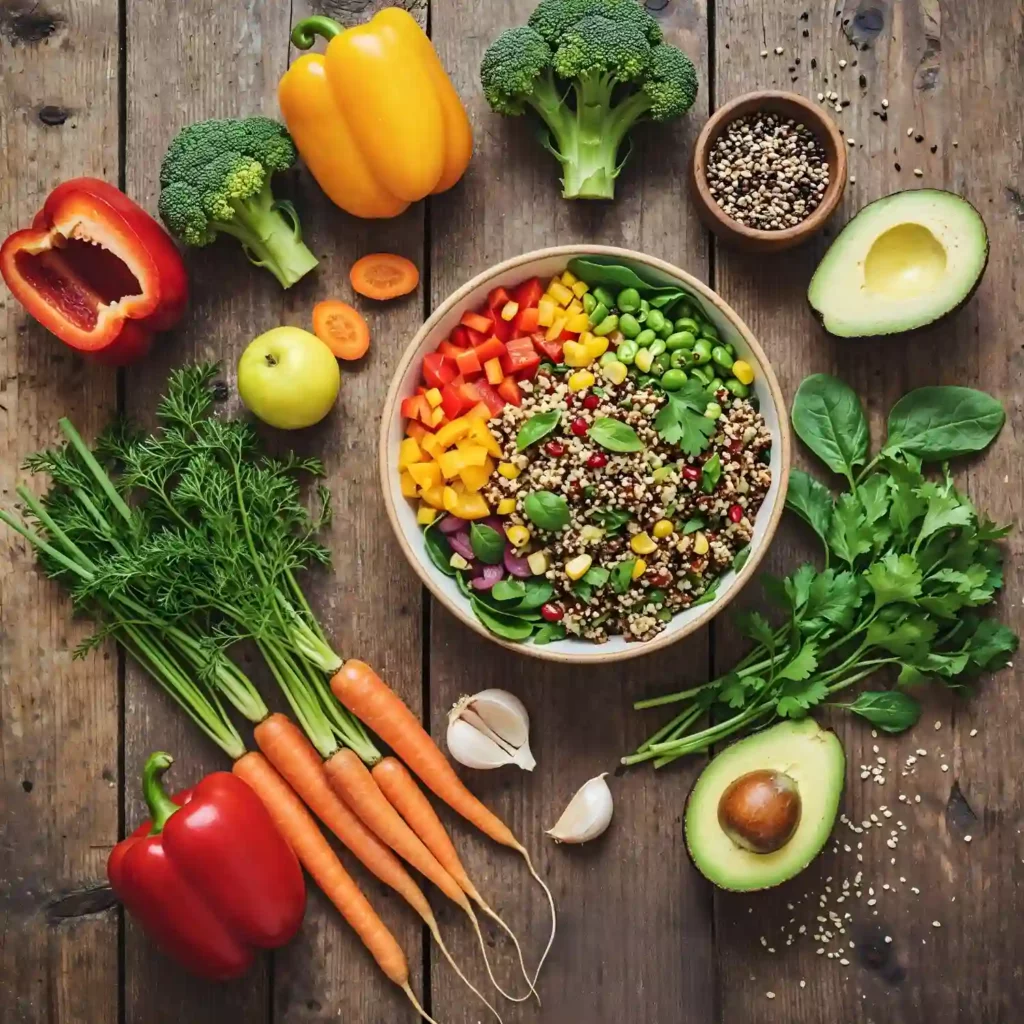
Building your daily meals around the right ingredients is the absolute key to success. I often provide my patients with a comprehensive glycemic index low foods list to simplify their choices, effectively outlining the best foods for diabetics.
You must focus heavily on foods that naturally grow in the ground and remain unprocessed. Here is a detailed breakdown of the best categories to include.
Vegetables (Mostly Low GI)
Vegetables should absolutely form the vast majority of your daily plate. They are incredibly rich in dietary fiber, which actively slows down your entire digestive process.
First of all, cruciferous vegetables like broccoli and cauliflower are exceptional, low GI choices. Similarly, leafy greens like spinach and kale provide massive nutrients with almost zero glycemic impact.
Furthermore, you can freely enjoy zucchini, cucumbers, and crisp bell peppers. These vegetables add wonderful volume to your meals without spiking your blood sugar.
Non-starchy Vegetables – American Diabetes Association
Low Glycemic Index Fruits
Many patients mistakenly believe they must avoid all fruit to lose weight. However, knowing what fruits are good for diabetics and choosing the right low glycemic index options provides essential vitamins and safe, natural sweetness.
Apples and pears are fantastic choices because their dense skins contain high amounts of pectin fiber. Berries, especially strawberries and blueberries, have a remarkably low glycemic impact.
Additionally, oranges and cherries digest slowly and provide excellent antioxidant protection. Just remember to eat the whole fruit rather than drinking fruit juice.
Fruits – American Diabetes Association
Whole Grains (Low to Moderate GI)
You can absolutely still eat carbohydrates while maintaining a healthy weight. You simply need to choose smart, unprocessed grains.
Many patients ask is oatmeal good for diabetics, and the answer is yes: steel-cut oats digest much slower than heavily processed instant oatmeal packets. Quinoa is another exceptional choice because it contains complete protein alongside its complex carbohydrates.
Similarly, pearled barley and brown rice are excellent staples for your pantry. Always check the labels to ensure you are buying truly whole, intact grains.
Carbohydrates and Blood Sugar – Harvard T.H. Chan School of Public Health
Legumes and Protein Foods
Legumes are truly the unsung heroes of a metabolic weight loss plan. They are incredibly dense in both protein and slow-digesting fiber. Lentils, chickpeas, and black beans have a very low GI score and keep you remarkably full.
Since pure protein sources do not contain carbohydrates, they have a GI score of zero and will not raise your blood sugar. Chicken breast, wild-caught fish, and eggs are incredibly healthy staples.
Understanding which foods have absolutely zero glycemic impact gives you great flexibility, especially if you are adhering to a strict low carb diet for diabetics. However, remember that zero GI absolutely does not mean you can eat unlimited amounts, as these foods are still calorie-dense.
0 Glycemic Index Foods
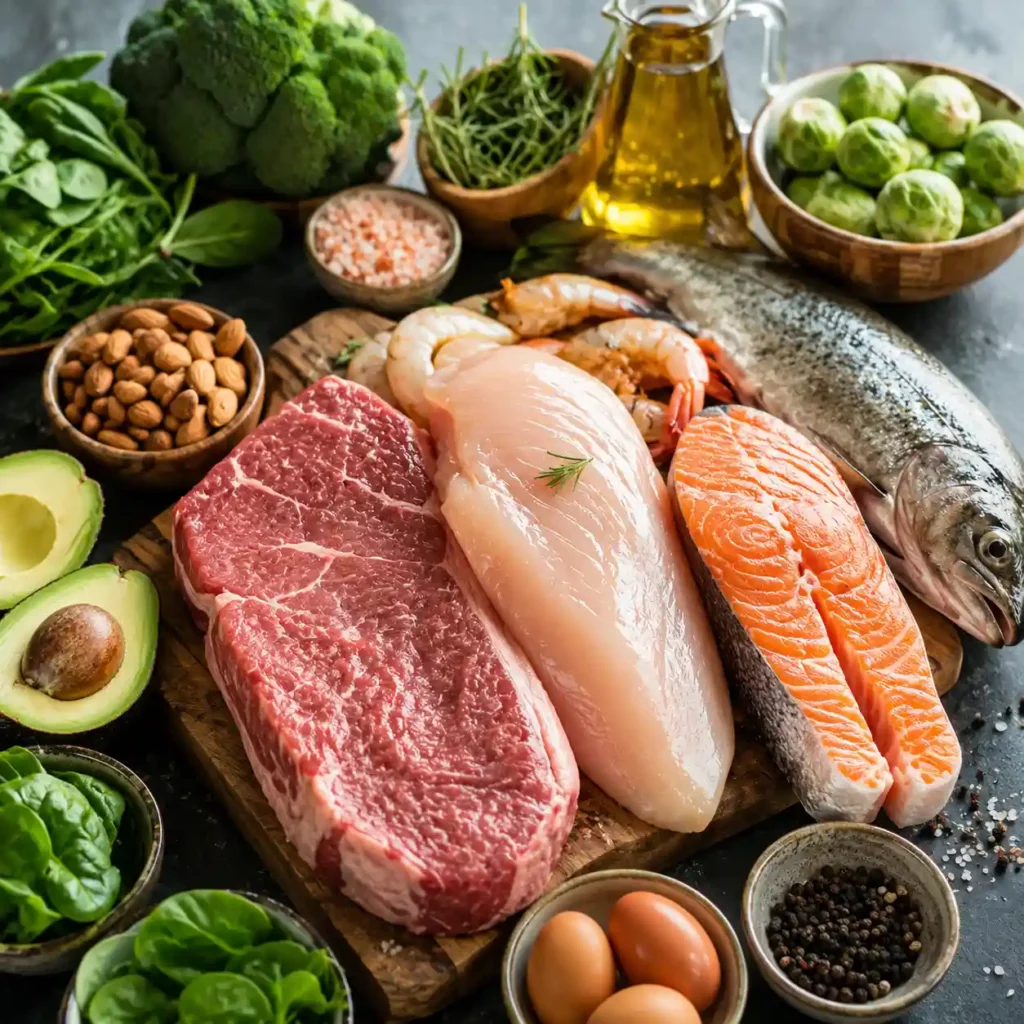
Understanding which foods have absolutely zero glycemic impact gives you great flexibility. Because these foods lack carbs, they do not trigger an insulin response.
The primary 0 glycemic index foods include all unprocessed meats like beef, pork, and poultry. Similarly, all types of fish and seafood fall into this zero category.
Furthermore, whole eggs and pure cooking oils like olive oil and coconut oil have a zero score. Natural butter also contains zero carbohydrates.
However, I must strongly caution my patients about a common misconception. Zero GI absolutely does not mean you can eat unlimited amounts. These foods are highly calorie-dense, and excess calories will still cause weight gain.
Low Glycemic Food Chart
Having a quick visual reference makes meal planning significantly easier. Here is a handy low glycemic food list chart featuring common food categories and their standard GI ranges.
| Food Category | Excellent Examples | Typical GI Range |
| Vegetables | Broccoli, spinach, kale, peppers | 10–20 |
| Fruits | Apples, fresh berries, cherries, pears | 25–50 |
| Grains | Steel-cut oats, quinoa, barley | 40–55 |
| Legumes | Lentils, black beans, chickpeas | 30–45 |
| Pure Protein | Chicken breast, fish, whole eggs | 0 |
Low Glycemic Index Diet
Transitioning to a low glycemic index diet is surprisingly simple once you understand the core rules. You do not need to rigorously count every single macro or weigh all your food.
First of all, always aim to choose carbohydrate sources with a GI score of 55 or lower. Secondly, make it a strict habit to pair your carbs with a healthy fat or lean protein.
For instance, eating an apple with a handful of almonds dramatically slows the sugar absorption. Finally, focus entirely on whole foods and relentlessly avoid heavily refined sugars and white flours.
Diabetes Diet, Eating, & Physical Activity – NIDDK
30-Day Low Glycemic Diet Menu
Having a structured roadmap prevents diet fatigue and decision paralysis. Much like a 7 day diet plan for diabetic patients, following a weekly schedule keeps you accountable. Here is a highly effective snapshot of a 30-day low glycemic diet menu:
- Week 1 (Gentle Transition): Steel-cut oats, mixed vegetables, grilled chicken.
- Week 2 (Blood Sugar Stabilization): Lentil soup, baked fish, leafy greens.
- Week 3 (Accelerated Fat Loss): Low-carb vegetable bowls, eggs, avocado.
- Week 4 (Lifestyle Optimization): Balanced low GI plates, quinoa, tofu.
Low GI Diet 12-Week Weight Loss Plan
For long-term, permanent results, I recommend a structured low GI diet 12-week weight loss plan. You must treat this as a marathon, not a quick sprint.
During Phase 1 (Weeks 1 to 4), completely remove all high GI processed foods from your pantry. In Phase 2 (Weeks 5 to 8), begin focusing on mindful portion control and add moderate exercise. Finally, in Phase 3 (Weeks 9 to 12), optimize your macronutrients and cement these healthy habits for life.
Benefits and Limitations
Beyond just shrinking your waistline, this dietary approach offers profound medical benefits. Most importantly, it provides incredible daily blood sugar control and lowers systemic inflammation. My patients also consistently report vastly improved, stable energy levels from morning until night.
While I highly recommend this approach, you must understand its clinical limitations. Not all foods with a low GI score are actually healthy for you. For example, premium chocolate ice cream has a lower GI score than a slice of watermelon because the fat slows absorption—but it is highly caloric and processed. Portion size and food quality always matter.
Who Should Use a Low GI Diet?
This dietary strategy is exceptionally beneficial for specific populations. It is absolutely ideal for anyone struggling with stubborn weight loss or severe obesity.
Furthermore, I strongly prescribe it for patients figuring out what is prediabetes and learning how to reverse it, or those actively managing what is type 2 diabetes. Women suffering from PCOS also see incredible symptom relief from lowering their insulin.
Conversely, I advise caution for elite endurance athletes who actually need quick-digesting carbs during intense training. Similarly, severely underweight individuals should consult a dietitian before restricting fast-absorbing calories.
Type 2 Diabetes: Symptoms and Causes – Mayo Clinic
Frequently Asked Questions
What are the best low glycemic foods for weight loss?
The absolute best options include non-starchy vegetables, fibrous legumes, whole intact grains, and lean proteins. These specific foods keep you incredibly full, stabilize your circulating insulin, and naturally promote a safe caloric deficit.
Are bananas considered low glycemic?
The glycemic index of a banana changes drastically based on its ripeness. Slightly green, unripe bananas have a low GI and contain excellent resistant starch. However, heavily spotted, overripe bananas digest very quickly and have a much higher GI score.
Can low GI foods help lose stubborn belly fat?
Yes, they can help you lose visceral belly fat very effectively. High insulin levels specifically instruct your body to store dangerous fat around your midsection. By eating low GI foods, you lower your insulin, allowing your body to finally burn that belly fat.
What foods have absolutely zero glycemic index?
Foods that contain zero carbohydrates have a zero glycemic index score. This primarily includes all pure proteins like chicken, beef, fish, and whole eggs. Pure fats like olive oil, coconut oil, and natural butter also have a zero score.
Is a low GI diet completely safe for everyone?
Generally, focusing on whole, slow-digesting foods is incredibly safe and healthy for the vast majority of people. However, if you take prescription medications that actively lower your blood sugar, you must consult your doctor to prevent unexpected hypoglycemia.
Conclusion
Overcoming a stubborn weight loss plateau requires working with your body’s biology rather than fighting against it. Throughout my medical career, I have seen patients achieve remarkable transformations simply by changing their carbohydrate quality.
You absolutely do not need to live in a state of constant hunger to achieve your health goals. By prioritizing low glycemic foods, you naturally stabilize your hormones, crush your daily cravings, and reclaim your vital energy.
First of all, start by making very small, highly sustainable changes to your daily plate. Swap out your instant white rice for hearty quinoa or switch your sugary morning cereal for slow-cooked steel-cut oats. Furthermore, remember to always pair your carbohydrates with a solid source of healthy fat or lean protein. This simple pairing technique acts as a powerful biological buffer against rapid sugar spikes.
Most importantly, give your metabolism the proper time it needs to heal and adapt. Permanent weight loss is a steady journey of consistent daily choices. Download your printable charts, plan your weekly grocery trips, and step into your kitchen with total confidence. Utilizing low glycemic index foods for weight loss is your ultimate, scientifically proven key to long-term success and vibrant health.
Evidence-Based References
- Harvard T.H. Chan School of Public Health – Carbohydrates and Blood Sugar
- American Diabetes Association – Glycemic Index and Diabetes
- National Institutes of Health – Glycemic Index and Weight Loss
- World Health Organization – Healthy Diet Guidelines
- PubMed – Effects of Low Glycemic Index Diets on Body Weight
- NIH Office of Dietary Supplements – Dietary Supplements for Weight Loss
- PubMed – Dietary Fiber and Weight Regulation
- Centers for Disease Control and Prevention – Healthy Weight Management
- PubMed – Insulin Resistance and Obesity
- American Heart Association – Complex vs Simple Carbohydrates
- PubMed – Glycemic Index, Glycemic Load, and Chronic Disease
- National Institute of Diabetes and Digestive and Kidney Diseases – Weight Management