
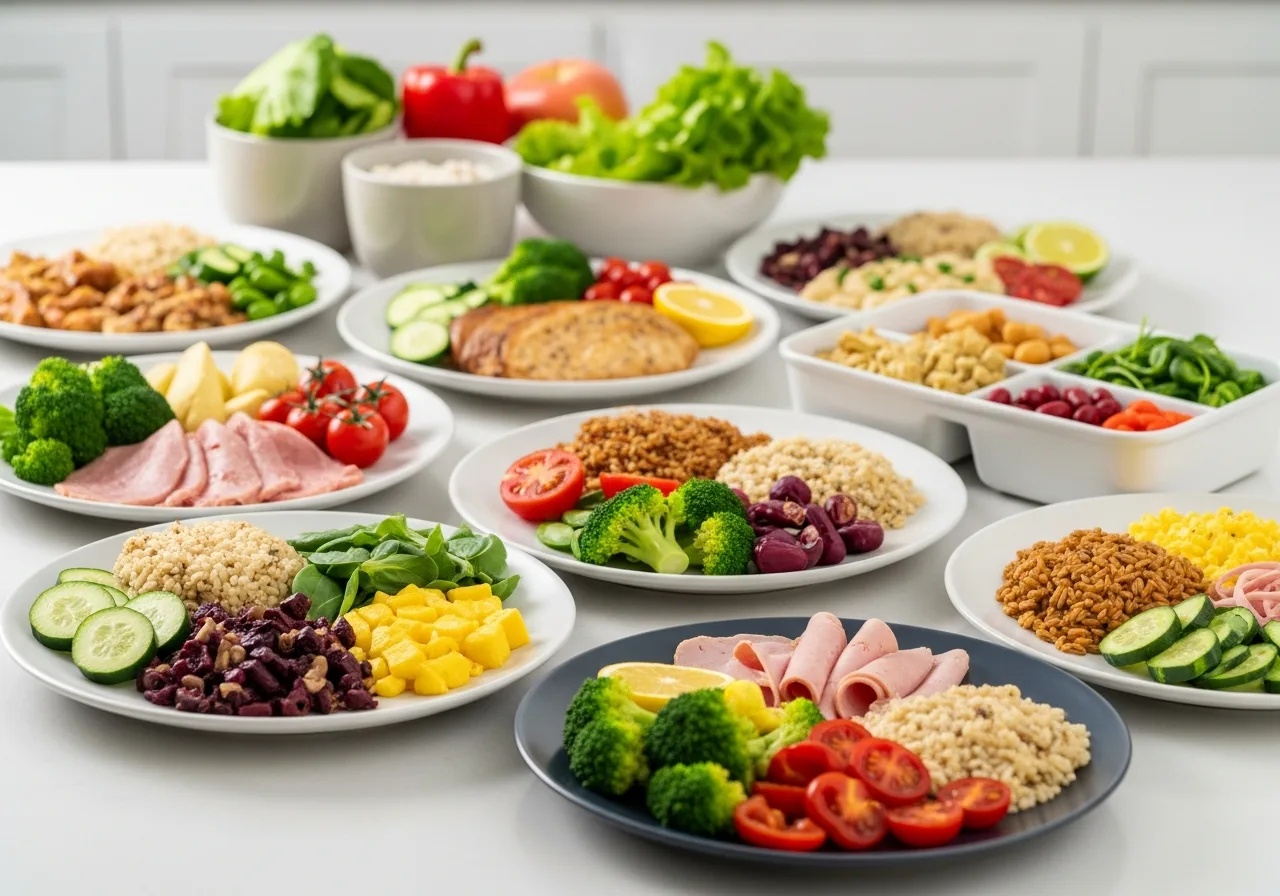
In my clinic, the most common frustration I hear from newly diagnosed patients isn’t about their medication—it’s about their plate.
Just last month, I sat down with an exhausted patient named Marcus who told me, “Dr. Broome, I know what I shouldn’t eat, but I have no idea how to put together a week of actual meals.” This is exactly why a structured 7-day diet plan for diabetic patients is the most powerful tool I prescribe.
As a physician, I can adjust your insulin or oral medications, but your daily food choices dictate the foundation of your metabolic health. Removing the daily guesswork of “what’s for dinner” lowers stress, which in turn helps stabilize blood glucose.
In this comprehensive guide, we will break down the science of diabetic nutrition into actionable, delicious daily menus. Whether you are managing type 2 diabetes or navigating insulin resistance, this plan is designed to empower you.
TL;DR (The Quick Answer)
- A 7-day diabetic diet focuses heavily on balanced carbs, high fiber, and lean protein.
- Prioritize low glycemic index (GI) foods to prevent sudden blood sugar spikes.
- Avoid sugary beverages, refined grains, and ultra-processed foods entirely.
- A structured plan includes breakfast, lunch, dinner, and strategic snacks.
- Consistent meal planning is scientifically proven to help improve overall blood sugar and A1C levels.
What Is a Diabetes Diet Plan?
When patients ask me to define a diabetes diet plan, I explain that it is not about starvation or deprivation. It is a strategic method of eating designed specifically to support your body’s ability to process glucose.
Because your pancreas is either not producing enough insulin or your cells are resisting it, your diet must do some of the heavy lifting. A simple diabetic meal plan manages the speed at which carbohydrates break down into sugar in your bloodstream.
By strategically combining macronutrients—pairing carbohydrates with proteins and healthy fats—you slow down digestion. This consistent, controlled digestion prevents the dangerous peaks and valleys in your blood sugar, keeping your energy stable throughout the day.
Key Principles of a Diabetic Diet
Before diving into the daily meals, you must understand the engine driving this nutritional plan. Successful blood sugar management relies on four non-negotiable dietary pillars.
First, you must prioritize low glycemic index (GI) foods. These are complex carbohydrates that digest slowly, offering a steady release of energy rather than a sudden sugar rush. Examples include steel-cut oats, quinoa, and sweet potatoes.
Second, high fiber intake is your best defense against glucose spikes. Soluble fiber, found in beans, lentils, and apples, actually forms a gel in your digestive tract, physically blocking the rapid absorption of sugar into your blood.
Third, every meal must feature lean protein. Chicken, turkey, fish, tofu, or Greek yogurt provide essential building blocks for your muscles without adding carbohydrates to your meal.
Finally, incorporate healthy fats. Foods rich in omega-3s and monounsaturated fats—like avocados, walnuts, and extra virgin olive oil—improve cardiovascular health, which is vital since diabetes increases heart disease risk.
Approved Food List for Diabetics
To make grocery shopping easier, I have compiled an approved food list for diabetics. This is the foundational pantry list I give to my patients when they start their metabolic reset.
| Category | Recommended Foods | Why It Works |
| Carbohydrates | Quinoa, brown rice, steel-cut oats, sweet potatoes | Complex structure digests slowly, rich in fiber. |
| Protein | Skinless poultry, wild-caught salmon, lentils, eggs | Stabilizes blood sugar, promotes satiety. |
| Fats | Olive oil, avocados, almonds, chia seeds, flaxseeds | Protects heart health, slows carbohydrate absorption. |
| Vegetables | Spinach, broccoli, cauliflower, zucchini, bell peppers | Extremely low in carbs, packed with micronutrients. |
| Dairy (or Alt) | Unsweetened almond milk, plain Greek yogurt, cottage cheese | High protein-to-carb ratio. |
Foods to Limit or Avoid
Knowing what to leave on the grocery store shelf is just as important as what you put in your cart. A common question I get is, “What are 5 fruits to avoid in diabetes?” While fruit is healthy, in excess, high-sugar fruits like watermelon, overripe bananas, pineapple, mangoes, and canned fruits in syrup can cause massive spikes.
Refined carbohydrates are the enemy of glycemic control. White bread, white pasta, pastries, and traditional baked goods break down into pure sugar almost immediately upon hitting your stomach.
Finally, liquid sugar is the most dangerous culprit. Regular soda, sweetened iced teas, energy drinks, and even 100% fruit juices flood your liver with fructose instantly. You must eliminate these from your routine entirely for this plan to work.
What Foods Can Diabetics Eat Freely?

Patients often feel restricted, asking, “What foods can diabetics eat unlimited?” While “unlimited” is a strong word, there are foods that have virtually zero impact on your blood sugar.
Non-starchy vegetables are your secret weapon. You can eat vast, filling quantities of leafy greens, cucumbers, celery, asparagus, and mushrooms without worrying about a glucose spike.
Additionally, low-calorie hydrators like water, black coffee, unsweetened green tea, and bone broth can be consumed freely. These keep you full and hydrated, supporting kidney function, which is critical for diabetic patients.
7-Day Diet Plan for Diabetic Patients
This core 7-day diabetes meal plan is designed to provide roughly 1,500 to 1,800 calories per day, focusing on stable, sustained energy. Adjust portion sizes based on your specific caloric needs as discussed with your healthcare provider.
Setting the Foundation (Day 1)
- Breakfast: 1/2 cup of rolled oats cooked in water, topped with 1 tablespoon of chia seeds, a handful of blueberries, and a dash of cinnamon.
- Lunch: A large spinach salad topped with 4 oz of grilled chicken breast, half an avocado, cherry tomatoes, and a simple olive oil vinaigrette.
- Snack: 1 small green apple with 1 tablespoon of natural almond butter.
- Dinner: 5 oz of baked salmon, 1 cup of steamed broccoli, and 1/2 cup of cooked quinoa.
Plant-Powered Energy (Day 2)
- Breakfast: 3 scrambled eggs cooked with a handful of spinach and mushrooms, served with 1 slice of sprouted whole-grain toast.
- Lunch: 1 cup of hearty lentil soup alongside a mixed green side salad.
- Snack: 1/2 cup of plain Greek yogurt topped with a few crushed walnuts.
- Dinner: 4 oz of grilled turkey burger (no bun) wrapped in lettuce, served with roasted zucchini spears.
Mediterranean Focus (Day 3)
- Breakfast: Smoothie made with 1 cup unsweetened almond milk, 1 scoop of low-carb whey protein, half a cup of spinach, and 1/4 cup of frozen berries.
- Lunch: Tuna salad made with Greek yogurt instead of mayo, stuffed into half a whole wheat pita with cucumber slices.
- Snack: A small handful (about 1 oz) of unsalted mixed nuts.
- Dinner: 5 oz of baked cod with a tomato and olive tapenade, served over 1 cup of zucchini noodles.
Plant-Based Protein Focus (Day 4)
- Breakfast: 1/2 cup of cottage cheese topped with 1 tablespoon of pumpkin seeds and a few slices of fresh strawberries.
- Lunch: A whole wheat wrap filled with 3 oz of sliced roast turkey, hummus, spinach, and shredded carrots.
- Snack: 1 hard-boiled egg with a pinch of black pepper.
- Dinner: Tofu stir-fry using 4 oz of firm tofu, broccoli florets, snap peas, and a low-sodium soy sauce over 1/2 cup of brown rice.
Comfort Food Redefined (Day 5)
- Breakfast: 1 slice of whole-grain toast topped with half a mashed avocado and a sprinkle of red pepper flakes.
- Lunch: Leftover tofu stir-fry from the night before (meal prepping saves time and prevents fast-food cheating).
- Snack: A small handful of roasted edamame for a high-fiber protein boost.
- Dinner: 4 oz of baked chicken breast, 1/2 cup of roasted sweet potato cubes, and a large side of steamed asparagus.
Weekend Balance (Day 6)
- Breakfast: 2-egg omelet loaded with bell peppers, onions, and a sprinkle of feta cheese.
- Lunch: A large bowl of mixed greens topped with half a cup of chickpeas, cucumbers, and a lemon-tahini dressing.
- Snack: Celery sticks dipped in 1 tablespoon of unsweetened peanut butter.
- Dinner: 5 oz of grilled shrimp skewers served with 1 cup of cauliflower rice and roasted cherry tomatoes.
Rest and Reset (Day 7)
- Breakfast: 1/2 cup of plain Greek yogurt layered with 1 tablespoon of flaxseeds and a few raspberries.
- Lunch: A comforting bowl of chicken and vegetable soup (no noodles, extra celery and carrots).
- Snack: 1 small cucumber, sliced and tossed in a light vinaigrette.
- Dinner: 4 oz of sirloin steak (trim the fat), a side of roasted Brussels sprouts, and a small side salad.
Weekly Diabetic Food Chart
To make planning effortless, use this diabetic weekly meal planning chart. Pin this to your refrigerator to stay visually accountable throughout the week.
| Day | Breakfast | Lunch | Dinner |
| Day 1 | Berry & chia oatmeal | Grilled chicken salad | Baked salmon & quinoa |
| Day 2 | Spinach & mushroom eggs | Hearty lentil soup | Turkey burger (no bun) |
| Day 3 | Protein & berry smoothie | Tuna salad in pita | Baked cod & zoodles |
| Day 4 | Cottage cheese & berries | Turkey & hummus wrap | Tofu & broccoli stir-fry |
| Day 5 | Avocado on whole-grain toast | Leftover stir-fry | Baked chicken & sweet potato |
| Day 6 | Pepper & feta omelet | Chickpea & tahini salad | Grilled shrimp skewers |
| Day 7 | Greek yogurt & flax | Chicken vegetable soup | Sirloin & Brussels sprouts |
Sample Meals: Breakfast, Lunch & Dinner Ideas
When you ask, “What is a good breakfast, lunch, and dinner for a diabetic?” the physiological response of the body to specific food groups is the core focus. The goal is to blunt the post-meal glucose spike by combining macronutrients.
A good breakfast must break the overnight fast without shocking your liver. Oatmeal paired with walnuts provides complex carbohydrates and healthy fats, ensuring a slow, steady release of glucose.
For lunch, your body requires sustained fuel. A grilled chicken salad provides lean protein to rebuild cellular tissue, while the dark leafy greens supply critical micronutrients and fiber without adding an insulin burden.
Dinner should be the lightest carbohydrate load of the day, as your physical activity is winding down. Fish and roasted vegetables provide the necessary calories for overnight recovery while allowing your fasting blood sugar to drop naturally by morning.
Easy Diabetic Recipes for Beginners
Cooking for metabolic health does not require a culinary degree. These easy diabetic recipes for beginners focus on minimizing prep time while maximizing physiological benefits.
Lemon-Herb Baked Salmon
This is a staple among my top 10 easy diabetic recipes. Place a 5 oz salmon fillet on a baking sheet. Drizzle with 1 teaspoon of olive oil, lemon juice, minced garlic, and dill. Bake at 400°F (200°C) for 12-15 minutes. The omega-3 fatty acids in the salmon actively reduce cellular inflammation, improving your body’s overall insulin sensitivity.
High-Fiber Cauliflower Rice Bowl
Pulse half a head of cauliflower in a food processor until it resembles rice. Sauté in a pan with a dash of sesame oil, garlic, and diced bell peppers for 5 minutes. Top with sliced, grilled chicken. The cruciferous vegetables provide immense volume and satiety with a near-zero glycemic impact.
Best Diabetic Meal Plans
When evaluating the best diabetic meal plans, three science-backed models consistently rise to the top. The Mediterranean diet is globally recognized as the gold standard, focusing heavily on olive oil, fish, nuts, and fresh produce to protect cardiovascular health.
The Low-Carb diet is a more aggressive approach, strictly limiting daily carbohydrate intake to rapidly lower blood sugar and reduce insulin dependence.
Finally, the DASH diet (Dietary Approaches to Stop Hypertension) is highly effective for diabetics who also struggle with high blood pressure, emphasizing low-sodium and high-potassium foods.
Vegetarian Diabetic Meal Plan
A 7-day diet plan for diabetic patients, vegetarian style, is highly effective if managed correctly. The challenge is ensuring adequate protein without relying on carbohydrate-heavy legumes exclusively.
Prioritize tofu, tempeh, eggs, and Greek yogurt. When consuming beans or lentils, strictly monitor your portion sizes to about 1/2 cup per meal to prevent accidental carbohydrate overloading.
Regional Diet Plans
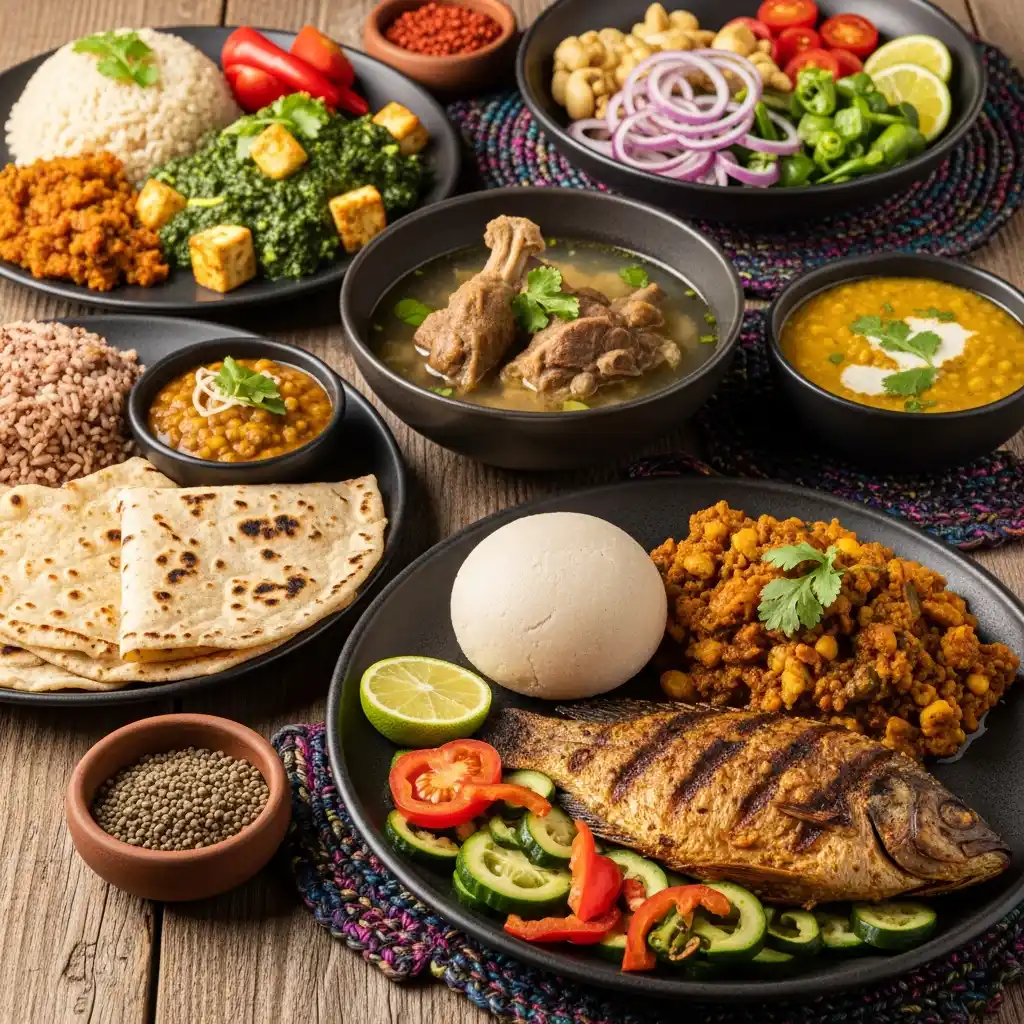
Metabolic health must fit within your cultural context. A diet that completely ignores your cultural heritage is rarely sustainable.
Indian Diet Plan
For a 7-day diet plan for diabetic patients in the Indian format, portion control of grains is critical. Swap white rice for brown rice or quinoa. When making rotis, use millet or multi-grain flour instead of refined wheat.
Prioritize dishes like palak paneer (spinach and cheese) and tadka dal, ensuring you use minimal ghee to manage caloric intake. This applies across regional preferences, whether reading in Tamil or in Hindi.
Ghana Diet Plan
A 7-day diet plan for diabetic patients in Ghana involves modernizing traditional staples. Starchy foods like fufu, banku, and kenkey must be consumed in highly restricted, fist-sized portions.
Instead, fill the majority of your bowl with nutrient-dense, low-carb options like Kontomire stew (cocoyam leaves), light soup with lean goat meat, or grilled tilapia.
Can Diet Lower A1C Quickly?
Patients eager for results often ask, “What is the fastest diet to lower A1c?” As a physician, I must ground expectations in biological reality. There is no instant fix.
Your A1C measures the average sugar coated on your red blood cells over their 90-day lifespan. Therefore, it takes a minimum of two to three months of consistent dietary changes to see a significant drop in your A1C number. However, you will see your daily fasting glucose numbers improve within just a few days of starting this plan.
30-Day & 28-Day Diabetic Meal Plans
Once you master the first week, you can seamlessly transition into a 30-day diabetic meal plan or a 28-day diabetes meal plan. The goal is to cycle through the 7-day template, swapping in seasonal vegetables and different lean proteins to prevent palate fatigue.
Long-term planning builds the neuroplasticity required to turn forced dietary changes into effortless daily habits.
Tips for Meal Planning Success
The secret to a successful diabetic weekly food chart is preparation. Dedicate two hours every Sunday to chop vegetables, pre-cook your grains, and portion out your snacks in clear containers.
Master portion control by using the “Plate Method.” Mentally divide your dinner plate: half should be non-starchy vegetables, one-quarter lean protein, and only one-quarter complex carbohydrates. Consistency is your ultimate weapon against erratic blood sugars.
FAQs
What is a good breakfast for diabetics?
A physiologically optimal breakfast combines fiber and protein to prevent a morning glucose spike. Excellent choices include steel-cut oatmeal with chia seeds, scrambled eggs with spinach, or plain Greek yogurt topped with a few berries and walnuts.
What foods can diabetics eat freely?
You can eat non-starchy vegetables almost without restriction. Leafy greens, cucumbers, broccoli, celery, and zucchini have a negligible impact on blood sugar and are packed with the vitamins your body needs for cellular repair.
What fruits should diabetics avoid?
While no fruit is entirely forbidden, diabetics should strictly limit fruits with a high glycemic index. This includes watermelon, overripe bananas, pineapple, and canned fruits swimming in sugary syrup, as they cause rapid and dangerous blood sugar spikes.
What is the best diet for diabetes?
The Mediterranean diet is widely considered the best dietary framework for diabetes by major health organizations. It emphasizes lean proteins, abundant vegetables, complex carbohydrates, and healthy fats like olive oil, which collectively stabilize blood sugar and protect the heart.
Can diet reverse diabetes?
Type 1 and LADA diabetes cannot be reversed. However, type 2 diabetes can often be pushed into remission through aggressive dietary changes and weight loss. While the underlying susceptibility remains, a strict diet can allow many patients to maintain normal blood sugar levels without medication.
Conclusion
Mastering a 7-day diet plan for diabetic patients is about more than just lowering a number on a lab report; it is about reclaiming your quality of life. In my years of practice, I have seen patients like Marcus transition from a state of constant metabolic anxiety to a life of vibrant, stable energy simply by changing what they put on their forks.
The physiological shift that occurs when you prioritize low-glycemic, high-fiber foods is profound. You are essentially giving your pancreas the support it needs to function without being overwhelmed.
While the first few days of any new routine can feel challenging, the structure of a weekly plan eventually turns these conscious choices into effortless habits.
Remember, no single “perfect” meal can fix your health, just as no single “bad” meal can ruin it. Consistency over the long term is the key to lowering your A1C and preventing the complications associated with chronic high blood sugar.
Use this 7-day template as your foundation, but don’t be afraid to experiment with new vegetables and spices to keep your journey delicious.
As you move forward, I encourage you to work closely with your healthcare team to monitor how these dietary changes affect your specific glucose readings. Everybody is unique, and your data is your best guide. You have the power to influence your metabolic future—one plate at a time.
Authoritative Resources and Peer-Reviewed Studies
To ensure your meal planning is backed by the latest clinical evidence, I recommend consulting these primary health organizations and medical journals.
- American Diabetes Association (ADA) – Diabetes Food Hub: Recipes and Tips
- Centers for Disease Control and Prevention (CDC) – Diabetes Meal Planning
- National Institute of Diabetes and Digestive and Kidney Diseases (NIDDK) – Healthy Living with Diabetes
- Journal of the American Medical Association (JAMA) – Mediterranean Diet and Patients With Psoriasis