
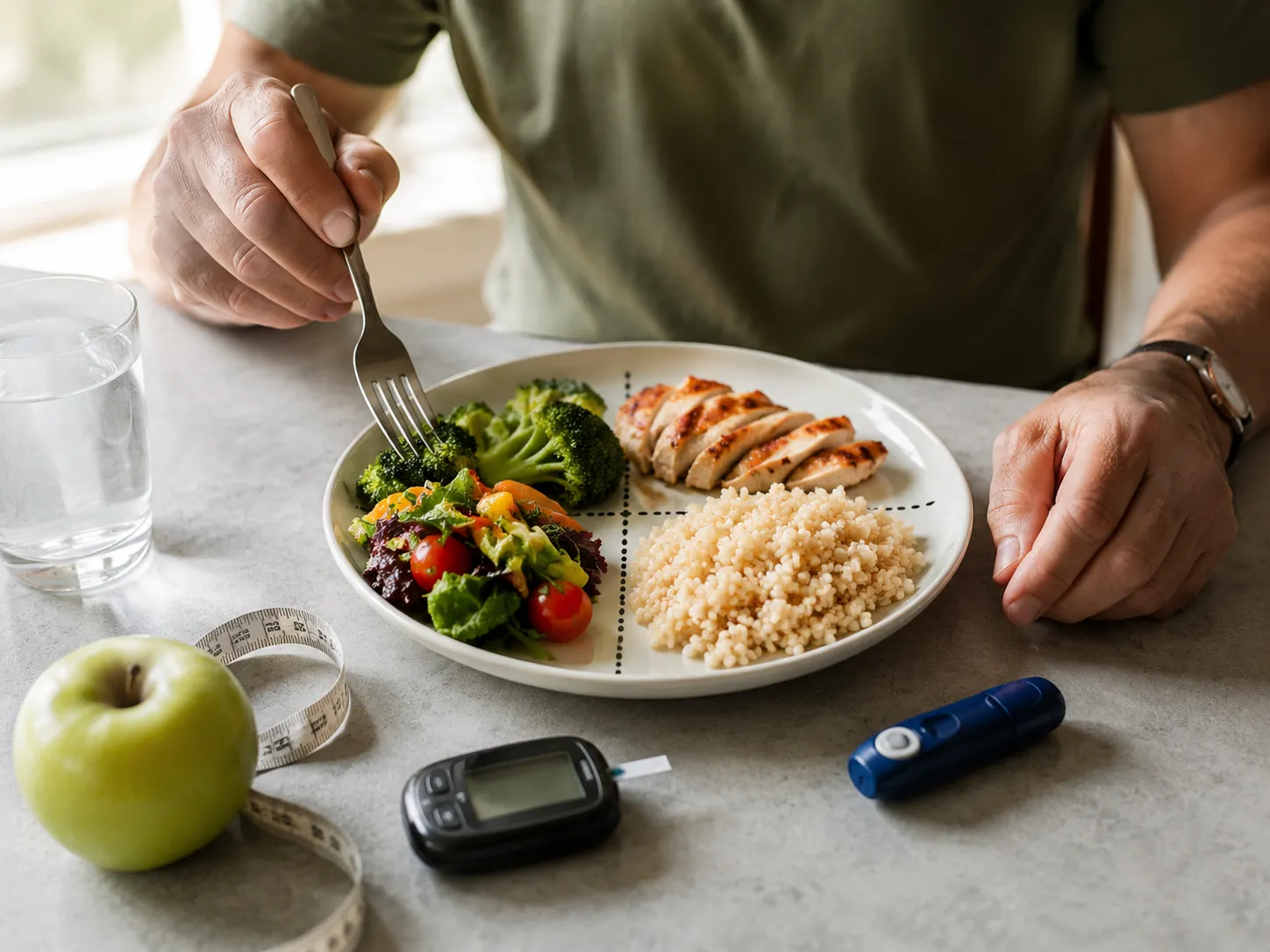
Welcome to your comprehensive guide on portion control for diabetics. Managing what is type 2 diabetes often feels overwhelming at first, especially when you are trying to understand how everyday food choices directly affect blood sugar levels.
However, learning how to control your portions is one of the most practical and powerful steps you can take to improve metabolic health and maintain more stable glucose readings throughout the day.
When people are first introduced to the idea of a diabetic diet, there is often a common fear that they will need to eliminate all of their favorite foods or follow overly strict and restrictive eating patterns. In reality, sustainable diabetes management rarely depends on complete restriction. Instead, it focuses on balance, awareness, and consistency.
Portion control plays a central role in this process. Even healthy foods can impact blood sugar if consumed in large quantities, which is why understanding serving sizes is so important. Learning how to build a balanced plate helps ensure that carbohydrates, proteins, and fats are properly distributed, supporting more gradual and stable glucose absorption.
Whether you are newly diagnosed or working to improve your HbA1c levels over time, developing awareness of portion sizes can significantly change how your body responds to meals. Simple strategies—such as using visual guides, measuring tools, or structured meal planning—can make daily decisions easier and more consistent.
Over time, these habits can reduce blood sugar spikes, improve energy levels, and support better long-term metabolic control.
In this guide, we will break down practical portion control methods, explain how to estimate servings without stress, and show you how to build balanced meals that fit into real-life routines. The goal is to help you take confident, informed control of your nutrition and overall health.
Type 2 diabetes – Symptoms and causes – Mayo Clinic
TL;DR: Quick Overview
- Portion control is one of the most effective ways to manage blood sugar.
- The Diabetes Plate Method simplifies meal planning.
- Focus on balanced portions: ½ vegetables, ¼ protein, and ¼ carbs.
- Carbohydrate portion control is critical for glucose stability.
- A structured 7-day diabetic meal plan can improve consistency.
- Visual tools (charts, ploys) help with long-term adherence.
What Is Portion Control for Diabetics?
Portion control for diabetics means eating the right amount of food—especially carbohydrates—to maintain normal blood sugar levels and prevent spikes or crashes. Specifically, it involves visually or physically measuring your food to ensure your body can properly process the glucose.
Because your body struggles to process sugar, carbohydrates directly impact blood glucose levels. Overeating—even healthy foods—can quickly raise your blood sugar beyond safe limits.
Consequently, eating the correct portion sizes improves your HbA1c levels, assists in weight management, and enhances your body’s overall insulin sensitivity.
Many patients eat nutrient-dense foods like brown rice, fruits, and nuts. However, consuming these in excess portions still leads to significant glucose spikes.
In my clinical practice, I frequently see patients frustrated by high morning blood sugars despite eating a “clean” diet. Almost always, the hidden culprit is excessively large portions of healthy, high-glycemic carbohydrates.
Healthy Living with Diabetes – NIDDK
The Diabetes Plate Method
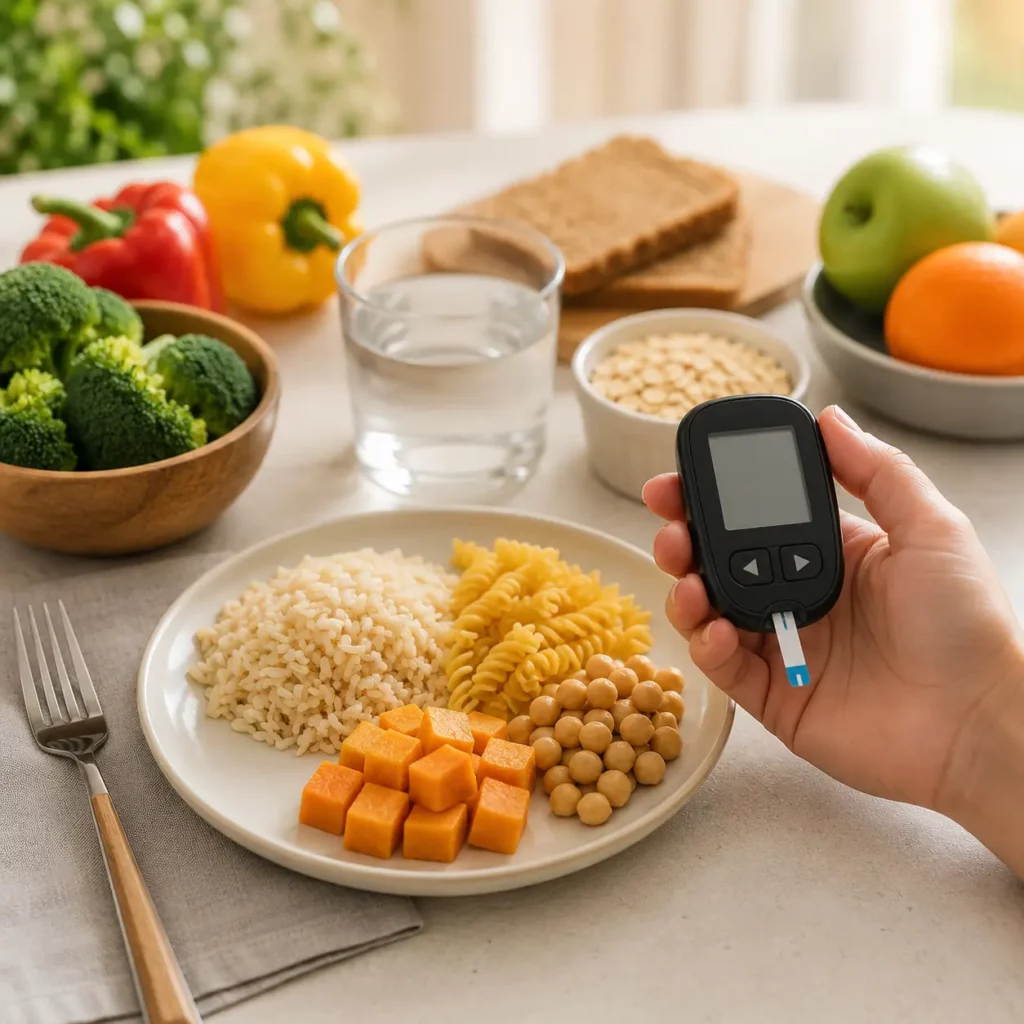
The Diabetes Plate Method is a simple visual tool that divides your plate into sections. Because measuring cups can be tedious, this visual approach takes the guesswork out of eating.
Standard Plate Breakdown:
- ½ plate: Non-starchy vegetables
- ¼ plate: Lean protein
- ¼ plate: Carbohydrates
First of all, this method controls your carb intake automatically without requiring a food scale. Furthermore, filling half your plate with vegetables increases dietary fiber. This extra fiber leads to slower glucose absorption and improves your satiety, keeping you full for hours.
The best foods for diabetics for each section include spinach, broccoli, and carrots for your vegetable half. Next, choose chicken, fish, or tofu for your protein. Finally, select brown rice or quinoa for your carbohydrates.
Diabetic Portion Size Chart (Easy Reference)
For precise meal planning, a diabetic portion size chart is incredibly helpful. This ensures you do not accidentally overconsume energy-dense macronutrients.
| Food Type | Portion Size | Example |
| Carbohydrates | 15g per serving | 1 slice bread |
| Rice | ½ cup cooked | ~1 small bowl |
| Fruit | 1 small piece | Apple |
| Protein | 3–4 oz | Palm-sized |
| Fats | 1 tsp | Olive oil |
If you are at a restaurant, you can easily estimate serving sizes for diabetics using your hands. For instance, your carbohydrate portion should be the size of your fist. Next, your protein serving should roughly match the size and thickness of your palm. Finally, healthy fats should be limited to the size of your thumb. This portion trick is highly practical and discreet when dining out.
Carb Counting | Diabetes – CDC
Carbohydrate Portion Sizes for Diabetes
Carbohydrates are the primary driver of blood sugar spikes. Because they break down directly into glucose, managing them is the cornerstone of diabetic care.
Generally, the recommended intake is 45–60g per meal. However, this must be individualized based on your activity level, current medications, and insulin use.
Accurate carbohydrate counting significantly improves glycemic control and HbA1c levels in type 2 diabetes patients.
Common Carb Portions:
| Food | Carb Amount |
| 1 slice bread | 15g |
| ½ cup rice | 22g |
| 1 banana | 27g |
You must also consider the quality of the carbs you eat. Therefore, choose slow-digesting foods. Patients often ask is oatmeal good for diabetics, and the answer is yes—along with lentils and whole grains, it provides excellent stable energy. Conversely, limit rapidly absorbed items like white bread and sugary drinks, which drastically spike insulin.
Diabetes diet: Create your healthy-eating plan – Mayo Clinic
Diabetic Portion Control Examples (Real Meals)
Translating these guidelines into real-world eating is essential. Here is how a perfectly balanced day looks.
First, fill ½ of your breakfast plate with vegetables, such as a hearty spinach omelet. Next, allocate ¼ for protein with the eggs themselves. Finally, add ¼ carbs by including a single slice of whole grain toast.
For midday energy, prepare a large grilled chicken salad. The leafy greens cover the vegetable requirement, while the chicken provides lean protein. Add a small portion of quinoa for your complex carbohydrates.
At dinner, bake a serving of wild salmon for your protein. Serve it alongside a generous pile of steamed vegetables. Lastly, include ½ cup of brown rice to complete the carbohydrate section.
If you need a snack between meals, pair a carbohydrate with a fat or protein. For example, a small apple with a tablespoon of peanut butter keeps blood sugars beautifully stable.
Healthy Eating for Type 2 Diabetes – Harvard Health
7-Day Diabetic Meal Plan (Portion-Controlled)
Having a structured 7-day diet plan for diabetic patients removes the daily stress of deciding what to cook.
Day 1
- Breakfast: ½ cup of oatmeal topped with fresh berries.
- Lunch: Large leafy green chicken salad with vinaigrette.
- Dinner: Baked fish with roasted asparagus and ½ cup of quinoa.
Day 2
- Breakfast: Two scrambled eggs with a side of sliced avocado.
- Lunch: Turkey wrap using a low-carb, whole-wheat tortilla.
- Dinner: Tofu and broccoli stir-fry over ½ cup of brown rice.
For the remainder of the week, simply rotate through your favorite lean proteins, high-fiber carbs, and non-starchy vegetables. Keep your meals exciting by experimenting with different spices and cooking methods.
If you want to keep this schedule handy, search online for a free or printable diabetic meal plan to hang on your refrigerator.
Diabetes – Diagnosis and treatment – Mayo Clinic
Diabetic Diet Food List (What to Eat & Avoid)
Building a comprehensive diabetic diet food list makes grocery shopping much easier. Always prioritize leafy greens, broccoli, cauliflower, and zucchini for your vegetable needs. Next, stock up on skinless chicken breasts, fatty fish, and plant-based tofu. For carbohydrates, focus on whole grains, beans, and legumes for slow-release energy.
On the other hand, you should strictly limit sugary drinks and sodas. Furthermore, avoid processed snacks, baked goods, and refined white bread as much as possible. When searching for a Type 2 Diabetes Food List, always focus on low glycemic foods and high fiber foods to ensure long-term metabolic stability.
What Is the Best Diet for a Diabetic Person?

Patients frequently ask me which specific diet protocol works best. While personalization is critical, a few evidence-based models consistently produce excellent results.
The mediterranean diet for diabetics is incredibly heart-healthy and rich in healthy fats like olive oil. Because it focuses on whole foods, it significantly improves overall glucose control and lowers HbA1c.
A carefully managed low carb diet for diabetics directly reduces blood sugar spikes by eliminating the primary source of glucose. It is particularly effective for patients struggling with severe insulin resistance.
Originally designed for hypertension, the DASH Diet is excellent for managing both high blood pressure and diabetes simultaneously. Ultimately, there is no “one-size-fits-all” diet. The absolute best nutritional approach is the one you can stick to consistently over the years.
Mediterranean Diet – Cleveland Clinic
Portion Size for Diabetic Diet (Step-by-Step Guide)
Start every single meal by utilizing the visual plate method. Fill half that space with vegetables before adding anything else. Next, consciously track the grams of carbohydrates you are placing on your plate. Use measuring cups for rice and pasta until you learn to eyeball the amounts accurately.
Finally, adjust your intake based on your blood sugar monitor readings. If your blood sugar spikes too high, simply reduce the carbohydrate portion at your next meal.
Common Mistakes in Diabetic Portion Control
Even highly motivated patients make a few predictable errors when starting out. First of all, eating too many “healthy carbs” is a massive trap. Even oatmeal and sweet potatoes will disrupt your blood sugar if you eat huge bowls of them.
Second, skipping meals is counterproductive. Fasting all day often leads to extreme hunger, which inevitably causes severe overeating later in the evening. Lastly, not tracking portions at all guarantees failure. You must measure your food for the first few weeks to recalibrate your perception of a normal serving size.
Tools & Resources for Portion Control
To succeed, you should invest in a few basic kitchen tools. Inexpensive measuring cups and a digital kitchen scale are absolutely essential for learning true portion sizes.
Additionally, downloading food tracking apps to your smartphone makes counting daily carbohydrates effortless. You can also purchase specialized divided plates that have the plate method visuals physically printed on them.
When to See a Dietitian or Doctor
While this guide provides a strong foundation, you should seek professional help if your blood sugar remains uncontrolled despite your best efforts.
Furthermore, if you experience frequent episodes of low blood sugar symptoms (hypoglycemia), you need immediate medical advice to adjust your medication dosages. Finally, if you have severe difficulty managing portions due to emotional eating, a registered dietitian can provide personalized, compassionate guidance.
Frequently Asked Questions
What is the ideal portion size for diabetics?
Think of your plate in thirds. Fill half with non-starchy veggies like spinach or broccoli. Add a quarter of lean protein—chicken, fish, or tofu. Reserve the last quarter for complex carbs like quinoa or sweet potato. This simple visual guide helps stabilize blood sugar without complicated counting. Small portions, big impact. Always personalize with your dietitian’s guidance.
What is the Diabetes Plate Method?
The Plate Method is a simple, visual tool for balanced meals. Divide your plate: half non-starchy vegetables, one-quarter lean protein, one-quarter complex carbs. Add a small serving of healthy fat and water to drink. No counting required—just portion awareness. This approach supports steady glucose and sustainable habits. Ask your diabetes educator for a printable guide to get started today.
How many carbs should a diabetic eat per meal?
Most adults with diabetes aim for 45–60 grams of carbs per meal. But your ideal target depends on age, activity, medications, and goals. Work with your care team to personalize your range. Focus on quality too—choose high-fiber, minimally processed carbs. Consistency matters more than perfection. Tracking patterns helps you fine-tune portions for better energy and glucose control.
What is the best diet for a diabetic person?
There’s no single “best” diet—but Mediterranean, low-carb, and DASH patterns all show strong evidence. Each emphasizes whole foods, fiber, and healthy fats while limiting processed carbs. The right choice fits your culture, preferences, and lifestyle. Sustainability beats restriction. Partner with a registered dietitian to build a plan you’ll enjoy long-term. Small, consistent changes create lasting metabolic health.
Can portion control alone manage diabetes?
Portion control is powerful—but rarely enough alone. Pair it with regular movement, quality sleep, stress care, and prescribed medications. Diabetes management works best as a team effort: food, activity, meds, and mindset. Think of portion control as one key piece of a larger puzzle. Your care team helps you balance all pieces for sustainable, whole-person health.
Conclusion
Navigating portion control for diabetics does not have to be an exhausting, restrictive process. By simply applying the visual plate method, you can enjoy fulfilling, delicious meals without the constant fear of dangerous blood sugar spikes.
Remember, the goal is progress, not absolute perfection. Start by carefully measuring your carbohydrates and prioritizing non-starchy vegetables at every dinner. Over time, estimating your portions will become second nature.
I always tell my patients that managing this condition is a marathon. Equip yourself with the right knowledge, seek professional guidance when you feel stuck, and stay consistent. By taking command of your portions today, you are actively securing a healthier, more vibrant future.
Evidence-Based References
- NIH PMC — The Use of Portion Control Plates to Promote Healthy Eating and Diet-Related Outcomes: A Scoping Review
- NIH PMC — Pioglitazone treatment in type 2 diabetes mellitus when combined with portion control diet modifies the metabolic syndrome
- American Diabetes Association — Nutrition Principles and Recommendations in Diabetes
- American Diabetes Association — Nutrition Recommendations and Interventions for Diabetes: A position statement of the American Diabetes Association
- NIH Bookshelf — Dietary Advice For Individuals with Diabetes – Endotext
- American Diabetes Association — Effects of Carbohydrate Counting on Glucose Control and Quality of Life Over 24 Weeks in Adult Patients With Type 1 Diabetes on Continuous Subcutaneous Insulin Infusion
- American Diabetes Association — Impact of Carbohydrate Counting on Glycemic Control in Children With Type 1 Diabetes
- American Diabetes Association — Simplified Meal Announcement Versus Precise Carbohydrate Counting in Adolescents With Type 1 Diabetes Using the MiniMed 780G Advanced Hybrid Closed Loop System
- CDC — Missed Opportunities for Providing Low-Fat Dietary Advice to People With Diabetes
- American Diabetes Association — Carbohydrate Counting at Meal Time Followed by a Small Secondary Postprandial Bolus Injection at 3 Hours Prevents Late Hyperglycemia, Without Hypoglycemia, After a High-Carbohydrate, High-Fat Meal in Type 1 Diabetes