

A blood sugar chart can be your most helpful tool for understanding the numbers that affect your energy, mood, and long-term health. Many people feel overwhelmed when they see their glucose readings fluctuate throughout the day—it can seem like a mystery with no clear answers.
But it doesn’t have to be that way. Using a reliable chart, you can quickly identify whether your glucose level is in the normal range, trending high, or dropping too low. This is crucial whether you’re managing diabetes, experiencing prediabetes symptoms, or simply want to maintain steady energy and overall metabolic health.
By learning what each reading means, you gain the power to take informed actions, from adjusting meals to improving lifestyle habits.
In this guide, we’ll break down normal, high, and low blood sugar levels and explain what each indicates. With this chart, understanding your glucose becomes clear and manageable.
TL;DR: Quick Summary
First, a blood sugar chart is your ultimate guide for tracking daily glucose levels. For healthy adults, normal fasting levels sit tightly between 70 and 99 mg/dL. Furthermore, your numbers should naturally stay below 140 mg/dL two hours after eating.
In contrast, levels dropping below 70 mg/dL indicate dangerous causes of hypoglycemia. Similarly, readings consistently spiking above 180 mg/dL point to severe hyperglycemia. Consequently, you must contact your doctor immediately if you repeatedly hit these harmful extremes.
Additionally, your doctor uses an A1C test to reveal your three-month average glucose trend. Therefore, printing a daily log and consistently tracking your numbers protects your metabolic health over time. Finally, always consult your physician to establish your own personalized targets.
What Is a Blood Sugar Chart?
First of all, you might wonder, what does a normal glucose level chart look like? Simply put, it is a visual reference guide. It outlines healthy and unhealthy glucose ranges. Doctors use these tools to help you compare your daily readings against standard medical guidelines.
Furthermore, a good chart organizes these numbers based on specific times of the day. For instance, your levels will naturally look different right after you wake up compared to after a heavy meal. So, what is a good glucose level chart? It is one that accounts for fasting, meals, and your specific health status.
Normal Blood Sugar Levels Chart
If you do not have diabetes, your body tightly regulates your glucose. Your pancreas releases insulin to keep things balanced. Therefore, your normal blood sugar range stays relatively narrow.
Here is a quick look at a standard “what are normal blood sugar levels” chart for healthy adults.
| Time of Blood Test | Normal Range (mg/dL) |
| Fasting (Upon waking) | 70 – 99 mg/dL |
| Just before a meal | 70 – 99 mg/dL |
| 2 hours after eating | Less than 140 mg/dL |
| Bedtime | 100 – 140 mg/dL |
Normal Blood Sugar Levels by Age
Age greatly influences how your body processes glucose. As we grow older, our insulin sensitivity naturally declines. Therefore, a glucose level chart by age looks a bit different across generations. If you are looking at a normal glucose levels chart by age, pediatric ranges often allow for slightly higher numbers.
Children need extra energy for rapid growth and brain development. Similarly, older adults might have different targets. What does a normal blood sugar by age chart suggest? For adults over 65, doctors sometimes recommend slightly looser targets to prevent dangerous low blood sugar events.
Blood Sugar Chart for Diabetics
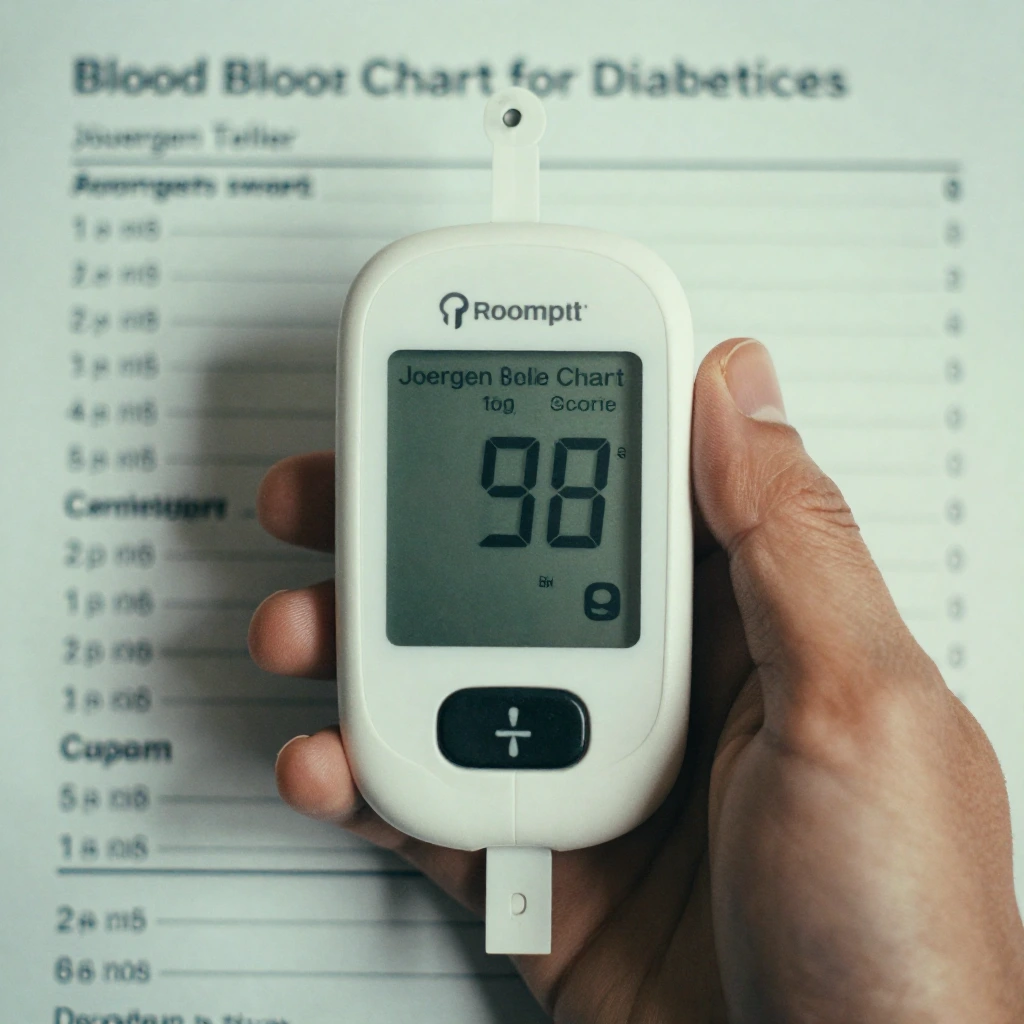
If you live with diabetes, your targets will shift. A diabetic glucose level chart provides realistic, safe goals. You want to avoid complications without risking severe drops in glucose.
A standard blood sugar chart for diabetics usually recommends a fasting level between 80 and 130 mg/dL. In addition, your post-meal numbers should stay under 180 mg/dL.
If you are newly diagnosed and learning what is type 2 diabetes, your specific blood sugar chart might look different depending on whether you manage the condition with diet versus insulin. Furthermore, your doctor will customize your diabetes glucose level chart based on your personal health history.
Why Tight Control Matters
Consistently hitting your target ranges is crucial. High glucose slowly damages your blood vessels over time. As a result, this can lead to nerve damage, vision loss, or kidney issues.
Conversely, keeping your numbers within your customized chart ranges drastically reduces these risks. Most importantly, it keeps your daily energy levels stable and predictable.
Fasting and After Eating Blood Sugar Chart
Timing is everything when you test your glucose. A fasting blood sugar chart shows your baseline. You test this first thing in the morning, before you eat or drink anything besides water. Since you have not eaten for at least 8 hours, this number shows how well your body manages glucose overnight.
For healthy adults, this number sits below 100 mg/dL. On the other hand, a blood sugar chart after eating tracks your postprandial levels. You usually measure this exactly two hours after you start your meal.
Because digestion pushes glucose into your bloodstream, these numbers naturally spike. However, a healthy metabolism quickly clears that sugar, bringing the number back down below 140 mg/dL.
A1C to Blood Sugar Chart
Your A1C test measures your average glucose over the past two to three months. Consequently, doctors use an A1C to glucose level chart to see your long-term trends. Because daily finger pricks only show a single moment, an A1C average blood sugar chart provides the big picture.
It tells us how well your management plan actually works over time. For example, an A1C of 5.7% equals an average glucose of 117 mg/dL. An A1C glucose level chart reveals exactly how your daily numbers translate to this critical percentage.
| A1C Percentage | Estimated Average Glucose (mg/dL) |
| 5% | 97 mg/dL |
| 6% | 126 mg/dL |
| 7% | 154 mg/dL |
| 8% | 183 mg/dL |
| 9% | 212 mg/dL |
High Blood Sugar Levels Chart
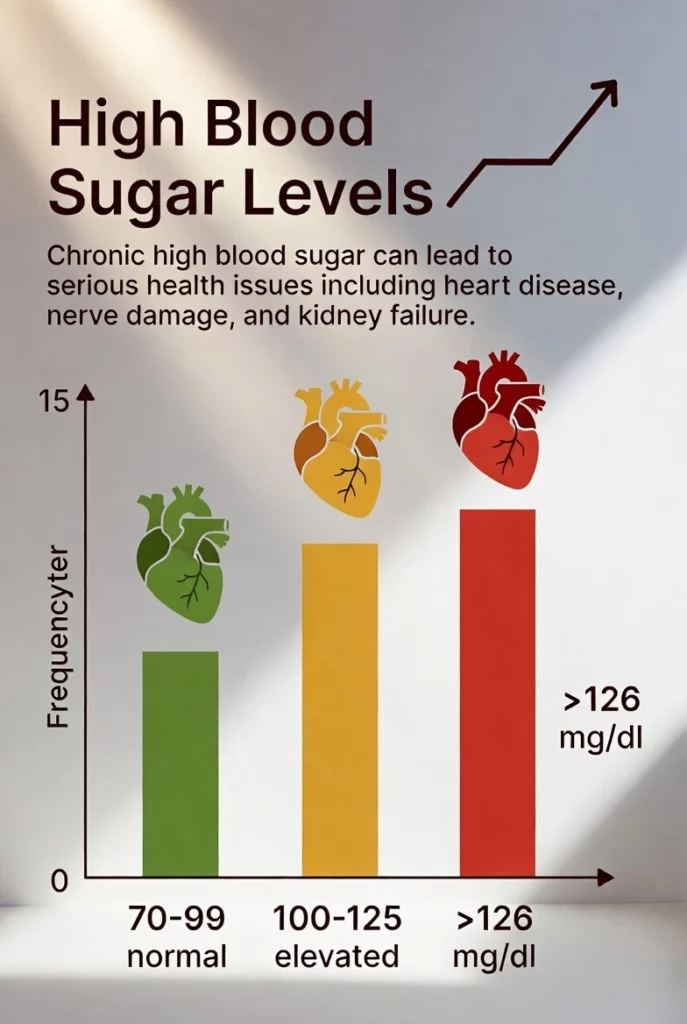
Hyperglycemia happens when your glucose spikes too high. Therefore, checking a high blood sugar chart helps you spot trouble early before it causes damage. But what is the protocol for a high blood sugar levels chart? Generally, numbers sitting above 180 mg/dL after meals indicate high glucose.
If your readings consistently stay this high, you must contact your doctor immediately. High levels slowly damage your organs, nerves, and blood vessels over time.
Low Blood Sugar Levels Chart
Conversely, hypoglycemia occurs when your numbers drop dangerously low. A low blood sugar chart usually highlights any numbers falling below 70 mg/dL. So, what warnings does a low blood sugar levels chart show? They show you exactly when you need to act fast.
Because a sudden drop starves your brain of vital fuel, you must treat it immediately. If you are unsure what to eat when blood sugar is low, you should consume fast-acting carbohydrates, like fruit juice or glucose tablets.
Signs of High and Low Blood Sugar
You must learn to recognize the physical symptoms of these extremes. A signs of high and low blood sugar chart often lists intense fatigue, frequent urination, and extreme thirst for high glucose.
In contrast, common low blood sugar symptoms include shakiness, sudden sweating, and mental confusion. Furthermore, a rapid heartbeat frequently accompanies these sudden, dangerous drops.
What Blood Sugar Level Is Dangerous?
Many patients ask me about emergency thresholds during their visits. So, what level of blood sugar is the dangerous chart limit?
Numbers dropping below 55 mg/dL pose an immediate, severe risk of fainting or seizures. Similarly, levels spiking above 300 mg/dL can trigger a life-threatening condition called diabetic ketoacidosis (DKA).
Consequently, these dangerous extremes require urgent medical attention. Do not wait around to see if they improve on their own.
Blood Sugar Chart by Age Group
As we discussed earlier, your age shifts your optimal targets. For example, blood sugar levels for ages 50 to 60 stay relatively close to standard healthy adult ranges.
However, what is the normal blood sugar level for a 70-year-old according to the chart guideline? Elders often aim for slightly higher fasting numbers, typically between 90 and 130 mg/dL.
Because older adults face a much higher risk of falls from severe hypoglycemia, doctors prioritize safety. Therefore, we prefer slightly higher numbers over tight, aggressive control.
Blood Sugar Levels in mmol/L vs mg/dL
Depending on where you live, you will see different measurement units. The United States primarily uses mg/dL to measure glucose.
However, a WHO blood sugar levels chart often uses mmol/L. This is the accepted international standard across most of Europe and Canada.
To convert between them, you simply multiply the mmol/L number by 18. Therefore, a glucose levels chart in mmol/L showing 5.0 equals a familiar 90 mg/dL.
How to Read a Blood Sugar Chart
At first glance, these grids might look a bit confusing. However, knowing how to read glucose levels chart data becomes very easy with a little practice.
First of all, locate the specific time of day on the left side of the table. Next, follow the row across to find your target range.
Finally, compare your current monitor reading to that specific target range. Consequently, you will know instantly if you are on track.
How to Chart Your Blood Sugar Levels
Consistency builds the very best health data. If you wonder how to chart glucose level effectively, start by testing at the same times daily.
Write your numbers down immediately after you test. Consequently, learning how to chart your glucose level levels builds a lifelong habit that protects your metabolic health.
Blood Sugar Goals for Type 2 Diabetes
Your specific goals rely entirely on your current health status. So, what is the blood sugar goal for type 2 diabetes?
Generally, doctors want your fasting numbers sitting between 80 and 130 mg/dL. Moreover, your post-meal numbers should ideally stay below 180 mg/dL to prevent complications.
A1C Goals by Age
Just like daily glucose, your A1C targets change as you get older. What is the A1C goal for age 80? For an 80-year-old, doctors often target a relaxed A1C of 7.5% or even 8.0%. This relaxed goal successfully prevents dangerous low blood sugar episodes in fragile elders.
Using a Blood Sugar Monitor
Your chart is completely useless without accurate data. Therefore, you need a highly reliable blood sugar monitor to track your progress. First, wash your hands thoroughly with warm water and soap. Next, gently prick the side of your fingertip to get a small blood drop.
Finally, insert the test strip directly into the machine. It will give you a highly accurate reading in just a few seconds.
Frequently Asked Questions
What is normal blood sugar by age?
Normal levels vary slightly as you age. Healthy adults generally aim for fasting levels under 100 mg/dL. However, elders may safely aim for slightly higher numbers to avoid dangerous, sudden drops.
What is the normal range of blood sugar?
For a healthy person without diabetes, the normal fasting range sits tightly between 70 and 99 mg/dL. Furthermore, your levels should naturally stay under 140 mg/dL two hours after eating a meal.
What level of blood sugar is dangerous?
Levels dropping below 55 mg/dL or spiking above 300 mg/dL are extremely dangerous. Consequently, these severe extremes require immediate emergency medical treatment to prevent organ damage or coma.
How to chart blood sugar levels?
You chart your levels by testing your blood at consistent times daily. Then, you simply record the number, the time, and your recent meals in a dedicated logbook or a digital tracking app.
When is the best time to check my blood sugar?
First of all, the ideal time to test depends entirely on your specific treatment plan. Doctors usually recommend checking your fasting levels immediately upon waking.
Conclusion
In conclusion, understanding your daily glucose numbers completely changes your health journey. Because you now have the right tools, you can finally take charge of your metabolic wellness. As a doctor, I constantly see patients transform their lives simply by tracking their data.
Therefore, you do not need to let those random monitor readings intimidate you anymore. First of all, print out your daily log and start recording your numbers. Furthermore, always discuss your specific medical goals with your healthcare provider before changing any routines or medications.
Ultimately, keeping a reliable glucose level chart nearby remains your absolute best strategy for long-term success. So, use it daily, stay incredibly consistent, and enjoy a much healthier, more vibrant life.
Medical Disclaimer: This content is for informational and educational purposes only and is not intended as a substitute for professional medical advice, diagnosis, or treatment. Always consult with your healthcare provider or physician before making any changes to your diet or diabetes management plan.
Evidence-Based References:
- American Diabetes Association (ADA) – Standards of Medical Care in Diabetes
- National Institute of Diabetes and Digestive and Kidney Diseases (NIDDK) – The A1C Test & Diabetes
- Mayo Clinic – Blood Sugar Testing: Why, When and How
- World Health Organization (WHO) – Diabetes Guidelines and Diagnostic Criteria
- Centers for Disease Control and Prevention (CDC) – Prevalence of Total, Diagnosed, and Undiagnosed Diabetes