
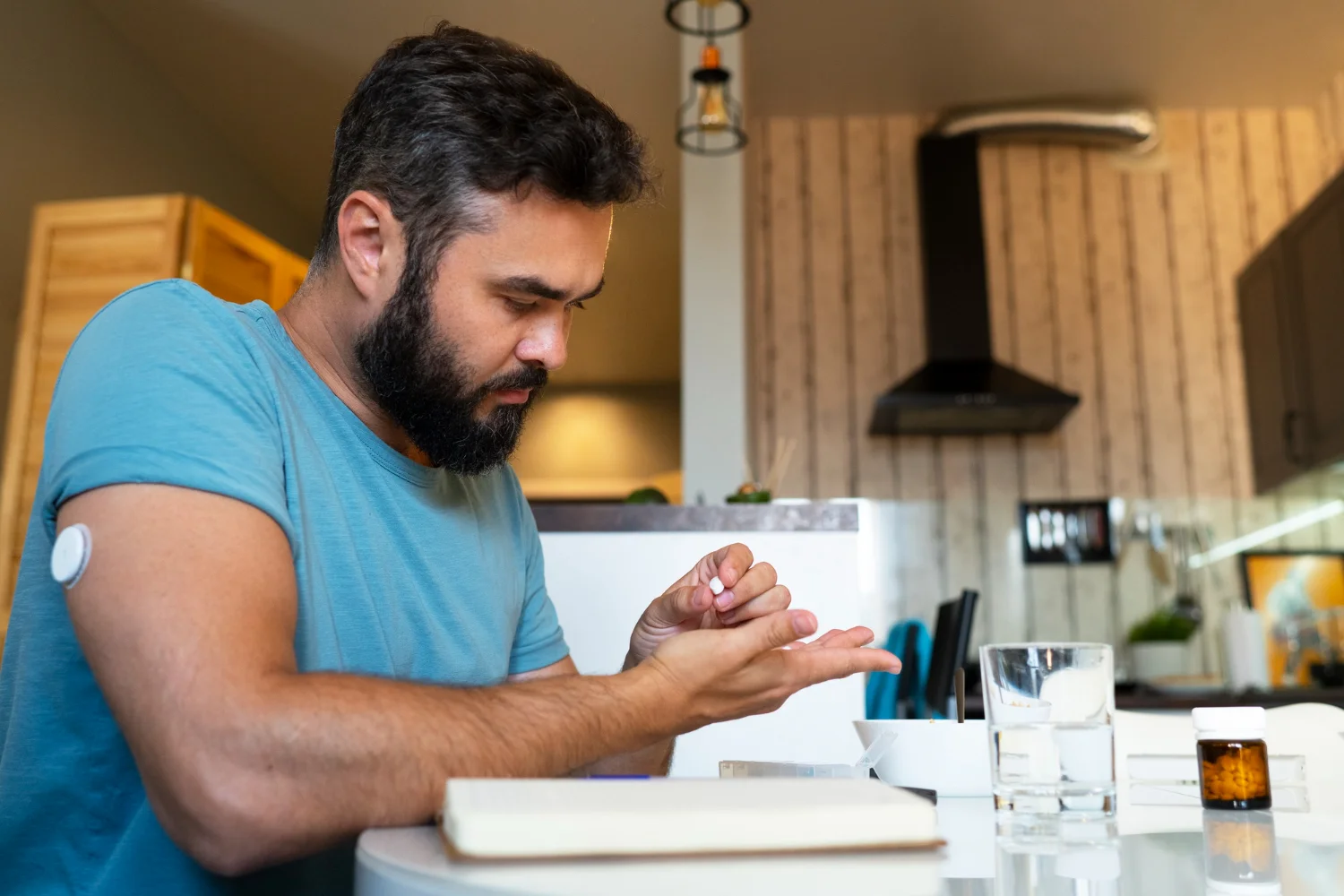
Experiencing a sudden drop in glucose is a terrifying event that leaves you shaking, confused, and desperate for quick relief. Knowing how to raise blood sugar fast is not just a helpful tip; it is a vital survival skill for anyone managing metabolic issues. As a physician, I have worked with countless patients in my clinic who struggle with severe glucose fluctuations. I understand the deep anxiety these unexpected crashes bring into your daily life.
I often see patients panic during a dangerous drop and consume the wrong foods, like fat-laden chocolates. These heavy treats actually slow down digestion, delaying vital sugar absorption and causing massive rebound spikes hours later. Instead, you need precise, fast-acting carbohydrate interventions to protect your brain and stabilize your body effectively without making the situation worse.
In this comprehensive medical guide, I will share the specific emergency protocols we use in clinical practice to reverse severe crashes. We will explore the absolute best fast-acting carbohydrates and detail proven methods to maintain steady energy levels. Let us dive into the science of rapid recovery so you can take control of your metabolic health today.
TL;DR
The absolute fastest way to raise blood sugar is to consume 15 to 20 grams of fast-acting, simple carbohydrates immediately. The best options include glucose tablets, a half-cup of sweet fruit juice, regular soda, raw honey, or hard candies.
Clinically, blood sugar below 70 mg/dL is considered low and may rapidly cause shakiness, intense headaches, heavy sweating, confusion, or severe dizziness. If symptoms do not improve within 15 minutes of treatment, or if the individual loses consciousness, severe hypoglycemia is occurring and requires immediate emergency medical attention.
What Is Low Blood Sugar (Hypoglycemia)?
In medical terms, hypoglycemia occurs when the concentration of glucose in your bloodstream drops below normal, healthy levels. Glucose is the primary source of energy for your entire body, and your brain is particularly dependent on a constant, uninterrupted supply. Understanding what causes low blood sugar is the first step toward managing it safely and effectively.
Clinically, we define a low glucose event as any blood sugar reading that falls below 70 mg/dL. When your numbers dip below this threshold, your body immediately initiates a chemical stress response. To fully understand where these thresholds fall, reviewing a comprehensive blood sugar chart can help you visualize normal ranges versus dangerous dips.
Many patients ask me what level of low blood sugar is dangerous, and the answer depends on the exact numbers. Here is a clinical breakdown of severity levels:
| Blood Sugar Level | Medical Meaning |
|---|---|
| Below 70 mg/dL | Low blood sugar (Requires fast carbs) |
| Below 54 mg/dL | Serious hypoglycemia (Urgent intervention needed) |
| Below 40 mg/dL | Medical emergency (High risk of brain starvation) |
When you reach the serious hypoglycemia stage, cognitive impairment begins to set in rapidly. Your brain struggles to send proper signals, which makes self-treatment incredibly difficult without a pre-planned strategy. This is why learning the causes of hypoglycemia ahead of time is so critically important for anyone at risk.
How to Raise Blood Sugar Fast
When a patient sits in my office and asks how to raise blood sugar fast, I immediately teach them a clinical protocol known as the “15-15 Rule.” This is the gold standard for treating mild to moderate drops safely and effectively, endorsed by the American Diabetes Association—Low Blood Sugar.
The rule is straightforward: consume exactly 15 grams of fast-acting carbohydrates, and then wait exactly 15 minutes. During this waiting period, your digestive system absorbs the simple sugars, sending them directly through your portal vein to your liver.
After 15 minutes, you must recheck your blood sugar with a reliable blood sugar monitor. If your levels are still below 70 mg/dL, you repeat the process by eating another 15 grams of fast-acting carbs.
You must strictly avoid overtreating the crash during this process. A common mistake I see is patients panic-eating the entire kitchen, which inevitably causes a massive, dangerous spike in glucose an hour later.
Patience during those 15 minutes is crucial to safely raise blood sugar immediately without triggering a roller-coaster effect. For more on what normal readings look like after treatment, see our guide on what is normal blood sugar.
Best Foods to Raise Blood Sugar Quickly
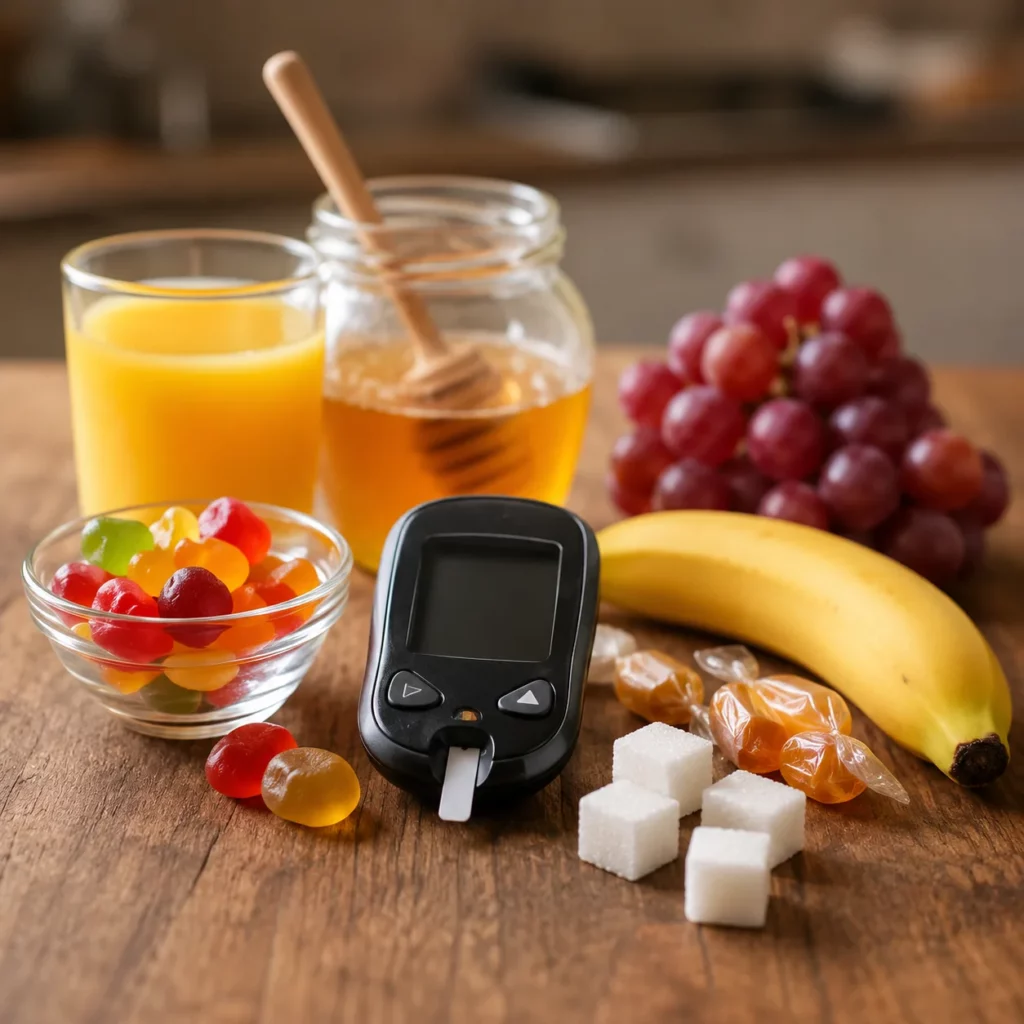
Choosing the correct foods to raise glucose quickly is the most important part of emergency treatment. You need simple sugars that require almost zero digestion, allowing them to enter your bloodstream instantly. According to the Mayo Clinic — Hypoglycemia Diagnosis and Treatment, liquid carbohydrates are almost always the fastest option.
Liquid carbohydrates are almost always the fastest way to raise blood sugar because they bypass the stomach’s mechanical breakdown process. What you choose to eat when blood sugar is low should be devoid of heavy fats and complex proteins during the initial rescue phase.
| Fast-Acting Food | Approximate Carbs |
|---|---|
| Glucose tablets | 15g (Usually 3-4 tablets) |
| Apple or grape juice | 15–20g (1/2 cup) |
| Regular (non-diet) soda | 15g (1/2 cup) |
| Raw honey | 1 tablespoon |
| Hard candy (like LifeSavers) | 15g total (Usually 5-6 pieces) |
If you are wondering what foods raise blood sugar immediately, always keep glucose tablets or gel in your pocket. They are pre-measured, medically precise, and act faster than almost any whole food alternative on the market. The NIDDK — Low Blood Glucose (Hypoglycemia)—recommends keeping these on hand at all times.
What to Eat When Sugar Is Low at Night
Experiencing a sudden crash while sleeping is a unique and terrifying challenge. Patients often ask me what to eat when sugar is low at night, because treating a 3:00 AM low requires a slightly different approach than a daytime crash. You can find a broader breakdown in our detailed resource on what low blood sugar feels like, which also covers nighttime symptoms.
First, you must use the standard 15-15 rule using juice or glucose tabs to get out of immediate danger. However, going straight back to sleep after consuming pure sugar is a recipe for another crash an hour later. The NCBI / NIH — Severe Hypoglycemia warns specifically about the risk of recurring nocturnal drops if stabilization steps are skipped.
Once your levels are safely above 70 mg/dL, you must follow up with a stabilizing bedtime snack. Combining high-quality protein and complex carbohydrates creates a slow, steady release of energy that will safely carry you through to morning. Excellent nighttime recovery options include:
- A few peanut butter crackers
- A half-cup of plain Greek yogurt
- A slice of whole-grain toast with cheese
- Half a banana with a handful of walnuts
If you manage diabetes and frequently experience nighttime crashes, our article on healthy snacks for diabetics offers additional safe options to keep near your bedside.
Home Remedies to Increase Sugar Levels
Many individuals prefer natural interventions and frequently ask how to increase sugar level through home remedies. While clinical glucose tabs are my top recommendation, several household pantry items work exceptionally well in a pinch.
A single tablespoon of raw honey placed under the tongue is rapidly absorbed through the oral mucosa. Small handfuls of raisins or a few pitted dates are also intensely concentrated sources of natural, fast-acting fructose. Drinking a half-cup of any standard fruit juice or a few sips of regular soda will also quickly reverse symptoms, as confirmed by the Mayo Clinic — Hypoglycemia Symptoms and Causes.
However, I must clarify that home remedies should never replace emergency medical care if a patient becomes unresponsive or begins having seizures. People who do not have diabetes but experience recurring drops should also read about high blood sugar in non-diabetics to understand the full spectrum of glucose dysregulation.
How to Raise Blood Sugar Fast for Diabetic Patients
For those managing complex metabolic conditions, knowing how to raise blood sugar fast is a daily necessity. The causes of crashes in this population are usually tied directly to their medical treatment plans. The World Health Organization — Diabetes recognizes hypoglycemia as one of the most serious and common complications of diabetes management.
If you are wondering how to increase sugar level for a diabetic patient safely, you must first understand why they crashed. Taking too much rapid-acting insulin, skipping a planned meal, or engaging in heavy exercise without eating enough carbs are the most common culprits. Understanding your blood sugar levels throughout the day is essential to preventing these dangerous dips before they happen.
I constantly remind my diabetic patients of the immense importance of continuous glucose monitoring. A continuous glucose monitor (CGM) provides early warning alarms, allowing you to treat a falling number before it becomes a full-blown medical emergency.
Furthermore, you must always carry emergency snacks and wear a highly visible medical ID bracelet. If you lose consciousness in public, first responders need to know immediately that your confusion is due to low glucose, not intoxication or a stroke. Familiarizing yourself with the full range of low blood sugar symptoms helps you and those around you recognize emergencies faster.
Symptoms That Blood Sugar Is Too Low
Recognizing the early warning signs of a drop allows you to intervene before your brain function becomes severely impaired. Your body acts like an internal alarm system, releasing massive amounts of adrenaline when it senses starvation. The Cleveland Clinic — Hypoglycemia (Low Blood Sugar) details how this adrenaline surge is responsible for the characteristic shaking and sweating most patients experience.
Common early physical symptoms include sudden, heavy sweating, violent shaking in the hands, and intense, unexplainable hunger. You may also develop a pounding headache, intense dizziness, blurred vision, and a sudden wave of acute anxiety.
If the condition progresses without treatment, the symptoms shift from physical to severe neurological distress. Severe symptoms include an inability to speak clearly, profound mental confusion, violent physical seizures, and eventually, a total loss of consciousness. For a complete breakdown of how low blood sugar manifests in the body, our guide on what low blood sugar feels like covers every stage in detail.
What Causes Low Blood Sugar Without Diabetes?
It is a widespread misconception that only diabetics experience dangerous glucose drops. In my clinic, we frequently investigate what causes low blood sugar without diabetes, and the answers are highly varied. The Mayo Clinic’s “Reactive Hypoglycemia” explains that non-diabetic hypoglycemia is a very real medical phenomenon.
It can be triggered by extreme, prolonged fasting, intense endurance exercise without proper fueling, or heavy alcohol use that blocks liver function. Some patients suffer from reactive hypoglycemia, where their pancreas over-produces insulin a few hours after eating a heavy, carbohydrate-rich meal. Additionally, hidden hormonal disorders, severe liver disease, and certain antibiotic medications can spontaneously trigger dangerous drops in perfectly healthy individuals.
What Level of Low Blood Sugar Is Dangerous?
Understanding exactly what level of low blood sugar is dangerous dictates how aggressively you must treat the episode. While anything below 70 mg/dL is clinically low, the real physical danger increases significantly as numbers drop lower. Reviewing standard blood sugar levels helps put these thresholds in clear perspective.
When your blood sugar falls below 54 mg/dL, you have crossed into serious, life-threatening territory. At this depth, your central nervous system simply does not have the fuel required to maintain basic life support functions.
Severe hypoglycemia can rapidly cause dangerous seizures, trigger catastrophic falls or driving accidents, and become fatal if left untreated. If a patient cannot swallow safely at these levels, they require an emergency injection of glucagon or an immediate call to 911. The NCBI / NIH Severe Hypoglycemia provides detailed clinical guidance on emergency protocols at this stage.
Fastest Way to Lower Blood Sugar

While we are focused on raising low levels, patients occasionally confuse the treatments and ask about the fastest way to lower blood sugar. It is critical to understand that extreme highs and extreme lows require entirely opposite medical interventions. For a full clinical overview, our article on how to lower blood sugar fast walks through every evidence-based strategy available.
To lower dangerously high blood sugar, the primary immediate treatments are aggressive water hydration and proper medication adherence (like prescribed insulin). Light physical activity can also help muscles burn off excess glucose, but only if ketones are not present in the urine.
You should also be aware of high blood sugar symptoms, as recognizing a high is just as important as recognizing a low. Managing high sugar requires careful medical supervision, as noted by the Cleveland Clinic—Hyperglycemia (High Blood Sugar), whereas treating low sugar requires immediate, fast-acting carbohydrates.
Foods to Avoid During Low Blood Sugar Emergencies
When you feel weak and hungry during a crash, it is tempting to grab whatever junk food is closest. However, knowing which foods to avoid is just as important as knowing what to eat. The National Institutes of Health—Psychosocial and Behavioral Health Among Youth and Adults With Diabetes emphasizes that incorrect food choices during a crash can delay recovery by 30 minutes or more.
You must strictly avoid high-fat foods during the initial rescue phase. Fat profoundly slows down gastric emptying, meaning the sugar is trapped in your stomach instead of entering your bloodstream where your brain needs it.
During an active emergency, absolutely avoid chocolate bars, bowls of ice cream, cookies, or heavy baked desserts. While they contain sugar, the high fat and fiber content will delay your recovery by 30 to 45 minutes, leaving you in the danger zone far too long.
How to Prevent Future Low Blood Sugar Episodes
The absolute best treatment for a dangerous glucose crash is ensuring it never happens in the first place. You must implement daily prevention strategies to keep your metabolism steady and predictable, which is a core principle covered in depth by the American Diabetes Association—Preventing Low Blood Sugar.
Eating regular, well-spaced meals throughout the day prevents your liver’s emergency stores from becoming entirely depleted. You should also incorporate balanced snacks containing healthy proteins and complex fibers between meals to prevent sudden, dramatic dips. Choosing the right foods consistently — as outlined in our guide on what to eat when blood sugar is low — applies as much to everyday meal planning as it does to emergency treatment.
If you frequently experience unexplained drops, we must schedule a thorough medication review. Sometimes, a simple adjustment to your basal insulin timing or a change in your blood pressure medication completely resolves the issue. Finally, smart exercise planning — such as eating a small apple before a heavy workout — keeps your muscles fueled safely.
Frequently Asked Questions
What raises blood sugar immediately?
The absolute fastest options are medically formulated glucose tablets or liquid glucose gels. If those are unavailable, drink a half-cup of fruit juice or regular, non-diet soda. Raw honey and hard candies also work incredibly fast. Because these simple sugars require almost zero digestion, they enter your bloodstream right away to provide instant physical relief.
What should I eat when blood sugar is low?
You must always follow a simple two-step process. First, consume 15 grams of pure, fast-acting carbs to fix the immediate energy crisis. Once your numbers safely rise above 70 mg/dL, follow up with a small, balanced snack. Eating protein and complex carbs — like peanut butter on whole wheat crackers — stabilizes your glucose levels for hours.
What blood sugar level is dangerous?
Any glucose reading below 70 mg/dL requires your immediate attention and quick dietary treatment. However, blood sugar dropping below 54 mg/dL is clinically considered serious hypoglycemia. This dangerously low level places you at a very high risk for severe neurological impairment, sudden seizures, and loss of consciousness. Always seek emergency medical help if numbers keep dropping.
Can non-diabetics get low blood sugar?
Yes, absolutely. Non-diabetic individuals can experience sudden hypoglycemia for several different reasons. Severe dietary fasting, undiscovered hormonal conditions, heavy alcohol consumption, or intense physical exhaustion can trigger crashes. Furthermore, reactive responses to heavy, carbohydrate-rich meals sometimes cause rapid drops. You should always seek a proper medical evaluation to find the exact root cause of your symptoms.
How long does it take to recover from low blood sugar?
If you treat the crash correctly with simple, fast-acting carbohydrates, your immediate physical symptoms should begin to improve within 15 to 20 minutes. However, your body went through a significant metabolic event. The mental fog, shakiness, and deep physical exhaustion can easily linger for several hours, so you must rest and recover fully.
Conclusion
Managing blood sugar safely requires vigilance, education, and the right dietary tools. Throughout my medical career, I have seen patients completely transform their anxiety into confidence by simply mastering emergency preparedness. When you understand exactly how to handle a sudden crash, you remove the fear from the equation.
Always remember that immediate action is your best defense against severe complications. Keep fast-acting carbohydrates readily accessible in your car, your desk, and your nightstand at all times. By responding swiftly to early warning signs, you protect your brain and stabilize your metabolism efficiently.
However, emergency treatments should not be your only strategy for long-term health. If you are experiencing recurrent drops, it is absolutely essential to seek professional clinical guidance. We need to evaluate your medications, your daily nutritional habits, and your overall endocrine health to find the root cause.
You do not have to live at the mercy of unpredictable energy crashes or terrifying nighttime symptoms. Partner closely with your healthcare provider to build a resilient, preventative routine. With consistent monitoring, balanced nutrition, and a solid emergency plan in place, you can regain complete control over your health and enjoy a safe, stable life.
Evidence-Based References
- Centers for Disease Control and Prevention – Low Blood Sugar (Hypoglycemia): https://www.cdc.gov/diabetes/about/low-blood-sugar-hypoglycemia.html
- Centers for Disease Control and Prevention – Treatment of Low Blood Sugar (Hypoglycemia): https://www.cdc.gov/diabetes/treatment/treatment-low-blood-sugar-hypoglycemia.html
- National Institute of Diabetes and Digestive and Kidney Diseases – Low Blood Glucose (Hypoglycemia): https://www.niddk.nih.gov/health-information/diabetes/overview/preventing-problems/low-blood-glucose-hypoglycemia
- Mayo Clinic – Diabetic Hypoglycemia – Diagnosis & Treatment: https://www.mayoclinic.org/diseases-conditions/diabetic-hypoglycemia/diagnosis-treatment/drc-20371529
- Mayo Clinic – Hypoglycemia – Symptoms and Causes: https://www.mayoclinic.org/diseases-conditions/hypoglycemia/symptoms-causes/syc-20373685
- Mayo Clinic – Diabetic Hypoglycemia – Symptoms & Causes: https://www.mayoclinic.org/diseases-conditions/diabetic-hypoglycemia/symptoms-causes/syc-20371525
- MedlinePlus – Hypoglycemia: https://medlineplus.gov/hypoglycemia.html
- MedlinePlus – Low Blood Sugar: MedlinePlus Medical Encyclopedia: https://medlineplus.gov/ency/article/000386.htm
- MedlinePlus – Low Blood Sugar – Self-Care: MedlinePlus Medical Encyclopedia: https://medlineplus.gov/ency/patientinstructions/000085.htm
- MedlinePlus – Diabetes and Exercise – Medical Encyclopedia: https://medlineplus.gov/ency/patientinstructions/000083.htm
- American Diabetes Association – Glucagon Emergency Kit: https://consumerguide.diabetes.org/products/glucagon/glucagon-emergency-kit
- American Diabetes Association – Gvoke PFS (Glucagon Injection): https://consumerguide.diabetes.org/products/glucagon/gvoke-pfs-glucagon-injection