
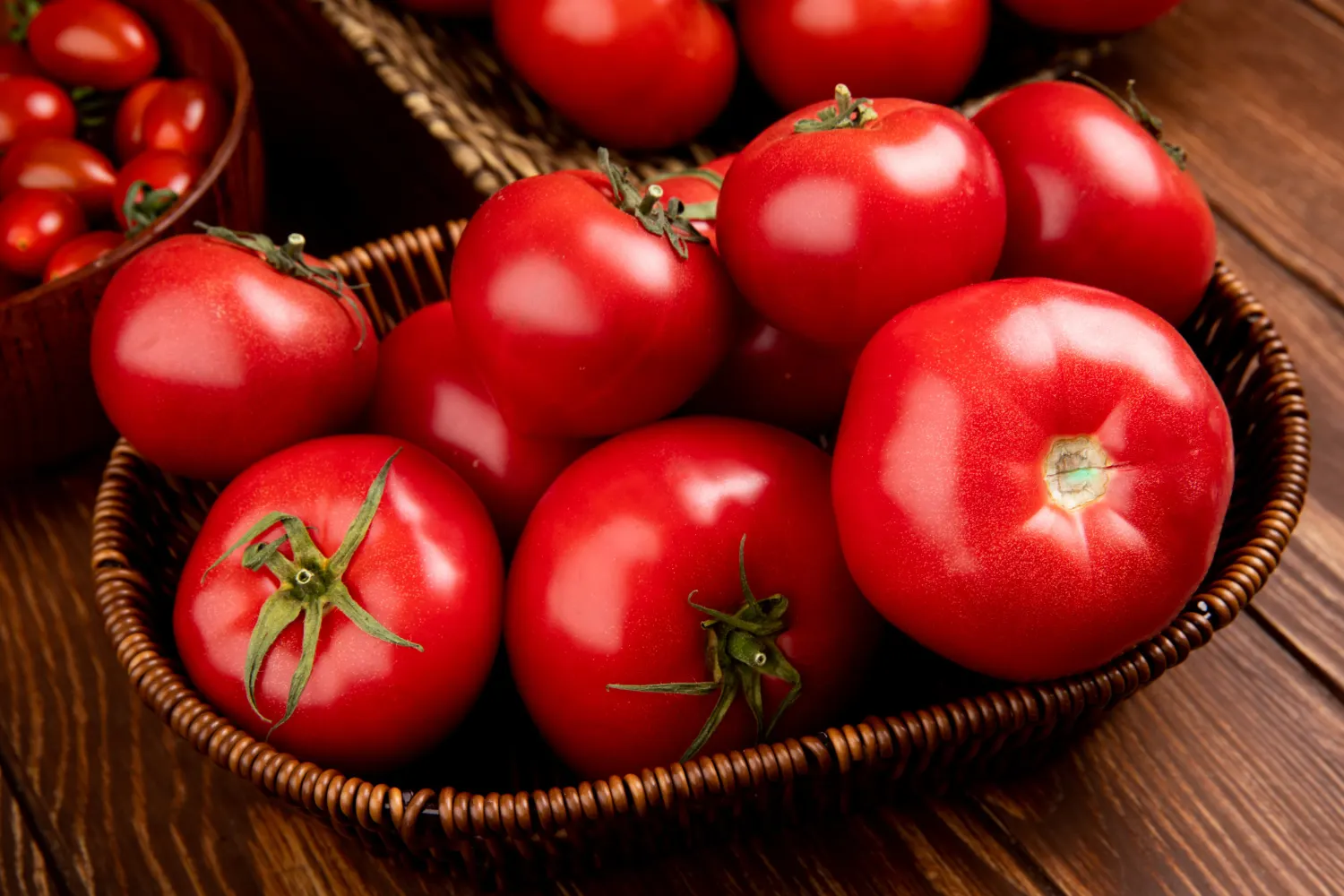
If you have recently been told to “watch your carbs,” you might be staring at your grocery cart, wondering if everyday foods are actually safe. Just last week, my patient Maria, newly diagnosed with type 2 diabetes, sat in my clinic with a food diary in hand.
She looked at me with genuine concern and asked, “Can diabetics eat tomatoes, or do they secretly spike my blood sugar?”
It is a fantastic question that millions of nutrition-conscious readers and caregivers ask every single day. Navigating a diabetic diet can feel incredibly overwhelming, especially when trying to figure out which fruits and vegetables are truly safe.
The Bottom Line (TL;DR)
Yes, diabetics can safely eat tomatoes. They are naturally low in carbohydrates, packed with vital nutrients, and are generally very safe for daily consumption. In fact, tomatoes may even support your overall blood sugar control and heart health, especially when eaten whole, fresh, and in moderation.
Are Tomatoes Safe for Diabetics?
When evaluating any food for a diabetic diet, we must look closely at its carbohydrate content and its glycemic index (GI). So, are tomatoes safe for diabetics to consume regularly? Absolutely. They are considered a non-starchy vegetable in culinary terms (though technically a fruit botanically).
A medium-sized whole tomato contains only about 5 grams of total carbohydrates. Of those 5 grams, nearly 1.5 grams are pure dietary fiber. This means the “net carbs” are exceptionally low, making them a fantastic dietary staple.
Many patients ask me, “Are tomatoes okay for diabetics who also struggle with weight management?” Yes, because they are incredibly low in calories. They provide a high volume of food and water, keeping you feeling full without tipping the scales or disrupting your daily carbohydrate limits.
Do Tomatoes Raise Blood Sugar?
This is the most critical question for anyone monitoring their glucose levels. When people ask, “Do tomatoes raise blood sugar?”, the direct answer depends entirely on how the tomato is prepared and consumed.
Fresh, whole tomatoes have a glycemic index (GI) of roughly 15 to 30. Any food with a GI under 55 is considered “low,” meaning it digests slowly. Therefore, a fresh tomato will raise blood sugar very slowly and minimally, avoiding the dangerous spikes associated with high-GI foods.
However, you must be extremely careful with processed tomato products. Crushing, cooking down, and concentrating tomatoes completely changes their nutritional profile. Here is a quick breakdown of how different forms affect your body:
| Tomato Form | Blood Sugar Impact | Clinical Notes |
| Raw, fresh tomatoes | Very Low | Slow digestion, high water content. |
| Cooked tomatoes (plain) | Low to Moderate | Slightly faster digestion, but still safe. |
| Tomato juice (unsweetened) | Moderate | Lacks fiber; can cause a mild, rapid glucose rise. |
| Tomato sauce / Ketchup | Higher | Often packed with hidden added sugars and minimal fiber. |
So, do tomatoes raise blood sugar? If you are eating them raw in a salad, the impact is negligible. But if you are eating commercial pasta sauce, you might see a significant spike.
Always read the labels on canned or jarred products, as hidden sugars are the true culprit when patients ask whether tomatoes affect blood sugar negatively.
Do Tomatoes Lower Blood Sugar?
Patients frequently hope that certain “superfoods” can actively reduce their glucose levels. While no single food acts like insulin, many wonder if tomatoes lower blood sugar naturally.
Tomatoes do not contain magical properties that immediately pull glucose out of your bloodstream. However, they play a massive indirect role in improving your body’s natural insulin sensitivity over time.
Tomatoes are incredibly rich in an antioxidant called lycopene. Chronic high blood sugar causes severe oxidative stress and inflammation throughout your body, which worsens insulin resistance. By reducing this systemic inflammation, the lycopene in tomatoes helps your cells respond much better to the insulin you naturally produce.
Nutritional Benefits of Tomatoes for Diabetes
As a physician, I heavily encourage my diabetic patients to focus on nutrient-dense foods, not just “low-carb” labels. Tomatoes are an absolute powerhouse when it comes to supporting your long-term health and preventing diabetes complications.
First, they are packed with Vitamin C. Diabetics often have higher requirements for Vitamin C, which is crucial for healing the microscopic cellular damage caused by fluctuating glucose levels. Just one medium tomato provides over a quarter of your daily recommended intake.
Secondly, tomatoes are an excellent source of dietary potassium. High blood pressure is incredibly common in type 2 diabetics, and potassium directly helps relax your blood vessel walls. This naturally lowers your blood pressure and heavily protects your cardiovascular system.
Finally, we must discuss cholesterol. Patients frequently ask, “Is tomato good for diabetes and cholesterol management?” Yes. The powerful combination of dietary fiber and lycopene actively prevents LDL (bad) cholesterol from oxidizing inside your arteries. This makes tomatoes a fantastic, heart-protective food.
Raw vs Cooked Tomatoes for Diabetes

Understanding how cooking alters your food is essential for mastering your diet. People often ask, is eating raw tomatoes good for diabetes compared to cooked versions?
Eating raw tomatoes, like those sliced in a fresh salad, provides the lowest possible glycemic load. The intact dietary fiber in raw skin and seeds significantly slows down digestion, ensuring your blood sugar remains perfectly stable.
Conversely, is eating cooked tomatoes good for diabetes? Yes, but for a different reason. Cooking tomatoes actually breaks down their tough cell walls, which dramatically increases the bioavailability of lycopene.
When you slowly roast or simmer fresh tomatoes, your body can absorb up to four times more of this crucial antioxidant. Therefore, a balanced diabetic diet should ideally include a mix of both raw and cooked whole tomatoes to maximize all potential health benefits.
Can Diabetics Eat Tomatoes with Other Foods?
In my clinical practice, I constantly remind patients that we rarely eat single foods in isolation. How you pair your food dramatically affects your blood sugar response. Combining carbohydrates with fiber, healthy fats, or lean proteins helps slow down digestion even further.
Here is a breakdown of common dietary pairings and how they impact your diabetes management plan.
Tomatoes and Cucumbers
Patients frequently ask me, “Can diabetics eat tomatoes and cucumbers together in a daily salad?” The answer is a resounding yes. This is arguably one of the absolute best low-carb vegetable combinations you can create.
Cucumbers are incredibly hydrating, almost entirely free of carbohydrates, and provide excellent crunch. Combining them creates a high-volume, filling side dish that will not disrupt your glucose levels. If you are wondering, can diabetics eat tomatoes and cucumbers? Without a strict limit, yes—you can enjoy large portions of this combination freely.
Tomatoes and Onions
Another common kitchen query is, can diabetics eat tomatoes and onions safely? Yes, but with a slight caveat. Onions provide fantastic flavor, antioxidants, and anti-inflammatory properties, making them heart-healthy.
However, onions do contain slightly more natural sugars and carbohydrates than tomatoes, especially when they are cooked and caramelized. You can absolutely enjoy this combination, but treat onions as a flavor enhancer rather than the main bulk of your meal.
Tomato Soup and Sauce
Comfort foods are tricky. Many newly diagnosed patients nervously ask, “Can diabetics eat tomato soup or can diabetics eat tomato sauce during family dinners?” The answer entirely depends on the label.
Store-bought tomato soups and jarred pasta sauces are notoriously packed with hidden cane sugar, high fructose corn syrup, and unhealthy sodium levels. I always advise my patients to make homemade versions using crushed tomatoes, garlic, and herbs. If you must buy canned, strictly choose brands explicitly labeled “no added sugar.”
How Many Tomatoes Can a Diabetic Eat Per Day?
Portion control remains the cornerstone of diabetes management, even with healthy foods. So, exactly how many tomatoes can a diabetic eat safely?
Generally, I advise my patients that consuming 1 to 2 medium-sized fresh tomatoes per day is a perfectly safe, healthy baseline. This portion provides an excellent dose of lycopene and Vitamin C while keeping the net carbohydrate count under 10 grams.
However, if you are wondering how many tomatoes a diabetic can eat in a day without any consequences, you must test your own body. Everyone’s carbohydrate tolerance is unique. I recommend checking your blood glucose with a monitor two hours after eating a tomato-heavy meal to see your personalized response.
Are Cherry Tomatoes Safe for Diabetes?
Cherry and grape tomatoes make fantastic, portable snacks. Because they taste slightly sweeter than large slicing tomatoes, patients often ask, do cherry tomatoes raise blood sugar levels more aggressively?
No, they do not cause significant spikes. A full cup of cherry tomatoes contains only about 6 grams of carbohydrates and plenty of fiber. They are perfectly safe for diabetes.
However, because they are so small and easy to snack on, portion control is vital. It is easy to mindlessly eat an entire pint while watching television, which will add up in carbohydrates.
5 Best Vegetables for Diabetics (Including Tomatoes)
To build a robust, diabetes-friendly diet, you need variety. Patients constantly ask for my top recommendations. Here are the 5 best vegetables for diabetics that I encourage everyone to keep stocked in their kitchen:
- Leafy Greens (Spinach, Kale): Practically zero carbs, high in magnesium, and packed with Vitamin C, which heavily supports vascular health.
- Broccoli: Contains a powerful compound called sulforaphane, which has been shown in clinical studies to help reduce blood sugar levels and improve insulin resistance.
- Tomatoes: As discussed, they provide essential lycopene to reduce systemic inflammation and support heart health.
- Bell Peppers: Incredibly sweet and satisfying without the sugar spike. They provide massive amounts of Vitamin C and excellent dietary fiber.
- Zucchini: Extremely low in calories and carbs. Zucchini noodles (“zoodles”) are my favorite substitute for heavy, high-glycemic pasta dishes.
What Foods Can Diabetics Eat Freely for Dinner?

Dinner is often the hardest meal to navigate, as insulin sensitivity naturally decreases in the evening. Patients frequently ask, “What foods can diabetics eat freely for dinner to avoid waking up with high fasting glucose?”
You can eat non-starchy vegetables with absolute freedom. Fill half your plate with leafy greens, roasted broccoli, asparagus, or fresh tomatoes. These foods provide volume and satiety without the carbohydrate load.
You can also eat lean proteins quite freely. Grilled chicken breast, baked salmon, or tofu will stabilize your blood sugar overnight and prevent late-night hunger cravings. Always avoid heavy starches like white rice or potatoes right before going to bed.
What Are the 5 Superfoods for Diabetics?
“Superfood” is a popular buzzword, but certain foods genuinely punch above their weight nutritionally. If you want to know what the 5 super foods for diabetics are, these are my clinical top picks:
- Tomatoes: For their unmatched lycopene content and cardiovascular protection.
- Berries (Blueberries, Strawberries): High in antioxidants and fiber, making them the safest fruit choice for satisfying a sweet tooth.
- Walnuts and Almonds: Provide healthy fats that slow digestion and keep your glucose incredibly stable.
- Wild-Caught Salmon: Rich in Omega-3 fatty acids, which directly combat the inflammation associated with insulin resistance.
- Chia Seeds: An absolute fiber powerhouse. They absorb water in your gut, creating a gel that drastically slows down carbohydrate absorption.
What Fruits Should Diabetics Limit or Avoid?
While tomatoes (botanically, fruits) are safe, not all fruits are created equal. Patients frequently ask me, what two fruits should a diabetic avoid or strictly limit to maintain control?
First, you must avoid canned fruits soaked in heavy syrup. These are essentially sugar bombs that will cause an immediate, dangerous spike in your glucose levels. Always choose fresh or frozen fruit instead.
Second, you must be extremely careful with dried fruits, such as raisins or dried cranberries. The dehydration process concentrates all the natural sugars into a tiny, dense package. A small handful of raisins contains the same carbohydrates as a massive bowl of fresh grapes, making portion control incredibly difficult.
Meal Ideas Using Tomatoes for Diabetics
Theory is great, but practical application is what changes lives. Here are a few simple, doctor-approved meal ideas to safely incorporate tomatoes into your weekly routine:
- Tomato Cucumber Salad: Dice two medium tomatoes, one large cucumber, and a quarter of a red onion. Toss with olive oil, a splash of apple cider vinegar, salt, and oregano for a zero-spike lunch side.
- Grilled Chicken with Fresh Tomato Salsa: Top a lean, grilled chicken breast with a homemade salsa made from diced tomatoes, jalapeños, cilantro, and lime juice.
- Low-Sugar Roasted Tomato Soup: Roast fresh whole tomatoes and garlic in the oven until blistered. Blend with low-sodium vegetable broth and a splash of heavy cream or unsweetened almond milk for a comforting, safe dinner.
Frequently Asked Questions (FAQs)
Can diabetics eat tomatoes?
Yes, absolutely. Tomatoes are low in carbohydrates, high in fiber, and perfectly safe for a diabetic diet when consumed in moderation.
Do tomatoes raise blood sugar levels?
When eaten fresh and raw, tomatoes have a minimal impact on blood sugar. However, processed commercial tomato sauces and juices can cause spikes due to added sugars and removed fiber.
Can diabetics eat tomato sauce?
Yes, but you must read the labels carefully. Choose sauces with no added sugar, or better yet, make your own at home using crushed, whole tomatoes and fresh herbs.
Is it better for diabetics to eat raw or cooked tomatoes?
Both are excellent choices. Raw tomatoes provide the lowest glycemic impact and high Vitamin C, while cooking tomatoes breaks down their cell walls, allowing your body to absorb significantly more of the heart-protective antioxidant lycopene.
How many tomatoes can a diabetic eat daily?
Most patients can safely enjoy 1 to 2 medium-sized fresh tomatoes daily without negatively impacting their blood glucose targets.
Conclusion
In my years of helping patients manage their diabetes, I have found that restriction often leads to frustration. The good news is that tomatoes do not need to be restricted. They are a nutrient-dense, highly versatile, and completely diabetes-friendly food.
Type 2 diabetics, prediabetes patients, and anyone focused on long-term heart health should confidently include fresh tomatoes in their meal plans. The only individuals who need to limit them are those with severe acid reflux or those consuming highly processed, sugar-laden tomato products.
If you are unsure how your body reacts, incorporate tomatoes into balanced meals containing protein and healthy fats, and simply monitor your blood sugar response. Taking charge of your diet is the most powerful step you can take toward a healthier future.
Medical References:
- American Diabetes Association (ADA) – Non-Starchy Vegetables (Including Tomatoes)
- National Library of Medicine (PubMed) – Lycopene and Type 2 Diabetes (Domain Link for Peer-Reviewed Studies)
- Mayo Clinic – Diabetes Diet: Create Your Healthy-Eating Plan
- U.S. Department of Agriculture (USDA) FoodData Central – Nutritional Profile Database