
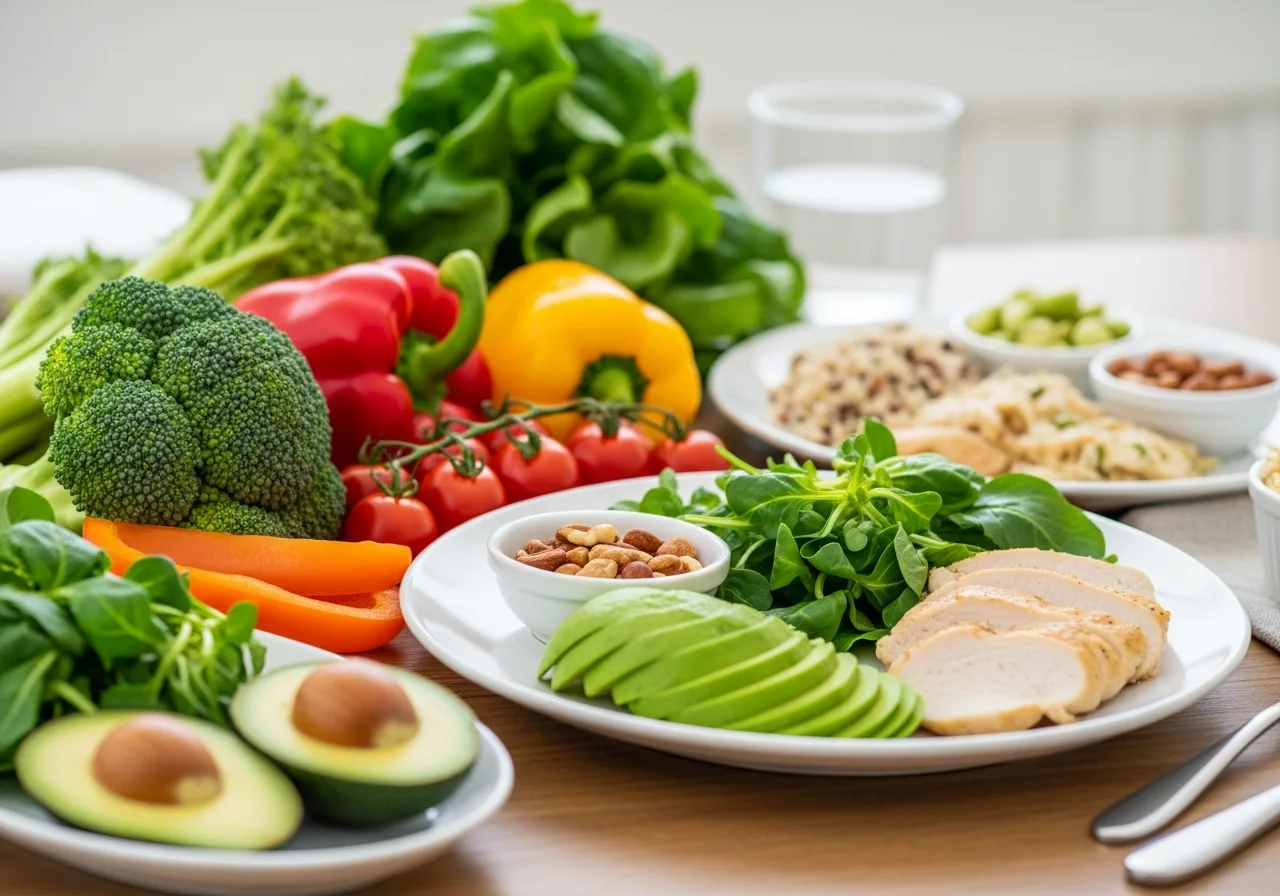
Hello, I’m Dr. David T. Broome, MD. In my clinical practice, many patients come to me feeling overwhelmed after a prediabetes diagnosis and asking what changes they need to make immediately. One of the first strategies I recommend is following a structured pre diabetic diet to help stabilize blood sugar and improve insulin sensitivity.
Recently, a patient named Sarah came to my office in tears after her fasting blood sugar reached 115 mg/dL. She feared type 2 diabetes was inevitable, but I reassured her that early action can make a major difference.
Prediabetes is your body’s warning sign that blood sugar levels are rising above normal but haven’t yet reached the diabetes range. The encouraging news is that this condition is often reversible with consistent lifestyle changes.
By making smart, evidence-based adjustments to your diet, you can improve metabolic health and lower your risk of developing type 2 diabetes.
In this guide, I’ll explain exactly how to eat to support healthier blood sugar levels and long-term wellness.
TL;DR
- A pre diabetic diet focuses on balanced carbs, high fiber, lean protein, and healthy fats.
- You must actively avoid refined sugars, sugary beverages, and ultra-processed foods.
- Aim for approximately 45–60g of complex carbohydrates per meal, depending on your individual needs.
- Targeted weight loss and consistent dietary changes can drastically reduce the progression to type 2 diabetes.
What Is a Pre Diabetic Diet?
A pre diabetic diet is a structured, intentional eating pattern specifically designed to control blood sugar levels and prevent the progression to type 2 diabetes. It is not a temporary crash diet or a severe restriction plan.
Instead, it is a lifelong metabolic strategy. It focuses on regulating the speed at which glucose (sugar) enters your bloodstream. By choosing the right foods, you prevent massive blood sugar spikes and give your pancreas a much-needed break from overproducing insulin.
What Does a Pre Diabetic Diet Look Like?
When transitioning your eating habits, you need to focus on four core nutritional pillars. A successful plate is always balanced, colorful, and nutrient-dense.
High-Fiber Carbohydrates
Fiber is the ultimate blood sugar stabilizer. It slows down digestion, ensuring that sugar trickles into your bloodstream rather than flooding it. You should aim for at least 30 grams of fiber per day from sources like vegetables, legumes, and whole intact grains.
Lean Protein
Protein does not significantly impact blood sugar, but it does promote intense satiety (fullness). Having protein at every meal prevents the hunger pangs that lead to sugary snacking. Excellent sources include skinless poultry, fish, tofu, and legumes.
Healthy Fats
Fats slow gastric emptying, further stabilizing your blood glucose curve. Monounsaturated and polyunsaturated fats—found in olive oil, avocados, and nuts—also help reduce the cellular inflammation that drives insulin resistance.
Low Added Sugar
This is the most critical component. Added sugars provide zero nutritional value and immediately spike your glucose. A proper diet minimizes hidden sugars found in sauces, dressings, and packaged goods.
Why Diet Matters in Prediabetes
Diet is the primary lever you can pull to change your metabolic destiny. When you consume too many refined carbohydrates, your cells become numb to insulin—a hormone meant to unlock the cell doors to let glucose in.
A proper diet improves insulin sensitivity, meaning your cells start responding to insulin correctly again. This naturally helps lower your A1C (a three-month average of your blood sugar). Furthermore, these dietary shifts naturally support weight loss, and losing just 5% to 7% of your body weight can cut your risk of developing diabetes in half.
Best Pre Diabetic Diet (Evidence-Based)
There is no single “perfect” diet, but clinical research consistently points to a few specific eating patterns that excel at blood sugar management.
The Mediterranean Diet
Consistently ranked as the best diet for overall health, it focuses heavily on olive oil, fatty fish, leafy greens, and nuts. Its high omega-3 and low saturated fat content make it incredible for reducing insulin resistance.
The DASH Diet
Originally designed to stop hypertension, the DASH diet is extremely effective for prediabetes. It emphasizes portion control, massive vegetable intake, and the strict reduction of sodium and sugary sweets.
Moderate Low-Carb Diet
For many of my patients, reducing total carbohydrate intake yields the fastest blood sugar results. A moderate low-carb approach limits carbs to about 100–130 grams per day, forcing the body to rely more on fat for fuel.
Pre Diabetic Diet Food List
Building a safe and effective grocery list is the first step toward reversing your condition. I tell my patients to shop the perimeter of the grocery store, where the fresh, whole foods live. Here is a detailed breakdown of what you need to focus on to heal your metabolism.
Eat More: Non-Starchy Vegetables
These should make up half of your plate at lunch and dinner. They are incredibly low in calories and carbohydrates but packed with fiber and micronutrients. Stock up on spinach, kale, broccoli, cauliflower, zucchini, asparagus, and bell peppers. These foods provide bulk to your meals, keeping you full without elevating your blood sugar.
Eat More: Whole Grains
Notice the word “whole.” You must ditch refined grains. Your body digests whole grains slowly. Choose steel-cut oats, quinoa, brown rice, barley, and farro. When buying bread, look for 100% sprouted grain bread, as the sprouting process lowers the glycemic impact of the wheat.
Eat More: Lean Proteins and Healthy Fats
Prioritize wild-caught salmon, sardines, and mackerel, which are rich in anti-inflammatory omega-3s. Chicken breast, turkey, and eggs are excellent daily staples. For fats, keep a supply of extra virgin olive oil, chia seeds, flaxseeds, almonds, and walnuts. Half an avocado a day is also a fantastic way to boost your healthy fat intake.
Limit: Sugary Foods and Refined Carbs
You must aggressively limit foods that offer no nutritional resistance to digestion. This includes baked goods, candy, milk chocolate, pastries, and ice cream. Additionally, refined carbohydrates like white rice, traditional pasta, and most breakfast cereals act exactly like sugar in your bloodstream and should be heavily restricted.
Limit: Ultra-Processed Foods
Packaged snacks, frozen dinners, and processed deli meats are often loaded with hidden sugars, unhealthy trans fats, and excessive sodium. Always read the nutrition label; if sugar or high-fructose corn syrup is in the first three ingredients, put it back on the shelf.
Foods to Avoid
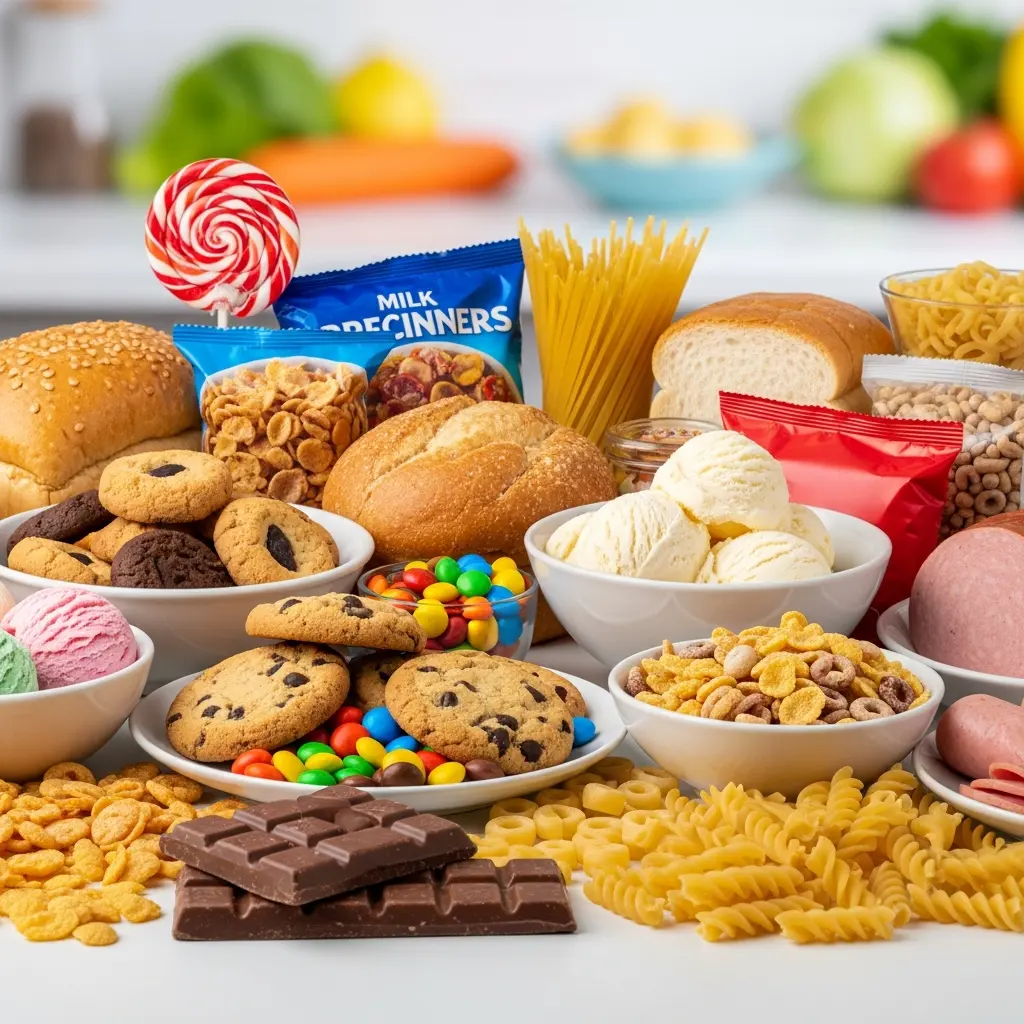
Certain foods are uniquely harmful to a compromised metabolism. Sugary drinks are the worst offenders. Soda, sweetened iced tea, commercial fruit juices, and fancy coffee shop drinks deliver massive amounts of liquid sugar directly to your liver, bypassing normal digestion.
White bread and conventional baked goods are stripped of their bran and germ, leaving only pure starch. Processed snacks like potato chips, pretzels, and crackers cause rapid glucose spikes followed by severe crashes, leaving you exhausted and hungry.
What Can I Eat on a Pre Diabetic Diet?
When patients hear what they have to avoid, they often panic. However, there is an abundance of delicious food available to you.
You can eat massive bowls of leafy greens topped with grilled fish and a vinaigrette dressing. Even snack on a handful of mixed nuts or a small portion of fresh berries. You can also enjoy hearty lentil soups, roasted chicken with Brussels sprouts, and Greek yogurt parfaits. The goal is real, whole food.
Pre Diabetic Diet Chart
To make this practical, here is a simple reference chart to help you visualize balanced meals throughout the day.
| Meal | Example | Nutritional Benefit |
| Breakfast | Oatmeal + berries + walnuts | High fiber, slow-release energy |
| Lunch | Chicken salad + olive oil dressing | High protein, healthy fats |
| Dinner | Baked salmon + roasted broccoli | Omega-3s, low glycemic impact |
| Snack | Handful of almonds or celery with hummus | Satiety, zero sugar spike |
Pre Diabetic Diet Meal Plan
Transitioning to a new way of eating is much easier when you remove the daily guesswork. A structured pre diabetic diet meal plan acts as your blueprint for metabolic success.
The goal of this plan is consistency. By spacing your meals evenly and ensuring a balance of macronutrients, you train your body to process glucose efficiently.
7-Day Meal Plan for Prediabetes
Here is a practical, balanced 7-day meal plan for prediabetes that you can easily rotate. It focuses on accessible ingredients and simple preparation.
- Day 1: Scrambled eggs with spinach; turkey wrap on a low-carb tortilla; baked salmon with roasted asparagus.
- Day 2: Greek yogurt with chia seeds; large mixed green salad with grilled chicken; beef stir-fry with broccoli and cauliflower rice.
- Day 3: Oatmeal (unsweetened) with walnuts; lentil soup with a side salad; grilled turkey burgers (no bun) with sweet potato wedges.
- Day 4: Cottage cheese with blueberries; tuna salad over cucumber slices; baked chicken thighs with roasted Brussels sprouts.
- Day 5: Spinach and mushroom omelet; leftover chicken and Brussels sprouts; shrimp kebabs with bell peppers and zucchini.
- Day 6: Smoothie (spinach, protein powder, almond milk); quinoa salad with chickpeas; pork tenderloin with green beans.
- Day 7: Two hard-boiled eggs and half an avocado; grilled chicken Caesar salad (light dressing); baked cod with sautéed kale.
Pre Diabetic Diet Menu
If you prefer to build your own pre diabetic diet menu, follow a simple formula. For breakfast, prioritize protein to set your morning blood sugar trajectory.
In the lunch, rely heavily on fibrous greens and lean meats to avoid the afternoon energy crash. For dinner, focus on healthy fats and a moderate portion of complex carbohydrates to sustain you through the night.
Pre Diabetic Diet Recipes
You do not need to be a gourmet chef to create effective pre diabetic diet recipes. The best meals are often the simplest.
Try a quick high-fiber recipe: toss one cup of zucchini noodles with grilled shrimp, cherry tomatoes, and two tablespoons of pesto. This takes ten minutes to make and has almost zero impact on your blood sugar.
For a simple low-carb meal, bake a sheet pan of sliced bell peppers, onions, and chicken sausage tossed in olive oil. It is incredibly flavorful, filling, and provides leftovers for the next day.
Prediabetes Diet Breakfast Ideas
Breakfast sets the metabolic tone for your entire day. Traditional American breakfasts like cereal and bagels are the worst things you can eat for insulin resistance.
Instead, focus on a high-protein prediabetes diet breakfast. Two eggs scrambled with leftover dinner vegetables provide essential amino acids and fiber without spiking glucose.
Alternatively, a bowl of plain Greek yogurt topped with a handful of raspberries and sliced almonds offers excellent probiotics, protein, and healthy fats.
Diet for Prediabetes Female
Women often face unique metabolic challenges, particularly those dealing with conditions like Polycystic Ovary Syndrome (PCOS) or entering menopause. A diet for prediabetic female patients must account for these hormonal shifts.
Estrogen fluctuations can naturally increase insulin resistance. Therefore, focusing on hormonal balance through adequate healthy fats (like avocados and flaxseeds) is crucial.
Calorie control is also important, as hormonal changes can slow the basal metabolic rate. Prioritize nutrient density over sheer volume to encourage steady weight loss.
Pre Diabetic Diet for Picky Eaters
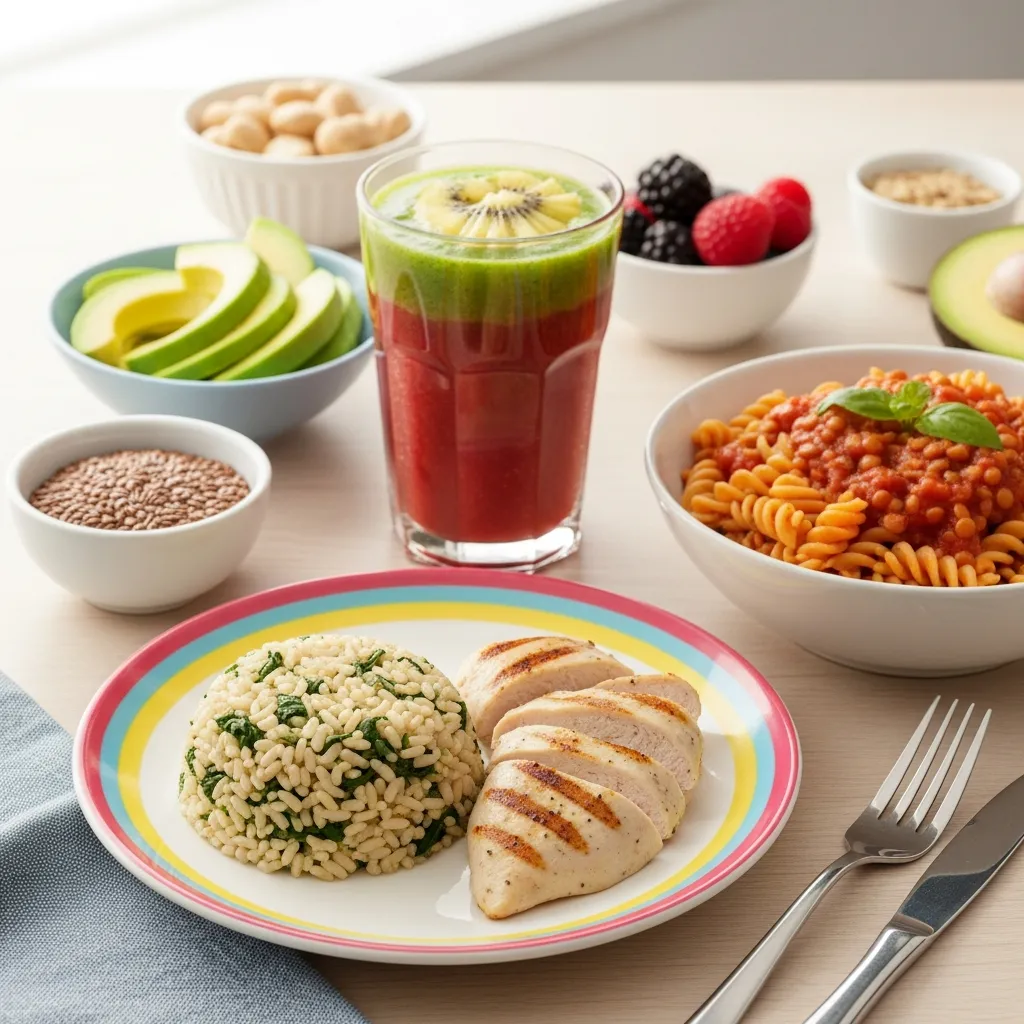
Many of my patients admit they simply do not like vegetables. A pre diabetic diet for picky eaters requires gradual changes and smart substitutions.
Start with simple swaps: exchange white rice for brown rice or quinoa. Swap traditional pasta for lentil or chickpea pasta, which contains significantly more protein and fiber.
You can also blend mild-tasting vegetables like spinach or riced cauliflower into fruit smoothies or pasta sauces where they are virtually undetectable.
How Many Carbs on a Pre Diabetic Diet?
This is the most common question I get in the clinic. Exactly how many carbs on a pre diabetic diet should you eat? There is no one-size-fits-all answer, as it depends on your activity level and weight.
However, a standard clinical guideline aims for 100 to 150 grams of carbohydrates per day. This usually breaks down to roughly 30 to 45 grams per meal, with minor allowances for snacks.
More important than the sheer number is the quality of the carbs. Fifty grams of carbohydrates from broccoli and lentils will heal your body, whereas fifty grams from a soda will actively harm it.
How to Change Diet if Pre Diabetic
Overhauling your lifestyle overnight usually leads to burnout. If you are wondering how to change your diet if pre diabetic, the answer is a step-by-step approach.
First, tackle your beverages. Eliminate all liquid sugar, replacing sodas and juices with water, unsweetened tea, or sparkling water. This alone can drastically lower your A1C.
Next, focus on increasing fiber. Try adding one serving of vegetables to your dinner every night. Finally, begin controlling your portion sizes, particularly with starchy sides like potatoes and rice.
Can You Reverse Prediabetes?
Yes. I have seen it happen hundreds of times in my practice. Prediabetes is a highly reversible condition, and lifestyle changes are the absolute key.
Weight loss dramatically improves metabolic outcomes. By shedding visceral fat (the fat around your organs), you relieve the pressure on your liver and pancreas. With consistent dietary discipline and daily movement, you can absolutely return your blood sugar to a normal, healthy range.
Pre Diabetic Diet Options
Eating healthy does not have to be expensive. There are plenty of pre diabetic diet strategies and budget-friendly foods available.
Dried beans, lentils, brown rice, and frozen vegetables are incredibly cheap, highly nutritious, and have a long shelf life. Meal prepping large batches of soup or chili at the beginning of the week is a cost-effective way to guarantee healthy meals.
Pre Diabetes Diet Sheet (NHS Style)
The UK’s National Health Service (NHS) uses an excellent, simplified approach to portion guidance known as the “Eatwell Guide,” which functions perfectly as a pre diabetes diet sheet.
It visually divides your plate: half should be non-starchy vegetables, one-quarter should be lean protein, and the final quarter is reserved for complex carbohydrates. This simple visual cue ensures balanced meals without needing a food scale.
Symptoms & Warning Signs
Prediabetes is notoriously silent. The most dangerous aspect of the condition is that there are often no symptoms at all until it progresses to full-blown type 2 diabetes.
However, some subtle warning signs include increased thirst, frequent urination, and unexplained fatigue, especially after eating a heavy meal. If you notice dark, velvety patches of skin on your neck or armpits (Acanthosis nigricans), it is a severe sign of insulin resistance.
Action Plan
Your Next Steps for Better Health:
- Build a Weekly Meal Plan: Write down your dinners for the next five days to avoid last-minute fast food.
- Track Your Carbs: Use a free mobile app for one week just to see how many carbohydrates you are actually consuming.
- Monitor Blood Sugar: If your doctor prescribed a monitor, check your fasting glucose every morning.
- Stay Consistent: Focus on making one small dietary improvement each week.
Frequently Asked Questions
What is a good pre diabetic diet?
A good diet for prediabetes focuses on stabilizing blood glucose by prioritizing high-fiber vegetables, lean proteins, and healthy fats, while strictly limiting added sugars and refined grains.
What foods should prediabetics avoid?
You should avoid any food that causes a rapid blood sugar spike. This primarily includes sugary beverages like soda, fruit juices, baked goods, candy, white bread, and ultra-processed snacks.
How many carbs should I eat per day?
While individualized based on your metabolic health and activity level, a moderate approach of 100 to 150 grams of high-quality, complex carbohydrates per day is highly effective for most adults.
Can diet actually reverse prediabetes?
Absolutely. By eliminating refined sugars, controlling carbohydrate portions, and achieving a 5% to 7% reduction in body weight, you can restore your body’s insulin sensitivity and reverse the diagnosis.
Is fruit allowed on a prediabetes diet?
Yes, but portion control is vital. Opt for low-glycemic fruits like berries, apples, and pears, and always pair them with a protein or fat source (like a handful of almonds) to slow the absorption of fructose into your bloodstream.
Conclusion
When Sarah returned to my office three months after our initial conversation about her pre diabetic diet, the change was not just in her labs—it was in her entire demeanor. Her A1C had dropped from 5.9% to 5.4%, officially moving her out of the prediabetic range.
But more importantly, she told me she no longer felt like a “patient” waiting for a disease to happen. She felt in control of her health for the first time in years.
Prediabetes is often called a “silent” condition, but I prefer to view it as a loud invitation to change your future. It is a unique window of opportunity where the body is still capable of healing itself if given the right fuel.
By prioritizing whole foods, embracing fiber, and understanding the impact of refined sugars, you are doing more than just lowering a number on a blood test—you are protecting your heart, your kidneys, and your long-term vitality.
The path to reversal isn’t about achieving a “perfect” plate every single day. It is about the small, consistent choices that add up over time. Start with one meal, one smart swap, or one glass of water instead of soda. Your metabolism is remarkably resilient, and it is never too late to begin.
Authoritative Medical Sources:
- American Diabetes Association (ADA) – Nutrition Therapy for Adults With Diabetes or Prediabetes: A Consensus Report
- Centers for Disease Control and Prevention (CDC) – Prevent Type 2 Diabetes Guide
- Mayo Clinic – Prediabetes: Diagnosis and Treatment
- National Institute of Diabetes and Digestive and Kidney Diseases (NIDDK) – Healthy Living with Diabetes
- Harvard T.H. Chan School of Public Health – Simple Steps to Preventing Diabetes