
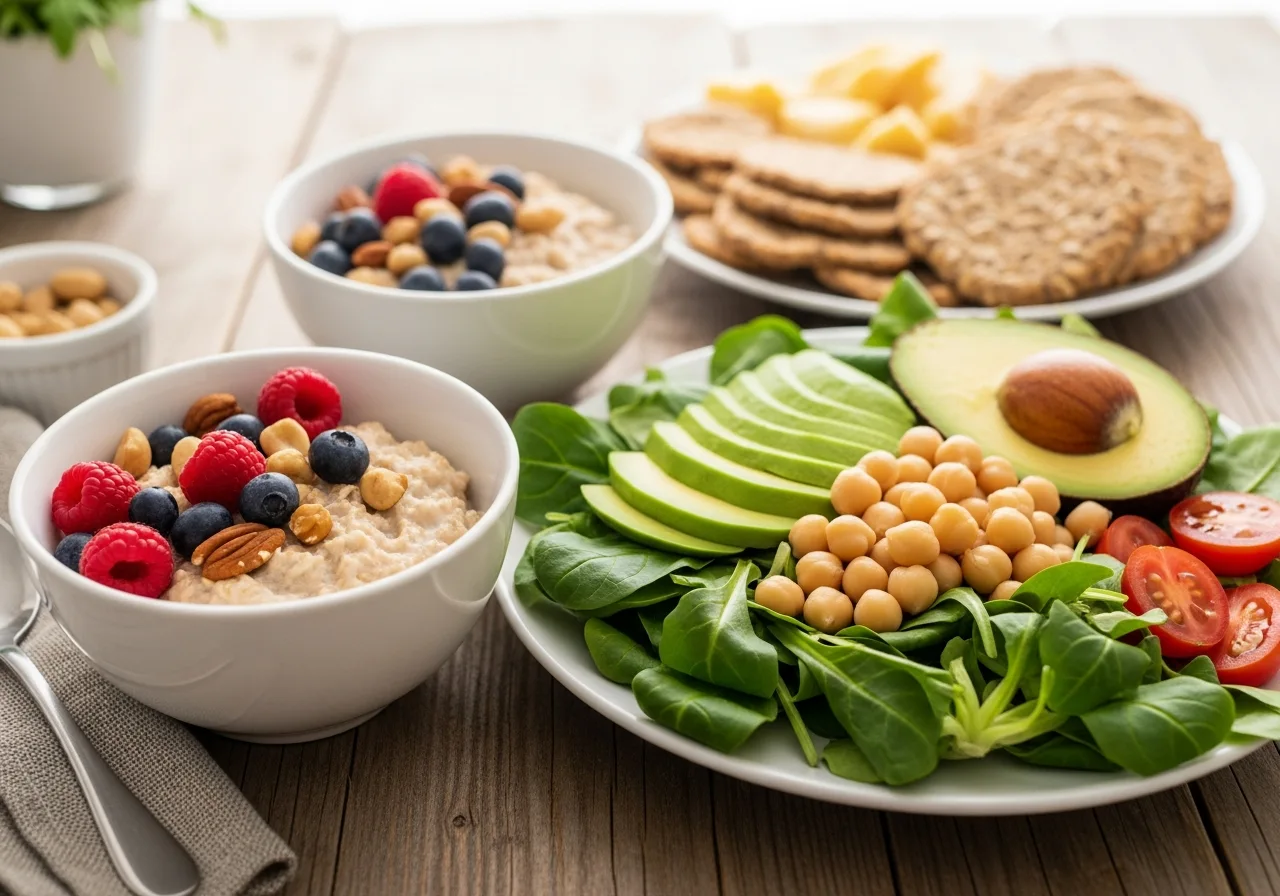
Are you tired of watching your blood glucose numbers bounce up and down every day? Managing your blood sugar often feels like an impossible puzzle. Just last month, a patient named Robert visited my clinic feeling completely defeated. He ate strictly, yet his blood sugar remained totally unpredictable.
Therefore, I sat down and reviewed his daily meals. He ate very little sugar, but he also ate almost zero fiber. Consequently, his meals digested too fast, causing massive glucose spikes. I immediately transitioned him to a strict high fiber diet for diabetes. Within four weeks, his daily glucose stabilized beautifully.
Today, I want to share that exact same clinical strategy with you. In this comprehensive guide, we will explore the best foods, practical meal plans, and the daily rules you need to succeed.
TL;DR: The Quick Facts
- The Core Strategy: A high fiber diet (25–38g daily) actively regulates your blood sugar.
- The Mechanism: Fiber improves insulin sensitivity and heavily supports weight control.
- The Best Choices: You must focus on soluble fiber found in oats, beans, and fresh fruits.
- The Daily Routine: Eat balanced meals every 3–4 hours to stabilize your glucose levels.
- The Action Plan: Follow a structured 7-day diabetes diet plan for the best long-term results.
What Is a High Fiber Diet for Diabetes?
A high fiber diet for diabetes emphasizes consuming fiber-rich plant foods like vegetables, fruits, legumes, and whole grains. Specifically, this eating style slows down glucose absorption and heavily improves your glycemic control.
Fiber is simply a non-digestible carbohydrate. Your body cannot easily break it down for energy. Therefore, it passes through your stomach mostly intact.
Furthermore, we classify fiber into two main categories. First, soluble fiber dissolves in water and slows sugar absorption. Second, insoluble fiber adds bulk to your stool and supports optimal gut health.
Is a High Fiber Diet Good for Diabetics?
Yes, a high fiber diet is exceptionally good for diabetics. In fact, medical professionals consider it a primary treatment pillar.
First of all, a high fiber intake actively improves your HbA1c levels. By slowing down digestion, fiber prevents massive post-meal glucose spikes.
Additionally, fiber keeps you feeling full for much longer. Consequently, this supports steady weight loss and lowers your overall cardiovascular risk.
Summary of Clinical Evidence
| Health Benefit | Clinical Evidence Strength |
| Glycemic control | Strong (Multiple RCTs) |
| Weight management | Moderate |
| Cardiovascular health | Strong |
How Fiber Works in Diabetes
You probably wonder how fiber actually changes your biology. The mechanism of action is incredibly fascinating.
First, fiber actively delays your gastric emptying. This means food stays in your stomach for a much longer period.
Because the food moves slowly, your intestines absorb glucose at a very slow rate. Consequently, your pancreas does not have to rush to produce massive amounts of insulin.
Furthermore, fiber feeds the healthy bacteria in your gut microbiome. These bacteria produce short-chain fatty acids. Ultimately, these specific fatty acids improve your overall cellular insulin sensitivity.
What Is the Best Fiber for a Diabetic to Eat?
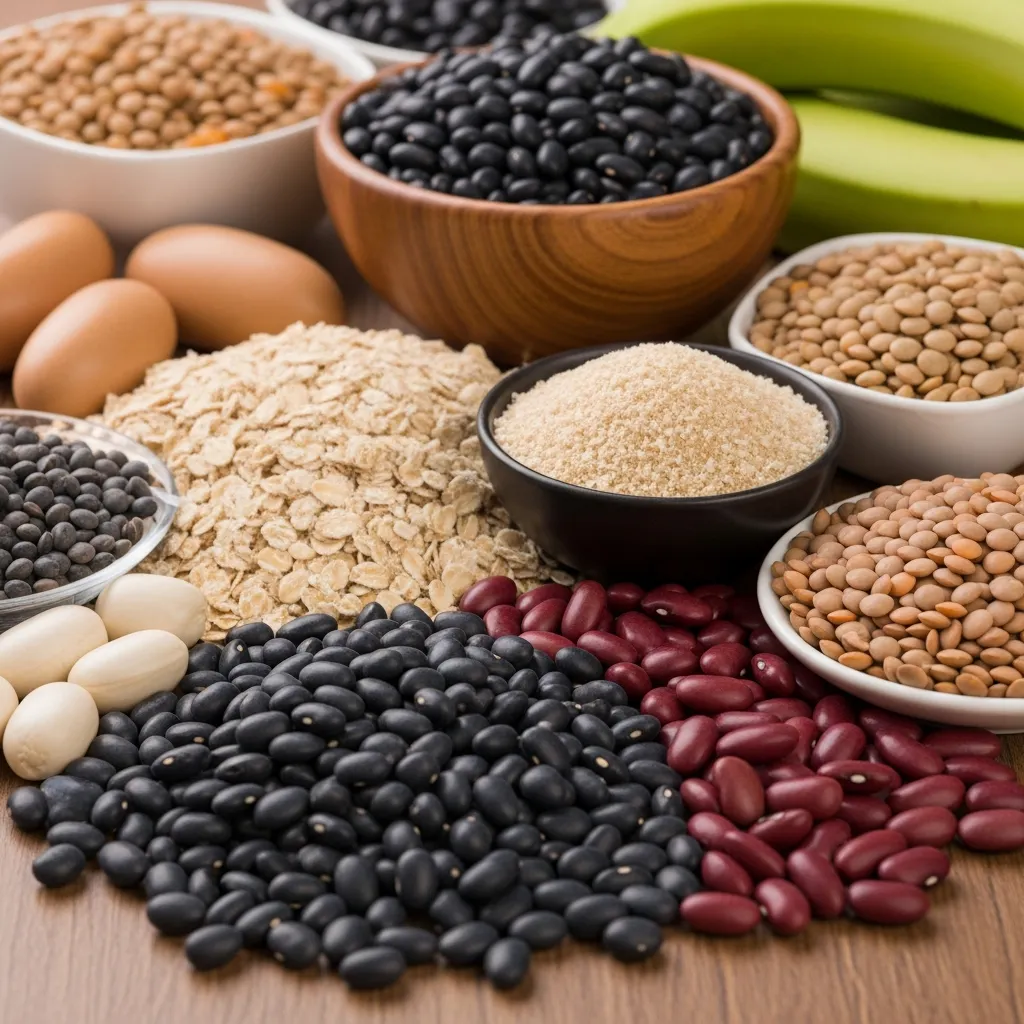
Patients ask me this question constantly. The best fiber for diabetics is absolutely soluble fiber.
Soluble fiber turns into a thick gel inside your digestive tract. This gel specifically slows down how quickly your body absorbs blood sugar.
You can find excellent soluble fiber in oats, psyllium husk, and various beans. Alternatively, resistant starch provides another amazing option. You will find resistant starch in cooked lentils and green bananas.
Diabetic Friendly High Fiber Foods
Building a sustainable diet requires knowing exactly what to buy at the grocery store. Therefore, I have categorized the best options for you below.
You need to focus on whole, unprocessed items. Let us break down the absolute best fiber sources for diabetics.
Best Vegetable Fiber Sources
Vegetables provide massive nutritional value with very few calories. You should eat them at every single meal. Broccoli stands out as a nutritional powerhouse. It offers high fiber and powerful antioxidants.
Similarly, fresh spinach provides essential vitamins without raising your blood sugar. Carrots offer a great crunchy snack, but eat them raw for the best glycemic impact.
Best Fruit Fiber Sources
Many diabetics fear fruit because of the natural sugar content. However, specific high fiber fruits for diabetics are perfectly safe. Apples provide excellent pectin, a powerful soluble fiber. You must eat them with the skin on.
Additionally, fresh berries like raspberries and blackberries offer the highest fiber-to-sugar ratio of any fruit. Pears also provide a fantastic, diabetic friendly source of fiber.
Best Whole Grain Options
You must avoid refined white flour entirely. Instead, switch exclusively to intact whole grains. Steel-cut oats offer powerful beta-glucan fibers. This specific fiber actively lowers cholesterol and blood sugar.
Quinoa provides a complete protein alongside its dense fiber content. Furthermore, brown rice serves as a safe alternative to highly processed white rice.
Best Legume Choices
Legumes might be the single best fiber food for diabetics on the planet. They pack massive amounts of protein and complex carbs. Lentils cook very quickly and provide unmatched dietary fiber.
Chickpeas taste amazing in salads or roasted as a crunchy snack. Black beans stabilize blood sugar beautifully and fit perfectly into Mexican-inspired dishes.
Best Nuts and Seeds
Nuts and seeds provide healthy fats that further slow down sugar absorption. They make the perfect afternoon snack. Chia seeds absorb water and expand in your stomach, keeping you extremely full.
Flaxseeds provide wonderful omega-3 fatty acids. Finally, raw almonds give you a satisfying crunch while delivering premium insoluble fiber.
Diabetic Fiber Foods List
Keep this handy chart nearby when you plan your weekly meals. It shows you the exact fiber content and the resulting glycemic impact.
| Food Item | Fiber Amount (per serving) | Glycemic Impact |
| Lentils (1 cup) | 15g | Low |
| Chia seeds (2 tbsp) | 10g | Very low |
| Broccoli (1 cup) | 5g | Very low |
| Apple (Medium) | 4g | Low |
| Steel-cut Oats (1/2 cup) | 4g | Low |
What Are High Fiber Meals for Diabetics?
High fiber meals for diabetics combine lean proteins, healthy fats, and fiber-rich carbohydrates. You must balance the plate correctly.
For instance, a great breakfast includes oatmeal, fresh chia seeds, and raspberries.
For lunch, you might enjoy a hearty lentil soup alongside a mixed green salad. Later, a perfect dinner features grilled chicken breast, quinoa, and roasted vegetables.
High Fiber Meals for Diabetics (1-Day Sample)
Here is exactly what a perfect, blood-sugar-stabilizing day looks like in practice.
Breakfast: Start with a warm bowl of steel-cut oats. Stir in one tablespoon of ground flaxseed and top it with fresh blueberries.
Lunch: Build a massive quinoa bowl. Add chopped cucumbers, cherry tomatoes, grilled chicken, and a light olive oil dressing.
Snack: Slice one medium apple and eat it alongside a small handful of raw almonds.
Dinner: Bake a wild-caught salmon fillet. Serve it next to steamed broccoli and a half-cup of seasoned black beans.
7-Day Diet Plan for Diabetic Patients
Consistency brings the best clinical results. You need a structured routine to train your metabolism.
A proper diabetes diet plan includes three main meals and two small snacks every day. Consequently, this prevents you from ever getting too hungry.
Let us map out a delicious, fiber-rich week. You can easily rotate these meals based on your personal taste preferences.
Day 1 to Day 3 Strategy
On Monday, start with oatmeal and berries. For lunch, prepare a fresh chickpea and spinach salad. Finally, eat grilled fish with asparagus for dinner. On Tuesday, blend a protein smoothie using spinach, chia seeds, and almond milk.
Later, enjoy a turkey wrap using a high-fiber tortilla. For dinner, make a hearty lentil stew. On Wednesday, eat two scrambled eggs with black beans and avocado. Lunch can be leftover lentil stew. Dinner features baked chicken thighs with a large side of roasted Brussels sprouts.
Day 4 to Day 7 Strategy
On Thursday, enjoy a bowl of plain Greek yogurt topped with raspberries and almonds. Lunch is a tuna salad served over mixed greens. Dinner brings a delicious beef and broccoli stir-fry. On Friday, make a warm quinoa porridge with cinnamon.
Eat a grilled chicken salad with pumpkin seeds for lunch. For dinner, bake a piece of cod with a side of brown rice. For the weekend, keep things simple. Rely on your favorite meals from the week. Always ensure half your dinner plate contains green, leafy vegetables.
Diet for Type 2 Diabetes
If you have type 2 diabetes, your primary goal is to overcome severe insulin resistance. Therefore, your diet must directly address this issue.
A diet for type 2 diabetes relies heavily on low glycemic index foods. You want foods that break down extremely slowly.
Furthermore, you must maintain a high fiber intake daily. You should also consume moderate amounts of lean protein and plenty of healthy fats.
Type 2 Diabetes Food List
You need clear rules to follow at the grocery store. Keep your shopping focused on the perimeter of the store.
First, you must eat more fiber-rich foods, lean proteins, and healthy olive oils. These foods heal your metabolism.
Conversely, you absolutely must limit refined carbs like white bread. Furthermore, avoid sugary drinks and highly processed packaged snacks entirely.
What Is the 3-Hour Rule for Diabetics?
Many patients struggle with terrible energy crashes mid-afternoon. This happens when you go too long without eating.
The 3-hour rule suggests eating small, perfectly balanced meals every 3 to 4 hours.
Consequently, this strategy maintains highly stable blood sugar levels. It actively prevents severe glucose spikes and dangerous hypoglycemic crashes.
Diabetes and High Blood Pressure Diet Plan
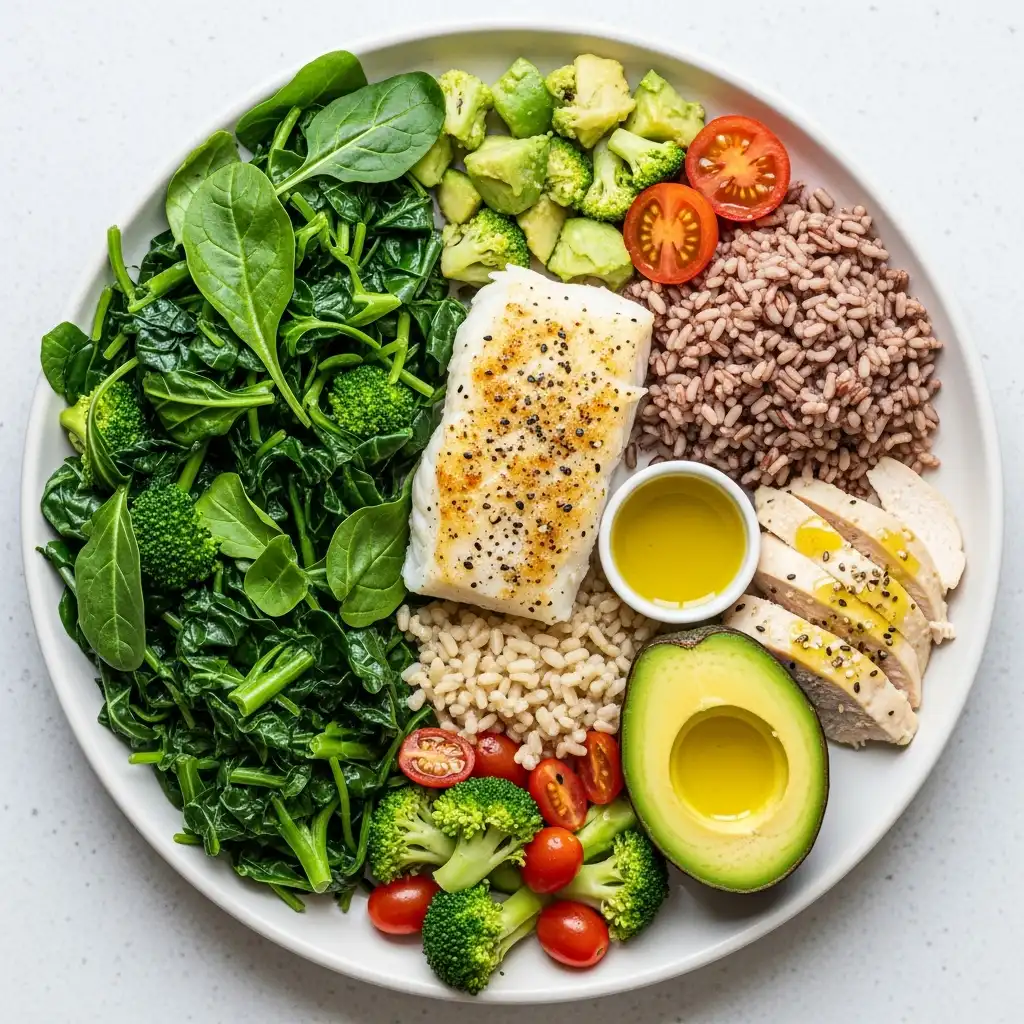
Many of my diabetic patients also battle severe hypertension. Fortunately, one diet treats both conditions beautifully.
A diabetes and high blood pressure diet plan combines the DASH diet with low-carb principles.
You must focus on low-sodium meals. Simultaneously, you need high potassium foods like spinach and avocados. Together with a high fiber intake, this rapidly lowers your blood pressure.
American Diabetes Association Diet Plan
The American Diabetes Association provides a wonderful visual tool for patients. They call it the Diabetes Plate Method.
This simple method removes the need for complex calorie counting. First, you fill exactly half of your plate with non-starchy vegetables.
Next, you fill one-quarter of the plate with lean protein. Finally, you place your high-fiber carbohydrates in the last remaining quarter.
Risks, Side Effects & Precautions
Adding fiber to your diet is incredibly healthy. However, you must navigate the transition very carefully.
If you suddenly eat massive amounts of fiber, your stomach will rebel. You will likely experience severe bloating, painful gas, and general digestive discomfort.
Furthermore, certain patients need extra caution. If you have Irritable Bowel Syndrome (IBS) or advanced kidney disease, you must consult your gastroenterologist first.
How Much Fiber Do Diabetics Need?
Most Americans eat barely 10 grams of fiber per day. This is dangerously low for optimal health.
Medical guidelines state that adult women need at least 25 grams of fiber every single day.
Similarly, adult men require roughly 38 grams of fiber daily. You must track your intake carefully until you reach these specific goals.
Practical Tips to Increase Fiber Safely
You want to improve your health without causing intense stomach pain. Therefore, follow these simple clinical tips.
First of all, add fiber to your diet very gradually. Increase your daily intake by just 2 to 3 grams every few days.
In addition, you absolutely must drink more water. Fiber absorbs water rapidly. If you do not hydrate, you will become severely constipated.
When to See a Doctor
Dietary changes are powerful, but they do not replace standard medical care. You must monitor your body closely.
If you experience uncontrolled blood sugar swings despite diet changes, call your doctor.
Furthermore, if you develop severe digestive issues, seek immediate help. You will likely need frequent medication adjustments as your insulin sensitivity improves.
Frequently Asked Questions
What is the best fiber food for diabetics?
Oats, cooked lentils, and fresh chia seeds rank among the absolute best. They provide massive amounts of soluble fiber. Consequently, they slow down sugar absorption perfectly.
Does fiber quickly reduce blood sugar?
Fiber does not instantly lower your blood sugar as insulin does. Instead, fiber actively regulates the digestive pace. Therefore, it prevents new sugar from rushing into your bloodstream.
Are high fiber fruits safe for diabetics to eat?
Yes, specific fruits are incredibly safe. You should focus heavily on low-glycemic fruits like fresh berries, green apples, and firm pears. Always eat the skin for maximum benefit.
Is there a daily maximum limit for fiber?
While more is generally better, exceeding 50 grams per day can cause severe mineral malabsorption. Stick to the recommended 25 to 38 grams daily for the safest results.
Should I use fiber supplements instead of whole foods?
Whole foods are always superior because they provide essential vitamins and antioxidants. However, if you cannot meet your daily goal, an unflavored psyllium husk supplement works wonderfully.
Conclusion
Changing your daily eating habits takes real courage and immense discipline. However, transitioning to a high fiber diet for diabetes is the single best investment you can make for your future health.
Start small today. Add a handful of berries to your morning routine. Swap your white rice for delicious quinoa. Drink plenty of water. Your blood sugar, your heart, and your energy levels will thank you.
Authoritative Medical References:
- American Diabetes Association (ADA) – Nutrition Therapy for Adults With Diabetes or Prediabetes: A Consensus Report
- Centers for Disease Control and Prevention (CDC) – Fiber: The Carb That Helps You Manage Diabetes
- National Institute of Diabetes and Digestive and Kidney Diseases (NIDDK) – Healthy Living with Diabetes
- Harvard T.H. Chan School of Public Health – Fiber
- Mayo Clinic – Dietary fiber: Essential for a healthy diet