

Hearing a new diagnosis during pregnancy usually feels overwhelming. First of all, take a deep breath. You are absolutely not alone in this journey. Crafting a healthy diet for gestational diabetes is your strongest tool for a safe, smooth pregnancy.
In my practice, I frequently sit down with expecting mothers who feel completely lost after seeing their lab results. Just last week, I treated a patient named Sarah who was terrified that her diet would harm her baby. Because of this common fear, I always emphasize that food is medicine.
By making simple, strategic shifts in your daily meals, you can completely take charge of your health. Therefore, we are going to break down exactly what you need to eat to keep both you and your baby thriving.
TL;DR: Quick Summary
- Focus on balanced meals with lean protein, high fiber, and complex carbs.
- Eat every 2 to 3 hours to effectively stabilize your blood sugar.
- Avoid refined sugars and high-glycemic foods completely.
- Monitor your carbohydrate intake, typically aiming for 30–45g per meal.
- Work closely with your OB-GYN or a registered dietitian.
What Is Gestational Diabetes?
Gestational diabetes refers to a specific type of glucose intolerance that develops only during pregnancy. During your third trimester, your placenta produces hormones that naturally cause insulin resistance. Because your body needs more insulin to process sugar, your blood sugar levels can rise if your pancreas cannot keep up.
A proper diet is always the absolute first-line treatment for this condition. Furthermore, ignoring your blood sugar can lead to serious complications. Unmanaged high glucose increases the risk of macrosomia (a very large baby), preeclampsia, and the need for a C-section. Consequently, taking your nutrition seriously right now is vital.
What’s the Best Diet for Gestational Diabetes?
The best diet for gestational diabetes focuses directly on balanced meals loaded with complex carbohydrates, lean protein, healthy fats, and rich fiber. It heavily limits added sugars and refined carbs. Furthermore, you must space your meals evenly throughout the entire day to maintain perfectly stable blood sugar levels.
Dietary Guidelines for Gestational Diabetes
Understanding the core dietary guidelines for gestational diabetes makes meal planning much easier. You do not have to starve yourself or eat bland food. Instead, you just need to understand how different macronutrients affect your glucose levels.
Macronutrient Balance
Your body still needs carbohydrates to fuel your baby’s growth. Specifically, you should aim for carbs to make up about 35% to 45% of your daily calories. However, you must choose low-glycemic index carbohydrates that digest slowly.
Protein is equally important because it directly supports fetal tissue development. Additionally, protein helps slow down the absorption of sugar into your bloodstream. Healthy fats also play a massive role in your diet. You should emphasize unsaturated fats to improve your overall insulin sensitivity.
Carbohydrate Distribution Strategy
Your body experiences the highest levels of insulin resistance early in the morning. As a result, you must keep your breakfast carbohydrate intake quite low. You should aim for about 15 to 30 grams of complex carbs alongside plenty of protein.
For lunch and dinner, you can safely handle a moderate amount of carbohydrates. Most women do well with 30 to 45 grams of carbs during these main meals. Most importantly, always pair your carbohydrate snacks with a solid source of protein and fiber.
Optimal Meal Timing
Eating massive meals causes massive blood sugar spikes. Therefore, you need to eat smaller portions more frequently. You should aim to eat something nutritious every 2 to 3 hours.
This consistent grazing strategy successfully prevents dramatic glucose spikes and dangerous energy crashes. Consequently, you will feel much more energetic throughout the day.
Safe Foods for Gestational Diabetes
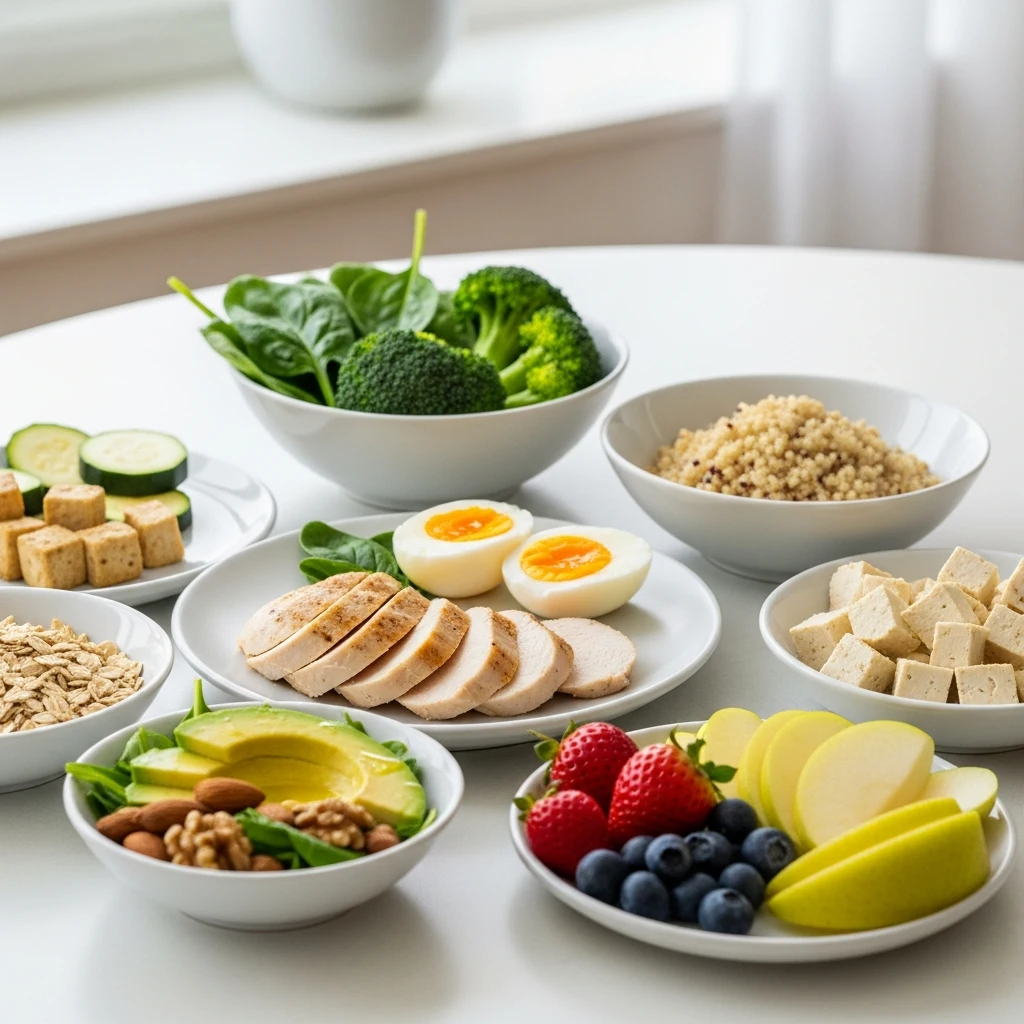
Creating a recommended diet for gestational diabetes requires knowing exactly what to put in your grocery cart. Let’s look at the absolute best options for your body right now.
Best Foods to Enjoy
- Non-starchy vegetables (spinach, broccoli, zucchini)
- Whole grains (quinoa, brown rice, rolled oats)
- Lean proteins (chicken breast, eggs, tofu, turkey)
- Healthy fats (avocado, olive oil, almonds, walnuts)
- Low-GI fruits (berries, apples, pears)
Foods to Limit or Avoid
- Sugary drinks (soda, sweetened iced tea)
- White bread, standard pasta, and baked pastries
- Processed snacks (chips, crackers, candy)
- Fruit juices (even 100% natural juices spike sugar instantly)
Gestational Diabetes Pregnancy Food List
For quick reference, I have categorized the best whole foods to keep your blood sugar balanced. Print this out and take it to the store.
| Food Category | Recommended Options | Why It Helps |
| Carbohydrates | Oats, quinoa, barley, sweet potatoes | Provides a slow, steady glucose release. |
| Proteins | Eggs, wild-caught fish, Greek yogurt | Stabilizes blood sugar and builds fetal tissue. |
| Healthy Fats | Extra virgin olive oil, nuts, chia seeds | Actively improves your body’s insulin sensitivity. |
Easy Meals for Gestational Diabetes
Finding easy meals for gestational diabetes stops you from feeling overwhelmed in the kitchen. You need quick, reliable recipes that fit your busy life. Here are some fantastic, doctor-approved combinations.
Breakfast Ideas
Start your morning right with a bowl of plain Greek yogurt topped with fresh berries and chia seeds. Alternatively, you can cook a quick egg scramble with spinach and serve it with one slice of whole-grain toast.
Lunch Ideas
For lunch, toss a massive grilled chicken salad and dress it simply with olive oil and vinegar. Another great option is a hearty quinoa bowl loaded with roasted veggies and baked salmon.
Dinner Ideas
Keep dinner simple with a piece of baked fish paired with a generous serving of roasted asparagus. You can also whip up a lean beef stir-fry with broccoli and a small side of brown rice.
Snack Ideas
When hunger strikes between meals, slice up a crisp apple and dip it into natural peanut butter. Similarly, a half-cup of cottage cheese mixed with a handful of raw almonds works perfectly.
Managing Gestational Diabetes with Diet
Managing gestational diabetes with diet requires a daily, proactive approach. You cannot just guess your blood sugar levels based on how you feel. Instead, you must actively track your body’s specific responses to different meals.
In my clinical practice, I see the best results when patients treat their nutrition like a daily science experiment. Recently, a patient tracked her meals and realized that morning oats spiked her sugar, while eggs kept it perfectly flat. Because everyone responds differently, personalized tracking is absolutely essential.
Blood Sugar Monitoring Basics
Your doctor will likely ask you to test your blood sugar four times a day. First of all, you will check your fasting glucose immediately upon waking up. After that, you will check it exactly one or two hours after breakfast, lunch, and dinner.
Standard medical guidelines usually recommend keeping your fasting blood sugar below 95 mg/dL. Furthermore, your post-meal numbers should typically stay below 140 mg/dL after one hour, or 120 mg/dL after two hours. Consequently, logging these numbers helps us adjust your diet precisely.
Portion Control and the Plate Method
The simple plate method takes the stress out of counting every single carbohydrate. First, you should fill half of your plate with non-starchy vegetables like leafy greens or roasted broccoli. These vegetables provide massive amounts of fiber without spiking your glucose.
Next, fill one-quarter of your plate with a high-quality, lean protein source. Finally, reserve the last quarter for your complex, slow-digesting carbohydrates. As a result, you naturally perfectly balance your macronutrients without needing a calculator.
Importance of Daily Hydration
Drinking enough water actively helps dilute the concentration of sugar in your bloodstream. Therefore, you must prioritize strict hydration throughout your entire pregnancy. You should aim for at least eight to ten glasses of pure water every single day.
Furthermore, you must entirely eliminate sweetened beverages from your daily routine. Even natural fruit juices contain highly concentrated sugars that hit your bloodstream instantly. Instead, flavor your water with fresh lemon, cucumber slices, or a sprig of mint.
How Can I Lower My Gestational Diabetes During Pregnancy?
You can lower gestational diabetes blood sugar levels by eating balanced meals with controlled carbohydrates, exercising regularly, and staying deeply hydrated.
Specifically, walking for 10 to 15 minutes immediately after eating helps your muscles absorb excess glucose rapidly. Finally, you must monitor your glucose levels diligently as advised by your healthcare provider.
Beyond dietary changes, daily movement remains your most powerful weapon against high blood sugar. Because your muscles need energy to move, they will pull glucose straight out of your blood. Therefore, a brisk evening walk serves as a natural blood sugar regulator.
Additionally, you should completely avoid eating heavy carbohydrates first thing in the morning. Your pregnancy hormones make your body highly insulin-resistant during the early hours. Thus, a high-protein breakfast will always yield much better blood sugar readings.
What Is the 10-10-10 Rule for Diabetics?
The 10-10-10 rule is an informal lifestyle guideline suggesting 10 minutes of movement after meals, consuming all your meals within a 10-hour daily window, and spacing your meals evenly. It is not an official medical standard, but it naturally supports stable glucose control when combined with proper clinical guidance.
Many of my patients use this simple framework to build better daily habits. By committing to just 10 minutes of walking after dinner, you can significantly blunt a major glucose spike. Ultimately, this manageable goal feels much less intimidating than a rigid workout routine.
What Is the Hardest Week of Gestational Diabetes?
Many women find the first one to two weeks right after diagnosis the most emotionally challenging due to sudden dietary adjustments and glucose monitoring. However, physically, blood sugar often becomes hardest to control between weeks 32 and 36 of your pregnancy due to a massive surge in insulin-blocking hormones.
During those initial weeks, the learning curve feels incredibly steep. You are constantly reading nutrition labels and pricking your finger. Fortunately, you will quickly build a solid routine, and the process will become second nature by your third trimester.
Diet for a Diabetic Pregnant Woman: Sample 1-Day Meal Plan
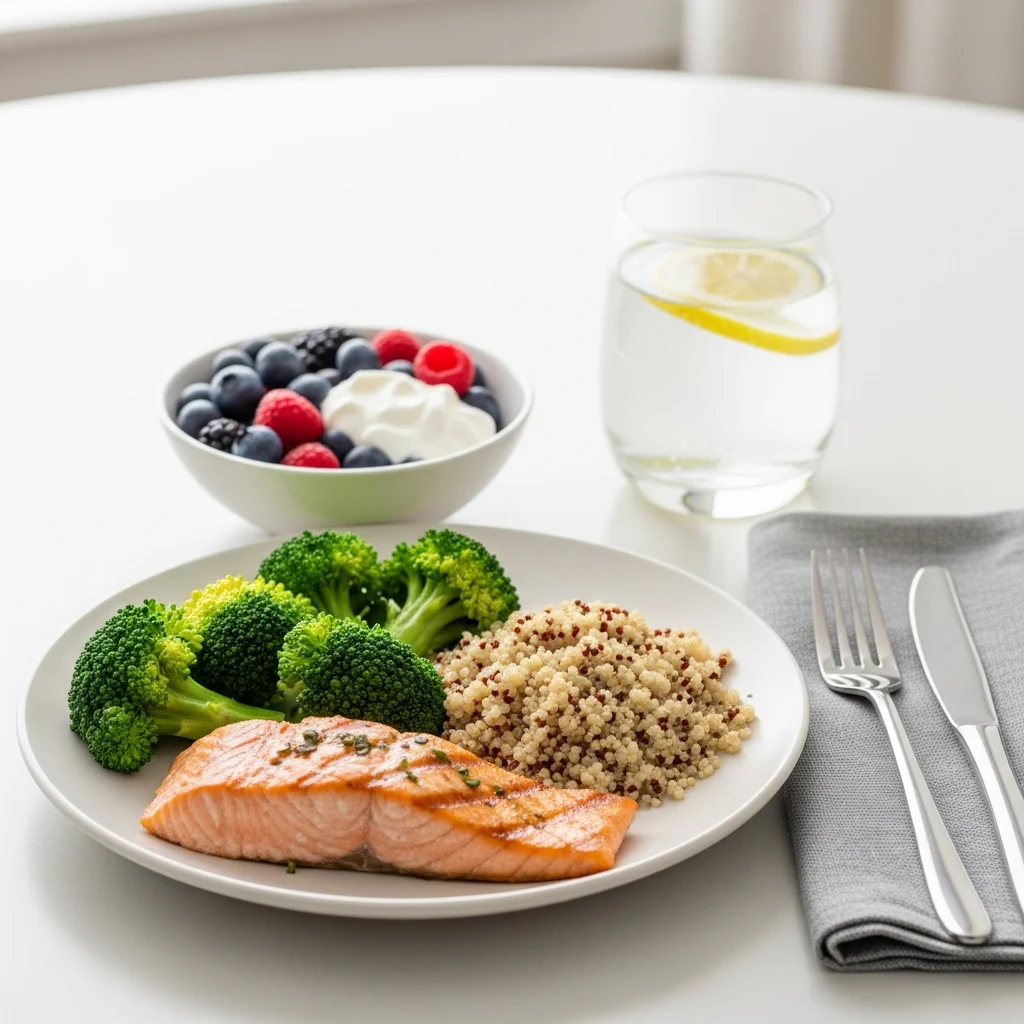
Creating a diet for a diabetic pregnant person with diabetes needs to be practical and delicious. You should never feel deprived or constantly hungry. Here is a perfectly balanced, real-world example of how to structure your daily eating.
Breakfast (Low Carb, High Protein)
Start with two scrambled eggs cooked in a teaspoon of grass-fed butter. Add one slice of toasted whole-grain bread topped with a quarter of a sliced avocado. This combination keeps morning insulin resistance completely in check.
Mid-Morning Snack
Eat one small, crisp green apple paired with a small handful of raw almonds. The healthy fats in the almonds significantly slow down the absorption of the fruit’s natural sugars.
Lunch (Moderate Carb, High Fiber)
Enjoy a large grilled chicken salad packed with mixed greens, cherry tomatoes, and cucumbers. Toss it lightly with extra virgin olive oil and vinegar. Add half a cup of cooked quinoa for sustained energy.
Afternoon Snack
Have a half-cup serving of plain, unsweetened Greek yogurt. Mix in a small handful of fresh blueberries and a tablespoon of ground flaxseed. This provides excellent probiotics and fiber.
Dinner (Nutrient Dense, Satisfying)
Bake a fresh salmon fillet seasoned with lemon and herbs. Serve it alongside a generous portion of roasted asparagus and zucchini. Include a half-cup of brown rice to fulfill your evening carbohydrate needs.
Bedtime Snack
Eat a half-cup of cottage cheese right before bed. This slow-digesting dairy protein actively helps prevent your liver from dumping excess sugar into your bloodstream overnight.
Supplements and Nutrients to Discuss With Your Doctor
While whole foods remain crucial, targeted supplements can sometimes fill important nutritional gaps. However, you must always consult your OB-GYN before adding any new pills to your routine.
First of all, you must continue taking a high-quality prenatal vitamin daily. Additionally, omega-3 fatty acids actively support your baby’s brain development and reduce systemic inflammation. Some research suggests omega-3s may also modestly improve insulin sensitivity.
Furthermore, many pregnant people experience natural magnesium depletion. Magnesium plays a vital role in glucose metabolism and healthy muscle function. If your doctor confirms a deficiency, a gentle magnesium supplement might be recommended.
Risks, Contraindications, and When to See a Doctor
While a strict diet manages most cases, sometimes your body simply needs medical intervention. You should never view needing medication as a personal failure. The placenta sometimes produces too many insulin-blocking hormones for diet alone to conquer.
You must contact your doctor immediately if you consistently record fasting blood sugars over 95 mg/dL. Similarly, if your post-meal numbers frequently spike above the recommended targets, you need medical guidance. In these cases, safe medications like insulin can quickly protect your baby.
Additionally, watch closely for symptoms of preeclampsia, such as sudden swelling in your face, severe headaches, or vision changes. Most importantly, if you ever notice a sudden decrease in your baby’s daily fetal movement, head straight to the hospital.
Frequently Asked Questions
Can gestational diabetes go away with diet?
Gestational diabetes almost always resolves naturally shortly after you give birth and deliver the placenta. However, eating a healthy diet right now helps control the condition and actively prevents severe pregnancy complications.
Can I eat fruit with gestational diabetes?
Yes, you can absolutely eat fruit in careful moderation. You should always choose low-glycemic fruits like berries or green apples. Furthermore, always pair your fruit with a strong protein source to stabilize the sugar release.
Is rice allowed?
Yes, rice is allowed, but portion control is extremely critical. You should explicitly choose brown rice or wild rice over processed white rice. Always measure your portions carefully to avoid an accidental carbohydrate overload.
What happens if the diet is not enough?
If dietary changes cannot adequately lower your blood sugar, your doctor will likely prescribe insulin or a safe oral medication. This is a very common scenario and ensures your baby remains completely protected from glucose spikes.
Will my baby be born with diabetes?
No, your baby will not be born with diabetes just because you have gestational diabetes. However, managing your blood sugar carefully now actively lowers your lifelong risk of developing type 2 diabetes later in adulthood.
Conclusion
Navigating this diagnosis absolutely requires focus, but you are entirely capable of handling it. By tracking your meals, moving daily, and monitoring your blood sugar, you actively protect your growing baby. Always prioritize open, honest communication with your medical team.
For further reading, please check out our detailed guides on “Best pregnancy nutrition guidelines” and “Healthy weight gain during pregnancy.” You might also find our “Exercise during pregnancy safety guide” incredibly helpful for safely incorporating daily movement.
Ultimately, sticking to a healthy diet for gestational diabetes ensures you and your baby cross the finish line safely. You have the knowledge, the meal plans, and the medical support to make this a beautifully healthy pregnancy.
Authoritative Medical References:
- American Academy of Family Physicians (AAFP) – Gestational Diabetes Mellitus: Update on Screening, Diagnosis, and Management
- Centers for Disease Control and Prevention (CDC) – Trends and Characteristics in Gestational Diabetes: United States, 2016–2020
- National Center for Biotechnology Information (NCBI) – Diet and Healthy Lifestyle in the Management of Gestational Diabetes Mellitus
- National Center for Biotechnology Information (NCBI)—Dietary management of gestational diabetes: A review
- National Center for Biotechnology Information (NCBI) – Gestational Diabetes