

Are you struggling to keep your daily blood sugar in check? You are certainly not alone in this fight. Managing diabetes often feels like a frustrating, full-time job.
Recently, the keto diet for diabetics has become a massive health trend. But is it actually the right choice for you?
As a physician, I see this exact confusion in my clinic every single day. Just last week, a patient named John asked me if cutting out all carbs would finally fix his high A1C. He felt completely overwhelmed by the mixed advice online.
Therefore, I sat down with him to explain the real science. Now, I want to share that exact same advice with you. Let’s look at the facts, the hidden risks, and how to eat safely.
TL;DR: The Quick Facts
- What it is: The keto diet is a very low-carb, high-fat eating plan.
- The Goal: It shifts your body to burn fat for energy instead of glucose.
- The Benefit: It may help improve blood sugar control in type 2 diabetes.
- The Risks: Dangers include severe hypoglycemia and ketoacidosis (especially in type 1).
- The Verdict: It is not suitable for everyone, so medical supervision is absolutely essential.
- The Alternative: Balanced approaches like the Mediterranean diet may be safer for many.
What Is a Keto Diet for Diabetics?
A ketogenic diet is a low-carbohydrate, high-fat diet that shifts the body into ketosis, where fat is used as the primary energy source instead of glucose.
Normally, your body runs on glucose from carbohydrates. But when you drastically cut carbs, your body needs a backup plan. Consequently, your liver starts turning fat into ketones for energy.
For someone with diabetes, this metabolic shift can significantly change how you manage your daily condition.
How Does the Keto Diet Work for Diabetics?
First of all, you drastically reduce your carbohydrate intake. Because carbs turn into sugar in your blood, eating fewer carbs means less blood sugar.
As a result, your body requires much lower insulin levels. Since insulin’s job is to move sugar into your cells, a drop in sugar means less insulin demand.
Finally, ketone production begins. Your liver breaks down dietary fat and body fat. Thus, you run on steady fat energy rather than riding a blood sugar rollercoaster.
Is the Keto Diet Good for Diabetics?
This is the most common question I hear. Yes, a keto diet for diabetics can be highly beneficial, particularly for type 2 diabetes.
Because type 2 diabetes involves severe insulin resistance, lowering carbohydrate intake directly tackles the root problem.
Many patients experience fewer blood sugar spikes. Furthermore, they often lose stubborn weight. However, it is not a magic fix for everyone. The diet requires extreme discipline and constant tracking.
Is the Keto Diet Safe for Diabetics?
Safety depends entirely on your specific type of diabetes. It also depends on your current medication list.
If you manage your type 2 diabetes with just diet and exercise, keto is generally safe.
However, if you take insulin or certain oral medications, the safety profile changes entirely. Therefore, you must work closely with a doctor to adjust your meds before starting.
Is Keto Diet Bad for Diabetics?
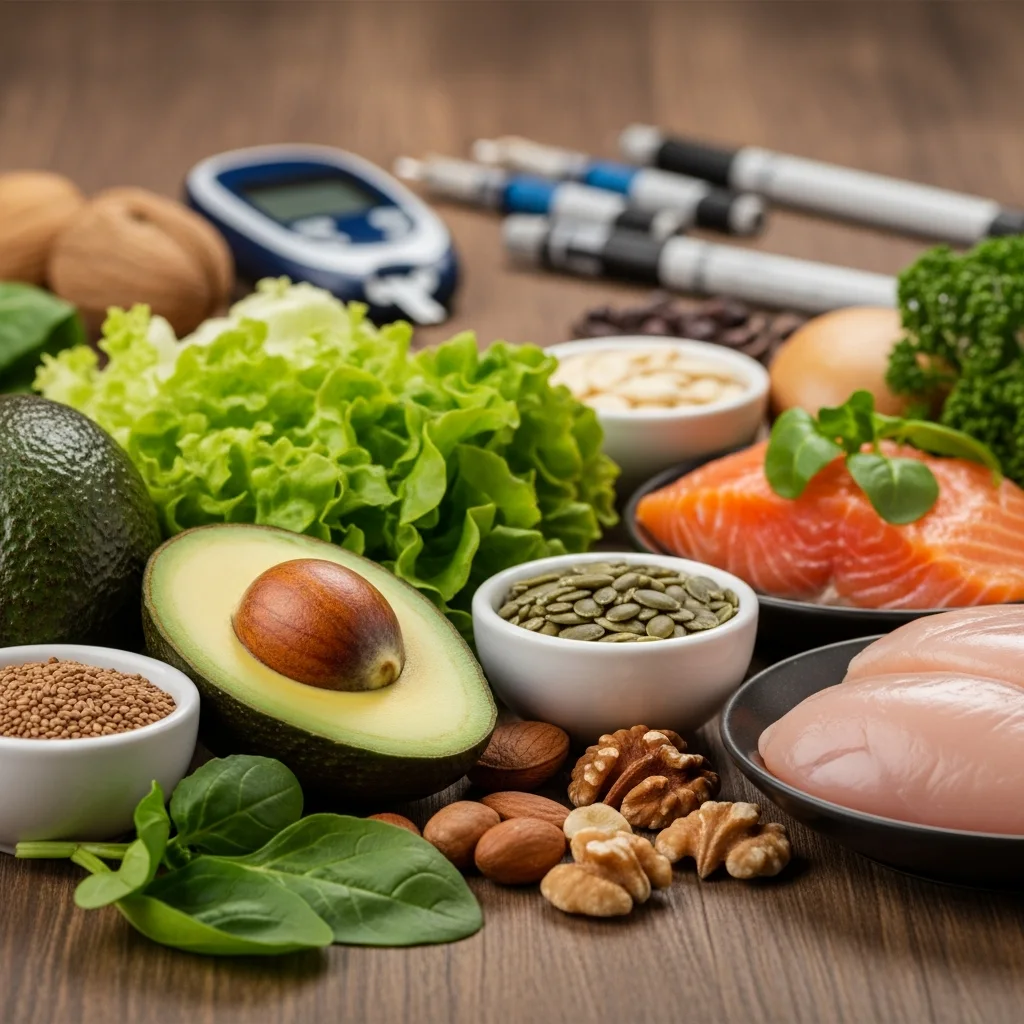
It is not inherently bad, but it can be highly problematic if done incorrectly.
Why is it potentially bad? Because extreme carb restriction can shock your system.
Some people eat too much saturated fat on keto. Consequently, this can negatively impact heart health over time. Individual variability plays a massive role in how your body reacts.
Dangers of the Keto Diet for Diabetics
We must talk about the severe dangers. The biggest risk is hypoglycemia, which is dangerously low blood sugar.
If you take insulin and suddenly stop eating carbs, your blood sugar can crash rapidly.
Another massive danger is ketoacidosis. This is a life-threatening condition where ketones build up too fast. This is especially risky for those with Type 1 diabetes. Additionally, long-term keto can cause nutrient deficiencies.
Keto Diet for Type 2 Diabetes
Let’s dive deep into type 2 diabetes. This is where the ketogenic diet truly shines.
Type 2 diabetes is primarily a disease of insulin resistance. Your body makes insulin, but your cells ignore it.
Because you are constantly eating carbs, your pancreas works overtime. Eventually, it just cannot keep up with the demand.
By starting a keto diet for diabetics type 2 diabetes, you immediately remove the heavy carbohydrate burden.
As a result, your blood sugar levels drop to a normal range. Your pancreas finally gets a chance to rest.
Many of my type 2 patients see rapid improvements. They often lower their A1C numbers within just a few months.
Furthermore, the high-fat content keeps them feeling full. Therefore, they naturally eat fewer calories and lose weight.
However, you must monitor your numbers daily. As your blood sugar improves, your medication needs will decrease. If you don’t lower your meds, you risk a dangerous hypoglycemic event.
Keto Diet for Type 1 Diabetes
If you have Type 1 diabetes, you must proceed with extreme caution. Your pancreas produces little to no insulin.
Because of this, you are at a high risk for diabetic ketoacidosis (DKA). DKA turns your blood acidic and requires immediate emergency care.
While some Type 1 diabetics successfully use low-carb diets, standard keto is highly risky. It absolutely requires strict, daily medical supervision.
Keto Diet for Prediabetes
What if you are just in the prediabetes stage? Keto can be an excellent intervention tool.
Because your blood sugar is rising but not yet diabetic, cutting carbs can stop the progression.
In fact, adopting a strict low-carb approach early on can often prevent full-blown diabetes entirely.
Keto Diet for Diabetics with High Cholesterol
Many diabetics also struggle with high cholesterol. So, is a high-fat diet safe for them?
It depends entirely on the fats you choose. If you eat only bacon and butter, your LDL (bad) cholesterol will likely spike.
Instead, you should focus on healthy fats. Choose avocados, olive oil, and fatty fish. This approach can actually improve your triglycerides and HDL (good) cholesterol.
How to Start a Keto Diet for Diabetics
Starting this diet requires a smart, calculated plan. Do not just drop all carbs overnight.
First, schedule a consultation with your doctor. You need a solid plan to adjust your diabetes medications.
Next, focus on a gradual carb reduction. Cut out sodas and sweets first. Then, slowly phase out breads and pastas while monitoring your glucose closely.
Keto Diet Foods List
Knowing exactly what to eat makes everything easier. Keep this chart handy when you go grocery shopping.
| Eat Freely (Low Carb) | Avoid Entirely (High Carb) |
| Eggs and poultry | Sugar and honey |
| Fatty fish (Salmon, Tuna) | Bread and pasta |
| Avocado and olive oil | Processed carb snacks |
| Nuts and seeds | Starchy vegetables (Potatoes) |
| Leafy green vegetables | Sweetened fruits (Bananas) |
Keto Diet Meal Plan for Diabetics
Creating a keto diet for diabetics meal plan is crucial for long-term success.
You need meals that are high in healthy fats, moderate in protein, and very low in carbs.
Most importantly, you must plan ahead. If you get hungry without a plan, you will likely reach for a quick carb fix. Let’s look at a practical, easy-to-follow weekly menu.
7-Day Keto Diet Menu for Diabetics
Here is a simple, delicious 7-day menu to help you get started safely.
Monday
- Breakfast: Scrambled eggs with spinach and feta cheese.
- Lunch: Grilled chicken salad with olive oil and avocado.
- Dinner: Baked salmon with roasted asparagus.
Tuesday
- Breakfast: Almond milk chia pudding with a few raspberries.
- Lunch: Tuna salad wrapped in fresh lettuce leaves.
- Dinner: Zucchini noodles topped with ground turkey meatballs.
Wednesday
- Breakfast: Two fried eggs with half a sliced avocado.
- Lunch: Leftover turkey meatballs and zucchini noodles.
- Dinner: Pork chops with a side of buttery cauliflower mash.
Thursday
- Breakfast: Keto-friendly protein shake with unsweetened almond milk.
- Lunch: Spinach salad topped with hard-boiled eggs and bacon bits.
- Dinner: Garlic butter shrimp with green beans.
Friday
- Breakfast: Mushroom and cheddar cheese omelet.
- Lunch: Chicken salad stuffed into half an avocado.
- Dinner: Grilled steak with a side of roasted Brussels sprouts.
Saturday
- Breakfast: Two slices of keto bread with almond butter.
- Lunch: Broccoli and cheddar cheese soup.
- Dinner: Baked chicken thighs with a side salad.
Sunday
- Breakfast: Scrambled eggs cooked in coconut oil.
- Lunch: Leftover chicken thighs and salad.
- Dinner: Baked cod with a lemon butter sauce and spinach.
Keto Diet Recipes for Diabetics

Cooking at home is the best way to control your carb intake. You don’t need complicated meals.
For instance, try a simple avocado boat. Just scoop out a little avocado, crack an egg inside, and bake it.
Similarly, cauliflower rice is a perfect substitute for normal rice. Just sauté it with garlic, soy sauce, and a little egg for quick fried rice.
Vegetarian Keto Diet for Diabetics
Can you do keto without eating meat? Yes, absolutely.
A vegetarian keto diet relies heavily on eggs, dairy, nuts, and seeds.
You can use tofu and tempeh as your primary protein sources. Just be careful to track your net carbs from vegetables and dairy carefully.
Can You Reverse Diabetes with Keto?
This is a heavily debated medical topic. The short answer is no, you cannot “cure” it.
However, you can achieve diabetes remission. Remission means your blood sugar levels are totally normal without medication.
Many type 2 diabetics achieve full remission on keto. Still, if they return to eating high carbs, the diabetes symptoms will immediately return.
Mediterranean Diet vs Keto for Diabetics
Which diet is actually better for you? Both have massive clinical backing.
The Mediterranean diet includes healthy, whole grains and fruits. Therefore, it is much easier to stick to the long-term.
While keto lowers blood sugar faster, the Mediterranean diet is often deemed safer. It is widely considered the best diet for overall cardiovascular health.
Can Diabetics Eat Meat on Keto?
Yes, you can certainly eat meat on a ketogenic diet.
In fact, meat provides excellent protein and essential fats without any carbohydrates.
However, you should avoid heavily processed meats like cheap hot dogs. Stick to high-quality, whole cuts of beef, chicken, and fish whenever possible.
What Is the 10-10-10 Rule for Diabetes?
Have you ever heard of the 10-10-10 rule? It is a helpful guideline for managing blood sugar spikes.
It stands for 10 grams of carbs, 10 minutes of walking, and 10 minutes of rest.
If you accidentally eat too many carbs, immediately take a brisk 10-minute walk. This quickly helps your muscles burn off that excess sugar.
Does Keto Increase Risk of Diabetes?
Some recent headlines claim keto actually causes diabetes. Is this true?
In healthy individuals, a high-fat diet can sometimes cause temporary insulin resistance. Your body does this to spare glucose for the brain.
However, for someone who already has type 2 diabetes, cutting carbs almost always improves insulin sensitivity. Always look at the context of the medical research.
Frequently Asked Questions
Is keto safe for diabetics?
Yes, it is generally safe for type 2 diabetics who are not on insulin. However, you must consult your doctor first to avoid dangerous blood sugar crashes.
Can diabetics follow keto long-term?
Some people do follow it for years with great success. Nevertheless, strict long-term adherence is difficult, and nutrient tracking remains highly essential.
What are the risks of keto for diabetes?
The main risks include sudden hypoglycemia and dangerous diabetic ketoacidosis. Furthermore, you might experience the “keto flu” during the first two weeks.
What is the best diet for diabetics?
There is no single perfect diet. However, low-carb plans and the Mediterranean diet consistently show the best clinical results for blood sugar management.
Can keto lower A1C?
Yes, absolutely. Because you are eating very few carbohydrates, your daily blood glucose stays low. Consequently, this translates to a significantly lower A1C over time.
Conclusion
Managing your health doesn’t have to be a guessing game. A proper keto diet for diabetics can be an incredibly powerful tool. It can help you stabilize your blood sugar and regain your energy.
Just remember, your body is unique. Always partner with your healthcare team before making sudden dietary leaps.
Authoritative Medical References:
- American Diabetes Association — Nutrition Therapy for Adults With Diabetes or Prediabetes: A Consensus Report
- Nutrition — Dietary carbohydrate restriction as the first approach in diabetes management: Critical review and evidence base
- Pediatrics — Implementing a low-carbohydrate, ketogenic diet to manage type 2 diabetes mellitus
- National Institute of Diabetes and Digestive and Kidney Diseases — Healthy Living with Diabetes