
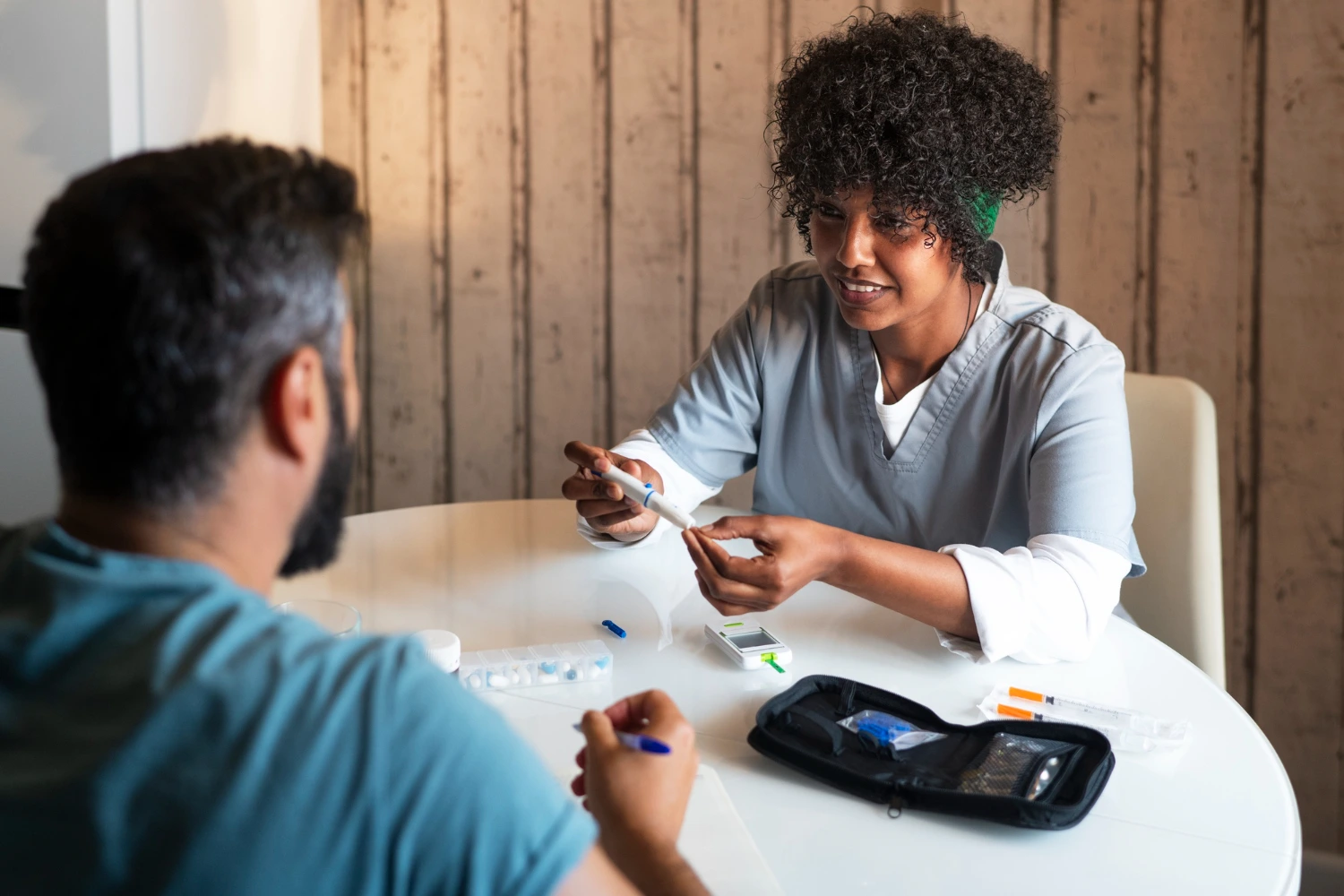
In my clinical practice, I see patients every day who feel entirely overwhelmed by their new blood sugar numbers. When first diagnosed, many naturally wonder exactly what is diabetes and how it will alter their future. Finding the right approach is no longer just about severe dietary restriction; it is about absolute empowerment.
By applying the most effective diabetes management tips, you can confidently take back control of your daily health. Understanding the core mechanics of your metabolism is the very first step. Your daily habits serve as the absolute biggest driver of your long-term medical outcomes. Simple, consistent adjustments can completely change your life trajectory and protect your vital organs.
Recent clinical statistics show that these metabolic conditions are rising steadily across the nation. Because of this alarming trend, we must quickly shift our focus onto actionable, evidence-based daily routines. You hold immense power over internal glucose levels simply by reshaping how you actively eat, move, and handle daily stress.
Combining modern continuous monitoring technology with fundamental lifestyle modifications gives newly diagnosed patients more practical tools than ever before to fully succeed. Recently, I interviewed a patient who successfully lowered their HbA1c simply by adopting a highly consistent, balanced morning routine. Let us explore these changes.
TL;DR: Quick Overview
- Monitor your blood glucose regularly using a traditional meter or continuous sensor.
- Follow a balanced, low-glycemic diet to prevent dangerous, sudden sugar spikes.
- Exercise consistently for at least 150 minutes every single week.
- Take all prescribed medications and insulin exactly as directed by your physician.
- Maintain a healthy body weight to improve your cellular insulin sensitivity naturally.
- Prioritize deep sleep and active daily stress management techniques.
- Stay well hydrated and completely limit sugary commercial drinks.
What is Diabetes Management?
Diabetes management refers to a combination of lifestyle changes, monitoring, medications, and education aimed at maintaining optimal blood glucose levels. It requires a comprehensive approach to your entire daily routine.
Understanding the basic aspects of diabetic management allows you to take control of your daily health. First of all, nutrition plays a central role in how your body processes systemic glucose.
Physical activity is another core pillar because it actively burns excess sugar circulating in your blood. Furthermore, medication adherence ensures your body gets the hormonal support it desperately needs.
World Health Organization — Diabetes
Continuous education helps you adapt to new challenges and understand your unique condition. By combining all these elements, you build a strong defense against metabolic disease.
Step-by-Step: How to Manage Diabetes Effectively
Learning how to manage diabetes effectively involves creating a structured, predictable system for your day. You must understand the practical steps to manage diabetes without feeling overwhelmed by the process.
First, you need to monitor your blood sugar diligently. Using traditional self-monitoring tools or a continuous glucose monitor provides instant, actionable feedback.
After checking your numbers, you must follow structured meal planning. This means eating complex carbohydrates, lean proteins, and healthy fats at predictable times.
You also need to stay physically active throughout the week. For example, taking a brisk walk immediately after lunch significantly lowers your post-meal glucose spikes. Additionally, you must take your medications or insulin exactly as your doctor prescribed. Finally, track your overall progress by monitoring your HbA1c levels and body weight regularly.
National Library of Medicine — Living with diabetes: normalizing the process of managing diabetes
Diet: How to Control Diabetes

Nutrition remains the foundation of successful blood sugar control. Learning how to create and follow a proper diabetic meal plan empowers you when making decisions at the grocery store.
You must focus on eating foods that digest slowly and provide sustained cellular energy. Avoid refined carbohydrates because they cause immediate and dangerous blood sugar spikes.
Instead, fill your plate with fiber-rich vegetables, lean meats, and whole grains. Consistency in your portion sizes helps your body anticipate incoming dietary sugar.
| Food Type | Best Choices | Avoid |
| Carbs | Oats, quinoa, sweet potatoes, lentils | White bread, pastries, sugary cereals |
| Protein | Wild fish, organic eggs, skinless chicken | Processed deli meats, hot dogs, bacon |
| Drinks | Pure water, unsweetened tea, black coffee | Sugary commercial beverages, fruit juices |
What to Drink to Lower Blood Sugar Immediately
Many patients frantically ask me what to drink to lower blood sugar immediately when their readings are high. No drink replaces prescribed medication during acute, dangerous hyperglycemia.
However, pure water is always your best and safest option. Hydration improves your kidney function, allowing your body to flush out excess glucose through your urine.
Unsweetened green tea is another excellent choice because it contains beneficial antioxidants that support metabolic health. Some patients also use diluted apple cider vinegar, though clinical evidence remains somewhat limited.
Most importantly, avoid anything containing artificial sweeteners or hidden liquid sugars. Drinking plain water consistently throughout the day provides the most reliable metabolic support.
Exercise & CGM-Based Management
Physical movement acts as an invisible prescription for your metabolic health. Regular exercise lowers glucose levels by forcing your muscles to consume circulating sugar.
Utilizing a continuous glucose monitor makes this process vastly safer and more predictable. I often share specific cgm exercise type 1 diabetes management tips with my active clinic patients.
Continuous glucose monitoring accuracy can sometimes vary slightly during intense aerobic exercise. Knowing this helps you interpret your real-time data correctly without panicking.
A CGM helps you recognize low blood sugar symptoms and prevent unexpected hypoglycemia by alerting you when your numbers begin dropping rapidly. Accordingly, you can consume a small carbohydrate snack before your levels become dangerously low.
Daily Routine for Diabetic Patient
Establishing a predictable daily schedule prevents chaotic blood sugar swings. A structured daily routine for diabetic patient success removes the guesswork from your medical care.
When discussing morning routine diabetes management tips, I emphasize starting with a fasting glucose check. After getting your reading, eat a balanced breakfast rich in protein and dietary fiber.
In the afternoon, prioritize light activity and drink plenty of fresh water. Even a short ten-minute walk can vastly improve your afternoon insulin sensitivity. Regarding nighttime diabetes management tips, eat a light dinner a few hours before sleeping. Always perform a final glucose check before bed to ensure you sleep safely.
Centers for Disease Control and Prevention — Manage Blood Sugar
Type-Specific Management
Managing an autoimmune condition requires extreme precision and constant daily vigilance. Essential tips for type 1 diabetes treatment always center around accurate insulin therapy.
Because your pancreas produces no insulin, calculating your precise dosages is mandatory for survival. Advanced carbohydrate counting allows you to match your fast-acting mealtime insulin perfectly to your food.
Wearing a CGM is highly recommended to catch rapid fluctuations instantly. This technology provides incredible peace of mind during the day and while you sleep.
Type 2 Diabetes Management Tips
Type 2 diabetes usually involves systemic cellular insulin resistance. The most effective type 2 diabetes management tips focus heavily on dietary and lifestyle modifications.
Safe, sustainable weight loss remains the ultimate priority for reversing systemic insulin resistance. Even losing just five percent of your total body weight works metabolic wonders.
By adopting a lifestyle-driven control strategy, many patients safely reduce their dependence on heavy medications. Regular daily exercise and strict carbohydrate restriction are your best clinical tools.
Gestational Diabetes Management Tips
Developing gestational diabetes during pregnancy requires immediate and careful medical attention. Critical management tips include very frequent daily glucose monitoring.
Protecting your growing baby means you must maintain tightly controlled, stable blood sugar levels. You must practice strict, controlled carbohydrate intake throughout the entire day.
Working closely with a specialized dietitian ensures you get enough calories without spiking your numbers. Because pregnancy hormones fluctuate wildly, your insulin needs may change from week to week.
Pre-Diabetes Management Tips
Understanding what is prediabetes and receiving a diagnosis is a massive opportunity to change your future health. Following aggressive prediabetes management tips can completely halt the disease progression.
Immediate lifestyle changes, such as eliminating liquid sugars and increasing daily fiber, work incredibly well. You must increase your weekly physical activity to improve your natural insulin sensitivity. Because the condition is still in its early stages, you have the power to reverse it completely. Start making small, sustainable daily changes right now to protect your pancreas.
Special Populations
Managing a chronic condition for someone else carries immense emotional weight. Practical type 1 diabetes management tips for parents involve creating a supportive, calm environment.
You must diligently monitor your children while teaching them to understand their own bodily cues. Meal planning becomes a family affair, requiring everyone to understand basic carbohydrate counting.
Strict school coordination is mandatory to keep your child safe during the day. You must provide the school nurse with an updated, detailed medical action plan every year.
Medications in Diabetes Management
While lifestyle is foundational, pharmaceutical intervention is often clinically necessary. Taking your diabetes maintenance medicine correctly prevents devastating long-term organ damage.
We utilize several incredible classes of medications to help patients achieve safe numbers. For example, metformin stops your liver from dumping excess sugar into your blood.
Insulin injections remain the absolute gold standard for Type 1 and advanced Type 2 patients. This vital hormone physically unlocks your cells so they can absorb circulating glucose for energy.
Newer GLP-1 agonists for type 2 diabetes not only control blood sugar but also promote significant, healthy weight loss. They slow down human digestion and help patients feel full much faster during meals.
Always follow FDA compliance guidelines and never trust internet supplements that claim to offer a permanent cure. Consult your doctor to find the exact medication combination that works for your body.
Latest Diabetes Management Guidelines
Staying updated on clinical recommendations ensures you receive the best possible medical care. The latest diabetes management tips for 2026 reflect a massive shift toward personalized, tech-driven medicine.
Recent updates to the management of diabetes mellitus guidelines emphasize massive CGM expansion for more patients. Doctors now prioritize personalized nutrition plans rather than offering generic, outdated dietary advice.
There is also a much stronger clinical focus on prescribing weight-loss medications early in the disease process. These modern guidelines aim to protect your heart and kidneys proactively rather than just reacting to high blood sugars.
Health Education for Diabetes Patients

Knowledge is your sharpest weapon against any chronic metabolic disease. Providing structured health education for diabetes patient empowerment drastically improves long-term clinical outcomes.
Proper self-monitoring training ensures you know exactly when and how to test your blood. Comprehensive diet education teaches you how to read confusing nutrition labels accurately.
Education regarding strict medication adherence prevents dangerous dosing mistakes. When you understand exactly how your disease works, you can fight it much more effectively.
Resources & Support
You do not have to fight this chronic metabolic battle alone. Finding a reliable diabetes lifestyle tips website provides you with daily motivation and healthy recipes.
I encourage utilizing official ADA resources for accurate, unbiased medical information. The CDC also offers incredible local community programs to help you manage your daily health.
Centers for Disease Control and Prevention — Manage Blood Sugar
Downloading highly-rated diabetes apps allows you to track your meals, exercise, and glucose trends effortlessly. Building a strong support network is critical for your long-term mental well-being.
Diabetes Management for Newly Diagnosed
Hearing a new diagnosis leaves most patients feeling completely overwhelmed and terrified. My best diabetes management tips for newly diagnosed patients always start with taking a deep breath.
These practical diabetes management tips for beginners focus on mastering one small habit at a time. First, take the time to truly understand your specific condition and how it affects your body.
Next, begin building a simple, predictable daily routine that you can actually maintain. Work closely with your dedicated healthcare team to establish safe, realistic medical goals.
Mayo Clinic — Diabetes diet: Create your healthy-eating plan
Living with Diabetes
Managing blood sugar is a lifelong marathon, not a quick, easy sprint. Successfully living with diabetes requires profound mental resilience and immense daily patience.
You must protect your mental health because chronic disease burnout is common and dangerous. Focus on building long-term habits rather than seeking quick, temporary fixes.
Cultivating strong social support from family and friends makes the difficult days much easier to handle. Remember that you control the disease; the disease does not control you.
Frequently Asked Questions
What is the best way to manage diabetes?
The best way to manage diabetes requires a structured, holistic daily routine. First, you must prioritize a low-glycemic diet full of complex carbohydrates. Furthermore, combining regular daily exercise with consistent medication adherence keeps your levels stable. Ultimately, frequent blood glucose monitoring empowers you to make smart, real-time adjustments to your lifestyle every single day.
Can diabetes be controlled without medication?
Yes, you can sometimes control early-stage Type 2 diabetes entirely without prescription medication. However, achieving this specific goal demands strict, unwavering daily discipline regarding your diet and physical activity. While intensive lifestyle changes work beautifully for some, many patients will eventually need pharmaceutical support to protect their long-term metabolic health as they naturally age.
How quickly can blood sugar improve?
Your daily blood sugar readings can actually improve dramatically within just a few days of starting a new, healthy routine. Consequently, you will likely feel significantly more energetic almost immediately. Lowering your overall HbA1c, however, takes a minimum of two to three full months of absolute, relentless consistency with your diet and daily exercise habits.
Does sleep affect my diabetes management?
Yes, poor sleep drastically increases your systemic cellular insulin resistance the very next day. When you stay up late, your body releases stress hormones that directly elevate your morning glucose. Therefore, you absolutely must prioritize getting seven to nine hours of deep, restful sleep nightly to keep your delicate metabolic hormones perfectly balanced.
Can drinking water lower my blood sugar?
Drinking plenty of pure water actively helps your overworked kidneys safely flush out excess circulating glucose directly through your urine. While hydration will never instantly cure a severe episode of acute hyperglycemia, it remains absolutely essential for baseline control. Furthermore, swapping sugary beverages for plain water automatically prevents dangerous insulin spikes from ever happening.
Conclusion
Managing diabetes successfully is entirely possible when you approach it with consistency and a positive mindset. Throughout my medical career, I have witnessed countless patients transform their health by changing their daily routines.
Taking control of your blood sugar requires a firm commitment to better nutrition, regular movement, and proper medical oversight. When you combine healthy lifestyle choices with proactive medical care, you guarantee the best possible long-term outcomes.
Absolute perfection is never the actual goal; relentless daily consistency is what truly heals your metabolism over time. If you experience a bad day with elevated numbers, do not panic or give up on your journey.
Simply drink a large glass of water, go for a short walk, and start fresh again tomorrow morning. Your body is resilient and will heal if you provide it with the right biological environment.
Start small today by choosing just one healthy habit to implement into your busy afternoon schedule. Stay consistent, trust the proven medical science, and confidently take your vibrant health back right now.
Evidence-Based References:
- Mayo Clinic — Diabetes management: How lifestyle, daily routine affect blood sugar
- Mayo Clinic — Diabetes care: 10 ways to avoid diabetes complications
- National Institute of Diabetes and Digestive and Kidney Diseases — 4 Steps to Manage Your Diabetes for Life
- National Institute of Diabetes and Digestive and Kidney Diseases — Diabetes Diet, Eating, & Physical Activity
- MedlinePlus — Diabetes – managing your blood sugar
- MedlinePlus — Type 2 diabetes – self-care
- National Library of Medicine — Lifestyle Management: Standards of Medical Care in Diabetes—2019
- National Library of Medicine — The Role of Pulses in the Dietary Management of Diabetes
- National Library of Medicine — Physical Activity/Exercise and Diabetes: A Position Statement of the American Diabetes Association
- National Library of Medicine — Pharmacologic Approaches to Glycemic Treatment: Standards of Medical Care in Diabetes—2021