
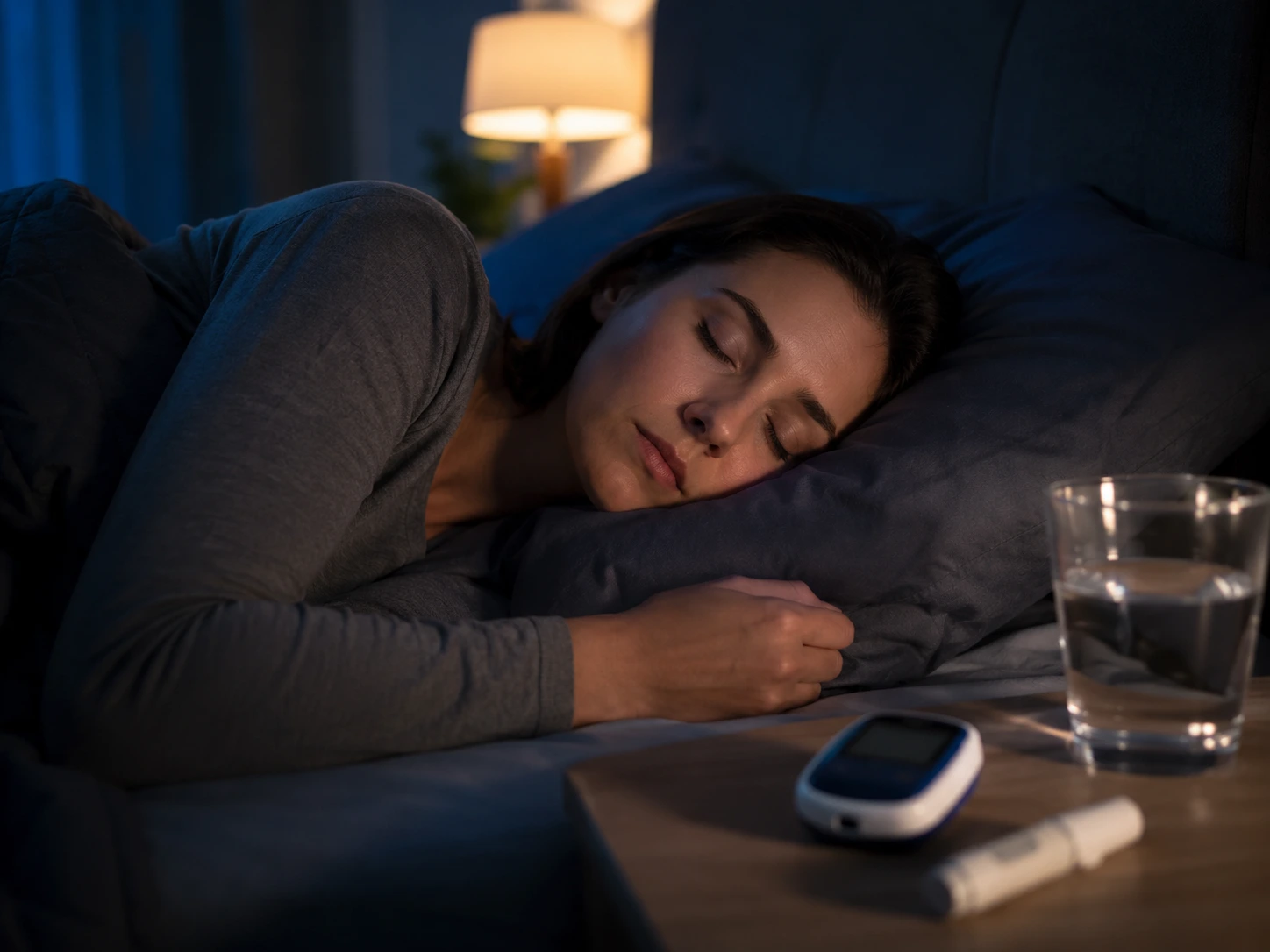
Yes, you can die from low blood sugar in your sleep, but it is very rare. Called “Dead in Bed” syndrome, it mainly affects Type 1 diabetics. When glucose drops dangerously low at night, the body cannot wake itself up to respond. This can trigger fatal cardiac events or seizures. Always monitor levels before bedtime to stay safe.
As a practicing physician, I regularly speak with patients who are completely exhausted and terrified of going to bed. They sit in my office and ask a very grim but understandable question: can you die from low blood sugar in your sleep? This fear is incredibly common, especially for those newly managing complex metabolic conditions.
Waking up in a cold sweat with a racing heart is a terrifying experience. For anyone managing diabetes or metabolic issues, nighttime blood sugar drops are a major concern. Many patients ask me a direct and frightening question: can you die from low blood sugar in your sleep? The short answer is yes; severe nocturnal hypoglycemia can be fatal, though it remains rare.
This specific condition happens when glucose levels drop to dangerous zones while you are unconscious. Your brain needs a constant supply of glucose to function.
Without it, the body struggles to send wake-up signals, leading to seizures or cardiac arrest. However, you do not need to live in constant fear. By understanding the clear warning signs and using modern monitoring tools, you can protect yourself. Let us explore the real risks and simple prevention strategies together to ensure your long-term safety.
TL;DR: Quick Overview
Severe low blood sugar during sleep, medically known as nocturnal hypoglycemia, can become dangerous. In very rare, extreme cases, it can be life-threatening if left completely untreated. This risk is highest for individuals with Type 1 diabetes or insulin-treated Type 2 diabetes.
However, common symptoms like heavy sweating, vivid nightmares, shakiness, and sudden waking can alert you to the drop. Preventive strategies, including eating balanced bedtime snacks and utilizing continuous glucose monitors, are highly effective at keeping you safe.
What Is Nocturnal Hypoglycemia?
“Nocturnal hypoglycemia” refers to any episode where your blood glucose drops dangerously low while you are asleep—defined as any reading below 70 mg/dL during the night. According to Johns Hopkins Medicine—Hypoglycemia: Nocturnal, almost half of all episodes of low blood glucose—and more than half of all severe episodes—occur during sleep.
The primary danger is that you are unconscious. During the day, you would feel shaky or hungry and eat a quick snack. At night, your glucose can plunge much further before your brain realizes there is a severe problem.
According to the National Institute of Diabetes and Digestive and Kidney Diseases—Low Blood Glucose (Hypoglycemia), low blood glucose is one of the most common and serious complications of diabetes treatment. This condition frequently affects individuals taking insulin, but understanding what causes low blood sugar without diabetes is vital, as these drops can happen to non-diabetics too.
Can You Die From Low Blood Sugar in Your Sleep?
Yes, severe, untreated hypoglycemia can rarely become fatal during sleep. However, I always immediately reassure my patients that these fatal events are exceedingly rare. Most nighttime crashes are highly preventable with proper medical monitoring and proactive treatment plans.
The risk heavily depends on your specific medical diagnosis. For patients asking about Type 1 diabetes symptoms, the risk is indeed mathematically higher. Type 1 patients rely entirely on synthetic insulin, making precise dosing very difficult.
Historically, the medical community documented a tragic phenomenon called “Dead in Bed Syndrome,” referring to young, otherwise healthy Type 1 diabetic patients who pass away unexpectedly in their sleep, likely due to severe, prolonged nocturnal hypoglycemia causing a fatal heart arrhythmia.
The American Diabetes Association — Signs, Symptoms, and Treatment for Hypoglycemia confirms that severe hypoglycemia remains one of the most dangerous acute complications for insulin-dependent patients.
When patients wonder about the risks with Type 2 diabetes, the risk is significantly lower. Type 2 patients generally have some remaining natural insulin function. However, if a Type 2 patient uses heavy, intensive insulin therapy, their risks begin to mirror those of Type 1 patients.
What Level of Low Blood Sugar Is Dangerous?
Understanding exactly what level of blood sugar is dangerous is crucial for your nighttime safety. You cannot rely on physical feelings alone; you must know the numbers. If your blood sugar drops below 70 while sleeping, you have entered the initial danger zone. Here is a clinical breakdown of the severity levels:
| Blood Sugar Level | Medical Meaning |
|---|---|
| Below 70 mg/dL | Low blood sugar (Requires immediate fast carbs) |
| Below 54 mg/dL | Serious hypoglycemia (Requires urgent medical intervention) |
| Below 40 mg/dL | Medical emergency (High risk for brain starvation and seizures) |
Symptoms become drastically more severe as your glucose drops lower. If your numbers fall into the serious hypoglycemia range, your brain struggles to send basic survival signals to your body. Research from the National Institutes of Health—Non-Diabetic Hypoglycemia highlights that prolonged glucose deprivation at these critical levels poses serious risks to neurological function.
Symptoms of Blood Sugar Dropping at Night
Recognizing the symptoms of blood sugar dropping at night can literally save your life. Because you are asleep, your body relies on intense physical reactions to wake you up. When your brain starves, it dumps stress hormones into your bloodstream, producing a recognizable set of warning signs. Understanding low blood sugar symptoms in detail equips you to act quickly before a crash becomes a medical emergency. Common nighttime symptoms include:
- Soaking night sweats (waking up with damp sheets)
- Vivid, terrifying nightmares
- A sudden, racing heartbeat
- Extreme physical restlessness or thrashing in bed
- Waking up feeling suddenly, intensely hungry
- Waking up with a severe morning headache or deep confusion
Unfortunately, some patients develop hypoglycemia unawareness—their bodies stop releasing adrenaline during a crash, meaning they sleep right through the dangerous drop. The Mayo Clinic’s Hypoglycemia Symptoms and Causes notes that hypoglycemia unawareness is especially dangerous because the person has no warning before glucose reaches critically low levels.
Can Hypoglycemia Cause Insomnia?
When patients ask, “Can hypoglycemia cause insomnia?” the answer is a resounding yes. When your glucose crashes, the resulting adrenaline surge violently yanks you out of deep sleep. Your heart pounds, and you feel a sudden, unexplained wave of anxiety and panic. Falling back asleep becomes nearly impossible, as your body is biologically primed for a fight-or-flight response, entirely ruining your overall sleep quality.
Furthermore, the fear of experiencing another crash keeps many patients lying awake, staring at the ceiling. This terrible cycle of frequent waking and the link between diabetes and anxiety profoundly damages their long-term health. The Sleep Foundation—Sleep and Blood Glucose Levels confirms that low blood sugar during sleep significantly disrupts sleep architecture and long-term sleep quality.
Is Low Blood Sugar at Night a Sign of Diabetes?
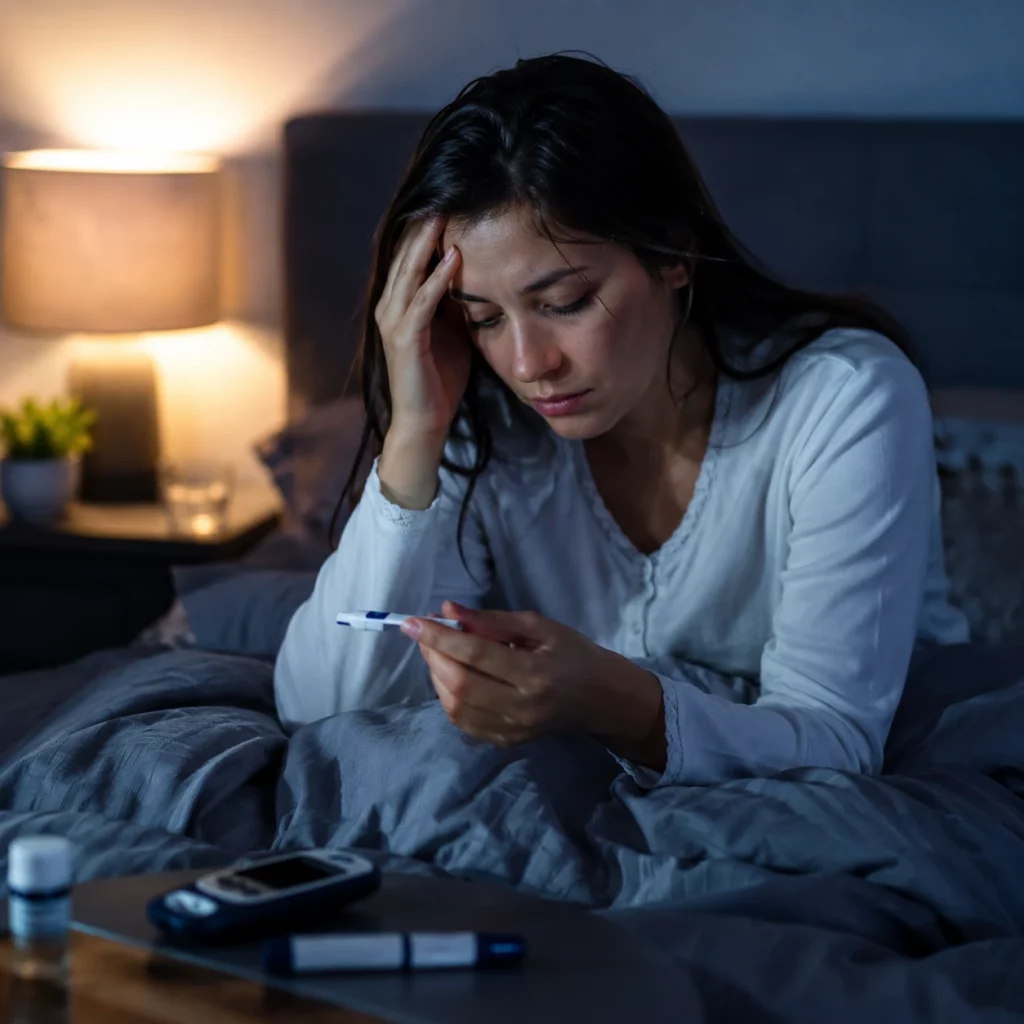
I carefully clarify that nighttime hypoglycemia is usually a complication of diabetes treatment, not necessarily a sign of the disease itself. Taking too much insulin causes the crash, not the underlying diabetes. However, non-diabetics can absolutely experience these drops.
Drinking excessive amounts of alcohol before bed blocks your liver from releasing sustained glucose overnight. Additionally, skipping dinner, suffering from specific hormonal disorders, or experiencing reactive hypoglycemia can trigger severe nighttime lows in perfectly healthy individuals.
Many people experience a terrifying night sweat and immediately jump to conclusions, asking whether it is one of the early warning signs of diabetes. The Johns Hopkins Medicine — Hypoglycemia (Low Blood Sugar) explains that almost half of all hypoglycemia episodes occur at night, making it critical to understand the underlying triggers regardless of diabetic status.
Can You Become Diabetic Overnight?
The simple, medical answer is no. Diabetes is a chronic metabolic condition that develops gradually over months or even years. Your pancreas slowly loses its ability to produce or properly utilize insulin. While the sudden onset of symptoms — like extreme thirst or frequent urination — can feel like it happened overnight, the internal disease process took time.
Furthermore, a single low blood sugar episode absolutely does not automatically mean you have diabetes. The Mayo Clinic’s Diabetes Diet: Create Your Healthy Eating Plan reinforces that proper dietary awareness is the first line of defense against both misdiagnosis and actual disease progression.
How to Prevent Nocturnal Hypoglycemia
The absolute best treatment for a nighttime crash is ensuring it never happens in the first place. You should never go to sleep without checking your current glucose levels first. If your numbers are hovering near 100 mg/dL before bed, you likely need a stabilizing snack.
You should also strictly avoid consuming heavy alcohol late in the evening, and most importantly, review your insulin timing with your doctor. Often, a simple adjustment to your basal insulin dose completely stops these terrifying overnight drops.
For high-risk patients, I heavily advocate for continuous glucose monitors (CGMs). These devices track your sugar all night and sound a loud alarm if you start to crash, waking you up before danger strikes. The PMC / NIH — Nocturnal Hypoglycemia in the Era of Continuous Glucose Monitoring—strongly recommends CGMs for anyone at elevated risk of overnight hypoglycemic episodes.
Best Bedtime Snacks to Prevent Overnight Low Blood Sugar
Choosing the right fuel before sleep is a powerful medical strategy. You need foods that digest slowly, providing a steady drip of energy into your bloodstream throughout the night. The best snacks combine high-quality protein, fiber, and complex carbohydrates. Finding the right healthy snacks for diabetics is essential to keep your blood sugar steady. Helpful, stabilizing bedtime options include:
- A spoonful of peanut butter on whole wheat crackers
- Half a cup of plain Greek yogurt with berries
- A slice of cheese paired with whole grain toast
- Half an apple with a small handful of almonds
These specific combinations prevent sudden insulin spikes while ensuring your liver has enough resources to keep your brain fed all night long. The PubMed Central—Glycaemic Thresholds for Counterregulatory Hormone Responses to Hypoglycaemia confirms that strategic bedtime nutrition is one of the most effective evidence-based tools for preventing nocturnal glucose crashes.
Nocturnal Hypoglycemia Without Diabetes
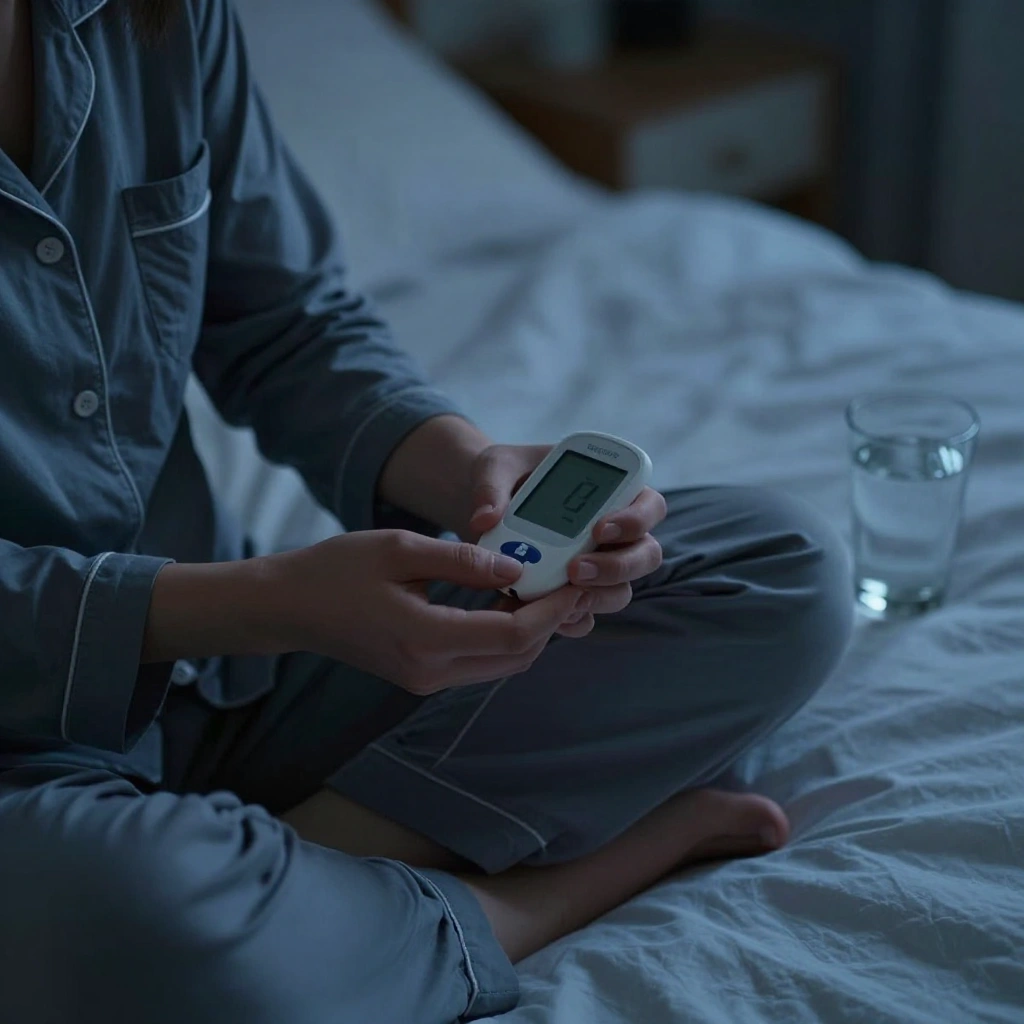
Experiencing nocturnal hypoglycemia without diabetes requires a thorough medical investigation. If you are not injecting synthetic insulin, your body should naturally prevent these nighttime drops. Long periods of extreme fasting or strict diets can deplete your liver’s glycogen stores completely, and your body simply runs out of fuel at 3:00 AM.
Certain hormone imbalances, specifically adrenal or pituitary insufficiencies, also disrupt overnight glucose regulation. Furthermore, severe underlying liver disease can prevent the proper release of stored sugars.
If you wake up shaking and sweaty but do not have diabetes, you must schedule a clinical evaluation to uncover the true metabolic cause. The Mayo Clinic advises that recurring non-diabetic hypoglycemia always warrants professional medical investigation to rule out serious underlying conditions.
When to Seek Emergency Medical Care
You must have a clear, actionable emergency plan if things go wrong. While mild crashes can be treated with juice on your nightstand, severe drops require immediate medical intervention. You must seek emergency care if you or your partner experiences any of the following warning signs:
- Sudden, violent physical seizures in bed
- Complete loss of consciousness or inability to be awakened
- Inability to swallow safely without choking
- Severe, prolonged confusion or combativeness upon waking
If you have a prescribed glucagon emergency kit, your family members must know exactly how to use it. If glucagon is unavailable and the patient is unconscious, call 911 immediately. For a full clinical breakdown of exactly when should you go to the ER for low blood sugar, review our detailed emergency guide.
Recovery After Overnight Low Blood Sugar
Surviving a terrifying nighttime crash leaves your body completely exhausted. After treating the low with 15 grams of fast carbs—such as juice—recheck your levels 15 minutes later. Do not go back to sleep until your numbers are safely above 70 mg/dL. The next morning, eat a substantial, highly balanced breakfast to replenish your depleted liver stores and hydrate aggressively, as heavy night sweats cause significant fluid loss.
Finally, you must discuss any recurring nighttime episodes with your clinician so your treatment plan can be adjusted immediately to prevent another dangerous night. Understanding what causes low blood sugar in your specific case is the foundation of a safe, long-term prevention strategy.
Research published in PubMed — Nocturnal Hypoglycemia: Characterization with Continuous Glucose Monitoring confirms that nocturnal hypoglycemia has a longer duration and slower recovery than daytime episodes, with significant effects on next-day glycemic control—making post-episode monitoring for the full 24 hours absolutely essential.
Frequently Asked Questions
What is nocturnal hypoglycemia?
Nocturnal hypoglycemia is any episode where blood glucose drops below 70 mg/dL while you are asleep. Because you are unconscious, the crash can deepen significantly before your body sounds its internal alarm through adrenaline release. It is one of the most dangerous forms of hypoglycemia due to the delayed response.
Can you die from low blood sugar in your sleep?
Yes, but fatal outcomes are exceedingly rare. Severe, prolonged, and completely untreated nocturnal hypoglycemia can trigger a fatal cardiac arrhythmia—a phenomenon known as “Dead in Bed Syndrome.” The risk is highest in Type 1 diabetics using intensive insulin therapy without continuous glucose monitoring.
Can hypoglycemia cause insomnia?
Yes. The adrenaline surge triggered by a nighttime glucose crash makes it extremely difficult to fall back asleep. Your body enters a full fight-or-flight state, and the psychological fear of another crash can keep many patients awake for hours, creating a damaging cycle of poor sleep and worsening metabolic control.
Is low blood sugar at night a sign of diabetes?
Not necessarily. Nighttime hypoglycemia is more often a side effect of diabetes treatment rather than a symptom of the disease itself. Non-diabetics can also experience these drops due to alcohol consumption, skipped meals, hormonal disorders, or reactive hypoglycemia. A clinical evaluation is always recommended for recurring episodes.
What is the best bedtime snack to prevent overnight low blood sugar?
The most effective bedtime snacks combine protein, fiber, and complex carbohydrates. Clinical favorites include peanut butter on whole-grain crackers, plain Greek yogurt with berries, or half an apple with almonds. These combinations slow digestion and provide a steady glucose release throughout the night, preventing dangerous morning crashes.
Conclusion
Living with the risk of nighttime glucose crashes can feel incredibly daunting, but it is a challenge you can absolutely manage with the right knowledge and tools. Throughout my medical career, I have seen countless patients transform their deep anxiety into quiet confidence simply by understanding their bodies better.
By implementing smart nighttime routines, such as testing your levels before bed and choosing the right stabilizing snacks, you build a strong safety net while you sleep. Furthermore, modern technology like continuous glucose monitors provides an invaluable layer of security, sounding the alarm long before a crisis occurs.
You do not have to let the fear of nocturnal drops steal your peace of mind or ruin your restorative sleep. Instead, take proactive steps today to discuss these risks with your healthcare team. We can fine-tune your medications, adjust your dietary habits, and ensure you go to bed feeling safe and protected every single night.
Remember, your condition requires daily diligence, but it does not have to dictate your life. Stay prepared, listen to your body’s vital warning signs, and prioritize your metabolic health. With a solid prevention strategy in place, you can finally rest easy and wake up energized.
Evidence-Based References
- Johns Hopkins Medicine – Hypoglycemia: Nocturnal: https://www.hopkinsmedicine.org/health/conditions-and-diseases/diabetes/hypoglycemia-nocturnal
- National Institute of Diabetes and Digestive and Kidney Diseases – Low Blood Glucose (Hypoglycemia): https://www.niddk.nih.gov/health-information/diabetes/overview/preventing-problems/low-blood-glucose-hypoglycemia
- American Diabetes Association – Signs, Symptoms, and Treatment for Hypoglycemia: https://diabetes.org/living-with-diabetes/hypoglycemia-low-blood-glucose/symptoms-treatment
- National Institutes of Health / StatPearls – Non-Diabetic Hypoglycemia: https://www.ncbi.nlm.nih.gov/books/NBK573079/
- Mayo Clinic – Hypoglycemia Symptoms and Causes: https://www.mayoclinic.org/diseases-conditions/hypoglycemia/symptoms-causes/syc-20373685
- Sleep Foundation – Sleep and Blood Glucose Levels: https://www.sleepfoundation.org/physical-health/sleep-and-blood-glucose-levels
- Johns Hopkins Medicine – Hypoglycemia (Low Blood Sugar): https://www.hopkinsmedicine.org/health/conditions-and-diseases/diabetes/hypoglycemia-low-blood-sugar
- Mayo Clinic – Diabetes Diet: Create Your Healthy Eating Plan: https://www.mayoclinic.org/diseases-conditions/diabetes/in-depth/diabetes-diet/art-20044295
- PMC / NIH – Nocturnal Hypoglycemia in the Era of Continuous Glucose Monitoring: https://www.ncbi.nlm.nih.gov/pmc/articles/PMC8012317/
- PubMed Central – Glycaemic Thresholds for Counterregulatory Hormone Responses to Hypoglycaemia: https://www.ncbi.nlm.nih.gov/pmc/articles/PMC9477942/
- PubMed – Nocturnal Hypoglycemia: Characterization with Continuous Glucose Monitoring: https://pubmed.ncbi.nlm.nih.gov/40854742/