
Navigating a type 1 diabetes diet can often feel incredibly overwhelming for newly diagnosed patients. As an endocrinologist, I see this distinct frustration in my clinic every single week. Patients desperately want a simple blueprint to stabilize their chaotic blood sugar levels safely.
Recently, I treated a young patient named Lucas, who was struggling with severe post-meal glucose spikes. He was terrified of eating carbohydrates and was severely limiting his nutritional intake. However, during our clinical interview, I explained that his food choices weren’t entirely the problem.
The real issue was a lack of strategic insulin timing and poor macronutrient balance. By implementing a highly structured, evidence-based meal plan, Lucas completely stabilized his A1C within just three months.
Furthermore, he returned to enjoying his favorite meals without absolute fear. Let’s deeply explore the exact nutritional science required to master your daily glucose levels.
What Is a Type 1 Diabetes Diet?
When patients ask what a good diet for type 1 diabetes is, they often expect a highly restrictive list of forbidden items. However, this specific nutritional strategy is actually about precise blood glucose stability. It is an intentional, structured method of matching your food intake perfectly with your required insulin dosages.
Unlike type 2 diabetes, which heavily focuses on reversing metabolic insulin resistance, type 1 requires total exogenous insulin management. Therefore, what diet is best for type 1 diabetes strictly revolves around highly accurate carbohydrate counting.
You must deeply understand exactly how different macronutrients are uniquely digested and enter your bloodstream.
Is Type 1 Diabetes Diet-Related or Reversible?
There is a massive amount of dangerous misinformation online regarding autoimmune conditions. Many frightened parents ask me, “Is type 1 diabetes caused by diet?” The definitive clinical answer is absolutely no. It is a strict autoimmune disease where the body violently attacks its own pancreas.
Consequently, you absolutely cannot answer the question “Can type 1 diabetes be reversed with diet?” with a yes. There is currently no nutritional cure.
Furthermore, if you wonder if type 1 diabetes can be controlled by diet alone, the medical reality is strict: insulin is non-negotiable for human survival. Diet strictly supports your daily management; it absolutely does not replace your vital medical therapy.
How Diet Affects Type 1 Diabetes
Understanding exactly how diet affects type 1 diabetes is your absolute greatest tool for daily success. Every single gram of carbohydrate you consume directly converts into glucose inside your bloodstream. Therefore, mastering the clinical skill of carb counting is entirely mandatory for accurate insulin dosing.
Furthermore, you must deeply understand the glycemic index (GI) of your meals. High-GI foods rapidly and violently spike your blood sugar, while low-GI foods provide a slow, highly steady energy release. By learning to calculate your specific insulin-to-carb ratio, you can safely learn how to control type 1 diabetes with diet modifications.
Type 1 Diabetes Diet Guidelines
Following strict type 1 diabetes diet guidelines heavily prevents dangerous daily glucose rollercoasters. The American Diabetes Association strongly recommends focusing on highly balanced macronutrients at every single meal. You must strategically pair your carbohydrates with adequate lean proteins and healthy fats.
Consistent meal timing is another massive factor in type 1 diabetes dietary management. Eating at completely random hours makes predicting your background basal insulin needs incredibly difficult.
Furthermore, aggressively increasing your daily fiber intake naturally slows down gastric emptying, heavily buffering post-meal sugar spikes.
Type 1 Diabetes Food List (What to Eat)
When building a highly effective type 1 diabetes diet food list, you must heavily prioritize raw, nutrient-dense whole foods. This specific category requires deep, clinical attention. Your total daily nutrition dictates your energy, your immune system, and your long-term vascular health.
Complex Carbohydrates and Whole Grains
You absolutely do not need to fear carbohydrates. However, you must heavily select complex, slow-digesting options. Excellent choices include steel-cut oats, quinoa, brown rice, and heavily seeded whole-grain breads.
These specific foods are thickly packed with natural dietary fiber, which actively prevents sudden, violent blood sugar spikes after meals.
Lean Proteins for Satiety
Protein is absolutely vital because it has a minimal immediate impact on your blood glucose levels. Therefore, your type 1 diabetes food list must strictly include skinless poultry, fresh wild-caught fish, and lean cuts of grass-fed beef.
For plant-based options, heavily utilize firm tofu, tempeh, and various legumes. Protein fiercely keeps you full and safely stabilizes your energy.
Healthy Fats for Glucose Buffering
Dietary fats heavily slow down the rapid digestion of accompanying carbohydrates. Consequently, incorporating healthy fats is a massive clinical secret for blood sugar control.
You should aggressively include raw almonds, chia seeds, fresh avocados, and extra virgin olive oil. Always strictly avoid dangerous artificial trans fats found in cheap, highly processed commercial baked goods.
Non-Starchy Vegetables
These are the absolute holy grail of diabetes nutrition. You can consume massive quantities of non-starchy vegetables with almost zero impact on your insulin requirements.
Heavily load your daily plate with fresh spinach, dark broccoli, crunchy bell peppers, and raw zucchini. They provide massive amounts of vital micronutrients and strictly necessary roughage.
Foods to Avoid with Type 1 Diabetes
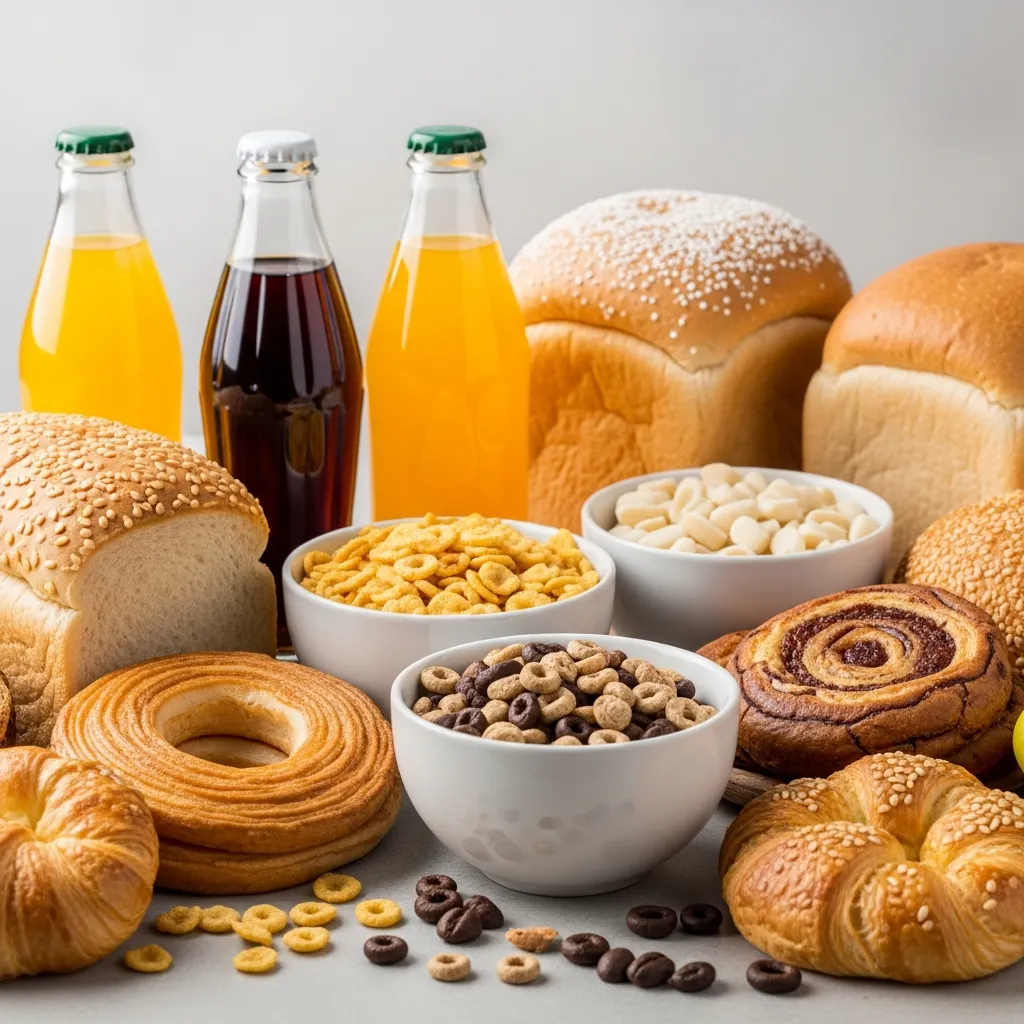
Just as importantly, you must strictly memorize the type 1 diabetes foods to avoid. Sugary beverages, including regular soda and highly concentrated fruit juices, are incredibly dangerous. They violently flood your bloodstream with raw glucose faster than injected synthetic insulin can physically act.
Furthermore, heavily restrict refined carbs like white bread, sugary breakfast cereals, and sweet pastries. These ultra-processed snacks are entirely stripped of their natural fiber. Consequently, these severe type 1 diabetes diet restrictions are absolutely necessary to prevent terrifying, sudden hyperglycemic emergencies.
Type 1 Diabetes Diet Chart
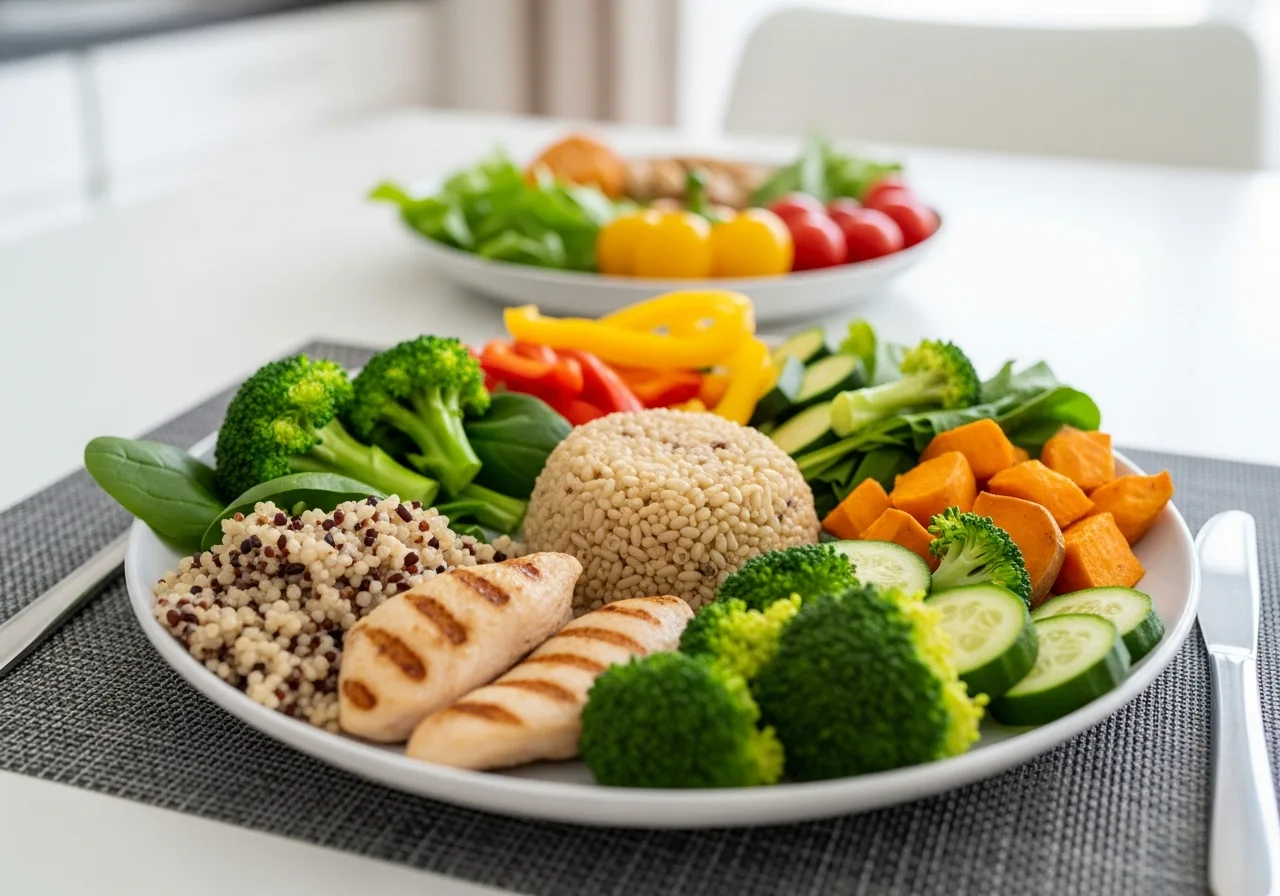
A highly visual type 1 diabetes diet chart immensely helps my patients grasp proper daily portion sizes. Your daily plate should be strictly divided into highly specific, calculated sections. Half of your physical plate must absolutely be filled with safe, non-starchy green vegetables.
Next, exactly one-quarter of the plate should contain a high-quality lean protein source. Finally, the remaining strict quarter is reserved for your accurately counted complex carbohydrates. This highly specific type 1 diabetes food chart completely removes the daily guesswork from your meal prepping.
Type 1 Diabetes Meal Plan
Creating a reliable type 1 diabetes meal plan requires strict consistency and advanced preparation. For a standard 1-day template, start with a highly balanced breakfast of eggs and whole-grain avocado toast. Consequently, this heavy protein-fat combo keeps your morning sugars perfectly flat.
For lunch, strictly utilize a large mixed greens salad heavily topped with grilled chicken and exactly one cup of quinoa. Dinner should heavily feature baked salmon, roasted broccoli, and a strictly measured portion of sweet potato. Building out type 1 diabetes diet plan examples heavily reduces severe daily decision fatigue.
Type 1 Diabetes Diet Plan for Adults
A highly optimized type 1 diabetes diet plan for adults must heavily account for busy work schedules and metabolic changes. If you are specifically utilizing a type 1 diabetes diet to lose weight, you must strictly implement a safe daily calorie deficit. However, you must do this incredibly carefully.
Aggressively lowering your daily calories directly lowers your daily insulin requirements. If you do not actively adjust your medical pump settings, you will experience severe, highly dangerous hypoglycemia. Therefore, always strictly coordinate any major weight loss strategy directly with your treating endocrinologist.
Type 1 Diabetes Diet for Children & Kids
Managing a strict type 1 diabetes diet for child patients requires an entirely different clinical approach. Children absolutely require massive amounts of daily calories and carbohydrates for proper neurological and physical growth. You cannot strictly limit their food; you must expertly match their insulin to their biological needs.
A highly successful type 1 diabetes diet plan for child development focuses heavily on highly flexible eating. You must actively work directly with school nurses for proper midday meal planning. Educating your child on recognizing severe low blood sugar symptoms is strictly more important than achieving perfect daily numbers.
Vegetarian & Special Diets
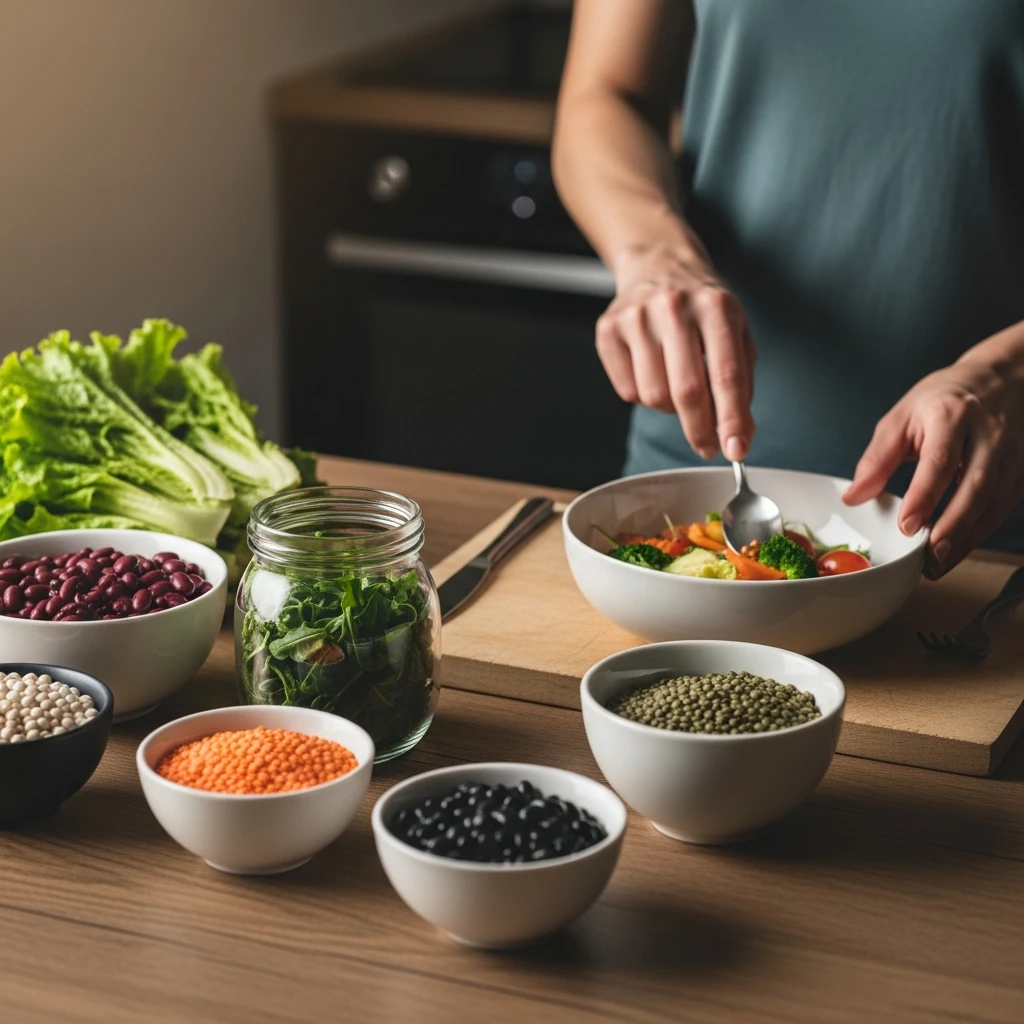
Many patients actively pursue a strict vegetarian type 1 diabetes diet for ethical or health reasons. This approach is highly effective because it heavily increases daily fiber intake. However, you must meticulously calculate the carbohydrates hidden inside plant-based proteins like heavy beans and thick lentils.
Conversely, some patients ask if the keto diet is good for type 1 diabetes. While keto completely flattens daily blood sugar lines, it is clinically highly risky. A severe lack of carbohydrates combined with insulin malfunction can rapidly trigger fatal Diabetic Ketoacidosis (DKA). Therefore, strict medical supervision is absolutely mandatory.
Weight Loss & Type 1 Diabetes
Attempting a strict type 1 diabetes diet to lose weight adds a massive layer of clinical complexity. When you actively lose body fat, your physical sensitivity to synthetic insulin increases dramatically. Consequently, your previous daily insulin doses will suddenly become far too strong.
You must strictly establish a very mild, safe calorie deficit. Aggressively avoiding hypoglycemia is your absolute top medical priority during fat loss. Always treat low blood sugars immediately with rapid-acting glucose tabs, even if it temporarily ruins your daily caloric goals.
Type 1 Diabetes Diet Sheet (Printable)
I highly recommend that every newly diagnosed patient strictly utilize a type 1 diabetes diet sheet. This is a simple, highly visual chart format you can easily stick directly to your refrigerator. It acts as an immediate clinical reference guide for daily carbohydrate counting.
Your sheet should cleanly display the exact macronutrient breakdown of your most heavily consumed daily meals. By strictly referencing this sheet, you rapidly decrease severe dosing errors. Consequently, your highly stressful daily insulin management becomes significantly more automated.
Can You Manage Type 1 Diabetes Without Insulin?
Patients deeply terrified of needles constantly ask about a type 1 diabetes diet without insulin. I must be incredibly clear and medically strict here. Exogenous synthetic insulin is absolutely, undeniably essential for your sheer biological survival.
Diet alone is entirely insufficient to keep you alive. Without insulin, your body rapidly enters severe DKA, which is highly fatal. Your nutritional choices strictly make your injected insulin work vastly better, but they absolutely never replace the hormone itself.
Managing Type 1 Diabetes Holistically
Properly managing type 1 diabetes requires a massive, highly holistic daily approach. Your strict diet is only one massive pillar of your total medical health. Daily cardiovascular exercise aggressively pushes glucose directly into your active muscle cells, drastically lowering blood sugar levels.
Furthermore, deep, highly restorative sleep is strictly critical. Sleep deprivation violently spikes your daily cortisol levels, which aggressively creates severe insulin resistance the next morning. Finally, strict stress management heavily prevents the chaotic hormone fluctuations that utterly destroy perfect blood sugar control.
Medical Accuracy Section
As a practicing endocrinologist, I strictly base all nutritional protocols on rigorous, peer-reviewed clinical evidence. The underlying mechanism is straightforward: exogenous insulin artificially regulates your cellular glucose uptake.
Meanwhile, your daily dietary carbohydrates directly and predictably impact your circulating blood sugar levels.
Therefore, the clinical evidence grade for strict carbohydrate counting is rated incredibly high by major medical boards. Furthermore, utilizing a low-glycemic index (GI) approach holds a moderate-to-high clinical evidence rating for stability. These specific medical strategies are heavily proven to safely reduce your long-term A1C.
Safety, Risks & When to See a Doctor
You must fiercely prioritize absolute physical safety when altering your daily nutritional intake. The most immediate, life-threatening risk is severe hypoglycemia, which can quickly trigger unconsciousness or dangerous seizures. Always keep rapid-acting glucose tablets strictly within arm’s reach, everywhere you go.
Conversely, a severe lack of insulin combined with illness or extreme dietary errors can rapidly cause Diabetic Ketoacidosis (DKA). If you experience severe nausea, vomiting, or deep fruit-scented breath, seek immediate emergency medical care. Furthermore, pediatric patients require heavy, constant medical monitoring from a certified care team.
Frequently Asked Questions
What is the best diet for type 1 diabetics?
The absolute best nutritional strategy involves highly balanced macronutrients and strict daily carbohydrate counting. Furthermore, heavily prioritizing low-GI foods ensures a highly steady, predictable blood sugar response after meals.
What foods should you not eat with type 1 diabetes?
You must aggressively avoid highly concentrated sugary drinks, including sweet sodas and standard fruit juices. Additionally, heavily restrict ultra-processed snacks and highly refined white carbohydrates to strictly prevent violent glucose spikes.
What is the 10-10-10 rule for diabetes?
While not an official medical term, many patients use this strict concept to remember heavily balanced macronutrient distribution. It strictly reinforces the absolute necessity of combining equal, safe parts of carbs, heavy proteins, and healthy fats.
What are the 4 T’s of type 1 diabetes?
The classic medical presentation includes extreme thirst, highly frequent urination, severe physical tiredness, and completely unexplained weight loss. If you strictly observe these massive symptoms, immediate emergency medical evaluation is absolutely required.
Can you manage type 1 diabetes without insulin?
You absolutely cannot manage this specific autoimmune condition strictly without synthetic insulin. While advanced nutrition makes daily management vastly easier, exogenous insulin remains entirely non-negotiable for human survival.
Conclusion
Mastering your daily type 1 diabetes diet does not have to be a highly terrifying or restrictive experience. By strictly understanding accurate carbohydrate counting and heavily focusing on balanced macronutrients, you can absolutely live a thriving, totally energetic life. Never let this complex autoimmune condition dictate your daily happiness.
Take strict, powerful control of your metabolic health today by actively consulting your primary endocrinologist. Equip yourself with absolute medical knowledge, strictly master your daily insulin, and reclaim your health forever!