
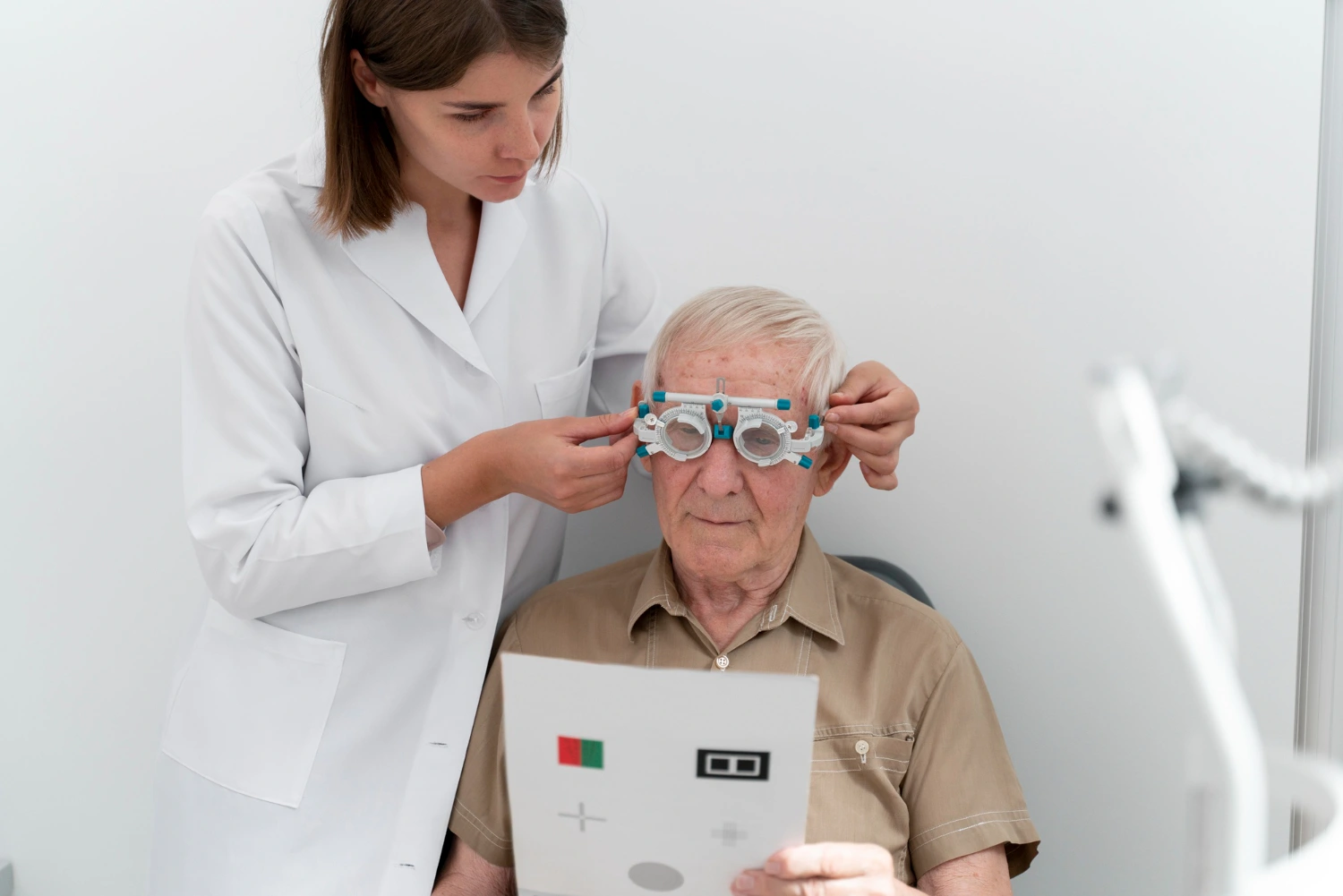
Hello there. When a patient sits in my office, they often look completely terrified about losing their sight. Just last week, I interviewed a patient named John who noticed sudden dark floaters. He desperately needed a clear diabetic retinopathy treatment plan to save his vision.
As a board-certified MD, I assured him that modern medicine offers incredible, highly effective tools. Consequently, he felt a massive sense of relief. You might feel anxious right now, but you are definitely not alone in this fight.
First of all, you need to understand exactly what happens inside your eyes. Furthermore, you must know your clinical options. In this guide, I will walk you through everything from early symptoms to the most advanced surgical procedures available today.
TL;DR
- Core Interventions: Diabetic retinopathy treatment primarily includes blood sugar control, anti-VEGF eye injections, laser therapy, and advanced surgery.
- Early Stages: You may not need invasive procedures immediately. Instead, strict diabetes management remains your best defense.
- Advanced Stages: Doctors heavily rely on injections or laser treatment to actively prevent permanent vision loss.
- Financial Impact: Costs vary wildly, ranging from $1,000 to over $10,000 annually, depending strictly on your specific treatment type.
- Bottom Line: Early detection through annual screening is absolutely critical to preserving your long-term vision.
What Is Diabetic Retinopathy?
To understand the solutions, we must first define the problem. What is diabetic retinopathy exactly? It is a serious eye condition that directly affects people with diabetes.
Specifically, chronic high blood sugar damages the delicate microvascular system inside your retina. The retina is the light-sensitive tissue at the very back of your eye. When these tiny blood vessels are damaged, they leak fluid or bleed heavily.
Therefore, aggressive blood sugar control forms the foundation of any vision preservation strategy. If you want to protect your eyes, you must prioritize your overall diabetes management daily.
Diabetic Retinopathy Symptoms (Early vs Advanced)
Many patients ask me about diabetes vision symptoms. You must realize that this disease acts like a silent thief. It often steals your vision slowly before you notice anything is wrong.
Early Symptoms
In the beginning, you might experience zero warning signs. This is why annual screenings save so many eyes. However, what are two symptoms of early-stage diabetic retinopathy?
- Mild blurred vision that fluctuates daily.
- New, transparent floaters drifting across your sightline.
Advanced Symptoms
If you ignore the early signs, the disease rapidly progresses. Advanced diabetic retinopathy symptoms become severe and frightening. You might experience sudden, complete vision loss in one eye.
Additionally, you could see large, dark spots blocking your central vision. These spots occur because damaged retinal vessels bleed directly into the clear gel of your eye.
Diabetic Retinopathy Stages
Eye specialists categorize this disease into four distinct diabetic retinopathy stages. Knowing your exact stage dictates your entire medical strategy.
- Mild NPDR: Tiny bulges appear in the retina’s blood vessels.
- Moderate NPDR: The disease blocks some blood vessels, reducing nourishment to the retina.
- Severe NPDR: Many vessels become blocked. The retina aggressively signals the body to grow new ones.
- Proliferative Diabetic Retinopathy (PDR): This is the most advanced stage. Fragile, abnormal new blood vessels grow wildly and bleed easily.
Non-Proliferative Diabetic Retinopathy Treatment
If you catch the disease early, you enter the non-proliferative phase. Non-proliferative diabetic retinopathy treatment rarely requires surgery.
Instead, we focus intensely on your metabolic health. You must maintain a strict HbA1c level below 7%. Furthermore, you need to aggressively manage your blood pressure and lipid levels.
During this stage, your eye doctor will choose vigilant monitoring over invasive intervention. As a result, your daily lifestyle choices become your primary medicine.
Proliferative Diabetic Retinopathy Treatment
Conversely, late-stage disease requires immediate, aggressive action. Proliferative diabetic retinopathy treatment aims to stop abnormal vessel growth and clear blinding blood.
Doctors typically use three main weapons here. First, they administer anti-VEGF eye injections. Second, they utilize targeted laser photocoagulation. Finally, for the most severe bleeding, they perform a vitrectomy surgery.
Main Diabetic Retinopathy Treatment Options
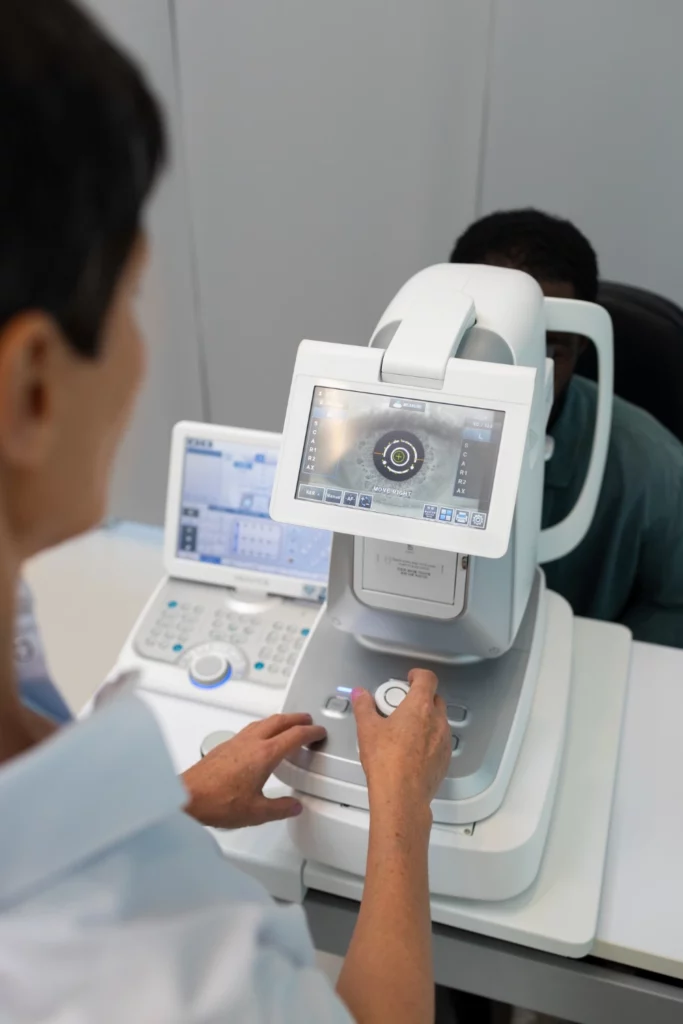
Patients constantly ask me, “What is the treatment for diabetic retinopathy?” Because this is the core of your journey, we need to explore these medical options in depth.
Eye Injections (Anti-VEGF Therapy)
Currently, eye injections for diabetic retinopathy stand as the gold standard of modern care. While a needle in the eye sounds terrifying, patients tell me the procedure is surprisingly painless.
Your retina produces a protein called VEGF when it starves for oxygen. This protein causes abnormal, leaky blood vessels to grow. Therefore, doctors inject specific diabetic retinopathy medication (like ranibizumab or aflibercept) directly into the eye.
These anti-VEGF injections actively block the harmful protein. Consequently, they shrink abnormal vessels and reduce swelling quickly. Most patients start with monthly injections. Afterward, they slowly transition to a less frequent maintenance schedule.
Laser Treatment (Photocoagulation)
Many people wonder, “What is laser treatment for diabetic retinopathy?” This is a highly effective, time-tested outpatient procedure.
Eye surgeons use a highly focused laser beam to create tiny burns on the retina. Specifically, this heat instantly seals leaking blood vessels. Furthermore, it stops excess fluid from accumulating in the center of your eye.
While it rarely restores lost vision, it excels at preventing further disease progression. You might need multiple laser sessions to fully stabilize a severely damaged retina.
Surgery (Vitrectomy)
When blood heavily fills the center of your eye, lasers and injections cannot work. In these cases, doctors recommend a diabetic retinopathy treatment surgery called a vitrectomy.
During this delicate operation, the surgeon removes the blood-filled vitreous gel from your eye. They then replace it with a clear saline solution. This procedure removes visual blockages and repairs dangerous retinal detachments simultaneously.
Medications & Emerging Treatments
Beyond anti-VEGF drugs, doctors sometimes use powerful corticosteroid implants. They inject these tiny steroid devices into the eye to fight severe, stubborn inflammation.
In addition, researchers constantly develop new investigational therapies. Science moves fast, and better, longer-lasting medications hit the clinical trials every single year.
Eye Drops (Do They Work?)
Patients often look for easier alternatives. So, do diabetic retinopathy treatment eye drops actually work?
Currently, the clinical evidence remains incredibly limited. While some drops help with minor dry eye issues, they cannot penetrate deep enough to heal a damaged retina. Therefore, doctors never use them as a first-line therapy for this serious disease.
What Is the Best Treatment for Diabetic Retinopathy?
Patients often look at me and ask directly, “Doctor, what is the best treatment for diabetic retinopathy overall?” Honestly, the answer heavily depends on your specific disease stage. We use an evidence-based hierarchy to make this clinical decision.
Specifically, anti-VEGF injections serve as the absolute first-line defense for most moderate to severe cases. Clinical trials consistently prove they preserve central vision much better than older methods. Therefore, we almost always start our intervention here.
Meanwhile, laser therapy acts as an excellent adjunct treatment. We frequently combine it with injections to stabilize leaking vessels permanently. Finally, surgery remains the ultimate backup plan for advanced, blinding complications.
Diabetic Retinopathy Treatment Cost (US)
Medical expenses create massive anxiety for my patients. The actual diabetic retinopathy treatment cost varies depending on your insurance and the necessary procedures. Below is an estimated breakdown of out-of-pocket costs without robust insurance coverage.
| Treatment Type | Estimated Cost (Per Session/Dose) |
| Eye Injections (Anti-VEGF) | $1,500 – $2,500 |
| Laser Therapy (Photocoagulation) | $2,000 – $5,000 |
| Vitrectomy Surgery | $8,000 – $15,000 |
Furthermore, you must consider the ongoing nature of these therapies. Injections require multiple annual visits. Fortunately, Medicare and most private health insurance plans cover the vast majority of these medically necessary procedures.
Local Treatment Options Near You
Finding a qualified retina specialist quickly is paramount. You need localized care to ensure you never miss a vital injection appointment. Therefore, specialized clinics operate across the entire country.
Major City Treatment Hubs
If you live in a major metropolitan area, you have excellent options. For instance, Houston diabetic retinopathy treatment centers lead the nation in advanced clinical trials. Similarly, finding San Antonio diabetic retinopathy treatment is incredibly easy due to the large regional hospital networks.
Furthermore, coastal residents can easily access top-tier Seattle diabetic retinopathy treatment facilities. Midwestern patients frequently utilize Minneapolis diabetic retinopathy treatment or Kansas City diabetic retinopathy treatment clinics to save their sight.
Additionally, southern patients easily find Charleston diabetic retinopathy treatment and Chattanooga diabetic retinopathy treatment experts. Even suburban areas offer highly specialized Bellevue diabetic retinopathy treatment hubs.
Statewide Care Availability
Perhaps you live outside a major city. Fortunately, the entire state medical network supports vision care. Massive states offer comprehensive Texas diabetic retinopathy treatment and NY diabetic retinopathy treatment programs for all residents.
Moreover, finding Illinois diabetic retinopathy treatment or Minnesota diabetic retinopathy treatment involves just a quick doctor’s referral. Likewise, coastal regions boast extensive South Carolina diabetic retinopathy treatment and South Florida diabetic retinopathy treatment networks.
Action Step: Search for a diabetic retinopathy treatment specialist near me today. Alternatively, simply ask your primary care physician for a direct ophthalmology referral.
Can Diabetic Retinopathy Be Reversed or Healed?
Patients desperately want to know, “Can diabetic retinopathy heal completely?” As a physician, I must be brutally honest here. You cannot magically reverse advanced structural damage to the eye.
However, you can absolutely stabilize it. During the earliest stages, strict blood sugar control can reverse minor blood vessel swelling. Consequently, this early action prevents any permanent vision loss.
In contrast, advanced proliferative stages cannot fully heal. Instead, our clinical goal shifts entirely to aggressive disease management. We use treatments to freeze the disease in its tracks, preserving whatever vision you currently possess.
Diabetic Retinopathy Screening & Early Detection
Prevention will always be superior to surgery. Therefore, diabetic retinopathy screening remains your most powerful tool. You absolutely must schedule a comprehensive, dilated eye exam every single year.
During this simple exam, your eye doctor uses special drops to widen your pupils. Subsequently, they thoroughly examine the hidden blood vessels at the very back of your eye.
Furthermore, modern clinics now use AI-assisted retinal cameras. These tools detect microscopic damage instantly, long before you ever notice a change in your vision.
Lifestyle & Nutrition for Eye Health

Medical interventions only work if you support them with good nutrition. What foods should diabetics avoid with retinopathy? You must ruthlessly eliminate refined carbohydrates, sugary sodas, and dangerous trans fats from your daily diet.
Specifically, these processed foods cause massive blood sugar spikes that directly destroy fragile retinal vessels. Instead, focus heavily on an anti-inflammatory diet. Eat plenty of omega-3 fatty acids found naturally in wild-caught salmon.
Additionally, load your plate with leafy greens like spinach and kale. These vegetables contain lutein, a crucial nutrient for deep retinal health. Therefore, eating low-glycemic foods actively supports your ongoing clinical treatments.
How to Live With Diabetic Retinopathy
Getting this diagnosis feels overwhelming, but life certainly does not end here. How to live with diabetic retinopathy involves adapting to your new reality safely. First, utilize modern vision aids like magnifying lenses and high-contrast digital screens.
Furthermore, you must maintain relentless glucose control. Check your blood sugar daily and take your prescribed medications faithfully.
Finally, attend every single scheduled eye appointment. Even if your vision feels perfectly fine that day, you must let your doctor verify your retinal stability.
Diabetic Retinopathy Life Expectancy
Sometimes, patients quietly worry about their mortality. Does this specific eye disease directly affect your diabetic retinopathy life expectancy? Strictly speaking, the eye condition itself is not directly life-limiting.
However, it acts as a massive medical red flag. If your tiny eye blood vessels are severely damaged, your heart and kidney vessels likely are, too.
Therefore, doctors view this diagnosis as a critical marker of systemic vascular disease. It requires immediate, full-body medical attention to prevent future heart attacks or kidney failure.
Frequently Asked Questions
What is diabetic retinopathy treatment?
It involves medical and surgical interventions designed specifically to prevent permanent vision loss. These treatments include strict blood sugar control, specialized anti-VEGF eye injections, targeted laser therapy, and advanced eye surgery.
What is the best treatment for diabetic retinopathy?
Anti-VEGF eye injections are currently considered the first-line, most effective treatment for advanced cases. However, your specific disease stage ultimately determines the absolute best individual approach.
What are the early symptoms?
Most patients experience absolutely zero symptoms initially. However, early warning signs include mild, fluctuating blurred vision and a sudden increase in dark eye floaters.
Can diabetic retinopathy heal?
It cannot fully heal or reverse once advanced structural damage occurs inside the retina. Nevertheless, strict medical treatments and tight glucose control can successfully stop it from causing further blindness.
What foods should I avoid with this condition?
You must strictly avoid sugary beverages, highly processed baked goods, and refined carbohydrates. These items directly cause the dangerous glucose spikes that actively damage your fragile eye vessels.
Conclusion
In conclusion, facing a diabetic retinopathy diagnosis feels incredibly daunting. However, I want to reassure you that modern medicine offers powerful, highly effective solutions. Whether you need simple monitoring or advanced anti-VEGF injections, you have excellent options to preserve your precious sight.
Most importantly, your daily lifestyle choices remain your strongest defense against this disease. Therefore, you must relentlessly prioritize your blood sugar control and never skip your annual comprehensive eye exams. Early detection truly is the ultimate medicine.
Ultimately, by working closely with your dedicated eye care specialist, you can absolutely protect your vision. Do not let fear paralyze you. Instead, take immediate action today, schedule your next screening, and maintain your beautiful quality of life.
Medical References:
- National Eye Institute (NIH) – Diabetic Retinopathy Overview & Treatment Guidelines
- American Academy of Ophthalmology (AAO) – Diabetic Retinopathy Clinical Management
- Centers for Disease Control and Prevention (CDC) – Vision Loss and Diabetes Guide
- Centers for Disease Control and Prevention (CDC) – Research on Treatments for Diabetes Eye Complications
- Mayo Clinic – Diabetic Retinopathy Symptoms, Causes, and Interventions